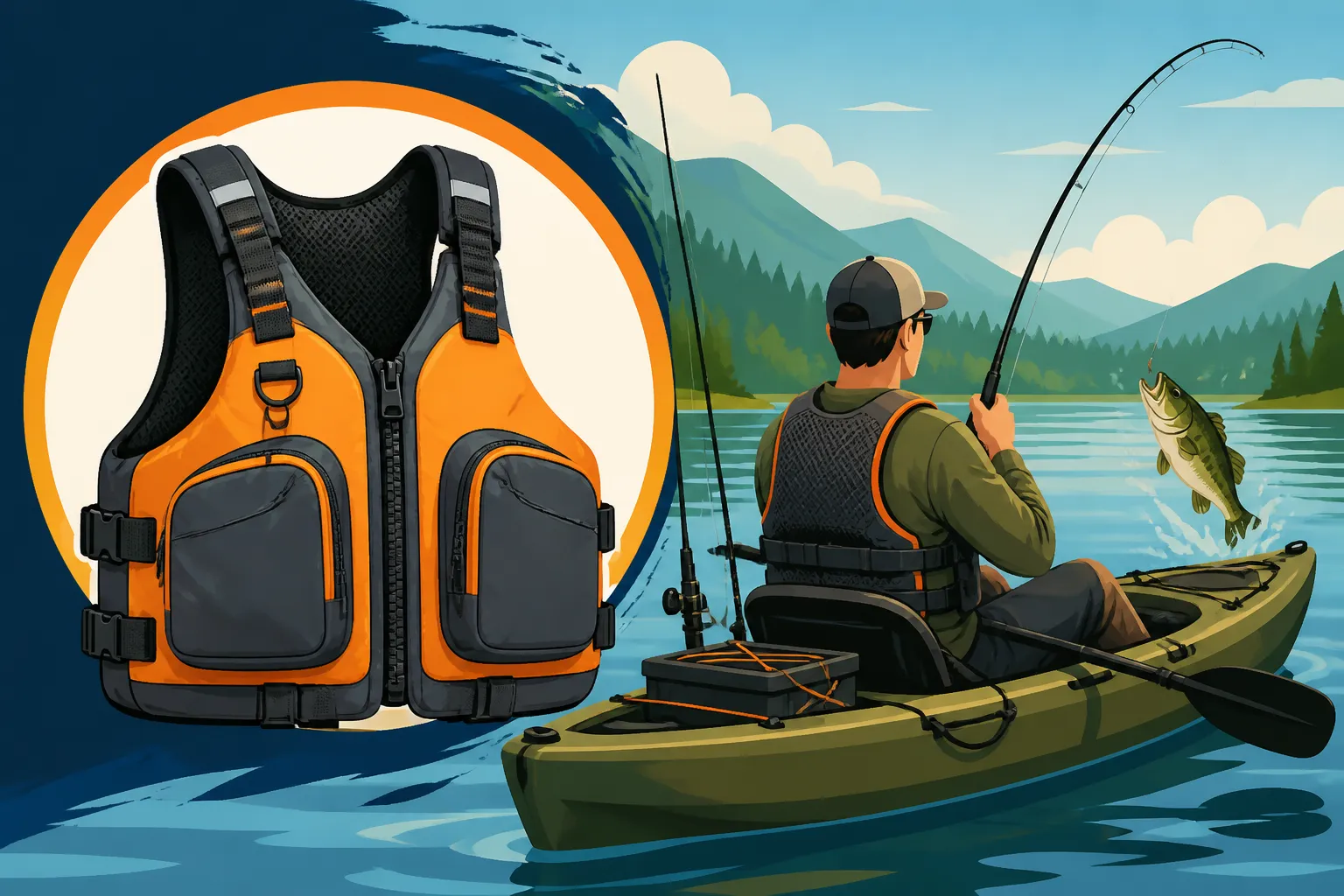
Best Life Jacket for Lake Kayak Fishing
There’s nothing quite like the feeling of gliding across a pristine Vermont lake in your kayak, paddle dipping rhythmically, on the hunt for that next big catch. But let's be honest, as much as we love the freedom of kayak fishing, there's always that nagging thought in the back of your mind: "What if?" What if the weather turns suddenly, what if you take an unexpected spill, or what if that rogue wave capsizes your craft? Being prepared isn't just a good idea; it's absolutely essential for safety and peace of mind on the water. This guide is all about helping you find the absolute best life jacket specifically designed for lake kayak fishing, ensuring you're safe, comfortable, and ready for whatever your Vermont adventures throw your way.
Why a Dedicated Kayak Fishing Life Jacket is Essential
Many folks think "a life jacket is a life jacket," but when you're spending hours on the water, paddling, casting, and reeling from a seated position in a kayak, that couldn't be further from the truth. A standard recreational PFD (Personal Flotation Device) might keep you afloat, but it won't offer the comfort, mobility, or practical features that a specialized kayak fishing life jacket provides. And when you're out on the often chilly, sometimes unpredictable waters of Vermont's larger lakes like Lake Champlain or even the smaller, deeper ones like Lake Willoughby, having the right gear can make all the difference between a minor inconvenience and a serious situation.
Beyond Basic Buoyancy: What Makes Them Different?
Think about it: when you're kayak fishing, you're constantly moving. You're twisting to cast, leaning to paddle, reaching for your net, or rummaging in your tackle box. A bulky, ill-fitting life jacket designed for a powerboat or even casual canoeing will quickly become a nuisance, riding up around your chin, chafing your armpits, and generally restricting your movement. This isn't just uncomfortable; it can actually hinder your ability to fish effectively or, more importantly, to react quickly in an emergency.
Dedicated kayak fishing PFDs are engineered with a kayak angler's unique needs in mind. They typically feature higher back panels that prevent them from bunching up against the high-backed seats common in fishing kayaks. The armholes are often cut larger, allowing for a full range of motion while paddling and casting. Beyond just flotation, these PFDs are also designed to be an integral part of your fishing system, offering convenient storage and attachment points for essential tools. It's about combining safety with functionality, turning your life jacket into a piece of gear that enhances your fishing experience rather than detracts from it.
The Real Dangers of Vermont's Waters
Vermont's lakes and rivers offer incredible fishing, but they also demand respect. Lake Champlain, for example, can go from glassy calm to white-capping waves in a matter of minutes, especially with sudden weather changes. Even smaller lakes can have surprisingly cold water temperatures, particularly in spring and fall, making hypothermia a very real threat if you unexpectedly find yourself in the water. Currents in rivers, or even strong winds on large lakes, can quickly pull you away from your kayak if you're not secured and properly equipped.
Having a life jacket that not only keeps you afloat but also provides some thermal protection and makes self-rescue easier is paramount. The initial shock of cold water can take your breath away, making it difficult to swim or even think clearly. A well-fitting, high-quality PFD buys you precious time and conserves energy, allowing you to regain composure and work your way back to your kayak or shore. Don't ever underestimate the power of Vermont's natural elements; a good life jacket is your first and most critical line of defense. Vermont Boating Laws for Anglers covers many other safety aspects you should be aware of.
Key Features to Look for in a Kayak Fishing PFD
When you're ready to invest in a kayak fishing life jacket, don't just grab the first one you see. There are several critical features that differentiate a good PFD from a truly great one for kayak anglers. Thinking about how you fish, where you fish, and what makes you most comfortable will guide your decision.
Comfort and Fit: The Foundation of All-Day Wear
Let's be honest, if a PFD isn't comfortable, you won't wear it. And if you don't wear it, it can't save your life. This is perhaps the most important consideration for a kayak fishing life jacket, as you'll likely be wearing it for hours on end, through sun and maybe even some rain.
- Adjustability: Look for multiple adjustment points – shoulder straps, side straps, and often a waist belt. These allow you to cinch the PFD down for a snug, secure fit that won't ride up when you paddle or cast. A well-adjusted PFD should feel like an extension of your body, not a bulky hindrance.
- Sizing: Always refer to the manufacturer's sizing chart, paying close attention to chest measurements. PFDs are sized by chest circumference and weight, but the chest measurement is typically more critical for adults. Different brands, whether you're looking at options from Bass Pro Shops or online at Amazon, might have slightly different sizing, so double-check.
- Ventilation: Kayak fishing can be hot work, especially in the summer. PFDs with mesh backs, open sides, or breathable fabrics can dramatically improve comfort by allowing air to circulate and reducing sweat buildup. Some designs incorporate articulated foam panels that flex with your body, further enhancing breathability and reducing bulk. Nobody wants to feel like they're in a sauna while trying to enjoy a peaceful day on the water.
Storage and Accessibility: Keeping Your Gear Close
One of the biggest advantages of a specialized fishing PFD is its built-in storage. In a kayak, space is at a premium, and having frequently used tools and tackle within easy reach can make your day much more enjoyable and efficient.
- Pockets: Look for strategically placed pockets on the front or sides. These are perfect for small tackle boxes, pliers, line clippers, leader material, or even a small snack. Zippered pockets are great for securing items, while mesh pockets can be useful for quick-drying items. Some PFDs even have dedicated pockets for waterproof cameras or VHF radios.
- Attachment Points: D-rings, loops, and lash tabs are incredibly useful. They allow you to attach gear retractors for tools like forceps or a whistle, ensuring they're always accessible but won't fall overboard. Some PFDs include knife tabs for safety knives, which are crucial for cutting lines in an emergency. These small features, often overlooked, significantly enhance the functionality of your PFD as a fishing platform.
- Hydration: Longer trips out on the lake mean staying hydrated. Some fishing PFDs come with integrated hydration sleeves on the back, allowing you to carry a water bladder and sip through a tube, keeping your hands free for fishing. This is a game-changer for extended outings, especially on hot summer days.
Mobility and Paddle Clearance: Unrestricted Movement
The entire point of kayak fishing is to paddle and cast freely. Your PFD should never get in the way of these core activities.
- Armholes: Look for large, sculpted armholes that allow your arms to move unimpeded, whether you're performing a powerful forward stroke with your paddle or making a long, accurate cast. Restrictive armholes will quickly lead to fatigue and discomfort.
- Low-Profile Designs: Many kayak fishing PFDs feature a low-profile design, particularly in the front, to reduce bulk and prevent interference with your paddle stroke. Some even have a "fishing license pocket" or a clear window to display your Vermont Fishing License Guide for 2026 without fumbling around. The foam flotation is often distributed more evenly around the torso rather than concentrated in one thick block, allowing for better flexibility.
- High-Back Design: As mentioned earlier, a high-backed seat is common in fishing kayaks. A PFD with a high-back flotation panel ensures that the life jacket doesn't push up against the seat, causing it to ride up uncomfortably. Instead, the flotation is placed higher on the back or distributed to the sides and front, maintaining comfort and proper fit.
Types of Life Jackets for Kayak Anglers
Understanding the different types of PFDs is crucial because not all are created equal for kayak fishing. The Coast Guard rates PFDs by "Type" based on their design and the level of buoyancy they provide. While several types exist, kayak anglers will primarily focus on Type III and occasionally consider inflatable options.
Inherently Buoyant (Type III) PFDs: The Workhorses
Type III PFDs are what most people picture when they think of a traditional life jacket. They are inherently buoyant, meaning they contain foam or other buoyant material that provides flotation without any action from the wearer. For kayak fishing, these are often the most practical and reliable choice.
- Pros:
- Always On: The biggest advantage is that they provide immediate flotation the moment you hit the water. There's no inflation mechanism to fail or CO2 cartridge to replace.
- Low Maintenance: They require minimal maintenance beyond regular cleaning and inspection.
- Durable: Generally built to withstand rugged outdoor use, including sun exposure and abrasions from fishing gear.
- Affordable: Often more budget-friendly than inflatable options, making them a great choice for beginners or those on a tighter budget. You can find excellent options at various price points, from entry-level to high-end, in stores like Bass Pro Shops.
- Cons:
- Bulkier: While specialized kayak fishing designs are less bulky than generic PFDs, they are still inherently larger than an uninflated inflatable PFD.
- Can Be Hot: Despite ventilation efforts, they can still feel warmer than inflatables, especially on scorching summer days.
- Less Sleek: Some anglers prefer the streamlined look and feel of an inflatable PFD.
Many popular kayak fishing PFDs, like those from NRS or Kokatat, fall into this category. They prioritize specific features for anglers, such as multiple pockets, tool attachment points, and high-back designs, making them ideal for long days on the water targeting Smallmouth Bass Fishing in Vermont or even Walleye Fishing on Lake Champlain.
Inflatable PFDs: Sleek and Lightweight
Inflatable PFDs are a different breed entirely. They rely on a CO2 cartridge to inflate a bladder, either automatically upon immersion in water or manually by pulling a cord. They are incredibly lightweight and low-profile when uninflated.
- Pros:
- Maximum Mobility: When uninflated, they offer the least restriction to movement, feeling almost like you're not wearing a PFD at all. This can be fantastic for casting and paddling.
- Cooler: Their minimal design means less material against your body, leading to excellent ventilation and comfort in hot weather.
- Sleek Appearance: Many anglers appreciate their discreet, streamlined look.
- Cons:
- Require Inflation: This is their biggest drawback for kayak fishing. If you go overboard, you need to either wait for automatic inflation (which can sometimes be delayed or fail) or manually pull a cord. In the chaos of a capsize, especially in cold water, this can be a critical delay or even forgotten.
- Maintenance & Cost: They require regular inspection of the CO2 cartridge and inflation mechanism. Once inflated, the cartridge must be replaced, adding to the ongoing cost and effort.
- Not for Everyone: Many inflatable PFDs are not approved for non-swimmers or children. They are also often not recommended for whitewater or active watersports where immediate flotation is paramount. For general kayak fishing on Vermont lakes, an automatically inflating model would be a minimum recommendation, but even then, the inherent risk of needing to inflate makes many anglers prefer Type III.
While some kayak anglers use inflatable PFDs, especially on calm days or when they prioritize absolute freedom of movement, the vast majority stick with inherently buoyant Type III PFDs due to their consistent, immediate safety.
Hybrid PFDs: Blending the Best of Both Worlds
Hybrid PFDs offer a combination of inherent buoyancy and inflatable flotation. They typically have a small amount of foam (inherent buoyancy) to provide minimal flotation even if the inflatable bladder isn't deployed. This inherent buoyancy is usually enough to keep your head above water, but not much more. The inflatable bladder provides the additional buoyancy needed to fully support you.
- Pros:
- Some Inherent Buoyancy: Provides a baseline level of flotation even if the CO2 system fails or isn't deployed.
- Less Bulky than Type III: Generally slimmer than full Type III PFDs when the inflatable portion isn't engaged.
- Cons:
- Still Requires Inflation: You still need to activate the inflatable bladder for full flotation.
- More Complex Maintenance: Involves both foam and inflatable components.
- Higher Cost: Often more expensive than either pure Type III or pure inflatable models.
For most kayak anglers, the slight bulk reduction of a hybrid doesn't outweigh the simplicity and reliability of a well-designed Type III PFD. However, if you're looking for something that offers a compromise between the two, a hybrid could be an option.
| PFD Type | Buoyancy Source | Mobility (Uninflated) | Maintenance Needs | Cost (Typically) | Best Use Case for Kayak Fishing |
|---|---|---|---|---|---|
| Type III | Inherent Foam | Moderate | Low | Low-Moderate | All-around, reliable, active fishing, cold water, beginners |
| Inflatable | CO2 Cartridge | High | High (Cartridge checks) | Moderate-High | Calm waters, experienced swimmers, maximum mobility, hot weather |
| Hybrid | Foam + CO2 Cartridge | High-Moderate | Moderate | High | Seeking a balance, specific niche applications |
Sizing, Fit, and Maintenance for Longevity
Getting the right life jacket is only half the battle. Ensuring it fits correctly and maintaining it properly are just as crucial for your safety and for making your investment last. Don't skimp on these steps, especially when dealing with the variable conditions found across Vermont's diverse fishing spots.
How to Properly Size and Fit Your PFD
A PFD that doesn't fit properly is not just uncomfortable; it's dangerous. An ill-fitting PFD can ride up, hindering your ability to breathe or even slipping off in the water.
- Measure Your Chest: Before you even start shopping, accurately measure the circumference of your chest at its widest point. This is the primary measurement for adult PFDs.
- Check the Sizing Chart: Every manufacturer, whether you're browsing the selection at Bass Pro Shops or comparing options on Amazon, will have a sizing chart. Compare your chest measurement to their recommendations. Don't guess.
- Try It On: This is non-negotiable. Put the PFD on and fasten all zippers and buckles. Tighten all adjustment straps snugly, but not so tight that it restricts breathing or movement.
- The "Lift Test": Once all straps are tightened, have someone stand behind you and lift the PFD up by the shoulders. If the PFD slides up past your ears or chin, it's too big and could easily come off in the water. It should remain snug around your torso. You should also sit in your kayak (or a similar chair) to ensure the back panel doesn't ride up uncomfortably against your seat.
- Simulate Movement: Paddle your imaginary kayak, make some casting motions, and reach for gear. The PFD should allow for a full range of motion without chafing or riding up excessively. If you're going to be Fly Fishing for Trout in Vermont, make sure your casting arm has full freedom.
Remember, a PFD should fit snugly but comfortably. It's like a good pair of hiking boots – you want it to feel secure without being restrictive.
Cleaning, Storage, and Inspection Tips
Your life jacket is a piece of safety equipment, and like all safety gear, it needs proper care to function effectively and last for years.
- Rinse After Use: After every outing, especially on Lake Champlain where you might encounter different water conditions, rinse your PFD thoroughly with fresh water. This removes salt, dirt, sunscreen, insect repellent, and fish slime that can degrade the fabric and foam over time.
- Air Dry Completely: Hang your PFD in a well-ventilated area, out of direct sunlight, to air dry completely. Never store a damp PFD, as this can lead to mildew growth, which not only smells terrible but can also damage the materials.
- Proper Storage: Once dry, store your PFD in a cool, dry place, away from direct sunlight and extreme temperatures. Avoid compressing it under heavy items, as this can crush the flotation foam, reducing its effectiveness.
- Regular Inspection: Before each season and periodically throughout, give your PFD a thorough inspection.
- Fabric and Stitching: Look for any tears, rips, or frayed seams.
- Buckles and Zippers: Ensure all buckles snap securely and zippers run smoothly without sticking.
- Straps: Check for fraying, cuts, or stretched-out elastic.
- Foam: Squeeze the foam panels. If they feel brittle, waterlogged, or significantly compressed, the PFD might be losing its buoyancy and needs to be replaced.
- Inflatables: For inflatable PFDs, check the CO2 cartridge (it should show green if ready) and ensure the inflation mechanism is clean and unobstructed. Follow manufacturer guidelines for re-arming.
Even the most expensive PFD won't last forever. If you notice significant signs of wear and tear, or if it no longer passes the "lift test" even after tightening, it's time to replace it. Think of it as an essential investment in your well-being on the water.
Making the Right Choice for Your Vermont Kayak Fishing Adventures
Choosing the perfect life jacket for your kayak fishing expeditions in Vermont is a personal decision, but by considering your specific needs and the environment you'll be fishing in, you can narrow down the options and make a confident choice.
Considering Your Fishing Style and Environment
Are you typically casting lures for Largemouth Bass Fishing in Vermont in shallow, weedy ponds, or are you trolling for Lake Trout Fishing in Vermont on vast, deep lakes? Your fishing style and preferred environments play a huge role in the ideal PFD.
- Lakes vs. Rivers:
- Lakes: On larger, more open lakes like Lake Champlain or Lake Memphremagog, you might encounter strong winds and choppy conditions. Here, a Type III PFD with excellent inherent buoyancy and a secure fit is paramount. Features like hydration sleeves and ample pockets for longer excursions become more valuable. If you plan to be out for Best Time of Day to Catch Landlocked Salmon, you might be on the water for hours during peak times.
- Rivers: If you're tackling moving water, even gentle rivers like the Lamoille or Otter Creek, immediate and reliable flotation is key. Whitewater-specific PFDs often have more robust shoulder straps and even quick-release harnesses, though these are typically overkill for casual river fishing from a kayak. However, for any river, a reliable Type III is a must. Wading Techniques for Vermont Trout Streams are often done without a PFD, but a kayak on a river demands one.
- Casting vs. Trolling:
- Casting: If your fishing involves a lot of casting, reaching, and active retrieves, you'll prioritize maximum arm mobility and a PFD that doesn't restrict your rotation. Low-profile designs with large armholes are excellent here.
- Trolling: For trolling, where you're often seated for extended periods, comfort and a high-back design to clear your seat are crucial. Easily accessible pockets for small tools or a drink are also beneficial. Trolling Techniques for Vermont Lake Trout can involve long periods of sitting.
- Warm vs. Cold Water:
- Warm Water: On hot summer days, ventilation is king. PFDs with mesh panels or open sides will keep you cooler. An inflatable might be considered by experienced, confident swimmers on calm, warm days, but the inherent buoyancy of a Type III is generally safer.
- Cold Water: For fishing in colder conditions, such as during Vermont Ice Fishing Season Dates (though this is for ice fishing, the principle of cold water applies to early spring/late fall kayaking), the insulation properties of a Type III PFD can actually provide a small amount of thermal protection. The shock of cold water is a serious danger, and immediate flotation from a Type III is critical. Some anglers might even layer a thin base layer under their PFD for added warmth without bulk.
Budget vs. Features: Finding the Sweet Spot
Life jackets, like most fishing gear, come in a wide range of prices. It’s easy to get overwhelmed, especially when comparing different models online from places like Amazon or browsing a physical store like Bass Pro Shops.
- Entry-Level: You can find perfectly functional, safe Type III PFDs at lower price points. These will offer essential buoyancy and a basic fit. They might have fewer pockets, simpler adjustment systems, or less advanced ventilation, but they will still meet safety standards. These are often great for casual anglers or those just starting out.
- Mid-Range: Moving up, you'll find PFDs with more advanced features: better ergonomic designs, more durable fabrics, improved ventilation, more specialized pockets, and enhanced adjustability. These often represent the "sweet spot" for many dedicated kayak anglers, offering a great balance of features, comfort, and value.
- High-End: Premium PFDs will feature top-of-the-line materials, innovative designs for ultimate comfort and mobility, extensive storage and attachment options, and often integrated hydration systems. These are for the serious angler who spends a lot of time on the water and demands the absolute best performance from their gear.
Remember, a life jacket is not a place to cut corners on safety. While a higher price doesn't automatically mean better, a PFD that offers superior fit, comfort, and specialized features tailored to kayak fishing is an investment in your safety and enjoyment. Prioritize fit and inherent buoyancy above all else, and then consider the bells and whistles that enhance your fishing experience. The best life jacket is the one you’ll wear every single time you launch your kayak.
Disclaimer
This article is for general informational purposes only and does not constitute professional advice. Laws, prices and regulations vary by location and change over time. Consult a qualified professional for guidance on your specific situation.