Best rivers for landlocked salmon runs in Vermont
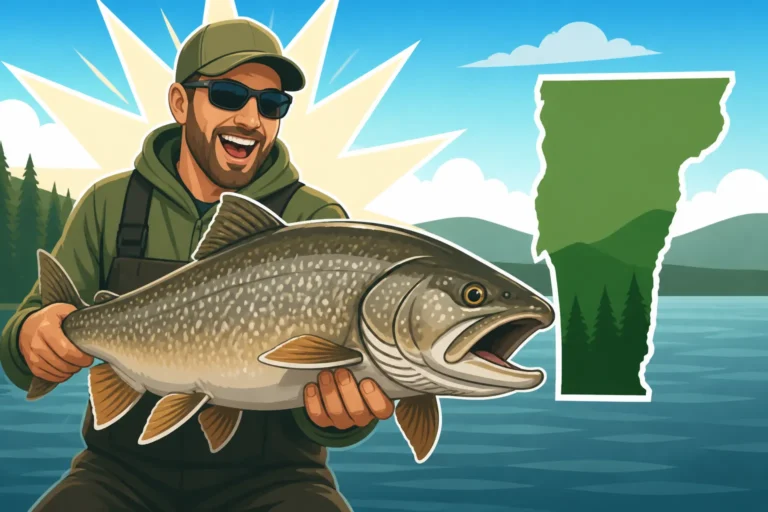
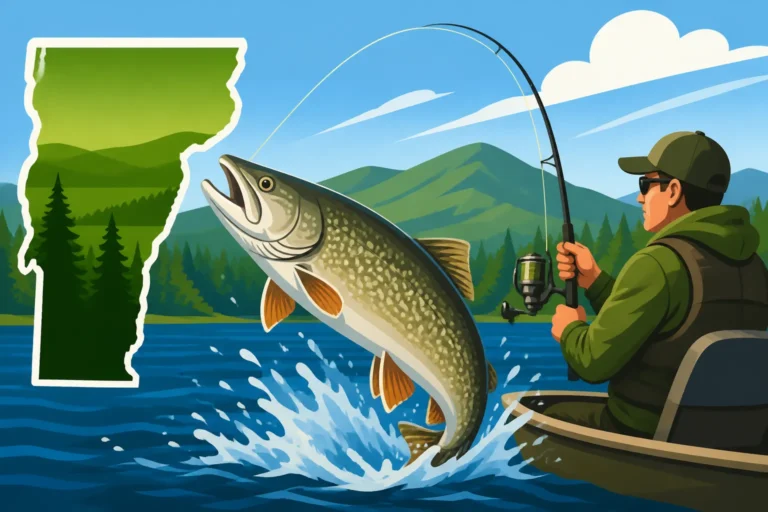
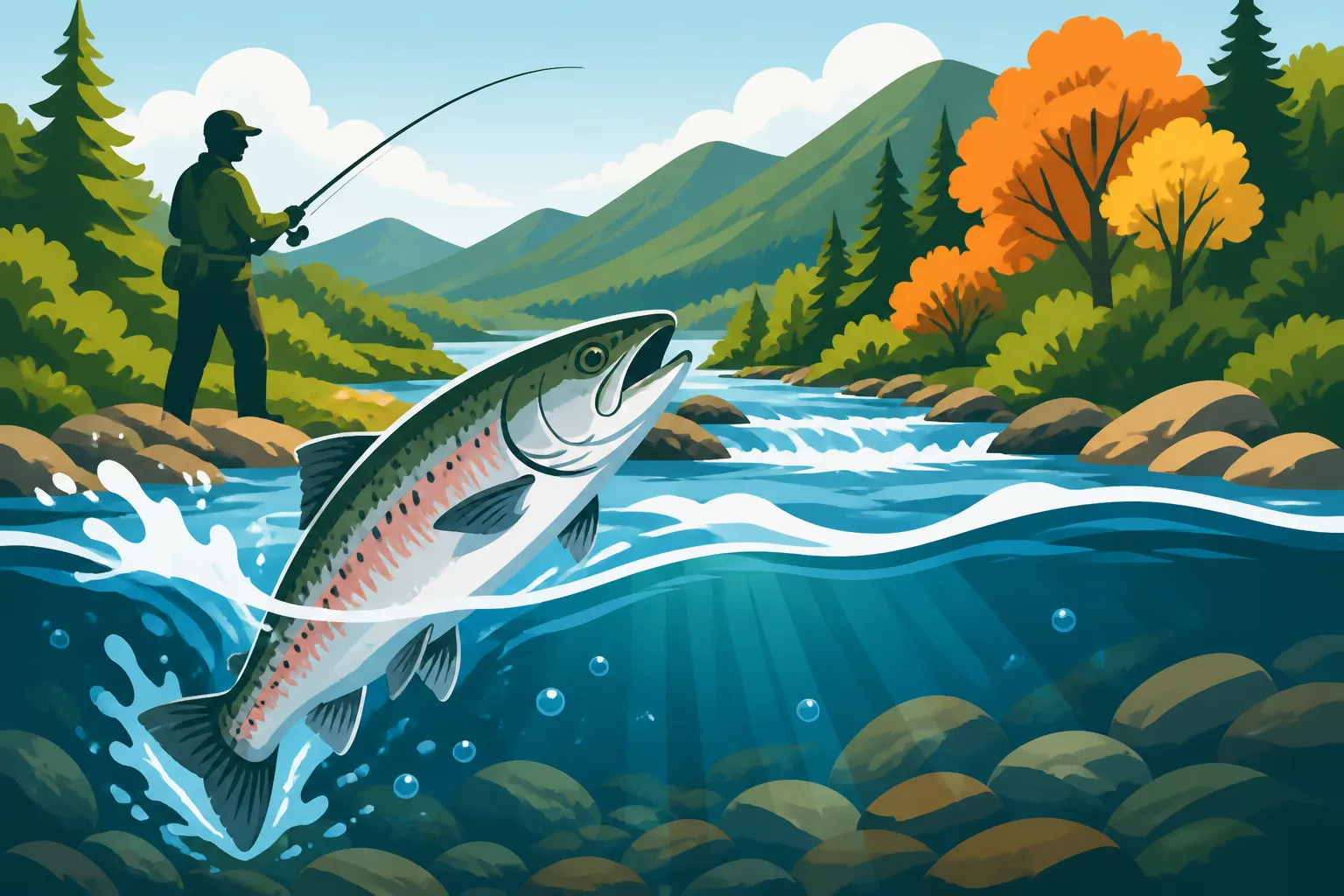
If you've ever dreamt of battling a powerful, chrome-sided landlocked salmon fresh out of a Vermont lake and running up a river to spawn, you know the thrill. But knowing when and where these magnificent fish decide to make their journey can feel like chasing a ghost. This guide is here to shed light on Vermont's most promising rivers for experiencing the incredible spectacle and challenge of landlocked salmon runs, helping you pinpoint those precious windows of opportunity and get on the water with confidence.
Understanding Vermont's Landlocked Salmon Runs
Catching landlocked salmon in a river is a truly special experience, far different from trolling for them in the open water of a lake. These fish, often called "silver bullets" for their incredible fighting spirit and sleek appearance, undertake these journeys with a singular purpose: to spawn. Understanding this biological imperative and the environmental cues that trigger it is your first step to success.
What Drives the Migration? The Biological Imperative
Landlocked salmon are, at their core, Atlantic salmon that have adapted to freshwater environments, cut off from the ocean. However, they retain many of the instincts of their ocean-going cousins, including the powerful drive to return to the colder, shallower, oxygen-rich waters of tributary rivers and streams to reproduce. This migration, or "run," is a crucial part of their life cycle. As summer gives way to fall, the salmon begin to stage at the mouths of these feeder streams in their home lakes, waiting for the right conditions. They are driven by an instinctual clock, a need to perpetuate their species, much like the wild salmon of Alaska or the Pacific Northwest. This isn't just a leisurely swim; it's an arduous journey against currents, sometimes over significant obstacles, all for the sake of the next generation. It's a testament to the resilience of these fish, and witnessing it firsthand is something every angler should experience.
Key Timing and Environmental Triggers
The timing of landlocked salmon runs in Vermont isn't an exact science, but there are definitely patterns. Generally, these runs kick off in earnest as water temperatures in the lakes and rivers begin to drop significantly in the fall. We're talking late September, all through October, and often well into November, depending on how mild or harsh the autumn weather decides to be. What truly "flips the switch" for these fish, though, are usually good, solid rain events. A surge in river flow after a dry spell is often exactly what they're waiting for. This increased water level not only makes it easier for them to navigate upstream but also provides a bit of cover and security. Cooler air temperatures that bring down river temps are also vital. Too warm, and they'll hold back; too cold, too fast, and they might delay or spread out. You need that sweet spot of cooling water and increased flow to really get them moving. Keeping an eye on weather forecasts and local river gauges can give you a significant advantage in predicting when the best action will happen. For a deeper dive into their seasonal behavior, check out Vermont Fishing Season Dates and Closures.
Prime Vermont Rivers for Landlocked Salmon Runs
Vermont isn't globally renowned for massive salmon runs like some other regions, but within its cold, clear waters, specific rivers offer fantastic opportunities for anglers seeking landlocked salmon. These runs are largely tied to the state's premier cold-water lakes that support healthy salmon populations.
Northeast Kingdom's Legendary Tributaries: Lake Willoughby & Memphremagog
When it comes to consistent, strong landlocked salmon runs in Vermont, the Northeast Kingdom is truly where it's at. The glacial lakes here provide the deep, cold habitat salmon thrive in, and their feeder streams offer perfect spawning grounds.
First and foremost, we have the Willoughby River, which flows into the pristine depths of Lake Willoughby. This river is arguably Vermont's most famous spot for landlocked salmon runs. As fall approaches, salmon from the lake stack up at the river mouth and then begin their upstream journey. The Willoughby River itself is relatively short but features excellent gravel beds and pockets that attract these fish. Anglers here often find themselves in awe of the sheer beauty of the surroundings, even if the fishing can be challenging. Because of its popularity, it's crucial to be mindful of other anglers and local regulations. The salmon here are often magnificent, with many individuals pushing respectable sizes, providing a thrilling fight in the current. If you're planning a trip to this iconic fishery, you'll find more specific details in Lake Willoughby Landlocked Salmon Fishing.
Then, moving northwest, we have the various tributaries flowing into Lake Memphremagog, shared with Quebec. Rivers like the Black River (entering at Newport) and the Barton River can see significant runs of landlocked salmon, alongside other species. While perhaps not as singularly focused on salmon as the Willoughby River, these larger river systems offer more diverse fishing opportunities and can hold impressive salmon. The sheer size of Lake Memphremagog contributes to the potential for larger fish. Anglers often target these sections from late fall into early winter, hoping to intercept migrating fish. The Clyde River near Newport also sees a run of salmon and brown trout. Access to these rivers can vary, so always scout ahead and respect private property. These systems provide a robust habitat for salmon and are a fantastic choice for those looking to explore the broader Northeast Kingdom fishing scene. To learn more about fishing this fantastic international lake, explore Lake Memphremagog Fishing Guide.
Other Potential River Systems and Opportunities
While the Northeast Kingdom tributaries are the undeniable superstars for landlocked salmon runs, it's worth noting that other systems might offer more subtle opportunities. Generally, any large, deep, cold-water lake that sustains a population of landlocked salmon will have feeder streams where these fish could attempt to spawn. However, the consistency and size of these runs often pale in comparison to the Willoughby and Memphremagog systems.
For example, smaller lakes that are regularly stocked with landlocked salmon, such as Seymour Lake or Maidstone Lake, also have inlet streams. While these runs might not attract the same crowds or produce the same numbers of fish as the major systems, they can offer secluded and rewarding experiences for the persistent angler. These smaller streams often require more specialized techniques, such as Fly Fishing for Trout in Vermont, as the fish might be warier in the shallower, clearer water. It's always a good idea to consult the Vermont Fish & Wildlife Department's most current stocking reports and regulation guides, as they often provide clues about which waters might be worth exploring for lesser-known salmon opportunities. Always remember that salmon are creatures of habit but can also be opportunistic, so staying informed is key.
Here’s a quick comparison of the primary salmon run locations:
| Feature | Willoughby River (Lake Willoughby) | Black River / Barton River (Lake Memphremagog) |
|---|---|---|
| Primary Lake | Lake Willoughby | Lake Memphremagog |
| Typical Run Timing | Late September – November (peak October) | October – Early December |
| Access | Good public access, can be crowded during peak runs | Varying public access, often less crowded than Willoughby |
| Water Characteristics | Clear, cold, rocky/gravel bottom, relatively short stream | Larger, more varied structure, sometimes stained |
| Fish Size Potential | Excellent, trophy-sized salmon possible | Excellent, potential for very large salmon from Memphremagog |
| Angling Pressure | High during peak season | Moderate to high, depending on location |
Essential Tactics and Tackle for River-Run Salmon
River-run salmon are strong, intelligent fish, and catching them requires a thoughtful approach to both tactics and gear. They are not always actively feeding once they enter the rivers, meaning you often have to trigger a strike out of instinct or aggression rather than hunger.
Choosing the Right Lures and Fly Patterns
For anglers using conventional spinning gear, versatility is key. Small, flashy spoons like a ¾ oz. or 1 oz. Daredevle or a Little Cleo in silver, gold, or orange/brass combinations can be very effective. The flash and erratic action mimic baitfish, which can provoke a strike. Stickbaits (sometimes called jerkbaits or minnow imitations) from brands like Rapala or Bomber in sizes from 3-5 inches are also excellent choices, particularly those with a subtle wobble. Again, natural baitfish colors or bright, attention-grabbing patterns can work. Small, weighted jigs tipped with a grub tail or a piece of bait can also be deadly, especially when fished slowly near the bottom in deeper pools. You can find a wide array of these effective lures and baits on Amazon, often with reviews from other anglers that can guide your choices.
Fly anglers, prepare to throw streamers! Large, baitfish-imitating streamers are the go-to patterns for landlocked salmon in rivers. Think patterns like the Grey Ghost, Black Ghost, Smelt patterns, or even larger Woolly Buggers. These imitate the smelt and other forage fish that salmon feed on in the lakes. Often, sizes from 4 to 1/0 are appropriate. Fishing these on a sinking tip line or with added weight helps get them down to where the salmon are holding. During the peak spawning season, egg patterns can also be surprisingly effective, as salmon may key in on the eggs of other spawning fish, or simply strike them out of territorial aggression. For a comprehensive look at what flies work in Vermont, check out Fly Patterns for Vermont Trout Streams and Best Streamer Patterns for Vermont Brown Trout.
Recommended Rods, Reels, and Line Setups
For spinning gear, a medium-light to medium power rod, typically 7 to 8 feet long, with a fast action tip, will give you the backbone to fight a strong salmon while still providing enough sensitivity for subtle takes. Pair this with a reliable spinning reel in the 2500-4000 size range, spooled with 8-12 lb monofilament or braided line. If using braid, a fluorocarbon leader of 6-10 lb test is highly recommended for its invisibility and abrasion resistance in clear river water. A good drag system is non-negotiable – these fish will test it!
Fly anglers will want a robust setup to handle larger fish and often heavier flies. A 6 to 8-weight fly rod, 9 to 10 feet long, is ideal. This range offers the power needed to cast big streamers, fight fish in strong currents, and absorb the shock of their explosive runs. A dependable, large-arbor fly reel with a smooth disc drag and plenty of backing capacity is essential. Depending on the depth and current, you'll want a weight-forward floating line with a sinking tip, or a full sink tip line, to present your streamers effectively. A sturdy leader, usually 0X to 2X (around 10-15 lb test), will help turn over those larger flies and stand up to a salmon's teeth. Remember, these fish fight hard, so gear that can withstand the abuse is a worthwhile investment. You can find excellent quality rods and reels for various budgets on Amazon.
Navigating River Banks and Wading Safely
Fishing for river-run salmon often means getting into the water and wading. Safety should always be your top priority. Start with quality waders – chest waders are often preferred in Vermont's colder fall waters and can be invaluable for crossing deeper sections. Neoprene waders offer superior warmth, while breathable models are comfortable for milder days. Pair these with sturdy wading boots that have good ankle support and grippy soles; felt soles often provide the best traction on slippery river rocks, though rubber soles are improving rapidly and are less prone to transporting invasive species. Many anglers find a wading staff to be an absolute lifesaver, providing stability in swift currents and helping you probe unseen depths.
Polarized sunglasses are also critical. They cut the glare off the water, allowing you to see submerged rocks, potential hazards, and sometimes even the fish themselves. When moving through the river, always test your footing before putting your full weight down. Work your way upstream if possible, as it's often easier and less disruptive to fish.
Always be aware of your surroundings, including water levels which can change quickly, especially after rain. Respect private property signs and use designated public access points. Understanding local access is key, as many prime stretches might be privately owned. For more specific advice on choosing the right gear to stay dry and safe, check out Best Waders for Vermont Trout Streams and Best Wading Boots for Rocky Streams.
Responsible Angling and Conservation for Salmon Runs
The thrill of catching a river-run landlocked salmon is undeniable, but with that excitement comes a significant responsibility. These fish are a valuable resource, and their spawning runs are critical for maintaining healthy populations. Practicing ethical angling ensures these opportunities remain for future generations.
Adhering to Vermont's Fishing Regulations
Vermont has specific rules in place to protect its landlocked salmon populations, especially during their vulnerable spawning migrations. These regulations can include:
- Season Dates: Landlocked salmon seasons often have specific open and closed periods, particularly for river fishing during the spawning run. It's not always open year-round in every river. You might find that river sections are closed to all fishing, or only open for certain methods, during peak spawning to protect the fish.
- Bag and Possession Limits: There will be strict limits on how many salmon you can keep per day and how many you can possess. These limits are typically very low for river-run fish.
- Size Limits: Minimum or sometimes even slot limits (e.g., fish must be between X and Y inches) are common to protect younger fish and large breeding adults.
- Gear Restrictions: Certain methods, like snagging or bait fishing, might be prohibited in specific salmon spawning rivers or during certain times to prevent harm to the fish or to ensure fair chase. For example, some rivers might be "fly fishing only" or "artificial lures only."
It is absolutely vital to consult the current Vermont Fish & Wildlife Department fishing regulations guide before you head out. Don't rely on old information or hearsay. The regulations are updated annually, and ignorance is no excuse for violations. Familiarize yourself with the general rules in Vermont Fishing Regulations Explained and pay close attention to the specific salmon rules and any special regulations for the river you plan to fish. Penalties for fishing without a license or violating regulations can be steep, so always double-check.
Best Practices for Catch and Release Success
Many anglers choose to practice catch and release for river-run salmon, especially during spawning season, to help conserve the population. If you decide to release your catch, doing so properly is paramount for the fish's survival.
Here are some best practices:
- Minimize Fight Time: Bring the fish to hand as quickly as safely possible to reduce stress. Prolonged fights can exhaust a salmon, making it harder for it to recover.
- Use Barbless Hooks: Crushing the barb on your lure or fly makes hook removal much easier and quicker, causing less damage to the fish's mouth. You can pinch barbs with a pair of pliers, which you can easily purchase on Amazon.
- Keep the Fish in the Water: Whenever possible, unhook the fish while it's still in the water. If you absolutely must take it out for a quick photo, keep it out of the water for only a few seconds – just long enough for a picture, then immediately back in. Never drag a fish onto the bank or hold it by the gills.
- Wet Your Hands: Always wet your hands before touching the fish. Dry hands can remove the fish's protective slime coat, leaving it vulnerable to disease.
- Use a Proper Net: A rubberized, knotless landing net helps protect the fish's fins and slime coat. It also allows you to keep the fish submerged while you work on hook removal. Learn more about choosing the right net in Best Landing Net for Trout, which is also applicable to salmon.
- Revive, Don't Just Release: After unhooking, gently hold the fish upright in the current, facing upstream. Allow water to flow over its gills. When it starts to kick strongly and tries to swim away on its own, then you can let it go. Don't just toss it back; ensure it's fully revived.
By following these practices, you're not only increasing the chances of the released salmon surviving to spawn and contribute to future generations, but you're also upholding the ethical standards of a responsible angler in Vermont.
Disclaimer
This article is for general informational purposes only and does not constitute professional advice. Laws, prices and regulations vary by location and change over time. Consult a qualified professional for guidance on your specific situation.