Total pounds of trout stocked into Vermont waters annually
One of the most common questions I hear from fellow anglers, especially those new to the Green Mountain State, is about Vermont's trout stocking program. It's a huge effort, and understanding how much trout is stocked into Vermont waters annually, and why, can really help you plan your fishing adventures. This guide will dive deep into the Vermont Fish and Wildlife Department's stocking efforts, exploring the different species involved, the reasons behind the program, and what it all means for your next trip to a stream or pond.
The Vital Role of Trout Stocking in Vermont Fishing
Many anglers wonder why stocking is even necessary in a state as naturally beautiful and wild as Vermont. The truth is, trout stocking plays a absolutely critical role in maintaining healthy and accessible fisheries for everyone. It's not just about dumping fish into a pond; it's a carefully managed program designed to enhance opportunities and support populations where natural reproduction might fall short.
Why Vermont Invests in Stocking Programs
The Vermont Fish and Wildlife Department doesn't just stock fish on a whim. Their stocking programs are strategic, serving several key purposes. First and foremost, they boost fishing opportunities in waters that see heavy angling pressure, ensuring there are enough fish for everyone to enjoy. Think about those popular streams or local ponds—without stocking, they'd be fished out pretty quickly, leaving a lot of folks disappointed. These efforts also help to supplement wild populations, especially in areas where habitat degradation or other environmental factors might limit natural reproduction. It's all about striking a balance between providing a vibrant fishery and protecting Vermont's precious natural resources.
Another major reason is to create diverse angling experiences. While some anglers prefer the challenge of pursuing wild trout in remote streams, many others, especially families and beginners, enjoy the more reliable action that stocked waters provide. This makes fishing more accessible and enjoyable for a broader range of people. The department carefully considers the health of the ecosystem, the existing fish populations, and the overall demand from anglers when making their stocking decisions. It’s a complex balancing act, ensuring that fishing remains a cherished activity for all Vermonters and visitors alike. You can learn more about the broader rules in our Vermont Fishing Regulations Explained guide.
Goals of the Annual Stocking Efforts
The overarching goal of the Vermont Fish and Wildlife Department's annual trout stocking program is multifaceted. It's about providing robust fishing opportunities, plain and simple. They aim to put enough fish into public waters so that anglers have a reasonable chance of success, which, in turn, keeps people engaged and supports the local economy through fishing licenses and gear sales. Beyond just numbers, there's a strong focus on distributing fish across the state, ensuring that anglers in different regions have access to quality fishing experiences. This means stocking a variety of waters, from popular lakes and ponds to smaller streams and rivers, providing something for every type of angler.
Furthermore, stocking is used to introduce trout to waters where they might not naturally thrive, or to bolster populations that have experienced a downturn due to environmental changes or other factors. For instance, some ponds might not have suitable spawning habitat for trout, so stocking is the only way to establish a fishery there. The program is also a vital component of educating the public about conservation and responsible angling practices. When people have a positive fishing experience, they're more likely to support efforts to protect Vermont's aquatic environments. This continuous effort underpins much of the recreational fishing Vermont is known for.
The Journey of Trout: From Hatchery to Vermont Waters
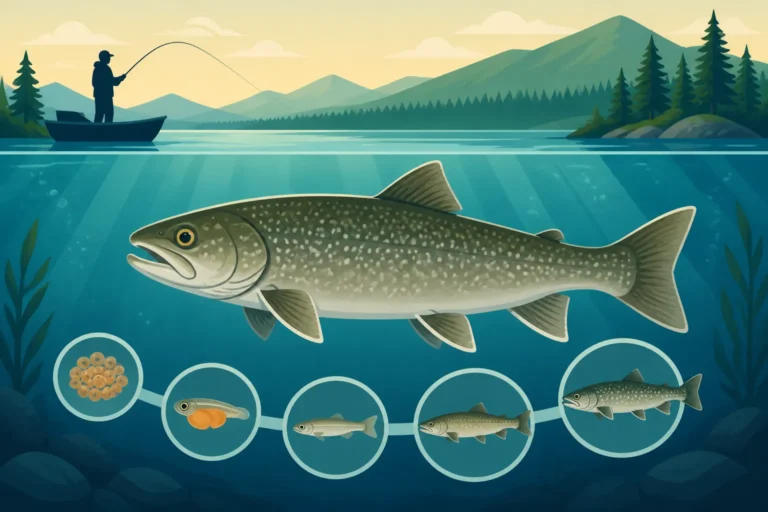
Understanding the "total pounds" of trout stocked annually isn't just about a number; it's about appreciating the incredible journey these fish take. From their earliest stages in state hatcheries to their release into a variety of Vermont's lakes, ponds, and streams, it's a labor of love and scientific management. The state's dedicated staff work tirelessly to raise healthy fish that are ready for prime angling.
Key Trout Species Involved in Stocking
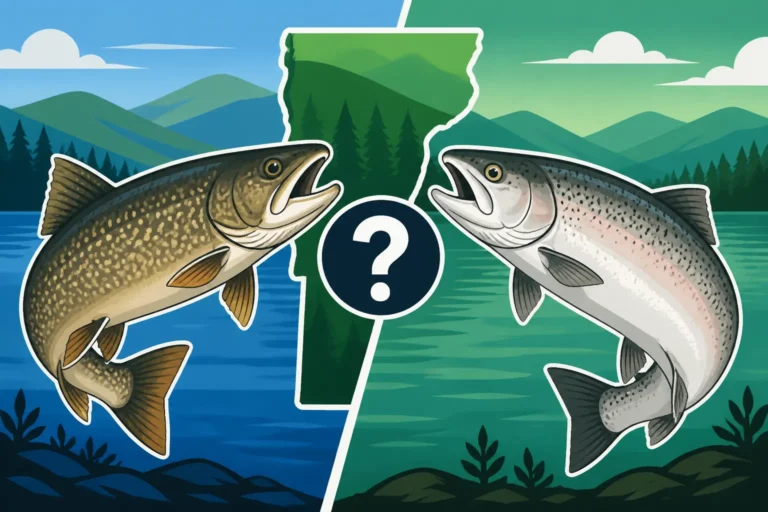
When we talk about trout stocking in Vermont, we're primarily referring to a few key species that are well-suited to the state's diverse aquatic environments and angling preferences. These include brook trout, brown trout, and rainbow trout. Each species brings something a little different to the table, both in terms of their growth patterns and how they interact with their new surroundings.
| Species | Characteristics | Common Stocking Locations | Angling Appeal |
|---|---|---|---|
| Brook Trout | Vermont's native trout; beautiful coloration; can be smaller; prefers cold, clear water. | Mountain streams, smaller ponds, high-elevation waters. | Prized for beauty, fight, and connection to wild Vermont. |
| Brown Trout | Hardier, can tolerate warmer water; grow larger; known for elusive nature. | Larger rivers, cooler lake tributaries, some ponds. | Challenging to catch, often trophy-sized. |
| Rainbow Trout | Often energetic fighters; popular with many anglers; good growth rate. | Rivers, lakes, ponds, heavily fished streams. | Strong fighters, excellent for general angling. |
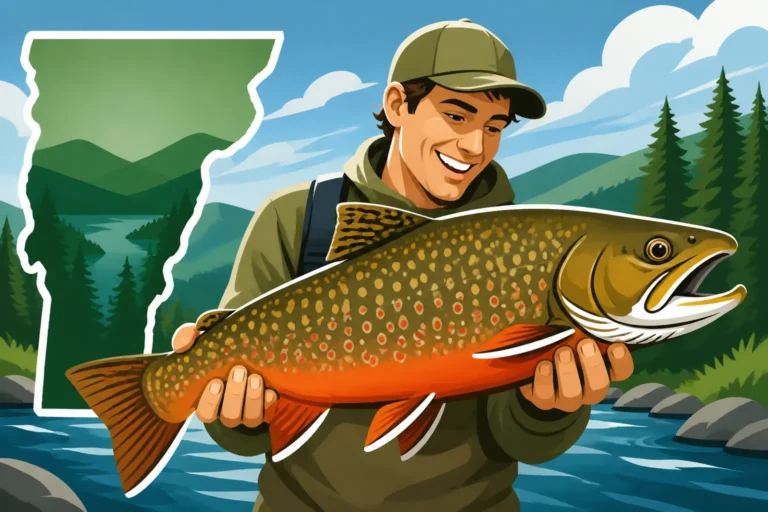
Brook trout are often stocked in smaller, colder streams and ponds, where their native instincts can shine. They're Vermont's state fish, and there's a real sense of connection to the wild when you catch one. Brown trout, known for their resilience and ability to grow to impressive sizes, are frequently introduced into larger rivers and some lakes, offering a different challenge to anglers. Brown Trout Habits in Vermont Streams are fascinating to observe, and stocked browns can provide excellent sport. Rainbow trout, celebrated for their acrobatic fights and willingness to strike, are widely distributed across various water bodies, making them a staple of many stocking programs. You'll find them in both rivers and stillwaters, providing consistent action. Each of these species is chosen for specific reasons, contributing to the overall diversity and quality of fishing in Vermont. Our Trout Species Identification Guide for Vermont can help you tell them apart.
The Stocking Methods and Timing
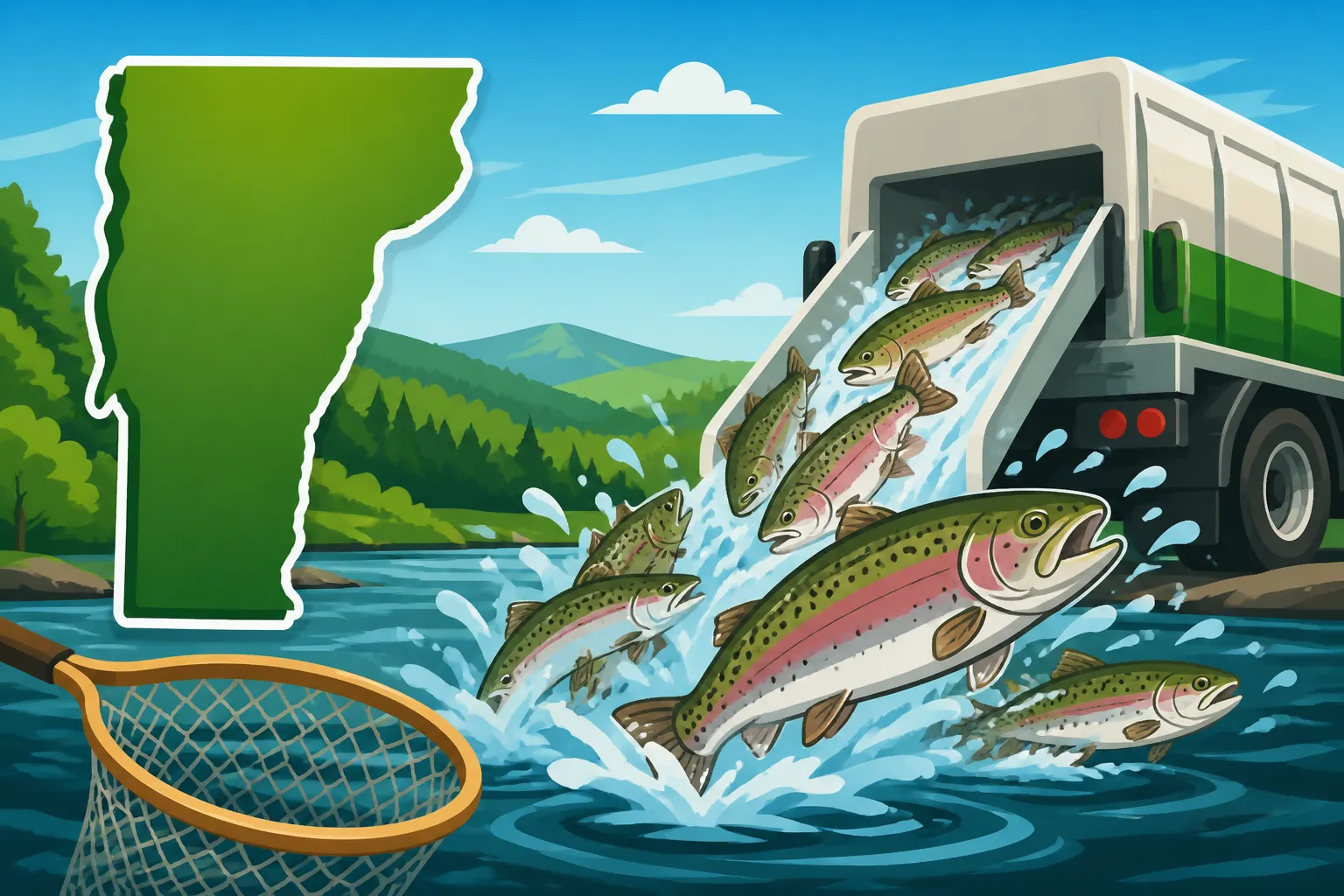
The method and timing of trout stocking in Vermont are carefully planned to maximize the survival of the fish and the enjoyment of anglers. Most trout are transported from state hatcheries in specialized trucks equipped with aerated tanks, ensuring the fish arrive at their destination healthy and vigorous. For more remote ponds or those without easy road access, helicopters can even be employed to airlift fish, a truly impressive sight! Once at the water, trained staff and sometimes volunteers carefully release the fish, often spreading them out to encourage wider dispersion and reduce immediate predation.
The timing of these releases is equally important. While stocking can occur at various times throughout the year, the bulk of trout stocking generally takes place in the spring, leading up to and immediately following the traditional Vermont Trout Opening Day Traditions. This timing ensures that a fresh supply of fish is available for the peak angling season. There are often additional stockings in the fall, which can provide excellent fishing opportunities as waters cool down and fish become more active. Anglers eagerly anticipate these releases, as freshly stocked waters can offer some of the best action. Knowing the general timing can give you a significant advantage when planning your fishing trips.
Factors Influencing the Annual Stocking Volume
It's easy to assume that the number of trout stocked is just a fixed figure year after year, but that's not the case at all. The total pounds of trout stocked into Vermont waters annually is a dynamic figure, influenced by a complex interplay of environmental, operational, and financial factors. The state's Fish and Wildlife Department meticulously evaluates these variables to determine the most effective stocking strategy for each season.
Hatchery Capacity and Production
One of the most fundamental factors dictating how much trout can be stocked is the capacity of Vermont's state fish hatcheries. These facilities, like the Baldwin Fish Culture Station in Salisbury or the Roxbury Fish Culture Station, are the backbone of the stocking program. They have a finite amount of space, water, and personnel, which limits the total number of fish they can raise to a catchable size each year. The process of raising trout from eggs to fingerlings, and then to yearling or even larger fish, is time-consuming and resource-intensive. Any fluctuations in hatchery conditions – perhaps due to water availability, equipment maintenance, or even disease outbreaks, which thankfully are rare but always a concern – can impact overall production.
Therefore, the "total pounds" isn't just about what the state wants to stock, but what its facilities are physically capable of producing. Improvements in hatchery technology or expansion projects can increase capacity over time, but these are significant undertakings. The department is constantly working to optimize its hatchery operations to ensure the healthiest fish possible are raised for release, striving for efficiency within these constraints. You might be surprised at the sheer volume of fish that pass through these facilities before they ever hit a local stream.
Budgetary Constraints and Funding
Like any public program, Vermont's trout stocking efforts are deeply tied to budgetary realities. The funds required to operate multiple hatcheries, purchase fish food, pay staff, maintain equipment, and transport fish across the state are substantial. These funds primarily come from fishing license sales, federal grants related to sport fish restoration, and general state appropriations. When there are shifts in state budgets or changes in license revenue, it can directly impact the scale of the stocking program.
This is why buying a fishing license is so incredibly important—it directly contributes to the resources available for stocking and other vital conservation efforts. Every dollar spent on a Vermont Fishing License Guide for 2026 helps ensure the future of fishing in Vermont. Economic downturns or legislative decisions can sometimes lead to adjustments in stocking levels, as the department must operate within its allocated financial means. They always strive to maximize the impact of every dollar, ensuring that anglers get the most bang for their buck, but it’s a constant consideration in determining annual stocking figures.
Environmental Conditions and Angler Demand
Beyond hatchery capabilities and budget, environmental conditions play a massive role in shaping annual stocking plans. Factors like water temperatures, stream flows, and precipitation levels across the state can influence where and when fish can be safely stocked. For example, if a particular spring is exceptionally warm and river levels are low, stocking some streams might be delayed or even reduced to prevent stress on the fish. The health of the receiving waters is paramount to the success of the stocking program.
Angler demand is another critical piece of the puzzle. The Vermont Fish and Wildlife Department collects feedback from anglers, monitors fishing pressure, and uses various surveys to understand where people want to fish and what species they are most interested in pursuing. This feedback helps them decide which waters to prioritize for stocking and what species mix to emphasize. For instance, if a particular lake becomes incredibly popular for rainbow trout fishing, the department might adjust its stocking strategy to meet that demand, always within the limits of environmental sustainability and available resources. It's a dynamic system that tries to respond to both nature's whims and the angling public's desires.
Maximizing Your Success on Stocked Waters
Knowing that trout are stocked is one thing, but knowing how to effectively fish for them in Vermont's waters is another. Stocked trout, especially soon after release, can behave differently from their wild cousins. With a bit of strategic thinking and the right approach, you can significantly increase your chances of a successful outing.
Best Practices for Fishing Newly Stocked Waters
When you hit a recently stocked pond or stream in Vermont, especially in the spring, remember that these fish have just experienced a major change in their environment. They're often a bit disoriented and looking for an easy meal. This is where your bait and lure choices become critical. Small, flashy spinners and spoons are often highly effective, as are classic baits like worms, corn, or PowerBait. These offerings often mimic what the trout were fed in the hatchery or are simply easy for them to spot and grab.
Presentation is also key. Cast upstream and let your bait drift naturally down, or try a slow retrieve with lures. Don't be afraid to try different depths, as stocked fish might be cruising anywhere from the surface to the bottom. Many anglers find success by covering water, moving along the banks, and trying various spots until they hit a productive area. Remember that popular spots can get crowded, so be respectful of other anglers. Often, fishing a little further away from the main access points can yield better results. Consider a good Best Landing Net for Trout to ensure proper handling for catch and release, if you choose.
Gear Recommendations for Stocked Trout
Having the right gear doesn't just make fishing easier; it makes it more enjoyable. For stocked trout in Vermont, you don't necessarily need highly specialized equipment, but a few basics will go a long way. A light to medium-light spinning rod, typically in the 5 to 7-foot range, paired with a small spinning reel spooled with 4-6 pound monofilament or fluorocarbon line, is an excellent all-around setup. This provides enough sensitivity for detecting light bites and enough backbone to handle a feisty trout. If you're looking to upgrade, you can find a wide range of options on Amazon, from beginner-friendly combos to more advanced setups.
For bait fishing, a selection of small hooks (sizes 8-12), split shot weights, and small bobbers are essential. If you prefer lures, pack an assortment of inline spinners (like Mepps or Panther Martin) and small spoons in various colors. Consider picking up a few different Best Lures for Walleye Trolling on Lake Champlain if you are planning to fish bigger bodies of water as well, and if you are interested in fly fishing, even a basic fly rod and some simple nymph patterns or dry flies can be very effective. Investing in quality waders and wading boots, easily found on Amazon, can make a world of difference when navigating Vermont's often rocky and cold streams, especially during spring stocking season. Don't forget a small tackle box or bag to keep everything organized; a good selection is available on Amazon.
Finding Stocking Information for Your Next Trip
While I can't provide real-time updates or specific poundage figures, the Vermont Fish and Wildlife Department is very good about providing general stocking information to the public. They typically publish schedules and lists of waters that have been stocked on their official website. This resource is invaluable for planning your trips. You won't usually find the exact "total pounds" for each specific body of water, but you will often find information on which species were stocked and approximately when. This allows you to target recently stocked locations for prime action.
Looking for this information is crucial for any angler who wants to maximize their chances. Keep an eye on regional reports and check the official sources as the fishing season progresses. Sometimes, local tackle shops or sporting goods stores, like those you might find on Amazon through local distributors, also get updates and can share general guidance. Understanding the Vermont Fish Stocking Search Tool, Explained can give you an edge, letting you anticipate where the next big trout bite might be. Always double-check the Vermont Fishing Season Dates and Closures before heading out, as regulations can vary by water body and time of year.
Disclaimer
This article is for general informational purposes only and does not constitute professional advice. Laws, prices and regulations vary by location and change over time. Consult a qualified professional for guidance on your specific situation.