What chain pickerel eat in Vermont ponds
It's a common question among Vermont anglers, especially those new to fishing our beautiful ponds and smaller lakes: what exactly are those toothy chain pickerel eating? These feisty predators can be frustrating if you're not prepared for their sharp teeth and aggressive strikes, but once you understand their diet, you'll be much better equipped to catch them. This guide will dive deep into the menu of the Vermont chain pickerel, helping you select the best baits and understand their hunting grounds.
The Opportunistic Predator: Understanding Chain Pickerel Feeding Habits
Chain pickerel (often simply called "pickerel" by locals) are truly fascinating fish. They're built like torpedoes, with a long, slender body and a mouth full of razor-sharp teeth. This body plan and dental work aren't for show; they're perfectly adapted to their primary mode of feeding: ambush predation. They are not picky eaters by any stretch of the imagination, and their diet reflects whatever easy meal happens to swim or crawl too close.
A Voracious Appetite for Live Prey
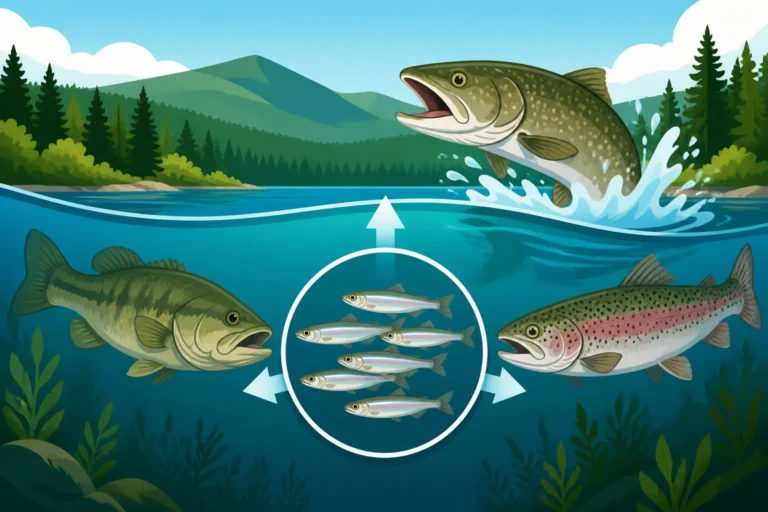
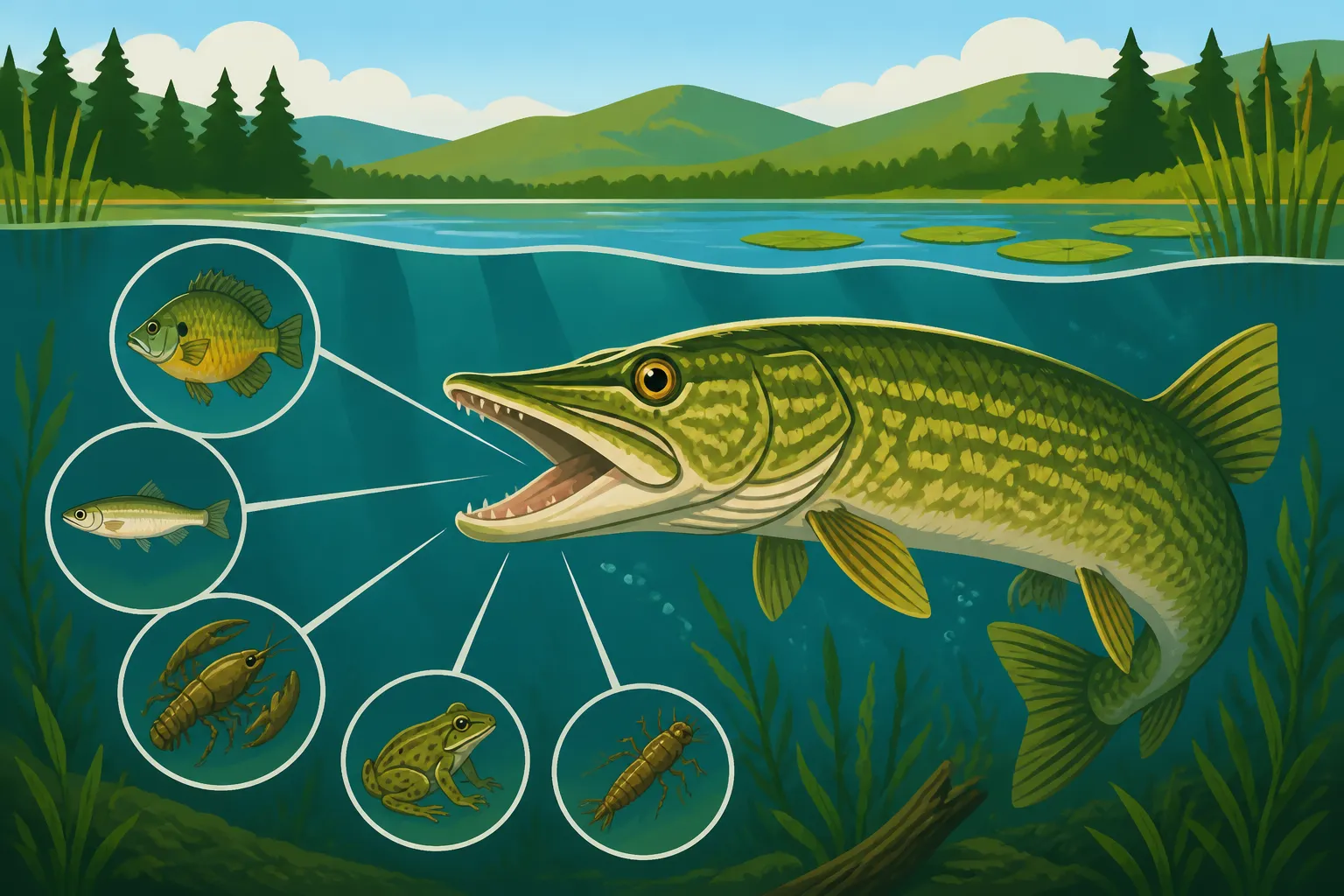
At the top of a chain pickerel's preferred food list are smaller fish. They are true piscivores, meaning fish make up the bulk of their diet whenever available. Think of them as the aquatic equivalent of a coiled spring, lurking perfectly still amidst dense vegetation, waiting for an unsuspecting meal to pass by.
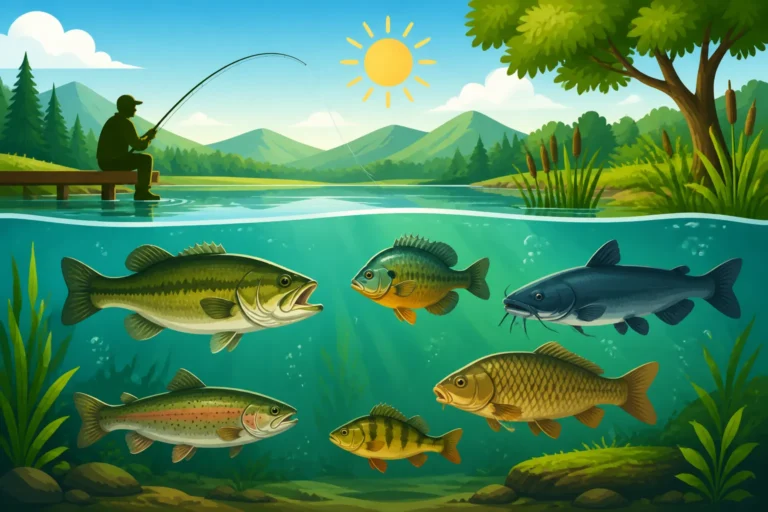
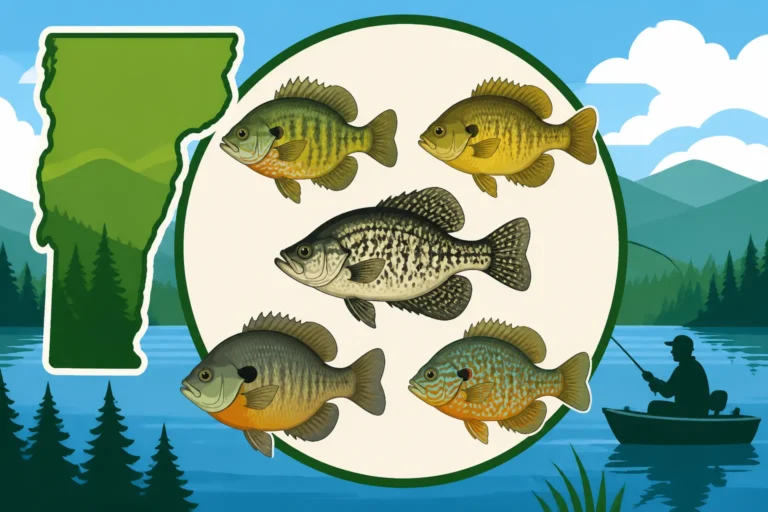
In Vermont's ponds and slower-moving waters, this often means a steady diet of panfish like bluegill, pumpkinseed, and yellow perch. These abundant species are slow enough for a pickerel to ambush with a sudden burst of speed. Shiners, dace, and various minnow species also frequently fall prey to pickerel. If you've ever seen a pickerel strike, it's a lightning-fast, sideways grab, often followed by a short, powerful fight before they try to swallow their prey headfirst. They don't typically chase prey over long distances; rather, they rely on stealth and surprise. Understanding Chain Pickerel Habits in Vermont Ponds can give you even more insight into their daily routines.
Beyond Just Fish: A Diverse Diet
While fish are undoubtedly their preferred meal, chain pickerel are far from exclusive. Their opportunistic nature means they will readily consume almost anything that moves and fits into their mouths. This is where things get interesting for anglers trying to mimic their natural food sources.
Frogs, especially smaller green frogs and leopard frogs, are a common snack for pickerel, particularly in shallower, vegetated areas of ponds during warmer months. Crayfish, abundant in many Vermont waterways, also make it onto the menu. Larger aquatic insects, even sometimes small mice or ducklings that fall into the water, can become a meal for a hungry pickerel. Leeches, though less exciting, are also a readily available food source. This diverse palate explains why different lures and baits can be effective at various times of the year and in different fishing environments. If you're wondering Where chain pickerel live in Vermont, you'll find they gravitate to areas rich in this diverse prey.
Seasonal Shifts in Diet
Just like us, pickerel adjust their eating habits with the changing seasons, largely dictated by what's available and how active they (and their prey) are. In spring, after ice-out, they're often gorging on smaller fish that are becoming more active in warming shallows. As summer progresses, the heavy weed growth provides ample cover for both pickerel and their prey, and they might consume more frogs, insects, and juvenile panfish.
When fall arrives and water temperatures drop, pickerel often feed heavily to build up reserves for winter. They'll continue to key in on baitfish that are schooling up before the cold sets in. Even during winter, under the ice, pickerel remain active predators. While their metabolism slows, they will still readily strike at suspended minnows or jigging lures, often feeding on yellow perch and other small fish that are also active under the ice. This seasonal variability means your bait selection might need to change throughout the year.
Mimicking Their Prey: Best Baits and Lures for Vermont Pickerel
Since chain pickerel are such voracious and opportunistic feeders, understanding what they eat directly translates into choosing the most effective baits and lures. The goal is always to imitate their natural prey in terms of appearance, action, or scent.
Live Bait: The Irresistible Offering
When it comes to pickerel, it's hard to beat live bait. A lively minnow, shiner, or even a small frog presented correctly can be absolutely irresistible.
- Minnows and Shiners: These are classic pickerel baits. A 2-4 inch minnow hooked lightly through the back or lips and suspended under a bobber near weed edges or retrieved slowly, is often a deadly presentation. The erratic, natural swimming action is exactly what a pickerel is looking for. You can often find baitfish at local tackle shops, or sometimes even catch your own.
- Worms and Frogs: While less common for dedicated pickerel fishing, a large nightcrawler or even a small artificial frog can certainly entice a strike, especially in lily pad fields or areas with heavy surface vegetation.
- Panfish: On occasion, some anglers might use small bluegill or perch as bait where legal, but this practice should always adhere strictly to local regulations, which vary and are crucial to know. Focus on ethical fishing and consult the Vermont Fishing Regulations Explained for species-specific bait restrictions.
When using live bait, remember that pickerel have a habit of swallowing their prey quickly. If you want to ensure a good hook set without deep hooking, be ready to set the hook quickly after the strike.
Artificial Lures: Replicating Natural Food Sources
If live bait isn't your preference, don't worry – artificial lures are incredibly effective for pickerel, and often more exciting to fish. The key is to choose lures that mimic the erratic, injured, or fleeing movements of their natural prey.
- Spinnerbaits: These are a pickerel angler's best friend, especially in weedy waters. The flashing blades and pulsating skirt create incredible visual and vibrational appeal, perfectly imitating a fleeing baitfish or something trying to escape. Chartreuse, white, and brightly colored patterns work exceptionally well. You can find a huge variety of spinnerbaits on platforms like Amazon, offering different blade configurations and weights.
- Spoons: Classic metal spoons, particularly those with a wobbling action, are fantastic for pickerel. Their flash and erratic darting motion simulate injured baitfish. Silver, gold, or red/white patterns are consistent producers. Think of how a spoon flutters on the retrieve; it's exactly what a pickerel is looking for. These are also readily available on Amazon or at any tackle store. For a deeper dive, some of the lures discussed in Best Spoons for Walleye Trolling can absolutely cross over for pickerel.
- Jerkbaits: Hard-bodied jerkbaits, especially those that suspend, are excellent for imitating dying or disoriented baitfish. A "twitch, twitch, pause" retrieve can drive pickerel absolutely wild. Their slender profile and realistic finishes make them deadly. These lures, much like the ones mentioned for bass in Best Crankbaits for Vermont Smallmouth Bass, are great for pickerel too.
- Soft Plastics: Weedless soft plastic swimbaits, flukes, or even frog imitations rigged weedless are highly effective, especially when fishing directly in heavy cover where pickerel love to ambush. The natural feel and action can trigger aggressive strikes.
Remember to vary your retrieve speed and depth until you find what the pickerel are responding to. They're often aggressive, so don't be afraid to fish your lures with energy. For more specific advice, check out Best Techniques for Chain Pickerel.
Fly Fishing for Pickerel: An Exciting Alternative
While not as common as spin fishing, fly fishing for pickerel is an incredibly fun and often visually striking way to target these fish. It offers a unique challenge and a fantastic topwater bite.
- Streamers: Large, flashy streamers that imitate minnows or shiners are your go-to. Patterns like Clouser Minnows, Lefty's Deceivers, or even large Woolly Buggers in white, chartreuse, or olive are excellent. Cast them near weed edges and retrieve with aggressive strips to mimic fleeing prey.
- Poppers and Divers: For exhilarating surface action, try casting frog or mouse-patterned poppers or divers into lily pad fields. The "plop" and gurgle of these flies can trigger explosive strikes from pickerel lying in wait just below the surface.
- Leader: A strong leader with a short bite tippet of wire or heavy fluorocarbon is crucial for fly fishing pickerel, just as it is for conventional gear, due to their sharp teeth.
Fly fishing for pickerel can be a surprisingly rewarding experience, offering a different perspective on targeting this aggressive species.
Where and When Pickerel Hunt: Connecting Diet to Location
Understanding what pickerel eat naturally leads us to where and when they hunt for these meals. Their feeding behavior is intrinsically linked to their habitat preferences and the activity patterns of their prey.
Weedy Hideouts: Ambush Points Galore
If you want to find chain pickerel, find the weeds. This cannot be stressed enough. Pickerel are masters of camouflage and ambush, and dense aquatic vegetation provides the perfect cover for them to lie in wait. Think of lily pads, submerged grass beds, cattails, and hydrilla.
These weed lines serve multiple purposes. First, they provide cover for the pickerel to hide, blending in with their surroundings before a lightning-fast strike. Second, these same weed beds are prime habitat for the small fish, frogs, and insects that pickerel prey upon. It's an entire ecosystem of food and shelter. When fishing these areas, cast your lures or baits right up to the edge of the weeds, or even a little bit into them if your lure is weedless. This puts your offering directly in the pickerel's strike zone. For specific tips on navigating these areas, you might find Best Bait for Chain Pickerel in Weed Beds very helpful.
Structure and Cover: Edges and Drop-offs
Beyond just expansive weed beds, pickerel also utilize other forms of structure and cover that provide ambush points. This includes fallen trees, submerged logs, old docks, rock piles, and points that drop off into deeper water. Any place where a pickerel can hide from its prey, or where prey fish might congregate, is a potential hotspot.
Consider a scenario: a large pickerel might be lurking under a shaded dock, waiting for a school of panfish to swim by. Or perhaps it's positioned on the edge of a submerged rock pile, ready to dart out and grab a passing shiner. These transitional areas, where shallow cover meets deeper water, are particularly productive because they offer the best of both worlds: cover for the predator and travel lanes for the prey. Understanding Panfish Fishing in Vermont can indirectly help you locate pickerel, as panfish are a primary food source.
Time of Day and Conditions
Pickerel are often most active during cooler parts of the day, particularly dawn and dusk, when their prey fish are also more active. Overcast days, or even light rain, can also be excellent times to target them, as the reduced light penetration makes them less visible to their prey and encourages them to hunt.
However, their aggressive nature means they can be caught throughout the day, especially if you're presenting an enticing lure or bait. On bright, sunny days, they might retreat deeper into the cover of weed beds or shaded areas, so adjust your approach accordingly, perhaps by fishing closer to those dense pockets. During winter ice fishing, pickerel often remain active throughout the day, responding well to tip-ups with live minnows or jigging spoons.
Gear Considerations for Targeting Pickerel (and Their Teeth!)
Now that you know what chain pickerel eat and where they hunt, let's talk about the gear you'll need. While they might not be the biggest fish in Vermont, their aggression and incredibly sharp teeth demand specific considerations to ensure a successful and safe fishing trip.
Rod, Reel, and Line Selection
You don't need highly specialized gear for pickerel, but a balanced setup will make the experience much more enjoyable.
- Rod: A medium to medium-heavy action spinning or baitcasting rod, typically 6'6" to 7' long, is ideal. This provides enough backbone to cast lures and pull fish out of heavy cover, but still has enough sensitivity to detect strikes. The rods recommended for smallmouth bass in Best Spinning Rods for Smallmouth Bass would work perfectly for pickerel as well.
- Reel: A spinning reel in the 2000-3000 series or a baitcasting reel with a good drag system is sufficient. Pickerel make short, powerful runs, so a smooth drag is important.
- Line: For line, 8-12 lb monofilament or fluorocarbon, or 15-20 lb braided line, is a good choice. Braided line is particularly advantageous in weedy environments because of its superior cutting power through vegetation and its lack of stretch for solid hook sets.
Leader Material: The Toothy Challenge
This is perhaps the single most critical gear consideration for pickerel fishing. A pickerel's mouth is full of sharp, needle-like teeth, perfectly designed to hold onto slippery prey. If you fish with just monofilament or fluorocarbon main line, you will get bitten off, losing lures and potentially harming the fish if the hook remains.
- Wire Leaders: A short, 6-12 inch wire leader (often made of steel or titanium) is highly recommended. These leaders are bite-proof and will prevent cut-offs. They can be purchased pre-made or constructed with specialized wire and crimps.
- Heavy Fluorocarbon Leaders: While not completely bite-proof like wire, a very heavy fluorocarbon leader (e.g., 30-50 lb test) can offer a degree of abrasion resistance and stealth. However, even heavy fluorocarbon can be cut by a large, actively thrashing pickerel. For maximum protection against their sharp teeth, wire is still the best option. You can find a good selection of wire leaders and heavy fluorocarbon leaders on Amazon to ensure you're well-equipped.
Ignoring the need for a bite-proof leader is a rookie mistake that will cost you lures and opportunities.
Essential Tools for Release
Given their teeth, handling pickerel requires some specific tools to ensure both your safety and the fish's well-being for a healthy release.
- Long-Nose Pliers or Hook Removers: These are absolutely essential. Never try to stick your fingers into a pickerel's mouth to retrieve a hook. Long-nose pliers allow you to safely grasp the hook and remove it without risking your digits.
- Jaw Spreaders: For deeply hooked fish, or very aggressive ones, a pair of jaw spreaders can be invaluable. They hold the pickerel's mouth open, giving you clear access to the hook and minimizing stress on the fish during the unhooking process.
- Landing Net: While not strictly necessary for every pickerel, a landing net with rubberized mesh can be helpful for safely securing the fish, especially if you're fishing from a boat or a high bank. The rubberized mesh is gentler on the fish's slime coat. The advice in Best Landing Net for Muskellunge about handling large, toothy fish also applies to pickerel, albeit on a smaller scale.
You can easily find sturdy fishing pliers, hook removers, and jaw spreaders on Amazon. Having these tools readily accessible is part of responsible angling when targeting toothy predators.
| Prey Type | Best Lure/Bait Imitations | Preferred Habitat/Timing |
|---|---|---|
| Small Fish | Live minnows, shiners | Weed edges, open pockets in vegetation |
| (Perch, Bluegill) | Spinnerbaits, Spoons, Jerkbaits | All year, especially spring/fall |
| Frogs | Artificial frogs, Poppers | Lily pads, shallow vegetated margins |
| Large soft plastic swimbaits | Warmer months (summer) | |
| Crayfish | Jigs with crawfish trailers | Rocky bottoms, near submerged structure |
| Summer | ||
| Insects/Mice | Topwater poppers/plugs | Surface, near shore vegetation |
| Streamers (fly fishing) | Warmer months, low light |
Understanding the chain pickerel's diet and habits transforms them from a frustrating, toothy nuisance into an exciting, aggressive target. Next time you're on a Vermont pond, remember what these opportunistic predators are looking for, and you'll be well on your way to a successful day on the water!
Disclaimer
This article is for general informational purposes only and does not constitute professional advice. Laws, prices and regulations vary by location and change over time. Consult a qualified professional for guidance on your specific situation.