Vermont state record landlocked salmon weight
Oh, the landlocked salmon! Few fish in Vermont waters capture the imagination quite like these powerful, acrobatic beauties. For many anglers, the ultimate dream isn't just to catch one, but to land a true monster, a fish that stands as a testament to skill, patience, and a little bit of luck. If you've ever found yourself wondering what the absolute pinnacle of landlocked salmon fishing in Vermont looks like, specifically in terms of weight, then you're in the right place. This guide will dive deep into Vermont's state record for landlocked salmon, exploring not just the impressive numbers but also the allure of these fish and how you might just chase your own trophy.
The Majestic Landlocked Salmon of Vermont: A Prized Catch
There's something undeniably captivating about landlocked salmon. They're a truly special species that thrives in some of Vermont's most pristine and deep lakes, offering anglers a challenge that few other fish can match. They aren't just fish; they're a symbol of the wild, cold waters they inhabit, demanding respect and often a fair bit of humility from those who pursue them.
What Makes These Fish So Special?
Landlocked salmon, often mistaken for their sea-run cousins or even lake trout by the untrained eye, possess a unique elegance. Their sleek, torpedo-shaped bodies, silvery flanks, and the occasional subtle blush of pink make them stunning creatures. But it's not just their looks; it's their spirit. When hooked, a landlocked salmon is an explosion of power and athleticism. They rip line off reels with blistering runs, often leaping clear of the water in a frantic attempt to throw the hook. This incredible fighting spirit, combined with their elusive nature, elevates them to one of Vermont's most prized game fish. Catching one, especially a big one, is an experience that stays with you forever. They represent the wildness of Vermont's deep, clear waters. To truly understand their appeal, you need to feel that tug on the line and witness their aerial displays.
The Drive for Trophy Fish
Every angler, deep down, harbors a dream of catching "the big one." For landlocked salmon enthusiasts, that dream often revolves around a fish that tips the scales far beyond the average. It's not just about the bragging rights, though those are certainly a part of it! It's about testing your skills, pushing your limits, and connecting with a magnificent creature that has grown large and wise in the depths of a Vermont lake. The pursuit of a trophy landlocked salmon is a journey that involves studying lake contours, understanding seasonal movements, perfecting trolling patterns, and choosing just the right bait or lure. It's a dedication to the craft, and the state record stands as the ultimate benchmark, a testament to what's truly possible in these waters. Many anglers spend decades trying to best their personal record, let alone come close to the state's official benchmark.
The Benchmark: Vermont's Official Landlocked Salmon Record
When we talk about the pinnacle of achievement in landlocked salmon fishing in Vermont, we're talking about the state record. This isn't just an arbitrary number; it's a piece of fishing history, a symbol of an exceptional catch that has stood the test of time. It sets the bar for every angler who dreams of greatness on Vermont's waters.
The Record Weight Revealed
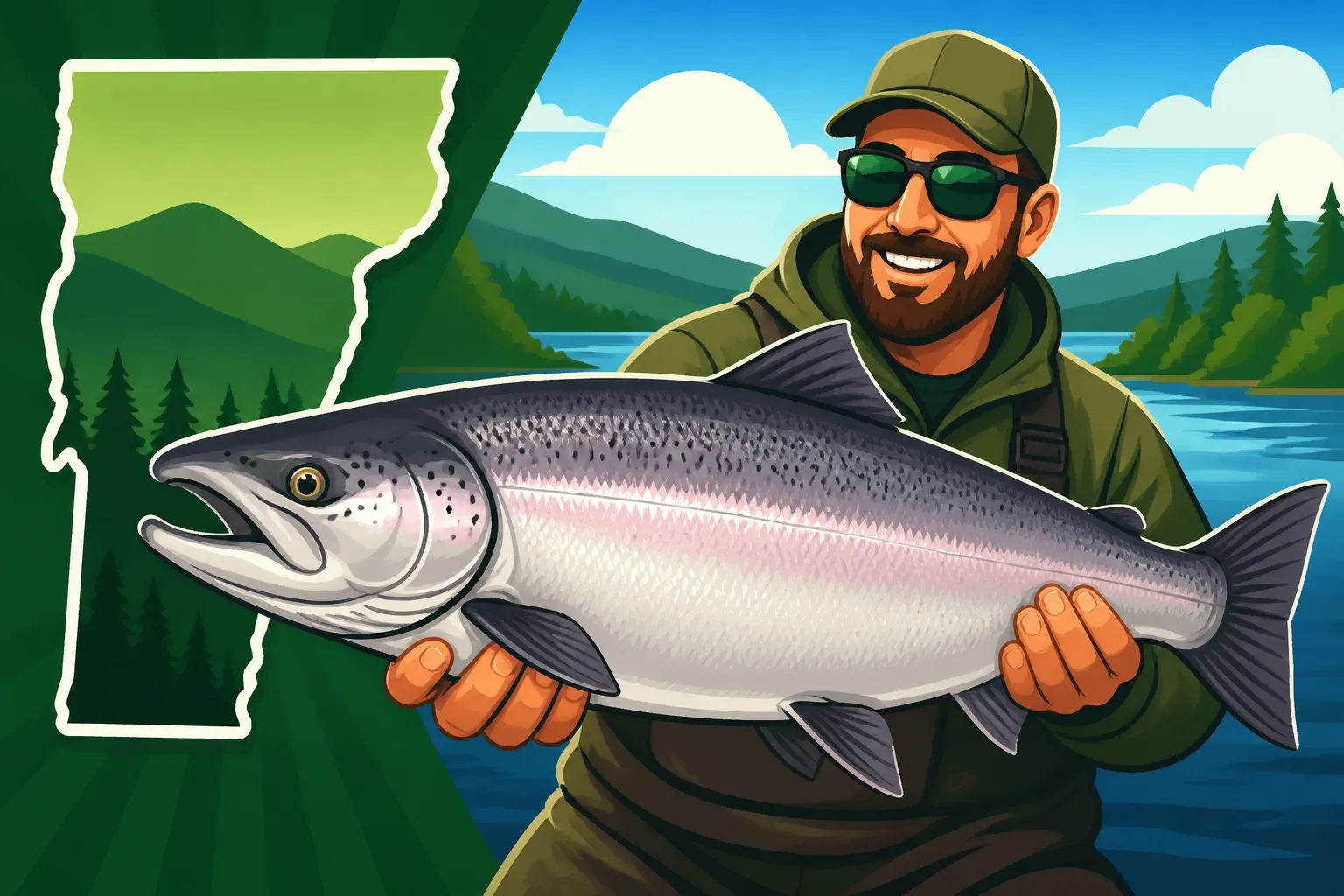
So, what's the magic number? The official Vermont state record for landlocked salmon stands at an incredible 12 pounds, 10 ounces. Imagine reeling in a fish of that size – a true behemoth of the depths! This record represents an extraordinary catch, a fish that grew to a formidable size, likely surviving countless seasons and evading numerous anglers. It's the kind of fish that legends are made of, embodying the health and potential of Vermont's landlocked salmon fisheries. While many factors contribute to a fish reaching such a size, including genetics, abundant forage, and ideal habitat, it ultimately takes a skilled angler to outsmart and land such a magnificent specimen. It’s a moment that will forever be etched in Vermont's fishing lore, inspiring future generations of anglers.
The Significance of a State Record
Why do these records hold such a special place in our hearts? For one, they provide a tangible goal. It gives us something concrete to aim for, even if it feels impossibly out of reach for most of us. It tells us that fish of that caliber do exist in our waters, fueling our passion and dedication. A state record also serves as a historical marker, celebrating the angler who made the catch and the specific body of water that produced such a leviathan. These records inspire conversation, fuel friendly rivalries, and provide benchmarks for what healthy fisheries can produce. They also help to highlight the importance of conservation, reminding us that these incredible fish thrive when their habitats are protected and managed responsibly. You can explore more about what makes these fish attain such sizes in Landlocked Salmon Growth Rate to Trophy Size. If you're curious about other species, check out Vermont State Fish Records by Species.
Strategies for Pursuing Your Own Trophy Salmon
Dreaming of your name in the record books, or simply landing the biggest salmon of your life? While there are no guarantees when it comes to fishing, especially for a fish as challenging as a trophy landlocked salmon, there are definitely strategies you can employ to increase your odds. It's about understanding the fish, the water, and having the right approach.
Top Vermont Waters for Landlocked Salmon
Vermont is blessed with several magnificent lakes that are home to thriving populations of landlocked salmon, including those with the potential for trophy-sized catches. These are typically deep, cold, clear lakes that can support the salmon's need for specific water temperatures and abundant forage, like rainbow smelt.
- Lake Willoughby: Often considered Vermont's crown jewel for landlocked salmon, Lake Willoughby is renowned for its incredible depth and crystal-clear, cold waters. It's a challenging lake to fish, but the rewards can be monumental. Anglers often target salmon here right after ice-out in the spring, or again in the cooler waters of the fall. These periods often see salmon higher in the water column or closer to shore, making them more accessible. For a deep dive into this particular lake, check out Lake Willoughby Fishing Guide.
- Seymour Lake: Another gem in the Northeast Kingdom, Seymour Lake is a fantastic option for landlocked salmon. It shares many characteristics with Willoughby – deep, clear, and cold – providing excellent habitat for these powerful fish. Like Willoughby, targeting the cooler seasons often yields the best results. You can find more information about this incredible fishery in Seymour Lake Fishing Guide.
- Lake Memphremagog: While perhaps more famous for its muskellunge, Lake Memphremagog also holds a healthy population of landlocked salmon, especially on the deeper, colder Vermont side. It's a massive body of water that requires extensive exploration, but patient anglers can find success here.
Understanding the specific characteristics of these lakes and the movements of salmon throughout the Vermont Fishing Seasons by Month is crucial. Salmon will follow their food sources and preferred water temperatures, often dictating where and how you need to fish. For a broader look at prime locations, our Best Fishing Lakes in Vermont guide offers more insights.
Essential Gear and Proven Techniques
Tackling trophy landlocked salmon isn't a job for light gear. These fish are powerful, and they'll exploit any weakness in your setup. Having the right tools for the job is paramount.
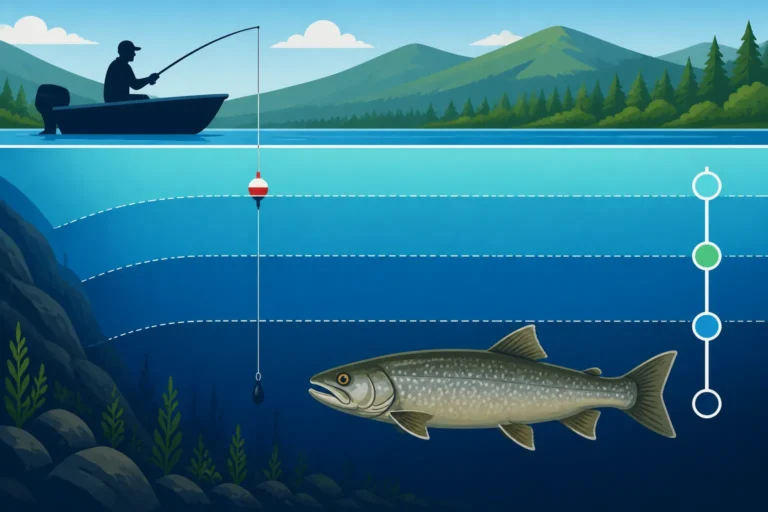
When it comes to trolling, which is arguably the most effective method for consistently catching landlocked salmon, you'll want a medium-heavy rod with a fast action, paired with a reliable reel spooled with strong, abrasion-resistant line, perhaps 10-15 lb test monofilament or fluorocarbon. Many anglers start their search for robust trolling reels on platforms like Amazon, comparing different models known for their durability and smooth drag systems. You'll likely use downriggers or lead core line to get your lures down to the fish's preferred depth, which can vary significantly depending on the time of year and water temperature. Flashers, dodgers, and spoons are classic choices, mimicking the smelt and other baitfish that salmon feed on. For more general trolling advice, see Trolling Techniques for Vermont Lake Trout, as many principles apply.
For those who prefer casting or jigging, especially during periods when salmon are closer to the surface or schooled up, a medium-light to medium-action spinning rod with a fast tip can be effective. Spoons, stickbaits, and even jigs tipped with bait can entice strikes. Don't forget to have a stout leader, often fluorocarbon, to withstand their sharp teeth and reduce visibility. High-quality braided line, which you can easily find on Amazon, offers excellent sensitivity for feeling subtle bites.
Fly anglers also have their moments, particularly during the spring and fall runs when salmon might move into river mouths or shallow spawning areas. A 7- or 8-weight fly rod with a sinking line, paired with streamer patterns that imitate smelt, can be incredibly effective. Our How to Catch Landlocked Salmon in Vermont guide goes into further detail on specific techniques. Always ensure your landing net is large enough to handle a potential trophy and features a rubberized mesh to protect the fish for release. Our Best Landing Net for Trout provides good guidelines, though for a record salmon, you might need something even bigger!
Steps for Documenting a Potential Record
Imagine you've hooked, fought, and landed that fish of a lifetime – a potential state record landlocked salmon! Your heart is pounding, and the adrenaline is coursing. Now what? Proper documentation is crucial for getting your catch recognized.
- Be Prepared: Before you even hit the water, familiarize yourself with the Vermont Fish & Wildlife Department's official record application process. Know what information they require.
- Certified Scale: The fish must be weighed on a state-certified scale. This usually means a commercial scale found at a grocery store, marina, or bait shop that is regularly calibrated. Don't rely on your personal handheld scale, no matter how accurate you think it is.
- Witnesses: You'll typically need at least two witnesses to verify the weighing and identify the species. These should ideally be impartial individuals.
- Photographs: Take clear, well-lit photographs of the fish, showing its full length, the scale reading, and potentially the angler with the fish. These photos are vital for species identification and verification. Make sure the fish is handled carefully, perhaps in a cradle or on a wet surface, to minimize stress if you intend to release it.
- Measurements: Record the total length and girth of the fish.
- Application Form: Fill out the official application form completely and accurately, providing all requested details, including the time, date, location, bait/lure used, and gear specifics.
- Contact Authorities: Get in touch with the Vermont Fish & Wildlife Department as soon as possible after the catch, especially if it's a borderline record. They can guide you through the official process and confirm species identification.
Remember, the goal is not just to catch a big fish, but to ensure that its size and species are accurately and ethically verified according to official guidelines. This careful process protects the integrity of the state record system.
Responsible Angling and the Future of Vermont's Salmon Fishery
The pursuit of trophy fish, including the magnificent landlocked salmon, comes with a great responsibility. As anglers, we are stewards of our natural resources, and our actions directly impact the health and longevity of Vermont's fisheries. Ensuring future generations can also experience the thrill of chasing these incredible fish is paramount.
Catch and Release for Conservation
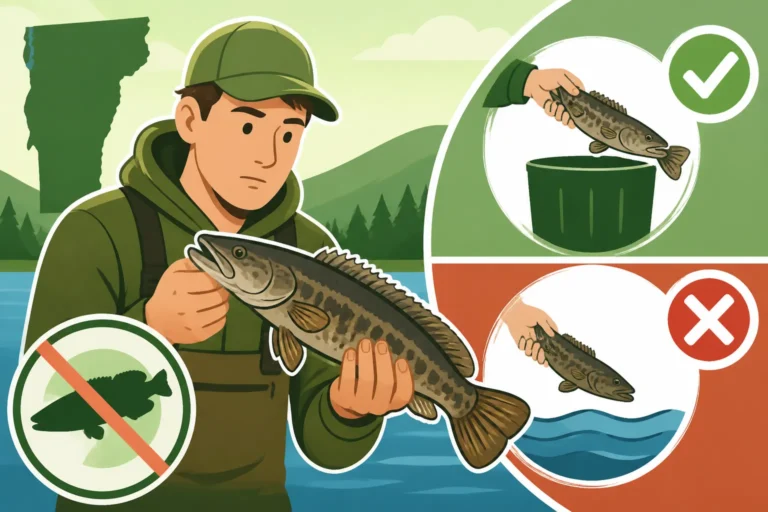
While the dream of a state record is powerful, the reality is that many trophy landlocked salmon, especially the very largest ones, are vital for the breeding population. These older, larger fish often contribute significantly to the genetic strength and reproductive success of the species in a given lake. Practicing responsible Landlocked Salmon Regulations and catch and release, particularly for fish that you don't intend to keep for the table or those that exceed consumption guidelines, is a cornerstone of modern conservation.
When releasing a large salmon:
- Minimize Fight Time: Bring the fish in as quickly as possible without over-stressing it or breaking your line.
- Wet Hands: Always handle the fish with wet hands to protect its delicate slime coat.
- Use a Net: A large, knotless, rubberized landing net (easily found on Amazon) helps cradle the fish and prevent damage to its fins and scales.
- Quick Photo: If taking a picture, do it quickly and while supporting the fish horizontally, preferably still in the water or just above it. Avoid hanging heavy fish vertically by the jaw or gills.
- Revive Gently: Hold the fish upright in the water, facing into the current, until it regains its strength and swims off on its own.
By taking these steps, you give that trophy salmon the best chance of survival, allowing it to potentially spawn again and contribute to the next generation of record-contending fish. This is crucial for the long-term health of our beloved fisheries.
Contributing to the Legacy
Every time we cast a line in Vermont, we're not just fishing; we're participating in a rich tradition. By understanding and adhering to Vermont Fishing Regulations Explained, sharing our knowledge respectfully with others, and promoting ethical angling practices, we contribute positively to the fishing legacy. The story of the state record landlocked salmon isn't just about one fish or one angler; it's about the health of the entire ecosystem and the community of passionate individuals who care deeply about it. Whether you're chasing the next record or simply enjoying a peaceful day on the water, remember that your actions help shape the future of fishing in the Green Mountain State.
| Aspect | Average Landlocked Salmon | Potential State Record Landlocked Salmon |
|---|---|---|
| Typical Weight | 1.5 – 5 pounds | 10+ pounds (current record is 12 lbs, 10 oz) |
| Length | 18 – 25 inches | 30+ inches |
| Age | 3 – 7 years | 8+ years, often much older |
| Preferred Habitat | Deep, cold, oxygenated lakes, near schooling baitfish | Same, but often in more isolated or less pressured areas |
| Angling Challenge | Significant fight, strong runs | Extreme fight, sustained powerful runs, acrobatic leaps |
| Conservation Impact | Important for overall population | Crucial for genetic diversity, large spawners |
| Gear Recommendation | Medium action rod, 8-10 lb line | Medium-heavy rod, 10-15 lb line, heavy leader, stout hooks |
| Record Documentation? | Not applicable | Absolutely essential: certified scale, witnesses, photos |
Disclaimer
This article is for general informational purposes only and does not constitute professional advice. Laws, prices and regulations vary by location and change over time. Consult a qualified professional for guidance on your specific situation.