Vermont state record brook trout weight
For many anglers, the pursuit of a true trophy fish in Vermont is a dream, and when it comes to native species, the brook trout holds a special, almost revered place. There’s nothing quite like the thrill of hooking into a robust brookie, especially one that tests the limits of what these vibrant fish can achieve in our pristine waters. This guide dives deep into the world of Vermont's state record brook trout, exploring what makes these catches so significant, how such records are established, and how you might approach the challenge of pursuing your own piece of angling history in the Green Mountain State.
The Allure of Vermont's Brook Trout and the Quest for Records
Vermont’s landscape, with its countless cold, clear streams, remote ponds, and lush forests, is practically tailor-made for brook trout. These fish aren't just a species; they're an icon, representing the wild, untamed spirit of our waterways. For many, catching a brook trout, particularly a large one, is the pinnacle of freshwater angling in the region.
Why Brook Trout Hold a Special Place in Vermont Angling
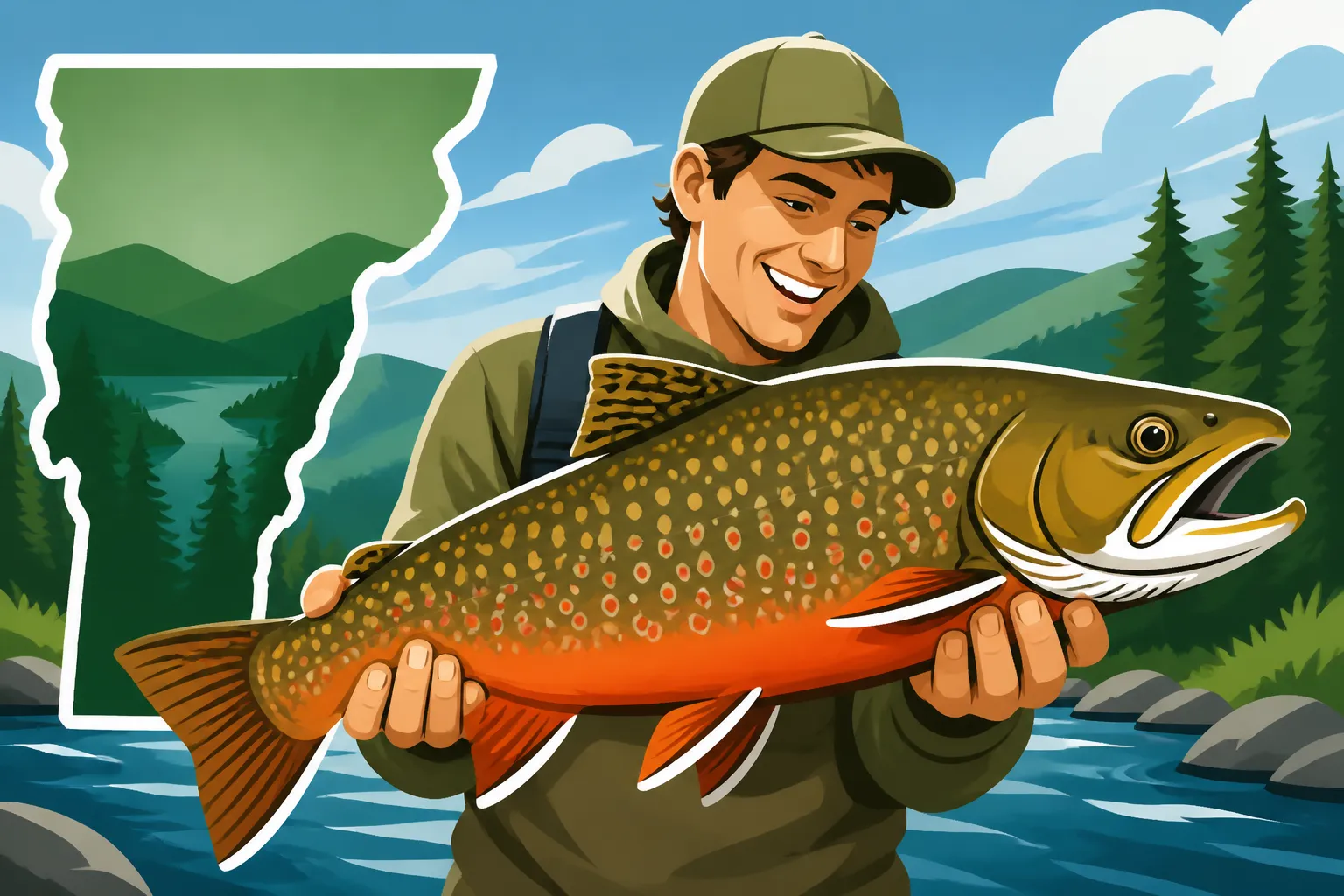
Brook trout ( Salvelinus fontinalis) are more than just pretty fish with their distinctive vermiculations and vibrant red-orange fins. They are Vermont’s only native trout species, meaning they've been here long before any of us, perfectly adapted to the cold, oxygen-rich waters that flow through our mountains and valleys. This native status gives them an almost mythical quality, a living connection to the wilderness. Anglers often talk about the challenge of finding truly wild, larger brook trout—the kind that have eluded countless fishermen and survived multiple seasons. The sheer beauty of a brook trout, pulled from an untouched mountain stream, is enough to make any angler's heart sing. They represent the health of our aquatic ecosystems, thriving in the purest environments. To learn more about these incredible fish, check out our dedicated guide on Brook Trout: Vermont's Native Trout.
Understanding State Records: What it Means to Catch a Record Fish
A state record isn't just a number; it's a testament to exceptional angling skill, perseverance, and often, a little bit of luck. It signifies the largest fish of a particular species ever officially documented and recognized within the state's boundaries. For brook trout, this record isn't just about weight; it speaks to the incredible potential these fish have in Vermont's diverse waters. When an angler lands a fish that might challenge a state record, it’s a moment of immense pride, not just for them but for the entire angling community. It highlights the quality of Vermont's fisheries and inspires others to get out and explore our beautiful waters. It transforms a successful fishing trip into a historical event, etched into the annals of Vermont's fishing lore.
Delving into Vermont's Brook Trout Record Details
While the pursuit of a record is exhilarating, understanding the specifics of the existing record and the verification process is crucial. It ensures that any potential new record is properly acknowledged and adds to the scientific and recreational history of our fisheries.
The Current Vermont Brook Trout State Record
Vermont's state record for brook trout stands as a testament to the impressive size these native beauties can achieve in our waters. While the exact weight is a fluid figure maintained by official state records and can change over time with new, larger catches, the current record represents a truly magnificent brook trout. We’re talking about a fish of substantial weight, a specimen that would turn heads anywhere, far exceeding what most anglers might expect from a typical brook trout. These records are meticulously tracked by the Vermont Fish & Wildlife Department, ensuring accuracy and recognizing the incredible achievements of anglers.
To find the most up-to-date and precise information on the current record weight, including the angler's name, the date caught, and the body of water, it's always best to consult the official Vermont Fish & Wildlife Department's website directly. They maintain the definitive list of state records for all species, providing the authoritative figures that reflect the pinnacle of angling success in Vermont. The journey to a record-breaking fish is one filled with dedication, understanding fish behavior, and knowing the waters well.
How a Potential Record Catch is Verified in Vermont
Catching a fish that you believe could be a state record is an incredible experience, but the journey doesn't end when the fish is in the net. The process of getting it officially recognized is rigorous to ensure fairness and accuracy. Here’s a general rundown of the steps involved:
- Immediate Weighing: The fish must be weighed as soon as possible on a certified scale, usually at a post office, grocery store, or other commercial establishment that has regularly calibrated scales. The presence of at least one witness (preferably two) is often required.
- Measurements: Accurate length (total length and fork length) and girth measurements are critical. These help confirm species identification and size.
- Species Identification: The fish's species must be positively identified. This often requires a clear photograph and, in some cases, a fisheries biologist's examination, especially for species that can be easily confused. For brook trout, this is usually straightforward due to their distinct markings, but thoroughness is key.
- Photography: Clear photographs from multiple angles, showing the entire fish, are essential. These aid in identification and documentation.
- Application Submission: The angler must fill out an official state record application form, providing all details of the catch, witnesses, and measurements. This form is typically available on the Vermont Fish & Wildlife Department's website.
- Review and Certification: The department reviews all submitted documentation. If everything checks out and the catch surpasses the existing record, it is officially certified as the new state record.
This process ensures that every state record is legitimate and stands as a true benchmark for the species in Vermont. Without following these steps, even the largest fish in the world won't make it into the record books.
Here's a simplified table outlining the key steps for record certification:
| Step | Description | Important Considerations |
|---|---|---|
| 1. Weigh | Immediately weigh fish on a certified scale. | Certified scale (e.g., post office, store), multiple witnesses. Keep fish fresh. |
| 2. Measure | Take accurate length (total, fork) and girth measurements. | Use a reliable measuring tape, take clear photos of measurements. |
| 3. Identify Species | Confirm exact species. | Clear photos are a must. Be ready for expert verification if needed. |
| 4. Photograph | Take clear, well-lit photos of the entire fish from various angles. | Shows size relative to angler, clearly displays identifying features. |
| 5. Complete Application | Fill out the official State Record Fish Application form from VT Fish & Wildlife. | Be thorough with all details: date, location, method, witnesses, measurements. |
| 6. Submit & Await Review | Submit the application and documentation to the Vermont Fish & Wildlife Department. | Follow submission instructions carefully. Patience is key during the review process. |
Where and How to Pursue a Trophy Brook Trout in Vermont
While brook trout are found throughout Vermont, truly large, record-challenging specimens often come from specific types of environments and require particular tactics. It’s not just about showing up; it’s about understanding their world.
Prime Habitats for Larger Brook Trout
If you're dreaming of a record-class brook trout, you need to think about where these elusive giants might hide. Generally, the biggest brookies are found in waters with:
- Remote, High-Elevation Ponds: Many of Vermont's state record fish, or at least exceptional catches, have come from less-pressured, often difficult-to-access ponds nestled deep in the Green Mountains. These waters often hold a stable population of larger, older fish that have had ample time and forage to grow. These aren't your roadside stock ponds; they require a hike and a commitment, but the reward can be immense. For those seeking pristine environments, exploring Green Mountain Trout Stream Access can lead to some truly special spots.
- Cold, Oxygen-Rich Rivers and Streams: While small brookies are ubiquitous in many streams, larger ones will gravitate to deeper pools, undercut banks, and complex cover in more substantial, consistently cold rivers. These areas provide refuge from predators and strong currents, and often concentrate food sources. Think about the upper reaches of some of Vermont's famous trout rivers, like sections of the Battenkill or White River, which might hold surprising pockets of big brookies, though often with Vermont Battenkill River special regulations to consider.
- Larger, Managed Lakes with Wild Populations: Some of Vermont's bigger lakes, particularly those with deep, cold sections and plenty of forage (like smelt), can produce impressive brook trout. These are often native populations that have adapted to a larger water body, or stocked fish that have had years to grow. It’s worth checking the Vermont Fish Stocking Search Tool, Explained to see if any waters you're interested in receive specific stockings that might contribute to holdover fish.
The key is often finding waters that combine excellent habitat, abundant food, and relatively low fishing pressure. These are the places where brook trout can truly thrive and grow to exceptional sizes.
Essential Gear and Tactics for Record-Chasing Brookies
Catching a trophy brook trout often requires a blend of appropriate gear and refined techniques. It’s about being prepared for that one big bite.
- Rods and Reels: For larger brook trout in streams, a light-to-medium action spinning rod (around 6-7 feet) paired with a small, smooth spinning reel spooled with 4-6 lb test fluorocarbon or monofilament line is often ideal. For those who prefer fly fishing, a 3-5 weight fly rod is versatile enough for both smaller streams and larger water bodies. You can find a great selection of reliable rods and reels on platforms like Amazon, making it easy to gear up. If you're looking for specialized advice, our guide on Best Gear for Vermont Trout Fishing dives deeper into specific recommendations.
- Lures and Baits:
- Spinning: Small inline spinners (like Panther Martins or Mepps), tiny spoons (Kastmasters, Little Cleos), and micro crankbaits can be highly effective. Natural baits like worms, small minnows, or even pieces of powerbait can also entice a wary brookie, especially in stillwater ponds.
- Fly Fishing: For fly anglers, the choices are vast. Streamers mimicking baitfish (Woolly Buggers, Sculpzillas) can draw aggressive strikes from larger fish. Nymphs (Prince Nymphs, Hare's Ears) are excellent for fishing deeper water, while dry flies (Elk Hair Caddis, Adams) are thrilling when trout are rising. Our guide on Fly Fishing for Trout in Vermont provides more in-depth fly pattern advice.
- Approach and Presentation: Stealth is paramount, especially in clear, shallow waters. Approach quietly, use natural cover, and make accurate casts. Presentation should be subtle and natural, whether you're drifting a nymph or twitching a spinner. Patience is key; trophy brook trout don't just jump on any offering. They've earned their size by being cautious. Considering waders is also a smart move for accessing prime spots; read our tips on Best Waders for Vermont Trout Streams.
Remember, while the gear helps, the true magic lies in reading the water, understanding the fish, and adapting your tactics to the specific conditions you face.
Beyond the Record: The True Spirit of Brook Trout Fishing
While chasing a state record is an exciting goal, the real essence of brook trout fishing in Vermont goes much deeper than numbers. It's about connecting with nature, embracing ethical practices, and savoring every moment on the water.
Conservation and Ethical Angling
When targeting larger brook trout, especially in wilder, more remote waters, practicing catch and release is incredibly important. These big fish are often crucial spawners, contributing to the next generation of brook trout. By carefully releasing them, you're not only helping to maintain a healthy fishery but also ensuring that another angler (or even you!) might have a chance to encounter that magnificent fish again. Use barbless hooks, handle fish minimally with wet hands, and revive them gently before release. Understanding and adhering to Vermont Fishing Regulations Explained and Vermont Trout Season and Stocking Rules is also vital for sustainable angling. This commitment to conservation ensures that Vermont's native brook trout populations remain strong for generations to come.
The Joy of the Journey, Not Just the Destination
Ultimately, the pursuit of a state record brook trout is a journey, not just a destination. It’s about the crisp morning air, the sound of a rushing stream, the vibrant colors of the fall foliage, or the quiet solitude of a remote pond. It’s about the challenge of deciphering where a wary fish might be holding and the satisfaction of a perfectly executed cast. Many of the most memorable fishing trips don't end with a record fish, but with incredible stories, stunning views, and a renewed appreciation for Vermont's natural beauty. Whether you catch a record-breaker or simply a beautiful stream-run brookie, the experience of being out on the water, immersed in the rhythm of nature, is its own reward.
Don't forget to savor every cast, every rise, and every moment spent in our beautiful Vermont wilderness. The fish are just a bonus. For a broader look at angling opportunities, our comprehensive guide to Trout Fishing in Vermont offers even more insights.
Disclaimer
This article is for general informational purposes only and does not constitute professional advice. Laws, prices and regulations vary by location and change over time. Consult a qualified professional for guidance on your specific situation.