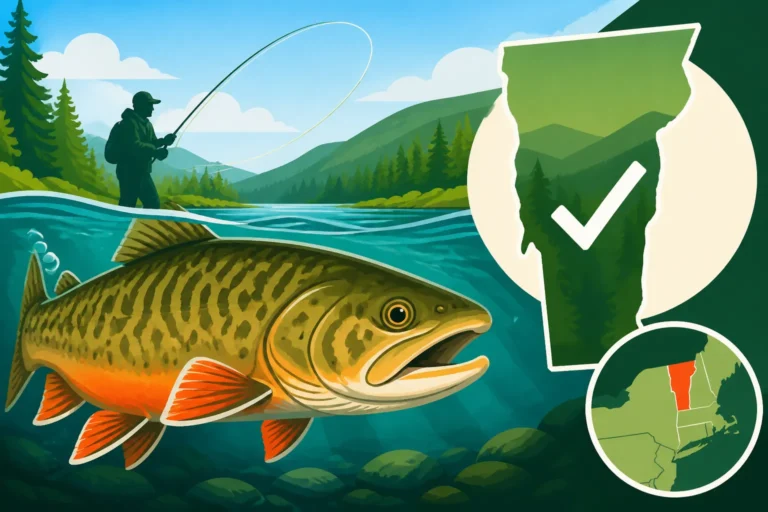
Lake Trout Spawning Season in Vermont
There's a special time of year when Vermont's majestic lake trout turn their attention to the next generation, embarking on an ancient spawning ritual. For many anglers, understanding this period is a bit of a mystery, leading to questions about when, where, and how to best respect these fish during such a critical life phase. This comprehensive guide will pull back the curtain on the lake trout spawning season in Vermont, helping you appreciate this natural spectacle and become a more informed, responsible steward of our precious aquatic resources.
Understanding Lake Trout and Their Unique Spawning Cycle
Lake trout (Salvelinus namaycush) are truly remarkable fish, often symbolizing the wild, cold depths of Vermont's largest and deepest lakes. They are an integral part of our state's aquatic ecosystems, possessing a life cycle that sets them apart from many other freshwater species. Their spawning habits are particularly fascinating, a testament to their adaptability and perseverance.
Lake Trout: A Coldwater Native with Specific Needs
These fish are true cold-water specialists, thriving in oxygen-rich, deep lakes where temperatures remain consistently low throughout the year. This preference for cold, clear water directly influences every aspect of their lives, including when and where they choose to reproduce. Unlike some trout species that seek out gravel-bottomed streams for spawning, lake trout are almost exclusively lake-spawners. They don't typically migrate up rivers, which is a common pattern for brook trout or rainbow trout, but instead find suitable locations within the lake itself. This unique characteristic means that understanding their in-lake habitat is paramount for anyone keen on protecting them. Their deep-water existence for much of the year makes observing their behavior challenging, adding to the mystique of their spawning habits.
The Biology Behind Their Autumn Ritual
The biological triggers for lake trout spawning are complex, primarily driven by decreasing water temperatures and changes in daylight hours as autumn progresses. As the long days of summer shorten and the leaves on Vermont's hillsides begin to turn vibrant hues of red and gold, the lake trout's internal clock starts ticking. Hormonal changes prepare them for the arduous task of reproduction. Unlike salmon or some other trout that may die after spawning, lake trout are iteroparous, meaning they can spawn multiple times throughout their long lives, which is a critical factor for the overall health and stability of their populations. This ability to return year after year to their spawning grounds highlights the importance of preserving these specific areas from disturbance.
The Critical Timing of Vermont's Lake Trout Spawning
Pinpointing the exact moment lake trout begin to spawn can vary, but generally, it's a phenomenon deeply tied to the cooling waters of late fall. It's a window that every angler and conservationist should be aware of, as it dictates much of the behavior of these magnificent fish.
When the Temperatures Drop: Initiating the Spawning Urge
The onset of the lake trout spawning season is closely linked to specific water temperatures, typically when surface waters cool to the range of 40 to 50 degrees Fahrenheit. In Vermont, this generally occurs from mid-October through November, though it can extend into early December in some years, especially during milder autumns. This temperature drop signals to the fish that it's time to move from their deep-water summer haunts to shallower, rocky areas to begin their courtship and egg deposition. The transition isn't instantaneous; it's a gradual migration that can take several weeks, during which the fish become more active in these shallower zones. Understanding this temperature dependency is key to predicting when and where lake trout will be most vulnerable.
Peak Spawning Windows and Environmental Influences
While the general timeframe for lake trout spawning in Vermont is autumn, the peak activity usually occurs within a narrower window, often spanning a couple of weeks within late October and early November. Environmental factors such as prolonged periods of cold weather, sudden drops in air temperature, and even lunar cycles can influence the exact timing and intensity of the spawning run. For instance, a rapid cooling trend might push more fish to spawn simultaneously. Heavy winds can also play a role, as wave action helps to clean the rocky substrate where eggs are laid, ensuring better oxygen flow for developing embryos. This sensitivity to environmental conditions means that each year can present slightly different timing, but the core window of late fall remains constant. Lake Trout Spawning Season in Vermont is a time of immense natural beauty, but also one that requires thoughtful consideration from those who share the waters.
Where Lake Trout Choose to Spawn in Vermont's Waters
You won't find lake trout building elaborate nests like some other fish species. Instead, they seek out very specific types of substrate and structure within the lake itself for their spawning activities. Knowing these locations is vital for avoiding inadvertent disturbance.
Preferred Habitat: Rocky Shoals and Reefs
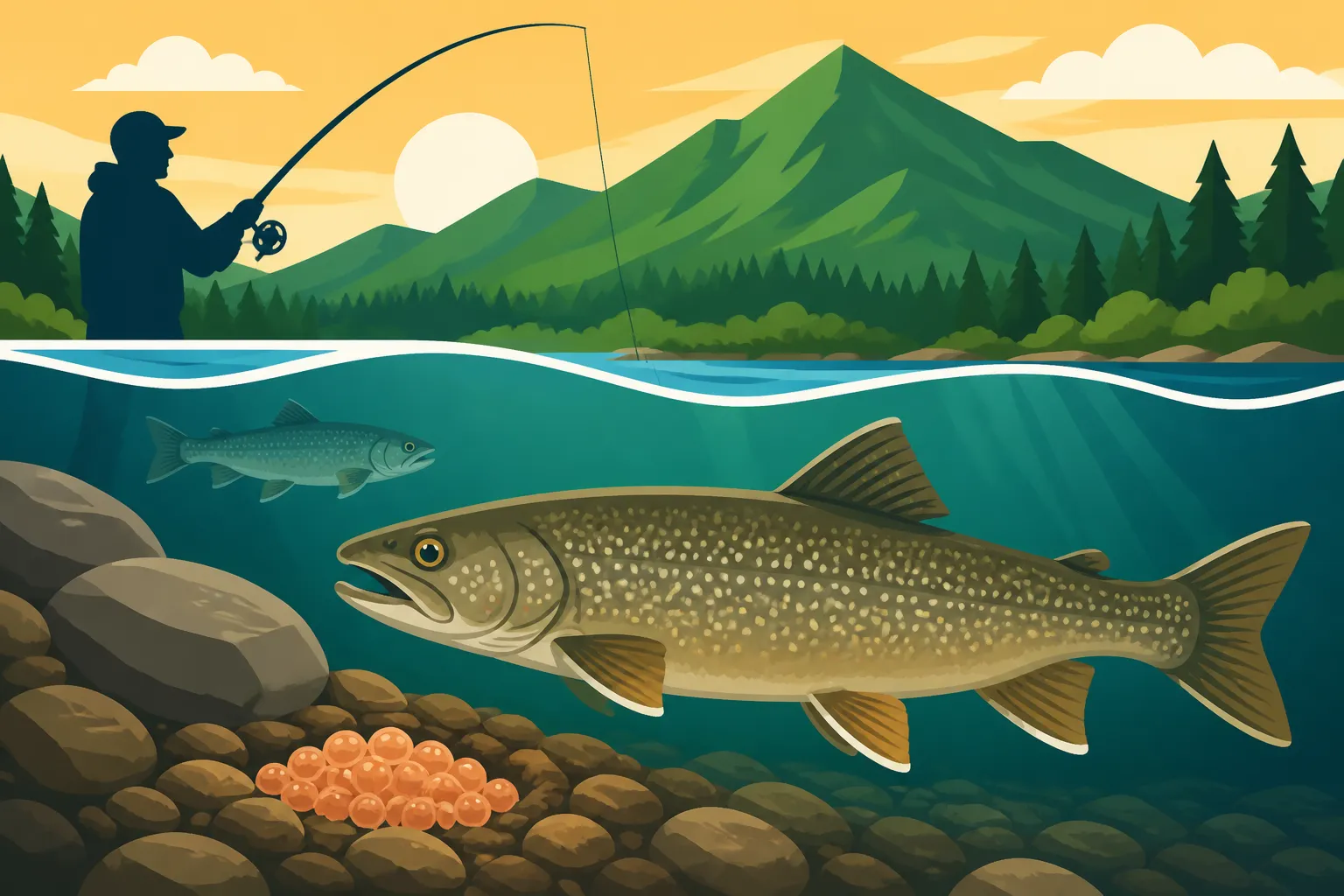
Lake trout are particular about their spawning sites, favoring shallow, rocky shoals, reefs, and points exposed to wave action. These areas are typically characterized by clean, fist-sized to softball-sized rubble, gravel, and boulders, usually free of silt or fine sediment. The wave action on these exposed sites helps to keep the rocks clean and well-oxygenated, which is crucial for the survival of the eggs. The crevices and spaces between the rocks provide protection for the fertilized eggs from predators and from being scoured away by currents. Depths for spawning can vary, but they generally range from a few feet down to about 20-30 feet, making these areas accessible yet often overlooked by those unfamiliar with their habits. It's truly incredible how specific these fish are, ensuring the best possible chance for their offspring.
Notable Spawning Grounds in Vermont Lakes
In Vermont, our deep, cold lakes are the primary homes for lake trout, and naturally, their spawning activities are concentrated there. Lake Champlain is a prime example, with numerous rocky reefs and offshore humps providing critical spawning habitat. Areas around the Inland Sea and the broader main lake often hold excellent spots. Other notable lakes like Lake Willoughby, often lauded for its crystal-clear waters, and Lake Memphremagog also boast significant lake trout populations and corresponding spawning grounds. These locations often have historically established spawning areas that lake trout return to year after year, guided by generations of instinct. Identifying these general areas, often marked on navigational charts, is a first step in being a responsible angler or boater during the autumn months. Knowing where these fish congregate helps us protect them. Lake Champlain Fishing Guide and Lake Willoughby Fishing Guide offer more detailed insights into these specific bodies of water.
Angler Responsibilities and Regulations During Spawning Season
Understanding the lake trout spawning season isn't just about curiosity; it's about responsibility. Vermont's fishing regulations are designed to protect these vulnerable fish, and every angler plays a crucial role in conservation. It's not just about avoiding legal trouble; it's about ethical angling and ensuring the long-term health of the fishery.
Navigating Closed Seasons and Special Regulations
During the critical spawning period, Vermont often implements specific regulations to minimize disturbance to lake trout. This might include closed seasons for lake trout fishing in certain waters, or specific restrictions on gear types or catch limits in areas known for spawning activity. These regulations are put in place for a good reason: to give the fish the peace and quiet they need to successfully reproduce without added stress from angling pressure. It's imperative that you consult the current Vermont fishing regulations guide before heading out, especially in the fall. Missing a specific closure or restriction can have significant consequences for both you and the fish population. Familiarizing yourself with the nuances of Vermont Fishing Regulations Explained can prevent accidental violations.
| Regulation Aspect | General Purpose During Spawning Season | Angler Action Required |
|---|---|---|
| Closed Seasons | To completely remove angling pressure from vulnerable fish on spawning beds. | Check regulations for specific water bodies and dates; do not target or harvest lake trout. |
| Reduced Bag/Possession Limits | To allow more fish to complete spawning by limiting harvest. | Adhere strictly to published limits; consider catch-and-release practices. |
| Gear Restrictions | To minimize injury during catch-and-release or reduce harvest efficiency. | Use only legal gear as specified (e.g., single-pointed hooks, artificial lures only). |
| Time-of-Day Restrictions | To reduce pressure during peak spawning activity, often at dawn/dusk. | Respect designated fishing hours; avoid early morning or late evening fishing in sensitive areas. |
| Area Closures | To protect specific, known spawning sites from any human disturbance. | Identify and avoid fishing in or near marked or commonly known spawning areas. |
It's truly a good practice to carry a physical copy of the regulation book or have it readily accessible on your phone, even if you found it through a quick search on Amazon. A waterproof case for your phone, also easily found on Amazon, is a smart accessory for any angler to protect critical information on the water.
Best Practices for Avoiding Disturbance
Even in areas where fishing may technically be open, adopting best practices to avoid disturbing spawning lake trout is a sign of a truly dedicated and ethical angler. This means being mindful of your boat's presence near rocky shoals and reefs, especially in shallower waters where fish might be staging or actively spawning. Running your motor over known spawning beds can disrupt the fish, and propeller wash can dislodge eggs that have already been laid. If you must be in these areas, consider minimizing boat traffic and using a trolling motor or even paddling to reduce your impact. Additionally, practicing careful catch-and-release, using appropriate gear like barbless hooks and handling fish minimally, becomes even more critical during this sensitive time. Even if you're targeting other species, being aware of potential lake trout presence and altering your approach demonstrates true stewardship.
Why Protecting Spawning Lake Trout Matters for Vermont's Fishery
The health of Vermont's lake trout fishery hinges on the success of each spawning season. These fish are not just a trophy species for anglers; they are a vital component of the state's natural heritage and aquatic food web. Ignoring the importance of their spawning period would have ripple effects throughout the ecosystem.
Ensuring Future Generations: The Importance of Natural Reproduction
Successful natural reproduction is the cornerstone of any sustainable fishery. While Vermont does engage in fish stocking programs for various species, a robust, naturally reproducing population of lake trout is a sign of a healthy, balanced ecosystem. When lake trout successfully spawn, lay viable eggs, and those eggs hatch into fry that survive to adulthood, it reduces the reliance on artificial stocking and helps maintain genetic diversity within the population. Disruptions during spawning – whether from careless boating, illegal angling, or habitat degradation – can severely impact the number of successful recruits entering the population years down the line. Each egg, each fry, represents a piece of the future, making the spawning season arguably the most important time for the species. Understanding How long lake trout live in Vermont also highlights the long-term investment in each fish.
The Role of Lake Trout in Vermont's Ecosystem
Lake trout are apex predators in many of Vermont's deep lakes, playing a crucial role in maintaining the balance of the food web. They primarily feed on smaller fish, such as rainbow smelt and cisco, helping to regulate these populations. A healthy lake trout population indicates a healthy lake ecosystem overall, as they require clean, cold, and well-oxygenated waters. Their presence acts as a biological indicator of water quality and habitat integrity. Protecting their spawning grounds and ensuring successful reproduction safeguards not only the lake trout themselves but the entire intricate web of life that depends on them, from the tiniest plankton to the largest predators. Preserving the opportunities for Lake Trout Fishing in Vermont means we must protect the fish at their most vulnerable.
Observing Lake Trout Spawning Ethically
While the primary focus during the lake trout spawning season is protection, there's also an incredible opportunity to observe this natural phenomenon. Doing so ethically and respectfully can deepen your appreciation for these fish without causing harm.
Respectful Viewing from a Distance
If you're interested in witnessing lake trout spawning, the key is always to maintain a respectful distance. Use binoculars or a good spotting scope – you can find excellent options for wildlife observation on Amazon – to view the activity without getting too close. Getting too near the spawning grounds, especially in a boat, can cause fish to scatter or abandon their spawning efforts, even temporarily. The goal is to be a silent observer, not a participant or a source of stress. Look for areas with clear water and suitable rocky bottoms, but be prepared to spend time patiently watching from a distance. The serene beauty of their natural behavior is far more rewarding than a fleeting, disruptive close encounter. For those keen on understanding their habits more deeply, a waterproof nature guide, also available on Amazon, can enhance the experience.
Minimizing Your Footprint and Impact
Beyond maintaining distance, minimizing your overall footprint during the spawning season is vital. If you're using a boat, consider anchoring well away from suspected spawning areas and using an electric trolling motor or simply paddling if you need to move closer for a better vantage point, always keeping your distance. Avoid wading in shallow, rocky areas where eggs might be present, as even light foot traffic can disturb or crush developing embryos. Remember that fish are incredibly sensitive to vibrations and noise, so move slowly and quietly. The mantra should always be "leave no trace," both literally and in terms of your impact on the fish and their habitat. By being mindful and prepared with the right tools, you can experience this wonder without compromising the future of Vermont's magnificent lake trout.
Disclaimer
This article is for general informational purposes only and does not constitute professional advice. Laws, prices and regulations vary by location and change over time. Consult a qualified professional for guidance on your specific situation.