Best jigging spoon for winter walleye
The biting cold of a Vermont winter doesn't mean you have to hang up your fishing gear. In fact, for those hardy souls willing to brave the elements, ice fishing for walleye can be incredibly rewarding. But when those big 'eyes are sluggish and hugging the bottom, knowing the right presentation is key – and often, that means a jigging spoon. This guide will walk you through everything you need to know about selecting and using the best jigging spoons to entice those elusive winter walleye from under the ice.
Why Jigging Spoons Are a Winter Walleye Game Changer
Winter walleye fishing presents unique challenges compared to open water. The fish are often more lethargic, their metabolism slowed by the frigid water temperatures. They’re less likely to chase down fast-moving prey, and their feeding windows can be short. This is precisely where the jigging spoon shines, offering a distinct advantage that other baits often can't match under the ice. It’s a versatile tool that can imitate a struggling baitfish or simply annoy a finicky walleye into striking.
The Allure of Flash and Vibration in Cold Water
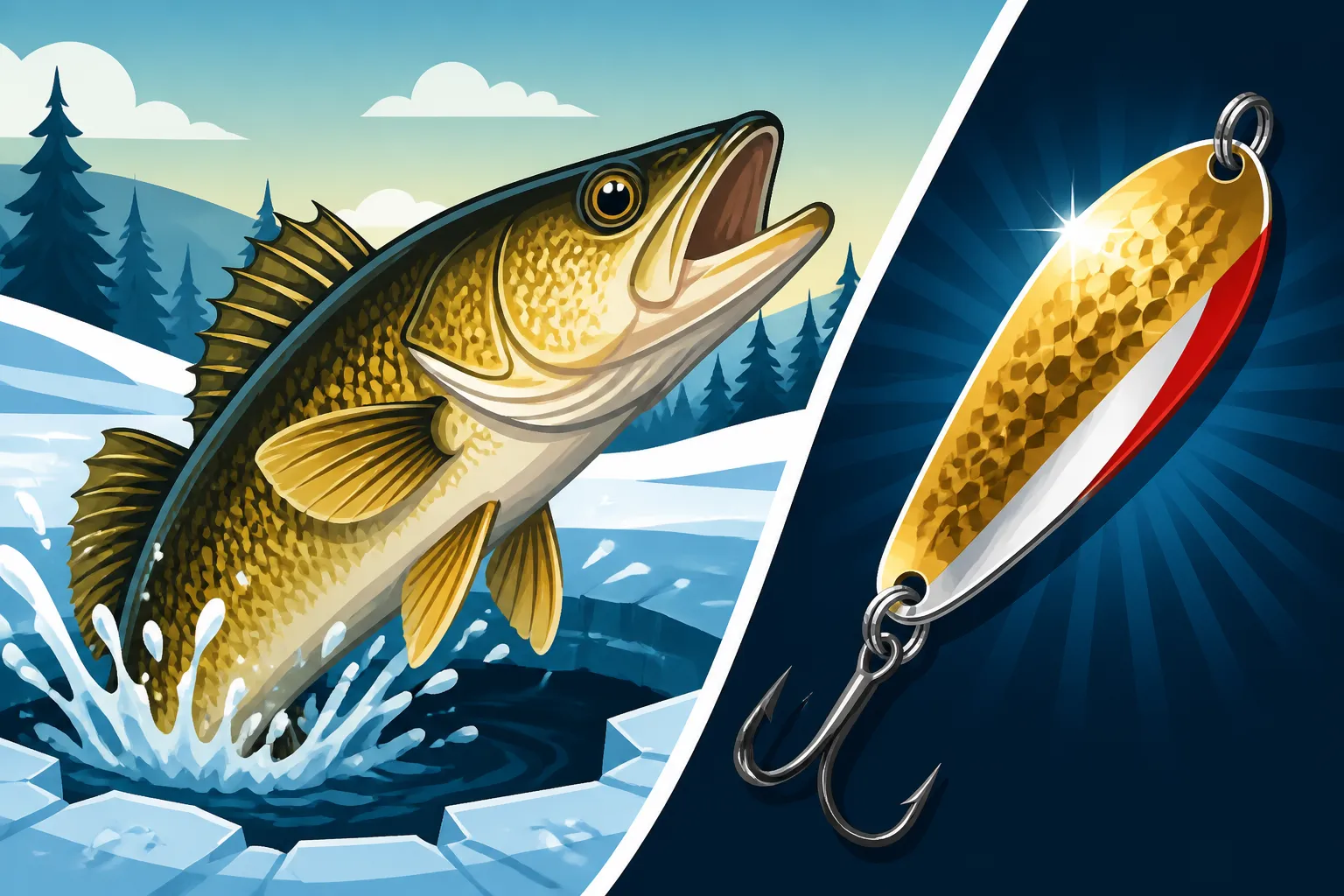
Think about the environment under the ice: it's often darker, and sound travels differently. A good jigging spoon capitalizes on these conditions by creating both visual and auditory triggers. As you lift and drop the spoon, it flashes and flutters, mimicking a wounded baitfish that's disoriented or dying. This erratic, vulnerable movement is a powerful attractant for a walleye that might not be actively hunting. The flash catches what little light penetrates the ice, and the vibration of the spoon moving through the water sends subtle signals that can be picked up by a walleye’s lateral line.
This combination of sensory appeal is crucial. Walleye in cold water conserve energy, so they're looking for an easy meal. A spoon that shimmers and quivers on the fall, then settles with a tempting wobble, perfectly fits that bill. It's a tantalizing display that draws them in from a distance, even when they're not in an aggressive mood. Plus, the distinct "thump" many spoons create when they hit the bottom can stir up sediment, further mimicking a feeding baitfish and piquing curiosity.
Mimicking Baitfish in a Sluggish Environment
Walleye are predatory fish, and even in winter, their instincts guide them toward vulnerable prey. A jigging spoon, with its metallic sheen and unpredictable darting action, does an excellent job of imitating common walleye forage like smelt, perch, or shiners. When you're fishing on a lake like Champlain, where walleye key in on a variety of baitfish, having a spoon that effectively imitates these natural food sources can make all the difference. What walleye eat on Lake Champlain is a topic many anglers study closely, and spoons are often designed with these forage fish in mind.
Unlike a fast-moving crankbait or a slow-crawling soft plastic, a jigging spoon can be worked with precision in a small area under your ice hole. You can make it dart, flutter, or simply hover, allowing you to present it directly in front of a walleye marked on your fish finder. This nuanced control is vital when fish are holding tight to structure or suspended in specific depths. The ability to keep the presentation in the strike zone for an extended period, perhaps with a subtle quiver, can be the key to triggering a bite from a hesitant walleye.
Key Characteristics of an Effective Winter Walleye Jigging Spoon
Choosing the right jigging spoon isn't just about grabbing the first shiny thing you see. There are several critical factors that differentiate a merely adequate spoon from a truly effective one, especially when you're battling the elements and finicky fish during Vermont's ice fishing season. Understanding these characteristics will help you build a diverse tackle box ready for any winter walleye scenario, whether you're targeting Walleye Fishing on Lake Champlain or exploring smaller, local lakes.
Size and Weight Considerations
The size and weight of your jigging spoon are paramount and should be dictated by a few factors: fishing depth, water current (if any), and the activity level of the walleye. For deeper waters, or when there's a slight current, a heavier spoon is necessary to reach the desired depth quickly and maintain control. However, a spoon that's too heavy for the depth can plummet too fast, potentially spooking fish or making it difficult to impart a natural-looking action.
Conversely, in shallower water or when fish are extremely inactive, a lighter spoon that has a slower, more enticing fall rate can be deadly. You want a spoon that descends with a seductive flutter or wobble, not a dead drop. Common sizes for winter walleye might range from 1/4 ounce to 1/2 ounce, but having options up to 3/4 ounce or even 1 ounce can be useful for very deep lakes or strong winds that make it hard to feel a lighter bait. The goal is to find that perfect balance where the spoon sinks efficiently but still retains its appealing action.
Color and Finish for Vermont's Waters
Color choice in jigging spoons is a nuanced art, especially under varying ice and snow conditions common in Vermont. Generally, bright, reflective colors like chrome, silver, and gold are excellent choices on sunny days or in clear water, as they mimic the flash of real baitfish. These are often go-to options for Lake Champlain's clearer sections. However, when fishing in deeper, darker water, or during low-light conditions (dawn, dusk, or heavily overcast days), glow-in-the-dark or UV-enhanced spoons can be incredibly effective. Many anglers swear by a touch of glow, especially when fishing a permanent ice shanty where light is minimal.
Beyond the primary color, consider patterns and accents. Spoons with subtle scale patterns, a touch of chartreuse or orange, or even painted "eyes" can add a layer of realism that makes a difference. Some spoons feature a matte finish on one side and a reflective finish on the other, offering a dynamic flash as they tumble. It's often smart to have a range of colors, from natural baitfish patterns (perch, shiner) to bold attractor colors (fire tiger, pink), allowing you to experiment and adapt to what the walleye are responding to on any given day. You can find a huge variety of these specialized spoons on Amazon, making it easy to build your collection.
Action and Profile
The "action" of a jigging spoon refers to how it moves through the water – its flutter, dart, or thud – and this is heavily influenced by its shape and design. Some spoons are designed to flutter wildly on the fall, mimicking a dying baitfish struggling to stay upright. These are often thinner and wider. Others have a more aggressive, darting action, shooting horizontally through the water before settling, which can be great for covering a wider area under the hole or triggering reaction strikes from more active fish.
Then there are spoons with a distinct "thumping" action, designed to plummet quickly and stir up silt when they hit the bottom, mimicking a baitfish rooting around for food. This can be particularly effective on soft bottoms or when you want to draw attention. Your choice of action should match the mood of the fish. When walleye are active, a more erratic, darting action might be best. For sluggish fish, a subtle flutter with a slow fall often proves more effective. The profile, or shape, of the spoon also contributes to this. A slender spoon might cut through the water differently than a broader, more rounded one, affecting its fall rate and side-to-side movement.
Top Jigging Spoon Recommendations for Vermont Winter Walleye
When you're out on the ice, shivering away and waiting for that tell-tale tap, you want to be confident that the lure at the end of your line is truly one of the best. Vermont anglers have their favorites, honed over years of chilly mornings and successful ice-outs. While there are countless spoons on the market, some have consistently proven themselves for enticing winter walleye in our local waters. Having a few of these in your tackle box is a smart move before heading to any of the Best Ice Fishing Lakes in Vermont.
Classic Flutter Spoons
Flutter spoons are a staple for a reason: their natural, struggling baitfish action is incredibly appealing to walleye. These spoons are typically thinner and wider, allowing them to shimmy and rock as they fall, rather than plummeting straight down. This slower descent gives walleye more time to see and react to the bait, which is crucial when they're not in an aggressive chasing mood.
One of the most iconic flutter spoons, popular across North America, is the Acme Kastmaster. While known for open water, its compact design and lively flutter make it excellent for ice fishing, particularly in silver or gold finishes. The Northland Buck-Shot Spoon is another heavy hitter, often tipped with a minnow head or a small plastic trailer. It has a unique brass "shot" rattle chamber that adds an auditory dimension, making it easier for walleye to locate in low visibility. Its broad profile provides a fantastic flutter. You can often find multi-packs of these, with a good range of colors, on Amazon. The key with these is to let them do their dance on the fall, occasionally twitching your rod tip to add a little extra shimmy.
Thumping and Darting Spoons
Sometimes, you need to be a little more aggressive to get a walleye's attention, especially if they're holding tight to the bottom or suspended in the water column. Thumping and darting spoons are designed for this purpose, creating more commotion and a bolder profile in the water. These spoons often have a thicker body or a more distinct keel, causing them to shoot horizontally or drop with a heavier thud.
The Rapala Jigging Rap is an absolute legend in this category. Its unique head-down, tail-up profile causes it to dart and circle aggressively when jigged, then glide back down, often prompting strikes on the pause. It perfectly mimics a swimming, fleeing baitfish. Similarly, the VMC Tumbler Spoon offers a distinct, wobbling action on the fall, combined with a heavier weight that creates a substantial thud when it hits the bottom. Both are fantastic for calling in walleye from a distance or triggering a reaction strike from a fish that's just inspecting your bait. Experiment with different lift heights and pauses to find the cadence that these fish respond to.
Glow and UV Enhanced Spoons
Given the subdued light conditions under the ice, and the depths walleye often inhabit, incorporating glow-in-the-dark or UV (ultraviolet) enhanced spoons into your arsenal is a no-brainer. These features can dramatically increase your visibility to walleye, especially in deeper, murkier water or when fishing at night. Many anglers specifically target walleye during the evening hours for bigger fish, making glow baits even more essential. Night Fishing for Walleye on Lake Champlain is a popular strategy, and glow spoons are key.
Spoons like the Moonshine Shiver Minnow (which combines a darting action with potent glow colors) or various models from Clam Tackle and Custom Jigs & Spins often come with super-bright glow paint or UV finishes. The glow needs to be "charged" with a flashlight or UV torch periodically, but once charged, it creates a luminous beacon that walleye can home in on. This is especially effective when working above a mark on your fish finder, giving the walleye a clear target to strike at. Even a small accent of glow on a natural-colored spoon can make a significant difference in triggering bites in tough conditions.
Here's a quick comparison of popular jigging spoon types for winter walleye:
| Spoon Type | Key Characteristics | Action on Fall | Ideal Conditions | Best Use Case |
|---|---|---|---|---|
| Flutter Spoon | Thinner, wider profile, lighter weights | Slow, seductive shimmy/wobble | Clear water, finicky fish, moderate depths | Subtly tempting inactive walleye |
| Darting Spoon | Balanced body, often with fins or keel | Erratic, horizontal dart/glide | Active fish, searching large areas, deeper water | Aggressively calling in and triggering strikes |
| Thumping Spoon | Heavier, compact, often with a flat bottom | Quick drop, heavy thud | Darker water, soft bottoms, to stir curiosity | Drawing attention from lethargic fish on bottom |
| Glow/UV Spoon | Special paint that emits light in low-light | Any (often combined with other types) | Deep water, low light, night fishing | Enhancing visibility in challenging conditions |
Jigging Techniques for Maximum Walleye Bites
Having the best jigging spoons in your tackle box is only half the battle. Knowing how to present them effectively is what truly turns potential into success. Winter walleye fishing is often about patience, finesse, and understanding subtle cues from both your equipment and the fish below. Mastering a few key jigging techniques will dramatically increase your hook-up rate and make your time on the ice far more productive.
Reading Your Electronics
Before you even think about jigging, you need to understand what's happening beneath your hole. A quality fish finder (flasher or LCD unit) is an indispensable tool for winter walleye. Best Fish Finders for Vermont Lakes can guide your choice. These devices show you your lure, the bottom, and any fish swimming through the water column. The first step is to locate fish or promising structure. Walleye often hug the bottom, but they can also suspend, especially when feeding on schools of baitfish.
Once you mark a fish, observe its behavior. Is it moving fast or holding still? Is it reacting to your lure? Drop your spoon to just above the fish, or even a foot or two above it if it's suspended. Walleye often prefer to strike at a bait that's slightly above them, as it appears to be escaping. If a fish rises to your lure but doesn't strike, try to "lift" it higher in the water column with subtle movements. Sometimes, a hesitant walleye just needs a little more coaxing to commit.
The Lift-Fall Retrieve
This is the quintessential jigging spoon technique and the one you'll likely use most often. It’s all about creating that enticing flutter and mimicking a struggling baitfish. The basic retrieve involves a distinct lift, followed by a controlled fall.
Start by dropping your spoon to the desired depth, often near the bottom where walleye typically cruise. Then, lift your rod tip a foot or two (or more, depending on the spoon's action and fish mood). This lift makes the spoon dart or swim upward. Immediately follow with a controlled slack-line fall, allowing the spoon to flutter or wobble back down. Crucially, pay attention on the fall – many walleye strike as the spoon descends, because it looks like a wounded baitfish that's easy to catch. Vary your lift height and fall speed until you find what triggers a response. Sometimes a sharp, aggressive rip is best, while other times a subtle 6-inch lift is all it takes. After each fall, let the spoon rest for a few seconds on the bottom or suspended, giving any curious walleye time to inspect it before the next movement.
Deadsticking and Finesse
While aggressive jigging can be effective, there are many days when winter walleye are incredibly finicky and require a much more subtle approach. This is where "deadsticking" and finesse techniques come into play. A deadstick is essentially a rod (often a second one, if regulations allow) that sits completely still in a rod holder, with a bait (like a live minnow on a plain hook or a very subtly jigged spoon) dangling motionless. The idea is to present an easy, non-threatening meal.
When using a jigging spoon for finesse, drop it down to the fish's level and then minimize your movement. Instead of big lifts, try tiny, almost imperceptible twitches of your wrist, just enough to make the spoon quiver or shimmer without moving it far from the strike zone. Sometimes, simply holding the spoon still for an extended period, perhaps 30 seconds or more, is what finally entices a bite. You might also tip your jigging spoon with a small piece of minnow or a grub to add scent and a more natural texture. This combination of subtle movement, visual appeal, and scent can be irresistible to a walleye that's otherwise ignoring more active presentations. It's a key technique to employ when you've located fish but can't seem to get them to commit. Mastering How to Catch Walleye on Lake Champlain often involves a mix of these aggressive and subtle tactics.
Disclaimer
This article is for general informational purposes only and does not constitute professional advice. Laws, prices and regulations vary by location and change over time. Consult a qualified professional for guidance on your specific situation.