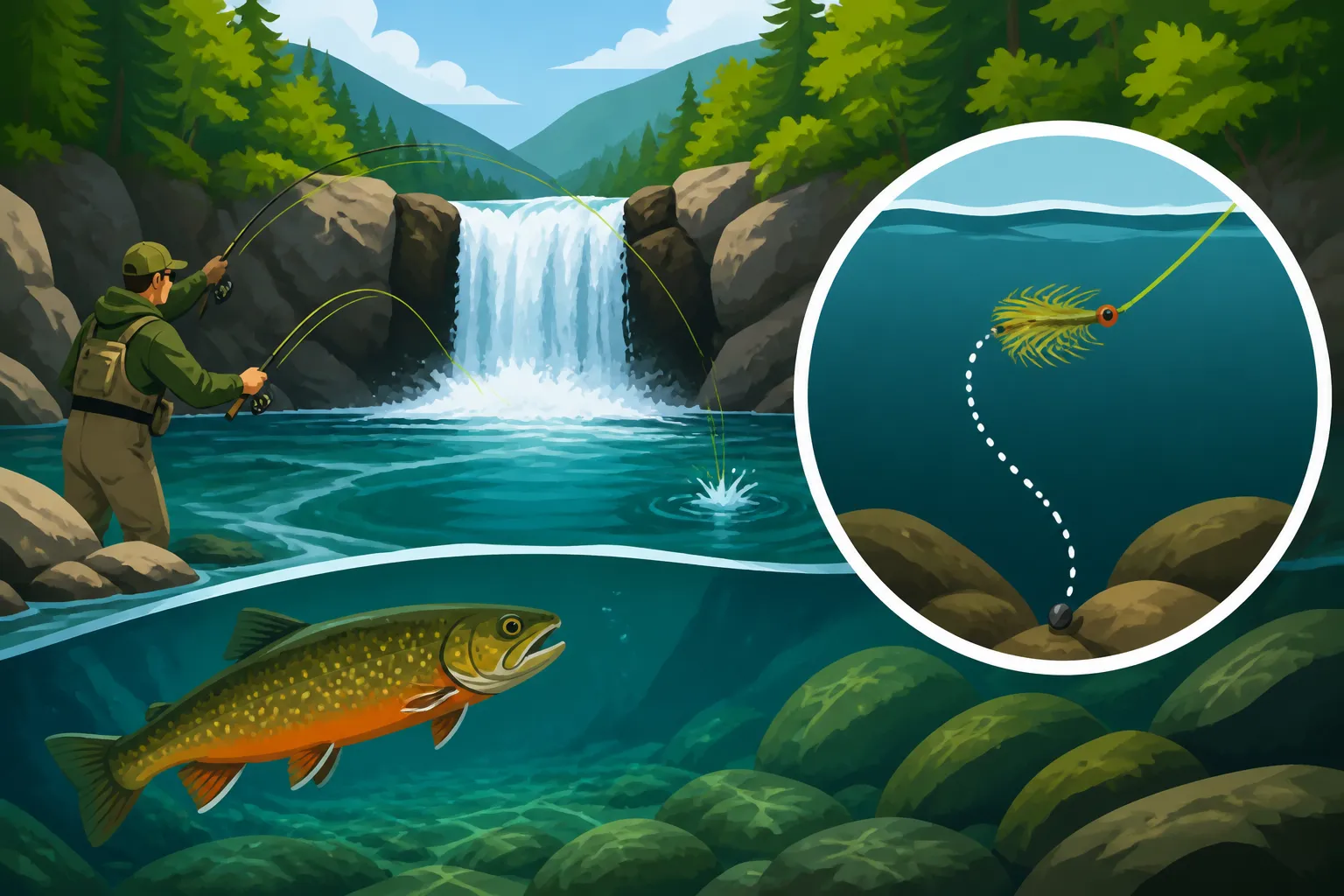
Best technique for fishing a plunge pool
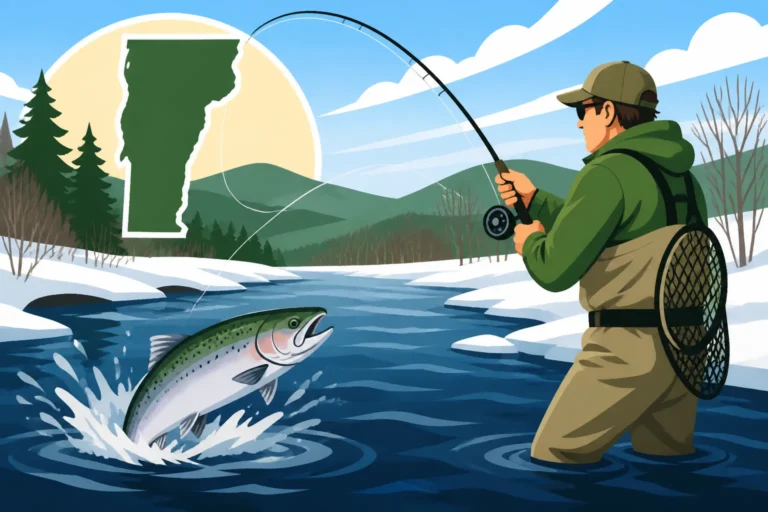
Oh, the plunge pool! There's something undeniably captivating about those deep, churning pockets of water at the base of a waterfall or a significant drop in a Vermont stream. They look so promising, don't they? Like a secret hideout for the biggest, wariest trout. But then you try to fish them, and often, it's a frustrating dance with snags, turbulence, and fish that seem to disappear the moment your line hits the water. It can feel like you're just casting blind into a washing machine. If you've ever felt that frustration, you're not alone! This guide is all about breaking down the best techniques to effectively fish these challenging yet incredibly rewarding spots, helping you turn those tantalizing glimmers of possibility into actual catches.
Decoding the Plunge Pool Environment
Before you even make your first cast, it's crucial to understand what makes a plunge pool such a unique and often productive fishing spot. These aren't just random deep holes; they're dynamic micro-ecosystems shaped by the very forces of the water itself. Understanding their "anatomy" and why fish gravitate towards them will give you a significant advantage.
The Anatomy of a Plunge Pool
A plunge pool is essentially a deep depression formed by the erosive power of falling water. Think of a waterfall, a cascading rapid, or even a smaller rock shelf where water tumbles down and scours out a basin below. The water entering the pool is often highly oxygenated and turbulent, but beneath that frothy surface, there are hidden currents, eddies, and calmer pockets.
Typically, you'll find a main current pushing through, often along one side or through the middle, with quieter water along the edges or behind larger boulders. The depth can be surprising, even in seemingly small streams. Look for distinct current seams where fast water meets slow, as these are prime feeding lanes. Submerged rocks, logs, and undercut banks are also critical features, offering fish structure, shelter, and ambush points. It’s a complex environment, much more than just a deep spot.
Why Fish Love Plunge Pools
Fish, especially trout, are drawn to plunge pools for several compelling reasons, making them worth the effort to fish correctly. Firstly, the increased oxygenation from the falling water is a huge draw, especially during warmer months when other parts of the stream might have lower oxygen levels. This makes the fish more active and willing to feed.
Secondly, plunge pools act as natural food traps. The turbulent water dislodges insects, washes in worms, and generally concentrates food items, which then settle into the calmer eddies or get swept along the current seams. It’s like a conveyor belt of groceries for hungry fish. Finally, the depth and abundant structure provide excellent refuge. Fish can hide from predators, escape strong currents with minimal effort, and wait in ambush for unsuspecting prey. They feel safe and have easy access to food, which is pretty much a fish's perfect home.
Essential Gear for Tackling Plunge Pools
Fishing plunge pools effectively means having the right tools for the job. You can certainly catch fish with general-purpose gear, but optimizing your setup for these specific conditions will dramatically increase your success rate and reduce frustration (read: fewer snags!). Let's talk about what you'll need.
Rod, Reel, and Line Considerations
When selecting your rod, think about the tight quarters and precision casting often required around plunge pools. A shorter rod, perhaps 5 to 6.5 feet for spinning setups, can be a real asset. It offers better maneuverability for casting in brushy areas or under overhanging branches, which are common near these features. For fly anglers, a shorter rod in the 7.5 to 8.5 foot range for a 3 to 5 weight line can work wonders in tight streams, allowing for more precise roll casts or short-distance flicks. You don't need distance here, you need accuracy.
Your reel should be smooth and reliable, capable of handling sudden runs from strong fish that might be trying to dive back into the turbulence. Line choice is critical. While some clear water situations might call for lighter fluorocarbon leaders, a slightly heavier main line (say, 6-8 lb test monofilament or braid for spinning, or a strong tippet for fly fishing) can save you from losing fish and expensive lures to snags. The water in plunge pools can be incredibly powerful, so having line that can withstand some abrasion is smart. You can find a wide range of durable lines on Amazon.
Must-Have Lures and Baits
For spinning anglers, a small selection of versatile lures will serve you well. Classic inline spinners, like those from Panther Martin or Mepps, in sizes appropriate for the stream, are absolute killers. Their flash and vibration can penetrate the turbulent water and attract fish. Small spoons also work wonders, fluttering on the drop and mimicking injured baitfish. Jigs, especially those with soft plastic bodies in natural colors or white, are fantastic for getting down deep and can be bounced along the bottom effectively. These are readily available on Amazon or at your local tackle shop.
If you prefer natural bait, worms are hard to beat. They're universally appealing and their natural scent trail can draw fish out of the heaviest cover. Salmon eggs or trout pellets can also be very effective, especially in heavily stocked waters. Just make sure your bait is presented naturally and can get down into the strike zone. You might also find that some trout in these areas respond well to small minnows or crayfish, if they are legal to use in your area. Always check the Vermont fishing regulations before using live bait.
Tackle Organization for Plunge Pools
Given the need for quick changes and easy access, a compact tackle box or a small fishing vest with multiple pockets is ideal. You'll want to carry a variety of lure sizes and colors, plus extra hooks, weights, and leader material. A pair of sharp fishing pliers or forceps is absolutely essential for hook removal and cutting line – those powerful fish can swallow hooks deep! Having a retractable lanyard for your nippers and forceps, easily clipped to your vest, can prevent them from ending up at the bottom of a fast-moving stream, a frustrating event we’ve all experienced.
A small landing net, especially one with a rubberized mesh (which is kinder to the fish's slime coat if you plan on releasing it), can also be a lifesaver. Plunge pools often hold bigger, stronger fish, and trying to hoist them up a slippery bank with just your line is a recipe for disaster. Being organized means you can spend more time fishing and less time fumbling, especially when you're perched precariously on a wet rock.
Proven Techniques for Fishing Vermont Plunge Pools
Now that you're geared up and understand the environment, let's dive into the actual fishing. This is where precision, patience, and a bit of stealth come into play. Fishing a plunge pool isn't about mindless casting; it's about making deliberate presentations.
The Stealth Approach
One of the biggest mistakes anglers make when approaching a plunge pool is being too heavy-footed or casting directly into the most turbulent water from an exposed position. Remember, fish in these spots, especially the larger, wiser ones, are often tucked into cover and acutely aware of their surroundings. Any sudden movements or shadows can send them scattering.
Approach the pool slowly, staying low and using any available cover like trees or boulders to conceal yourself. Cast from a downstream position, if possible, allowing your lure or bait to drift naturally into the pool rather than plopping it directly on top of the fish. If you must cast from upstream, stay well back from the edge. The goal is to make your first few casts count, as these are often your best chances before the fish become wary. Think about how you'd stalk a wild animal – it's a similar mindset.
Working the Water Column Effectively
Getting your lure or bait into the strike zone is paramount. The turbulent water can make this tricky, often pushing lighter offerings out of the productive depths. For spinning gear, try to cast slightly upstream of the pool's entry point, allowing your lure to sink as it drifts into the main current. You might need to use slightly heavier lures or add a small split shot a foot or so above your bait to ensure it gets down.
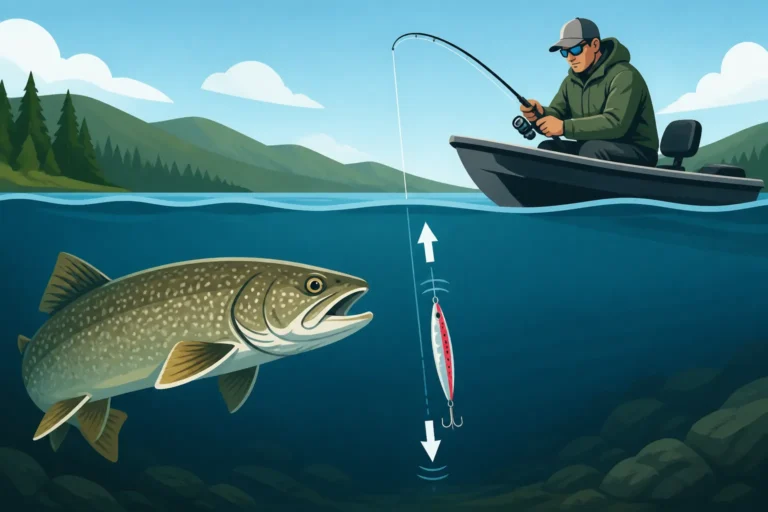
Once your offering is in the pool, focus on maintaining contact with it. If you're using spinners or spoons, a slow, steady retrieve is often best, letting the lure work its magic. For jigs or bait, a "dead drift" or "bounce and retrieve" method can be highly effective. Let the current carry your bait naturally along the bottom, lifting your rod tip just enough to feel for strikes or snags, then letting it drop back down. This mimics dislodged food. Experiment with different depths until you find where the fish are holding, which often means getting down to the bottom or just above it. This requires patience and a feel for the current, but it's incredibly rewarding when you crack the code.
Specific Lure Presentations
Each type of lure or bait has its optimal presentation in a plunge pool.
- Spinners and Spoons: Cast upstream or across the head of the pool, letting the current sweep the lure into the deeper sections. Retrieve just fast enough to make the blade spin or the spoon wobble. Don't be afraid to let it sink a bit before retrieving, or even stop your retrieve briefly to let it flutter deeper, often triggering a reaction strike.
- Jigs: These are fantastic for vertical presentations. Cast slightly upstream and let the jig sink. Once it reaches the desired depth, use short, subtle lifts and drops of your rod tip to make the jig "dance" on the bottom. This is particularly effective for tempting reluctant fish hiding near structure. You can also try casting parallel to the current seam and letting the jig swing through the zone, working it slowly back.
- Natural Bait: The key with bait is a natural drift. Use just enough weight to get your bait down without inhibiting its movement. A small bobber or float can help suspend your bait at a consistent depth if the current allows, but often a simple bottom-bouncing rig is more effective. Let the bait tumble naturally through the pool, just as a real insect or worm would. This often means very little retrieve on your part, just managing the slack line.
A useful strategy for maximizing your time and understanding the conditions is to systematically work the pool. Start by casting to the edges and shallower parts, then gradually move your casts to the deeper, more turbulent center. This way, you don't spook fish on the periphery while targeting the main holding areas.
Reading the Water and Overcoming Challenges
Fishing plunge pools means constantly adapting. The water is rarely the same from one visit to the next, and what worked yesterday might not work today. Learning to read the water and troubleshoot common issues is part of the adventure.
Adapting to Current and Depth
The current in a plunge pool is a double-edged sword: it brings oxygen and food, but it can also make precise presentations incredibly difficult. On days with higher flows, you'll need heavier lures or more weight to get your offering down. The fish might also be holding tighter to the bottom or in the slower eddies to conserve energy. Focus your efforts on these calmer zones.
Conversely, during lower flows, the fish might be more spread out and willing to chase. Lighter lures and a more active retrieve can be effective. The depth of the pool can also vary dramatically. Use your initial casts to gauge the depth and adjust your weight or lure choice accordingly. Observing the current seams and subtle boils on the surface can tell you a lot about the underwater structure and where fish might be holding. Remember that Wading Techniques for Vermont Trout Streams are crucial in these dynamic environments.
| Lure Type | Recommended Conditions (Plunge Pools) | Best Presentation | Common Target Species |
|---|---|---|---|
| Inline Spinners | Moderate to Fast Current, Clear/Slightly Stained | Cast upstream, retrieve slowly to maintain blade spin | Brook Trout, Rainbow Trout |
| Small Spoons | Moderate to Fast Current, Any Clarity | Cast upstream/across, let sink, flutter retrieve | Brown Trout, Landlocked Salmon |
| Jigs (Soft Plastic) | Slow to Moderate Current, Deeper Pools | Vertical jigging, bounce along bottom | All Trout Species, Smallmouth Bass |
| Natural Bait (Worms) | Any Current, Any Clarity, Deeper Pools | Dead drift with minimal weight, bottom bounce | All Trout Species, Panfish |
| Natural Bait (Salmon Eggs) | Slower Eddies, Clear Water, Stocked Ponds | Small split shot, natural drift | Stocked Trout |
Common Plunge Pool Frustrations and Solutions
Let's be real: plunge pools can be snag magnets. The very structure that attracts fish also loves to eat lures. The best solution here is prevention. Use weedless hooks where appropriate, and try to keep your lure just above the bottom. If you do get snagged, resist the urge to violently yank. Instead, try to approach the snag from a different angle, giving the line some slack, or gently jiggling your rod to free the lure. Sometimes, a quick, sharp snap in the opposite direction of the snag can work. Consider carrying a lure retriever tool if you find yourself frequently fishing these spots; it's a worthwhile investment, especially if you buy your favorite lures on Amazon.
Another frustration is spooking fish. This goes back to the stealth approach. If you've been casting for a while with no success, or you've spooked a fish, take a break. Move to another section of the stream and come back later. Often, a few minutes of quiet can allow the fish to resettle. If you see a particularly large trout dart away, don't keep hammering the spot. Give it time.
Finally, getting your line tangled in the turbulence can be annoying. This is where line management comes in. Use enough weight to cut through the current, and keep your rod tip low to reduce the amount of line exposed to the swirling water. A tighter line gives you more control and helps detect subtle strikes in the commotion. Remember, practicing your casting accuracy will go a long way in avoiding these headaches. Whether you're targeting trout or perhaps even looking for bigger fish in a Lake Champlain Fishing Guide, these principles of stealth and presentation hold true. For information on specific species, check out our guide on Fly Fishing for Trout in Vermont or How to Catch Smallmouth Bass in Vermont Lakes.
Fishing plunge pools in Vermont is a quintessential experience, offering both significant challenges and incredible rewards. With the right approach, gear, and a healthy dose of patience, you can unlock the secrets of these powerful, fish-holding pockets. Don't be intimidated by the churning water; instead, see it as an opportunity to hone your skills and connect with some truly memorable fish. Remember to always consult the Vermont Fishing Regulations Explained before heading out, and consider where to buy your Vermont Fishing License Guide for 2026. Happy fishing!
Disclaimer
This article is for general informational purposes only and does not constitute professional advice. Laws, prices and regulations vary by location and change over time. Consult a qualified professional for guidance on your specific situation.