Best technique for bank fishing a stocked pond
Bank fishing a stocked pond in Vermont can be incredibly rewarding, offering a perfect opportunity to enjoy the outdoors and consistently catch fish. However, it's not always as simple as dropping a line. Many anglers get frustrated when they see fish jumping but can't get a bite, or when their usual go-to bait just isn't working. This comprehensive guide will walk you through the most effective techniques, essential gear, and crucial tips to help you consistently land trout from the shore of Vermont's stocked ponds.
The Unique World of Vermont's Stocked Ponds: What Makes Them Different?
Stepping up to a freshly stocked pond in Vermont can feel like hitting the jackpot. These waters are managed specifically to provide accessible, enjoyable fishing opportunities for anglers of all skill levels. But the fish in them, especially right after stocking, behave a little differently than their wild cousins. Understanding these nuances is your first step toward consistent success from the bank.
Understanding Stocked Trout Behavior
Trout that have recently been released from a hatchery into a pond are in a transitional phase, and their behavior reflects this. They're often accustomed to being fed pellets in a controlled environment, which means their initial instinct isn't always to chase down natural insects or forage. This can be a source of frustration for anglers expecting them to act like wily, naturally-reproduced fish. When first introduced to a new pond, they might be a bit disoriented, and they're primarily looking for an easy, familiar meal.
Because these trout are often put into ponds in relatively high concentrations, competition for food can be fierce. This can initially make them aggressive biters, as they're programmed to eat. However, this also means they can quickly become "educated" and finicky once they've been pressured by anglers. We've all been there: watching them jump and swirl, seemingly everywhere, but refusing to take anything we throw at them. Knowing this helps us understand why certain baits and presentations work better, especially in the days and weeks immediately following a stocking event.
As time goes on, these stocked trout gradually acclimate to their new environment. They start to recognize and hunt natural food sources like insects, minnows, and crustaceans. Consequently, their behavior begins to resemble that of wild fish. This means a shift in tactics might be necessary if you're fishing a pond that was stocked a while ago compared to one that just received a fresh batch of fish. It's a dynamic environment, and adapting to these changes is part of the fun and challenge of fishing Vermont's stocked ponds.
Why Bank Fishing Stocked Ponds is So Popular
There's a significant reason why so many families, beginners, and experienced anglers alike flock to Vermont's stocked ponds for bank fishing – they offer incredible accessibility and a high likelihood of success. You don't need a boat, specialized navigation skills, or in-depth knowledge of deep-water structures. All you really need is a rod, some bait, and a comfortable spot on the bank. This ease of access makes these ponds perfect for introducing kids to the joys of fishing or for a quick, relaxing outing after a long week.
The convenience factor is truly immense. Many of Vermont's stocked ponds are strategically located in state parks or other easily accessible public lands. These locations often feature well-maintained banks, picnic areas, and ample parking, removing many of the logistical hurdles that can deter people from fishing more remote or challenging waters. This setup genuinely lowers the barrier to entry, which is fantastic for nurturing new anglers and growing the overall angling community in Vermont.
Furthermore, these ponds are explicitly designed for recreational success. The entire purpose of stocking them is to provide abundant fishing opportunities. While some days will naturally be tougher than others, the sheer density of fish often means you're not waiting hours between bites. This consistent action is incredibly rewarding, especially for younger anglers who thrive on immediate gratification. It's not just about the numbers of fish caught; it's about making lasting memories and building a deep appreciation for the outdoors and the sport of fishing.
Assembling Your Go-To Gear for Shoreline Success
Having the right tools for the job can make all the difference when you're bank fishing a stocked pond. You don't need to break the bank for fancy equipment, but a thoughtful selection of rod, reel, line, and tackle will significantly enhance your experience and your catch rates.
The Right Rod, Reel, and Line for the Job
For bank fishing a stocked pond, you typically don't need heavy-duty saltwater gear. A light to ultralight spinning rod, generally ranging from 5 to 6.5 feet in length, is often the ideal choice. This rod length provides enough backbone to cast lighter baits and lures effectively, yet offers excellent sensitivity to feel those subtle trout nibbles. A rod with a fast action tip will help you detect light bites and achieve quicker, more effective hook sets. When you're choosing your equipment, aim for a setup that provides a good balance between sensitivity for detecting bites and the ability to cast a decent distance.
Pair that responsive rod with a small spinning reel, typically a 1000 or 2000 series, spooled with 4-6 pound monofilament or fluorocarbon line. Monofilament offers a bit of stretch, which can be forgiving with aggressive trout strikes and helps prevent hooks from tearing out. Fluorocarbon, on the other hand, provides less stretch and is nearly invisible underwater, which can be a critical advantage in clear water conditions where trout are often wary. For those just starting out, you can often find excellent and affordable rod and reel combos on Amazon that are perfectly suited for stocked pond fishing.
Consider going with a slightly heavier line, like a 6-pound test, if you're relatively new to fishing or if the pond is known to have larger "trophy" sized trout that are sometimes stocked. However, as a general rule, lighter line will almost always result in more bites because it's less visible and allows baits to act more naturally. Remember, the primary goal is to present your bait as subtly and naturally as possible, and a lighter line helps achieve that crucial natural presentation.
Must-Have Baits and Lures for Stocked Trout
When it comes to baits for stocked trout, there are a few undisputed champions that anglers in Vermont swear by. PowerBait, in its various forms like dough or nuggets, is a perennial favorite, especially in vibrant colors such as chartreuse, orange, or rainbow. Its floating nature is key, lifting your hook off the bottom and making it incredibly visible to cruising trout. Another timeless classic is a simple worm, whether you opt for a live nightcrawler or a pre-packaged artificial one. Believe it or not, even plain canned corn can be surprisingly effective and is often an overlooked gem.
For lures, small inline spinners, like the iconic Mepps Aglia or a Panther Martin, are absolutely deadly. Their flashing blades and subtle vibrations do an excellent job of mimicking small baitfish or fleeing insects, which instinctively triggers strikes from hungry trout. Small spoons, such as Kastmasters or Little Cleos, also work wonders, especially when retrieved with a stop-and-go action that allows them to flutter enticingly on the fall. It's always a good idea to keep a variety of sizes and colors of both spinners and spoons in your tackle box so you can adapt to whatever the fish are biting on a given day.
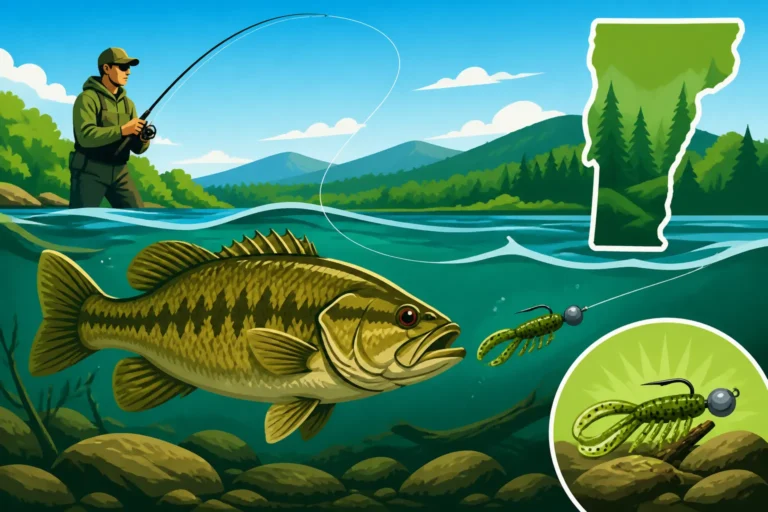
Don't overlook jig heads tipped with small soft plastics, like a tiny grub tail or a worm imitation. These setups are incredibly versatile, allowing you to effectively fish different depths and experiment with various retrieve speeds. Sometimes, a subtle, slow presentation is all it takes, especially if the fish have become a bit wary or sluggish. For more specific recommendations on baits that perform exceptionally well in Vermont, check out our guide on the Best bait for opening day trout in Vermont.
Essential Accessories You'll Be Glad You Brought
Beyond your primary rod and reel setup, a few key accessories can significantly enhance your bank fishing experience, making it both more enjoyable and more successful. Firstly, a small tackle box or a compact tackle bag is crucial for keeping your hooks, weights, swivels, and extra lures neatly organized and easily accessible. Secondly, a pair of needle-nose pliers is an absolute must-have for safely and quickly removing hooks from a fish's mouth, minimizing stress on the fish and protecting your fingers. A small, rubberized landing net is also incredibly useful, especially for securing larger trout at the bank and practicing responsible catch and release.
Don't underestimate the importance of comfort items: a lightweight folding chair, a small cooler packed with refreshing drinks and snacks, and adequate sun protection (a wide-brimmed hat, polarized sunglasses, and sunscreen) will make your time outdoors much more pleasant. These might seem like minor details, but they significantly improve your overall experience. For instance, a quality pair of polarized sunglasses can drastically help you spot fish cruising in shallower water or identify submerged structure. Most of these practical essentials can be easily found and purchased on Amazon.
Lastly, if you plan on keeping your catch, bring a stringer or a larger cooler filled with ice to keep your fish fresh. Always make sure to check the Vermont Trout Season and Stocking Rules for daily limits, length restrictions, and any specific regulations for the particular pond you're fishing. Being thoroughly prepared means you can focus entirely on the thrill of fishing, rather than scrambling for missing gear or worrying about regulations. For beginners, investing in a Best starter combo for a first-time angler often simplifies this process by providing many basic necessities in one convenient package.
Master the Cast: Proven Techniques for Catching Stocked Trout from Shore
Once you have your gear ready, it's time to put it to use. Bank fishing for stocked trout offers a variety of effective techniques, from the patient art of still fishing to the dynamic pursuit of casting and retrieving lures. The key is knowing when and where to apply each method.
The Power of Still Fishing with Bait
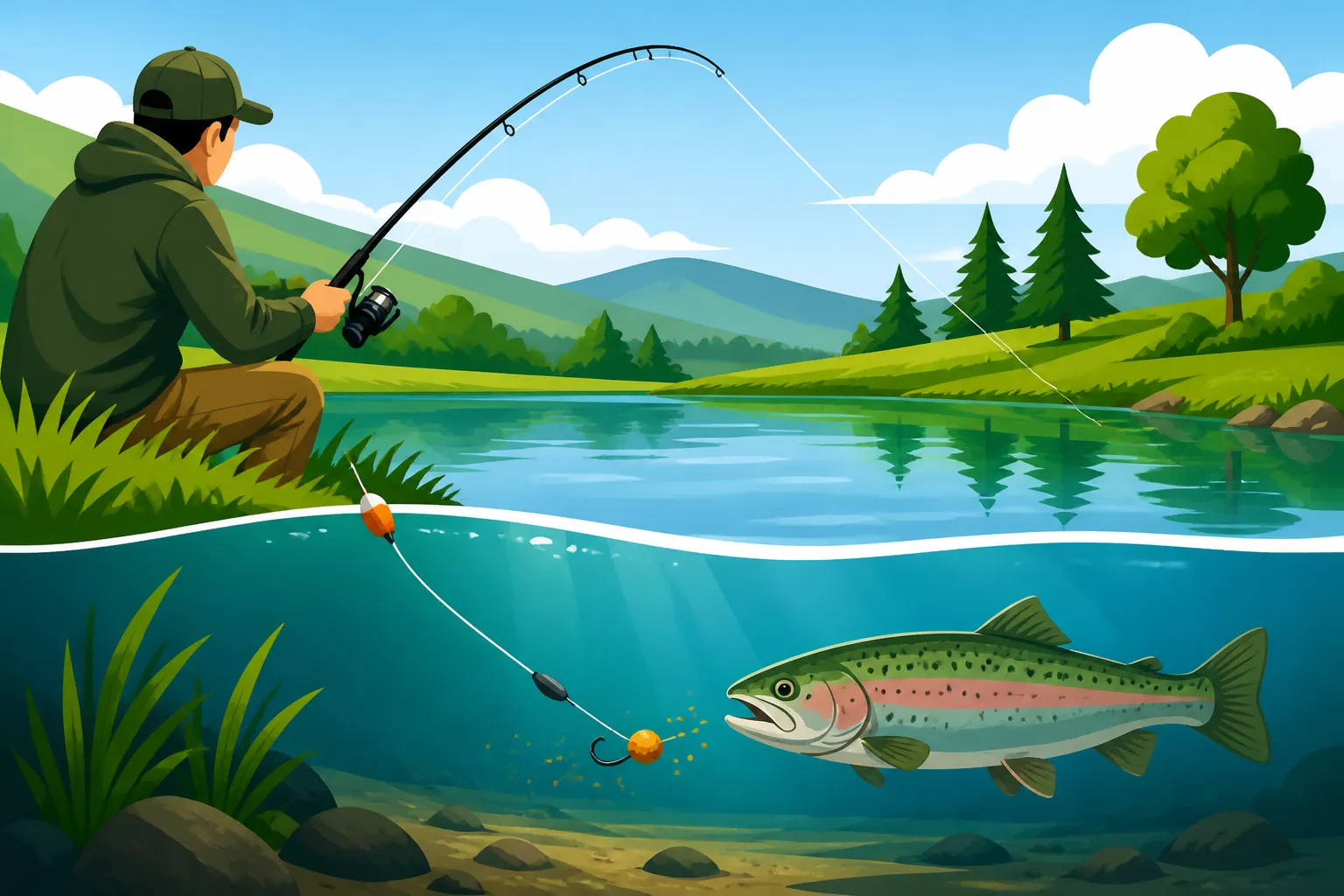
One of the most effective and straightforward techniques for stocked trout, particularly right after a stocking event, is still fishing with bait. This method involves casting your bait out, allowing it to settle, and then patiently waiting for a bite. The critical elements here are using a light sinker (or no sinker if your bait is naturally buoyant) and a small, sharp hook to present the bait as naturally as possible. Popular choices like PowerBait, a small marshmallow, or a piece of canned corn, rigged on a small treble or single hook, can be incredibly effective when floated just off the bottom.
To rig for still fishing, a common and effective setup is to use an egg sinker (which allows your line to slide freely) above a small swivel. Then, attach a 12-18 inch leader of lighter line (often 2-4 pound test) to your hook. The free-sliding egg sinker ensures that a biting fish won't feel immediate resistance, giving it more time to fully take the bait. Alternatively, you can use a bobber to suspend your bait at a specific depth, which is an excellent tactic when fish are cruising higher in the water column. Don't be afraid to experiment with different depths until you consistently find where the fish are holding.
Patience is absolutely crucial when still fishing. Cast your bait to promising spots – think areas near submerged structures, subtle drop-offs, or where you've observed fish jumping or swirling – and then let your bait sit. Keep a vigilant eye on your line or bobber for any subtle movement or twitch. Often, trout will gently "mouth" the bait before committing to a full take, so resist the urge to set the hook too quickly. This technique is particularly effective for How to catch trout right after stocking in Vermont, when the fish are less wary and more focused on easy meals.
The Dynamic Approach: Casting and Retrieving Lures
While bait fishing with a stationary setup is largely passive, lure fishing is an active and dynamic approach that allows you to cover significantly more water, effectively searching for more aggressive and actively feeding fish. Small inline spinners, such as the classic Mepps or similar brands, are fantastic for this. Cast your spinner out and begin a steady, moderate retrieve. The spinning blade creates an irresistible flash and vibration that trout find difficult to ignore. Experiment by varying your retrieve speed, adding subtle twitches, and incorporating short pauses to mimic an injured baitfish – these variations often trigger reactionary strikes.
Small spoons are another excellent choice for active lure fishing. Cast them out and allow them to sink for a few seconds before initiating your retrieve. A "lift and drop" or "stop and go" retrieve often proves most effective, permitting the spoon to flutter enticingly as it falls through the water column. Trout will frequently strike during this falling phase, as it imitates a wounded prey item. As with spinners, experiment with different retrieve depths until you locate the specific zone where the fish are most actively feeding.
Consider incorporating small jigs tipped with soft plastics into your arsenal. These setups are incredibly versatile. You can cast them out and slowly reel them in, bouncing them subtly along the bottom, or you can impart a series of short jerks and pauses to mimic a fleeing minnow. The true beauty of lures lies in their ability to actively seek out fish and trigger those all-important reactionary bites from trout that might otherwise be uninterested in stationary bait.
Reading the Water for Prime Bank Fishing Spots
Just because you're fishing a relatively confined pond doesn't mean all spots are created equal. Learning to "read the water" is a skill that will dramatically increase your success from the bank. Look for subtle changes in the bottom contour, such as sudden drop-offs, submerged humps, or points of land that extend into the water. These areas naturally create structure and provide excellent ambush points for trout, giving them cover and a place to rest out of the main current (even in a pond, there can be subtle currents or thermal layers).
Always pay close attention to any visible cover in the water: fallen trees, brush piles, emergent or submerged weed lines, or even large rocks. Additionally, consider shadows cast by overhead trees or nearby bridges, especially on bright, sunny days when trout might seek refuge from direct sunlight. Fish love cover because it offers protection from predators and often holds various food sources.
Factor in the wind direction as well. Wind can play a significant role by pushing baitfish, plankton, and even warmer surface water, which can concentrate trout on the downwind side of the pond where food accumulates. Furthermore, keep a vigilant eye out for any signs of fish activity – rising fish indicate insects hatching on the surface, while sudden swirls or jumps might mean they're chasing baitfish or simply very active. These visual cues are invaluable, often telling you precisely where to focus your casting efforts. Don't be afraid to move around the pond. If a particular spot isn't producing bites after 15-20 minutes, pack up your gear and try another promising location. Bank fishing offers the freedom to explore the entire perimeter of a pond, so take full advantage of it. Our guide on the Best time to fish a stocked trout pond often emphasizes the critical interplay between timing and choosing the right location.
Adapting Your Strategy: Beyond the Basic Techniques
While the fundamental techniques will get you far, truly successful bank fishing for stocked trout involves a bit more finesse and adaptation. Trout are sensitive creatures, and subtle changes in water conditions or their mood can necessitate a shift in your approach.
Adjusting for Water Clarity and Conditions
Water clarity is a critical factor that significantly influences how trout perceive and respond to your offerings. In exceptionally clear water, fish are often much warier and more easily spooked. In these conditions, opting for lighter lines, smaller baits, and more natural, subdued colors (like browns, greens, or even clear/white) can make a substantial difference. Using fluorocarbon leaders is often a game-changer here, as they are virtually invisible underwater. A stealthy approach, characterized by longer casts and minimizing any bankside disturbance, becomes absolutely essential.
Conversely, in stained or murky water, trout rely more heavily on their sense of smell and vibration rather than sight. This is where brighter, more vivid colors like chartreuse or orange truly shine, as do baits with strong scent profiles. Inline spinners with noisy blades or spoons that create a lot of flash can effectively attract attention in low-visibility conditions. In these situations, don't be afraid to use slightly larger baits or employ more aggressive retrieves, as the fish's visual range is limited, and you need to grab their attention.
Weather also plays a significant role in dictating fishing conditions. On bright, sunny days, trout might retreat to deeper, cooler water or seek out shaded areas, making subsurface presentations more effective. Overcast days, however, can encourage them to cruise shallower and more openly, making them more susceptible to topwater lures or suspended baits. Always consider the current light conditions, water temperature, and recent rainfall when planning your strategy.
The Importance of Scent and Attractants
Stocked trout, especially those fresh from the hatchery, are highly susceptible to scent. As previously mentioned, popular baits like PowerBait are specifically designed with powerful scent attractants. However, adding an external attractant can often provide an extra boost to your success. Products that act as Best scent bait for stocked trout can be applied directly to worms, lures, or even PowerBait itself to enhance their appeal. The core idea is to make your offering irresistible to the trout's keen sense of smell, drawing them in even if they don't immediately see your bait. Many such high-quality attractants can be readily found on Amazon.
Fish scents typically come in various convenient forms – gels, sprays, and dips – and are often formulated to mimic natural fish oils, the scent of crayfish, or even popular flavors like garlic. It's often beneficial to experiment with different scents to discover what the fish in a particular pond prefer on a given day. Sometimes, a subtle garlic scent can be the secret ingredient that transforms a slow fishing day into a highly productive one, especially if the fish have become accustomed to common, unflavored baits.
Remember that scent disperses in the water, creating an invisible "trail" that fish can follow directly to your bait. This phenomenon is particularly effective in still water environments like ponds, where currents are minimal. Make sure to reapply scent regularly, especially after a few casts or if you haven't had a bite in a while, to ensure your offering remains as potent and attractive as possible. For maximum visual and scent appeal, also consider using the Best PowerBait color for early season trout options, which are often designed to be highly visible and aromatic.
Practicing Responsible Angling
Catching fish is undoubtedly a significant part of the enjoyment, but ensuring the health and sustainability of the fishery for future generations is equally, if not more, important. If you intend to release the fish you catch, handle them with the utmost care and gentleness. Always wet your hands thoroughly before touching a fish to help protect its delicate slime coat, which is vital for its immune system. Use pliers or a dehooker to remove hooks quickly and efficiently, minimizing the time the fish is out of water. Avoid letting the fish flop around on the bank, as this can cause serious injury.
Always be meticulously aware of and adhere to the local fishing regulations. Consult the Vermont Fishing Regulations Explained to gain a clear understanding of daily bag limits, minimum length restrictions, and any special rules that might apply to the specific pond you are fishing. Some ponds might be designated as catch-and-release only, or they may have specific gear restrictions (e.g., artificial lures only). Knowledge of these rules is paramount.
Finally, practice the "leave no trace" principle. Pack out absolutely everything you pack in, including any discarded fishing line, bait containers, and other trash. By being respectful of the environment, the fish, and your fellow anglers, we collectively ensure that Vermont's beautiful stocked ponds remain a fantastic and sustainable resource for everyone to enjoy for years to come. If you're looking for a List of Vermont stocked trout waters, always make sure to double-check the latest regulations for those specific locations before you head out.
| Technique | Best Conditions | Recommended Bait/Lure | Key Tip |
|---|---|---|---|
| Still Fishing | Freshly stocked, calm water | PowerBait (chartreuse/orange), worms, corn | Use light line, float bait just off the bottom. |
| Lure Casting | Active fish, covering water | Inline spinners (Mepps, Panther Martin), small spoons | Vary retrieve speed; add pauses for fluttering action. |
| Jigging | Finicky fish, precise depth | Small jigs w/ grub tails or worm imitations | Slow, subtle movements near structure or drop-offs. |
Disclaimer
This article is for general informational purposes only and does not constitute professional advice. Laws, prices and regulations vary by location and change over time. Consult a qualified professional for guidance on your specific situation.