Best PowerBait color for early season trout
Oh, the early season! There's nothing quite like that crisp spring air on a Vermont stream, but let's be real – sometimes those trout can be finicky. You've braved the lingering chill, maybe even a little snowmelt runoff, only to find the fish just aren't hitting what you're throwing. It's a common frustration, and often, the key to unlocking those stubborn bites comes down to something as seemingly simple as the right PowerBait color. This guide is all about helping you pick the perfect hue to entice early season trout in Vermont's diverse waters.
Understanding Early Season Trout Behavior and Why Color Matters
When the snow starts to recede and our beautiful Vermont streams and ponds begin to shed their icy grip, trout are waking up from a long, cold winter. But "waking up" doesn't necessarily mean they're in a full-blown feeding frenzy right out of the gate. Their behavior in these early weeks is heavily influenced by water temperature and clarity, and understanding this is crucial for choosing your PowerBait wisely.
The Cold Water Challenge
Imagine just rolling out of bed on a chilly morning, still a bit groggy. That's often how early season trout are feeling. Their metabolism is still sluggish, and they're not expending a ton of energy chasing down fast-moving prey. This means they're often less aggressive and more opportunistic in their feeding. They're looking for an easy meal, something that presents itself without much effort on their part. This is where PowerBait truly shines. Its potent scent trail and soft, enticing texture can be irresistible to a lethargic trout, even if they're not actively hunting. They might just mouth it out of curiosity or because it smells too good to pass up. Traditional lures that rely on aggressive retrieves or flash might not always get the job done when the water is still biting cold.
Visibility and Water Clarity
Early spring in Vermont often brings a mix of water conditions. We can have crystal-clear mountain brooks one day, and swollen, stained rivers the next, thanks to snowmelt and spring rains. This fluctuation in water clarity is a huge factor in what colors fish can see and how they react. In murky or turbid waters, vibrant, high-contrast colors tend to stand out. Think about trying to see a subtle color in a dark room versus a bright, neon one. Fish, even with their specialized vision, experience something similar. Conversely, in exceptionally clear water, overly bright or unnatural colors can sometimes spook wary trout. They've got more time to scrutinize your offering, and something that looks "off" can send them darting away. The goal is to provide enough visibility to get noticed without appearing too artificial for the conditions.
The Best PowerBait Colors for Early Season Vermont Trout
Choosing the "best" PowerBait color isn't a one-size-fits-all answer, especially in the early season when conditions can change daily. However, there are a few tried-and-true shades that consistently produce results when targeting Vermont trout as they shake off winter's chill.
Chartreuse and Bright Yellows: The Attention Grabbers
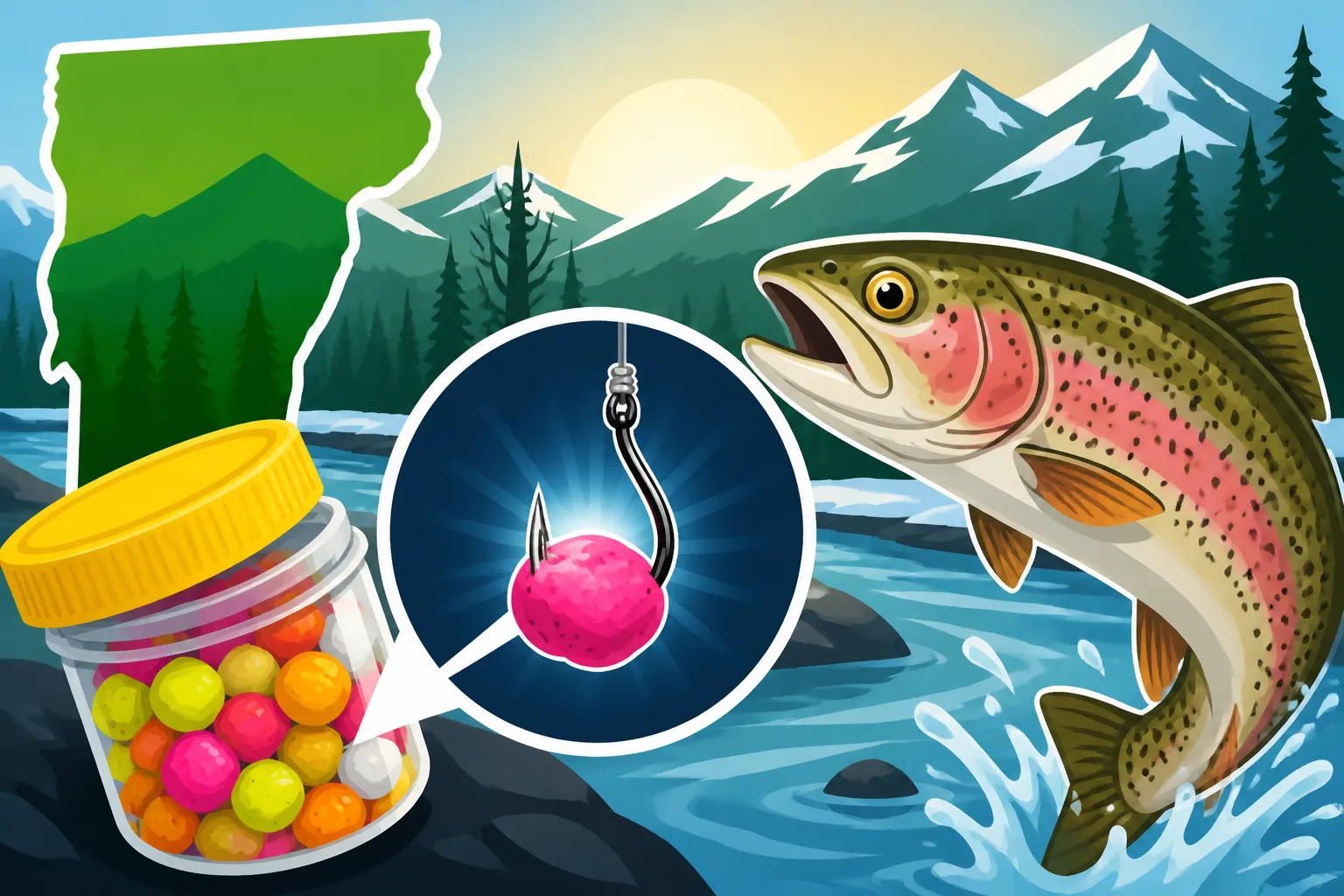
These are your power hitters, especially when the water is less than pristine. Think about those days when spring runoff has given the rivers a slight tea-stained hue, or when the sky is overcast and dim. Chartreuse and bright yellow PowerBait colors offer incredible visibility, even in low-light or turbid conditions. They create a strong contrast against darker water, making them easy for trout to spot from a distance.
I remember one particularly cloudy morning on the Lamoille River a few springs ago, after a good rain had muddied things up a bit. My buddy was trying a subtle, more natural color, and I decided to go with a vibrant chartreuse PowerBait. He wasn't getting any bites, but I was consistently pulling in chunky rainbows. The fish weren't actively chasing; they were just holding in the slower seams, and that bright chartreuse was simply too conspicuous to ignore. It has an almost "shock" factor that can trigger a strike from even a lethargic trout. If you're fishing a freshly stocked pond or river where trout might be a bit disoriented or less wary, these colors can be absolutely dynamite. They really shine when you need your bait to pop. You'll find a wide selection of these vibrant shades at your local tackle shop or through online retailers like Amazon.
Neon Green and Green/Orange Combinations: The Versatile Picks
While chartreuse and yellow are fantastic, sometimes you need something that blends a little better while still offering excellent visibility. Enter neon green and those fantastic green-orange swirls. Neon green maintains high visibility but often has a slightly more "natural" feel to it in certain lights, perhaps mimicking some aquatic vegetation or insect larvae. The green/orange combinations are particularly effective because they offer a dual threat: the visibility of the green with the appealing contrast of orange.
Imagine a day when the initial heavy runoff has subsided, and the water clarity is improving but still a bit stained. Or perhaps it's a sunny afternoon after a morning rain, and the light is filtering through differently. These conditions are perfect for a green/orange combo. The orange can imitate roe or other natural food sources, while the green ensures it's seen. I've had great success with these on smaller freestone streams like the Dog River, where you might encounter pockets of both clear and slightly colored water throughout a single stretch. They're excellent "utility players" that you can reach for when you're not sure if the water is clear enough for natural tones or dark enough for pure neon. You can easily stock up on these versatile options at Bass Pro Shops before heading out.
White, Pearl, and Silver: For Clearer Waters and Bright Days
When the spring winds die down, the sun shines bright, and the water starts to run clearer, that's when you might want to switch gears to white, pearl, or silver PowerBait. These colors don't rely on vibrant pigments but rather on their reflective properties. In clear water, they can accurately imitate small baitfish, such as minnows or smelt, which are a significant food source for larger trout, especially in our bigger Vermont lakes and rivers.
Picture a calm, sunny morning on a stretch of the White River where the flow has settled, and you can see the bottom pebbles. A pearl-colored PowerBait, perhaps shaped like a small kernel, drifting naturally, can be incredibly enticing. It flashes subtly as it tumbles, mimicking a wounded baitfish or a piece of natural detritus that’s catching the light. While sometimes overlooked in the early season in favor of brighter colors, these lighter, more reflective options can be the ticket to catching wary holdover trout that have seen a lot of fishing pressure. These fish are often smarter and more discerning. Experimenting with How to catch holdover trout in Vermont will often lead you to more subtle presentations like these.
Here’s a quick overview of how different conditions might influence your PowerBait color choice:
| Water Condition | Light Condition | Recommended PowerBait Colors | Why It Works |
|---|---|---|---|
| Murky/Stained | Overcast/Dim | Chartreuse, Bright Yellow | High visibility, strong contrast, easy to spot in low light. |
| Slightly Stained | Mixed/Sunny | Neon Green, Green/Orange Combo | Visible yet can appear natural; orange mimics roe/food. |
| Clear | Bright Sun | White, Pearl, Silver | Reflective, mimics baitfish, less apt to spook wary trout. |
| Clear | Overcast/Dim | Natural (Light Green, Tan) | Subtle presentation, good for wary fish in calm, clear conditions. |
| High Flow (Turbid) | Any | Chartreuse, Hot Pink, Orange | Maximum visibility needed to cut through heavy sediment. |
Beyond Color: Presentation and Tactics for Early Season Success
Choosing the right PowerBait color is only half the battle. How you present that bait to an early season trout is just as, if not more, important. Remember, these fish are often less aggressive, so a natural, unthreatening presentation is key.
The Art of the Drift
Trout in cold water rarely chase far. They conserve energy. This means your PowerBait needs to drift naturally right into their strike zone, almost bumping them on the nose. Achieving a perfect, natural drift is paramount, especially in rivers and streams. You want your bait to move at the same speed as the current, without drag from your line pulling it unnaturally. This means using just enough weight to get your PowerBait down to where the fish are holding – usually near the bottom in slower currents, behind rocks, or in deeper pools.
A little trick is to use small split shots spaced out on your leader, rather than one large weight. This allows the bait to tumble more naturally with the current. Consider practicing Spring Trout Fishing Techniques for Vermont Streams to really hone this skill. If your bait looks like it's being pulled or is moving too fast, even the perfect color won't convince a cautious trout.
Rigging Your PowerBait
Proper rigging ensures your PowerBait looks appealing and stays on the hook. For early season trout, an egg sinker rig (also known as a slip sinker rig) is often effective. This setup allows the line to pass freely through the sinker, so when a trout picks up the bait, it doesn't feel the weight of the sinker, which could cause it to drop the bait. You'd typically have a small egg sinker, a swivel to prevent line twist, and then a leader of about 12-24 inches to a small, sharp hook.
When it comes to the PowerBait itself, whether it's the dough or nugget form, make sure you mold it onto your hook in a way that allows it to float off the bottom. A small treble hook, or even a single octopus-style hook, works well. The goal is to entirely conceal the hook point, creating a small, buoyant ball of irresistible scent and color. For more specific guidance on hooks, check out Best hook size for stocked trout bait fishing.
Location, Location, Location
Even with the perfect color and presentation, you need to put your bait where the fish are. In the early season, trout gravitate towards areas that offer warmer water (even a few degrees can make a huge difference), reduced current, and easy access to food.
Look for:
- Deeper Pools: These spots often hold slightly warmer water and provide cover.
- Current Seams: The edges where fast water meets slow water are prime feeding lanes.
- Eddies and Backwaters: Areas where the current swirls back or is largely absent offer respite from strong flows and are often where food collects.
- Structure: Submerged logs, rocks, and undercut banks provide cover and ambush points.
- Inflow Areas: Where smaller tributaries or springs enter a larger body of water, they can bring in slightly warmer water or new food sources.
Understanding Vermont Trout Season and Stocking Rules can also give you a hint of where to start, as freshly stocked waters are often easy targets, though the trout might be a bit dazed initially. Focus your efforts on these zones, presenting your PowerBait subtly and patiently. You might find that the best spots are often overlooked, especially right after the Vermont trout season opening day for 2026.
Gear Considerations for Early Season PowerBait Fishing
Having the right rod, reel, and other accessories can significantly improve your experience and success rate when fishing PowerBait for early season trout. You don't need a massive investment, but a few thoughtful choices will make a world of difference.
Rod and Reel Setup
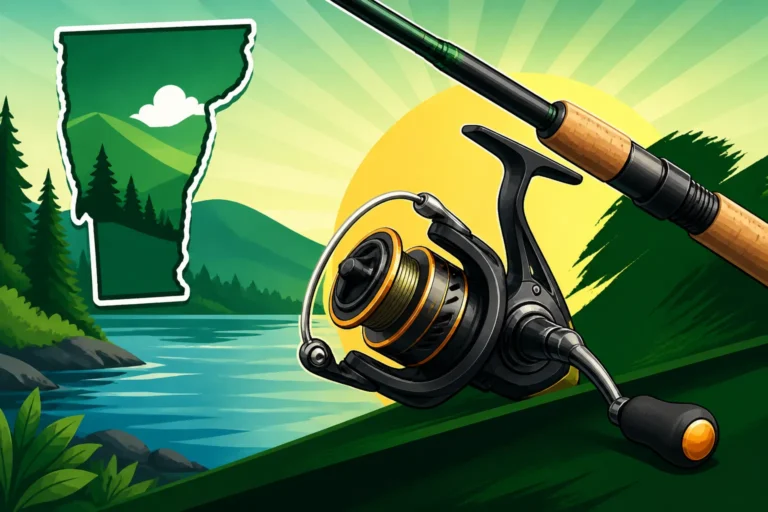
For PowerBait fishing, especially for trout, a light to ultralight spinning rod and reel combo is ideal.
- Rod: Look for a rod in the 5'6" to 6'6" range with a fast or moderate-fast action. The fast action provides a sensitive tip, which is crucial for detecting subtle bites from lethargic trout. It also allows for delicate casting of lighter rigs. A moderate-fast action can be a bit more forgiving for beginners. The "light" or "ultralight" power rating means the rod will bend more under lighter loads, making even small trout feel like a good fight.
- Reel: A small spinning reel (1000 or 2000 size) paired with your ultralight rod is perfect. It should have a smooth drag system, which is vital for playing a good-sized trout on light line without breaking off.
- Line: Spool your reel with 4 to 6-pound test monofilament or fluorocarbon line. Monofilament offers good knot strength and shock absorption, while fluorocarbon is nearly invisible underwater and has less stretch, providing more sensitivity. For beginners, a simple mono setup is often a great starting point, and you can find many suitable options like Best rod and reel combo for beginners.
Tackle Box Essentials
Your tackle box doesn't need to be overflowing, but a well-organized selection of essentials will ensure you're ready for whatever the early season throws at you.
- PowerBait Assortment: As discussed, carry a variety of colors and forms (dough, nuggets) to adapt to changing water conditions. Don't be afraid to try some of the lesser-known colors too!
- Split Shots and Sinkers: A selection of small split shots (sizes BB, B, 0, 1) and small egg or bullet sinkers (1/8 oz to 1/4 oz) will let you adjust your weight for different currents and depths.
- Hooks: Small, sharp hooks are key. Sizes 8, 10, and 12 are generally good for trout. Look for treble hooks or small single octopus hooks that are designed to hold dough bait effectively.
- Swivels: Small barrel or ball-bearing swivels (size 10 or 12) will prevent line twist, especially when using heavier sinkers or if your PowerBait spins slightly.
- Forceps/Pliers: Essential for unhooking fish safely and quickly, especially if you're practicing catch and release.
- Small Scissors/Line Clippers: For neat knot tying and trimming excess line.
- Leader Material: A spool of fluorocarbon leader (4-6 lb test) can be helpful for those clear water situations where fish are extra spooky.
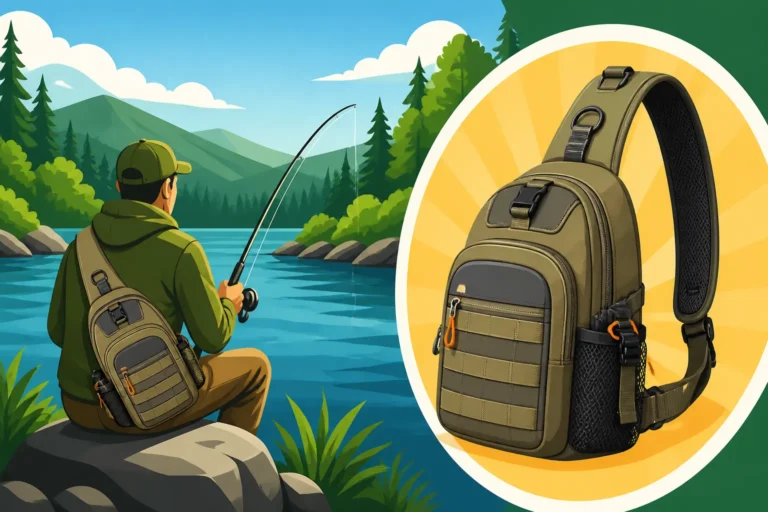
Keeping these items organized in a compact tackle box or bag will make your day on the water much more enjoyable. Think about what you truly need for a successful day without overpacking. Many anglers find Best tackle organizer for a small boat articles helpful, even for bank fishing, to keep things tidy. Don't forget that if you want to find more specific gear, many reputable vendors like Bass Pro Shops or Amazon have everything an angler could ever need.
Remember, early season trout fishing in Vermont can be incredibly rewarding. With a keen eye on water conditions, the right PowerBait color, and a thoughtful approach to presentation, you’ll be well on your way to a memorable day on the water. Good luck out there, and tight lines!
Disclaimer
This article is for general informational purposes only and does not constitute professional advice. Laws, prices and regulations vary by location and change over time. Consult a qualified professional for guidance on your specific situation.