Drift Fishing for Trout in Vermont Rivers
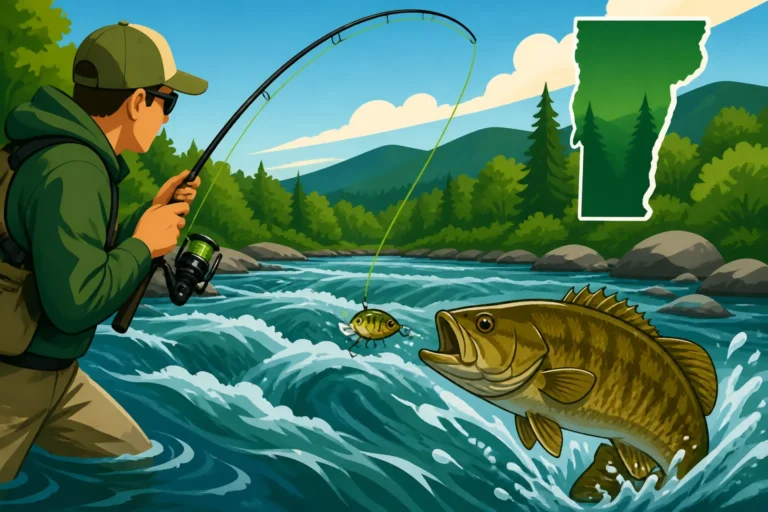
There’s nothing quite like the feeling of standing in a clear, cold Vermont river, casting your line, and watching your bait or lure drift downstream, perfectly mimicking a natural meal. But let's be honest, getting that perfect drift isn't always easy. The currents can be tricky, the snags are endless, and sometimes it feels like the fish are just laughing at your efforts. This guide is here to break down the art and science of drift fishing for trout in Vermont's diverse waterways, helping you present your offering so naturally that even the most wary fish won't be able to resist.
Understanding the Heart of Drift Fishing for Trout
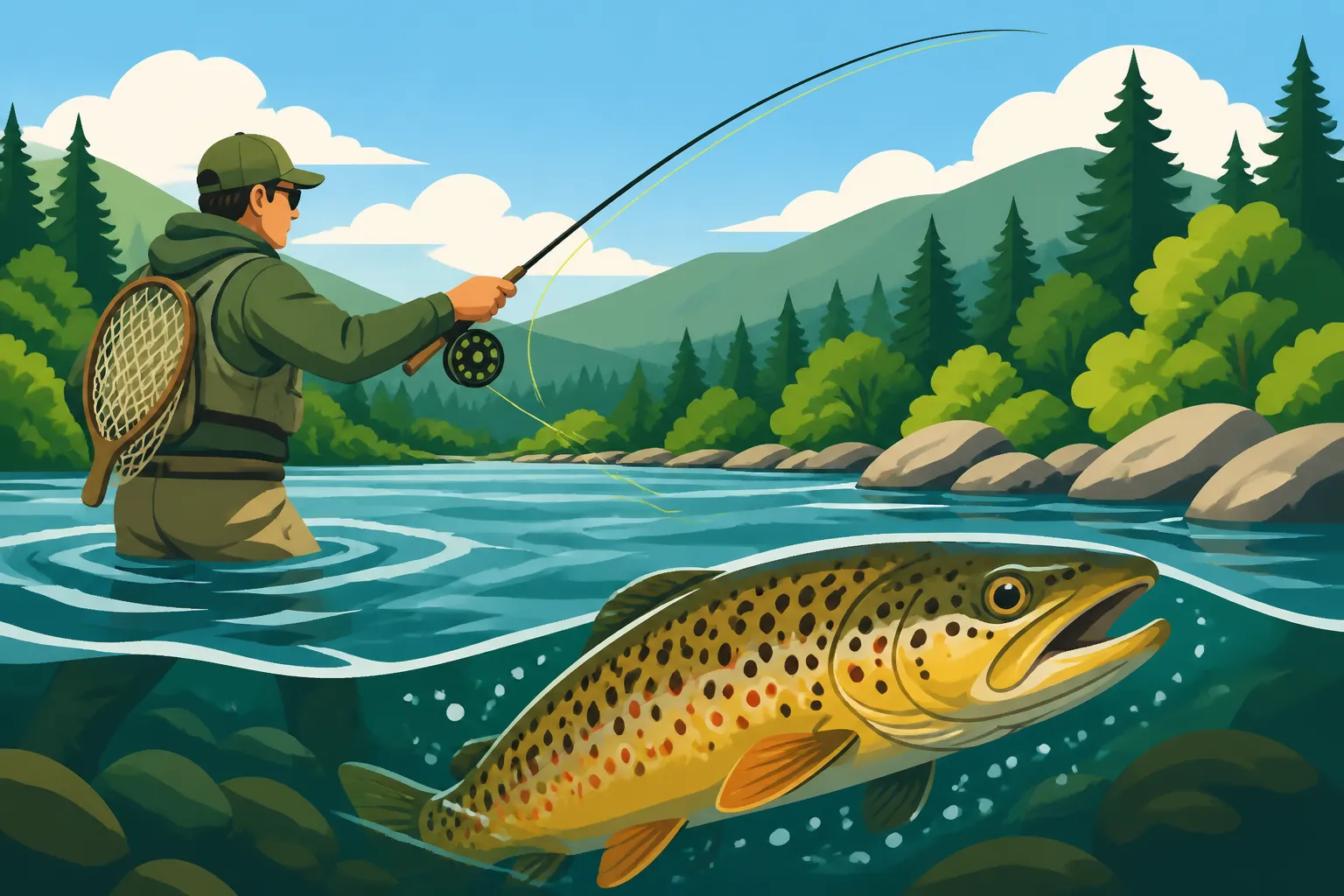
Drift fishing, at its core, is all about presentation. It's about letting your bait or lure move downstream at the exact same speed as the current, making it appear utterly natural to a waiting trout. Unlike casting and retrieving, or even static bait fishing, drift fishing relies on the river itself to carry your offering into the fish's feeding lanes. This technique is incredibly effective for trout because it taps into their natural instinct to feed on whatever the current brings to them.
The Philosophy Behind Natural Presentation
Imagine you're a trout holding in a prime lie, tucked behind a rock or in the slow water behind a log, conserving energy. You're waiting for the river to deliver food. If a juicy worm or a tempting nymph comes tumbling past at an unnatural speed, or drags against the current, it screams "fake!" But if it floats by as if it broke loose from the riverbed just moments ago, it's an irresistible, no-effort meal. That's the magic of a natural drift.
This philosophy extends beyond just speed; it's also about depth. Trout spend most of their time feeding on subsurface insects, larvae, and small baitfish that are carried along the river bottom or in the middle water column. A successful drift fishing presentation needs to put your offering precisely where those natural food sources are, without being impeded by your line or weight. It's a subtle dance with the river, where you're trying to be as invisible as possible to the fish below.
Key Components and Gear for the Perfect Drift
Achieving that perfect, natural drift requires a thoughtful combination of tackle and technique. It's not just about throwing a worm in the water; it’s about carefully balancing weight, floatation, and line management. The core components of any drift fishing setup include your rod and reel, an appropriate line, carefully selected weights, and sometimes a float or indicator to help you track your drift.
For instance, if you're targeting rainbow trout and brown trout in a wider river like the Winooski River, you might need a slightly longer rod to manage line effectively over varied currents. Conversely, chasing native brook trout in smaller, brushy Green Mountain streams might call for a shorter, lighter setup. The type of weight you use is crucial too; you want just enough to get your bait to the desired depth without hindering its natural movement. Everything works together to fool the fish into thinking your offering is just another morsel washing downstream.
Essential Gear for Vermont Drift Fishing Success
Getting the right gear for drift fishing in Vermont's diverse rivers can make all the difference. You're not just buying equipment; you're assembling a system designed to give you the most natural presentation possible. From the bend of your rod to the size of your hook, every element plays a role in convincing a wary trout that your offering is a free meal.
Rods, Reels, and Line Choices
When it comes to drift fishing rods, you're generally looking for something with a moderate to fast action and a length that suits the river you're fishing. For larger rivers like the White River or Otter Creek, a rod in the 7- to 9-foot range is excellent. The extra length allows for better line control, easier mending (adjusting your line to prevent drag), and longer casts, which are often necessary to reach prime holding water from the bank or while wading. A good spinning rod, perhaps a medium-light power, will give you the sensitivity to feel subtle bites and the backbone to handle a decent trout. You can find a fantastic selection of these on Amazon, often with helpful customer reviews to guide your choice.
Your reel should match your rod in size and balance. A smooth drag system is non-negotiable, as Vermont trout can be feisty, especially the larger browns. For line, a high-visibility monofilament in 4-6 pound test is often preferred for the main line. The visibility helps you track your drift and spot subtle takes. However, a fluorocarbon leader (2-4 pound test) is highly recommended. Fluorocarbon is nearly invisible underwater, extremely abrasion-resistant, and sinks quickly, helping your bait get down to the fish without adding excess weight. Some anglers even use light braid with a long fluorocarbon leader for maximum sensitivity, though braid's buoyancy can sometimes make mending more critical.
Terminal Tackle: Weights, Floats, and Hooks
This is where the real nuance of drift fishing comes in. Your terminal tackle is the connection between your line and the fish, and getting it right is crucial for a natural drift.
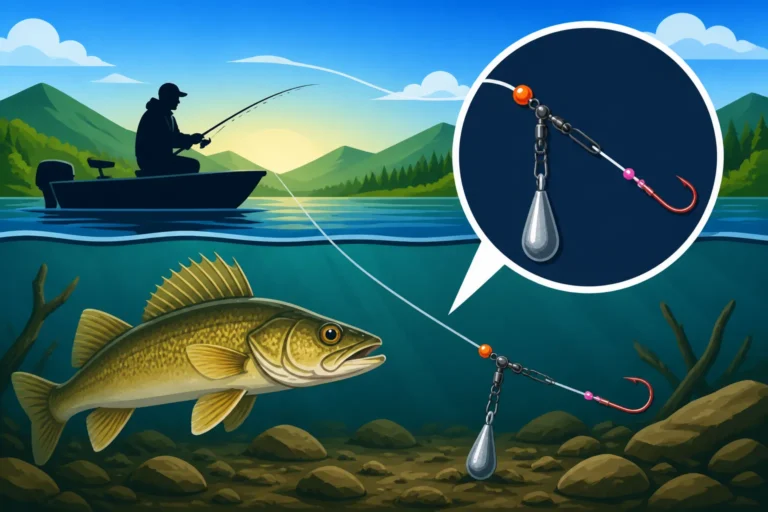
Weights: The goal is to use just enough weight to get your bait or lure to the desired depth, allowing it to tumble along the bottom or drift naturally through the water column without dragging. Common choices include small split shot, which can be easily added or removed to adjust to current changes. Slinky weights, made of small lead pieces encased in paracord, are another excellent option, especially in snaggy rivers. They tend to slide over rocks rather than wedge into them, saving you from constant re-rigging. Pencil weights, long and slender, also offer a snag-resistant profile. The exact amount of weight will depend entirely on the current speed and depth; it's a constant adjustment. You'll want a variety of sizes in your tackle box.
Floats/Indicators: While not always used, a small strike indicator or float can be incredibly helpful, especially for new anglers or when fishing deeper runs. For fly fishing, yarn indicators or small foam floats are common. For spinning gear, a small pencil or bubble float can help suspend your bait just off the bottom in slower currents or over specific structure. The key is to use a float that is sensitive enough to show even the lightest tap from a fish, but not so large that it creates drag or spooks the trout. Many anglers prefer to go without a float when possible, relying on line watching and feel for the most natural drift.
Hooks: Matching your hook size to your bait and target species is paramount. For worms or power bait, a size 6 or 8 octopus hook is versatile. When using small nymphs or artificial salmon eggs, you might drop down to a size 10 or 12. Always choose sharp, strong hooks. Barbless hooks are encouraged, and often required, in many Vermont catch and release waters, making release easier and less harmful to the fish. Before your next trip, a quick check on Amazon for specialized weights or barbless hook varieties can really pay off. Remember, you want to be able to set the hook quickly but also allow the fish to take the bait naturally without feeling too much resistance.
| Terminal Tackle Component | Purpose | Common Types/Sizes | Vermont River Application |
|---|---|---|---|
| Weights | Get bait to depth | Split Shot (#7-B), Slinky (1/8-1/2 oz), Pencil Weights | Adjust to current speed; Slinky for snaggy bottoms |
| Floats/Indicators | Detect bites, suspend bait | Pencil Floats, Bubble Floats, Yarn Indicators | Optional; useful in deeper, slower runs or for tracking |
| Hooks | Secure bait, hook fish | Octopus (sz 6-12), Baitholder (sz 8-10), Single Barbless | Match bait size; barbless for C&R |
| Leaders | Invisible connection | Fluorocarbon (2-6 lb test, 2-6 ft length) | Essential for wary trout; abrasion resistance |
Mastering Drift Fishing Techniques in Vermont Rivers
Successfully drift fishing in Vermont's dynamic rivers is less about brute force and more about finesse, observation, and adaptability. It's a skill that develops over time, with each river and even each run presenting its own unique set of challenges and opportunities. The core idea is to let the river do most of the work, while you subtly guide your presentation.
Reading the Water: Where Trout Hold
Before you even make your first cast, the most crucial step is learning to "read the water." Trout, by nature, are efficient predators. They position themselves in places where food is readily available, but where they also expend minimal energy to hold their position. These are often referred to as "lies" or "holding water."
Look for seams where fast current meets slower water; trout will often sit in the slower water, waiting for food to be swept past them from the faster current. Eddies, the swirling pockets of calmer water behind large rocks or logs, are classic trout lies. Riffles, the shallow, fast-moving sections, oxygenate the water and dislodge insects, making them excellent feeding zones, especially in the early morning or late evening. Deeper pools, particularly those with structure like submerged logs or undercut banks, provide cover and refuge for larger trout. Understanding these nuances will dramatically increase your chances of success. For example, on the Battenkill River, known for its challenging wild trout, pinpointing these subtle holding spots is paramount. Don't forget to check out our detailed guide on Wading Techniques for Vermont Trout Streams to safely access these prime spots.
The Perfect Drift: Casting, Mending, and Tension
Once you've identified a promising spot, it's time to execute the drift. This is a multi-step process that requires practice and coordination.
-
Casting Upstream: Your cast should land your bait or lure a good distance upstream from where you expect the fish to be holding. The exact distance depends on the current speed and depth, but generally, 10-20 feet upstream is a good starting point. This gives your tackle time to sink to the desired depth and begin its natural drift before it reaches the fish. Aim to cast slightly above and across the current to give yourself maximum control.
-
Mending the Line: As soon as your line hits the water, the current will immediately begin to pull on it, creating "belly" or drag. This is the enemy of a natural drift. To counteract this, you need to "mend" your line. This involves quickly lifting your rod tip and flipping or rolling a section of slack line upstream, effectively putting the belly of your line back in sync with the current flow. This might require multiple mends during a single drift, especially in complex currents. The goal is to keep your main line as straight as possible between your rod tip and your weight/bait, allowing the bait to move freely without being pulled unnaturally by the surface current.
-
Maintaining Tension and Feeling the Bite: While you want to avoid drag, you also don't want too much slack. Too much slack makes it impossible to feel a bite and execute a quick hook set. The ideal is to maintain just enough tension that you can feel the subtle bumps and rolls of your weight on the bottom (if bottom-bouncing) or detect a sudden stop or twitch of your line or float. Many trout takes are incredibly subtle, often feeling like a slight hesitation or a barely perceptible tick. If anything feels "different," set the hook! This delicate balance of no-drag yet controlled tension is the hallmark of an expert drift angler.
Bait and Lure Selection for Drifting
The beauty of drift fishing is its versatility in what you can present. While natural baits are often king, artificial options can be incredibly effective too.
Live Bait:
- Worms: Nightcrawlers or garden worms are perennial favorites. They're natural, readily available, and trout absolutely love them. Hook them lightly, allowing them to wriggle naturally.
- Minnows: Small shiners or dace, either live or dead, can be deadly for larger brown trout. Rig them on a small jig head or with a single hook through the lips, allowing them to drift headfirst.
- Salmon Eggs: Especially effective for recently stocked trout or in rivers where trout feed heavily on natural eggs. Use a single egg on a small hook, or thread multiple eggs for a larger profile.
- Hellgrammites/Crayfish: If you can find them, these natural river inhabitants are irresistible to trout. Rig them appropriately to drift along the bottom.
Artificial Lures/Baits:
- PowerBait/Berkley Gulp!: These scented, artificial dough baits or nuggets are incredibly popular, especially for stocked trout. They come in various colors and formulations that mimic natural food sources.
- Small Jigs: Tiny marabou jigs or plastic grub-tipped jigs, often 1/32 to 1/8 ounce, can be incredibly effective when drifted. The pulsating action of marabou is particularly enticing.
- Nymphs: Fly fishing nymphs, when fished under a small float or simply weighted to drift naturally, can fool even the wariest trout. Patters like Hare's Ear, Pheasant Tail, and Prince Nymph are excellent choices. Learn more about effective Fly Patterns for Vermont Trout Streams.
- Small Spoons/Spinners: While usually retrieved, some anglers will "drift" small, lightweight spoons or spinners through current breaks and eddies, allowing the current to impart a subtle wobble or spin. This can be effective for aggressive fish.
Remember, the best bait or lure is always the one the fish are eating that day. Pay attention to what's naturally in the water, what local bait shops recommend, and don't be afraid to experiment.
Targeting Vermont's Trout Species with Drift Fishing
Vermont's rivers are home to a delightful variety of trout, each with its own preferred habitats and feeding behaviors. Drift fishing techniques can be adapted to effectively target each species, from the aggressive stocked rainbows to the elusive native brook trout. Understanding these nuances will significantly boost your success rate.
Drift Fishing for Rainbow and Brown Trout
Rainbow and brown trout are the most commonly encountered species in many of Vermont's larger and medium-sized rivers. Rainbow trout are often found in faster, oxygenated riffles and runs, especially after they've been stocked. Brown trout, on the other hand, tend to be more wary and prefer deeper, more structured water, often holding near undercut banks, logjams, or large boulders that provide cover.
For rainbow trout, especially those recently introduced through the Rainbow Trout Stocking in Vermont program, a slightly more aggressive approach can work. They're often less selective and more willing to chase. Drifting brighter colored PowerBait, worms, or small marabou jigs through riffles and into the heads of pools can be incredibly productive. Focus on ensuring your drift matches the current speed precisely, as rainbows love to intercept food mid-current. These fish can be found in rivers like the Lamoille River and parts of the Connecticut River.
Brown trout, particularly the larger, wild individuals, require a more subtle and deliberate approach. They are often less tolerant of mistakes. When targeting brown trout, concentrate your drifts along seams, through the deepest parts of pools, and right next to structure. Using natural baits like a well-presented worm or a small live minnow can be deadly. If using artificials, a natural-colored nymph or a subtle jig drifted slowly along the bottom is a good bet. Patience is key with browns; you might need to make several perfect drifts through a prime lie before you get a strike. It's worth learning about Brown Trout Habits in Vermont Streams to truly understand their behavior.
Drift Fishing for Native Brook Trout
Ah, the native brook trout – Vermont's state fish, and a true gem of our smaller, wilder waterways. These beautiful fish typically inhabit colder, pristine mountain streams and smaller tributaries, often found in the headwaters of larger river systems. They are usually smaller than their rainbow and brown cousins, but their vibrant colors and willingness to bite make them a joy to catch.
Drift fishing for brook trout often involves scaling down your gear considerably. Think ultralight spinning gear with 2-4 pound test line. The streams they inhabit are often overgrown with brush, making long casts difficult. Short, precise casts into small pools, pocket water, and plunge pools below small waterfalls are the ticket. These fish are less wary than large browns but can be easily spooked by heavy footsteps or unnatural shadows.
Focus on natural baits for brook trout, such as small worms, crickets, or even small grasshoppers if they're available. Small, unweighted or lightly weighted artificial nymphs can also be very effective. The key is to let your offering drift naturally into these small, tight holding areas. You won't be making long mends; instead, you'll be focusing on getting a single, unhindered drift through a small, fishy-looking spot. Remember that many of these pristine brook trout waters are catch and release only, so make sure to check the Vermont Trout Season and Stocking Rules and release them gently to ensure they continue to thrive for future generations.
Overcoming Challenges and Advanced Tips
Even the most seasoned drift anglers face challenges on the river. Currents are constantly shifting, snags seem to multiply overnight, and fish can be incredibly finicky. Learning to adapt and refine your techniques is what separates a good day on the water from a truly exceptional one.
Dealing with Snags and Strong Currents
Snags are an inevitable part of river fishing, especially when you're trying to get your bait down near the bottom where trout often feed. It's frustrating to constantly lose tackle, but there are ways to minimize it.
First, use a break-away rig. This involves tying your dropper weight to a lighter piece of line (say, 2-pound test) than your main leader. If your weight snags, the lighter line will break, allowing you to retrieve your hook and bait. You only lose the weight, not your entire setup. Second, choose your weights wisely. As mentioned, slinky weights or pencil weights are designed to roll over rocks rather than wedge between them, making them ideal for rocky riverbeds. Third, learn to "feel" the bottom. If you feel your weight dragging or getting hung up, lift your rod tip slightly to hop it over the obstruction. Sometimes, a very slow and controlled drag can even entice a bite by kicking up sediment and mimicking a struggling insect.
Strong currents present another set of challenges. They can make it difficult to get your bait to the desired depth and maintain a natural drift. In these situations, you might need to add more weight, but be careful not to add so much that your bait is anchored to the bottom. Instead, consider using heavier, yet still streamlined, weights that cut through the current more efficiently. Longer rods (8-9 feet) become invaluable in strong currents, allowing you to hold more line off the water and make those critical upstream mends to maintain your drift. You might also want to seek out areas where the current breaks or slows down naturally, allowing for an easier drift.
Adjusting to Water Conditions
Vermont's rivers are dynamic, and conditions can change rapidly based on weather, season, and recent rainfall. Being able to adjust your drift fishing strategy is paramount.
-
High Water/Murky Conditions: After heavy rains, rivers can rise and become murky. Trout often move to the banks or into slower back eddies to escape the strong current and find clearer water. They also rely more on scent and vibration. This is a great time to use larger, scented baits like worms or PowerBait, or even brightly colored artificial lures that create a strong visual presence. You might need heavier weights to get your bait down through the increased flow. Don't be afraid to target spots that wouldn't normally hold fish in lower water, such as flooded grass or brush near the banks.
-
Low, Clear Water Conditions: This is often the most challenging but rewarding scenario. Trout become incredibly wary in low, clear water. They can see you, and they can see your line. This is when finesse is absolutely critical. Scale down your leader to 2-4 pound test fluorocarbon, use smaller hooks, and natural baits. Long, stealthy casts are essential, and you'll need to focus on staying hidden from the fish. Mending becomes even more important to achieve a drag-free drift. Consider fishing during low light conditions (dawn/dusk) when trout feel more secure. For more insights on dealing with clear water, check out strategies for Best Techniques for Low Clear Water Conditions.
-
Cold Water (Early Spring/Late Fall): In colder water, trout are less active and their metabolism slows down. They're less likely to chase. Your drifts need to be slower and more deliberate. Focus on getting your bait right in front of their faces, often in deeper pools or slow runs. Natural baits like worms or dead minnows, presented slowly, can be very effective. This is also a good time for small, subtle artificials.
Safety and Ethics on Vermont Rivers
While the thrill of the catch is undeniable, responsible angling in Vermont goes beyond just technique. Safety and ethical considerations are paramount to preserving our beautiful waterways and ensuring a positive experience for everyone.
Wading Safety: Vermont rivers can be swift and rocky. Always wear proper wading boots with good traction – felt or rubber soles, sometimes with studs, are often debated, but the best choice depends on the specific riverbed. A wading staff is not optional; it's a lifeline for maintaining balance in tricky currents and probing unknown depths. Always face upstream when wading, shuffling your feet rather than lifting them to avoid losing balance. Be aware of changing river levels, especially after heavy rains. If in doubt, don't wade. Consider bringing a friend, or at least let someone know where you're fishing. For more detailed advice, refer to our guide on Wading Techniques for Vermont Trout Streams.
Leave No Trace: This is a fundamental principle for all outdoor enthusiasts. Pack out everything you pack in, including discarded fishing line, bait containers, and any other trash. Do not leave bait cups or empty PowerBait jars along the riverbank. Minimizing your impact also extends to stream banks; try to use established access points and avoid trampling vegetation.
Respecting Private Land and Fellow Anglers: Many prime fishing spots in Vermont run through private property. Always be aware of property lines and respect "No Trespassing" signs. If you're unsure, find public access points (many are clearly marked by the Vermont Fish & Wildlife Department). When encountering other anglers, give them plenty of space. Nothing spoils a peaceful day of fishing like someone casting over your line or crowding your spot. A polite nod or a friendly wave is usually all that's needed.
Catch and Release Best Practices: For many of Vermont's wild trout populations and specific designated waters, catch and release is essential for conservation. If you're practicing C&R, use barbless hooks to minimize harm. Land fish quickly to reduce stress, keep them in the water as much as possible, and handle them gently with wet hands. Avoid squeezing them or touching their gills. If taking a photo, do so quickly and get the fish back into the water as soon as possible. Understanding Vermont Trout Limit and Possession Rules and Reading the Vermont Fishing Regulations Guide will help you adhere to regulations, ensuring healthy fish populations for the future.
Ultimately, drift fishing in Vermont is a rewarding experience that connects you deeply with the river's flow and its aquatic inhabitants. By mastering these techniques, respecting the environment, and continually learning, you'll find yourself not just catching more trout, but truly understanding the beautiful, intricate world beneath the surface.
Disclaimer
Please be aware that fishing regulations, including licensing requirements, season dates, and specific rules for certain waters, can change. Always consult the most current Vermont Fish & Wildlife Department regulations before heading out on your fishing trip. This guide is for informational purposes only and does not supersede official regulations.