Shelburne Bay Lake Champlain fishing access
It’s easy to feel overwhelmed when you’re looking to fish a massive body of water like Lake Champlain, especially if you're not sure where to drop your line or launch your boat. Many anglers, myself included, have spent frustrating hours trying to pinpoint that perfect spot. This guide is all about cutting through that confusion, focusing specifically on Shelburne Bay, a gem on Lake Champlain that offers fantastic access and diverse fishing opportunities for just about everyone.
Exploring Shelburne Bay's Fishing Landscape
Shelburne Bay is truly a special place on Lake Champlain, offering a mix of accessible shorelines, protected waters, and diverse habitats that make it a favorite among local anglers. It’s not just a beautiful spot to spend a day; it’s a productive fishing ground with something for every skill level.
Geographical Overview and Key Features
Nestled on the eastern side of Lake Champlain, just south of Burlington, Shelburne Bay provides a picturesque and surprisingly sheltered environment. Unlike the wide-open, often turbulent main lake, the bay’s contours offer protection from strong winds, making it an excellent choice for smaller boats, kayaks, and even stand-up paddleboard anglers. The geography here is fascinating; you’ve got a mix of varying depths, from shallow, weedy flats that warm up quickly in the spring to deeper channels and drop-offs that hold fish during the heat of summer and into the cooler months.
The shoreline is a diverse tapestry of natural features and man-made structures. You'll find rocky points, sandy beaches, lush weed beds, and even some submerged timber, all providing crucial cover and feeding grounds for various species. The presence of numerous docks and moorings also adds to the structural complexity, attracting baitfish and, consequently, the predators that feed on them. Shelburne Farms, a prominent agricultural estate and educational center, borders a significant portion of the bay, offering both stunning scenery and, in some areas, managed public access points. This blend of natural beauty and varied underwater topography creates a dynamic ecosystem that keeps anglers coming back.
Primary Fish Species You'll Encounter
Shelburne Bay is a veritable buffet for anglers, boasting a healthy population of several sought-after species. While Lake Champlain as a whole is known for its diverse fishery, the bay's unique characteristics tend to concentrate certain fish, making them more accessible.
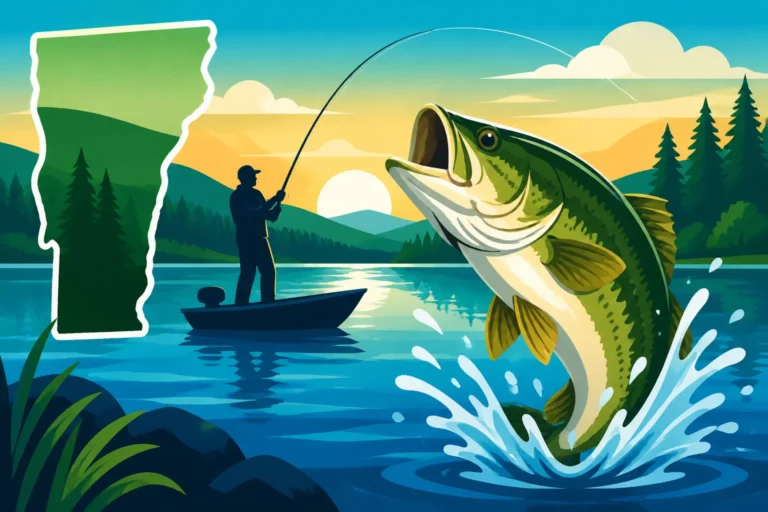
First and foremost, the bay is a fantastic spot for smallmouth bass and largemouth bass. The rocky shoals, scattered boulders, and submerged structures provide ideal habitat for smallmouth, especially in the spring and fall. Largemouth, on the other hand, love the denser weed beds, lily pads, and dock pilings found in the shallower, more protected pockets of the bay. You can often find both species within close proximity, offering exciting multi-species action.
Beyond the bass, northern pike are also prevalent, especially around the edges of weed beds and submerged vegetation. These toothy predators provide thrilling battles and are often caught by anglers targeting bass. Yellow perch are abundant and a favorite target for panfish enthusiasts, particularly in the spring and through the ice during winter. While not as common as in the main lake, you might also hook into walleye here, especially if you venture towards the deeper channels or fish during low-light conditions. Occasionally, you might even encounter the odd chain pickerel or bluegill in the shallower areas. Understanding these species' preferences will definitely help you zero in on a successful day on the water.
Accessing Shelburne Bay: Ramps, Shore Fishing, and Amenities
Getting onto the water or finding a good spot to cast from shore is often the biggest hurdle for new anglers. Luckily, Shelburne Bay provides several convenient options, whether you’re launching a full-sized boat or just looking to enjoy a peaceful afternoon from the bank.
Public Boat Launches and Kayak Access
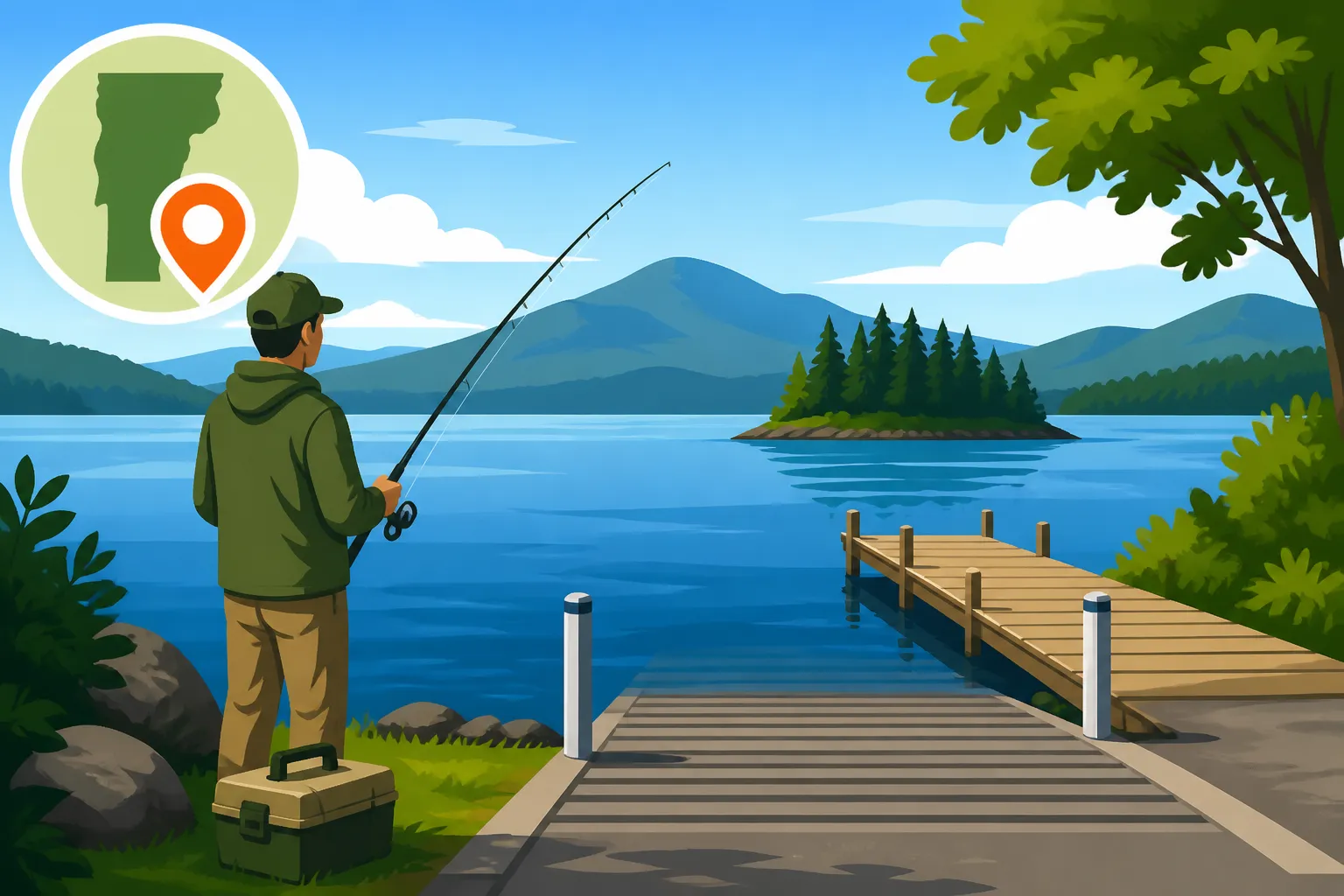
For those with boats, the primary access point is the Shelburne Bay Boat Launch, operated by the Vermont Fish & Wildlife Department. This facility offers multiple ramps, ample parking, and generally good conditions for launching everything from small aluminum boats and bass boats to larger cruisers. It’s a busy spot during peak season, so arriving early, especially on weekends, is always a good idea. The well-maintained ramps ensure a smooth entry and exit from the water.
Kayak and canoe enthusiasts will find Shelburne Bay particularly inviting. The protected waters make for a safer paddling experience compared to the open lake, and numerous smaller, informal access points can be found along the shoreline, though you’ll want to respect private property. The main boat launch itself is perfectly suitable for hand-launching kayaks, and the ample parking means you won't be lugging your gear too far. Exploring the quieter coves and shallow backwaters by kayak allows you to access areas that larger boats can't, often leading to excellent fishing for largemouth bass and pike hiding in the weeds. If you're looking to explore Lake Champlain's vastness without the hassle of bringing your own boat, remember that services like FishingBooker often list local charters that depart from areas like Shelburne Bay, providing guided trips for a truly memorable experience. This can be a fantastic way to learn the nuances of the bay from an experienced captain.
Prime Shore Fishing Locations
Even without a boat, Shelburne Bay offers excellent opportunities for shore anglers. The most popular and accessible spot is often along the edges of Shelburne Farms, where designated public access areas allow for casting. While not all of the sprawling estate is open for fishing, specific sections provide good vantage points and easy access to promising waters. It's a great place to bring the family, as the scenery alone is worth the trip.
Another promising area for shore fishing can be found near the public boat launch itself, or by exploring the various small parks and public lands that dot the bay's perimeter. Look for any public easements or municipal parks that feature waterfront access. These spots often have small jetties, rocky outcrops, or open grassy areas perfect for casting. Keep an eye out for any "no fishing" signs, but generally, where public access is permitted, you'll find anglers trying their luck. For those wondering where to fish without a boat, Lake Champlain actually has several accessible spots, and Shelburne Bay certainly contributes to the list of Best shore fishing near Burlington Vermont.
Nearby Amenities and Services
A successful fishing trip often depends on having the right supplies and knowing where to grab a bite or refuel. Shelburne Bay benefits greatly from its proximity to both the town of Shelburne and the larger city of Burlington.
In Shelburne, you'll find local convenience stores that often carry basic bait (worms, shiners) and some tackle essentials like hooks, sinkers, and bobbers. For a more extensive selection, or if you need to replace a broken rod or spool new line, a short drive north to Burlington will open up a wider array of sporting goods stores. Local businesses like The Sportsman's Den or larger retailers will have everything you could possibly need, from specialized lures for bass to live bait options like minnows and leeches.
Beyond fishing supplies, both Shelburne and Burlington offer plenty of options for food, lodging, and other necessities. You can grab a quick sandwich for the boat, enjoy a sit-down meal at a local restaurant, or find accommodations ranging from cozy inns to larger hotels. Gas stations are readily available, ensuring you can keep your boat fueled up for a full day on the water. It’s always a good idea to check opening hours for smaller bait shops, especially if you’re planning an early morning outing.
| Species Targeted | Best Time of Year | Preferred Baits/Lures | Typical Habitat in Bay |
|---|---|---|---|
| Smallmouth Bass | Spring, Summer, Fall | Jigs, Crankbaits, Tubes, Drop Shots | Rocky points, shoals, deep drop-offs |
| Largemouth Bass | Spring, Summer, Fall | Soft Plastics (worms, frogs), Spinnerbaits, Jigs | Weedy flats, lily pads, docks, submerged timber |
| Northern Pike | All Year | Spoons, Spinnerbaits, Large Swimbaits, Live Bait | Edges of weed beds, shallow cover, creek mouths |
| Yellow Perch | All Year | Worms, Small Jigs, Minnows, Ice Jigs | Weed lines, sandy bottom, near docks, open water |
| Walleye (less common) | Spring, Fall, Night | Crankbaits, Jigs, Worm Harnesses | Deeper channels, transitions, main lake access |
Fishing Strategies and Best Practices for Shelburne Bay
Understanding the "when" and "how" of fishing in Shelburne Bay can dramatically increase your success. It's not just about showing up; it's about having a plan tailored to the season and the fish you're hoping to catch.
Seasonal Fishing Tips and Target Species
Shelburne Bay offers distinct fishing opportunities throughout the year, dictated by water temperature and fish behavior.
- Spring (April-May): This is prime time as the water begins to warm. Pre-spawn bass (both smallmouth and largemouth) move into shallower areas to feed heavily before spawning. Northern pike are also very active after ice-out, cruising the edges of melting ice or shallow weed lines. It’s an exciting time to be out, and often when some of the biggest fish of the year are caught. Yellow perch also become very active. This is often just before the official Vermont Trout Opening Day Traditions kick off in many other waters, making the bay a great early-season alternative.
- Summer (June-August): As temperatures rise, fish patterns shift. Early mornings and late evenings are often best for bass, especially topwater action over weed beds or around docks. During the day, smallmouth might move to deeper rock piles and drop-offs, while largemouth will burrow into dense cover. Pike will remain in cover. Panfish like yellow perch are readily available throughout the day.
- Fall (September-November): The "fall feed" is legendary. As water temperatures cool, most species go on a feeding frenzy to bulk up for winter. Bass are aggressive, often found in schools, hitting a variety of lures. Pike are also extremely active. This is a fantastic time for trophy-sized fish, and the autumn foliage adds an extra layer of beauty to your outing.
- Winter (December-March): While the main parts of Shelburne Bay might not always fully freeze over reliably for safe ice fishing due to currents, the surrounding smaller coves and shallower areas of Lake Champlain do offer excellent opportunities. If the ice is safe, anglers target perch, pike, and occasionally even some panfish. Always prioritize safety and check ice conditions meticulously before venturing out.
Recommended Lures, Baits, and Techniques
The varied habitat of Shelburne Bay means you’ll want a diverse tackle box. For smallmouth bass, jigs (like tube jigs or Ned rigs) are incredibly effective on rocky bottom. Crankbaits are great for covering water and finding active fish, especially around points and submerged structure. Topwater lures like poppers or walking baits can produce explosive strikes in the mornings and evenings during summer. If you're looking for specific ideas, check out the Best smallmouth bass lures for Lake Champlain in summer.
For largemouth bass, soft plastics rigged Texas-style or wacky-rigged worms are excellent for pitching into dense cover. Spinnerbaits and chatterbaits are also fantastic for working through weeds and around docks. Frog imitations can be deadly over lily pads.
Northern pike are suckers for flashy spoons, large spinnerbaits, and swimbaits. They often hang on the edges of weed lines, waiting to ambush baitfish. A good steel leader is absolutely essential to prevent bite-offs from their razor-sharp teeth. For yellow perch, simple live bait like worms or small minnows fished under a bobber works wonders. Small jigs tipped with a grub or a piece of worm are also very effective.
When it comes to techniques, varying your retrieve speed, experimenting with different depths, and paying attention to subtle bites are crucial. Don't be afraid to try different lures and presentations until you find what the fish are keying in on that particular day. For more detailed insights, guides like How to Catch Smallmouth Bass in Vermont Lakes can provide a deeper dive into techniques.
Navigating Regulations and Conservation
Fishing in Vermont, including Shelburne Bay, requires adherence to specific regulations designed to protect and sustain the fisheries for future generations. The most important rule is always to have a valid Vermont fishing license. Whether you're a resident or non-resident, daily, multi-day, or annual licenses are available. You can find comprehensive information in resources like the Vermont Fishing License Guide for 2026 or get a good overview in Vermont Fishing Regulations Explained.
Beyond licensing, it’s vital to be aware of species-specific regulations. These include daily bag limits (how many fish you can keep), possession limits (how many you can have at any given time), and minimum length limits for certain species like bass, walleye, and pike. These rules can change from year to year, so always consult the most current Vermont Fishing Guidebook, available online or at license vendors, before your trip. For example, bass often have a catch-and-release only season during their spawning period.
Conservation is also paramount. Practicing catch-and-release, especially for larger breeding fish, helps maintain healthy populations. If you do plan to keep fish for a meal, know the size and bag limits, and consider consuming fish within the recommended guidelines, as some waters may have advisories. Proper handling of fish you release is critical: minimize their time out of water, handle them gently with wet hands, and use appropriate landing nets. Disposing of trash responsibly, preventing the spread of invasive species by cleaning your boat and gear, and respecting private property are all part of being a good steward of Vermont's beautiful natural resources.
Making the Most of Your Trip to Shelburne Bay
A successful and enjoyable fishing trip to Shelburne Bay, or anywhere for that matter, often comes down to thoughtful preparation and prioritizing safety. A little planning goes a long way in ensuring a memorable day on the water.
Planning Your Outing
Before you even load your gear, take a moment to plan your day. Check the weather forecast, paying attention to wind speed and direction, as even in protected Shelburne Bay, strong gusts can make for choppy conditions, especially if you venture closer to the main lake. Sunlight and temperature will also influence fish behavior, helping you decide what lures and techniques might be most effective.
Think about the gear you’ll need: your fishing rods, reels, tackle box, and a net suitable for the species you’re targeting. Don't forget essentials like pliers for unhooking fish, a small first-aid kit, sunscreen, insect repellent, and plenty of water and snacks. If you’re boating, ensure all your safety equipment is onboard and in good working order. This includes life jackets for everyone (remember, Life Jacket Requirements for Vermont Boaters are strict, especially for children), a whistle or horn, navigation lights if you'll be out at dusk or dawn, and a fire extinguisher. For a more comprehensive look at boating regulations, consulting Vermont Boating Laws for Anglers is always a good idea. Having your phone fully charged for emergencies is also a smart move.
Consider the tide times, if applicable (though Lake Champlain is not tidal, local water levels can fluctuate), and moon phases, as these can subtly influence fish activity. If you're new to the area, a quick look at an online bathymetric map of Shelburne Bay can help you identify potential structure, weed lines, and depth changes before you even launch.
Beyond the Bay: Nearby Fishing Opportunities
While Shelburne Bay is a fantastic destination, its location on Lake Champlain means you're just a short boat ride away from even more diverse fishing grounds. If the bite is slow in the bay, or if you simply want to explore further, consider venturing into the broader expanse of Lake Champlain.
Just north of Shelburne Bay, the waters around Burlington offer excellent smallmouth bass fishing, particularly around the city’s waterfront and offshore islands. Deeper sections of the main lake are known for lake trout and salmon, requiring different gear and techniques like downrigging. Many anglers also head to other bays or points along the eastern shore, each with its own unique character and resident fish populations. For a general overview of the entire lake, a Lake Champlain Fishing Guide can be an invaluable resource.
If you prefer river fishing, the Winooski River, which flows into Lake Champlain just north of Burlington, offers opportunities for smallmouth bass and various panfish, and even some trout further upstream. South of Shelburne, other coves and points continue down Lake Champlain, offering varied structures and depths to explore. Vermont is truly a fishing paradise, and Shelburne Bay is just one excellent entry point into its vast network of waters. Taking the time to explore neighboring spots can often lead to new discoveries and different fishing experiences. Ultimately, knowing where to cast your line next ensures your Vermont fishing adventure never gets stale, whether it's on Best Fishing Lakes in Vermont or a quiet river.
Disclaimer
The information provided in this guide is for general informational purposes only and is subject to change. Fishing regulations, access points, and conditions can vary. Always consult the most current Vermont Fish & Wildlife Department regulations and local advisories before engaging in any fishing or boating activities. Safety should always be your top priority on the water.