Best pond fishing near Manchester Vermont
Many anglers visiting or living near Manchester, Vermont, dream of finding those quiet, productive ponds away from the crowds, but figuring out where to go and what to expect can be a real head-scratcher. It's frustrating to seek out a peaceful fishing experience only to end up at a busy, unproductive spot. This guide is crafted to cut through the confusion, pinpointing the best pond fishing opportunities within easy reach of Manchester and equipping you with the knowledge to make your next outing truly successful.
The Allure of Pond Fishing Near Manchester, Vermont
There's something uniquely calming about pond fishing. Unlike the vastness of Lake Champlain or the swift currents of a major river, a pond offers an intimate, focused environment where you can truly connect with the water and the fish. For many, it evokes childhood memories of simpler times, bobbers dancing on calm surfaces, and the thrill of a sudden tug. Near Manchester, Vermont, these smaller bodies of water provide a fantastic alternative for a relaxing day on the water, whether you're a seasoned angler or introducing someone new to the sport.
Why Ponds are a Hidden Gem
Ponds in the Manchester area, often nestled within state parks or charming rural landscapes, typically feature gentler shorelines and less boat traffic than larger lakes. This makes them ideal for bank fishing, wading in shallows, or navigating a kayak or canoe without battling strong winds or wakes. They offer a peaceful escape, a chance to slow down and enjoy the natural beauty that southern Vermont is so famous for. For families, especially those with younger children, the contained nature of a pond often translates to easier supervision and a higher chance of consistent bites, keeping boredom at bay. It's a truly accessible way to enjoy the sport.
Beyond the tranquility, many of these ponds benefit from regular stocking programs by the Vermont Fish and Wildlife Department. This means a healthy, replenished population of fish, increasing your odds of a successful outing. You’re not just casting into the void; you’re engaging with a managed ecosystem designed to provide recreational opportunities. The local conditions and consistent attention from the state make these ponds genuinely reliable spots for a fun day of fishing.
Common Species in Manchester Area Ponds
While Vermont is renowned for its excellent trout streams, the ponds near Manchester offer a delightful variety of fish species, catering to different angling preferences. You'll primarily encounter a mix of warmwater and coldwater fish, depending on the pond's depth, temperature, and stocking schedule.
Panfish are a staple in almost every pond, providing constant action and a fantastic entry point for beginners. Expect to find abundant yellow perch, known for their distinctive stripes and delicious fillets, along with plenty of bluegill and other sunfish that eagerly attack small baits and lures. Black crappie, recognized by their speckled bodies and tendency to school, also inhabit many of these waters and offer a rewarding challenge, especially during their spring and fall feeding sprees. These smaller fish are perfect for teaching patience and the basics of bait presentation.
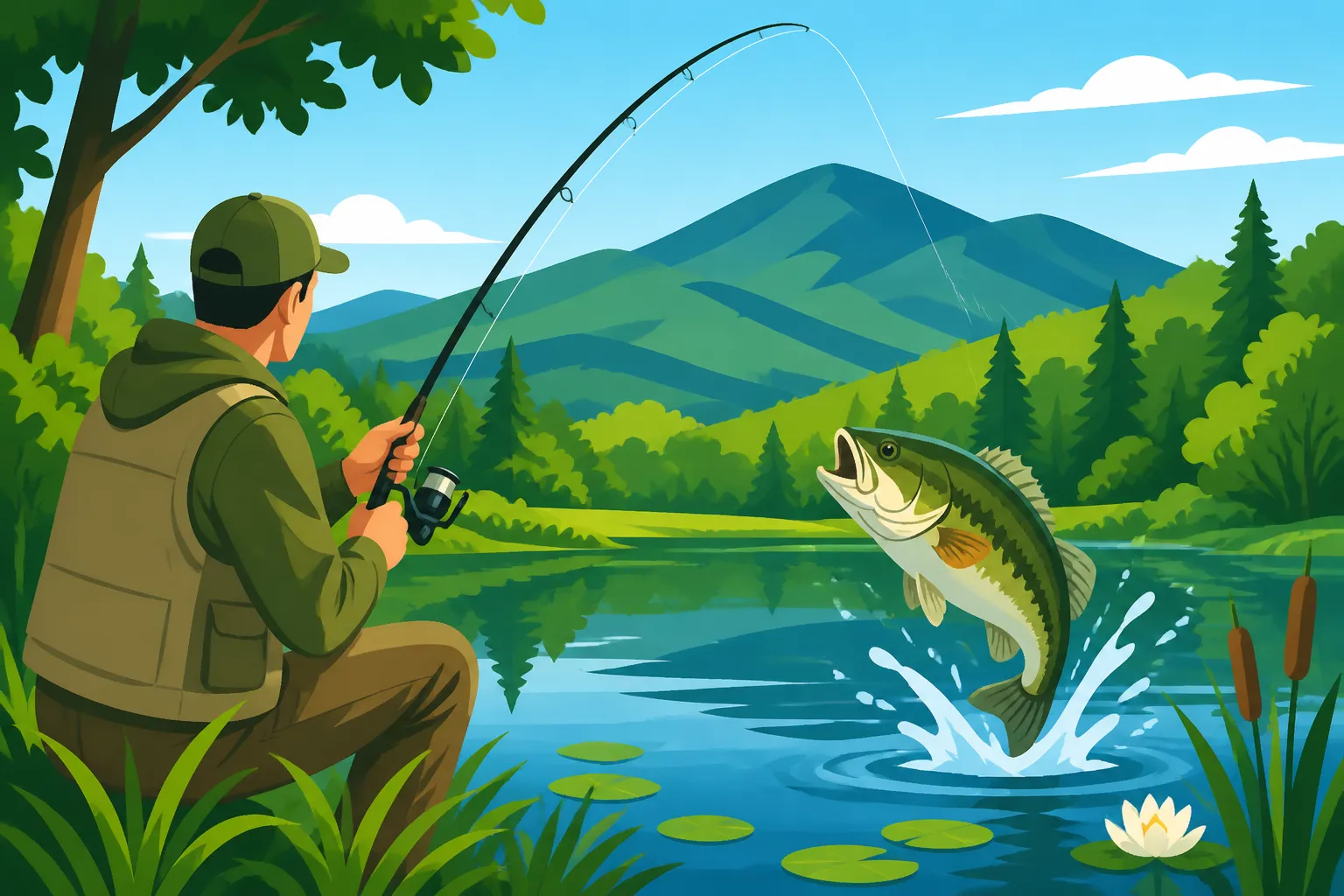
For those seeking a bit more fight, many local ponds boast healthy populations of largemouth bass. These aggressive predators lurk around submerged structures, weed beds, and fallen timber, offering exciting topwater blow-ups or powerful subsurface battles. Chain pickerel, another toothy predator, are also common, providing thrilling strikes and a good test of your tackle. And, of course, many ponds are regularly stocked with rainbow and brown trout, particularly in the cooler spring and fall months, adding a fantastic coldwater dimension to the fishing experience. These stocked trout are often quite eager to bite and make for excellent table fare.
Top Ponds for Fishing Near Manchester, Vermont
When you’re looking to wet a line near Manchester, several ponds stand out as prime destinations. Each offers a unique character and angling opportunities, but all promise a rewarding experience in picturesque Vermont settings. Knowing a bit about each can help you choose the perfect spot for your next outing.
Emerald Lake State Park Pond, North Dorset
Just a short, scenic drive north of Manchester in North Dorset, Emerald Lake State Park features a true gem for anglers. Though called a "lake," its relatively modest size and serene atmosphere give it the feel of a substantial pond, perfect for a focused fishing adventure. This pristine, spring-fed body of water is renowned for its exceptional clarity and breathtaking natural beauty.
The Vermont Fish and Wildlife Department makes Emerald Lake a priority for stocking, regularly introducing eager rainbow trout, especially in the cooler spring and fall periods. This consistent stocking ensures a vibrant coldwater fishery and excellent action for trout enthusiasts. Beyond trout, anglers can also anticipate hooking into feisty largemouth bass that cruise the weed lines and drop-offs, as well as a healthy population of yellow perch and bluegill, providing consistent bites for all ages. There's good shore access around the park, and small boats, kayaks, and canoes are welcome, allowing you to explore its quieter coves. While it can be busy during peak summer days, an early start often rewards you with tranquil waters and cooperative fish. Understanding the current Vermont Trout Season and Stocking Rules will definitely give you an edge when planning your visit here. For those looking to truly maximize their trip or try a new body of water, exploring options for local guides through platforms like FishingBooker can provide tailored advice and a deeper understanding of Vermont's diverse fishing scene.
Lake Shaftsbury State Park Pond, Shaftsbury
Situated approximately 20 minutes south of Manchester, Lake Shaftsbury offers another prime state park fishing experience. This pond is a fantastic warmwater fishery, making it a reliable spot for anglers who prefer bass and panfish action. The lake boasts thriving populations of largemouth bass, which grow to respectable sizes and offer thrilling battles, along with cunning chain pickerel that will test your reflexes.
Panfish are abundant here, with sunfish and yellow perch being consistent biters, perfect for a relaxed day or introducing youngsters to fishing. While Lake Shaftsbury isn't typically stocked with trout, its robust warmwater species more than make up for it. The state park provides excellent amenities, including a public beach and convenient boat rentals (kayaks, canoes, rowboats), making it highly accessible for families and those without their own watercraft. Limited motor use also contributes to a peaceful environment. Shoreline access is plentiful, particularly around the picnic areas, allowing for comfortable bank fishing. Remember to review the Vermont Bag and Possession Limits by Species before heading out to ensure you're compliant with local regulations.
Dorset Pond, Dorset
Just a short 5 to 10-minute drive north of Manchester, Dorset Pond presents a smaller, more intimate fishing experience. This tranquil body of water offers a peaceful retreat, away from the hustle and bustle, making it an ideal spot for quiet contemplation and focused angling. Dorset Pond supports a mixed fishery, featuring both coldwater and warmwater species.
While trout stockings do occur, enhancing the coldwater opportunities, you'll also discover a solid population of largemouth bass, eager to ambush lures and baits. The pond is also home to various panfish species, including yellow perch and bluegill, which are usually quite cooperative and guarantee some action. Access to Dorset Pond is typically via a small public launch suitable for car-top boats, canoes, and kayaks, with some limited shoreline fishing spots available. The charm of Dorset Pond lies in its serene beauty and unassuming character, providing a truly relaxing day on the water. It’s a superb choice if you're seeking an easier outing, perhaps with a younger angler just learning the basics, as panfish are generally very forgiving. Before you go, be sure to check the Vermont fishing license age requirements for any youth anglers in your party.
Here's a quick overview of these excellent pond fishing spots:
| Pond Name | Location (Approx. from Manchester) | Primary Species Target | Access Type | Special Notes |
|---|---|---|---|---|
| Emerald Lake State Park Pond | 10-15 minutes North | Rainbow Trout, Largemouth Bass, Panfish | Shore access, small boat/kayak launch, park amenities | Crystal clear waters, consistently stocked trout, scenic state park. |
| Lake Shaftsbury State Park | 20 minutes South | Largemouth Bass, Chain Pickerel, Panfish | Shore access, boat rentals (non-motorized), picnic areas | Excellent warmwater fishery, family-friendly, public beach. |
| Dorset Pond | 5-10 minutes North | Trout, Bass, Panfish | Limited shore access, car-top boat launch | Smaller, intimate, peaceful setting, mixed fishery, less crowded. |
Essential Gear and Techniques for Manchester Area Ponds
Having the right gear and understanding effective techniques can significantly enhance your success and enjoyment while fishing the ponds near Manchester. You don't need a huge arsenal, but a versatile setup tailored to the common species will make a world of difference.
Versatile Rod and Reel Setups
For the diverse array of species you're likely to encounter in these ponds—from feisty panfish to hard-fighting bass and stocked trout—a versatile rod and reel combination is your best friend. A medium-light to medium action spinning rod, typically between 6 to 7 feet in length, paired with a 1000 or 2000 series spinning reel, offers the perfect balance. This setup provides enough sensitivity for detecting subtle bites from smaller fish, yet possesses the backbone to handle the surprising strength of a larger largemouth bass or a spirited chain pickerel.
Spool your reel with 6 to 8 lb monofilament or fluorocarbon line. Monofilament offers good knot strength and shock absorption, while fluorocarbon provides excellent abrasion resistance and is virtually invisible underwater, which can be crucial in clear pond waters. If your primary target is panfish or smaller trout, consider an ultralight setup with 4 lb test line; it makes even small fish feel like giants and adds an exhilarating challenge. This versatile approach minimizes the amount of gear you need to haul, allowing you to adapt to whatever bites. When planning your trip, consider browsing local guide offerings on platforms like FishingBooker to gain insights into specific tackle recommendations for seasonal changes in these waters. For more in-depth advice on selecting the ideal rod and reel, be sure to consult our guide on Best Fishing Rods for Vermont Lakes.
Bait and Lure Choices
The beauty of pond fishing is that a relatively small selection of baits and lures can be incredibly effective across multiple species. Adaptability is key, and having a few reliable options for different situations will ensure you're ready for anything.
For Panfish and Trout: For these eager biters, live bait is almost always a winning strategy. Garden worms or red wigglers fished under a small bobber are classic and incredibly effective, especially for panfish like bluegill and perch. For stocked trout, PowerBait dough or nuggets in bright colors (chartreuse, orange, rainbow) fished off the bottom with a small weight and a short leader are consistently productive. Artificial options include tiny inline spinners like Rooster Tails or Mepps (sizes 0-2), small spoons, or micro jigs (1/32 to 1/16 oz) tipped with a small plastic grub or Gulp! bait. These can be cast and retrieved slowly or jigged vertically. Our comprehensive article on Best Techniques for Panfish in Vermont provides even more detailed strategies.
For Bass and Pickerel: When targeting the ponds' larger predators, a slightly different tackle box comes into play. Spinnerbaits and chatterbaits are excellent for covering water and eliciting aggressive strikes, especially around weed edges and submerged cover. Soft plastic worms, rigged Texas-style or wacky-style, are incredibly versatile for probing structure and enticing cautious bass. Small crankbaits that mimic baitfish or crayfish can be very effective when retrieved along drop-offs or rocky areas. For the thrilling topwater action, particularly at dawn or dusk, poppers and walking baits can provoke explosive strikes from both bass and pickerel. Don't forget to target prime ambush points such as submerged logs, dense weed beds, and rocky points to increase your chances.
Consider a Kayak or Canoe
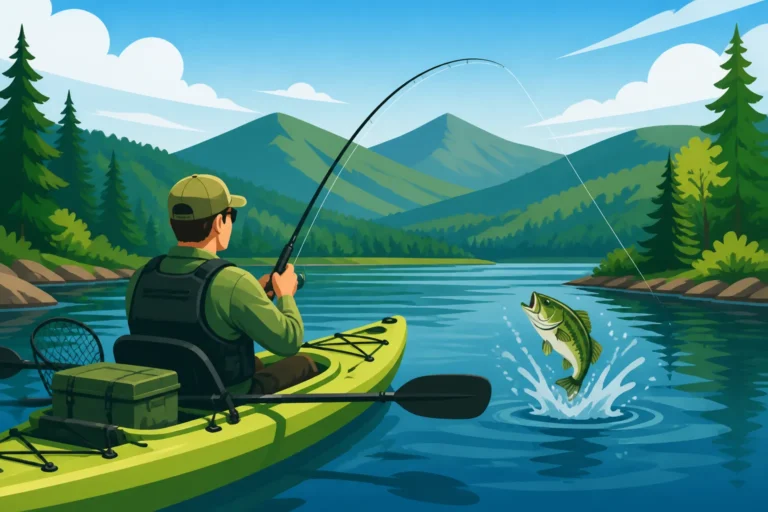
While many ponds near Manchester offer excellent shore access, utilizing a small watercraft like a kayak or canoe can dramatically expand your fishing potential. These maneuverable vessels allow you to reach quieter coves, explore intricate weed lines, and access areas that are simply out of reach for bank anglers. This often means discovering untouched pockets where fish feel safer and are less pressured.
Many state parks, including Emerald Lake and Lake Shaftsbury, are highly accommodating to these small boats, sometimes even offering rentals on-site, which is incredibly convenient if you're traveling light. Before launching, always ensure you have all the necessary safety equipment, especially a personal flotation device for every occupant. It's also wise to familiarize yourself with Vermont Boating Laws for Anglers to ensure a safe and compliant outing. If you're considering purchasing your own paddle craft, our guide to the Best Kayaks for Vermont Fishing can help you choose the perfect model for Vermont's diverse waters. The ability to silently glide across the water and present your bait or lure precisely in prime fish habitat is an undeniable advantage that a kayak or canoe provides.
Navigating Regulations and Conservation in Vermont Ponds
Part of being a responsible and successful angler in Vermont means understanding and adhering to the state's fishing regulations and practicing good conservation habits. These rules are in place to protect fish populations, ensure fair access for everyone, and preserve Vermont's natural resources for future generations.
Understanding Your Fishing License
Before you even think about casting a line into any Vermont pond, the absolute first step is to ensure you possess a valid Vermont fishing license. This isn't just a formality; it's a legal requirement for most anglers. Whether you're a long-time Vermont resident, visiting from out of state, or just passing through for a day, the appropriate permit is essential. The Vermont Fish and Wildlife Department offers various license options, including annual licenses for residents and non-residents, as well as shorter-term permits like 3-day or 7-day non-resident options, which are perfect for vacationers.
It's crucial to verify the specific requirements, especially concerning age exemptions. While children under a certain age might be exempt from needing a license, it's always best to check the current regulations to avoid any misunderstandings. Purchasing a license is straightforward; you can typically do so online through the official Vermont Fish and Wildlife Department website or at authorized vendors located throughout the state, including many sporting goods stores and town clerks' offices. For a truly exhaustive explanation of all your options and how to obtain them, our comprehensive Vermont Fishing License Guide for 2026 is an indispensable resource.
Species-Specific Regulations
Beyond simply having a license, Vermont enforces specific regulations that vary by fish species and, in some cases, by the particular body of water you're fishing. These rules cover critical aspects such as minimum length limits (the smallest size of a fish you can legally keep), daily creel limits (the maximum number of fish of a certain species you can keep in a single day), and possession limits (the maximum number of fish you can have in your possession at any given time, including at home).
For example, bass often have a specific "catch-and-release" season before the regular harvest season opens, allowing them to spawn undisturbed. Trout regulations can differ between stocked waters and wild trout streams. It is absolutely essential to consult the most current official Vermont Fishing Guide booklet, which is updated annually and available online or at license vendors. This guide will detail all the nuances for species like bass, trout, pickerel, and panfish in different waters across the state. Ignorance of these rules is not considered a valid excuse, and fishing without the proper license or violating species-specific regulations can lead to significant penalties, including hefty fines and confiscation of gear. It’s important to understand the overall Vermont Fishing Regulations Explained to ensure you're compliant.
Conservation and Best Practices
As anglers, we are stewards of the natural environment, and practicing good conservation is paramount to preserving Vermont's beautiful fishing resources. This means being mindful of your impact and adopting practices that ensure healthy fish populations and pristine waterways for future generations to enjoy.
If you plan to practice catch and release, which is encouraged for many species, handle fish with the utmost care. Always wet your hands before touching a fish to protect its protective slime coat, minimize its time out of the water, and use needle-nose pliers or a de-hooking tool to remove hooks quickly and efficiently. Consider using barbless hooks, as they cause less damage and are easier to remove. Always dispose of all trash properly, especially fishing line, which can be deadly to wildlife. Furthermore, respect private property and always leave any fishing access area cleaner than you found it. By adhering to these simple yet crucial guidelines, we contribute positively to the sustainability of Vermont's cherished fishing ponds. When planning your fishing excursions, platforms like FishingBooker can also be a valuable resource for finding local guides who often share best practices for ethical fishing and provide insights into local conservation efforts, helping you fish responsibly.
Disclaimer
Please remember that fishing regulations and conditions can change. Always consult the latest official Vermont Fish and Wildlife Department regulations before you head out to any body of water. This guide is for informational purposes and should not be considered a substitute for official state publications.