Best trout streams open to fly fishing only
Navigating the myriad of fishing regulations in Vermont can feel like trying to untangle a stubbornly knotted fly line, especially when you’re seeking those truly special waters designated for fly fishing only. Many anglers yearn for the peace and challenge these pristine streams offer, but finding them and understanding their unique rules can be a real hurdle. This guide is here to untangle those knots, leading you to Vermont’s best fly-fishing-only trout streams and equipping you with the knowledge to enjoy them responsibly.
Understanding Vermont's Fly Fishing Only Regulations
Vermont is a treasure trove for anglers, and a handful of its most cherished trout waters are set aside with "fly fishing only" designations. These aren't just arbitrary rules; they're thoughtfully crafted regulations designed to protect fragile trout populations, enhance the fishing experience, and often foster a catch-and-release ethic for larger, wilder fish.
What "Fly Fishing Only" Really Means
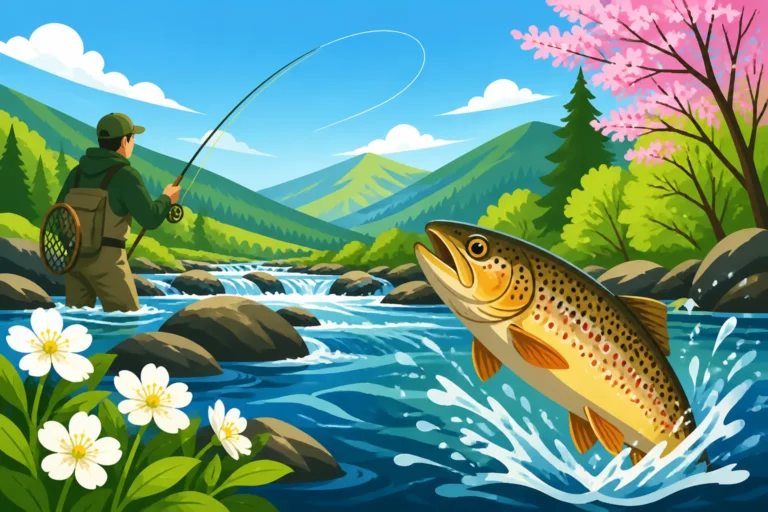
When you see a sign or read in the official regulations that a section of river is "fly fishing only," it means exactly that: you can only use artificial flies presented with a fly rod and fly line. Forget the spinning gear, the worms, the power bait, or even the lures. This restriction is fundamentally about imitating natural insect life, requiring a certain skill set and promoting a more intimate connection with the aquatic environment.
Typically, these special regulations also come with other conditions. Most commonly, you'll find:
- Artificial Flies Only: This means no bait of any kind. Your offerings must be tied materials designed to imitate insects or small baitfish.
- Single Hook: Often, flies must be tied on a single hook, rather than a treble, to minimize harm to fish.
- Catch and Release: Many fly-fishing-only sections are also designated as catch-and-release waters. This means that every fish you catch must be carefully unhooked and returned to the water unharmed. This is crucial for maintaining healthy populations, especially of larger, wilder trout that are highly prized.
- Barbless Hooks: To further aid in the safe release of fish, barbless hooks are frequently required or strongly encouraged. Pinching down the barb on your existing hooks is an easy way to comply and significantly reduce stress on the fish.
The "why" behind these rules is simple: conservation. By limiting pressure and promoting careful handling, these sections often become sanctuaries for larger, wilder trout, offering a challenging yet incredibly rewarding experience for the dedicated fly angler. These areas might also have different Vermont Trout Season and Stocking Rules compared to general regulation waters.
Identifying Fly Fishing Only Sections
Finding these special waters requires a bit of homework, but it's well worth the effort. The most definitive source for all fishing regulations in Vermont is the official Vermont Fish and Wildlife Department's Fishing Regulations Guide. You can usually pick up a physical copy wherever you buy your fishing license, or you can find the most up-to-date version on their website. I can't stress enough how important it is to Read the Vermont Fishing Regulations Guide every year, as rules can change.
Here’s how to pinpoint those prime spots:
- Official Regulations Guide: Look for sections specifically detailing "Special Regulations" or "Trout Management Waters." These sections will explicitly list rivers or river segments that are fly fishing only, along with any other pertinent rules like catch-and-release requirements, length limits, or specific open seasons.
- Signs on the Water: While the guide is your primary source, keep an eye out for official signage when you arrive at a river. These signs are usually posted at access points or where special regulations begin and end, acting as a clear reminder of the rules in effect.
- Local Fly Shops: These establishments are goldmines of information. The folks working there live and breathe fly fishing, and they can tell you not only where the fly-fishing-only sections are but also give you real-time reports on conditions, hatches, and recommended flies.
- Online Resources: Many fishing forums, state park websites, and fishing advocacy groups will also highlight these special waters. Just always double-check any information against the official Vermont Fish and Wildlife regulations to ensure accuracy.
Misunderstanding or ignoring these regulations can lead to serious fines, so always err on the side of caution and ensure you're fully compliant before casting your line.
Premier Fly Fishing Only Streams in Vermont
While Vermont boasts countless incredible fishing opportunities, a few rivers stand out for their dedicated fly-fishing-only sections, offering truly exceptional experiences for those who appreciate the art and challenge of the long rod.
The Battenkill River's Legendary Waters
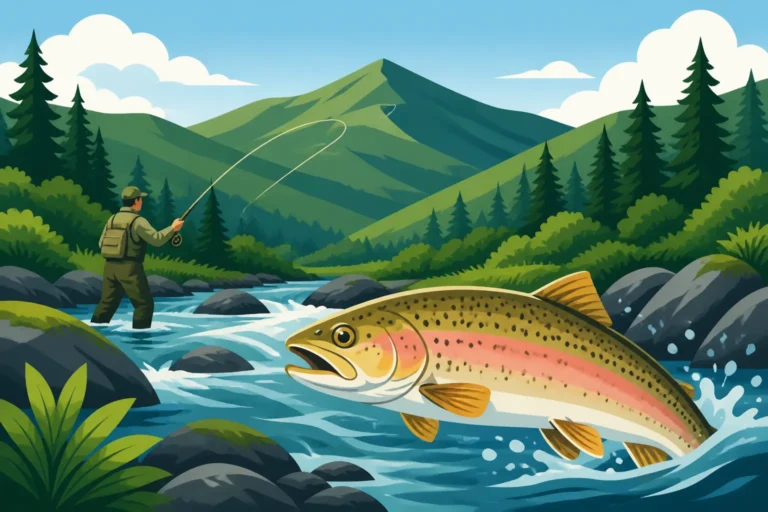
When you talk about fly fishing in Vermont, the Battenkill River almost always comes up first. This iconic river, flowing through southwestern Vermont and into New York, is renowned for its wild brown and brook trout, and its crystal-clear, challenging waters. The Vermont section of the Battenkill holds several stretches designated for special fly-fishing-only, catch-and-release regulations.
The most famous section of the Battenkill for fly fishing only is often found around Arlington and West Arlington. Here, the river meanders through picturesque valleys, offering a mix of riffles, runs, and deep pools that hold some incredibly wary fish. The trout in the Battenkill are notoriously "educated" – they've seen every fly and every presentation imaginable, making landing one a true accomplishment.
- Species: Primarily wild brown trout, with a healthy population of native brook trout in its colder tributaries. You might also encounter a rainbow trout now and then, though they are less common in the primary fly-fishing-only sections.
- Best Times: Spring and fall are generally considered prime. Spring brings prolific insect hatches, from Hendricksons to Green Drakes, while fall offers cooler temperatures and aggressive fish preparing for winter. Summer can be good, especially during morning and evening hatches, but low, clear water and warmer temperatures can make fishing very difficult and stressful on the fish.
- Recommended Flies: A versatile fly box is key. For nymphs, think Pheasant Tails, Hare's Ears, and Prince Nymphs. Dry flies like Adams, Caddis, and Sulphurs are staples. Streamers, especially Sculpins and Woolly Buggers, can entice larger browns.
- Challenges: The Battenkill's trout are notoriously spooky. Long leaders, delicate presentations, and stealthy wading are paramount. Understanding the river's currents and structure is also critical. Many anglers consider a day on the Battenkill a masterclass in finesse. For more specific details on this incredible fishery, check out our guide on Battenkill River Trout Fishing.
Other Notable Fly Fishing Only or Special Regulation Areas
While the Battenkill often steals the spotlight, Vermont is home to other fantastic waters with special regulations that cater to the fly angler. These waters might be fully fly-fishing-only, or they might have specific catch-and-release sections or gear restrictions that make them appealing to the dedicated fly fisher.
- Some White River Tributaries: The White River system in central Vermont is vast and diverse. While much of the main stem is open to general regulations, many of its smaller, colder tributaries, especially those in more remote areas, benefit from special protections. Some specific stretches may be designated for catch-and-release or fly-fishing-only to protect wild brook trout populations. These often provide a more intimate, "high-sticking" nymphing or small dry fly experience in tight quarters.
- Lamoille River Sections: While not as famous for fly fishing only as the Battenkill, certain sections of the Lamoille River and its feeder streams are managed for wild trout and may have specific restrictions that favor fly anglers. The Lamoille can hold good numbers of brown and rainbow trout, and its diverse structure provides ample habitat. Always consult the regulations for current details.
- Trophy Trout Waters: Vermont also has a Vermont Trophy Trout Program Waters designation in certain lakes and ponds, where larger trout are stocked or managed for trophy size. While not strictly "fly fishing only," these waters often attract fly anglers looking to hook into a substantial fish, and the emphasis on quality often means more delicate approaches are required. Some of these are truly stunning, remote locations, perfect for a peaceful day out.
- Designated Wild Trout Streams: The Vermont Fish and Wildlife Department actively manages numerous streams as "wild trout waters" where native brook trout thrive. While these aren't always fly-fishing-only, the conservation focus and the nature of the wild, stream-bred fish make them ideal for fly angling. These are often smaller, brushier streams where a stealthy approach and accurate casting with small flies are rewarded. Our article on Vermont Catch and Release Fly Fishing Only Waters dives deeper into these unique opportunities.
Before heading out to any of these, remember to meticulously check the current Vermont Fish and Wildlife regulations. Specific stretches, dates, and even the type of fly (e.g., single barbless hook only) can vary significantly.
Essential Gear and Tactics for Fly Fishing Only Waters
Successfully navigating Vermont’s fly-fishing-only waters isn’t just about knowing where to go; it’s about having the right tools and a solid understanding of how to use them, especially when facing wary trout in pristine environments.
Recommended Fly Fishing Gear
Having appropriate gear can make a world of difference, improving both your success rate and your overall enjoyment on the water.
- Fly Rod and Reel: For most trout fishing in Vermont, especially on these smaller to medium-sized rivers, a 3 to 5-weight fly rod, typically 7.5 to 9 feet long, is ideal. A 4-weight is a fantastic all-around choice, offering enough backbone for larger fish while still being delicate enough for smaller streams and accurate presentations. Pair it with a matching fly reel that has a smooth drag system, and load it with a weight-forward floating line. Check out our guide on Best Fly Rods for Vermont Trout Streams for more specific recommendations.
- Line, Leader, and Tippet:
- Fly Line: A good quality weight-forward floating line is standard. The color often matters less than its taper and how it performs in different conditions.
- Leader: For clear, challenging waters like the Battenkill, a long, tapered leader is essential. Think 9 to 12 feet in length, tapering down to a 4x or 5x tippet. This helps to present your fly naturally and reduces the chance of spooking fish with a heavy line.
- Tippet: You’ll typically use 4x, 5x, or even 6x tippet, depending on fly size and water clarity. Having a spool of each is wise. Fluorocarbon tippet is an excellent choice for its low visibility and abrasion resistance, especially when nymphing.
- Fly Selection: Your fly box should be well-stocked with a variety of patterns that imitate the local insect life.
- Dry Flies: Caddis, Adams, Sulphurs, BWOs (Blue-Winged Olives), Tricos, and midges are crucial. Don't forget terrestrial patterns like hoppers, ants, and beetles for summer.
- Nymphs: Pheasant Tails, Hare's Ears, Prince Nymphs, Stoneflies, and various midge patterns are critical subsurface offerings. Having them in different sizes (from 12 to 20) and weighted/unweighted versions is helpful.
- Streamers: Woolly Buggers (black, olive, brown), Sculpins, and Zonkers can often entice larger, predatory trout.
- For a deeper dive into what insects hatch when, and the best patterns to match them, consult our Fly Patterns for Vermont Trout Streams guide.
- Waders and Boots: Breathable chest waders are essential for comfort and access, even in summer, as many trout streams are cold. Pair them with sturdy wading boots that provide good ankle support and grip on slippery rocks. Felt soles offer excellent traction but are often banned in certain areas to prevent the spread of invasive species, so rubber soles are a safer bet across the state. A good Wading Staff for Fast Current can also be a lifesaver.
- Accessories: A quality landing net (rubberized mesh is best for fish safety), nippers, forceps, a strike indicator assortment, and lead-free split shot are all vital. Don't forget polarized sunglasses to spot fish and protect your eyes, and a brimmed hat for sun protection.
Effective Techniques and Conservation Practices
Beyond the gear, how you approach and handle the fish in fly-fishing-only waters is paramount. These streams are managed for quality experiences and healthy fish populations, and responsible angling is key.
- Catch and Release Best Practices: Since many fly-fishing-only sections are also catch-and-release, practicing proper fish handling is non-negotiable.
- Minimize Fight Time: Land the fish as quickly as possible to reduce stress.
- Wet Hands: Always wet your hands before touching a fish to protect its protective slime coat.
- Keep Fish in Water: Keep the fish in the water as much as possible, especially during unhooking and photography.
- Barbless Hooks: Crimp down your barbs to make unhooking easier and faster.
- Careful Release: Gently hold the fish facing upstream in a current until it revives and swims off on its own power.
- Reading the Water: Understanding where trout hold is critical. Look for changes in current speed, structure like rocks, fallen logs, or undercut banks, and deeper pools. Trout will often be found in seams where faster water meets slower water, or in areas with cover where they can ambush prey. This skill develops with practice but is foundational to success.
- Stealth and Presentation: Trout in these managed waters are often very wary.
- Approach Carefully: Move slowly and deliberately, keeping a low profile. Avoid heavy footfalls that send vibrations through the water.
- Accurate Casting: Work on your casting accuracy to hit your target effortlessly without spooking fish with multiple false casts.
- Natural Drift: Achieving a drag-free drift with your dry flies or nymphs is perhaps the most important skill. Any unnatural drag will immediately signal to the trout that your fly isn't real.
- Wading Ethics: Tread lightly, minimize disturbance to the streambed, and be mindful of other anglers. These waters are often shared, and respect for others' experience is part of the tradition. For a deep dive into river navigation, check our article on Wading Techniques for Vermont Trout Streams.
- Hiring a Guide: If you're new to Vermont's fly-fishing-only waters, especially a challenging river like the Battenkill, consider hiring a local guide. They can provide invaluable insights into current conditions, hotspots, specific techniques, and ethical practices. Services like FishingBooker can help you find and connect with experienced fly-fishing guides in the area who specialize in these types of waters. Their expertise can shorten the learning curve immensely. You can also explore general Fly Fishing for Trout in Vermont tactics in more detail.
Planning Your Fly Fishing Adventure
A successful fly fishing trip to Vermont’s special regulation waters requires more than just gear; it involves careful planning, understanding access, and leveraging local knowledge to make the most of your time on the water.
Navigating Access and Seasons
Knowing when and where you can legally access these coveted streams is paramount to a successful and enjoyable trip.
- Public Access vs. Private Land: While many rivers in Vermont have public fishing access, it's vital to respect private property boundaries. Always look for designated public fishing access points, parking areas, or state-managed lands. Using apps or maps that show property lines can be incredibly helpful. If in doubt, assume it's private and seek explicit permission before stepping onto the land.
- Best Times of Year:
- Spring (April-May): Often considered prime time, especially after trout opener. High water levels from snowmelt can make wading tricky, but prolific hatches like Hendricksons and Caddis make for exciting dry fly action as water temperatures rise.
- Summer (June-August): Challenging due to lower, clearer, and warmer water. Early mornings and late evenings are best. Focus on terrestrials (hoppers, ants, beetles) and tiny midge or Trico patterns. Be mindful of water temperatures; if they exceed 68°F, consider giving the trout a break to avoid unnecessary stress.
- Fall (September-October): Another fantastic season. Cooler temperatures revitalize the fish, and the vibrant foliage provides a stunning backdrop. Streamers can be very effective as fish become more aggressive, preparing for winter.
- Licensing: Before you even think about putting a fly on the water, you'll need a valid Vermont fishing license. These are mandatory for anyone 15 years or older. You can purchase them online through the Vermont Fish and Wildlife Department website, or at authorized agents (like bait and tackle shops, general stores) throughout the state. Don't forget to check out our comprehensive Vermont Fishing License Guide for 2026 for all the details.
- Current Conditions: Always check local weather and river conditions before heading out. High water from heavy rains can make fishing unsafe and unproductive, while extremely low water can concentrate fish and make them even more wary. The Vermont Fish and Wildlife Department often provides river flow data, and many local fly shops offer up-to-date reports.
Local Knowledge and Resources
Even with all the regulations and maps, nothing beats good old-fashioned local knowledge. It can transform a frustrating day into an unforgettable one.
- Local Fly Shops: These aren't just places to buy flies and gear; they are community hubs and invaluable sources of information. Shops like the Orvis Flagship Store in Manchester, Vermont, near the Battenkill, or smaller independent outfitters across the state, employ passionate anglers who often spend their free time on these very streams. They can tell you:
- What flies are working right now.
- Where the best access points are.
- Which sections are holding fish.
- Updates on water levels and clarity.
- Crucially, they can also alert you to any temporary closures or specific local advisories.
- Hiring a Guide: For truly specialized insights into fly-fishing-only waters, especially if it's your first time or you're targeting a specific species or technique, a local guide is an excellent investment. They know the subtle nuances of each pool and riffle, the habits of the fish, and the most effective presentations. Many guides also focus on teaching ethical angling and conservation. Platforms like FishingBooker are a great way to discover reputable local fly fishing guides in Vermont, allowing you to compare options and book an experience tailored to your skill level and target species. They offer expertise not easily gained otherwise, providing shortcuts to success and enjoyment.
- Online Communities and Forums: While always cross-referencing with official sources, online fly-fishing forums dedicated to Vermont can be a great place to connect with other anglers, share experiences, and gather tips. Just remember that specific "honey holes" are often kept secret for good reason.
- Exploring Beyond the Obvious: While this guide focuses on named fly-fishing-only waters, many of Vermont's smaller, wilder streams, even those under general regulations, offer incredible fly-fishing experiences, especially for native brook trout. Our general guide to the Best Fly Fishing Rivers in Vermont can offer additional inspiration.
By combining thorough preparation with a willingness to learn from local experts, your Vermont fly-fishing-only adventure is sure to be rewarding.
| Stream Section (Example) | Primary Species | Key Regulation | Best Seasons | Special Considerations |
|---|---|---|---|---|
| Battenkill River (Arlington/West Arlington) | Wild Brown Trout | Fly Fishing Only, Catch & Release, Single Barbless Hook | Spring, Fall | Highly educated, spooky fish; delicate presentation required |
| White River Tributaries (Select Sections) | Wild Brook Trout | Often Catch & Release, sometimes Fly Fishing Only | Spring, Early Summer, Fall | Smaller, tighter water; stealth and accurate casts crucial |
| Lamoille River (Select Sections) | Brown, Rainbow Trout | Varies; check regulations for C&R or FFO | Spring, Fall | Diverse structure, may require longer walks for access |
| Trophy Trout Ponds (Various) | Stocked Trout (Trophy Size) | General rules, but often popular with fly anglers | Spring, Fall | Focus on larger patterns or realistic imitations; boats/kayaks helpful |
Disclaimer
The information provided in this guide is for general informational purposes only and is subject to change. Fishing regulations, season dates, and specific rules for "fly fishing only" waters in Vermont are established by the Vermont Fish and Wildlife Department and can be updated annually. It is the responsibility of every angler to consult the most current official Vermont Fishing Regulations Guide before engaging in any fishing activity. Failure to comply with regulations may result in penalties. Always prioritize safety and practice ethical angling and conservation principles.