Best trout streams near Stowe Vermont
There’s nothing quite like the crisp air and the sound of rushing water as you cast your line into a pristine stream, hoping for that tell-tale tug from a feisty trout. If you're staying in Stowe, Vermont, and dreaming of exactly this, it can sometimes feel daunting to know which of the countless waterways actually hold fish and where to even begin. This comprehensive guide will cut through the guesswork, directing you to the best trout streams near Stowe and arming you with the knowledge to make your fishing trip unforgettable.
Why Stowe is a Trout Angler's Paradise
Stowe, nestled in the heart of the Green Mountains, isn't just a skiing and hiking destination; it's a hidden gem for trout anglers. The unique geography of the region, with its spring-fed streams cascading down mountain slopes and eventually feeding into larger river systems, creates an ideal habitat for several species of trout. This area experiences distinct seasons, each offering different challenges and rewards for the dedicated angler.
The Unique Ecology of Vermont Streams
Vermont's waterways are characterized by their clean, cold, and well-oxygenated conditions, essential for healthy trout populations. The stream beds often consist of a mix of gravel, rock, and sandy pockets, providing ample spawning grounds and insect habitats. Lush riparian zones, full of native trees and shrubs, offer crucial shade, regulating water temperatures throughout the warmer months. These ecological factors combine to create vibrant ecosystems where trout can thrive, making every bend in the river a potential hotspot. The rich insect life, from various caddis and mayfly species to stoneflies, ensures a consistent food supply, which in turn means healthy, active fish.
Species You'll Encounter Near Stowe
When you venture out to the streams around Stowe, you’re primarily targeting three species of trout:
- Brook Trout: Vermont's native trout and state fish, brook trout (or "brookies") are often found in the colder, smaller headwater streams and tributaries. They're prized for their vibrant colors and feisty fight, though they rarely grow to large sizes in these smaller waters. Catching a wild brook trout in a remote mountain stream is a quintessential Vermont experience.
- Brown Trout: Known for their resilience and ability to grow to larger sizes, brown trout are often found in the larger rivers and can tolerate slightly warmer water than brook trout. They're typically more wary, offering a rewarding challenge to anglers who can master their elusive nature. You'll find a mix of wild and stocked brown trout in the region.
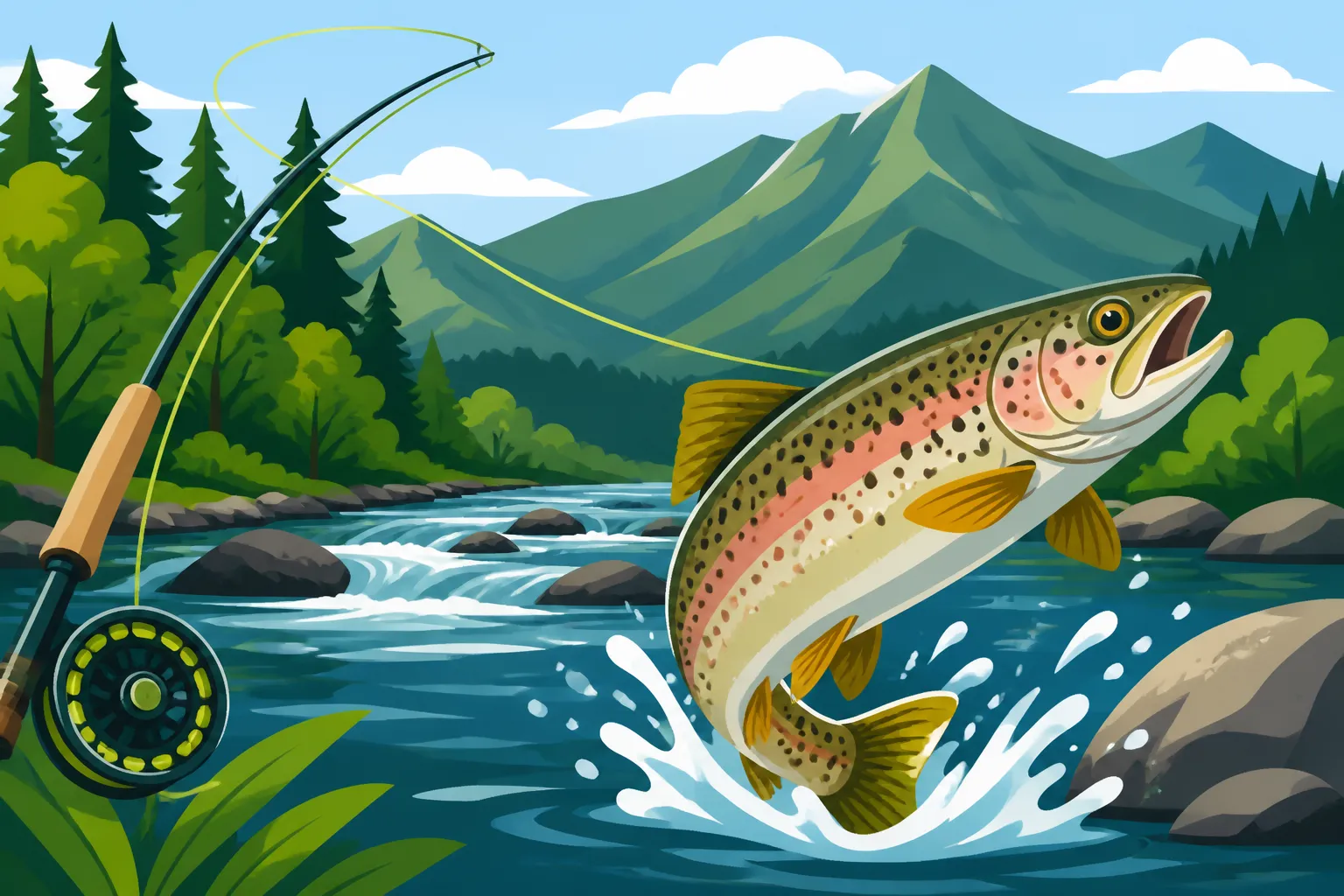
- Rainbow Trout: These acrobatic fighters are a favorite among many anglers. Often stocked, especially in easily accessible waters, rainbow trout provide consistent action and are known for their thrilling jumps once hooked. They adapt well to various stream conditions and can be found alongside browns in many of the larger tributaries.
Understanding these species and their preferred habitats will significantly increase your chances of a successful outing. Different times of year and varying water conditions will also influence which species are most active, so always keep an eye on local reports.
Top Trout Streams Accessible from Stowe
Now for the exciting part – where to actually go! The Stowe area is blessed with several fantastic options, from larger, more accessible rivers to intimate, wilder mountain brooks.
The Lamoille River System
The Lamoille River is perhaps the most prominent waterway in the vicinity of Stowe, offering diverse fishing opportunities. Flowing west from its headwaters, it winds through scenic valleys and past charming towns. While the Lamoille is known for its incredible smallmouth bass fishing in certain sections, its upper and middle reaches, particularly those closer to the mountains, hold a healthy population of brown and rainbow trout.
The sections upstream of Morrisville and Johnson tend to be excellent, with a mix of riffles, runs, and deeper pools. Access can be found at various public access points, bridges, and along state land. Fly anglers will find success with nymphing techniques, especially during colder months or higher water, while spinners and small crankbaits work well for those preferring conventional gear. The river's size means you can spread out, finding your own peaceful stretch. Just remember that parts of the Lamoille are wide and deep, making wading challenging in some areas. Consider reading up on Wading Techniques for Vermont Trout Streams before you head out, especially if you plan to venture into deeper sections.
The Little River
Directly south of Stowe, the Little River lives up to its name in some sections but offers fantastic fishing. It eventually flows into the Waterbury Reservoir, but its upstream sections, particularly as it winds through Smugglers Notch State Park and before it hits the reservoir, are prime trout habitat. This river often features a steeper gradient, creating numerous pockets, plunge pools, and short, fast riffles that are ideal for holdover trout and stocked fish.
The accessibility along Route 100 provides many pull-offs, making it relatively easy to find a spot. However, don't be afraid to hike a little to get away from the road noise and find less-pressured fish. The Little River is particularly popular for spring trout fishing, shortly after the annual stockings. Small inline spinners, worms, or drifting nymphs and wet flies are all effective here. It's a fantastic spot for a more intimate stream fishing experience, surrounded by the stunning Green Mountain scenery.
Small Mountain Brooks and Tributaries
Beyond the main rivers, the real magic for many lies in the countless smaller, unnamed (or lesser-known) mountain brooks and tributaries that feed into the larger systems. These are the domains of the wild brook trout. You won't find trophy-sized fish here, but the thrill of catching a vividly colored brook trout, often just 6-10 inches long, in a pristine, untouched setting is unparalleled.
Access to these streams often requires a bit of bushwhacking or consulting maps for state forest land and easements. Look for streams marked on topographical maps that show steep gradients and dense forest cover. These waters are often sheltered by thick canopy, keeping them remarkably cold even on hot summer days. Ultra-light spinning gear with tiny spinners or small worms, or a light fly rod with dry flies like an Elk Hair Caddis or stimulator, are perfect for these tight quarters. Just be sure to check the Green Mountain Trout Stream Access rules, as some areas may have specific regulations. These small streams can offer incredible solitude and a true wilderness fishing experience.
Essential Tips for Fishing Stowe Area Streams
Fishing in the Green Mountains requires a bit of preparation and respect for the environment. Here are some key tips to enhance your experience.
Choosing the Right Gear and Tackle
Your gear choice will heavily depend on the type of stream you plan to fish. For the larger Lamoille River, a 6-7 weight fly rod or a medium-light spinning rod is appropriate. You'll want a longer rod for better line control and casting distance. For the Little River and smaller brooks, a lighter setup is key. A 3-5 weight fly rod or an ultra-light spinning rod will be more enjoyable and effective.
When it comes to terminal tackle, pack a variety. For fly fishing, bring a selection of nymphs (e.g., Pheasant Tail, Hare's Ear), dry flies (e.g., Adams, Caddis), and perhaps some small streamers. For spin fishing, small inline spinners (Mepps, Panther Martin, Rooster Tail) in sizes #0-2, small spoons, and even a few tiny crankbaits are excellent choices. Don't forget extra leader material, split shot, and strike indicators. A good pair of waders and wading boots is also highly recommended, as they offer warmth and crucial traction on slippery rocks. Check out our guide on the Best Gear for Vermont Trout Fishing for more detailed recommendations.
Reading the Water and Weather
Understanding how to "read" the water is fundamental to successful trout fishing. Trout are constantly seeking three things: food, cover, and favorable water conditions (temperature, oxygenation). Look for seams where faster water meets slower water, behind large rocks, under cut banks, or in deeper pools and riffles. These are prime holding lies where trout can conserve energy and ambush prey.
Weather plays a significant role in trout activity. Overcast days or periods of light rain can often trigger feeding frenzies, as insects become more active and fish feel more secure. Bright, sunny days might push trout into deeper, shaded areas. Always check the forecast before you go, and be prepared for sudden changes in mountain weather. Water temperature is also critical; trout are cold-water species, so pay attention to stream temperatures, especially in summer.
Respecting Private Property and Access
Vermont has a unique approach to stream access. While many larger rivers are considered public waterways, the land along the banks is often privately owned. Always be mindful of "No Trespassing" signs and private property boundaries. Stick to designated public access points, fishing access areas managed by the Vermont Fish and Wildlife Department, or areas where you have explicit permission.
Many anglers find guides through services like FishingBooker, which can not only lead them to productive spots but also ensure they are fishing legally and respectfully. If you’re unsure, it’s always better to err on the side of caution. Good relationships with landowners are crucial for maintaining access for future generations of anglers. It’s also wise to research Vermont Fishing Regulations Explained thoroughly before your trip to ensure compliance with all local laws and access rules.
Maximizing Your Trout Fishing Experience in Stowe
Beyond just knowing where to go, a few extra considerations can elevate your Stowe trout fishing adventure.
Understanding Vermont's Trout Regulations
Vermont’s fishing regulations are designed to protect fish populations and ensure sustainable angling for everyone. These rules can vary by water body, species, and season. For instance, the general trout season typically opens in April, but some waters might have different start or end dates, or special regulations like catch-and-release only.
Always consult the latest Vermont Fish and Wildlife fishing guide, which is updated annually. Pay close attention to daily limits, minimum length requirements, and bait restrictions. Some streams, especially smaller, wilder ones, might be designated as "trophy trout" waters or "fly fishing only" areas. Knowing these specifics, as detailed in our comprehensive Vermont Trout Season and Stocking Rules guide, is not just about avoiding fines; it's about being a responsible angler and contributing to the health of the fishery. Before you even think about casting, ensure you have a valid Vermont Fishing License Guide for 2026 – it's a non-negotiable requirement for anglers aged 15 and older.
Planning for Different Seasons
The Stowe area offers excellent trout fishing opportunities throughout spring, summer, and fall, each with its own charm and challenges.
Spring: The Opening Day Excitement
Spring is often when many anglers get the itch, especially around Vermont's trout opening day, typically the second Saturday in April. This is when waters are often high and cold from snowmelt, and stocked fish are abundant. Targeting deeper pools and slower runs is usually productive. Bait (like worms or PowerBait), small spinners, and weighted nymphs are very effective. The energy around opening day is palpable, and it’s a great time to be on the water. Check out Spring Trout Fishing Techniques for Vermont Streams for more specific advice on tackling these early-season conditions.
Summer: Early Mornings and High-Country Escapes
As summer progresses and water temperatures rise, trout can become less active during the heat of the day. This is when early mornings and late evenings become prime time, and seeking out shaded sections or the colder headwaters of mountain streams (where brook trout thrive) becomes crucial. Dry fly fishing can be exceptional during summer hatches, offering some of the most visually exciting fishing experiences. Many anglers turn to more remote, higher-elevation streams to find consistently cold water.
Fall: Trophy Potential and Beautiful Scenery
Fall can be a truly spectacular time to fish for trout in Vermont. As temperatures cool and the leaves change, trout often become more active, feeding heavily in preparation for winter and the spawning season. Brown trout, in particular, become very aggressive, offering a chance at larger fish. Streamers and larger nymphs are often effective during this period. The vibrant foliage reflecting on the water only adds to the magic of a fall fishing trip in the Stowe area.
Engaging with Local Resources
One of the best ways to improve your success and understanding of the local waters is to tap into local knowledge. Local tackle shops in towns like Stowe or Morrisville are invaluable resources. Shop staff can provide up-to-the-minute information on water levels, recent stocking efforts, and effective patterns or lures. They might even point you to less-pressured spots or offer advice on specific stretches of river.
Consider hiring a local fishing guide, especially if you're new to the area or want to learn specific techniques like fly fishing. Guides not only know the prime locations but also understand the nuances of the local fish behavior and entomology. Platforms like FishingBooker are excellent for finding reputable guides in the region who can tailor a trip to your experience level and target species. They can also provide a deeper understanding of Vermont's Labor Day Mentored Fishing Weekend if you're interested in introducing someone new to the sport.
Trout Stream Angler's Quick Reference
Here’s a quick overview to help you differentiate the main streams near Stowe:
| Feature | Lamoille River (near Stowe) | Little River (near Stowe) | Small Mountain Brooks |
|---|---|---|---|
| Primary Species | Brown Trout, Rainbow Trout, Smallmouth Bass (lower sections) | Brown Trout, Rainbow Trout, Brook Trout | Wild Brook Trout |
| Typical Size | Medium to Large (wider, deeper) | Small to Medium (more intimate, pocket water) | Very Small (narrow, shallow) |
| Access | Numerous public access points, bridges, some wading | Roadside pull-offs, state park access, hiking | Often requires bushwhacking, remote hikes |
| Best Techniques | Nymphing, Spinners, Small Crankbaits, Streamers | Small Spinners, Worms, Dry Flies, Nymphs | Ultra-light Spinners, Small Dry Flies, Worms |
| Wading Difficulty | Moderate to Challenging (can be swift and deep) | Easy to Moderate (manageable currents) | Easy (can be slippery, tight cover) |
| Crowd Level | Moderate (can find solitude) | Moderate (especially near popular spots) | Low (high solitude potential) |
This table provides a general comparison, but remember that conditions and fish activity can change rapidly based on weather and time of year. Always be prepared to adapt your approach!
Fishing for trout near Stowe, Vermont, is more than just catching fish; it's an immersive experience in one of the most beautiful natural settings in the Northeast. With these insights, you're well on your way to discovering your own favorite stretches of trout water and creating lasting memories. Whether you're a seasoned fly angler or just starting out with a spinning rod, the clear, cold waters of the Green Mountains are waiting for you.
Disclaimer
The information provided in this guide is for general informational purposes only and does not constitute legal advice. Fishing regulations in Vermont are subject to change, and it is the angler's responsibility to consult the most current Vermont Fish and Wildlife Department regulations before engaging in any fishing activities. Always prioritize safety and adherence to all local and state laws.