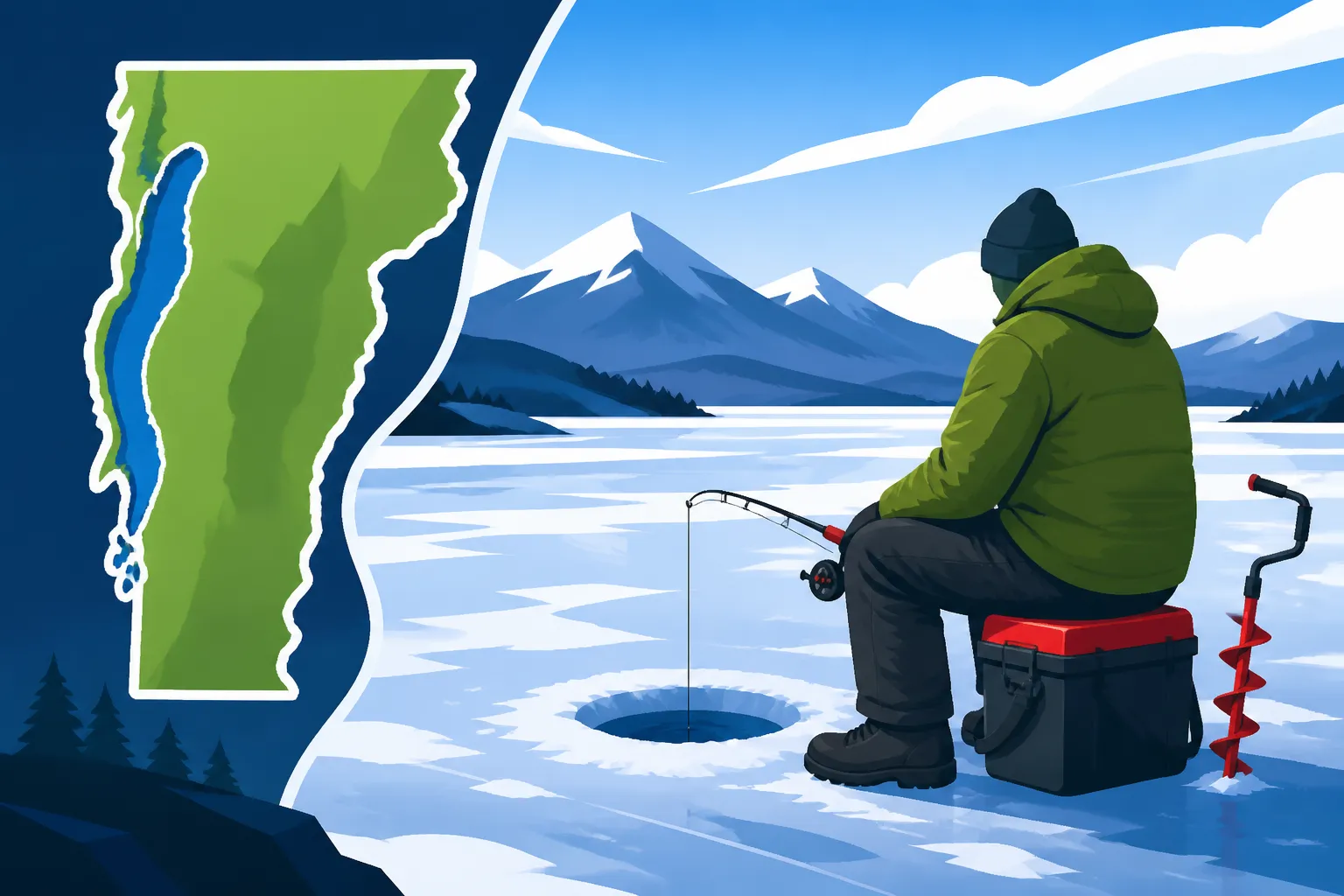
Best ice fishing access on Lake Champlain
Oh, the allure of Lake Champlain in winter! It's a truly spectacular sight, especially when blanketed in ice, drawing in anglers eager to drop a line through the frozen surface. But let's be real, finding the best and, more importantly, the safest ice fishing access on such a vast body of water can feel like a daunting task, riddled with unknowns about ice thickness, parking, and where the fish are actually biting. This comprehensive guide is here to cut through that confusion, giving you the inside scoop on reliable access points and crucial tips to make your Lake Champlain ice fishing adventure a success.
Understanding Lake Champlain's Ice Fishing Landscape
Lake Champlain isn't just a lake; it's practically an inland sea, stretching over 120 miles long and boasting an incredible variety of depths, structures, and currents. This immense scale means that ice conditions, target species, and even the "best" access points can vary wildly from one end of the lake to the other. You wouldn't approach fishing the shallow, sheltered bays of the Northeast Kingdom the same way you'd tackle the deep, often turbulent main lake near Burlington. Understanding this diversity is the first step to a successful and safe ice fishing season.
The Sheer Scale and Diversity
Think about it: Lake Champlain touches three states/provinces (Vermont, New York, and Quebec), and its sheer size means it doesn't freeze uniformly. Some years, the main lake might not even freeze solid, while shallower, more protected bays and arms will be locked up tight for months. This is why local knowledge and up-to-the-minute reports are absolutely invaluable. Areas like Missisquoi Bay in the north are often among the first to freeze and offer consistently good ice, attracting early-season panfish and pike anglers. Conversely, the deep, open waters often remain slushy or open well into winter, making access incredibly tricky and dangerous.
You'll find everything from shallow weed beds perfect for targeting northern pike and panfish, to deep, rocky structures holding lake trout and walleye. The sheer variety means you can tailor your trip to your preferred species, but it also means you need to be strategic about where you set up. Some spots might be a short walk from the car, while others require a snowmobile or ATV to reach the prime fishing grounds. It’s all part of the adventure, but it’s an adventure that demands preparation and respect for the environment.
Safety Considerations for Ice Anglers
Before we even talk about where to drop a line, let's hammer home the most critical point: ice safety is paramount. Lake Champlain's currents, natural springs, and even prevailing winds can create highly unpredictable ice conditions, sometimes within just a few feet. What looks solid one day can be dangerously thin the next. Always, always check local ice reports from bait shops, online forums, and the Vermont Fish & Wildlife Department before you head out. Never assume the ice is safe just because others are out there.
A minimum of four inches of clear, solid ice is generally recommended for walking, and more for groups or snowmobiles. But even that isn't a guarantee on a lake like Champlain. Always carry safety gear: ice picks, a spud bar (to check ice thickness ahead of you), rope, and a whistle. Wear a float suit or at least a PFD. Go with a buddy, share your plans with someone on shore, and avoid areas with current, pressure ridges (where ice sheets buckle), or discolored ice. The excitement of catching fish is never worth risking your life. For up-to-date details on safe practices, you can also check out our guide on How thick ice needs to be for Vermont anglers to walk on it.
Prime Access Points for Lake Champlain Ice Fishing
Now that we've covered the crucial safety aspects, let's dive into some of the most popular and reliable ice fishing access points on Lake Champlain. Remember, "best" is subjective and depends on what you're targeting and current ice conditions.
Southern Lake Champlain Access (Whitehall/Poultney Area)
The southern reaches of Lake Champlain, particularly around the towns of Fair Haven and Benson, offer excellent access and often see solid ice earlier in the season due to shallower, more protected waters. This area is less impacted by the deep, strong currents of the central lake.
- Chipman Point (Orwell): Located on the eastern shore, Chipman Point provides a good boat launch in open water, which becomes a popular ice access point in winter. The surrounding waters are known for northern pike, yellow perch, and occasional walleye. Parking is usually adequate, but can fill up quickly on busy weekends. This spot is great for those who prefer to set up tip-ups for pike or jig for perch. The bay area can hold good numbers of panfish.
- Wright's Ferry (Whitehall, NY, but accessible from Vermont side): While technically in New York, many Vermont anglers access this southern tip of the lake via nearby Vermont towns. The area around Wright's Ferry offers relatively shallow, protected waters, making it a hotspot for panfish, pike, and even some largemouth bass. Access is often straightforward from the shore. The ice here often forms consistently, making it a good early-season option.
- Poultney River Mouth: The confluence of the Poultney River with Lake Champlain can be a productive area, particularly for yellow perch and pike that congregate near the river channel. Access usually involves finding a suitable spot along the shore near the river mouth, often requiring a bit of a walk. Be mindful of potential currents near the river mouth which can affect ice thickness.
Anglers in this region often find success with dead bait on tip-ups for pike, small jigging spoons tipped with a maggot or wax worm for perch, and even smaller swimbaits for bass in the shallower areas. For those looking for local expertise, many guides on FishingBooker specialize in this fertile southern end of the lake during the hardwater season.
Central Lake Champlain Access (Burlington/Shelburne/Port Henry Area)
This central section, encompassing Burlington, Shelburne, and extending south towards Port Henry (NY), presents a different challenge. The main lake here is deep and wide, and it often takes significant cold spells to form safe ice. However, within this vastness are several bays and coves that reliably freeze and offer fantastic fishing.
- Shelburne Bay (Shelburne): A perennial favorite, Shelburne Bay is one of the most popular ice fishing destinations on Lake Champlain. It's relatively protected, freezes reliably, and offers excellent opportunities for yellow perch, northern pike, and occasional walleye. There are multiple access points along the bay, with plenty of parking, often including plowed areas. You'll find a lively "ice village" atmosphere here on good weekends, with shanties dotting the ice. Bait shops are conveniently located nearby, making it easy to grab supplies. It's an ideal spot for families or those newer to ice fishing, offering both accessibility and diverse species.
- Malletts Bay (Colchester/Milton): Just north of Burlington, Malletts Bay is another large, somewhat protected bay known for its varied fishing opportunities. Similar to Shelburne Bay, it offers good access for northern pike, perch, and even some lake trout in the deeper sections. The bay has several public access points, including state park access areas, which are often plowed. The sheer size of Malletts Bay means you can find quieter spots away from the crowds if you're willing to walk or snowmobile a bit further. Fishing for Lake Champlain Walleye Fishing can be productive here, especially at dusk and dawn.
- Colchester Point (Colchester): Offering access to both Malletts Bay and some of the more open waters near the Winooski River mouth, Colchester Point is a strategic access spot. It's often used by anglers targeting a wider range of species, including some of the deeper water residents. Parking is available, but be acutely aware of ice conditions here, especially closer to the main lake or river mouth due to currents.
- Potash Brook (South Burlington): A smaller, often overlooked access point, Potash Brook enters Lake Champlain in South Burlington. The shallow flats near the mouth can freeze relatively quickly and hold good numbers of panfish and smaller pike. It’s more of a walk-on spot and less crowded than the larger bays, offering a quieter experience.
When fishing these central areas, a wider array of tackle comes into play, from traditional tip-ups for pike and walleye to jigging rods for perch and even heavier gear for lake trout if you venture to deeper, safer main lake ice.
Northern Lake Champlain Access (St. Albans/Isle La Motte Area)
The northern end of Lake Champlain, especially around St. Albans Bay and Missisquoi Bay, is legendary for its consistent ice and fantastic fishing. These areas are shallower, more protected, and often the first to freeze solid each winter.
- St. Albans Bay (St. Albans): This large bay is an ice fishing mecca, particularly for yellow perch, northern pike, and black crappie. The ice forms reliably early in the season, and there are numerous access points. The area around the Sandbar State Park access provides ample parking and a gradual entry onto the ice, making it popular for those bringing sleds or ATVs. Further north, the access closer to the city of St. Albans offers similar opportunities. This bay often hosts large ice fishing derbies due to its reliable conditions and abundant fish.
- Missisquoi Bay (Swanton): Perhaps the most famous ice fishing destination in Vermont, Missisquoi Bay, part of the Missisquoi National Wildlife Refuge, is almost always the first section of Lake Champlain to offer safe ice. It's relatively shallow and exceptionally productive, particularly for northern pike, yellow perch, and smelt. There are various access points along Route 78, often with makeshift parking areas plowed by local anglers. Be respectful of the refuge boundaries and regulations. The sheer number of fish here makes it a magnet for anglers, and it's not uncommon to see hundreds of shanties on a clear winter day. If you're looking to catch some serious Vermont Northern Pike limit, this is a prime location.
- Isle La Motte: While much of Isle La Motte is bordered by deeper water that freezes later, there are coves and sheltered areas, especially on the eastern side facing the Vermont mainland, that provide good ice fishing opportunities. These spots might be less crowded than the main bays and can offer good panfish and pike action. Access points often involve smaller town launches or roadside pull-offs.
For the northern bays, light tackle for panfish, larger tip-ups for pike, and even specific techniques for smelt are common. Many of the local bait shops in Swanton and St. Albans are excellent resources for real-time ice conditions and what's biting. FishingBooker also lists guides who frequent these productive northern waters.
Essential Logistics and Planning for Your Trip
Knowing where to go is only half the battle. Successful ice fishing on Lake Champlain, especially for a full day, requires thoughtful planning regarding logistics, gear, and knowing when to seek local expertise.
Parking, Amenities, and Fees
One of the biggest headaches for any popular fishing spot is parking. On Lake Champlain, many public boat launches double as ice access points. During the winter, these are often plowed, but space can be limited, especially on prime weekend mornings. Always arrive early if you want a good spot close to your entry point.
- Parking Fees: Some state parks or developed access points, like Sandbar State Park, might have a day-use fee, even in winter. It’s always best to check the Vermont State Parks website or relevant town websites beforehand. Many smaller, informal access points won't have fees.
- Amenities: Don't expect heated restrooms or bait shops directly at every access point. While popular bays like Shelburne and St. Albans have bait and tackle shops conveniently nearby, more remote spots will offer nothing but a plowed pull-off. Plan to bring all your necessities, including plenty of warm food and drinks.
- Bait Shops: Local bait shops are your best friends. They're often run by avid ice anglers and are goldmines for current ice conditions, hot baits, and even tips on specific fishing spots. Places like Malletts Bay Boat & Tackle in Colchester, Fish N' More in Swanton, and 3 Mile Bay Store in North Ferrisburgh are excellent resources.
Working with Local Resources and Guides
Seriously, don't underestimate the value of local insight. The ice on Lake Champlain is dynamic. A local bait shop owner or experienced guide can tell you which bays have safe ice, where pressure cracks are forming, and what lures or baits are working best that day.
- Online Forums & Social Media: Join local Vermont fishing groups on Facebook or online forums. Anglers often share real-time ice reports, photos, and success stories. It’s a great way to get a feel for current conditions and connect with the community.
- Professional Guides: If you’re new to ice fishing on Champlain, or just want to maximize your chances and learn the ropes safely, consider hiring a local guide. They know the lake inside and out, provide all the gear, and ensure you're fishing on safe ice. Websites like FishingBooker make it easy to find and book experienced ice fishing charters in the Lake Champlain region. A guided trip is an invaluable way to learn the nuances of the lake and specific techniques, like Jigging for Perch Through the Ice, from a seasoned pro.
Gear Transportation and Ice Shanty Considerations
Getting your gear onto the ice is a practical consideration. For short distances, a good sled is indispensable. For longer treks, or if you have a lot of gear (like a portable ice shanty, auger, and multiple rods), an ATV, UTV, or snowmobile can be a game-changer.
- ATV/Snowmobile Use: These vehicles are common on the larger bays of Lake Champlain. Always operate them responsibly and safely, adhering to state regulations regarding speed limits, trail use (if applicable to shore access), and safety gear. Never assume the ice is safe for vehicle traffic without absolute certainty.
- Ice Shanties: Ice shanties (or "shacks") are a quintessential part of the Vermont ice fishing experience, providing shelter from the elements.
- Registration: In Vermont, any ice fishing shanty left on the ice overnight needs to be registered with the Vermont Fish & Wildlife Department. You must display your name and address (or a VFWD registration number) clearly on the exterior.
- Removal: Shanties must be removed from the ice before ice-out, generally by April 1st (or earlier if conditions deteriorate). Leaving a shanty on the ice past this date can result in fines and environmental concerns. Check the Vermont Ice Fishing Season Dates for specific yearly deadlines.
By planning these logistical details ahead of time, you can focus more on the fishing and less on the potential headaches, making for a much more enjoyable and productive day on the ice.
Ice Fishing Access Comparison Table
To help visualize some key differences, here’s a quick comparison of some popular access points:
| Access Point | Primary Species Targeted | Typical Ice Conditions | Amenities Nearby (Bait/Parking) | Pros | Cons |
|---|---|---|---|---|---|
| Shelburne Bay | Perch, Pike, Walleye | Reliable, early to form | Good, plowed parking, bait shops | Very accessible, often crowded | Can get very busy, limited deep water |
| Malletts Bay | Perch, Pike, Walleye, Lake Trout | Reliable, moderate depth | Good, plowed parking, bait shops | Variety of depths, less crowded than Shelburne | Can be a long walk to prime spots |
| St. Albans Bay | Perch, Pike, Crappie | Very reliable, early to form | Good, plowed parking, bait shops | Consistent action, good for families | Can get crowded, primarily shallow species |
| Missisquoi Bay | Pike, Perch, Smelt | Earliest, very reliable | Limited services, some parking | Excellent pike/perch, first to freeze | More remote, fewer amenities, can be windy |
| Chipman Point | Pike, Perch, Walleye | Reliable, relatively early | Adequate parking, limited services | Good for diverse species, less pressure | More remote, requires some walking |
Getting Started on Your Lake Champlain Ice Adventure
Venturing out onto Lake Champlain for ice fishing is an incredible experience, offering a unique blend of solitude, camaraderie, and the thrill of pulling a fish through the ice in a stunning winter landscape. While the initial planning might seem like a lot, the rewards are well worth it. From the protected, productive waters of Missisquoi Bay to the bustling ice village of Shelburne Bay, there’s a slice of frozen paradise for every angler.
Always prioritize safety, stay informed about ice conditions, and don't hesitate to lean on local expertise. A quick chat at a bait shop or even a search on FishingBooker for a local guide can transform a potentially frustrating day into an unforgettable adventure. Pack smart, dress warm, and enjoy the pristine beauty and incredible fishing opportunities that Lake Champlain offers each winter. Who knows, you might just find your new favorite winter pastime.
Disclaimer
The information provided in this guide is for general informational purposes only and is subject to change. Ice conditions on Lake Champlain can vary significantly and rapidly. Always exercise extreme caution, check local ice reports, and verify current regulations with the Vermont Fish & Wildlife Department before venturing onto the ice. Safety is your personal responsibility.