Connecticut River trophy trout section in Vermont
It can be incredibly frustrating to hit the water, putting in the effort, only to find the trout are on the smaller side. You've heard whispers of truly massive fish, the kind that make your reel sing, but pinpointing those elusive trophy waters in Vermont can feel like searching for a needle in a haystack. This guide is dedicated to helping you unlock the secrets of the Connecticut River's renowned stretches, where your chances of tangling with a real trophy trout are significantly higher.
Understanding Vermont's Trophy Trout Program and the Connecticut River
Vermont is a state that takes its angling seriously, and that includes managing fisheries for those truly memorable catches. The concept of "trophy trout" isn't just a hopeful angler's dream here; it's a dedicated effort by the Vermont Fish & Wildlife Department in certain waters. The Connecticut River, forming a significant portion of Vermont's eastern border, plays a unique role in this pursuit, offering diverse habitats that allow trout to grow to impressive sizes.
What Defines a "Trophy Trout" in Vermont?
When the Vermont Fish & Wildlife Department talks about "trophy trout," they're not just using a catchy phrase. For many designated waters under the Vermont Trophy Trout Program Waters, it often refers to fish that meet or exceed specific length requirements, typically 18 inches or longer for species like brown trout or rainbow trout. The goal behind these designations is to create specialized angling opportunities, focusing on quality over quantity. This usually means implementing special regulations designed to protect larger fish, ensuring they have the chance to grow old and big, providing that thrilling challenge many experienced anglers seek.
These specific areas are managed to cultivate an environment where trout can thrive and reach truly exceptional sizes. It's about more than just stocking; it's about habitat improvement, sensible harvest limits, and educating anglers on best practices like catch-and-release to sustain these populations. If you're someone who dreams of battling a hard-fighting, mature trout, understanding these definitions is your first step toward success.
The Connecticut River: A Unique Vermont Fishery
The Connecticut River isn't just another waterway; it's a historical and ecological marvel that flows right along Vermont's eastern flank, serving as a natural boundary with New Hampshire. This river system is vast and varied, ranging from swift, rocky sections to deeper, slower pools, often influenced by hydropower dams. This diversity creates an incredible range of habitats that support various fish species, including some truly impressive trout. Unlike smaller, more intimate Vermont streams, the Connecticut River offers broader, more expansive fishing opportunities, often allowing for boat access in addition to wading.
What makes the Connecticut River particularly interesting for trophy trout seekers is its sheer size and the specific management strategies applied to certain segments. While some smaller lakes and ponds might have specific "trophy trout" regulations, the Connecticut River, especially downstream from certain dams, develops an environment conducive to growing large trout naturally. It's a prime location for those willing to explore its length and understand its nuances. A key aspect for anglers here is understanding the reciprocal fishing license agreements with New Hampshire, which allows fishing from a Vermont license on both sides of the river in certain sections, though it’s always wise to confirm the latest rules. You'll definitely want to consult the Vermont Fishing License Guide for 2026 before heading out.
Navigating the Trophy Trout Sections: Access and Regulations
Finding those prime locations on a river as extensive as the Connecticut can feel a bit overwhelming at first. It's not like a small pond where the entire body of water is easily scoured. You need to know where to focus your efforts, what the rules are for those specific areas, and crucially, how to get there. The rewards, however, of hooking into a powerful trout in these waters are well worth the effort.
Identifying the Prime Trophy Trout Waters
When we talk about "trophy trout sections" on the Connecticut River in Vermont, we're often looking at specific stretches where conditions are ideal for big fish. While the river isn't formally broken into "trophy zones" like some smaller lakes, certain areas consistently produce larger trout. These often include the tailwaters below hydropower dams, such as below Moore Dam or Comerford Dam. The constant flow of cold, oxygenated water, coupled with an abundance of forage fish like rainbow smelt, creates a perfect environment for trout to grow large and robust. These sections typically feature deep pools, strong currents, significant rocky structure, and submerged timber—all prime holding water for big brown trout and rainbow trout.
Anglers should also investigate the river near larger tributaries that feed into it, as these can bring in additional forage and create temperature breaks that attract large trout. Towns like Ryegate, Barnet, and Bradford can be good starting points for exploring nearby access. Remember, targeting trophy trout is often about finding the less-pressured, richer environments where these fish can thrive away from heavy angling traffic. Websites like FishingBooker can sometimes offer insights into local guides who specialize in these areas and can pinpoint the most productive spots.
Essential Regulations for the Connecticut River
Fishing the Connecticut River means understanding a distinct set of rules, some of which differ from inland Vermont waters, especially concerning boundary water regulations. While a general Vermont Fishing Regulations Explained covers most of the state, certain sections of the Connecticut River might have specific rules. For trophy trout sections, this could include stricter limits on harvest, minimum length requirements that are higher than the statewide average, or even "artificial lures only" and "catch-and-release" designations to protect the large breeding fish.
It's absolutely critical to consult the most current Vermont Fish & Wildlife Department regulations before you cast a line. Pay close attention to the Vermont Bag and Possession Limits by Species section for the Connecticut River, as well as any special stipulations for specific stretches. Due to its status as a border river, there can also be nuances regarding reciprocal agreements with New Hampshire. Generally, a valid Vermont fishing license allows you to fish the entire width of the Connecticut River where it borders Vermont and New Hampshire, but specific exceptions or changes can occur, so always verify the latest information.
Public Access Points and Boat Launches
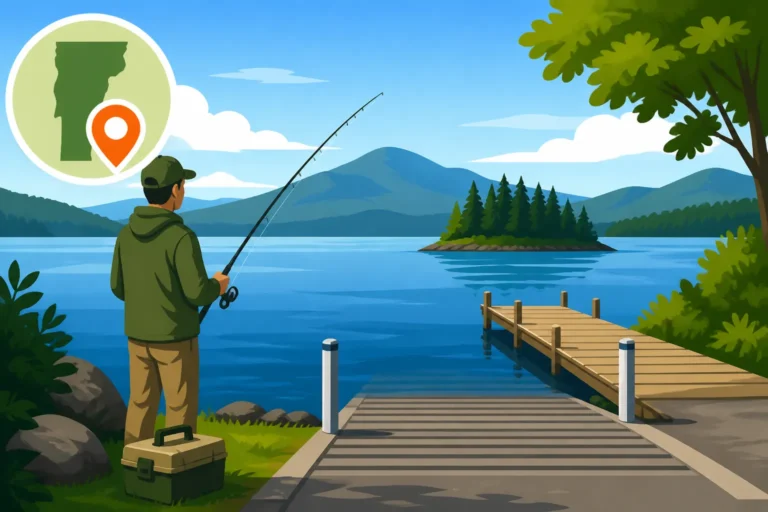
Accessing the Connecticut River's trophy trout sections can be done in a couple of ways: from the bank or from a boat. Bank fishing offers a more intimate experience, allowing you to wade into productive riffles or cast to deep pools from shore. Key public access points can be found in various towns along the Vermont side, often including designated boat launches or state-managed fishing access areas. For example, towns like Wells River, Bradford, and Barnet offer boat ramps or public easements that provide excellent starting points.
For those with a boat, the Connecticut River really opens up. Larger boats can navigate many of the wider, deeper sections, allowing anglers to cover significant ground and access areas unreachable by foot. Look for state-maintained boat launches or municipal ramps; a quick search for "Connecticut River Fishing Access in Vermont" will yield several options. When using a boat, remember to always adhere to Vermont Boating Laws for Anglers, including proper registration and life jacket requirements. Fishing from a kayak can also be incredibly effective on the Connecticut River, offering a blend of stealth and mobility to get into prime spots.
Techniques and Tackle for Targeting Connecticut River Trophy Trout
Landing a trophy trout from the Connecticut River requires more than just luck; it demands the right gear, honed techniques, and an understanding of how these powerful fish behave. Forget your ultralight panfish setup; these are serious fish that demand serious attention.
Recommended Gear for Larger Trout
When you're after trophy trout in a big river like the Connecticut, your gear needs to be up to the task. For spinning setups, a medium-light to medium action rod, typically 6'6" to 7'6" in length, paired with a reliable spinning reel spooled with 6 to 10-pound test fluorocarbon or monofilament line, is ideal. Fluorocarbon is often preferred for its invisibility underwater and abrasion resistance against rocks and logs. When it comes to lures, consider larger inline spinners (like Mepps or Panther Martin #3-#5), heavier spoons (such as Little Cleo or Kastmaster), and diving crankbaits or stickbaits (like Rapala Husky Jerks or Berkley Flicker Shads) that imitate baitfish. These larger profiles are often what attract bigger, predatory trout.
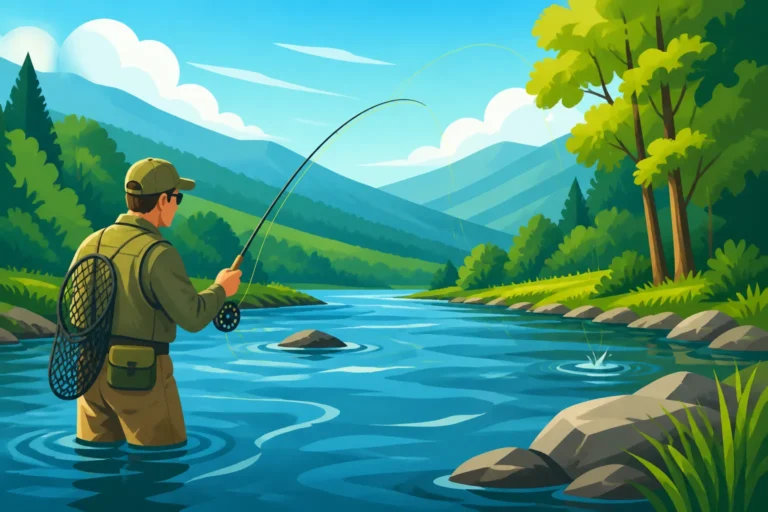
Fly anglers targeting these robust trout should opt for a 5 to 7-weight fly rod, paired with a weight-forward line that can handle larger streamers and nymph rigs. Your leader and tippet should also be stepped up, often to 3X or 2X, to prevent break-offs from strong runs or abrasive structure. Streamer patterns mimicking rainbow smelt or sculpins, as well as larger stonefly or caddisfly nymph patterns, can be incredibly effective. Regardless of your method, a sturdy Best Landing Net for Trout with a deep, rubberized basket is essential for safely landing and releasing these prized fish.
Effective Fishing Techniques
Fishing the Connecticut River for trophy trout means adapting your techniques to the conditions and the fish's behavior. For bait anglers, drifting nightcrawlers, shiners, or even chunks of PowerBait under a float or using a bottom rig can be deadly in deeper pools and slower current seams. Focus on allowing your bait to tumble naturally along the bottom where larger trout often hold. Lure anglers will find success casting spinners and spoons upstream and retrieving them with the current, or working crankbaits through deep holes and along current breaks created by structure. Varied retrieve speeds and occasional pauses can trigger strikes.
Fly fishing for these bigger trout often involves Drift Fishing for Trout in Vermont Rivers with heavy nymph rigs to get flies down to the feeding zone, or stripping large streamer patterns through holding water. Look for classic trout lies: behind large boulders, in seams where fast water meets slow water, along undercut banks, and in deep runs. Sometimes, even dead-drifting a large streamer can be incredibly effective. Being stealthy and making accurate casts are paramount, as these mature trout are often wary. Hiring a local guide through platforms like FishingBooker can provide invaluable insights into current patterns and specific honey holes.
Seasonal Considerations
The Connecticut River offers trophy trout opportunities throughout the open season, but the best techniques and locations will shift with the changing seasons.
- Spring: Right after ice-out and during the higher flows of spring, trout are often actively feeding and less wary. This is a prime time for lures and bait, especially in slightly stained water. As the water warms, trout become more active. Check Vermont Trout Season and Stocking Rules for specific opening dates.
- Summer: As water temperatures rise and flows decrease, trophy trout become more challenging. They'll often seek out cooler, deeper water, making early morning or late evening the most productive times. Fly anglers might find success with terrestrials or deep-jigged nymphs. Fish often hold around cold water inputs from tributaries.
- Fall: Many anglers consider fall to be one of the absolute best times for trophy trout on the Connecticut River, particularly for brown trout. As water temperatures cool, fish become very active and aggressive, feeding heavily in preparation for winter and the spawning season. Large streamers, crankbaits, and even large dry flies during specific hatches can be effective. This is also a fantastic time to use platforms like FishingBooker to find a guide for a dedicated trophy hunt.
No matter the season, remember that persistence and an understanding of the river's dynamic nature are key to landing that fish of a lifetime.
Connecticut River Trophy Trout Regulations Snapshot
For quick reference, here's a general overview of typical trout regulations that often apply to productive stretches of the Connecticut River in Vermont. Always, always refer to the most current Vermont Fish & Wildlife Department regulations for precise, up-to-date information, as rules can change.
| Regulation Category | General Vermont Trout Waters | Connecticut River (Trophy Potential Sections) |
|---|---|---|
| Open Season | Varies by species/water, typically early April – October 31 | Varies by section, check specific regulations |
| Minimum Length | 6 to 12 inches, depending on species | Often 12 to 18 inches for brown/rainbow trout, or catch-and-release only in specific areas |
| Daily Bag Limit | 6 to 12 fish, depending on species/water | Often 2 fish for larger trout, or catch-and-release only |
| Gear Restriction | All legal methods unless specified | Artificial lures/flies only in designated areas, check specifics |
| Reciprocity | N/A (Vermont license only) | Vermont license valid on both sides where bordering NH, verify current rules |
This table provides a generalized comparison. The specific "trophy potential sections" on the Connecticut River, especially those managed for larger fish, often have more restrictive rules to ensure the survival and growth of big trout. Knowing these differences is crucial for a successful and legal outing.
Disclaimer
The information provided in this guide is for general informational purposes only and is subject to change. Fishing regulations, season dates, and access points can vary and are updated periodically by the Vermont Fish & Wildlife Department. Always consult the most current official Vermont fishing regulations before planning any fishing trip to the Connecticut River or any other water body in Vermont. Adherence to all local, state, and federal laws is the sole responsibility of the angler.