White River trout fishing spots
The White River in Vermont is one of those legendary names that comes up in conversations among trout anglers, but actually finding those sweet spots, those hidden eddies and productive runs, can feel like trying to crack a secret code. It’s easy to feel overwhelmed by miles of river, wondering where to even start or how to approach its diverse waters for a successful day of trout fishing. This guide is here to demystify the White River, helping you pinpoint the best trout fishing locations and equip you with the knowledge to make your next angling adventure a memorable one.
Understanding the White River Trout Fishery
The White River, stretching from its headwaters high in the Green Mountains all the way to its confluence with the mighty Connecticut River, is a true gem for Vermont anglers. It's not just one river; it's a dynamic system, offering everything from secluded mountain streams perfect for wild brook trout to broader, more accessible sections teeming with stocked brown and rainbow trout. Getting a handle on its varied character is your first step to unlocking its full potential.
A Diverse Habitat for Wild and Stocked Trout
What makes the White River so special is its incredible diversity. As you move upstream, closer to towns like Rochester and Hancock, you'll encounter a classic freestone mountain stream. Here, the water is colder, clearer, and faster, carving through rocky terrain and offering ideal conditions for Vermont’s native brook trout. These fish, though often smaller, are vibrant and feisty, a real reward for the diligent angler willing to hike a bit and practice stealthy approaches. It's a completely different experience than fishing a larger lake, demanding precision and a deep appreciation for wild, untamed nature.
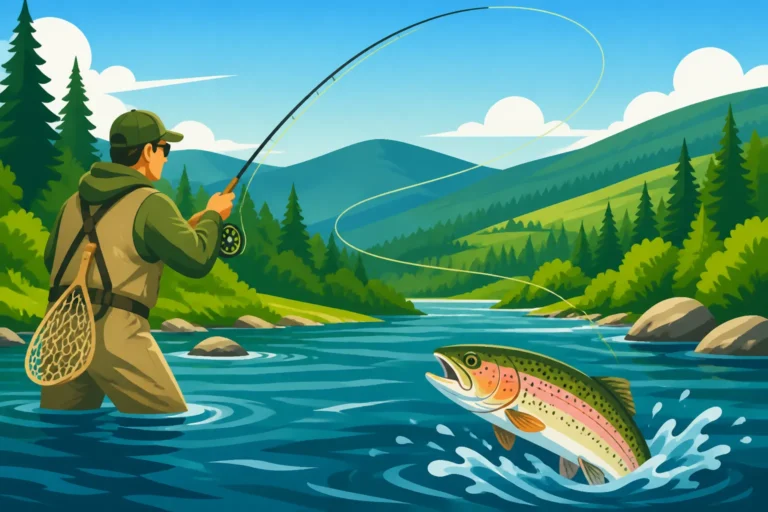
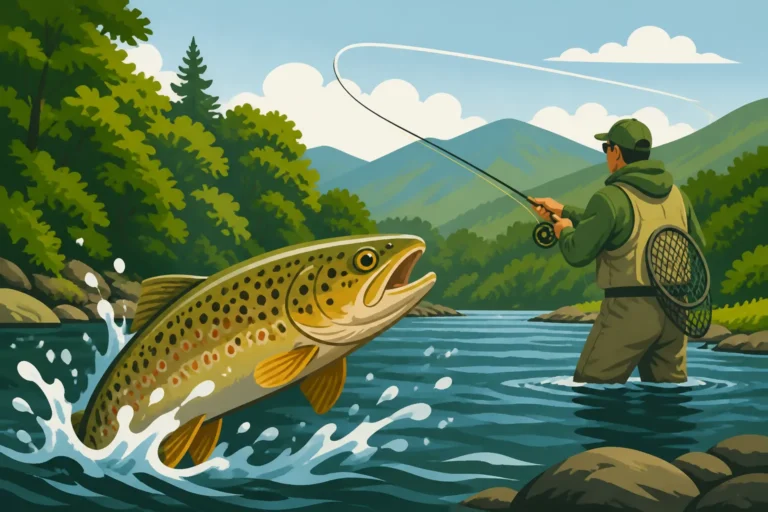
Further downstream, particularly in the stretches around Bethel and Royalton, the river widens, the gradient mellows, and the character shifts. This is where the Vermont Fish and Wildlife Department does significant stocking of brown trout and rainbow trout, transforming these sections into prime destinations for anglers looking for more consistent action and potentially larger fish. These stocked areas are often more accessible, drawing a wider range of anglers, from fly fishers to those preferring spin gear with lures or bait. It’s crucial to remember that while these fish are initially hatchery-raised, many quickly adapt to the river environment, becoming strong fighters and challenging catches. Understanding this distinction between wild and stocked waters is key to tailoring your approach and managing your expectations on the White River. You can even find specifics on Vermont Trout Season and Stocking Rules to help plan your trip around stocking dates.
Key Characteristics and Tributaries to Know
The White River's overall health and trout population are heavily influenced by its temperature and flow. Being primarily a freestone river, it relies heavily on snowmelt and rainfall. In the spring, high water levels from melting snow can make fishing challenging but also bring in fresh, cold water that invigorates the trout. As summer progresses, especially during dry spells, the water levels can drop significantly, and temperatures in the lower sections can rise, making it tough on trout and often necessitating a focus on cooler, oxygen-rich pockets or moving upstream.
Numerous smaller tributaries feed into the White River, and these are often unsung heroes for the trout fishery. Streams like the First Branch, Second Branch, and Third Branch of the White River, along with countless smaller feeder creeks, act as natural refrigerators, constantly introducing colder, oxygenated water. These tributaries also serve as critical spawning grounds for wild trout and provide refugia during periods of warm main-stem temperatures. Knowing where these smaller streams enter the White River can give you a significant advantage, as trout will often congregate near these cooler inflows, especially on warm summer days. Observing the water, noting changes in current speed, depth, and clarity, will tell you a lot about where the fish are holding.
Prime White River Trout Fishing Locations
The White River’s considerable length means it offers distinct fishing experiences in different zones. From the tight, intimate headwaters to the broader, more accommodating lower river, each section has its own charm and challenges. Knowing these zones helps you pick the right spot for your skill level and target species.
The Upper Reaches: Wild Trout and Seclusion
If you're looking for that quintessential Vermont wild trout experience, the upper reaches of the White River are calling your name. Think areas north of Rochester, especially around the quaint towns of Granville and Hancock. Here, the river is narrower, often shrouded by dense forest, and characterized by a series of riffles, small pools, and pocket water. Access can be a bit more challenging, often requiring a bit of a hike or careful navigation along roadside pull-offs. The reward, however, is the chance to catch vibrant, wild brook trout, often sporting their distinctive red spots and iridescent colors. These fish are typically smaller, rarely exceeding 10-12 inches, but their beauty and the pristine surroundings make every catch a trophy.
Fishing these upper sections demands a stealthy approach. Overcast days or early mornings and late evenings are often best, as the fish can be skittish in clear, shallow water. Light tackle is essential – a 2-weight or 3-weight fly rod with a short leader, or an ultralight spinning rod with small inline spinners or tiny jigs. Focus on reading the water, looking for seams where currents meet, behind rocks, or in the deeper parts of small plunge pools. These wild trout are opportunistic feeders, so a well-presented offering, whether it's a dry fly, a small nymph, or a tiny spinner, can often trigger a strike. It's also where you'll find some of the most beautiful, undisturbed natural scenery in Vermont. For more specific advice on gear, consider checking out articles like Best Gear for Vermont Trout Fishing.
Mid-River Sections: Stocked Waters and Easier Access
Moving downstream, the White River transforms into a more moderate, wider waterway, especially as it flows through towns like Bethel, Royalton, and Sharon. These sections are the bread and butter for many anglers, thanks to regular stocking efforts by the Vermont Fish and Wildlife Department. Here, you'll find a mix of brown trout and rainbow trout, often of a more respectable size than their wild upstream cousins. The river in these areas is generally more open, with easier access points from major roads like Route 107 and Route 14. This means less hiking and more time fishing.
These mid-river stretches feature a variety of holding water, including deeper runs, wider pools, and gravel bars. Anglers often find success drifting worms or PowerBait under a bobber, or casting small spoons and spinners like Mepps or Panther Martin. Fly fishers will do well with nymph rigs, imitating common aquatic insects, or streamer patterns that mimic baitfish. During hatches, dry fly fishing can be phenomenal, especially in the spring and early summer. Because these areas see more fishing pressure, it’s beneficial to explore various access points. Public fishing access areas are well-marked, and a quick online search or a visit to the Vermont Fish Stocking Search Tool, Explained can show you precisely where and when fish have been stocked. Remember, even stocked fish can be challenging; presentation and patience are always key. You might also want to explore Vermont Trout Opening Day Traditions to see how popular these sections can get.
Lower White River: Larger Water and Mixed Bags
As the White River continues its journey south and east, heading towards its rendezvous with the Connecticut River, it becomes a significantly larger body of water. Downstream of Sharon, the river broadens, deepens, and develops longer, slower runs and larger pools. This section offers a different kind of challenge and opportunity. While trout are still present, especially larger brown trout that have grown accustomed to the river's bounty, you'll also start to encounter other species.
The lower White River can be a fantastic spot for targeting bigger trout, particularly if you're comfortable covering more water. Trolling from a small boat or kayak can be effective in the wider pools, as can casting larger spoons, crankbaits, or substantial streamer flies from the bank. However, with the increased water volume and slightly warmer temperatures, you'll also find smallmouth bass, especially during the warmer months. These aggressive fighters can be a welcome surprise on a trout outing, adding another layer of excitement to your day. Access in this section can still be found along Route 14, but some areas may require a bit more scouting. Local knowledge is invaluable here, and consulting resources like a FishingBooker guide might give you an edge in finding those prime, less-pressured spots where larger fish hold. Understanding the regulations for all potential species is important, so reviewing Vermont Bag and Possession Limits by Species is always a good idea.
Essential Techniques and Tips for White River Trout
No matter where you choose to fish on the White River, having the right techniques in your arsenal will significantly increase your chances of success. Trout are wary fish, and their behavior changes with the seasons and river conditions. Adapting your approach is paramount.
Best Lures and Baits for Different Sections
The White River demands a versatile tackle box. For the delicate and often clear waters of the upper reaches, small, subtle offerings are usually best. Fly anglers will excel with small dry flies (like Adams, Elk Hair Caddis, or small attractor patterns), tiny nymphs (Pheasant Tail, Hare's Ear), or micro-streamers. Spin fishers should opt for ultralight gear and micro-spinners (size 0 or 1 Mepps Aglia, Panther Martin), tiny spoons, or even small jigs tipped with a grub. Presentation is key; avoid heavy splashes and long casts that might spook the fish.
In the mid-river sections, with their mix of stocked and holdover trout, you can expand your options. Traditional bait fishing with garden worms, nightcrawlers, or PowerBait is often incredibly effective, especially for freshly stocked fish. Spin anglers can use slightly larger inline spinners (size 2 or 3), small spoons (like Kastmasters or Dardevles), or small Rapala-style crankbaits. Fly anglers can confidently throw heavier nymph rigs, larger dry flies during prolific hatches, and a wider array of streamer patterns to tempt bigger brown trout. It’s a good idea to match the hatch if you see insects flying, but if not, an opportunistic approach with generalist patterns will often do the trick. If you're keen on fly fishing specifically, our guide on Fly Fishing for Trout in Vermont offers more detailed insights.
For the lower White River, particularly when targeting larger trout or exploring for smallmouth bass, you can size up your offerings. Medium-sized crankbaits, larger spinners, and heavier spoons can cover more water and attract bigger predators. For fly anglers, aggressive streamer patterns, fished with a sinking line, can be deadly for larger trout holding in deeper pools. Don't be afraid to experiment with different colors and retrieves until you find what the fish are keying into on any given day.
Seasonal Strategies and River Conditions
The White River is a dynamic fishery, and your approach needs to change with the seasons.
Spring: Early spring, especially around Vermont Trout Opening Day Traditions, is often characterized by high, cold water due to snowmelt. Trout are often sluggish but actively feeding as temperatures slowly rise. Focus on deeper runs, eddies, and slower pockets of water where fish can conserve energy. Baits like worms or heavily weighted nymph rigs are excellent choices. As the water warms and clears, hatches will become more consistent, and trout will start looking up for dry flies. For detailed strategies, check out Spring Trout Fishing Techniques for Vermont Streams.
Summer: Summer can be a tale of two rivers. In the upper, colder reaches, fishing can remain excellent, especially during early mornings or late evenings. However, in the mid and lower sections, rising water temperatures can stress trout. During hot spells, it’s best to fish only the coolest parts of the day or seek out sections with significant tributary inflows. Focus on shady areas, deep pools, or riffles that provide increased oxygenation. Often, smallmouth bass become more active in the warmer, larger sections.
Fall: As temperatures drop in the fall, trout become more active and aggressive, especially brown trout preparing for their spawn. This can be one of the best times of year to catch larger fish. Streamers, large nymphs, and even egg patterns can be highly effective. The vibrant fall foliage also makes for an incredibly scenic fishing experience. Consulting resources like Best Time of Year to Fish in Vermont can help pinpoint optimal times for specific species.
Accessing the White River: Public vs. Private Lands
One of the greatest assets of the White River is its extensive public access, particularly along major state routes. Route 107, which runs through the heart of the White River Valley, offers numerous pull-offs and designated public fishing access areas. Similarly, Route 14 provides access to many miles of river downstream.
However, a significant portion of the White River flows through private land. It's absolutely crucial to respect landowners' rights. Always look for "Public Fishing Access" signs, and if you're unsure about land ownership, err on the side of caution or use readily available public maps. Many anglers choose to use services like FishingBooker to find local guides who are intimately familiar with both public access points and areas where permission to fish on private land has been granted.
When accessing the river, whether from a designated parking area or a roadside pull-off, be mindful of your surroundings. Park responsibly, don't block driveways or farm access, and always pack out everything you pack in. Leaving no trace ensures that these fishing opportunities remain open for everyone. Wading is often necessary to effectively fish many sections of the river, so be sure you're equipped with appropriate Wading Techniques for Vermont Trout Streams and gear.
| River Section | Prime Towns | Target Species | Recommended Techniques | Access Notes |
|---|---|---|---|---|
| Upper Reaches | Granville, Hancock, Rochester | Wild Brook Trout, smaller Rainbow Trout | Ultralight Spin: Micro-spinners, small jigs; Fly: Small dry flies, nymphs | More challenging, often roadside pull-offs, some hiking required. Secluded. |
| Mid-River | Bethel, Royalton, Sharon | Stocked Brown Trout, Rainbow Trout | Spin: Worms, PowerBait, medium spinners, small spoons; Fly: Nymphs, streamers, dries | Excellent, designated public access points, easy roadside parking along Routes 107/14. |
| Lower White River | Sharon (downstream), Hartford | Larger Brown Trout, Smallmouth Bass, Rainbow Trout | Spin: Larger crankbaits, spoons; Fly: Heavy streamers; Bait: Larger live bait | Good, but broader river means more water to cover. Some boat/kayak access. |
Navigating the various rules and regulations can sometimes feel like a full-time job. Always carry a copy of the official Reading the Vermont Fishing Regulations Guide or have the digital version readily available on your phone to ensure you're compliant with local limits and special regulations that might apply to certain sections of the White River.
Disclaimer
Please remember that fishing conditions can change rapidly due to weather, water levels, and stocking schedules. Always exercise caution, wear appropriate safety gear (like waders with good traction and a life vest when boating), and respect private property. The information provided here is for general guidance, and checking current Vermont Fish and Wildlife Department regulations and local advisories before your trip is always recommended.