West River Fishing Spots
The West River, winding its way through the picturesque landscape of southeastern Vermont, is a true gem for anglers, but sometimes figuring out where to cast your line can feel like searching for a needle in a haystack. From its swift upper reaches to the broader, slower sections, and even the unique dynamics around the West River Reservoir, this river offers a fantastic variety of fishing experiences that can be intimidating to a newcomer or even a seasoned angler exploring a new stretch. This guide is designed to cut through that confusion, helping you pinpoint the best fishing spots and understand the nuances that make the West River such a special place to wet a line.
Understanding the West River Fishery
The West River is a dynamic and diverse waterway, offering something for almost every angler. Its character changes significantly from its headwaters down to its confluence with the Connecticut River, providing a rich tapestry of habitats for various fish species. It's not just one river; it's a series of different environments, each with its own fishing opportunities and challenges.
A River of Diverse Opportunities
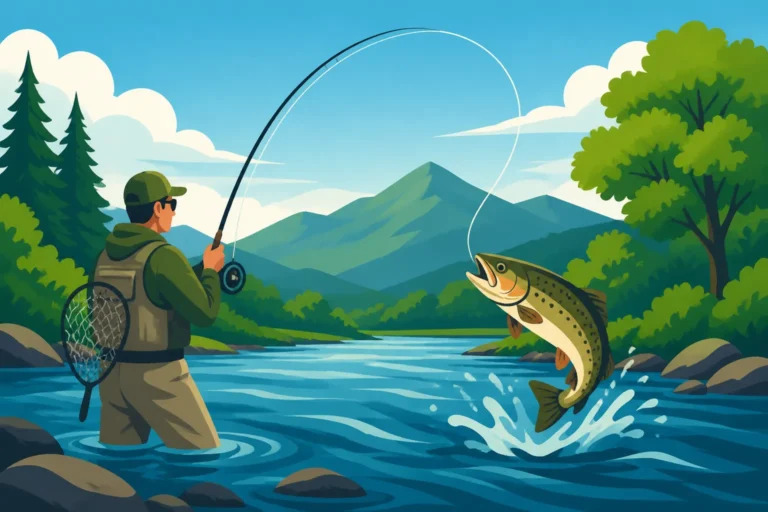
When you talk about fishing the West River, you're really talking about a mixed bag, in the best possible way. The cooler, higher-gradient sections further upstream are quintessential trout habitat. Here, you'll find plenty of brook trout, many of them wild and feisty, along with brown trout and rainbow trout that are regularly stocked by the Vermont Fish and Wildlife Department. These stretches are often characterized by riffles, runs, and deep pockets, perfect for fly fishing or light spinning gear. As you move downstream, especially below the Townshend Dam and closer to the mainstem Connecticut River, the water tends to warm up and slow down. This creates ideal conditions for warm-water species like smallmouth bass, largemouth bass, and a variety of panfish, including yellow perch and bluegill. It's this fantastic blend that makes the West River so appealing; you can literally chase trout in the morning and switch to bass in the afternoon, all within the same river system.
Key Characteristics and Flow Patterns
The West River's flow is heavily influenced by seasonal precipitation and, notably, by the U.S. Army Corps of Engineers' Townshend Dam and Ball Mountain Dam. These dams play a crucial role in flood control and also impact water levels and temperatures downstream. During spring runoff, the river can swell and become quite high and swift, presenting challenging wading conditions but often excellent opportunities for targeting aggressive fish in eddies and slower currents. Conversely, during drier summer months, some sections can become quite low and clear, demanding a more stealthy approach, especially for trout. Understanding these flow patterns, often available through online gauges, is paramount to planning a successful trip. High water often pushes fish into slower, more predictable lies, while low water can make them skittish and visible, requiring longer casts and lighter tackle. Knowing when to hit the river based on recent rainfall and dam releases can make or break your day.
Access Points and Public Lands
One of the great things about the West River is the relatively good public access available along much of its length. The Vermont Fish and Wildlife Department maintains several designated fishing access areas, offering parking and easy entry to the river. Beyond these official spots, many bridges and road crossings provide informal access points, often with small pull-offs where you can safely park and walk down to the water. A significant portion of the river also flows through or adjacent to state forests and wildlife management areas, providing ample public land for exploration. However, it's always critical to pay attention to "No Trespassing" signs and respect private property. A good rule of thumb is to look for Vermont Fish and Wildlife Department signs or follow established trails. You might find a handy map online showing these access points, which can be invaluable for planning your trip and ensuring you're legally wetting a line.
Prime Trout Fishing Stretches on the West River
For many, the West River is synonymous with trout fishing. The cold, clear waters, particularly in the upper and middle sections, provide excellent habitat for Vermont's prized native brook trout, as well as robust populations of stocked brown and rainbow trout. Each stretch offers a slightly different experience, catering to various angling preferences and skill levels.
The Upper Reaches: Wild Trout Sanctuaries
Head north into the towns of Jamaica and Londonderry, and you'll discover the West River's wilder side. Here, above the influence of larger impoundments, the river is smaller, colder, and often shrouded by dense forest canopy. These are the quintessential haunts of the native brook trout, vibrant fish with intricate patterns that truly embody the spirit of Vermont fishing. While they might not be trophy-sized, catching a wild brook trout on a small mountain stream is an experience many anglers cherish above all else. Access here often involves a bit of hiking, traversing uneven terrain, and navigating through brush, but the reward is solitude and the chance to connect with untouched nature. Smaller spinners, traditional wet flies, or dry flies imitating local insects work wonders in these intimate settings. Remember, these fish are often more sensitive to pressure, so a stealthy approach is key. If you're looking for a truly authentic wilderness experience, these upper reaches are where you'll find it, making it one of the best trout streams in Vermont.
Stocked Sections: Where to Find the Action
For those seeking more consistent action and larger numbers of fish, the stocked sections of the West River are your best bet. The Vermont Fish and Wildlife Department regularly stocks rainbow trout and brown trout in various accessible stretches, particularly in areas near Townshend, Newfane, and further downstream. These sections often correspond with public access points and road crossings, making them popular choices, especially during the spring and early summer. When the Vermont Trout Season and Stocking Rules are in full swing, these areas can be incredibly productive, especially shortly after a fresh stocking. Anglers using everything from traditional bait (worms, corn, PowerBait) to small spoons, inline spinners, and even streamers can find great success here. You'll often find families enjoying these spots, and it's a fantastic place for beginners to get into the sport. Keep an eye on the official stocking schedules, which are often published online, to time your visit for peak activity.
Fly Fishing Only Waters: A Challenging Reward
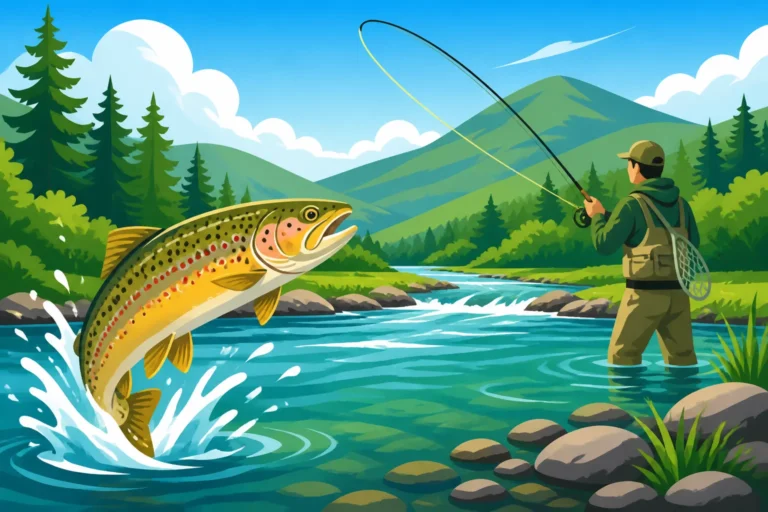
While not as extensive as some other Vermont rivers, the West River does have sections that appeal particularly to fly anglers, and specific "catch and release fly fishing only" regulations may apply to certain tributaries or stretches. These areas typically offer a more challenging yet incredibly rewarding experience, forcing anglers to hone their casting and presentation skills. In these special regulation waters, you're often targeting more educated fish that have seen a fair share of flies, requiring precise drifts and thoughtful fly selection. Popular fly patterns vary by season, but general attractor patterns, various nymph rigs, and accurate dry fly presentations during hatches can all prove effective. Learning how to read the water, identify holding lies, and execute a drag-free drift are paramount to success here. Many dedicated fly anglers consider these sections the pinnacle of Vermont trout fishing. You'll want to study the Reading the Vermont Fishing Regulations Guide to understand the specific rules for any fly fishing only waters.
Bass and Panfish Hotspots in the West River Basin
While trout get a lot of the spotlight, the West River system is also a fantastic destination for targeting warm-water species, especially smallmouth bass and panfish. As the river broadens and warms, particularly in its lower sections and around the West River Reservoir, a whole new world of angling opportunities opens up.
Slower Pools and Tributary Mouths
Downstream from the Townshend Dam, where the river's gradient lessens and the flow becomes more meandering, you'll start to encounter excellent smallmouth bass habitat. These bronzebacks thrive in the rocky, current-swept pools, particularly where feeder creeks introduce cooler, oxygenated water or where submerged timber and rock piles create ambush points. Look for them holding in deeper pockets, behind boulders, and along current seams. Jigs, crankbaits, spinnerbaits, and soft plastics rigged Texas or Carolina style are all highly effective. For anglers wondering How to Catch Smallmouth Bass in Vermont Lakes, many of those same principles apply to the river, with current being the main variable. Tributary mouths, where smaller streams join the West River, are often honey holes, concentrating baitfish and offering a smorgasbord for predatory bass. These areas can be especially productive during spawning periods or when water levels fluctuate. You'll also find plenty of yellow perch and other panfish in these slower, deeper pools, often congregating in schools, making for fast and fun action on ultralight gear.
The West River Reservoir and its Opportunities
A significant feature of the West River basin is the West River Reservoir, located near Townshend. This large impoundment offers a distinct fishing experience compared to the flowing river. While primarily managed for flood control, the reservoir boasts a healthy population of largemouth bass, smallmouth bass, and a diverse array of panfish. Its expansive waters, often dotted with submerged structure, weed beds, and rocky shorelines, provide excellent cover for these species.
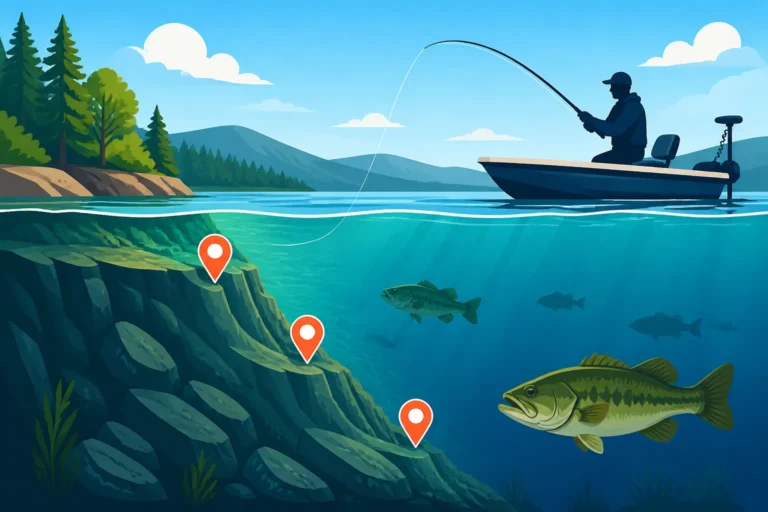
Here, you'll want to employ techniques more common to lake fishing. Targeting largemouth bass often means working the edges of weed lines, lily pads, and fallen trees with topwater lures, chatterbaits, or Texas-rigged worms. Smallmouth bass can be found on rocky points, humps, and deeper transitions, responding well to drop shots, tubes, and crankbaits. The panfish population, including bluegill, black crappie, and yellow perch, provides endless entertainment, especially for families or those looking for consistent bites. Simple setups with bobbers, small jigs, or worms can yield impressive numbers. The reservoir is also accessible for kayaks and canoes, which allows anglers to reach otherwise untouched coves and shoreline features.
Seasonal Movements: Following the Forage
Understanding the seasonal movements of bass and panfish is crucial for consistent success on the West River. In spring, as water temperatures begin to rise, both largemouth and smallmouth bass will move into shallower areas, preparing for their spawn. This is a prime time for sight fishing in clear water or targeting aggressive fish near submerged cover. As summer progresses and water temperatures peak, bass may move to deeper, cooler water during the day, becoming more active during dawn and dusk or after dark. Panfish, on the other hand, can be found almost everywhere, but often concentrate around structure or baitfish schools.
Fall sees another surge of activity as fish feed heavily in preparation for winter. Bass will actively chase baitfish in shallower flats and along rocky shorelines. Observing baitfish activity – whether it's schools of shiners flickering on the surface or minnows darting for cover – is often the best indicator of where the game fish will be. For landlocked salmon, which may make their way up from the Connecticut River, look for them in the fall as they stage for their spawning runs, though they are less common than other species in the West River proper.
Essential Gear and Techniques for West River Success
Approaching a river like the West River requires thoughtful consideration of your gear and techniques. The diverse habitats mean that what works wonders in one section might be completely ineffective in another. Being prepared for varying conditions is key to maximizing your success and enjoyment.
Tackle for Trout: Matching the Hatch and Conditions
When it comes to trout in the West River, versatility is your best friend. For the upper, wilder sections, a light action spinning rod (5'6" to 6'6") paired with a small reel spooled with 4-6 lb test monofilament or fluorocarbon is ideal. This allows for delicate presentations of small inline spinners (like Panther Martins or Mepps), tiny spoons, or natural baits such as worms. Fly anglers targeting these streams will find a 2-5 weight fly rod, perhaps around 7' to 8'6", to be perfect for managing tight quarters and presenting small dry flies, nymphs, or wet flies. Patterns mimicking local insects like caddis, mayflies, and stoneflies are excellent choices. For the more open, stocked sections, you might size up slightly to a 6'6" to 7' medium-light spinning rod, allowing for longer casts and handling potentially larger stocked fish. A Best Landing Net for Trout is essential for safe release, especially with fragile wild fish.
During spring and early summer, particularly around Vermont Trout Opening Day Traditions, bait fishing can be incredibly productive. PowerBait, corn, or small worms fished under a bobber or on the bottom can entice recently stocked fish. For fly anglers, nymphing techniques are often the most consistent, especially in slightly higher or off-color water. Later in the season, when insects are more active, dry fly fishing can be exceptional, requiring careful observation of hatches. The key is always to observe the water, look for active fish or insect activity, and adjust your presentation accordingly.
Lures and Baits for Bass and Panfish
As you transition to the warmer, slower sections and the West River Reservoir, your tackle box will need to shift gears. For smallmouth bass, a medium to medium-heavy spinning or baitcasting rod (6'6" to 7'6") spooled with 8-12 lb fluorocarbon or braided line with a fluorocarbon leader is a good starting point. This setup allows you to cast a variety of lures effectively. Smallmouth are suckers for crankbaits, especially those mimicking crawfish or baitfish, as well as tube jigs, senkos, and spinnerbaits. In rocky river sections, focus on getting your lure down to the fish holding near structure. For largemouth bass, especially in the weedier parts of the reservoir, heavier gear might be in order, allowing you to punch through vegetation or extract fish from heavy cover. Frogs, topwater poppers, jigs with creature baits, and Texas-rigged worms are excellent choices.
Panfish, like yellow perch, bluegill, and black crappie, require a much lighter touch. An ultralight spinning rod (4'6" to 6') with 2-4 lb test line is perfect. Small jigs, tiny spoons, micro-crankbaits, or simply a hook with a piece of worm under a bobber will provide endless entertainment. These fish are often abundant and eager to bite, making them a fantastic target for beginners or for experienced anglers looking for consistent action. When fishing for bass in the river, consider How to Fish a River for Smallmouth Bass, focusing on current breaks and structure.
Wading vs. Kayak/Canoe Access
Accessing the West River's various fishing spots can be achieved in several ways, and choosing the right method depends largely on the section you're fishing and your personal preference. Wading is undoubtedly the most popular way to fish the river's trout sections. A good pair of Best Waders for Vermont Trout Streams and sturdy wading boots with felt or rubber soles (for grip on slippery rocks) are essential. A wading staff can also be a lifesaver in swift currents or on uneven bottoms, providing crucial stability. Remember to use safe Wading Techniques for Vermont Trout Streams and always test the depth and current before committing.
However, many sections, especially the wider, deeper areas downstream and the West River Reservoir, are much better explored by boat. Kayaks and canoes offer an excellent way to cover water, access remote banks, and silently approach fish. A fishing-specific kayak, often a sit-on-top model, can be incredibly stable and feature-rich, allowing for hands-free fishing. If you're considering buying one, you might look into the Best Kayaks for Vermont Fishing. While motorboats can be used on the reservoir, their use might be restricted on certain river stretches, so always check local regulations. For serious river anglers, a small jon boat might also provide access to wider, deeper pools that are difficult to wade.
| Access Method | Best For | Pros | Cons |
|---|---|---|---|
| Wading | Upper & Middle River Trout | Stealthy, intimate experience, minimal gear required | Limited reach, can be dangerous in high water, uncomfortable in cold weather without proper gear |
| Kayak/Canoe | Middle & Lower River, Reservoir Bass & Panfish | Covers more water, accesses remote areas, quiet approach | Requires launch points, can be challenging in strong currents, weather-dependent |
| Shore Fishing | Stocked Sections, Reservoir | Easy access, suitable for all ages, minimal equipment needed | Limited to accessible banks, can be crowded in popular spots |
Navigating Regulations and Ethical Angling
Fishing in Vermont, including on the West River, comes with a responsibility to understand and adhere to the state's regulations. These rules are put in place to protect the fishery, ensure sustainable populations, and maintain the quality of the angling experience for everyone. Ignoring them can lead to fines and harm the very resource we all enjoy.
Understanding Vermont's Fishing Regulations
Before you even think about casting a line, the first thing you need is a valid fishing license. Whether you're a resident or a non-resident, the state requires one for anyone aged 15 and over. You can find all the details in the comprehensive Vermont Fishing License Guide for 2026, which will walk you through the process. Beyond the license, it's crucial to be familiar with the statewide regulations regarding seasons, bag limits, and minimum length limits for different species. For instance, the Vermont Bass Catch-and-Release Season, Explained, has specific dates when only catch-and-release is permitted. Trout seasons also have distinct opening and closing dates and daily limits. The West River, like many other Vermont waterways, might also have special regulations on certain stretches, such as "catch and release only" or restrictions on tackle types. Always double-check the current Vermont Fishing Regulations Explained pamphlet, available online or at license vendors, for the most up-to-date information. It's truly your fishing Bible for the year.
Catch and Release Best Practices
Many anglers on the West River, particularly those targeting wild trout or larger bass, practice catch and release. This ethical approach helps sustain healthy fish populations and ensures future generations can enjoy the same great fishing. If you plan to release fish, proper handling is paramount to their survival.
- Minimize Handling: Try to keep the fish in the water as much as possible. If you must handle it, do so with wet hands to protect its delicate slime coat.
- Barbless Hooks: Using barbless hooks, or crimping down the barb on your existing hooks, makes removal much easier and less damaging.
- Quick Release: Remove the hook quickly and gently. If the fish is deeply hooked, cut the line as close to the hook as possible rather than trying to rip it out.
- Revive Gently: Hold the fish upright in the water, facing into a gentle current, until it regains its strength and swims away on its own. Avoid squeezing it, especially around the gills.
These practices are particularly important for the delicate native brook trout and for larger, older fish that are vital to the breeding population. By making conscious efforts to minimize stress and injury, we contribute to a thriving West River ecosystem.
Respecting Private Property and Public Access
Vermont cherishes its fishing heritage, and the state, along with various conservation groups, works hard to secure and maintain public access to rivers like the West River. However, a significant portion of the river flows through private land. It is absolutely vital to respect private property rights. Always look for signage indicating public access or "No Trespassing" zones. If there's any doubt, err on the side of caution and find another spot. Parking your vehicle responsibly and not blocking driveways or roads is also a key part of being a respectful angler. Leaving no trace behind – packing out all your trash, including discarded fishing line – helps maintain good relations with landowners and ensures access remains open for everyone. Taking the time to understand and adhere to these guidelines helps preserve the positive image of anglers and protects our access to these wonderful waters.
Planning Your West River Fishing Adventure
A successful fishing trip on the West River isn't just about knowing where to cast; it's also about timing your visit, utilizing local knowledge, and prioritizing safety. A little planning goes a long way in ensuring a memorable and enjoyable experience.
Best Times of Year to Visit
The West River offers fishing opportunities almost year-round, but the "best" time really depends on what you're hoping to catch.
- Spring (April-May): This is prime time for trout. The Vermont Trout Season Opening Day for 2026, typically in April, sees anglers flocking to the stocked sections. Water levels are usually higher, and fish are actively feeding after winter. Bass begin to awaken but are still a bit sluggish.
- Summer (June-August): As waters warm, the lower river and reservoir become excellent for smallmouth and largemouth bass, and panfish. Early mornings and late evenings are often most productive for bass. Upper river trout fishing can slow down if water temperatures get too high, making it crucial to target cooler, oxygenated areas or fish higher up the watershed.
- Fall (September-October): Many consider fall to be the most beautiful time to fish in Vermont, and the West River is no exception. Trout become incredibly active again, feeding heavily before winter. Bass also go on a feeding frenzy. The foliage is spectacular, and fishing pressure tends to decrease after the initial fall rush. This is a fantastic time for both fly and spin anglers.
- Winter (November-March): While ice fishing is popular on many Vermont lakes, the flowing nature of the West River means it rarely freezes solid enough for safe ice fishing. However, some slower, deep pools might hold active fish on warmer winter days for brave anglers willing to brave the cold. Check the local conditions carefully.
Local Resources and Guides
Sometimes, the best way to crack the code of a new river is to tap into local knowledge. Fishing shops in nearby towns like Townshend, Newfane, or Brattleboro are invaluable resources. Shop owners and staff often have up-to-the-minute information on water conditions, recent stockings, and what flies or lures are currently working. Don't be shy about asking for advice – many anglers love to share their passion.
For those looking for a more structured experience or to fast-track their learning, hiring a local fishing guide can be a game-changer. Guides know the river intimately, can teach you effective techniques, and put you on fish quickly. Websites like FishingBooker connect anglers with local, experienced guides who can tailor a trip to your specific interests and skill level on the West River. They provide all the necessary gear and can offer insights that would take years to acquire on your own. Investing in a guided trip, even for just a half-day, can significantly enhance your understanding and enjoyment of this complex river system.
Safety Considerations
The beauty of the West River comes with certain responsibilities regarding safety. Whether you're wading, boating, or simply hiking along its banks, always be mindful of your surroundings.
- Wading Safety: Always wear a wading belt. Use a wading staff in unfamiliar or swift water. Be aware of slippery rocks, sudden drop-offs, and strong currents. Never wade alone if possible, especially in remote areas.
- Weather: Vermont weather can change rapidly. Check the forecast before you go and be prepared for rain, sudden temperature drops, or thunderstorms. Pack appropriate rain gear and extra layers.
- Hydration and Nutrition: Even on cooler days, staying hydrated is important. Pack plenty of water and snacks, especially if you plan a full day on the water.
- Communication: Cell service can be spotty in some of the more remote sections of the West River. Let someone know where you're going and when you expect to return.
- Wildlife: The West River flows through wild country. Be aware of local wildlife, including bears and moose. Make noise when hiking to avoid surprising animals, and carry bear spray if you feel it's necessary.
By keeping these safety tips in mind, you can focus on the fishing and fully immerse yourself in the natural splendor of the West River.
Disclaimer
Please note that fishing regulations, conditions, and fish populations can change. Always consult the most current Vermont Fish & Wildlife Department regulations before heading out. This guide is for informational purposes only and should not replace official sources or local expertise.