Lake Willoughby Fishing Guide
The majestic depths of Lake Willoughby can be incredibly intimidating for any angler, whether you're a seasoned local or visiting for the first time. Its sheer cliffs and crystal-clear waters hide secrets, and figuring out where the fish are, what they’re biting on, and how to even get to them can feel like solving a complex puzzle. This comprehensive guide is designed to cut through that confusion, giving you all the insider knowledge you need to confidently tackle Lake Willoughby and make your fishing dreams a reality.
An Angler's Introduction to Lake Willoughby
Lake Willoughby, often hailed as the "Lucerne of America" due to its stunning fjord-like appearance, is a true gem nestled in Vermont's Northeast Kingdom. This magnificent body of water isn't just a pretty face; it's a deep, oligotrophic lake, meaning it's incredibly clear and relatively low in nutrients, which in turn supports a specific type of fishery. For anglers, this translates into a unique challenge and reward, as the resident fish species thrive in these cold, oxygen-rich depths.
Geography and Geological Formations
Carved by glacial activity, Lake Willoughby boasts an impressive maximum depth of around 320 feet, making it one of the deepest lakes in New England. Flanked by Mount Hor and Mount Pisgah, its dramatic cliffs plummet directly into the water, creating deep, shadowy drop-offs that are prime habitat for cold-water species. The lake is about 5 miles long and nearly 2 miles wide at its broadest point, giving anglers plenty of water to explore. The geological history means the lake bottom isn't a uniform, gently sloping basin, but rather a complex underwater landscape of ledges, crevices, and deep trenches that fish use for cover and feeding. This structure is paramount to understanding where to find the target species throughout the year.
Unique Characteristics Affecting Fishing
What really sets Lake Willoughby apart for fishing, beyond its aesthetic appeal, is its crystal-clear water and consistent cold temperatures in its deeper sections. This clarity is a double-edged sword: it allows for incredible sight fishing opportunities on calm days, but it also makes fish incredibly wary of unnatural presentations or visible lines. You'll often hear local anglers emphasizing the use of light fluorocarbon leaders and subtle lure actions. Furthermore, the lake's thermal stratification creates distinct layers of water temperature, which guides the movement of fish, especially during the warmer months. Understanding these thermal layers, often called the thermocline, is crucial for success, as species like lake trout and landlocked salmon will hug these zones where baitfish are abundant and temperatures are optimal for their comfort. The relatively remote location, while adding to its allure, also means fewer pressures from heavy recreational boating compared to some larger lakes, offering a more serene fishing experience.
Primary Fish Species to Target
Lake Willoughby is renowned for its cold-water fishery, particularly for its populations of lake trout and landlocked salmon. While these are the headliners, anglers can also find respectable numbers of brook trout, rainbow smelt, and various panfish, offering a diverse experience depending on your preference and the season. Each species demands a slightly different approach, making a day on Willoughby a constant learning experience.
Landlocked Salmon
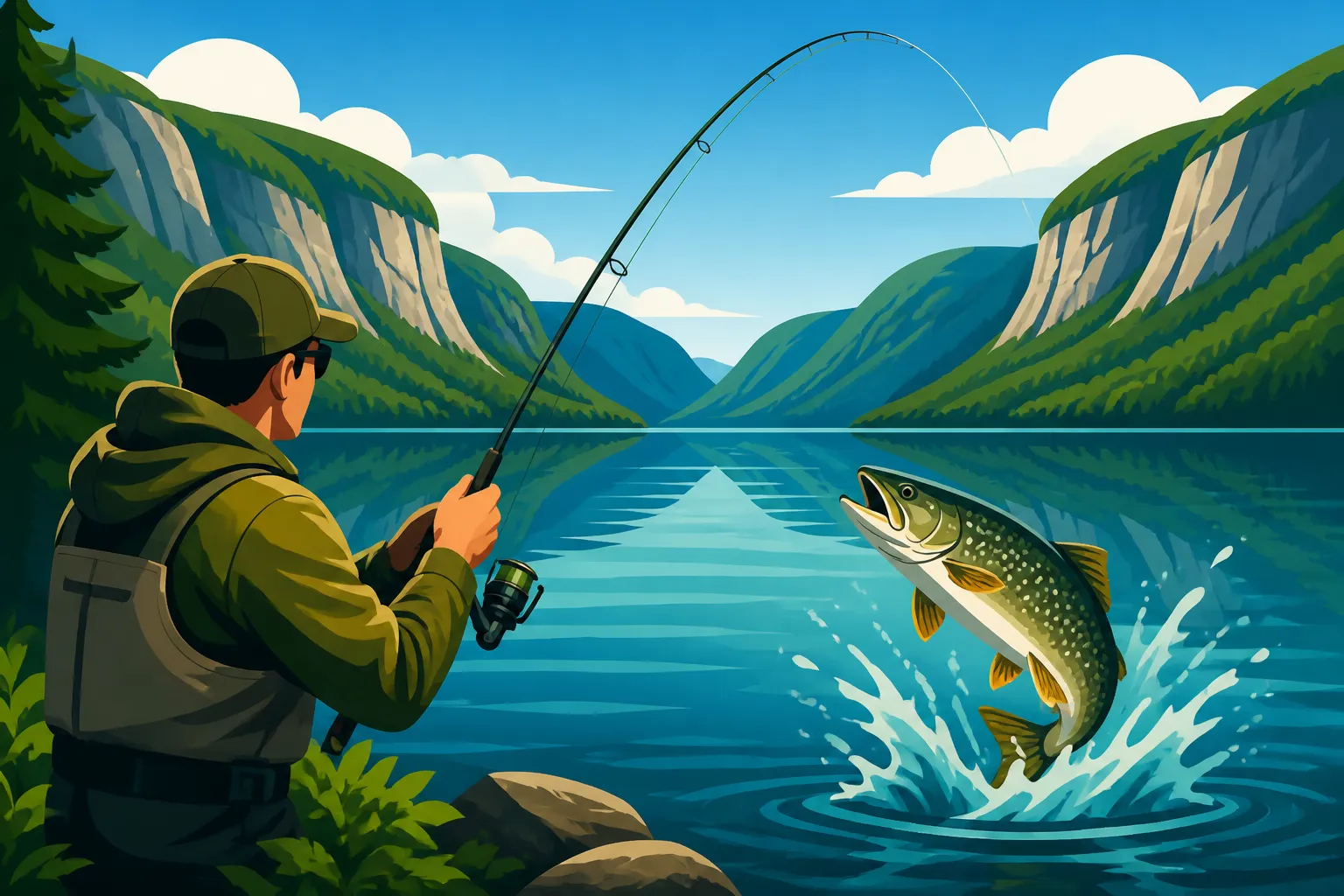
The landlocked salmon in Lake Willoughby are truly magnificent gamefish, known for their acrobatic fights and stunning beauty. These salmon are not native to Willoughby but thrive here due to the excellent water quality and a robust forage base of rainbow smelt. They are often found cruising the upper water column or along the thermocline, actively chasing schools of baitfish. Catching a Willoughby landlocked salmon is a badge of honor for many anglers, requiring patience, stealth, and often, speed.
These fish are aggressive feeders, especially during low-light conditions at dawn and dusk, or on overcast days. Their primary diet consists of smelt, so presentations that mimic these small, silver baitfish are usually most effective. Early spring, right after ice-out, is a fantastic time to target them when they are often near the surface, gorging on smelt. As the water warms, they'll descend deeper, following the cold water and their food source. To learn more about specific regulations, you might want to check out the Vermont Landlocked Salmon Regulations.
Lake Trout
Lake trout, or "lakers" as they're affectionately known, are the true kings of Lake Willoughby's depths. These native fish are built for cold, deep water, and Willoughby provides them with an ideal habitat. They are strong, long-lived fish, and the lake is known for producing some truly massive specimens, including the Vermont state record lake trout, which was reportedly caught in Willoughby back in the 1980s. Finding them often means going deep, sometimes very deep, requiring specialized gear and techniques.
During the spring and fall, lake trout can sometimes be found shallower, especially near rocky points and ledges where they might be staging or feeding. However, in the peak of summer, they retreat to the coldest, oxygen-rich water, often 60 feet or deeper. Their diet is primarily fish – smelt, cisco, and even smaller lake trout – so substantial presentations are often required. When considering your gear, it's wise to think about the appropriate Best Line Weight for Muskellunge Fishing as heavy line can be useful for deep-water lakers as well. Vertical jigging, downrigger trolling, and even wire-line trolling are popular methods for reaching these deepwater behemoths.
Brook Trout and Rainbow Smelt
While less frequently targeted than their larger cousins, both brook trout and rainbow smelt contribute significantly to the Lake Willoughby fishery. Brook trout, Vermont's native trout species, can be found in the cooler, shallower waters of the lake, particularly near tributary inlets and cold springs, especially during the spring and fall. These beautiful, colorful fish offer a different kind of angling experience, often sought by those who prefer lighter tackle and more intimate waters. They are not typically found in the main body of the lake’s deep zones but rather around the edges.
Rainbow smelt are the primary forage fish for both lake trout and landlocked salmon in Willoughby. While many anglers primarily view them as bait, smelt runs in early spring are a cultural tradition in Vermont, and they are also excellent table fare. Anglers often target smelt through the ice in winter or during their spawning runs into tributaries in early spring. Understanding the smelt population and their movements is vital for locating the larger predatory fish that feed on them. For those interested in pursuing brook trout, you might also be keen on learning about Brook Trout: Vermont's Native Trout.
Best Fishing Spots on Lake Willoughby
Lake Willoughby's unique topography means that productive fishing spots are highly localized and often dictated by depth, structure, and current. Understanding these key areas is crucial for success, especially when targeting cold-water species that hug specific thermal layers or geological features. Anglers often find success by focusing on the northern and southern ends, the deep mid-lake basin, and the areas surrounding tributary inlets.
North End Depths and Drop-offs
The northern end of Lake Willoughby is characterized by its sheer, dramatic cliffs, particularly Mount Pisgah, which plunge directly into some of the lake's deepest waters. This area is a prime hunting ground for both lake trout and landlocked salmon. The immediate drop-offs provide excellent ambush points for salmon chasing smelt, while the deep, cold trenches hold large lake trout year-round. These deep contours are perfect for vertical jigging or slow trolling with downriggers.
Anglers often focus on the underwater ledges and shelves that jut out from the cliffs. These can be challenging to locate without good sonar equipment, but once found, they can be incredibly productive. For lake trout, look for structure anywhere from 80 to 200 feet deep. Salmon might be suspended higher, often around 30 to 60 feet, especially in spring and fall. If you're planning on using a boat, ensuring you know all the Vermont Boating Laws for Anglers is essential for a safe and legal outing. The quick change from shallow to deep water makes this area dynamic, but also requires careful boat handling, especially on windy days when waves can bounce off the cliffs.
South End Shallower Waters and Inlets
In stark contrast to the north, the southern end of Lake Willoughby features a more gradual slope, with shallower bays and the primary inlet from the Willoughby River. This area, though shallower, is equally important, particularly for early season fishing and for species that prefer less extreme depths. The shallower waters warm up faster in the spring, attracting baitfish and, consequently, hungry salmon and trout.
The river inlet area is particularly noteworthy. In spring, this is where rainbow smelt will gather and run upstream to spawn, creating a massive feeding opportunity for landlocked salmon. Anglers targeting salmon often drift live smelt or troll small spoons and stickbaits in these southern waters during this period. While generally shallower, the south end still has significant drop-offs and channels that lead to deeper water, providing excellent transition zones for fish. These areas are also more accessible for shore anglers compared to the steep cliffs of the north, making it a good starting point for those without boats.
Mid-Lake Basin and Submerged Structures
The vast mid-lake basin of Lake Willoughby, though appearing featureless on the surface, hides a complex world of submerged structures that are critical to the fishery. Deep humps, rock piles, and extended underwater points rise from the lake bed, acting as magnets for baitfish and predatory species alike. Identifying these structures requires good navigation and fish-finding electronics.
Lake trout, especially the larger ones, will often relate to these deep-water structures. They might be holding on the deeper sides of a hump, using it as an ambush point, or cruising along its top. Trolling over these features with deep-diving plugs or spoons, or vertically jigging with heavy spoons and soft plastics, can be highly effective. Understanding the Best Fish Finders for Vermont Lakes will undoubtedly give you a significant advantage in uncovering these hidden gems. Anglers using a guide service, such as those found through FishingBooker, often benefit from their local knowledge of these specific, hard-to-find hotspots. The key here is not just finding the structure, but understanding how fish use it at different times of the day and year, considering factors like light penetration and baitfish presence.
Seasonal Fishing Strategies
Fishing Lake Willoughby is a year-round affair, with each season presenting unique opportunities and challenges. The dramatic shifts in water temperature, sunlight, and fish behavior necessitate different approaches, from targeting surface-feeding salmon in spring to ice fishing for lake trout in winter. Adapting your techniques to the season is paramount to consistent success on these pristine waters.
Spring: Post-Ice Out Salmon and Trout
Spring, particularly right after the ice melts, is a magical time on Lake Willoughby. As the surface waters begin to warm slightly, landlocked salmon become incredibly active and often move into the shallower portions of the lake to feed heavily on smelt. This period, usually from late April through May, offers some of the best opportunities for fast-paced action. Salmon can be found cruising near the surface, especially in the southern end of the lake and near tributary mouths where smelt are spawning.
Trolling small spoons or stickbaits, such as those from the Challenger or Rapala lines, at moderate speeds (2-3 mph) is a highly effective technique. Anglers often run these lures without added weight or with just a small amount of lead core to keep them just below the surface. Shore fishing can also be productive in the shallower bays and points during this time, particularly at dawn and dusk. For lake trout, while some might still be deep, many will move shallower than their summer haunts, making them more accessible to traditional trolling methods at depths of 20-50 feet. It's a great time to learn about Spring Trout Fishing Techniques for Vermont Streams as some principles apply to the lake’s shallow areas too.
Summer: Deepwater Challenges
As summer progresses and the surface water warms, Lake Willoughby's cold-water species retreat to the cooler, oxygen-rich depths. This means summer fishing often becomes a deepwater game, primarily targeting lake trout and, to a lesser extent, salmon suspended over deep water. This is when technology and patience truly pay off. Lake trout will often be found at depths of 60 to 150 feet, sometimes even deeper, relating to submerged structures or suspended over the basin.
The most effective summer techniques involve getting your lures down to where the fish are holding. Downrigger trolling is indispensable, allowing you to precisely control your lure depth. Large spoons, stickbaits, and even live or dead bait (such as smelt or shiners) can be deployed effectively. Vertical jigging with heavy metal jigs (3/4 oz to 2 oz) over deep structure is another productive method, requiring a good fish finder to locate both the fish and the structure. Landlocked salmon in summer will typically be suspended in the thermocline, often 40-80 feet deep, chasing smelt. They can be caught trolling spoons or flies behind a downrigger or weighted lines.
Fall: Aggressive Feeding Before Winter
Fall is another prime time for fishing Lake Willoughby, as the water temperatures begin to cool and fish become increasingly active, feeding heavily in preparation for winter. The turnover, when the surface and deep waters mix, often causes fish to disperse and become more accessible across various depths. Landlocked salmon, in particular, become very aggressive.
During the fall, both salmon and lake trout will often move shallower, especially during overcast days or early mornings and late evenings. Trolling remains a popular and effective method, with spoons and stickbaits mimicking smelt being top choices. As the water cools further, these fish might even be found in relatively shallow water (10-30 feet) near points and drop-offs. Fly fishing for salmon can also be exceptional during this period, especially for those casting large streamers from a boat or shore during low-light conditions.
Winter: Ice Fishing Opportunities
When Lake Willoughby freezes over, it transforms into an ice fishing paradise, offering unique opportunities to target its elusive deep-water residents. Ice fishing season typically runs from late December/early January through March, depending on ice thickness. Safety is paramount, and anglers should always check local ice conditions before venturing out.
Lake trout are the primary target through the ice. Anglers use tip-ups rigged with live smelt or shiners, often set at various depths from 50 to over 100 feet. Jigging with heavy spoons (e.g., Swedish Pimples, Kastmasters) or lead jigs tipped with cut bait is also highly effective. Smelt are another popular target, often jigged with tiny jigs tipped with bait in shallower areas. It's worth noting that specific regulations, such as Vermont Ice Fishing Season Dates, dictate when you can legally enjoy this unique experience. Be sure to dress warmly, bring plenty of hot drinks, and consider an ice shanty for comfort during long days on the ice.
Essential Gear and Tackle Recommendations
Having the right gear is non-negotiable when tackling a lake as deep and diverse as Lake Willoughby. Whether you're trolling for deepwater lake trout or casting for surface-feeding salmon, specialized equipment will make a significant difference in your success and enjoyment. Forget a one-size-fits-all approach; Willoughby demands precision.
Rods, Reels, and Line for Willoughby's Depths
For general trolling for both salmon and lake trout, a medium-heavy action rod, typically 7 to 8 feet long, paired with a reliable baitcasting or large spinning reel capable of holding 200-300 yards of line, is ideal. For lake trout especially, you'll often be fishing at extreme depths, so a robust reel with a smooth drag is crucial. Many anglers opt for braided line as their main line (20-30 lb test) due to its lack of stretch and thin diameter, which helps with sensitivity and getting lures down deeper. This is then typically tied to a fluorocarbon leader (10-20 lb test) for stealth in the clear waters. The low visibility of fluorocarbon is essential when fishing for wary fish in clear water.
For vertical jigging, a shorter, more sensitive rod (6-7 feet, medium-heavy to heavy action) with a fast tip is preferred. This allows for precise jigging movements and detecting subtle bites at depth. Pair this with a high-quality spinning reel or a low-profile baitcaster, again spooled with braid and a fluorocarbon leader. When selecting rods and reels, durability is key; the battles with deepwater lakers can put a lot of stress on your equipment.
Lures and Baits for Success
Given the abundance of rainbow smelt in Lake Willoughby, any lure that imitates a smelt is likely to be a consistent producer. This includes a variety of spoons, stickbaits, and even soft plastics.
- Spoons: Classic trolling spoons like Suttons, Mooselook Wobblers, and various sizes of Kastmasters in silver, blue/silver, or pearl white are highly effective for both salmon and lake trout. Their erratic wobble perfectly mimics a distressed baitfish. For deeper trolling, heavier spoons are often preferred.
- Stickbaits: Long, slender stickbaits such as Rapala Original Floaters, Husky Jerks, or Challenger Lures in natural baitfish patterns (silver, blue, perch) are excellent for salmon, especially when trolled near the surface or along the thermocline.
- Jigs: For vertical jigging, heavy metal jigs like Crippled Herrings, Swedish Pimples, or even large bucktail jigs can entice strikes from deepwater lake trout. Tipping them with a piece of cut bait or a small plastic trailer can add extra appeal.
- Live Bait: Live or dead smelt and shiners are consistently productive, especially for lake trout through the ice or when still-fishing from a boat. Present them on a single hook, often with a slip sinker rig, to allow the bait to move naturally.
- Flies: Fly fishing can be effective, particularly for salmon during the spring and fall. Large streamers that imitate smelt, such as Grey Ghost, Black Ghost, and various clouser minnow patterns, are good choices. For deeper presentations, some fly anglers use sinking lines or even small lead core sections. If you're looking for more general fly fishing info, consider reading about Fly Fishing for Trout in Vermont.
Specialized Equipment for Deepwater Angling
Beyond the basic rod and reel setup, several pieces of specialized equipment can greatly enhance your Lake Willoughby fishing experience.
- Downriggers: These are almost essential for consistent summer fishing for lake trout and suspended salmon. They allow you to precisely deploy your lures to exact depths, often hundreds of feet down, and present them in the fish's feeding zone. Manual or electric models both work, but electric ones save a lot of arm strain on a long day.
- Fish Finders/Sonar Units: A high-quality fish finder with good down-imaging and side-imaging capabilities is invaluable for locating submerged structure, baitfish schools, and individual fish. Units from brands like Humminbird or Lowrance with strong transducer power will help you interpret the complex underwater world of Willoughby. Understanding how to use your Best Fish Finder for Deep Lake Fishing is key to maximizing its potential.
- Planer Boards: While not as critical as downriggers on Willoughby, planer boards can be useful for spreading out multiple lines when trolling, covering a wider swath of water and preventing tangles, especially when targeting salmon higher in the water column.
- Ice Fishing Gear: For winter outings, essential items include an ice auger (power augers are a huge advantage on thick Willoughby ice), tip-ups, jigging rods, a portable ice shanty for comfort, and safety gear like ice picks and a throwable flotation device. Also, investing in an ice shanty can make long days on the ice much more enjoyable, especially with the cold Vermont winters.
| Species | Best Season | Preferred Depth | Common Baits/Lures | Key Technique |
|---|---|---|---|---|
| Landlocked Salmon | Spring, Fall | Surface to 60 ft (varies) | Smelt-imitating spoons, stickbaits, streamers | Trolling, Casting |
| Lake Trout | Year-round | 60-200+ ft (deeper in summer) | Large spoons, jigs, live smelt | Downrigger Trolling, Vertical Jigging |
| Brook Trout | Spring, Fall | Shallow near inlets (0-20 ft) | Small spinners, worms, flies | Casting, Fly Fishing |
| Rainbow Smelt | Winter, Early Spring | Mid-water column (ice), Tributaries (spawn) | Small jigs, bait | Jigging, Dip Netting (spawn) |
Boating and Public Access Information
Navigating Lake Willoughby's waters requires respect for its deep, cold nature and the potential for rapidly changing weather conditions. Thankfully, there are clear guidelines and designated access points to help anglers safely launch and enjoy their time on the lake. Understanding these options, whether you're bringing a powerboat, kayak, or simply fishing from shore, is crucial for a smooth outing.
Public Boat Ramps and Launches
The primary public boat launch for Lake Willoughby is located on the southern end of the lake, offering relatively easy access to the water. This paved ramp is suitable for various types of trailered boats, from small fishing vessels to larger powerboats. There is usually ample parking available, though it can get busy during peak summer weekends. This southern access point provides a good starting point for exploring the shallower bays and the river inlet, as well as accessing the main lake basin.
Another access point, albeit more informal and often used by smaller boats and kayaks, can be found near the northern tip of the lake on the eastern shore, providing direct access to the deeper, cliff-lined waters. However, facilities here are minimal. When using any public access, remember to practice good etiquette: prepare your boat before backing down the ramp, launch and retrieve efficiently, and always be considerate of other users. Keep in mind that for specific boating rules and requirements, like Vermont Boat Registration Requirements, you’ll want to be up-to-date.
Kayak and Canoe Considerations
Lake Willoughby is an exceptional destination for kayak and canoe anglers, offering a serene and intimate fishing experience, particularly in the quieter mornings and evenings. The clear waters and dramatic scenery make for an unforgettable paddle. However, the lake's size and depth also present challenges. It can get very windy, especially when winds funnel down the long, narrow lake, creating significant chop. Always check the weather forecast before heading out, and consider paddling close to shore for safety.
The northern cliffs, while stunning, also mean limited safe landing spots if conditions deteriorate. Kayak anglers often find success exploring the shoreline drop-offs and the southern bays. Portable fish finders and even small trolling motors can greatly enhance the kayak fishing experience on Willoughby, allowing you to cover more water and locate fish more effectively. Always wear a PFD (personal flotation device) – not just for legal compliance, but for your own safety on these cold waters. You might even consider investing in a Best Kayak for Lake Champlain if you plan on fishing other large Vermont lakes, as many of the same considerations apply. For a quieter experience, consider launching from the northern end and slowly working your way down the eastern shore, exploring the submerged ledges away from the main boat traffic.
Shore Fishing Access
While much of Lake Willoughby's prime fishing involves a boat, there are some decent shore fishing opportunities, particularly on the southern end of the lake. The public beach area and surrounding shoreline offer accessible spots for casting. Here, anglers can target panfish, and in the spring and fall, even some rainbow trout or smaller landlocked salmon might come within casting range, especially near the river inlet.
The dramatic cliffs of Mount Hor and Mount Pisgah, while beautiful, make shore access on the northern and central sections of the lake extremely difficult and often dangerous. It's generally not recommended to attempt fishing from these steep, rocky areas due to safety concerns. If you plan to fish from shore, focus on the more gradual slopes and public areas on the south side. Early mornings and late evenings tend to be the most productive times for shore anglers, especially when fish are more likely to move closer to the banks. This is also a good opportunity to hone your casting techniques without the added complexity of boat handling.
Essential Regulations and Licensing
Fishing on Lake Willoughby, like anywhere else in Vermont, requires adherence to specific regulations and a valid fishing license. These rules are put in place by the Vermont Fish and Wildlife Department to manage fish populations, ensure sustainable angling, and provide a fair chase for all. Ignorance of the law is never an excuse, so taking the time to understand these requirements is a fundamental part of responsible fishing.
Vermont Fishing License Requirements
Before you even think about dropping a line into Lake Willoughby, you'll need to purchase a Vermont fishing license. This applies to most individuals aged 15 and older. Vermont offers various license options, including annual resident and non-resident licenses, as well as shorter-term permits like 1-day, 3-day, and 7-day non-resident licenses, which are perfect for visitors planning a shorter trip. You can easily purchase your license online through the Vermont Fish and Wildlife Department website, or from authorized vendors, including many sporting goods stores and town clerk offices throughout the state.
Proof of residency is typically required for resident licenses. For non-residents, all that's usually needed is basic identification. It's always a good idea to carry your license with you while fishing, whether it's a printed copy or a digital version on your phone. Failing to possess a valid license when required can result in significant fines and penalties. For a detailed breakdown of costs and options, you'll find the Vermont Fishing License Guide for 2026 incredibly helpful.
Species-Specific Bag and Possession Limits
Lake Willoughby is subject to statewide and sometimes specific water body regulations regarding bag and possession limits for various fish species. These limits dictate how many fish of a certain species you can keep per day (bag limit) and how many you can have in your possession at any given time, including those at your campsite or home (possession limit). For lake trout and landlocked salmon, there are usually minimum length requirements as well, meaning any fish below a certain size must be immediately released.
These regulations are crucial for managing the populations of these prized gamefish. For example, on Lake Willoughby, there are often specific limits and minimum sizes for lake trout and landlocked salmon, which can change year to year. It's imperative to consult the current year's Vermont Fishing Guide, published by the Vermont Fish and Wildlife Department, to ensure you are up-to-date. This guide will also outline any closed seasons or special rules that might apply to Lake Willoughby or its tributaries, particularly during spawning periods. You can always refer to the Vermont Bag and Possession Limits by Species for general guidelines, but always double-check the current regulations.
Special Regulations for Lake Willoughby
Occasionally, specific bodies of water like Lake Willoughby may have special regulations that supersede or add to the statewide rules. These might include gear restrictions, seasonal closures for certain species, or unique length and bag limits designed to protect a particular fishery. For example, there could be regulations on the use of live bait, the number of lines you can fish simultaneously, or restrictions around tributary mouths during spawning runs.
It's crucial to diligently review the "Special Regulations" section of the current Vermont Fishing Guide, specifically looking for any listings pertaining to Lake Willoughby. These special rules are often implemented after biological surveys indicate a need for targeted management. Ignoring these can lead to fines and negatively impact the very fishery you enjoy. Always make it a habit to check the most current regulations before each fishing season, as they are subject to change. A local guide service, often found via platforms like FishingBooker, will always be well-versed in these nuances and can help ensure you stay compliant.
Conservation and Responsible Angling
Lake Willoughby is a natural treasure, and preserving its pristine beauty and thriving fishery is a shared responsibility of all who visit. Practicing responsible angling techniques and adhering to conservation principles ensures that future generations can enjoy the same exceptional fishing experience we do today. This goes beyond just following the rules; it involves a mindset of stewardship.
Catch and Release Best Practices
Many anglers on Lake Willoughby practice catch and release, especially for the larger, older fish that are vital to the breeding population. If you plan to release fish, understanding best practices is crucial to maximizing their survival rate.
- Minimize Handling: Try to handle the fish as little as possible. If you must touch it, wet your hands first to protect its slime coat, which acts as a barrier against disease.
- Use Barbless Hooks: Crushing the barbs on your hooks or using barbless hooks makes removal much easier and less damaging to the fish's mouth.
- Proper Hook Removal: Use needle-nose pliers or a dehooking tool to quickly and gently remove the hook. If the fish is deeply hooked, it's often better to cut the line as close to the hook as possible rather than risk further injury by trying to extract it.
- Revive the Fish: Hold the fish gently in the water, facing into a gentle current if possible, until it regains its strength and can swim away on its own. Avoid tossing it back into the water without proper revival, especially if it's been out of the water for more than a few seconds or fought hard.
- Netting: Use a rubberized, knotless landing net. These nets are much gentler on fish scales, fins, and slime coats compared to traditional knotted nylon nets. Learning about the Best Landing Net for Trout can provide insights into appropriate equipment.
Preventing the Spread of Invasive Species
One of the most critical aspects of conservation on Lake Willoughby is preventing the introduction and spread of invasive species. Exotic plants, animals, and pathogens can wreak havoc on native ecosystems, outcompeting native species, altering habitat, and degrading water quality.
- Clean, Drain, Dry: This simple mantra is the most effective way to prevent spread. Before launching your boat, kayak, or even waders into Lake Willoughby, and especially before moving to another body of water:
- Clean: Remove all visible mud, plants, fish, or animals from your boat, trailer, anchor, and fishing gear. Pay special attention to hidden crevices.
- Drain: Pull your drain plug and drain all water from your boat, livewell, bilge, and engine.
- Dry: Allow your boat and equipment to dry completely, ideally for at least five days, before entering another body of water. If you can't dry completely, wash thoroughly with hot, high-pressure water.
- Inspect Gear: Always inspect your waders, boots, fishing lines, and nets for any hitchhiking aquatic plants or organisms. Many invasive species are microscopic in their early stages, so thorough cleaning is essential.
- Never Release Bait: Do not release unused live bait, or any fish or aquatic animals, into Lake Willoughby or any other body of water unless they originated from that same water body. This is a common pathway for introducing non-native species.
By being mindful of these practices, every angler contributes to maintaining the ecological health and the long-term fishing viability of Lake Willoughby, ensuring it remains a premier fishing destination for years to come.
Disclaimer
The information provided in this guide is for general informational purposes only and is subject to change. Always consult the most current Vermont Fish and Wildlife Department regulations before fishing. Fishing conditions and fish behavior can vary widely based on weather, season, and other environmental factors.