Lake Memphremagog Fishing Guide
Many anglers dream of tackling vast, deep lakes teeming with incredible fish, but the reality can often be overwhelming. Lake Memphremagog, with its immense size, international border, and reputation for elusive trophy species, can feel like a daunting puzzle. This comprehensive guide is designed to cut through that confusion, offering practical, in-depth advice on how to successfully fish this magnificent Vermont gem, ensuring you spend less time guessing and more time enjoying its world-class fishing opportunities.
Welcome to Lake Memphremagog: A Cross-Border Gem
Lake Memphremagog is more than just a large body of water; it's an experience unto itself, a true marvel shared between Vermont and Quebec. This massive, fjord-like lake stretches approximately 31 miles long, with roughly 70% of its expanse lying north of the international border in Canada. This unique characteristic profoundly influences everything from fishing regulations to the sheer sense of adventure you feel when exploring its waters. For many, just the idea of fishing a lake that crosses two countries adds an extra layer of mystique and excitement to their angling pursuits.
Its deep, cold waters are a haven for a diverse range of species, from the legendary muskellunge that lurks in its depths to the feisty smallmouth bass that patrol its rocky shores. The lake's vastness, combined with its varying depths and structure, creates a multitude of habitats for fish, offering different challenges and rewards depending on your target. Whether you're casting from shore near Newport or venturing far out into the open water, Memphremagog promises an unforgettable fishing journey, rich with both beauty and angling potential.
Understanding Lake Memphremagog's Unique Character
Lake Memphremagog is a geological wonder, carved by glaciers and known for its remarkable depth and varied underwater topography. While its southern tip touches Newport, Vermont, the majority of the lake, including its deepest sections, extends into Quebec. This depth is truly exceptional for a freshwater lake, plunging to over 300 feet in some areas, which contributes significantly to its coldwater fishery and the incredible size some of its resident fish can attain. Understanding this unique character is key to unlocking its fishing potential.
The lake's structure is a tapestry of steep drop-offs, rocky points, submerged humps, and vast open water. Near the Vermont shore, you'll find more accessible coves and shallower areas, particularly around Newport. As you move north, the lake widens and deepens dramatically, presenting challenges and opportunities for anglers targeting species that prefer cold, dark environments. The sheer scale and varied underwater landscape mean that success often hinges on good navigation, solid electronics, and a willingness to explore different depths and structures.
The Allure of Memphremagog for Anglers
For those who crave big fish and a sense of wilderness adventure, Lake Memphremagog holds an undeniable allure. It’s widely regarded as one of the premier destinations for trophy muskellunge, drawing anglers from across the region hoping to land one of these freshwater giants. But the lake's appeal extends far beyond just muskie; it offers a rich and varied fishery that caters to different preferences and skill levels. Whether you're a seasoned pro with specialized gear or a family looking for a fun day out, Memphremagog has something to offer.
Beyond the muskie, the lake is celebrated for its thriving populations of smallmouth bass, which provide consistent action throughout the warmer months. Its deep, cold waters also support healthy populations of lake trout and landlocked salmon, offering exciting opportunities for those who enjoy trolling or deep jigging. For the more casual angler, panfish like yellow perch are abundant, making it a great spot for beginners or kids. The blend of challenging trophy fishing and accessible family-friendly opportunities truly makes Lake Memphremagog a standout fishing destination.
Prime Species to Target in Lake Memphremagog
Lake Memphremagog boasts a diverse ecosystem that supports a variety of popular game fish. Each species offers a unique angling experience, demanding different tactics, gear, and an understanding of their preferred habitats within the lake's vastness. While you might stumble upon other species like brown bullhead or various panfish, the true stars of Memphremagog are its muskellunge, smallmouth bass, lake trout, and landlocked salmon. Knowing what to target and when will significantly improve your chances of a successful outing.
The sheer size and depth of Memphremagog mean that fish populations can be healthy and grow to impressive sizes, particularly for coldwater species. The nutrient-rich waters and abundant forage base contribute to this growth, making it a prime location for anglers seeking personal bests. Whether you prefer the thrill of a surface strike or the deep pull of a large fish from the abyss, Memphremagog has a finned adversary waiting for you.
Trophy Muskellunge: The Apex Predator
If there's one fish that defines Lake Memphremagog, it's the muskellunge. These formidable "fish of 10,000 casts" are the undisputed apex predators of the lake, known for their massive size, aggressive strikes, and incredible fighting power. Anglers specifically targeting muskies on Memphremagog are often in pursuit of truly gargantuan specimens, with fish exceeding 50 inches not uncommon. It's a fishery that demands patience, heavy-duty gear, and a deep understanding of muskie behavior and habitat. The thrill of landing one of these giants makes all the effort worthwhile.
Muskies in Memphremagog tend to patrol large areas, often lurking near structure like submerged points, deep weed lines, or vast rock fields. They are ambush predators, so understanding their preferred holding areas and feeding patterns is critical. Dedicated muskie anglers often employ large baits, either casting giant bucktails, jerkbaits, or swimbaits, or slow-trolling oversized crankbaits and soft plastics. For more detailed information on specific rules for these incredible fish, consult our guide on Vermont Muskellunge Regulations on Lake Memphremagog. Remember, proper handling for catch-and-release is crucial to ensure these magnificent fish continue to thrive.
Smallmouth Bass: Abundant and Aggressive
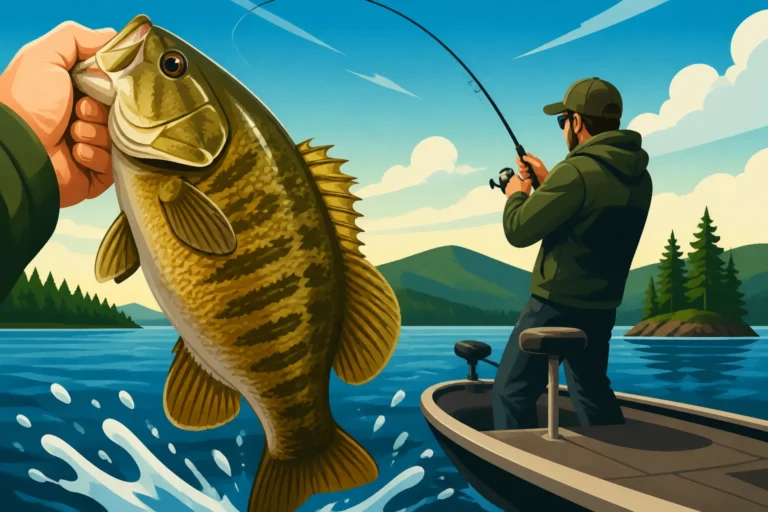
While muskellunge often grab the headlines, the smallmouth bass fishery in Lake Memphremagog is absolutely phenomenal and provides far more consistent action. These bronze-backed beauties are abundant throughout the Vermont portion of the lake, particularly along its rocky shorelines, points, and submerged humps. Smallmouth are known for their feisty nature, putting up an incredible fight on light tackle, often leaping clear of the water multiple times. They are an excellent target for both seasoned bass anglers and those newer to the sport.
Spring and fall are prime times for smallmouth, when they can be found shallower, actively feeding. During the summer months, they'll often move to deeper structures, sometimes congregating in large schools. Anglers have great success with a variety of techniques, including casting crankbaits, spinnerbaits, tube jigs, and drop shots. Live bait, such as shiners or crawfish, can also be highly effective. Understanding How to Catch Smallmouth Bass in Vermont Lakes will give you a significant advantage when targeting these aggressive fish on Memphremagog. The sheer numbers and willingness to bite make smallmouth bass an incredibly fun and reliable option.
Coldwater Contenders: Trout and Salmon
Lake Memphremagog's significant depth and cold, oxygen-rich waters make it an ideal habitat for two prized coldwater species: lake trout and landlocked salmon. These fish primarily inhabit the deeper sections of the lake, especially during the warmer months, making them a target for anglers equipped for deepwater presentations. Both offer a thrilling fight and are highly sought after for their table fare. While they require different tactics than shallow-water species, the reward of landing a chunky lake trout or a silvery landlocked salmon is immense.
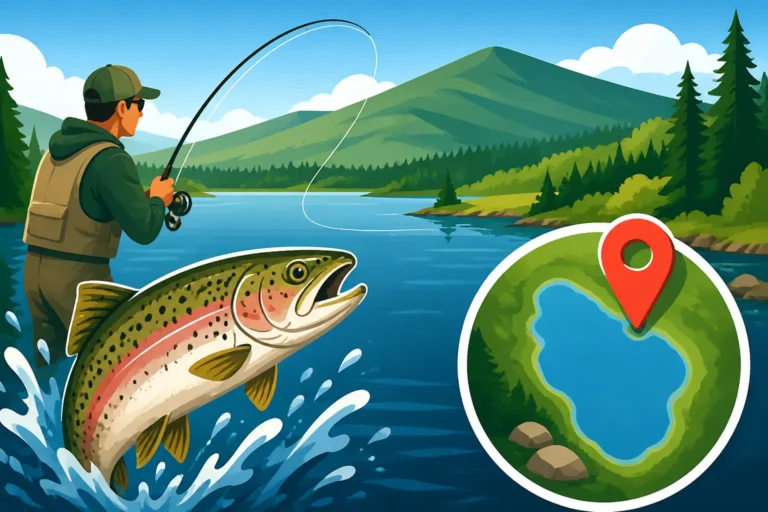
Lake trout, known for their large size and powerful pulls, typically hug the bottom structure in deep water, often near submerged islands or steep drop-offs. They feed on baitfish like rainbow smelt and can be caught by trolling spoons, stickbaits, or large flashers with bait at various depths using downriggers or lead core line. Landlocked salmon, while also preferring cold water, tend to suspend in the water column, often chasing schools of baitfish. They are notorious for their acrobatic fights and can be caught by trolling smaller spoons or traditional salmon flies near the thermocline. For more specific guidance on where and how to find these deepwater beauties, explore our guide on Lake Trout Fishing in Vermont.
Panfish and Pike: Accessible Action
For those seeking consistent action or introducing new anglers to the sport, Lake Memphremagog also offers excellent opportunities for panfish and northern pike. These species are generally more accessible, often found in shallower bays and near weed beds, and don't typically require specialized, heavy-duty gear. They are fantastic for filling a cooler for a delicious shore lunch and provide a great way to keep rods bent throughout the day.
Yellow perch are prolific in Memphremagog, particularly in the many bays and coves on the Vermont side. They are easily caught on small jigs tipped with bait, worms, or even tiny spoons. They offer continuous action and are a fantastic target for young anglers. Northern pike, on the other hand, are aggressive ambush predators found in weedier areas and along drop-offs. While not as legendary as the muskie, they grow to respectable sizes and offer powerful strikes and exciting fights. They readily hit spinnerbaits, spoons, and live minnows. These species offer a great way to enjoy the lake's fishing without the intensity sometimes associated with chasing its larger, more elusive residents.
Mastering Memphremagog: Techniques and Tactics
Fishing such a diverse and expansive body of water like Lake Memphremagog requires a versatile approach. No single technique will guarantee success across all species and conditions, so having a range of tactics in your arsenal is crucial. Understanding the optimal methods for different depths, structures, and fish behaviors will allow you to adapt throughout the day and target specific species more effectively. From subtle presentations to power fishing, Memphremagog demands a thoughtful and strategic angler.
The key to mastering Memphremagog often lies in utilizing modern electronics to locate fish and structure, combined with a deep understanding of traditional angling wisdom. Knowing when to slow down and meticulously work an area versus when to cover water quickly can make all the difference. Moreover, the changing seasons on Lake Memphremagog dictate significant shifts in fish location and feeding habits, requiring anglers to adjust their techniques accordingly.
Trolling for Deepwater Species
Trolling is undeniably one of the most effective methods for consistently catching deepwater species like lake trout, landlocked salmon, and even some of the deeper-holding smallmouth bass on Lake Memphremagog. The sheer size and depth of the lake make it ideal for covering vast expanses of water and presenting baits at precise depths where these coldwater predators often lurk. This technique allows you to systematically search large areas and discover productive zones.
Successful trolling on Memphremagog typically involves specialized equipment. Downriggers are essential for accurately presenting spoons, stickbaits, or baitfish at depths beyond what traditional weights can achieve, especially for lake trout that might be holding 100 feet or more down. Lead core line is another valuable tool, offering a more portable alternative for getting lures into the deeper reaches without the need for heavy machinery, though it requires a keen understanding of retrieve speed and line-out calculations. For landlocked salmon, which often suspend higher in the water column chasing baitfish, long-lining with planer boards or even simply flat-lining can be incredibly effective, allowing your lures to cover a broader area behind the boat. Matching your lure selection and depth to the prevalent forage, often rainbow smelt, is a critical component of successful deepwater trolling.
Casting and Jigging for Bass and Pike
When it comes to smallmouth bass, northern pike, and even muskies in shallower to mid-depth ranges, casting and jigging are the go-to techniques on Lake Memphremagog. These active methods allow anglers to precisely target visible structure, weed lines, and submerged cover where these ambush predators lie in wait. The interactive nature of casting and jigging provides a more immediate feedback loop and a direct connection to the fish.
For smallmouth bass, focusing your casts around rocky points, boulders, and steep drop-offs is paramount. Crankbaits, especially those mimicking baitfish or crawfish, are highly effective, as are soft plastics rigged on a drop shot or Texas rig for a more subtle presentation. Jigs, whether hair jigs, swim jigs, or tube jigs, can be deadly when bounced along the bottom or slowly retrieved through rocky areas. Northern pike will readily attack spinnerbaits, spoons, and larger soft plastics cast parallel to weed edges or into open pockets within thick vegetation. For trophy muskies, casting massive bucktails, jerkbaits, and swimbaits into prime muskie habitat requires specialized heavy gear and a strong resolve, often involving long hours of casting for that one explosive strike. Understanding How to Catch Muskellunge on Lake Memphremagog will give you some dedicated insight into landing one of these giants.
Ice Fishing Strategies
When the mercury drops and Lake Memphremagog freezes solid, a whole new world of fishing opens up beneath the ice. Ice fishing is a popular winter pastime on the Vermont side of the lake, offering unique opportunities to target perch, northern pike, lake trout, and even the occasional smallmouth bass. While the frozen landscape might seem tranquil, the action beneath the ice can be anything but. However, safety is always paramount, and anglers must ensure ice is at least four inches thick for safe walking.
The primary species targeted through the ice are yellow perch, which can be caught in large numbers using small jigs tipped with wax worms or spikes. Northern pike are another popular target, often caught on tip-ups baited with large live shiners or dead smelt set near weed lines or drop-offs. For those seeking a deeper challenge, lake trout can be caught by jigging heavy spoons or baits in deep water, often requiring a flasher or fish finder to mark fish. The key to successful ice fishing often involves drilling multiple holes to locate active schools and staying mobile until you find them. Proper shelter, like a portable ice shanty, and warm clothing are essential for comfort during extended periods on the ice. If you're new to the sport, our guide to Ice Fishing in Vermont offers excellent beginner advice.
Navigating the Waters: Access Points and Facilities
Getting onto and around a lake the size of Memphremagog requires knowing where to launch your boat, where to find essential supplies, and even where to stay if you’re planning a multi-day trip. While the lake is massive, access on the Vermont side is primarily concentrated around the city of Newport, which serves as the main hub for anglers exploring this majestic waterway. Having a clear plan for access and amenities will ensure a smooth and enjoyable fishing experience, allowing you to focus on the angling itself rather than logistical headaches.
Beyond public access, Newport also offers various services tailored to anglers, from bait and tackle shops to dining and lodging options. Considering the international nature of the lake, Newport is truly your gateway to the Vermont portion of Memphremagog. Familiarizing yourself with these resources ahead of time will prevent any last-minute scrambling.
Public Boat Launches and Marinas
For those planning to fish Lake Memphremagog from a boat, knowing the primary launch points is critical. The most popular and well-maintained public boat launch on the Vermont side is located in Newport. The Newport Public Dock and adjacent facilities offer ample parking, restrooms, and multiple ramps suitable for various boat sizes, from small fishing boats to larger vessels. This is often the starting point for many anglers heading out onto the lake, providing direct access to the vast main lake.
Another excellent option in Newport is the launch at Prouty Beach. This site, part of a municipal park, offers a concrete ramp and additional amenities, making it a convenient choice, especially if you're also looking for picnic areas or other recreational facilities. For larger boats, nearby marinas, while primarily offering seasonal slips, may have transient slips available and often provide fuel, maintenance services, and tackle shops. It's always a good idea to call ahead to inquire about specific services and availability, especially during peak fishing seasons, to avoid any surprises upon arrival.
Shoreline Access and Kayak/Canoe Spots
Not everyone has a large powerboat, and thankfully, Lake Memphremagog still offers plenty of opportunities for shore anglers and paddlers. While the steep banks and private property along some sections can limit shore access, there are key areas, particularly around Newport, where land-based fishing is readily available and productive. These spots are fantastic for a casual outing, especially if you're targeting panfish or smallmouth bass.
Prouty Beach not only has a boat launch but also offers significant shoreline access, including a fishing pier that's great for kids or those who prefer not to launch a boat. The city's waterfront parks provide additional stretches of accessible shoreline. For kayak and canoe enthusiasts, these same public launches are perfect for putting in your paddle craft. Paddlers can explore the shallower coves and the edges of the main lake, often reaching secluded spots that larger boats might miss. Kayak fishing on Memphremagog, especially for smallmouth bass and northern pike in the bays, can be an incredibly rewarding and peaceful experience. Just remember to be mindful of larger boat traffic, especially on the main lake, and always wear a Life Jacket Requirements for Vermont Boaters safety is paramount.
Essential Services and Accommodations
A successful fishing trip isn't just about what happens on the water; it's also about having the right support infrastructure. Newport, Vermont, as the main gateway to Lake Memphremagog, offers all the essential services anglers might need. Before heading out, make sure you've got your fishing license sorted, which you can often do at local vendors or conveniently How to Buy a Fishing License Online in Vermont.
For tackle and bait, local shops like Wright's Sport Shop in Newport are invaluable resources. They not only stock a wide array of lures, lines, and live bait specifically suited for Memphremagog's species but also often provide invaluable local knowledge about recent catches and hot spots. For those planning a multi-day adventure, Newport has a selection of hotels, motels, and charming bed-and-breakfasts to suit various budgets. If you're looking to elevate your experience or increase your chances of a trophy catch, consider hiring a local fishing guide. Websites like FishingBooker can connect you with experienced Memphremagog guides who specialize in muskie, bass, or trout, offering invaluable expertise and gear for an unforgettable trip. These guides provide not just a boat and tackle, but years of local knowledge that can turn a challenging lake into a rewarding one.
Understanding Vermont Regulations and Cross-Border Considerations
Fishing Lake Memphremagog is unique because it straddles an international border. This isn't just a geographical curiosity; it has profound implications for anglers, particularly concerning licenses and regulations. It’s absolutely critical to understand which rules apply to which part of the lake, as ignorance of the law, especially across borders, can lead to significant penalties. Anglers must be diligent in their research and preparation to ensure a legal and enjoyable outing.
The regulations set by the Vermont Fish & Wildlife Department apply only to the portion of the lake within Vermont's boundaries. Venturing into Canadian waters requires adherence to Quebec's fishing laws. This dual regulatory system is one of the most important aspects to consider when planning a trip to Memphremagog. Always prioritize safety and legal compliance to protect both yourself and the fishery.
Key Vermont Fishing Regulations
Before you even think about casting a line into the Vermont side of Lake Memphremagog, you need a valid Vermont fishing license. This is non-negotiable for anyone aged 15 and over. You can find all the details on acquiring one in our comprehensive guide, Vermont Fishing License Guide for 2026. Beyond the license, anglers must be intimately familiar with the general Vermont fishing regulations, which cover everything from daily bag limits and possession limits to legal fishing methods and seasons.
For Lake Memphremagog specifically, you'll need to pay close attention to the statewide regulations for species like smallmouth bass, lake trout, landlocked salmon, northern pike, and yellow perch. These rules dictate minimum length limits, daily creel limits (how many fish you can keep per day), and possession limits (how many fish you can have on hand). For instance, there are specific length and bag limits for bass that differ from panfish. Always carry a copy of the current Vermont Fishing Regulations Digest, available from the Vermont Fish & Wildlife Department, or consult our in-depth article, Vermont Fishing Regulations Explained, to stay compliant and avoid any potential fines.
The Canadian Border: What Anglers Need to Know
This is arguably the most critical aspect of fishing Lake Memphremagog: the international border. The simple truth is that a Vermont fishing license is only valid in the Vermont portion of the lake. If you cross into Canadian waters, even by accident, you are subject to Quebec's provincial fishing regulations and must possess a valid Quebec fishing license. There is no reciprocity for fishing licenses on Lake Memphremagog, unlike some other border waters like Lake Champlain with New York.
This means if you plan to explore the northern, deeper sections of the lake, which are predominantly in Quebec, you must obtain a non-resident Quebec fishing license before you cross the border. Canadian regulations can differ significantly from Vermont's, including species-specific rules, open seasons, and even allowed tackle. Without the proper Quebec license, you risk substantial fines, confiscation of gear, and potential legal issues with Canadian authorities. Therefore, if your fishing plans extend beyond the Vermont waters, thorough research into Quebec's fishing laws and obtaining the correct permit is absolutely essential. Don't let the excitement of a new fishing spot lead to legal trouble; always know where you are on the water and what rules apply.
Species-Specific Rules: Muskellunge, Bass, and Trout
Beyond the general statewide regulations, Lake Memphremagog also has some species-specific rules that anglers must meticulously follow. These regulations are often designed to protect vulnerable populations, promote trophy growth, or manage fisheries effectively. Knowing these precise rules for your target species is key to responsible angling.
For the trophy muskellunge, a strict minimum length limit is in place, often requiring a fish to be well over 40 inches before it can be legally kept. Many dedicated muskie anglers practice catch and release exclusively, recognizing the importance of these long-lived predators to the lake's ecosystem. Our specific guide on Vermont Muskellunge Regulations on Lake Memphremagog provides comprehensive details. Similarly, smallmouth bass have specific minimum length and daily bag limits which can vary from year to year; check Vermont Bass Minimum Length Limits for the most current information. Lake trout and landlocked salmon also have their own set of length and creel limits. Always measure your catch carefully and release any fish that do not meet the legal requirements. Understanding these nuances is part of being a responsible angler on a trophy fishery like Memphremagog.
Optimal Seasons and Conditions for Lake Memphremagog Fishing
Like any large body of water in Vermont, Lake Memphremagog's fishing opportunities are heavily influenced by the changing seasons. Each season brings different conditions, activates different fish behaviors, and therefore, demands distinct angling strategies. Understanding these seasonal shifts is fundamental to planning a successful trip, ensuring you're targeting the right species with the right techniques at the right time. From the icy grip of winter to the warmth of summer, Memphremagog transforms, offering varied experiences throughout the year.
The lake's deep, cold nature means that certain species, particularly the coldwater trout and salmon, remain active even when surface temperatures rise. Conversely, warm water species like bass will shift their locations and feeding patterns significantly. Paying attention to water temperature, weather fronts, and natural forage movements will give you a significant advantage in predicting where and how to find fish. Our guide to Vermont Fishing Season Dates and Closures offers a broader perspective on the angling calendar.
Spring's Promise: Post-Spawn Action
Spring on Lake Memphremagog is a time of renewed activity and incredible fishing potential. As the ice recedes, typically in late April or early May, the lake begins to awaken. Water temperatures slowly climb, signaling many fish species to begin their spawning rituals. This period immediately following ice-out and post-spawn can be exceptionally productive, as fish are often hungry and aggressive after the rigors of winter and reproduction.
Smallmouth bass, for instance, move into shallower rocky areas and gradually start their spawning process once water temperatures hit the mid-50s. After spawning, they feed heavily to regain energy, making them excellent targets for crankbaits, jerkbaits, and tube jigs worked along rocky points and transition areas. Northern pike will also be active in shallow, weedy bays after their earlier spawn. Lake trout and landlocked salmon, which spawn in the fall, will be actively feeding in the upper water column or near inlets, chasing smelt that are also staging to spawn. Early spring trolling with spoons and stickbaits can be very effective for these coldwater predators before they retreat to deeper, colder water. It's a fantastic time to be on the water, with the promise of strong bites and beautiful scenery.
Summer Strategies: Deep and Early/Late
As summer progresses and water temperatures on Lake Memphremagog climb, many species, particularly coldwater fish, move into deeper, cooler sections of the lake. This doesn't mean fishing shuts down; it simply means adjusting your approach to target fish that have sought refuge in the thermocline or near deep structure. Early mornings and late evenings often provide the best opportunities for shallower bites, as fish may temporarily move up to feed when light levels are low and surface temperatures are cooler.
Lake trout and landlocked salmon will be found in the deepest, coldest parts of the lake, often requiring downriggers or weighted lines to reach them. Trolling spoons and stickbaits at these depths, meticulously monitoring your electronics for temperature breaks and baitfish schools, is the most productive strategy. Smallmouth bass, while still present in shallower areas during low light, will mostly relate to deep points, humps, and drop-offs during the day. Vertical jigging, drop-shotting, or casting deep-diving crankbaits become highly effective. For those targeting muskellunge, summer is prime time for slow-trolling large baits over deep structure or casting giant presentations around prime muskie habitat, but expect to work hard for strikes.
Fall's Bounty: Pre-Winter Feeds
Fall is often considered one of the most rewarding seasons for fishing Lake Memphremagog, particularly for trophy seekers. As the air chills and water temperatures begin to drop, many fish species enter a pre-winter feeding frenzy, aggressively packing on calories in anticipation of the lean months ahead. This period offers incredible opportunities for both quantity and quality catches. The vibrant fall foliage surrounding the lake also adds a breathtaking backdrop to your angling adventure.
Smallmouth bass move back into shallower, rocky areas, feeding voraciously on crawfish and baitfish. Casting crankbaits, spinnerbaits, and tubes can lead to explosive strikes. Northern pike and muskellunge become incredibly active, often lurking in weed beds or patrolling rocky points as they gorge on smaller fish. Trolling large baits for muskie or casting bucktails and jerkbaits can produce some of the biggest fish of the year. For lake trout and landlocked salmon, they will begin to move shallower as the entire water column cools and oxygen levels become uniform, making them more accessible for shallower trolling or even casting in certain areas. It's a fantastic season to target these coldwater species as they become more active before the onset of winter.
Winter Wonderland: Ice Fishing Season
When winter truly sets in and Lake Memphremagog freezes over, a distinct and popular ice fishing season begins, typically from late December through March, depending on ice conditions. This offers a unique, tranquil, yet often action-packed way to fish. Safety, as always, is paramount when venturing onto the ice; always check local ice reports and ensure sufficient thickness for safe travel.
The primary targets for ice anglers on Memphremagog are yellow perch, northern pike, and lake trout. Perch are abundant in shallower bays and coves, often caught on small jigs tipped with bait. Northern pike are pursued with tip-ups set with large shiners or smelt near weed lines or points. For serious ice anglers, Lake Memphremagog offers excellent deepwater lake trout fishing, requiring sturdy ice rods, heavy jigs, or spoons, and a good flasher or sonar unit to mark fish suspended over deep structure. Smallmouth bass can also be caught through the ice, though they are generally less active. The experience of fishing a frozen Lake Memphremagog, surrounded by snow-covered landscapes, is truly unforgettable. Remember to consult our guide on Vermont Ice Fishing Season Dates to plan your winter adventures.
Gear Up for Success: Recommended Tackle
Approaching a lake like Memphremagog without the right gear can quickly turn a hopeful fishing trip into a frustrating one. The sheer diversity of species, from tiny perch to monstrous muskellunge, means that a "one size fits all" tackle setup simply won't cut it. Your rod, reel, line, and lure choices should be specifically tailored to the species you're pursuing and the techniques you plan to employ. Investing in appropriate tackle is not just about catching more fish, but also about the enjoyment of the fight and the ability to handle powerful species safely.
Beyond rods and reels, essential accessories like appropriate landing nets, pliers, and safety gear are equally crucial. Being prepared with the right tools for the job will enhance your efficiency, your comfort, and ultimately, your success on the water. Don't skimp on quality, especially when targeting some of Memphremagog's hard-fighting residents.
Heavy Duty for Muskie
Targeting the legendary muskellunge of Lake Memphremagog requires a significant commitment in terms of tackle. These fish are not just large; they are incredibly powerful and demand gear that can withstand immense stress. This isn't the time for finesse; it's time to bring out the heavy artillery. Using inadequate gear will almost certainly result in lost fish and potentially broken equipment, not to mention a potentially unsafe situation for both you and the fish.
A dedicated muskie setup typically includes a heavy to extra-heavy power baitcasting rod, usually between 8 to 10 feet long, designed for casting massive lures that can weigh several ounces. This needs to be paired with a robust baitcasting reel capable of holding a large amount of heavy braided line (80-100 lb test is common). Fluorocarbon or steel leaders are absolutely essential to prevent the muskie's razor-sharp teeth from cutting your line. Lure choices are equally substantial, including large bucktails, jerkbaits, swimbaits, and magnum crankbaits, often ranging from 8 to 14 inches in length. Lastly, a massive, rubber-coated landing net with a deep bag is non-negotiable for safe and effective handling of these giants, ensuring both angler safety and the fish's well-being for catch and release. Our guide on Best Line Weight for Muskellunge Fishing can help you select the right line.
Versatile Setups for Bass and Pike
While muskies demand specialized gear, smallmouth bass and northern pike on Lake Memphremagog can often be effectively targeted with more versatile, medium-heavy setups. These fish still offer formidable fights, but they don't require the extreme heavy-duty tackle necessary for the lake's largest predators. Having a couple of these setups allows for flexibility in targeting different areas and depths throughout the day.
For smallmouth bass, a medium-heavy power spinning rod, around 6'6" to 7'6" in length, paired with a 2500-3000 size spinning reel is ideal. Spool this with 10-15 lb braided line, using a 6-10 lb fluorocarbon leader for stealth. This setup is perfect for casting a wide array of lures, from crankbaits and spinnerbaits to tube jigs and drop shots. For northern pike, you might step up slightly to a medium-heavy baitcasting or spinning rod (7-8 feet) with a 3000-4000 size reel and 15-20 lb braided line, again with a steel or heavy fluorocarbon leader. Lure choices for pike include larger spoons, spinnerbaits, and swimbaits. Having both spinning and baitcasting options provides versatility, allowing you to adapt to different presentations and conditions throughout your day on the water. If you want a deeper dive, check out our guide on Best Tackle for Vermont Smallmouth Bass.
Finesse for Trout and Panfish
Lake Memphremagog offers fantastic opportunities for smaller species like yellow perch and for targeting coldwater game fish with a more refined approach. For panfish, and in some situations for trout and salmon, a lighter, more sensitive setup is not only more enjoyable but also more effective. Finesse techniques allow for subtle presentations and detect light bites, which are often necessary for success with these species.
For yellow perch and other panfish, an ultralight to light power spinning rod (5-6 feet) with a small 1000-2000 size spinning reel spooled with 4-6 lb monofilament or braided line is perfect. This delicate setup makes even small perch feel like a trophy and allows for accurate casting of tiny jigs, micro spoons, or small floats with live bait. For lake trout and landlocked salmon, while heavier trolling gear is often used, a medium-light to medium power spinning rod (6'6"-7') with a 2500-3000 size reel can be excellent for vertical jigging or casting spoons in specific deep areas, especially during cooler seasons. Spooling with 8-10 lb braided line and a fluorocarbon leader will offer sensitivity and strength. The key here is balance and sensitivity, allowing you to feel every subtle twitch and strike.
Essential Boating and Safety Gear
Beyond your fishing tackle, having the right boating and safety gear is paramount for a safe and enjoyable trip on Lake Memphremagog. This large, deep lake can experience rapidly changing weather conditions, and being prepared is not just a recommendation—it's a necessity. Ensuring your vessel is properly equipped goes hand-in-hand with safe and responsible angling practices.
Every boat on Lake Memphremagog, whether a small jon boat or a large fishing machine, must adhere to Vermont Boating Laws for Anglers, which include requirements for Life Jacket Requirements for Vermont Boaters (one for every person on board, and children under 12 must wear them), throwable flotation devices, visual distress signals, a whistle or horn, and navigation lights for dawn/dusk or night operation. A properly functioning bilge pump is also crucial. Beyond the legal requirements, a reliable fish finder with GPS and mapping capabilities is invaluable on Memphremagog for locating structure, baitfish, and depth contours. A good quality anchor system appropriate for varying depths, a first-aid kit, and communication devices (cell phone and/or marine radio) are also highly recommended. Always check the weather forecast before heading out and consider how your boat handles open water conditions. For larger boats, a cooler for drinks and food (and fish, of course!), and plenty of drinking water are also essential for long days on the water.
Disclaimer
Fishing involves inherent risks, including injury and drowning. Always prioritize safety, understand local regulations, and be aware of weather conditions. This guide provides general information and should not replace official Vermont Fish & Wildlife Department regulations or professional advice. Always wear a life jacket, especially on large, deep lakes like Memphremagog.