Vermont fishing regulations for state park lakes
It's incredibly frustrating when you're all geared up for a relaxing day of fishing in one of Vermont's beautiful state parks, only to realize you're not entirely sure if the general statewide regulations apply, or if there's a whole different set of rules you need to navigate. It feels like every time you plan a trip, there's a new layer of bureaucracy, right? This guide is here to clear up that confusion, diving deep into the fishing regulations specific to Vermont's state park lakes so you can cast your line with confidence and peace of mind.
Understanding the General Framework of Vermont Fishing Regulations
Before we zero in on state parks, it’s important to understand the overall regulatory landscape in Vermont. The Vermont Fish & Wildlife Department (VTF&W) is the primary authority for all things fishing, from setting season dates and bag limits to managing stocking programs. Their regulations form the bedrock of legal angling across the state. However, state parks, while under the umbrella of state land, often have an additional layer of administrative rules or unique ecological considerations that can affect your fishing experience. It's not always as simple as reading the general Vermont Fishing Regulations Explained and being done with it.
Why State Parks Have Unique Rules
You might wonder why a lake in a state park would have different rules than a comparable lake just outside its boundaries. The answer often lies in the specific goals of the park system itself, which balances recreation with conservation and visitor management. For instance, some state park lakes are smaller, more sensitive ecosystems that require stricter controls to prevent overcrowding, protect fragile habitats, or maintain water quality. Other parks might have restrictions on motorboat usage to preserve a tranquil atmosphere or reduce noise pollution, which directly impacts how you can access fishing spots. These rules aren't meant to make your life harder; they're designed to ensure these precious natural spaces remain healthy and enjoyable for everyone, for generations to come.
Key Regulatory Bodies: F&W vs. Parks
It’s easy to assume that all "state" rules come from the same place, but in Vermont, you're primarily dealing with two entities when fishing in state parks: the Vermont Fish & Wildlife Department and the Vermont Department of Forests, Parks, and Recreation. The VTF&W sets the actual fishing seasons, limits, and legal methods for catching fish. These are the core regulations. The Department of Forests, Parks, and Recreation, on the other hand, manages the land and water access within the state parks. This means they might dictate things like hours of operation, motorboat horsepower limits, designated swimming areas (where fishing might be prohibited), or rules about camping and day-use permits. Think of it this way: VTF&W tells you how and what you can fish, while the Parks Department tells you where and when you can access those waters within their jurisdiction. It's a dual system that requires a bit of attention to both sets of guidelines.
Common Regulations You'll Encounter in Vermont State Park Lakes
When you head out to a state park lake, expect the foundational Vermont Fishing License Guide for 2026 requirements to be in full effect. No matter where you're fishing in Vermont, a valid fishing license is almost always your first step, unless you fall into a specific exemption category.
License Requirements and Age Exemptions
Every angler aged 15 and older needs a valid Vermont fishing license. This rule holds true whether you're on a vast open lake or a tranquil pond nestled within a state park. There are exceptions, of course, which are well-detailed in the Vermont Youth Fishing License Rules by Age article, allowing younger children to fish without a license. It’s also worth noting that if you're a Vermont resident with certain disabilities or active military status, you might qualify for discounted or free licenses. Always carry your license with you, whether it's a physical copy or a digital one on your phone. You can find more information on Printing or Carrying a Digital Fishing License in Vermont to ensure you're always compliant. Getting caught without one, even unintentionally, can lead to fines and put a damper on your fishing day.
Species-Specific Rules in Park Waters
The individual species limits, seasons, and minimum length requirements set by the VTF&W apply to state park lakes just as they do everywhere else in Vermont, unless explicitly stated otherwise for a particular park lake. For example, if you're targeting bass, you'll need to know the Vermont Bass Minimum Length Limits and daily bag limits. This means if you're at Lake Bomoseen, which hosts Lake Bomoseen State Park, you'll adhere to the statewide bass limits for that waterbody. Similarly, trout seasons and stocking schedules, like those outlined in Vermont Trout Season and Stocking Rules, will be relevant if the park lake holds trout. Some popular state park lakes for fishing include Lake Bomoseen (home to Lake Bomoseen State Park), Lake Dunmore (where Branbury State Park is located), and Silver Lake at Silver Lake State Park. For larger lakes that contain state park access points, like Lake Champlain, the extensive Vermont Lake Champlain Fishing Rules will also apply.
Here’s a quick overview of some common species rules to keep in mind, although you should always consult the current VTF&W digest for the most up-to-date and specific details:
| Species | Common Regulation (Always Verify Annually) | Notes for Park Waters |
|---|---|---|
| Trout | Daily limit 6, minimum length 6" (varies) | Stocked in many park ponds; check for specific "trophy" waters. |
| Landlocked Salmon | Daily limit 2, minimum length 15" | Found in deeper, colder park lakes (e.g., Lake Willoughby). |
| Largemouth/Smallmouth Bass | Daily limit 5, minimum length 10" (varies) | Excellent bass fishing in many warmer park lakes. |
| Walleye | Daily limit 5, minimum length 18" | Primarily Lake Champlain and other select large lakes. |
| Northern Pike | Daily limit 2, minimum length 24" (varies) | Found in larger, weedy park lakes. |
| Panfish (Perch, Bluegill, Crappie) | No daily limit, no minimum length | Abundant in almost all park lakes, great for kids. |
Gear and Bait Restrictions
Generally, the same gear and bait rules apply in state park lakes as in other public waters. This means you can use spinning gear, baitcasting setups, or fly fishing equipment. You're typically limited to two lines unless ice fishing, where you can use up to four. Live bait like worms, minnows, or leeches are usually permitted, but there can be exceptions. In sensitive ecological areas or certain designated waters (especially smaller ponds or pristine mountain lakes), live bait might be prohibited to prevent the introduction of invasive species or diseases. Always double-check the VTF&W regulations for any specific body of water. For those who prefer to keep their tackle organized, a good Best Tackle Bag for Bank Fishing can be a real game-changer, especially if you're hiking into a more remote pond within a park. And speaking of gear, you can often find great deals on basic fishing supplies or specific lures that mimic local forage on Amazon, equipping you for any park lake outing.
Navigating Special Regulations and Park-Specific Nuances
The phrase "special regulation waters" is important to remember because it's where the standard statewide rules can diverge significantly. While more common for rivers and streams, some lakes, including those within state parks, might have these designations.
How to Find Park-Specific Rules
The most reliable way to find out if a particular state park lake has special regulations is to consult the official Vermont Fish & Wildlife Department fishing regulations digest. This comprehensive guide is updated annually and is your go-to resource. It lists all waters and any deviations from the general rules, often organized by county or major waterbody. You can pick up a physical copy at most license vendors or find it online. Additionally, the individual Vermont State Parks website pages for specific parks sometimes list unique rules related to their lake or pond, especially regarding access or boat usage. Don't hesitate to call the park office directly or speak to a park ranger upon arrival; they are usually very knowledgeable and helpful. For anglers traveling with kayaks, knowing Are Kayaks Required to Be Registered in Vermont? and checking park-specific rules on launches is also crucial.
Boating and Access Regulations
Accessing your favorite fishing spot in a state park lake can sometimes come with its own set of rules. Many state park lakes, especially smaller ones, have horsepower limits for motorboats or may prohibit them entirely to maintain tranquility and protect the ecosystem. For instance, smaller lakes like those at Silver Lake State Park or Elmore State Park are typically restricted to canoes, kayaks, or electric motors. Even on larger bodies of water where motorboats are generally allowed, such as Lake Dunmore near Branbury State Park, specific areas within the park's influence might have speed limits or no-wake zones. Vermont Boating Laws for Anglers provides an excellent overview of the broader boating regulations, but always check local park signage.
When it comes to personal watercraft like kayaks and canoes, most parks offer public launch areas, though some might require a day-use fee for parking or access to the beach. If you're bringing your own kayak, remember that you'll need to adhere to Life Jacket Requirements for Vermont Boaters, and having a good quality Best Kayak for Lake Champlain (or any lake) can make your trip much more enjoyable. Always be mindful of designated swimming areas and avoid fishing in them, especially during peak season. You can usually find a good portable fish finder on Amazon that straps right to your kayak, helping you locate those fish-holding structures without breaking any park rules.
Catch and Release vs. Harvest in Parks
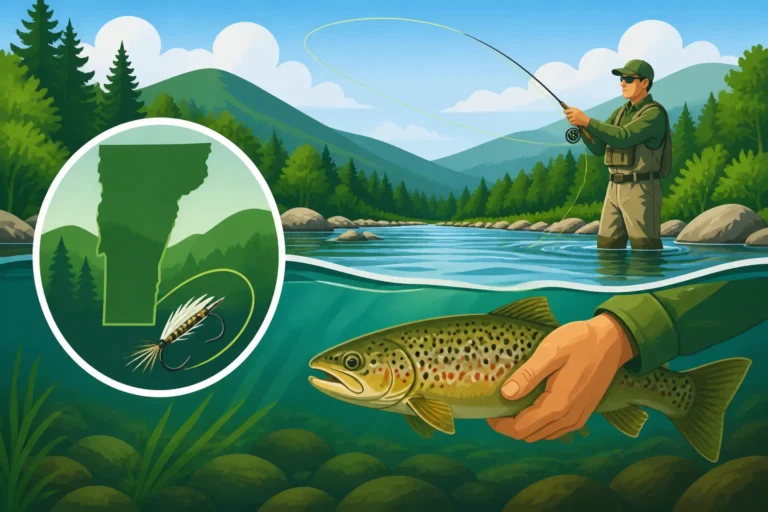
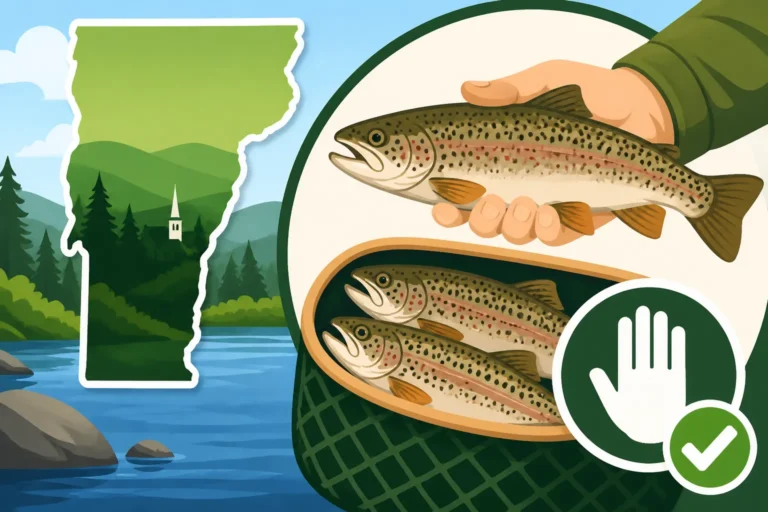
Most Vermont fishing regulations, including those in state parks, allow for both catch and release and harvesting fish, provided you adhere to all species-specific bag and length limits. However, there are some "catch and release only" waters in Vermont, though these are more often found in specific river sections rather than entire lakes within state parks. If a state park lake does have a catch-and-release-only rule, it will be clearly stated in the VTF&W regulations digest and usually posted at the access points. When practicing catch and release, especially with larger fish like bass or trout, handle them gently with wet hands and release them quickly to maximize their survival chances. For panfish, which are abundant in many park lakes, harvesting a few for a delicious meal is perfectly acceptable and often encouraged as it helps manage their population.
Final Thoughts for Your State Park Fishing Adventure
Navigating the nuances of fishing regulations in Vermont state park lakes doesn't have to be a headache. By understanding that state parks often overlay their own access and use rules on top of the Vermont Fish & Wildlife Department's core fishing regulations, you're already halfway there. Always check the current VTF&W digest, look for park-specific information on their official websites, and don't hesitate to ask a park ranger if you have any questions. With a little preparation, your trip to a Vermont state park lake can be a truly rewarding and relaxing experience, full of bent rods and beautiful scenery.
Disclaimer
The information provided in this guide is for general informational purposes only and is subject to change. Always consult the most current Vermont Fish & Wildlife Department regulations digest and specific Vermont State Park guidelines before engaging in any fishing activities. Compliance with all applicable laws and regulations is the sole responsibility of the angler.