Vermont yellow perch limit
It's incredibly frustrating when you're out on a beautiful Vermont lake, the yellow perch are biting like crazy, and suddenly you stop, reel in, and wonder: "Just how many of these can I actually keep?" The joy of a hot bite can quickly turn into anxiety if you're not sure about the regulations. This guide is here to clear up that confusion, specifically focusing on the yellow perch limit in Vermont, so you can enjoy your time on the water without a nagging worry.
Understanding Vermont's Yellow Perch Regulations
Fishing in Vermont means navigating a clear set of rules designed to keep our fisheries healthy and thriving for generations. When it comes to popular panfish like yellow perch, many anglers are surprised to learn that the regulations are often quite different from those for trout, bass, or salmon. The good news is that for most waters in Vermont, yellow perch have a very generous approach to limits, which reflects their abundance and ecological role.
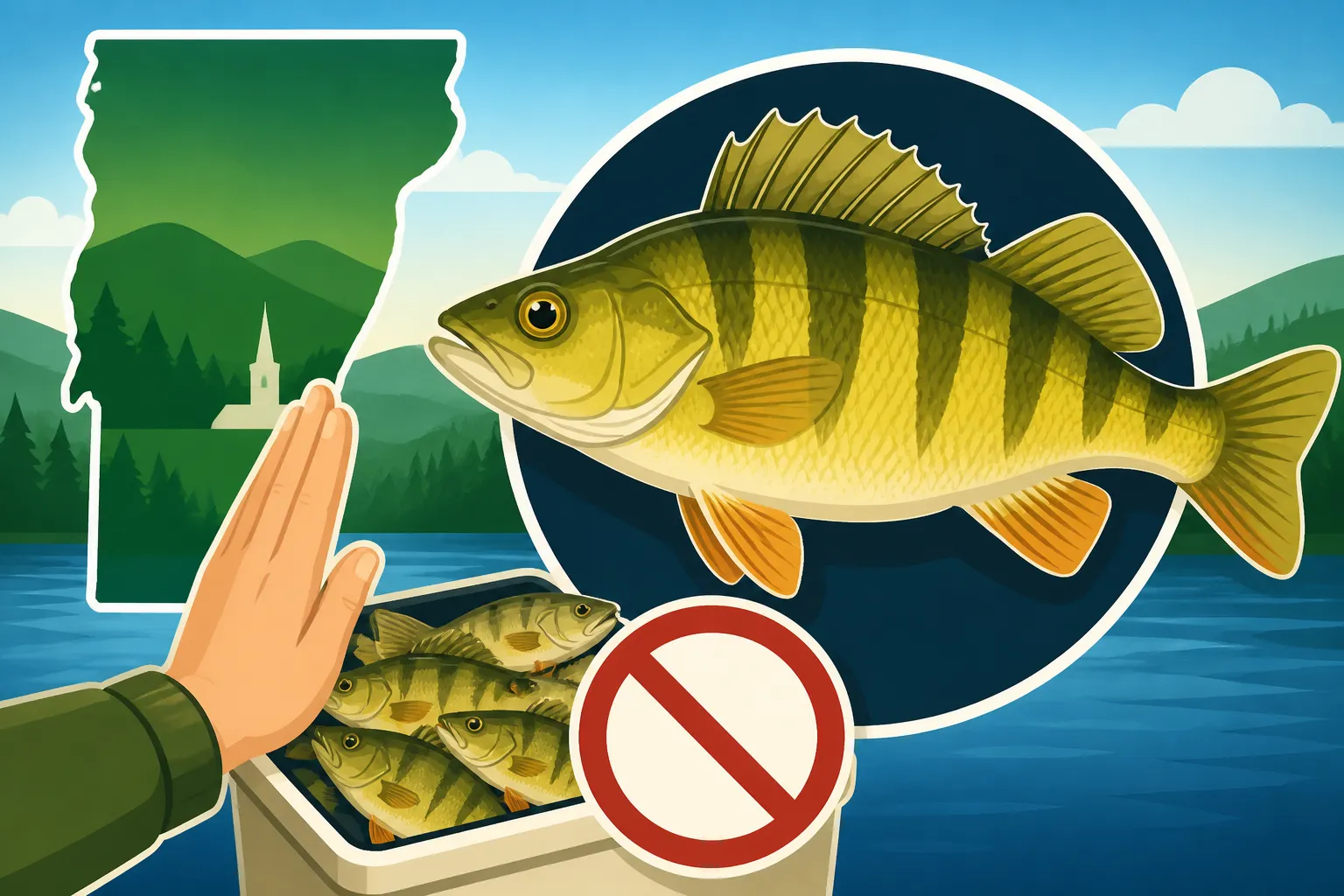
According to the Vermont Fish and Wildlife Department's most recent regulations, there is typically no daily or possession limit for yellow perch in most of Vermont's general fishing waters. This might sound unusual if you're used to strict limits on other species, but it's a testament to the robust populations of yellow perch across the state. They're a prolific species, reproducing quickly and providing a crucial food source for larger predatory fish like walleye, northern pike, and lake trout. However, and this is a big "however," it's absolutely vital to remember that "most waters" doesn't mean all waters. Always double-check the current Vermont Fishing Regulations Guide for any specific body of water you intend to fish, as some special regulation waters might have unique rules.
Why the "No Limit" Rule for Yellow Perch?
This lack of a strict limit isn't a free-for-all, but rather a carefully considered management decision based on the biology of yellow perch. These fish are incredibly adaptable and reproduce in large numbers, often leading to very dense populations. If perch populations become too dense, individual fish can become stunted, meaning they don't grow to a desirable size. This can also reduce the overall health of the ecosystem by outcompeting other species for food or putting too much pressure on aquatic insect populations.
Allowing anglers to harvest a good number of yellow perch serves several ecological purposes:
- Population Control: It helps manage population density, encouraging healthier growth rates for the remaining fish.
- Forage Base Management: It balances the food chain, ensuring there's enough forage for larger game fish while preventing an overabundance of perch.
- Angler Opportunity: It provides ample opportunity for anglers to enjoy harvesting a delicious and accessible species, especially for new or young anglers.
It's a win-win: anglers get to fill their coolers, and the fishery maintains a healthy balance. However, this doesn't mean you should keep every single perch you catch. Responsible angling is still key, and many experienced anglers practice selective harvesting, keeping only what they'll eat and releasing the rest, especially larger fish that contribute to the gene pool. You can learn more about general rules in our comprehensive guide on Vermont Fishing Regulations Explained.
General Statewide vs. Special Regulation Waters
While the "no limit" rule holds true for most of Vermont's lakes, ponds, and rivers, there are always exceptions. These exceptions are typically found in what the Vermont Fish and Wildlife Department designates as "Special Regulation Waters." These areas might have specific rules for various reasons:
- Trophy Management: Sometimes, certain waters are managed for trophy-sized fish, and all species might be subject to more restrictive limits to protect growth.
- Conservation Efforts: In rare cases, a specific water body might have a temporary conservation need that impacts panfish.
- Unique Ecosystems: Waters with very specific or fragile ecosystems might have different rules.
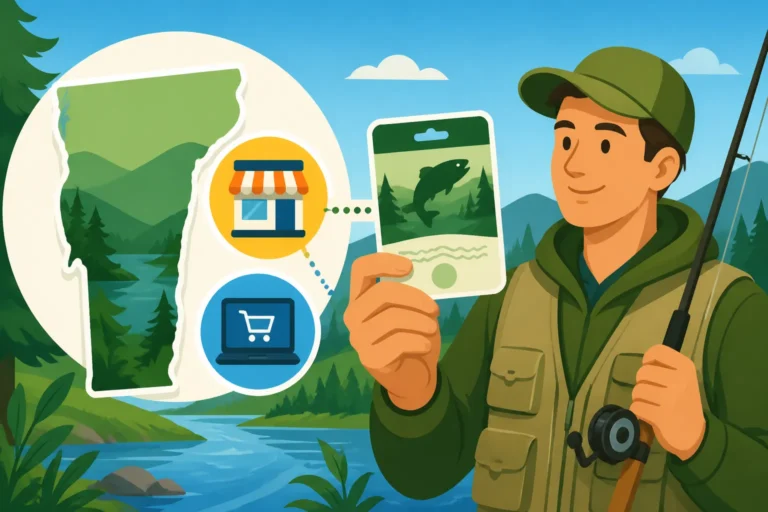
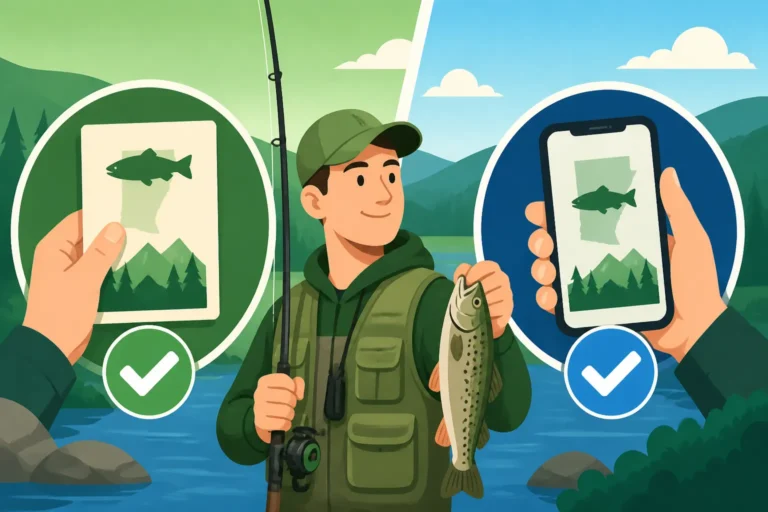
For example, while unlikely for yellow perch specifically, it's not unheard of for a specific pond managed for a rare trout species to have blanket "catch and release only" rules for all fish, or a very reduced limit. This is why having the most current copy of the regulations, either printed or on your phone, is essential. Many anglers keep a digital copy downloaded from the Vermont Fish and Wildlife website, which makes it easy to check on the spot. If you want to know about other species, our article on Vermont Bag and Possession Limits by Species covers a broader range.
Why Yellow Perch Limits Matter for Anglers and the Ecosystem
Even with a "no limit" rule in most places, understanding why limits (or the absence of them) are in place for yellow perch is crucial for every responsible angler. It’s not just about following the law; it’s about participating in the stewardship of Vermont’s incredible natural resources.
The Ecological Role of Yellow Perch
Yellow perch are true cornerstones of many aquatic ecosystems in Vermont. They're a crucial part of the food web, serving as a primary food source for almost every larger predatory fish you can imagine. Think about Lake Champlain: walleye, lake trout, northern pike, and even large bass all rely heavily on yellow perch as sustenance. Without a healthy, abundant perch population, these larger game fish would struggle.
- Forage Fish: Their abundance and relatively small size make them ideal prey. A healthy perch population means robust populations of apex predators.
- Insect Eaters: Perch themselves feed on aquatic insects, small crustaceans, and other invertebrates, helping to control these populations and cycle nutrients within the water system.
- Indicators of Health: A sudden decline in perch numbers in a water body could signal a broader environmental issue, making them a sort of "canary in the coal mine" for aquatic health.
When we, as anglers, responsibly harvest yellow perch, even without a strict numerical limit, we're actually contributing to the health of the entire ecosystem. It's a subtle but powerful form of wildlife management that ensures the balance remains. If you're interested in understanding more about their habits, our guide on Yellow Perch in Vermont Lakes offers detailed insights.
Sustainable Harvesting and Future Opportunities
The idea behind having no limit on yellow perch in most waters isn't to encourage rampant overfishing. Instead, it's an acknowledgment that these fish can sustain a significant amount of angling pressure without negative long-term impacts, and in some cases, harvesting actually benefits the population. Sustainable harvesting means taking what you need and enjoying the bounty, while still respecting the resource.
Imagine a pond where perch reproduce so rapidly that there are too many mouths to feed. The fish become skinny, prone to disease, and never reach a size that's truly enjoyable to catch or eat. By keeping a reasonable number of perch, anglers help prevent this stunting, leading to a healthier population of larger, fatter fish for everyone. This kind of nuanced management is often easier with species like perch compared to slower-growing, less prolific species like lake trout or muskellunge, which typically have very strict limits.
By adhering to the spirit of the regulations, even where there isn't a hard number, we ensure that our kids and grandkids will have the same fantastic opportunities to catch yellow perch in the future. It's about preserving a tradition and a resource.
Practical Tips for Anglers Targeting Yellow Perch in Vermont
So, you've got the lowdown on the "no limit" rule for yellow perch in most Vermont waters. Now, let's talk about some practical advice for anglers who want to target these feisty panfish, ensuring a responsible and enjoyable experience.
Identifying Yellow Perch Correctly
Before you start filling your cooler, make absolutely sure you're catching yellow perch. While they're pretty distinct, especially with their vertical bars and yellowish sides, it's possible to confuse them with other panfish, particularly if you're new to fishing.
Here’s what to look for:
- Coloration: Bright yellow or brassy sides with 6-8 dark, vertical bars.
- Fins: Two dorsal fins, with the first being spiny and the second soft-rayed. The lower fins (pelvic and anal) often have an orangish tint, especially in spring.
- Body Shape: Elongated and somewhat flattened laterally.
- Size: Typically range from 6 to 10 inches in Vermont, though larger ones are caught.
Knowing your species is fundamental to following all regulations correctly. You wouldn't want to accidentally keep a protected species or a fish with a different limit because of misidentification. Our Panfish Species Identification Guide for Vermont can help clarify.
Responsible Catch and Release Practices
Even if there's no limit, you might not want to keep every single fish. Maybe you only want a few for dinner, or you're just enjoying the sport. Practicing responsible catch and release is important for any species, including perch, to ensure the health of the fish you put back.
- Handle with Care: Wet your hands before touching the fish to protect its slime coat, which is vital for disease prevention.
- Quick Release: Minimize the time the fish is out of the water.
- Barbless Hooks: Consider using barbless hooks (or crimping the barbs on your existing hooks). This makes unhooking much easier and less damaging to the fish. You can find a wide variety of barbless hooks and tools to convert existing hooks on Amazon.
- Pliers/Forceps: Keep a good pair of needle-nose pliers or hemostats handy for quick and clean hook removal. Again, a sturdy pair is easily ordered from Amazon.
- Avoid Deep Hooking: If a fish is deeply hooked and bleeding significantly, it's often best to keep it if it's within legal size, or cut the line as close to the hook as possible, rather than trying to rip the hook out.
Gear and Techniques for Yellow Perch
Yellow perch are not picky eaters, which makes them a fantastic target for anglers of all skill levels. They're often found in schools, so where you catch one, you'll likely catch more!
- Baits: Worms, small minnows, grubs, and even small pieces of corn are highly effective.
- Lures: Small jigs (1/32 to 1/8 ounce) tipped with a piece of worm or a small soft plastic grub work wonders. Small spinners and spoons are also very productive. Many excellent panfish lure kits are available on Amazon.
- Rods & Reels: Ultralight to light spinning gear with 2-6 pound test line is perfect. It makes even a small perch feel like a trophy.
- Location: Look for them in areas with submerged vegetation, docks, brush piles, or drop-offs in lakes and ponds. In rivers, they'll often be found in slower moving eddies or backwaters.
Many anglers specifically target yellow perch during the ice fishing season in Vermont, as they remain active under the ice and provide fantastic winter sport. For more on winter fishing, check out our guide on Ice Fishing in Vermont.
Here's a quick summary of general panfish regulations in Vermont, including yellow perch:
| Fish Species (Panfish) | Daily Limit (Most Waters) | Possession Limit (Most Waters) | Minimum Length Limit | Notes |
|---|---|---|---|---|
| Yellow Perch | None | None | None | Check Special Regulation Waters for exceptions. |
| Sunfish (Bluegill, etc.) | None | None | None | Very common and abundant, great for kids. |
| Black Crappie | None | None | None | Popular in many lakes, often found in schools around structure. |
| Rock Bass | None | None | None | Often found in rocky areas. |
| Chain Pickerel | None | None | None | While not a panfish, often caught incidentally. Check for specific regional exceptions for this species. |
Disclaimer: This table summarizes general rules for most Vermont waters. Always consult the official Vermont Fish and Wildlife Department regulations for the most current and specific rules for your intended fishing location.
Common Misconceptions and Specific Scenarios
Even with the "no limit" rule being pretty straightforward for yellow perch, questions often arise when you get down to the nitty-gritty of actual fishing scenarios. Let's tackle some of those common misconceptions and specific situations you might encounter.
The Myth of the "Kid's Limit"
A common misunderstanding, especially for families fishing together, is whether children have different limits. While Vermont has generous rules regarding Vermont Youth Fishing License Rules by Age – for instance, kids under 15 don't need a license – the actual fishing limits apply to everyone who is keeping fish. So, if a child is fishing and keeping yellow perch, they are still bound by the same regulations as an adult. Since there's generally no limit for perch, this isn't usually an issue, but it's important to know for species that do have limits. Each individual angler, regardless of age (assuming they are actively fishing and retaining fish), is responsible for adhering to the specific daily and possession limits for the species they catch.
Group Fishing and Aggregate Limits
What if you're out on a boat with three friends, and everyone is catching yellow perch? Does the boat have a limit, or is it individual? In Vermont, and generally across most states, fishing limits are per individual angler, not per boat or group. So, if there's no limit on yellow perch, each person can theoretically keep as many as they wish (again, within reason and responsible angling practices).
However, imagine you're fishing for a species with a daily limit of, say, five fish. Each individual angler on the boat could keep five fish. You can't combine everyone's limit into one person's cooler if only one person is fishing. It's about personal accountability. When you return to the dock, each person's possession (on their person, in their cooler, in their vehicle, or at their temporary lodging like a camp) must comply with individual limits. This is another area where knowing Vermont Fishing Regulations Explained is critical.
The "Possession Limit" Explained
Even with no daily limit on yellow perch, it's worth understanding the concept of a "possession limit" for future reference with other species. A daily limit refers to the number of fish you can take in one calendar day. A possession limit refers to the maximum number of fish you can have in your actual possession at any given time, whether that's in your livewell, cooler, vehicle, or even back at your cabin or home.
For yellow perch in most Vermont waters, because there's generally no daily limit, there's also no explicit possession limit. This means you could, theoretically, accumulate a large number of perch over several days of fishing if you're continuously harvesting. But again, the spirit of the regulation encourages reasonable harvest. Think about what you will realistically consume or use, rather than simply stockpiling.
What About Lake Champlain?
Lake Champlain is a massive body of water, and sometimes, large lakes that span state or even international borders have special reciprocal agreements or unique regulations. For yellow perch specifically, the general "no limit" rule usually holds true across Lake Champlain for Vermont anglers. However, if you're fishing the New York side of Lake Champlain, their regulations might differ slightly. Always verify the rules for the specific state you are fishing in. Our article on Vermont Lake Champlain Fishing Rules is a good resource, and it's always wise to check both state's regulations if you plan to cross over.
The key takeaway here is clarity: while yellow perch are largely unrestricted in Vermont, vigilance is always your best fishing buddy. Stay informed by checking official resources, and you'll enjoy countless successful trips. Don't forget to grab some essential gear like a quality landing net, easily found on Amazon, to handle those perch gently if you're practicing catch-and-release.
Final Thoughts on Responsible Perch Fishing
Yellow perch fishing in Vermont is a fantastic experience, offering abundant opportunities for anglers of all ages and skill levels. The fact that there’s generally no daily or possession limit for these delightful panfish in most waters speaks volumes about their healthy populations and their role as a vital forage species. It’s an open invitation to enjoy the bounty, fill your cooler with some of the best eating fish Vermont has to offer, and create lasting memories on the water.
However, "no limit" doesn't mean "no responsibility." As stewards of our natural resources, we each play a part in maintaining the health and balance of Vermont’s fisheries. Practicing selective harvesting, taking only what you'll use, handling fish with care when releasing them, and always being aware of the specific regulations for the waters you're fishing are all crucial aspects of responsible angling. Whether you're chasing them through the ice or casting from a boat on a warm summer day, the joy of catching yellow perch in Vermont is truly special. Embrace the freedom these regulations offer, but always fish with respect for the fish and the environment. Happy fishing! You can check out Best Tackle for Panfish for more specific gear advice, and remember to consult the Vermont Fishing Seasons by Month to plan your year!
Disclaimer
The information provided in this guide is for general informational purposes only and is based on typical Vermont fishing regulations. Fishing regulations, including limits and seasons, are subject to change. It is the angler's sole responsibility to consult the most current official Vermont Fish and Wildlife Department regulations prior to fishing in any Vermont waters. Failure to comply with current regulations may result in penalties.