How many Vermont lakes get trophy trout
It's a common dream for anglers heading to Vermont: landing that truly memorable fish, the kind that makes your arms ache and your heart pound. But let's be honest, finding those bigger trout, the ones you'd call "trophy" class, often feels like searching for a needle in a haystack. Many folks spend years casting into endless waters, hoping for that one big bite. This guide is here to cut through the guesswork and show you precisely how many and which specific Vermont lakes are managed to give you the best shot at hooking into a true trophy trout, and what you need to know to make that dream a reality.
Understanding Vermont's Trophy Trout Program
The Vermont Fish & Wildlife Department understands that while catching any trout is a joy, there's a special allure to pursuing larger, older, more impressive fish. That's why they established the Trophy Trout Program. This isn't just about dumping a few extra-large fish into random waters; it's a very intentional effort designed to create specific angling opportunities for those seeking a genuine challenge. The program focuses on a select number of lakes and ponds, stocking them with brook trout and rainbow trout that are already of considerable size, often 15 inches or more, giving them an immediate "trophy" status upon release. It's a fantastic initiative that concentrates these larger fish in waters where anglers can realistically target them, rather than relying solely on the rare wild specimen.
The Purpose Behind the Program
You might wonder why the state goes to this effort for "trophy" fish when they stock countless smaller trout annually. The rationale is multifaceted. First, it diversifies the fishing experience. Not every angler is looking for the same thing, and providing opportunities for larger fish caters to a different segment of the fishing community, including those who travel from out of state for a specific challenge. Second, it helps distribute angling pressure. By creating known "hot spots" for trophy trout, it can draw anglers to these locations, potentially easing pressure on other wild trout streams or smaller ponds. Finally, it's about showcasing the quality of Vermont's fisheries. Catching a large, healthy trout from a beautiful Vermont lake is an experience that promotes conservation and engagement with the state's natural resources. It creates stories, memories, and keeps anglers coming back, fostering a deep connection to the environment.
What Defines a "Trophy" Trout in Vermont?
When we talk about "trophy trout" in the context of this program, we're generally referring to fish that are already quite large when stocked. The Vermont Fish & Wildlife Department typically defines these fish as brook trout or rainbow trout measuring 15 inches or longer. This is a significant size, well beyond the average stocker trout you might encounter elsewhere. These fish are robust, healthy, and immediately offer a substantial fight. While some anglers might consider a large wild brown trout or landlocked salmon caught elsewhere a "trophy," within the specific framework of the Trophy Trout Program, it's these 15-inch-plus stocked brook and rainbow trout that are the focus. They're meant to provide an immediate opportunity for a big catch, offering a quicker path to that coveted photo-worthy fish.
The Specific Lakes Stocked with Trophy Trout
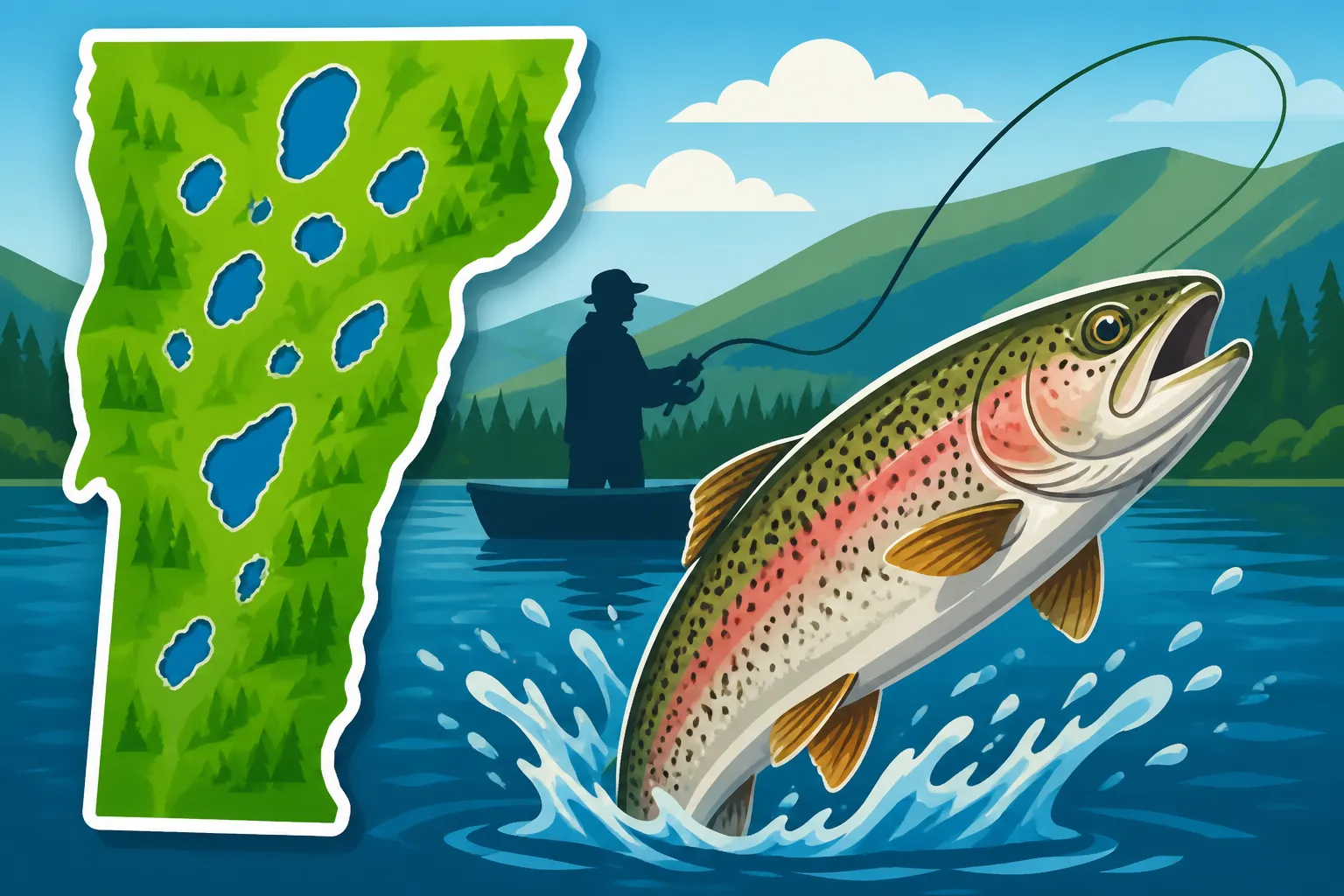
Now to the core of your question: how many lakes get these special fish? While the exact list can sometimes see minor adjustments based on stocking capabilities and environmental factors, the Vermont Fish & Wildlife Department consistently stocks trophy trout in approximately six to eight lakes and ponds each year. These are carefully chosen waters that offer suitable habitat and public access, ensuring that anglers have a fair shot at pursuing these impressive fish. It’s not just any pond; these are specific, designated waters where you can confidently plan a trip knowing that big trout have been introduced.
Identifying the Key Trophy Trout Waters
Based on the Vermont Fish & Wildlife Department's longstanding program and typical stocking plans, here are some of the most consistent lakes and ponds you can expect to receive trophy trout stockings. Keep in mind that confirming the most up-to-date information through the official Vermont Fish & Wildlife website's stocking schedule is always a good idea before heading out, as these things can change year-to-year. However, the following have been perennial favorites for good reason:
- Lake Fairlee (Fairlee): A beautiful lake known for its clear waters and diverse fishery, it's a prime candidate for trophy trout.
- Lake Rescue (Ludlow): Another scenic lake in the Okemo Valley, often included for its accessibility and good habitat.
- May Pond (Andover): A smaller, more secluded option that can offer a fantastic experience for those seeking a quieter pursuit.
- Lake Raponda (Wilmington): Located in southern Vermont, this lake provides opportunities for anglers in a different part of the state.
- Colby Pond (Woodford): Often stocked with brook trout, offering a classic Vermont trout pond experience with a chance at a larger fish.
- Echo Lake (East Charleston): Found in the Northeast Kingdom, it's a stunning location that provides a truly picturesque backdrop for trophy angling.
- Lake Dunmore (Salisbury/Leicester): While also a popular bass lake, it often receives trophy trout stockings, especially rainbow trout, adding another layer to its appeal. You can learn more about its general offerings in our Lake Dunmore Fishing Guide.
- Lake St. Catherine (Poultney): This popular lake is sometimes included, offering excellent opportunities for various species, including the occasional trophy trout.
These lakes are strategically chosen not just for their ability to hold fish, but also for providing a good angling experience, whether from shore or by boat.
How to Find the Latest Stocking Information
The absolute best way to stay informed about which specific waters are receiving trophy trout, and when, is to utilize the official resources. The Vermont Fish & Wildlife Department maintains a fantastic Vermont Fish Stocking Search Tool, Explained on their website. This tool allows you to search by water body, species, or even date, providing real-time updates on stocking activities. It’s an invaluable resource for planning your trips, ensuring you're fishing where the action is, especially for these special trophy stockings. Don't rely solely on word-of-mouth; a quick check of the official stocking reports can make all the difference in your fishing success. This tool also covers the broader List of Vermont stocked trout waters, so you can find other opportunities for different trout species too.
Strategies for Catching Vermont's Trophy Trout
Landing a trophy trout isn't usually a matter of luck; it’s about understanding their behavior, knowing the water, and having the right approach. These fish, even when recently stocked, are still large and somewhat wary. They didn't get to 15 inches by being easily fooled! You'll need to adapt your techniques and gear to target these larger, more discerning fish.
Gear Up for Bigger Fish
When you're targeting trout that are 15 inches or larger, your standard ultralight panfish setup might not cut it. You need gear that can handle a strong fight. A medium-light spinning rod (6' to 7') paired with a reel spooled with 6-8 pound test monofilament or fluorocarbon line is a good starting point. If you're using braided line, a fluorocarbon leader of 4-6 feet is essential for stealth in the clear Vermont waters. For those who prefer fly fishing, a 5 or 6-weight fly rod will give you the power to cast larger streamers and nymphs, and to safely land a big fish. Using a strong, reliable net, like a good rubberized landing net, is crucial for safely bringing in and releasing these larger fish. You can find many suitable options, including larger nets designed for bigger trout, on platforms like Amazon. Our guide on Best Gear for Vermont Trout Fishing dives deeper into specific recommendations.
Here's a quick reference table for appropriate gear:
| Gear Type | Recommendation for Trophy Trout | Why it matters |
|---|---|---|
| Spinning Rod | Medium-light, 6-7 feet | Power to cast heavier lures, control strong fish. |
| Spinning Reel | Size 2000-3000, smooth drag | Holds enough line, smooth operation for fighting powerful runs. |
| Line (Main) | 6-8 lb monofilament or braid | Strong enough to withstand runs and snags. |
| Leader | 6-8 lb fluorocarbon (4-6 ft) | Low visibility in clear water, abrasion resistance. |
| Fly Rod | 5-6 weight | Handles larger flies, provides leverage for bigger fish. |
| Landing Net | Rubberized, hoop size 18-24 inches | Protects fish slime, prevents tangles, aids safe release. |
| Lures/Baits | Larger spoons, stickbaits, spinners, shiners | Appeals to bigger fish's appetite, stands out. |
Best Baits and Lures for Trophy Trout
Bigger trout often have bigger appetites, but they can also be more selective. When targeting these fish in lakes, you'll want to present something substantial and appealing.
- Live Bait: Shiners are a perennial favorite. Fished under a float or on a bottom rig, a lively shiner can be irresistible to a hungry trophy trout. Worms, especially larger nightcrawlers, can also be effective, particularly in areas with natural stream inlets or deeper channels.
- Artificial Lures: Trolling or casting spoons (like a Little Cleo or Kastmaster) in silver, gold, or brass colors can be deadly, especially when fish are suspended or actively feeding on baitfish. Small jerkbaits or stickbaits, mimicking minnows, are also excellent choices. Don't underestimate the power of an inline spinner, particularly larger sizes, retrieved slowly to give the trout time to react.
- Flies (Fly Fishing): For fly anglers, streamers that imitate baitfish (think Woolly Buggers, Clouser Minnows, or Deceivers) are often the ticket for larger lake trout. When fish are feeding on insects, larger nymphs or even dry flies during significant hatches can also entice a strike. Knowing your local entomology and matching the hatch, even generally, can be very effective. If you're interested in Fly Fishing for Trout in Vermont, there are excellent resources for specific patterns.
Tactical Approaches for Lake Trout
Trophy trout in lakes will often relate to structure and depth. Early mornings and late evenings are prime times, as fish might move into shallower areas to feed. During the day, they'll often retreat to deeper, cooler water.
- Trolling: For larger lakes like Dunmore or Fairlee, trolling is a highly effective method. Using small spoons, stickbaits, or even live bait behind a lead core line or downrigger allows you to cover water and present your lure at the fish's depth. Experiment with speeds and depths until you find what's working.
- Still Fishing: If you're fishing from shore or anchored, focus on areas near drop-offs, submerged timber, rocky points, or stream inlets. These are natural ambush points or areas where baitfish congregate. Using a slip bobber rig with live bait can allow you to present your offering at a precise depth.
- Casting and Retrieving: Target visible structure such as docks, fallen trees, or rocky shorelines. Cast your artificial lures and retrieve them with varying speeds and cadences. Sometimes a twitch-pause retrieve works best, other times a steady retrieve is more effective. The key is experimentation and observation.
Beyond the Trophy Trout Program: Other Opportunities for Big Fish
While the Trophy Trout Program offers a direct path to larger fish, it's important to remember that Vermont's diverse waters hold other impressive trout and salmon species, some of which grow to truly monumental sizes without special stocking. If you're looking for that truly massive fish, you might broaden your horizons.
Targeting Wild Trout in Special Regulation Waters
Vermont is home to incredible wild trout fisheries, particularly for brook trout and brown trout. Many of the state's rivers and streams, especially those with special regulations like catch-and-release only or fly fishing only, are managed to produce larger, healthier wild fish populations. Rivers like the Battenkill, sections of the White River, and various smaller mountain streams can hold truly magnificent wild fish. These are not "trophy stocked" but have grown large naturally in optimal conditions. Angling for these wild fish often requires a different approach, focusing on stealth, presentation, and intimate knowledge of the water. Our guide on Vermont Catch and Release Fly Fishing Only Waters can point you to some exceptional spots for pursuing these native giants.
Landlocked Salmon and Lake Trout
When talking about large fish in Vermont's lakes, you absolutely cannot overlook landlocked salmon and lake trout. These species are renowned for their size and fighting ability. Lakes like Willoughby, Crystal Lake, and of course, the mighty Lake Champlain, hold populations of these fish that can easily surpass the 15-inch mark of a stocked trophy trout.
- Landlocked Salmon: These powerful fish are often targeted by trolling in large, deep lakes. They are fast, acrobatic, and provide an unforgettable fight. Lake Willoughby, for instance, is famous for its large landlocked salmon. To learn more about targeting them, check out our guide on How to Catch Landlocked Salmon in Vermont.
- Lake Trout: The ultimate deep-water predator in Vermont, lake trout can grow to immense sizes, sometimes exceeding 20 pounds in Lake Champlain. They are typically found in the deepest, coldest parts of large lakes, especially during the warmer months. Heavy trolling gear, downriggers, and electronic fish finders are often essential for success. For specific tactics, our Lake Champlain Lake Trout Fishing guide is a fantastic resource.
These species, while not part of the "Trophy Trout Program" specifically, certainly offer the chance at catching a "trophy" fish by any angler's definition. Remember to always be mindful of Vermont Fishing Regulations Explained for each species, as limits and seasons can vary significantly.
Essential Angler Responsibilities for Trophy Fish
Catching a trophy trout is an exciting accomplishment, but it comes with a responsibility to protect these valuable resources. Whether you plan to keep your catch or release it, ethical angling practices are paramount.
Practicing Catch and Release Safely
Many anglers pursuing trophy trout are doing so for the sport and the photo, intending to release the fish to fight another day. If this is your plan, safe handling is critical to ensure the fish's survival.
- Minimize Fight Time: Use appropriate gear to land the fish quickly, reducing its stress and exhaustion.
- Keep it Wet: Try to keep the fish in the water as much as possible. If you must remove it for a quick photo, do so gently and quickly, holding it horizontally with support under its belly. Avoid hanging it vertically by the jaw.
- Use a Rubber Net: As mentioned earlier, rubberized nets are far less damaging to a fish's protective slime coat and fins than knotted nylon nets.
- De-barb Hooks: Pinching down the barbs on your hooks makes removal much easier and less traumatic for the fish.
- Use Pliers: Keep a pair of long-nosed pliers or forceps handy for quick and easy hook removal.
- Revive Gently: If the fish seems sluggish, hold it gently in the water, facing into a mild current (if available), until it regains its strength and can swim away on its own. Never vigorously push it back and forth.
Respecting Regulations and the Environment
Before you head out, always double-check the current Vermont Fishing Regulations Explained. These regulations cover everything from season dates and daily limits to specific gear restrictions on certain waters. Knowing the rules not only keeps you legal but also helps protect the fishery for future generations. For example, understanding Vermont trout season dates and closures is vital. Beyond regulations, practice Leave No Trace principles. Pack out everything you pack in, and leave the shoreline and waters cleaner than you found them. These trophy trout waters are a precious resource, and it's up to all of us to ensure they remain vibrant and healthy.
Disclaimer
The information provided in this guide is for general informational purposes only and is subject to change. Always consult the official Vermont Fish & Wildlife Department website and current regulations handbook for the most accurate and up-to-date fishing laws, stocking schedules, and lake-specific rules before planning your fishing trip. Fishing conditions, regulations, and stocking details can vary by season and year.