Vermont trophy trout waters stocking dates
One of the biggest questions on any angler's mind when planning a trip to Vermont's famous trophy trout waters is, "When are they stocking?" It's a common frustration, trying to time your visit perfectly to hit the sweet spot of freshly released, larger-than-average trout. This comprehensive guide is here to unravel the mysteries of Vermont's trophy trout stocking dates, helping you pinpoint the best times and places to pursue those truly memorable catches.
Understanding Vermont's Trophy Trout Program
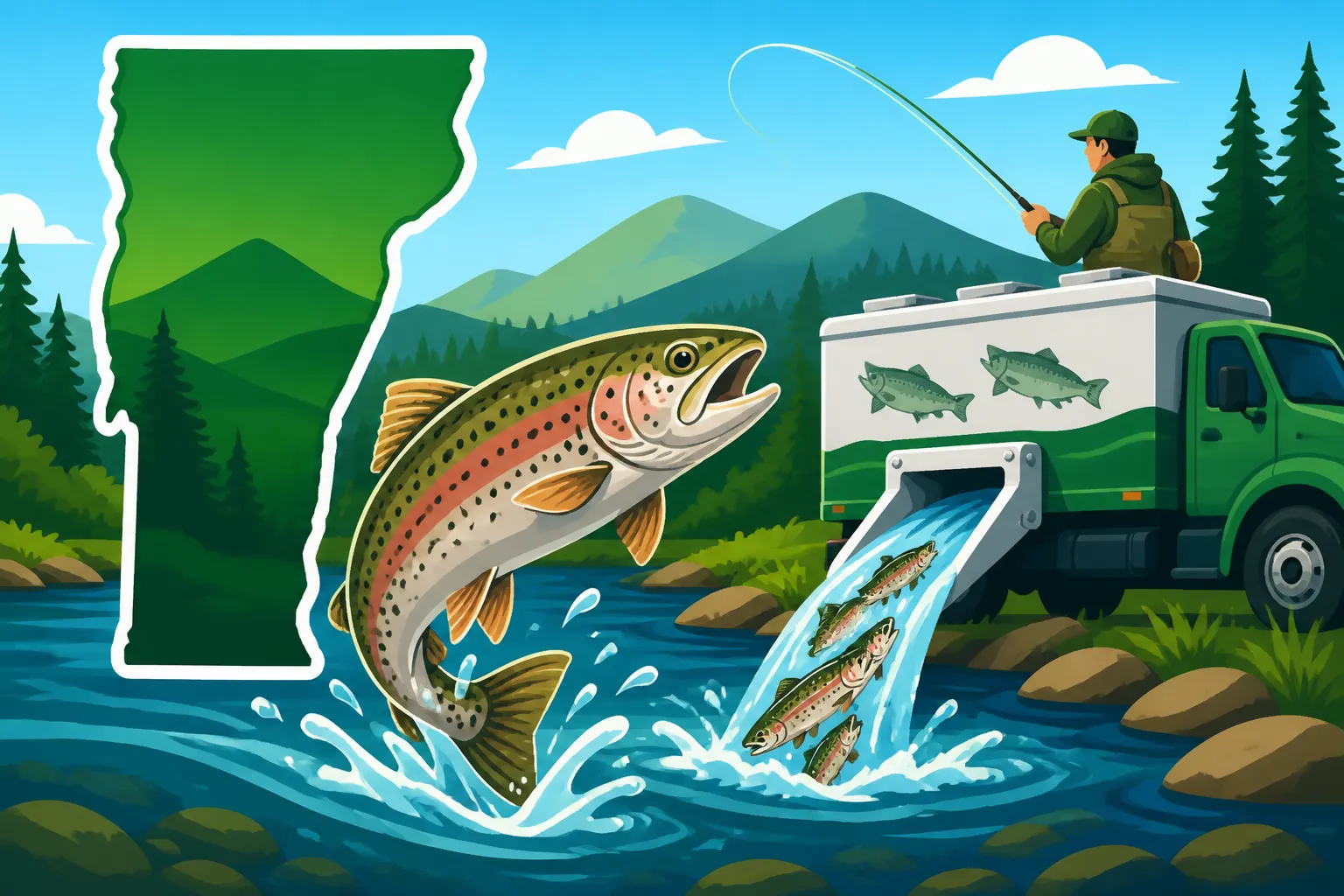
Vermont is blessed with an abundance of beautiful waters, but some stand out thanks to the Vermont Fish & Wildlife Department's dedicated efforts to create specialized "trophy trout" fisheries. These aren't just your average streams and ponds; they're managed with the specific goal of providing anglers with the chance to hook into significantly larger brown and rainbow trout.
What Makes a Water a "Trophy Trout Water"?
The designation of a "trophy trout water" isn't given lightly. It means that these particular lakes and ponds are managed to support trout that reach impressive sizes, often well beyond the typical legal length limits found in other waters. The Vermont Fish & Wildlife Department carefully selects these locations based on their habitat quality, water temperature, and ability to sustain these larger fish, sometimes through the winter months. You'll find that many of these waters are stocked with brown trout and rainbow trout that are already quite substantial when they hit the water, giving anglers an immediate shot at a real fight. We're talking about fish that often measure over 12 or 15 inches, with some even pushing into the 20-inch range, offering a thrilling challenge to even seasoned anglers. The purpose behind this program is clear: to enhance Vermont's diverse fishing opportunities by providing a unique, high-quality angling experience focused on larger fish.
The Importance of Stocking for Trophy Trout
For many of these designated trophy waters, consistent stocking is absolutely crucial. While some wild trout populations thrive in Vermont's colder, pristine streams, the conditions in some larger lakes and ponds, especially for the larger, non-native brown and rainbow trout, aren't always ideal for robust natural reproduction. This is where the Vermont Fish & Wildlife Department steps in. By regularly introducing healthy, mature trout into these systems, they ensure a sustainable population of these desirable larger fish. Without these stockings, many of these "trophy" experiences simply wouldn't exist to the extent they do, as it helps offset natural mortality and fishing pressure. Think of it as carefully curated fisheries, where the department works diligently to create and maintain an environment where anglers have a genuine chance at a trophy fish. This ongoing management ensures that the promise of a memorable catch remains alive for all who visit these special locations.
How to Find Official Vermont Trophy Trout Stocking Dates
One of the biggest hurdles for anglers is knowing when and where these prized trout are released. Thankfully, the Vermont Fish & Wildlife Department offers fantastic resources to keep us all informed. Gone are the days of just guessing or relying solely on whispers at the local bait shop!
Utilizing the Vermont Fish & Wildlife Stocking Search Tool
Your absolute best friend for pinpointing trophy trout stocking dates is the official Vermont Fish Stocking Search Tool, Explained. This online resource is incredibly user-friendly and provides real-time, detailed information directly from the source. To use it, simply navigate to the Vermont Fish & Wildlife Department's website. Once there, look for sections related to "Fishing" or "Fish Stocking." You'll usually find a prominent link to the search tool.
Here’s a step-by-step breakdown of how to get the most out of it:
- Access the Tool: Head to the Vermont Fish & Wildlife Department website and find the "Fish Stocking Schedule" or "Fish Stocking Search" link.
- Select Your Criteria: You'll typically be able to filter by:
- Species: Choose "Trout" or even more specifically, "Brown Trout" or "Rainbow Trout," if available, to narrow down your search for trophy fish.
- Water Body Type: You can often select "Lake," "Pond," or "River."
- County: If you're looking for waters in a specific region, this helps.
- Water Name: This is often the most direct way. For example, if you're keen on fishing a known trophy water like Lake Dunmore, simply type "Dunmore" into the search bar.
- Refine Your Search: Once you've entered your criteria, hit "Search." The tool will display a list of stocking events.
- Interpret the Results: For each entry, you'll see crucial details:
- Date of Stocking: This is the golden ticket! You’ll see the exact date (or a recent date) the fish were introduced.
- Species Stocked: Confirms whether it was brown, rainbow, or another trout species.
- Number of Fish: Gives you an idea of the volume of the stocking.
- Average Size/Weight: This is where you confirm if they're stocking those desirable "trophy" sized fish.
- Location: Confirms the specific lake, pond, or river section.
By regularly checking this tool, especially as you approach the typical stocking seasons, you can get a good idea of when and where the big fish are being dropped. It empowers you to plan your trips with confidence, knowing you're targeting waters that have recently received a fresh batch of trophy-sized trout. It’s truly the most authoritative and up-to-date source for these vital details.
Other Reliable Sources for Stocking Information
While the official stocking tool is paramount, it's always good to have a few other reliable avenues to cross-reference information or get additional insights. The main Vermont Fish & Wildlife Department website, beyond the search tool, will often publish general press releases or news updates regarding larger stocking efforts, particularly for popular waters or for events like Vermont Trout Opening Day Traditions. These announcements might not have the granular detail of the search tool but can confirm broader stocking initiatives.
Local tackle shops and fishing outfitters are also invaluable community resources. Shop owners and staff are often passionate anglers themselves and stay very well-connected to what's happening in local fisheries. They might hear informal updates about stocking truck movements or have firsthand knowledge from other anglers who were out on the water. A quick call or a visit to places like The Fly Rod Shop in Stowe or local shops near popular lakes can provide you with tips and even confirmation that a stocking has occurred. Finally, active online fishing forums and local social media groups dedicated to Vermont fishing can be a great place for anglers to share observations and unofficial updates. However, always take these with a grain of salt and try to verify with official sources, as rumors can sometimes spread faster than facts. It's also important to remember that stocking dates can sometimes change due to unforeseen circumstances like adverse weather, water conditions, or logistical issues, so checking frequently is always a smart move.
Navigating the Seasonal Nuances of Trophy Trout Stocking
Trophy trout stocking isn't a year-round, uniform affair. It follows predictable patterns dictated by the fish's biology, water temperatures, and the state's management goals. Understanding these seasonal rhythms is key to planning your trophy trout pursuit.
Spring Stocking: The Prime Season
Without a doubt, spring is the prime time for trophy trout stockings across Vermont. As the ice melts and water temperatures begin their gradual climb, typically from April through May, the Vermont Fish & Wildlife Department's stocking trucks become a familiar sight around many lakes and ponds. This period coincides with the general opening of trout season, and the energy among anglers is palpable. The exact timing within spring can vary year-to-year, largely depending on weather conditions. A mild winter might mean an earlier ice-out and therefore earlier stockings, while a prolonged cold spell could push things back.
For instance, iconic waters like Lake Dunmore in Addison County or Sunset Lake in Benson are often high on the list for significant spring trophy trout releases. Imagine those first few warm days, the air alive with the promise of spring, and knowing that a fresh batch of feisty brown and rainbow trout has just been introduced. Fishing these freshly stocked waters can be an incredible experience. The trout are often eager to feed after their journey, making them quite active. However, it's also when fishing pressure is at its highest, so arriving early and having your gear ready is crucial. Anglers often line the shores or launch their boats, all hoping to be among the first to tangle with these magnificent fish. Remember, while the trout are typically catchable right after stocking, giving them a day or two to acclimate can sometimes lead to even better fishing as they settle into their new environment.
Fall Stocking: A Second Opportunity
While spring steals much of the stocking spotlight, don't overlook the magic of fall. Some of Vermont's trophy trout waters receive a second, often smaller, stocking of larger trout later in the year, typically in September or October. These fall stockings serve a couple of important purposes. Firstly, they can extend the trophy trout fishing season into the cooler months, offering excellent opportunities when many other species are less active. Secondly, these fish often have a better chance of becoming "holdovers," meaning they survive the winter and grow even larger, contributing to future trophy opportunities.
Fishing during the fall stocking season offers a different, often more serene, experience than the bustling spring. The foliage is vibrant, the air is crisp, and the crowds are generally thinner. The trout, sensing the approaching cold and needing to build reserves, can be incredibly aggressive feeders, making for some spectacular battles. Waters like Lake Willoughby in the Northeast Kingdom, while known for its landlocked salmon, can sometimes see late-season trout stockings, adding to its already fantastic cold-water fishery. These fall-stocked fish are often destined for the table of anglers seeking fresh trout for dinner or for those simply wanting one last big fight before the ice forms. Always check the stocking tool for specific fall dates, as they are less universal than spring stockings but can yield some of the most rewarding catches of the year.
Maximizing Your Success in Vermont's Trophy Trout Waters
Knowing when and where the trophy trout are stocked is a huge advantage, but what about how to catch them? Success in these waters often comes down to a combination of appropriate gear, smart tactics, and a deep respect for the resource.
Essential Gear and Tackle Considerations
Trophy trout, by definition, are larger and stronger than their smaller counterparts, which means your gear needs to be up to the challenge. You don't want to be undergunned when that 20-inch brown trout decides to make a run!
- Rods: For lake fishing, a medium-light to medium power spinning rod, around 6'6" to 7'6" in length, will give you the backbone needed to handle bigger fish while still allowing for good casting distance with lighter lures. If you prefer baitcasting, a similar power rod would be appropriate. Fly anglers pursuing these larger fish will often opt for a 6 or 7-weight fly rod, especially if they plan on throwing larger streamers or indicators with heavy nymph rigs. You can find a fantastic selection of rods suitable for Vermont fishing conditions, from brands like St. Croix or Fenwick, available on Amazon, often with helpful customer reviews. For a deeper dive into rod choices, check out our guide on Best Fishing Rods for Vermont Lakes.
- Reels and Line: Match your rod with a spinning reel in the 2000-3000 size range, spooled with 6-10 lb test monofilament or fluorocarbon line. Braided line in the 10-15 lb range with a fluorocarbon leader is also an excellent choice for increased sensitivity and strength. For fly fishing, a quality reel with a smooth drag and adequate backing capacity is essential.
- Lures and Baits: Trophy trout can be enticed by a variety of offerings.
- Artificial Lures: Spoons like Kastmasters or Little Cleos, stickbaits such as Rapalas or Berkley's Flicker Shads, and inline spinners like Mepps or Panther Martins are perennial favorites. Don't forget soft plastic swimbaits, grubs, or tube jigs for a more subtle presentation. Searching for these specific lures on Amazon can yield good deals and a wide selection to stock your tackle box.
- Bait: Live bait, where permitted, can be incredibly effective. Nightcrawlers, shiners, or even local minnows are often irresistible. PowerBait in various colors (chartreuse, rainbow, pink) floated off the bottom with a small split shot and a light wire hook is a classic choice for freshly stocked trout.
- Flies: For fly anglers, larger streamers imitating baitfish (e.g., Clouser Minnows, Woolly Buggers) are highly effective. Nymphs (like Prince Nymphs, Hare's Ears) and even some dry flies during hatches can also fool big trout.
Having the right equipment, especially a quality net to safely land and release larger fish, is part of being prepared. Explore our comprehensive guide on Best Gear for Vermont Trout Fishing for more in-depth recommendations.
Understanding Regulations and Conservation
While the excitement of chasing trophy trout is immense, responsible angling means being intimately familiar with the rules and practicing good conservation habits. Every water body in Vermont can have slightly different regulations, so it's paramount to consult the Vermont Fishing Regulations Explained before heading out.
Key regulations to pay attention to include:
- Size Limits: Trophy trout waters often have minimum length limits designed to protect larger fish and encourage "trophy" growth. You might find a 12-inch or 18-inch minimum, for example.
- Daily Bag & Possession Limits: There will be specific limits on how many trout you can keep per day and how many you can have in your possession. These can vary not only by species but also by specific water. Our guide on Vermont Bag and Possession Limits by Species has detailed information.
- Gear Restrictions: Some waters might be "fly fishing only" or have restrictions on bait use.
Practicing catch-and-release, especially for those truly exceptional, healthy trophy-sized fish, is a fantastic way to contribute to the fishery's sustainability. Using a soft-mesh net, handling fish with wet hands, and minimizing their time out of the water greatly increases their survival chances. The joy of a good fight and a quick photo is often enough, allowing that magnificent fish to grow even bigger for another angler to enjoy. Always check the specific Vermont Trout Limit and Possession Rules for the body of water you intend to fish. By respecting the regulations and practicing ethical angling, we ensure that Vermont's trophy trout program remains a vibrant and rewarding experience for generations to come.
Sample Vermont Trophy Trout Waters & Stocking Periods
To give you a better idea of what to expect, here’s a table outlining some popular Vermont trophy trout waters and their typical stocking windows. Remember, these are general patterns, and specific dates should always be confirmed with the official stocking tool. You can also explore our article on Vermont Trophy Trout Program Waters for even more locations.
| Water Body | County | Primary Stocked Species | Typical Stocking Periods | Notes |
|---|---|---|---|---|
| Lake Dunmore | Addison | Brown Trout, Rainbow Trout | Mid-Spring (April-May) | Popular, accessible lake with strong stockings. |
| Sunset Lake | Rutland | Brown Trout, Rainbow Trout | Mid-Spring (April-May) | Managed for high-quality trout angling. |
| Lake Willoughby | Orleans | Brown Trout, Rainbow Trout | Spring (April-May), sometimes Fall | Deeper, colder lake; also known for salmon. |
| Moore Reservoir* | Essex (NH Border) | Brown Trout, Rainbow Trout | Spring (April-May) | Shared water with NH; check VT & NH regs. |
| Crystal Lake | Orleans | Brown Trout, Rainbow Trout | Mid-Spring (April-May) | Beautiful lake, good for both shore and boat. |
| Newark Pond | Caledonia | Brown Trout, Rainbow Trout | Spring (April-May) | A classic small pond experience for trophy trout. |
*Note: Moore Reservoir is a boundary water, so be sure to check regulations for both Vermont and New Hampshire.
Disclaimer
The information provided in this guide is for general informational purposes only and is subject to change. Anglers are always responsible for checking the latest Vermont Fish & Wildlife Department regulations and stocking schedules before engaging in any fishing activities. Ensure you have the proper Vermont Fishing License Guide for 2026 for the current year.