Best fly for a summer caddis hatch
There's nothing quite like standing in a Vermont stream on a warm summer evening, hoping for that tell-tale splash of a rising trout, only to be utterly baffled by which fly to tie on. Summer caddis hatches can be incredible, bringing fish to the surface with abandon, but if you're throwing the wrong imitation, it can feel like you're casting into a void. This guide is here to demystify the best fly choices for those glorious summer caddis hatches in Vermont, helping you connect with more of those eager fish.
Understanding the Summer Caddis Hatch in Vermont
Before we can pick the perfect fly, it's crucial to understand what makes a summer caddis hatch tick in Vermont. These aren't just any bugs; they're a vital food source that often drives some of the most exciting dry fly fishing of the year.
What Makes Summer Caddis Special?
Caddisflies are fascinating insects with a complete metamorphosis, meaning they go through egg, larva, pupa, and adult stages. In Vermont's rivers and streams, especially during the warmer months, you'll encounter a diverse array of caddis species. What makes summer caddis hatches so exciting for anglers is their sheer abundance and the aggressive way trout often feed on them. Unlike the delicate sips often associated with mayfly hatches, trout feeding on caddis tend to be more splashy and enthusiastic, frequently jumping clear of the water to snatch an adult off the surface or chasing down an emerging pupa.
During summer, the water temperatures in many Vermont streams are ideal for rapid insect development, leading to consistent and often prolific caddis hatches. You might see anything from tiny, size #20 micro-caddis to larger, chunkier caddis in sizes #12 or #14. Their colors vary too, from light tans and olives to darker greys and browns, depending on the species and the local water conditions. These insects are masters of camouflage, and their presence is often dictated by the specific stream environment, with different species preferring faster riffles, slower runs, or weed beds. Understanding their lifecycle is key to presenting the right fly at the right time.
Identifying a Caddis Hatch on the Water
Spotting a caddis hatch in full swing is one of the most exhilarating moments for a fly angler. The signs are usually quite distinct. You'll often notice adult caddisflies "skating" or skittering across the water's surface, particularly in the late afternoon and into the evening. They don't just float passively like many mayflies; their flighty, erratic movements are a hallmark. This frenetic activity often triggers aggressive strikes from trout, which can be seen breaking the surface with forceful, splashy rises, sometimes even creating a small commotion as they chase an escaping adult.
These splashy rises are your biggest clue. If you see trout repeatedly lunging or slashing at the surface, it's a strong indicator they're feeding on caddis. You might also notice pupae emerging, often drifting just subsurface or struggling to break through the film, which can lead to more subtle "bulbous" rises as trout intercept them a few inches down. Pay close attention to the riffles and faster-moving water sections, as many caddis species prefer these oxygen-rich environments for emergence. Seeing actual adult caddisflies fluttering upstream or depositing eggs on the water confirms your suspicions. Take a moment to observe their size and predominant color; this immediate observation is invaluable for selecting your fly pattern.
Essential Caddis Dry Fly Patterns for Vermont
When those trout are looking up, dry flies are where the magic happens. For summer caddis hatches, there are a few patterns that consistently outperform the rest, earning their spot in every Vermont angler's fly box.
The Classic Elk Hair Caddis
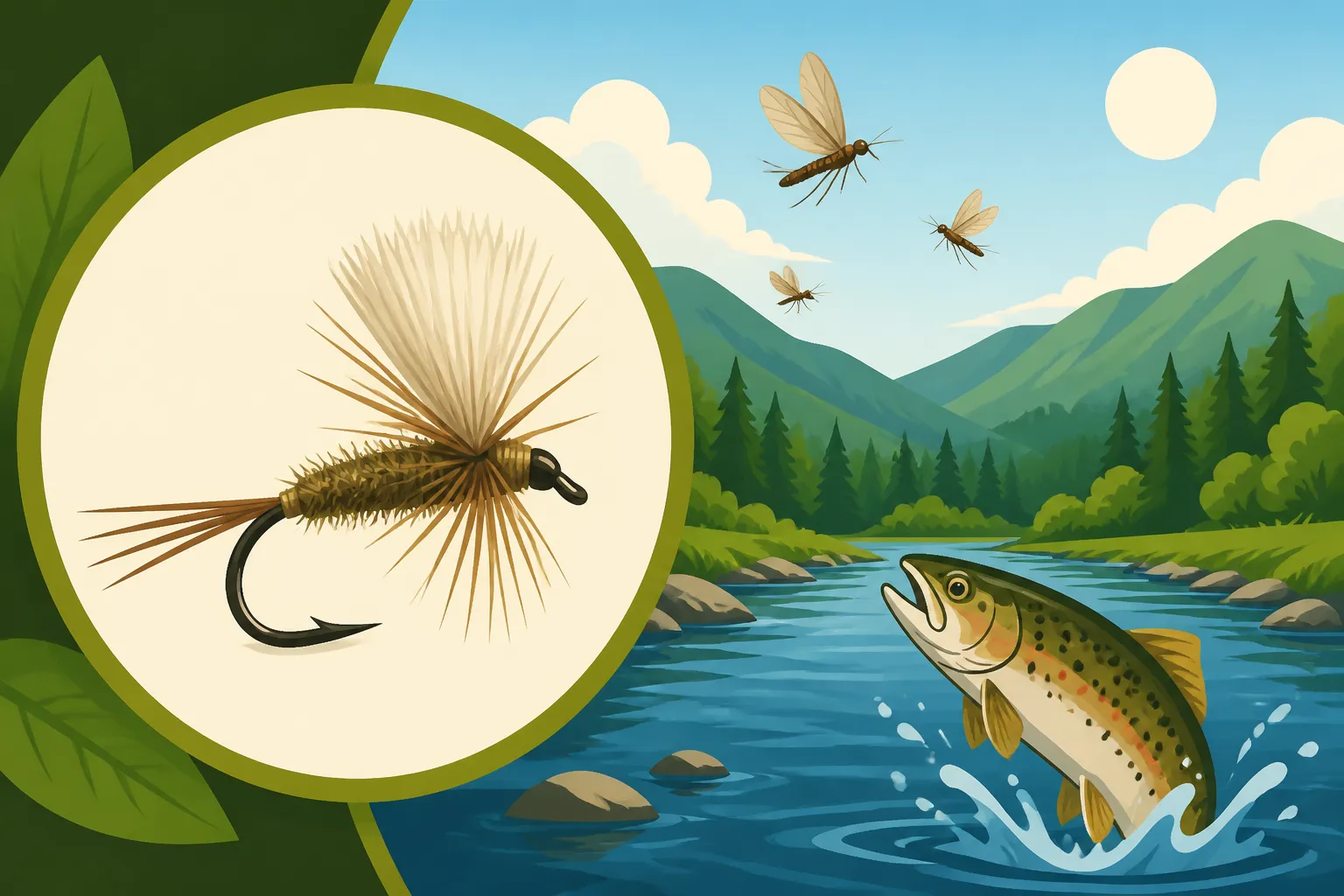
If there's one fly pattern synonymous with caddis hatches, it's the Elk Hair Caddis. This is a must-have for any angler fishing Vermont's trout streams. Its design is brilliant in its simplicity and effectiveness. The spun elk hair wing provides exceptional buoyancy, allowing it to ride high on the water, even in turbulent riffles, which is exactly where caddis often hatch and where trout love to feed on them. The buggy, natural appearance of the elk hair and the dubbed body perfectly imitate a wide range of adult caddis species.
What makes the Elk Hair Caddis so versatile is its ability to be fished in various ways. You can dead drift it naturally through a seam, mimicking a spent or struggling adult. But where it truly shines is when you give it a slight "skate" or twitch on the surface, imitating the erratic movements of a live caddisfly. This often triggers aggressive, instinctual strikes from trout that might ignore a perfectly presented, motionless fly. You'll want to carry this pattern in various sizes, from a larger #12 for bigger summer caddis or faster water, down to a #16 or #18 for smaller insects or more finicky trout. Color variations like natural tan, olive, or even a darker grey body can be crucial to matching the prevailing naturals. You can find a wide array of Elk Hair Caddis patterns at your local Bass Pro Shops or even stock up conveniently through Amazon, ensuring you're ready for any hatch. Best Fly Fishing Rivers in Vermont are often prime spots for this versatile fly.
The X-Caddis and Goddard Caddis
While the Elk Hair Caddis is a fantastic generalist, sometimes trout can be a bit more particular, especially if they've seen a lot of fishing pressure. That's when patterns like the X-Caddis and Goddard Caddis become invaluable.
The X-Caddis is a brilliant pattern that often bridges the gap between a pure dry fly and an emerger. It features a shuck of Z-Lon or antron trailing from the rear, which perfectly imitates the shuck of a caddis pupa struggling to break free of its nymphal casing. Trout frequently key in on these vulnerable emerging insects, and the X-Caddis presents a subtle, realistic profile that can fool the most selective fish. It sits a little lower in the water film than a high-floating Elk Hair Caddis, making it ideal when trout are rising softly or showing only their noses, indicating they're taking emergers just below or in the surface film. Carry it in similar sizes and colors to the Elk Hair Caddis, paying close attention to the predominant size of the naturals emerging. Fly Patterns for Vermont Trout Streams goes into more detail about these kinds of specific imitations.
On the other end of the spectrum is the Goddard Caddis. This fly is built for durability and extreme buoyancy. Tied with deer hair, which is hollow and repels water, the Goddard Caddis floats like a cork, even in the choppiest riffles or after multiple fish. It's an excellent choice for fast, broken water where you need a fly that won't sink quickly and will stay visible. Its bushy profile and high-riding nature make it a good option when you want to use a more aggressive "skate" retrieve, or when you need a robust indicator fly to trail a small nymph underneath. While it might not be as delicate as an X-Caddis, its ability to stay afloat and its general buggy appearance make it a strong contender, particularly in larger sizes (e.g., #12-14) during a strong hatch on a big river like the Winooski or Lamoille.
Subsurface Caddis Patterns: When Dry Flies Aren't Enough
Sometimes, even with caddisflies buzzing everywhere, trout just aren't looking up. This usually means they're feeding on the larval or pupal stages beneath the surface, and that's when you need to switch tactics. Spring Trout Fishing Techniques for Vermont Streams often highlights the importance of subsurface patterns early in the season, and it holds true for summer as well.
Caddis Larva and Pupa Imitations
Before they become adults, caddisflies spend their lives as larvae and pupae in the stream. Trout feed on these stages constantly, not just during a hatch, so having a selection of subsurface caddis imitations is critical.
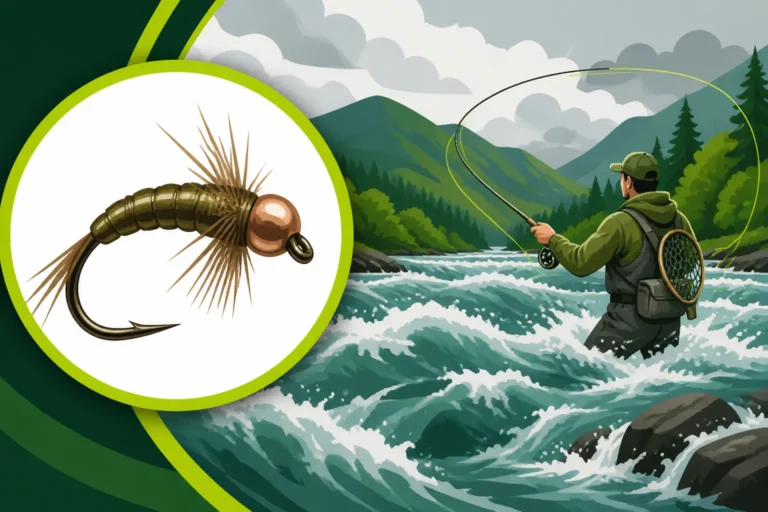
Caddis Larva Patterns: There are two main types of caddis larvae: cased and free-living. Cased caddis build protective homes out of pebbles, sticks, or leaves, making them quite easy for trout to spot and consume. Patterns like the Green Rock Worm (a simple green chenille body with a few wraps of lead wire to sink it) or specific Cased Caddis imitations that incorporate natural materials are highly effective. Free-living caddis, on the other hand, don't build cases and are often found clinging to rocks. General nymph patterns like a Hare's Ear Nymph or a Prince Nymph can effectively imitate these, especially if you tie them with a greenish tint or select natural brown colors. Size-wise, #12-16 covers most situations for larval patterns in Vermont.
Caddis Pupa Patterns: These are arguably even more important than larval patterns during a hatch. As caddis larvae transform into pupae, they become active, often swimming vigorously to the surface to emerge as adults. This vulnerable ascent makes them prime targets for hungry trout. Pupa patterns are designed to imitate this stage. Classic patterns like LaFontaine's Emergent Sparkle Pupa (with its distinctive antron shuck and sparkling body) or a simple Grannom Pupa are fantastic. The key is to select patterns that have a slightly "buggy" or "shaggy" appearance, mimicking the legs and antennae of the pupa, and to carry them in colors like olive, tan, or light brown. These should also range in sizes from #12 to #18 to match the various species you might encounter.
Fishing Techniques for Subsurface Caddis
Knowing which subsurface pattern to use is only half the battle; how you present it makes all the difference. When trout are feeding on larvae or pupae, your approach needs to be precise and deliberate.
The most common technique for fishing caddis larvae and pupae is nymphing. This involves getting your fly down to where the fish are, usually near the bottom in riffles, runs, or under current seams. A dead drift with an indicator is a great starting point. You'll want to use enough weight (split shot placed a foot or two above your fly, or a weighted fly) to get your nymph bouncing along the streambed. Your goal is to achieve a completely drag-free drift, allowing the fly to tumble naturally with the current, just as a natural larva or pupa would. Observing how Wading Techniques for Vermont Trout Streams impact your drift can greatly improve your success.
When pupae are actively emerging, you can try a more dynamic approach. After your nymph has drifted for a bit, try a subtle swing technique. As the nymph reaches the end of its drift downstream, let it swing upwards and across the current. This imitates the pupa swimming towards the surface. A slight "lift" of your rod tip at the end of the swing can further enhance this illusion. Some anglers even use a technique called "Leisenring lift," where they allow the nymph to sink, then slowly raise their rod tip, causing the fly to rise through the water column, mimicking an emerging pupa. Using fluorocarbon tippet can also be beneficial as it sinks faster and is less visible to fish in clear water. For specific waters like the Battenkill River Trout Fishing, these techniques are often critical.
| Caddis Fly Pattern | Type | Key Features | Ideal Conditions |
|---|---|---|---|
| Elk Hair Caddis | Dry | High-floating, buggy profile, elk hair wing | General adult caddis, riffles, skating |
| X-Caddis | Emerger/Dry | Sits low in water, trailing shuck | Selective rises, emerger takes, calmer water |
| Goddard Caddis | Dry | Very buoyant, durable deer hair body | Fast, turbulent water, strong currents, indicator |
| Hare's Ear Nymph | Larva/Pupa | Buggy, weighted, natural profile | General subsurface, dead drifting |
| Green Rock Worm | Larva | Simple, weighted, green chenille | Cased caddis imitation, bottom feeding |
| Emergent Sparkle Pupa | Pupa | Sparkling shuck, lifelike pupa imitation | Emerging pupa, subtle rises, swung |
Matching the Hatch: Tips for Success
Having the right flies is a great start, but truly mastering the summer caddis hatch in Vermont comes down to observation, presentation, and understanding the nuances of the trout's behavior.
Observing the Natural Insects
The single most important skill for any fly angler during a hatch is keen observation. Don't just start casting blindly. When you arrive at a stream and suspect a caddis hatch, take a few minutes – or even ten – to simply watch the water. Look for adult caddisflies fluttering, skating, or skittering on the surface. Try to discern their size; are they tiny like a #18 or chunkier like a #14? What color are they predominantly? Light tan, olive, or dark grey? This might seem painstaking, but it's the fastest way to narrow down your fly box choices.
Also, pay attention to the trout's behavior. Are they making splashy, aggressive rises, indicating they're chasing adults on the surface? Or are their rises more subtle, like a gentle dimple or a "bulbous" rise, suggesting they're taking emergers just under the film? Sometimes, you might even see fish porpoising, hinting at subsurface feeding on pupae. If you can carefully net a few naturals or simply cup your hand in the water to see what's drifting, that's even better. Knowing whether you need a high-floating dry, a subtle emerger, or a sinking pupa pattern directly from the source is the ultimate advantage. Remember, even on the Best Fishing Lakes in Vermont, observing the hatch is key.
Presentation is Key
You could have the most perfect fly pattern tied to your line, but if the presentation is off, those wary Vermont trout will likely ignore it. For dry flies, drag-free drifts are paramount. Trout feeding on naturals expect a fly to move at the same speed as the current, without any unnatural drag pulling on the leader. This often means making upstream mends with your fly line to keep slack out of the system. Casting slightly upstream and allowing the fly to drift back over the suspected feeding lane with the line stacked behind it is a classic approach.
However, with caddis, you have an extra trick up your sleeve: the skate technique. Unlike mayflies, adult caddisflies often skitter and struggle across the surface. After your dry caddis pattern (like an Elk Hair Caddis) has drifted for a moment, gently twitch or "skate" your rod tip to make the fly dance erratically across the water. This can often provoke an aggressive, instinctual strike from a trout that might have otherwise ignored a perfectly dead-drifted fly. For this, a slightly longer leader (9-12 feet) with a fine tippet (5x or 6x) is often ideal to ensure a delicate presentation. Dry Fly Fishing Vermont Mountain Streams particularly benefits from delicate presentations.
Gear Considerations
While the fly is the star, having the right supporting cast of gear will make your summer caddis fishing much more enjoyable and effective.
First, your fly rod. For most Vermont trout streams, a 3-weight to 5-weight rod is perfect. A 3-weight offers the delicacy needed for smaller flies and lighter tippets, while a 5-weight provides a bit more backbone for casting in the wind or handling larger trout. Best Fly Rods for Vermont Trout Streams covers specific recommendations in depth. Your leader should be long enough to provide a stealthy approach – 9 to 12 feet is standard – and taper down to a fine tippet, usually 5x or 6x, to ensure a natural drift and minimal visibility. Fine tippets are especially crucial when fish are selective on small flies. Many anglers find a good selection of specialized floatants and fine tippet materials readily available through Amazon, perfect for those tricky trout.
Don't forget floatant for your dry flies! A high-quality liquid or paste floatant applied generously to your dry caddis will help it ride high and dry, especially after catching a fish or if it starts to get waterlogged. Having a landing net with a soft, rubberized mesh is also a good idea for safely handling and releasing trout, preserving the health of the fish. And if you're planning to wade, a good pair of waders and wading boots will keep you comfortable and stable in Vermont's rocky streams. Best Waders for Vermont Trout Streams will provide comfort and safety while navigating the rivers.
Ultimately, cracking the code of a summer caddis hatch is one of the most rewarding experiences in Vermont fly fishing. With the right flies, a keen eye for observation, and a precise presentation, you’ll be well on your way to enjoying some unforgettable days on the water.
Disclaimer
This article is for general informational purposes only and does not constitute professional advice. Laws, prices and regulations vary by location and change over time. Consult a qualified professional for guidance on your specific situation.