Best live bait for smallmouth bass
There’s nothing quite like the thrill of a smallmouth bass hitting your line, and if you’ve spent any time on Vermont’s beautiful lakes and rivers, you know these bronze beauties can be finicky. While artificial lures certainly have their place, sometimes you just need that undeniable, natural appeal that only live bait can offer to entice those cautious smallmouth. This guide will walk you through the very best live bait options for targeting smallmouth bass in Vermont, offering practical advice on selection, rigging, and presentation to help you put more fish in your boat or on the bank.
The Undeniable Appeal of Live Bait for Vermont Smallmouth Bass
When it comes to smallmouth bass, especially the wily ones lurking in clear Vermont waters, live bait holds a special, almost unfair, advantage. It's not just about what the bait looks like; it's about the entire sensory experience it offers that artificial lures simply can't replicate.
Why Smallmouth Can't Resist Live Offerings
Imagine you're a smallmouth bass, cruising the rocky shoals of Lake Champlain or the swift currents of the Otter Creek. You're constantly on the hunt, using your keen eyesight, lateral line, and sense of smell to detect prey. A live minnow, crayfish, or worm isn't just a static object passing by; it's a living, breathing meal that's swimming erratically, darting, struggling, and emitting natural vibrations and scents. This is precisely what triggers a smallmouth's predatory instincts. The subtle twitch of a shiner, the frantic scuttle of a crayfish trying to hide under a rock, or the slow wiggle of a nightcrawler on the bottom—these are all irresistible signals that scream "easy meal" to a hungry smallmouth.
Furthermore, live bait often hangs naturally in the water, mimicking the real movement of prey. It doesn't need constant twitching or reeling to impart action. Sometimes, the most effective technique is simply letting the live bait do its thing, allowing its natural movements to draw in curious bass from a distance. This "less is more" approach with live bait can be incredibly effective, especially when fishing pressured waters or when the bass are in a less aggressive mood. It provides a more sustained offering, giving the bass more time to inspect and commit to the strike.
When Live Bait Outshines Artificial Lures
While I love my topwater poppers and crankbaits as much as the next angler, there are definite times when live bait truly shines and can turn a slow day into a memorable one. One prime scenario is during cold fronts or sudden weather changes. Vermont's weather can be notoriously unpredictable, and a sudden drop in temperature or a passing storm can make bass lethargic. When they're not actively chasing, a lively minnow or crayfish presented slowly and naturally is often the only thing they'll bother to strike. The bass might be huddled deep in structure, conserving energy, and an easy meal drifting right into their strike zone is just too good to pass up.
Another situation where live bait dominates is when fishing extremely clear water, common in many of Vermont's pristine lakes and rivers. In clear conditions, bass have ample time to inspect lures, and any unnatural movement or repetitive action can send them swimming away. Live bait, with its organic appearance and unpredictable movements, appears entirely natural. This can be a game-changer when fishing rocky points or clear flats where bass are easily spooked. Think about sight fishing for bass on a calm, sunny day; a wiggling nightcrawler or a darting shiner looks far more convincing than even the most realistic soft plastic. For more insights on this, you might find our guide on Smallmouth Bass Habits on Lake Champlain particularly useful, as it delves into how water clarity affects their behavior.
Finally, live bait is often the go-to for beginners or young anglers. The simplicity of baiting a hook with a worm and waiting for a bite removes much of the complexity of learning various retrieve techniques, allowing new anglers to focus on the thrill of the catch. Plus, the sheer excitement of watching a bobber dip from a struggling bait is a fundamental joy of fishing that never gets old.
Top Live Bait Choices for Vermont's Smallmouth Anglers
When you head out to chase smallmouth bass in Vermont, you'll find a few types of live bait consistently rise to the top as proven fish-catchers. Each has its unique appeal and works best in specific situations, but all are highly effective.
Minnows: The Classic Smallmouth Magnet
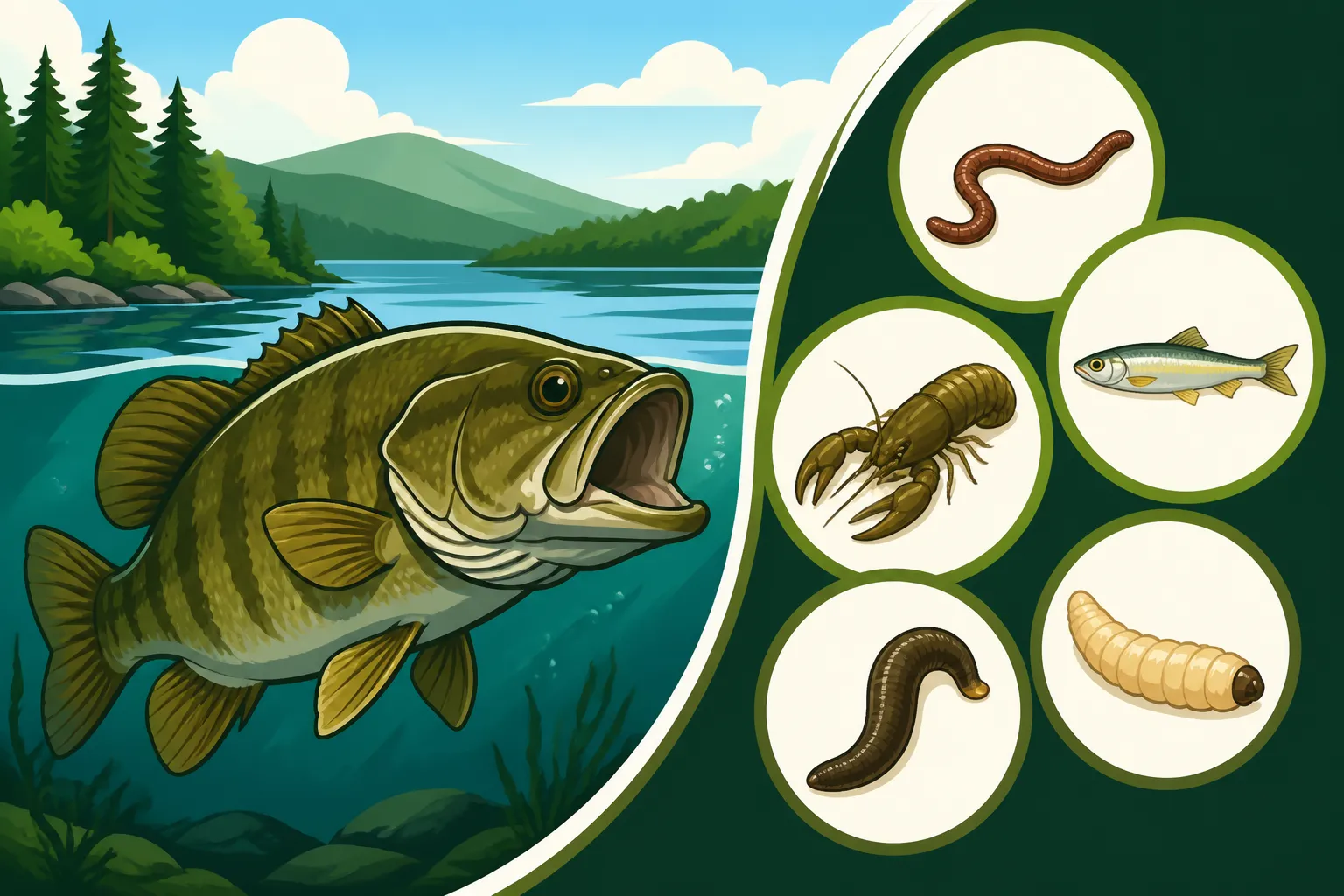
Minnows, in their various forms like golden shiners, fathead minnows, or dace, are arguably the most iconic and widely used live bait for smallmouth bass, and for good reason. They are a natural and often abundant food source for smallmouth in many Vermont waters, making them an instinctive target. Their silvery flash and constant, nervous swimming action are incredibly attractive to predatory bass.
Why they work:
Minnows mimic the small forage fish that smallmouth bass constantly hunt. Whether they're suspended under a bobber near a rocky drop-off or allowed to swim freely near submerged timber, their natural movements are hard for a bass to ignore. The frantic wiggles and subtle flashes of a healthy minnow are visual cues that trigger an aggressive strike response. They’re also relatively easy to keep alive in a bait bucket with an aerator, making them a practical choice for a day on the water.
How to use them:
For still fishing or drift fishing, hooking a minnow lightly through the lips or just behind the dorsal fin allows it to swim freely and naturally. When smallmouth are hanging around structure like weed lines or rocky reefs, a minnow suspended under a slip bobber at the right depth can be deadly. You can also fish minnows on a simple split-shot rig, letting them swim close to the bottom, especially when targeting deeper schools. Many anglers will head to local bait shops or even larger retailers like Bass Pro Shops to stock up on lively minnows before a trip to Lake Champlain or other prime smallmouth waters. For specific rigging strategies, our guide Best Baits for Smallmouth Bass on Lake Champlain offers some excellent tips.
Crayfish: Mimicking Natural Prey
If there's one live bait that speaks directly to a smallmouth bass's palate in Vermont, it's the crayfish. These crustaceans are a primary food source for smallmouth in virtually all habitats where they coexist, from the rocky bottoms of Lake Willoughby to the riverbeds of the Winooski. Smallmouth bass absolutely gorge themselves on crayfish, and their presence is often a key factor in where you'll find the biggest, healthiest bass.
Why they work:
Crayfish are a high-protein, readily available meal for smallmouth. They provide a dense, slow-moving target that bass don't have to work hard to catch, especially when they're shedding their shells and are soft. The scent, movement, and appearance of a live crayfish are perfectly natural to a smallmouth. When a bass sees a crayfish scuttling along the bottom or attempting to hide, it’s like ringing a dinner bell.
How to use them:
Crayfish are best fished on the bottom, where they naturally live. A simple Carolina rig or a split-shot rig allows the crayfish to move freely while keeping it near the bottom. Hook them through the tail, ensuring the hook doesn't damage their vital organs, so they can still kick and move naturally. This presentation is especially effective around rocky areas, ledges, and transition zones where bass often ambush their prey. You can often catch your own crayfish in shallow rocky areas or purchase them from bait shops. Just be sure to check local regulations on bait collection and use in Vermont.
Worms and Nightcrawlers: The All-Around Performer
You can't talk about live bait without mentioning the humble worm. Nightcrawlers, red wigglers, and even smaller garden worms are universal fish catchers, and smallmouth bass are no exception. While perhaps not their primary forage, worms represent an opportunistic meal, especially after a rain washes them into rivers and lakes.
Why they work:
Worms are incredibly versatile and have a strong, natural scent that attracts fish. Their constant wiggling action in the water is a powerful visual stimulant. They are also incredibly hardy, easy to find (you might even have some in your backyard!), and inexpensive. Their accessibility makes them a fantastic choice for any angler, regardless of experience level. Many anglers keep a supply of nightcrawlers on hand because they catch almost everything, including smallmouth.
How to use them:
For smallmouth, use a whole nightcrawler or a large section of one. Thread it onto a hook, leaving a good portion to wiggle freely. Worms are excellent for still fishing under a bobber, fishing on the bottom with a simple sinker, or even slowly drifting them through current breaks in rivers. They are particularly effective when fishing murky water, as their scent becomes a primary attractor. I often find them useful when I’m exploring a new spot in Vermont, like a state park pond, and I’m not sure what the bass are keying in on. A worm is always a safe bet.
Leeches: An Often Overlooked Powerhouse
Leeches are often an overlooked live bait option, but ask any seasoned smallmouth angler, and they'll tell you that a lively leech can be absolutely deadly. They are a natural part of the aquatic ecosystem in many Vermont waters and offer a unique presentation that bass find hard to resist.
Why they work:
Leeches have a subtle, undulating movement in the water that perfectly mimics their natural swimming pattern. They are incredibly tough, staying alive on the hook for a long time, and their slimy texture and distinct scent are highly attractive to smallmouth. Bass seem to view leeches as an easy, nutritious meal that doesn't put up much of a fight. They also tend to be very active in colder water, making them excellent choices for early spring or late fall fishing.
How to use them:
Hook a leech lightly through its sucker end or saddle, allowing it to swim and undulate naturally. They can be fished effectively under a bobber, on a slow-drift rig, or even cast and slowly retrieved like a soft plastic bait. Their natural movement often entices strikes even from hesitant bass. Keeping them cool and in clean water is key to their longevity. You might not find these at every local store, but some specialized bait shops or online suppliers on platforms like Amazon might carry the necessary equipment for keeping them, like aeration systems for bait buckets.
Here's a quick comparison of these top live bait options:
| Live Bait Type | Key Advantages | Best Use Cases | Rigging Tips | Vermont-Specific Insight |
|---|---|---|---|---|
| Minnows | Natural flash & movement, highly attractive | Still fishing, drift fishing, suspended | Through lips or dorsal fin | Excellent on Lake Champlain and larger rivers, mimicking natural forage. |
| Crayfish | Primary food source, high protein, irresistible | Bottom fishing, rocky structure, ledges | Through tail (firmly but gently) | Deadly in rocky areas of Lake Bomoseen or deep river pools. |
| Worms/Nightcrawlers | Versatile, strong scent, easy to find/keep | Still fishing, bottom fishing, murky water | Threaded onto hook, leave wiggling end | Great all-around bait, effective in smaller ponds and rivers after rain. |
| Leeches | Subtle natural movement, hardy, unique scent | Slow retrieves, cold water, finicky bass | Through sucker end or saddle | Underutilized but highly effective, especially in cooler depths of larger lakes. |
Mastering the Art of Live Bait Presentation
Having the right live bait is only half the battle; knowing how to present it effectively is crucial for consistent success. Smallmouth bass are intelligent predators, and how you rig and fish your bait can make all the difference.
Essential Gear for Successful Live Bait Fishing
While you don't need a boatload of specialized equipment for live bait, a few key items will greatly enhance your success and the longevity of your bait.
First and foremost, a good quality bait bucket is indispensable. Look for models with an aerator, especially if you're using minnows or crayfish. An aerator keeps the water oxygenated, ensuring your bait stays lively and healthy for longer, which directly translates to more bites. Many anglers also use an insulated bait bucket or cooler to help maintain a stable, cool water temperature, especially on hot summer days. You can find excellent options for these at any Bass Pro Shops or online through retailers like Amazon.
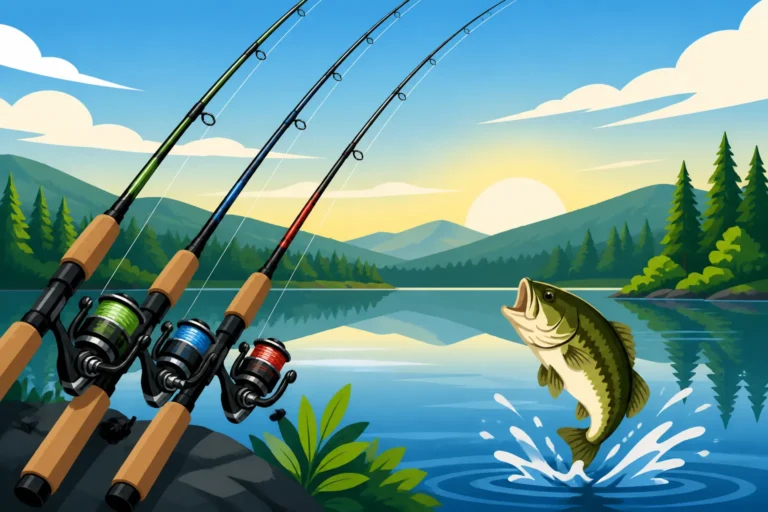
Next, consider your rod and reel setup. A medium-light to medium power spinning rod, around 6'6" to 7' long, paired with a reliable spinning reel spooled with 6-10 lb test monofilament or fluorocarbon line, is generally ideal. This setup provides enough sensitivity to feel subtle bites from live bait, while still having the backbone to handle aggressive smallmouth. For specific recommendations, our guide on Best Spinning Rods for Smallmouth Bass might be a great read.
Finally, don't forget your terminal tackle: a variety of hooks (Aberdeen, Kahle, or Octopus hooks in sizes 2 to 1/0 are good starting points), split shot weights, and a selection of bobbers (slip bobbers are fantastic for fishing at precise depths). Keep a pair of needle-nose pliers handy for hook removal and a good net for landing those feisty bass safely. Our article on Best Tackle for Vermont Smallmouth Bass offers a deeper dive into the overall tackle box setup.
Rigging Your Bait for Maximum Effectiveness
Proper rigging is paramount to getting the most out of your live bait. The goal is always to present the bait as naturally as possible, while also ensuring a solid hookset when a bass strikes.
- Minnows: For lively minnows, hooking them gently through the lips (top lip up, bottom lip down) allows them to swim naturally and breathe. This is ideal when fishing them under a bobber or drifting them. If you need a more durable hookset for casting or faster currents, hooking them just behind the dorsal fin, above the lateral line, works well. Be careful not to damage the spine.
- Crayfish: The most common way to hook a crayfish is through the tail, passing the hook through the segments from the underside, exiting on the top. This keeps the crayfish alive and allows its legs and claws to move freely, creating a very enticing presentation. Avoid hooking through the head, as this often kills them quickly.
- Worms/Nightcrawlers: For nightcrawlers, thread the hook through the worm multiple times, leaving a good section of the worm to dangle and wiggle freely. This ensures it stays on the hook during casting and entices bites. Smaller worms can be hooked once or twice through the middle.
- Leeches: Hooking a leech once through its sucker end (the wider, fatter end) allows it to swim and undulate freely without tearing. Leeches are incredibly tough and will stay on the hook and alive for a long time.
For weights, a simple split shot or a sliding egg sinker (Carolina rig style) is usually all you need. The key is to use just enough weight to get your bait to the desired depth or keep it in the strike zone, but not so much that it restricts the bait's natural movement.
Techniques for Fishing Live Bait in Vermont Waters
The specific technique you employ will often depend on the type of water you're fishing and the mood of the smallmouth.
- Still Fishing/Bobber Fishing: This is perhaps the most classic and effective method, especially in lakes and calmer sections of rivers. Suspend your live minnow, worm, or leech under a bobber near structure like docks, rocky points, submerged timber, or weed edges. The bobber not only keeps your bait at a consistent depth but also provides a visual strike indicator. A slip bobber is particularly useful for fishing deeper water or when you need to cast further.
- Drift Fishing: In rivers or windy lakes, drifting your live bait can be incredibly effective. Cast your bait upstream or upwind and let the current or wind carry it naturally over potential smallmouth holding areas. Use minimal weight to allow the bait to tumble or swim along the bottom or mid-water column. This is an excellent way to cover water and present your bait in a very natural, unobtrusive manner. Vermont's larger rivers, like the Winooski or Lamoille, offer fantastic opportunities for drift fishing smallmouth.
- Bottom Fishing (Carolina Rig/Split Shot): For crayfish and worms, fishing directly on the bottom is often best. A Carolina rig (sliding sinker, bead, swivel, leader, hook) allows the bait to move freely away from the weight, making it feel more natural to a biting bass. A simpler split-shot rig can also work wonders in less snaggy areas. Focus on rocky bottoms, ledges, and transition areas where smallmouth often feed on crayfish. Our guide on Best Fishing Lakes in Vermont highlights many spots where these techniques excel.
- Slow Retrieval: Sometimes, a very slow, deliberate retrieve can trigger strikes, especially with minnows or leeches. Cast your bait out and retrieve it with very slow, intermittent pauses and twitches, letting the bait do most of the work. This can mimic an injured baitfish or a struggling leech, attracting attention from bass that might ignore a faster retrieve.
Remember, smallmouth bass often hug structure. Whether it's a rocky drop-off, a patch of weeds, or a submerged log, these are prime ambush points. Presenting your live bait close to, or directly in, these areas will significantly increase your chances of a bite.
Sourcing, Storing, and Keeping Your Bait Lively
Keeping your live bait healthy and lively is paramount. A sluggish, dying bait is far less effective than a vibrant, active one. Taking a little extra care will pay dividends in your catch rate.
Where to Find Quality Live Bait in Vermont
When it comes to sourcing your live bait in Vermont, you have a few reliable options.
- Local Bait Shops: These are often your best bet. Local bait shops are usually well-stocked with common baits like minnows and nightcrawlers, and sometimes crayfish or leeches, depending on the season and local availability. They also have the advantage of being run by local anglers who can offer invaluable advice on what baits are currently working in nearby waters. Many towns around popular fishing spots like Lake Champlain, Lake Bomoseen, or the larger rivers will have dedicated bait and tackle shops. They know what the fish are biting on and what regulations apply to bait use in specific areas.
- Large Retailers: Stores like Bass Pro Shops, while not as prevalent in every small Vermont town, do offer a wide selection of bait, especially minnows and nightcrawlers, in areas where they are located. They also carry all the necessary accessories for bait storage, such as aerators, buckets, and coolers. While you might not buy live bait through Amazon, it’s an excellent resource for picking up accessories like portable aerators or insulated bait storage containers if you plan to keep a supply for longer trips.
- Catching Your Own: For crayfish, and sometimes minnows, you can often catch your own using small traps or nets, particularly in shallow, rocky areas of lakes and rivers. This can be a fun and rewarding way to get bait, but always remember to check Vermont's fishing regulations regarding bait collection, species limits, and any restrictions on transferring bait from one water body to another to prevent the spread of invasive species. It’s also often illegal to use wild-caught bait from one watershed in another. This applies to things like Vermont Fishing Season Dates and Closures and Vermont Fishing Regulations Explained.
- Worm Composting/Gardens: For nightcrawlers and other worms, a well-maintained worm compost bin or even just digging in your garden after a rain can provide a continuous, free supply. This ensures you always have fresh bait on hand.
Best Practices for Bait Storage and Transport
Once you have your live bait, keeping it alive and healthy is crucial.
- Temperature Control: Live bait, especially minnows and crayfish, thrives in cool, oxygenated water. Avoid extreme temperature fluctuations. On hot days, use an insulated bait bucket or cooler to keep the water cool. You can even add a frozen water bottle (not ice, as chlorine in tap water can be harmful, and melting ice can dilute water too much) to the bait water to keep it chilled. Conversely, don't let the water get too cold in winter.
- Aeration: This is non-negotiable for minnows, crayfish, and often beneficial for leeches. A small, battery-operated aerator pump with an air stone will constantly oxygenate the water, preventing your bait from suffocating. These are inexpensive and can be found at any tackle shop or easily ordered online.
- Water Quality: Use clean, non-chlorinated water. Many anglers use filtered tap water that has sat out for 24 hours to allow chlorine to dissipate, or natural lake/river water (taken from where you plan to fish, to avoid introducing foreign organisms). Change the water regularly, especially if it starts to get cloudy or if you notice dead bait. Overcrowding a bait bucket will quickly deplete oxygen and foul the water.
- Transportation: When moving your bait, keep the bucket secure to prevent spills and sloshing, which can stress and injure the bait. Again, a good aerator is key during transport. If you're using a Best Cooler for a Fishing Boat, make sure it's designated specifically for bait if you’re using aerators or keeping water in it.
By following these simple practices, you can ensure your live bait stays vibrant and appealing throughout your fishing trip, maximizing your chances of hooking into those hard-fighting Vermont smallmouth bass. Whether you're a seasoned pro or just starting out with a Best Rod and Reel Combo for Beginners, the effectiveness of fresh, lively bait is undeniable.
Disclaimer
This article is for general informational purposes only and does not constitute professional advice. Laws, prices and regulations vary by location and change over time. Consult a qualified professional for guidance on your specific situation.