Best breathable waders for summer fishing
There's nothing quite like a warm summer day in Vermont, the sun high, the birds singing, and the river murmuring an invitation. But for those of us who love to chase trout or smallmouth bass in the warmer months, the thought of pulling on heavy, stuffy waders can make you want to stay home. Sweating profusely within minutes, feeling clammy and confined – it’s a familiar frustration. This guide is all about finding the best breathable waders designed to keep you comfortable, cool, and dry, allowing you to fully enjoy your summer fishing adventures across Vermont's beautiful waterways.
Why Breathable Waders Are a Game-Changer for Vermont Summer Fishing
Let's be honest, waders in summer can feel like a personal sauna. You want to stay dry from the waist down while wading through those cool Vermont streams and lakes, but the trade-off has often been a sweaty, uncomfortable mess inside your gear. This is where breathable waders step in, fundamentally changing the summer fishing experience. They're not just a luxury; they're a necessity for anyone serious about staying comfortable when the mercury rises.
The Misery of Traditional Waders in Summer Heat
Think back to the old days, or maybe even your current budget pair. Many traditional waders were made from neoprene or thick PVC. While fantastic for keeping you warm in icy conditions, they are absolute sweat factories when the air temperature hits anything above 60 degrees Fahrenheit. The material might keep water out, but it also traps every bit of your body heat and perspiration in. You start your day feeling fresh, but within an hour of hiking to a stream or casting under the midday sun, you’re drenched in your own sweat. This isn't just uncomfortable; it can lead to chafing, dehydration, and a general loss of enthusiasm for the fishing itself. It turns a joyful pursuit into a test of endurance, making those long stretches on the Battenkill River Trout Fishing or the White River Fishing Guide much less enjoyable than they should be. No one wants to spend a beautiful day on the water feeling like they’re simmering in their own juices.
How Breathable Fabrics Keep You Cool and Dry
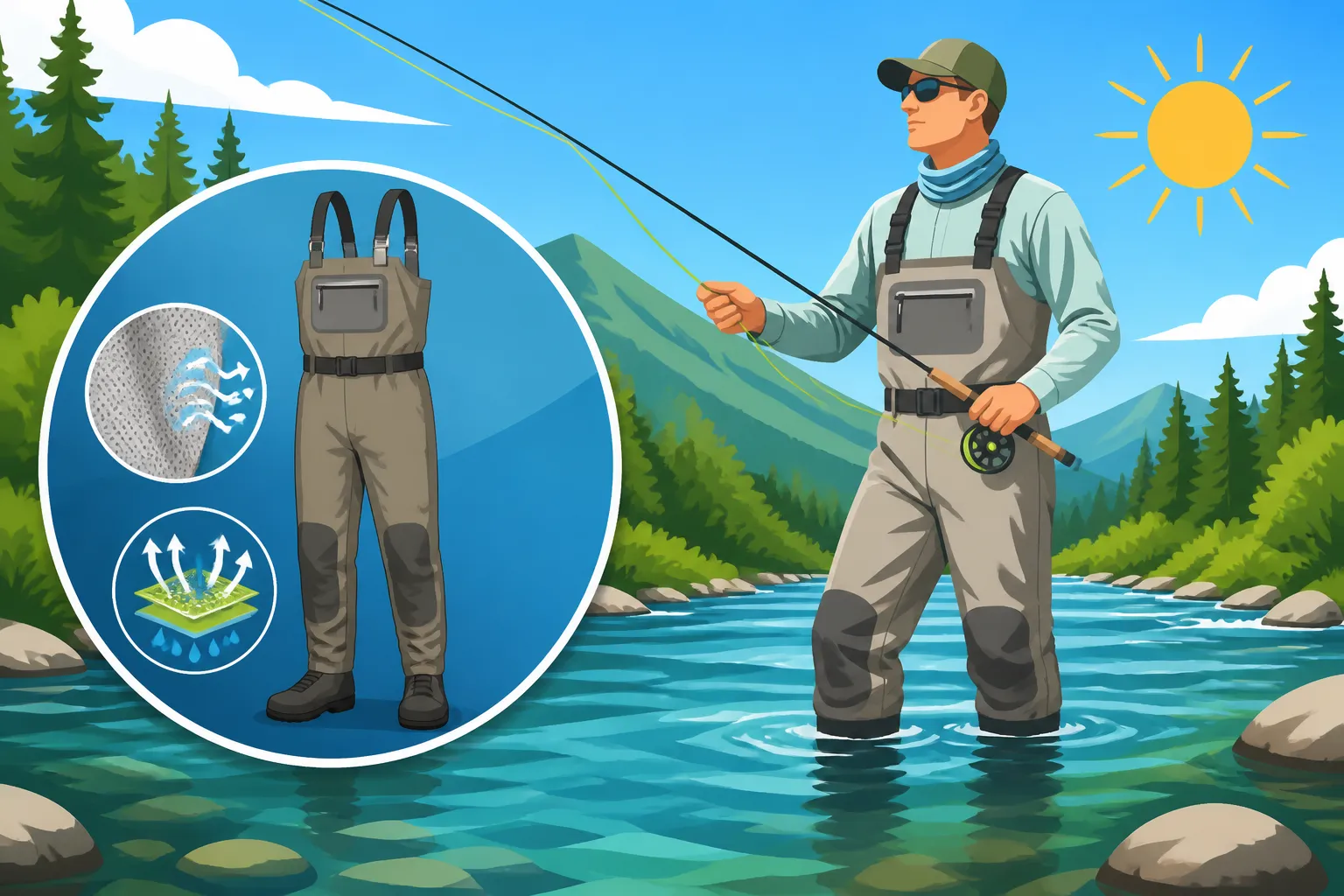
The magic of breathable waders lies in their advanced fabric technology. These waders are typically constructed with multiple layers of specialized material, such as Gore-Tex or similar proprietary membranes like those used by Simms or Patagonia. These fabrics have microscopic pores that are too small for liquid water molecules (like raindrops or river water) to pass through, but large enough for water vapor (your sweat) to escape. It's a marvel of engineering that allows your body to regulate its temperature more effectively. As you exert yourself, your body produces sweat, which then evaporates. This water vapor moves through the wader fabric and dissipates into the drier air outside. This process, known as moisture-wicking, is what keeps you feeling dry and significantly cooler. It's truly revolutionary compared to the old rubber or PVC suits, offering a noticeable difference in comfort, especially during peak summer heat when you're perhaps trying How to Catch Smallmouth Bass in Vermont Lakes or exploring remote brook trout streams.
Beyond Comfort: Mobility and Performance
It’s not just about staying dry; breathable waders also offer a significant boost in mobility and overall performance. Because these materials are typically lighter and more flexible than their traditional counterparts, they don't restrict your movement. Imagine navigating slippery rocks in a Vermont stream or scrambling up a steep bank to reach a new fishing hole. With lighter, less bulky waders, you’ll find yourself moving with greater ease and confidence. This enhanced mobility translates directly into better fishing. You can cast more freely, adjust your position more quickly, and cover more water without feeling cumbersome. Plus, the lighter weight reduces fatigue, allowing you to spend more hours on the water, whether you're fly fishing the Lamoille River Fishing Guide or wading the shorelines of Lake Champlain. When you're comfortable, you're more focused on the fish, and that's what truly counts.
Key Features to Look for in Summer Breathable Waders
Choosing the right breathable waders for Vermont's summer can feel a bit overwhelming with all the options out there. It's not just about picking any pair labeled "breathable"; there are specific features that can make a huge difference in your comfort, durability, and overall experience on the water.
Material and Construction
The core of any breathable wader is its fabric. While Gore-Tex is the gold standard and often commands a higher price, many brands offer excellent proprietary alternatives that provide similar performance. Look for a multi-layer construction, often described as 3-layer, 4-layer, or even 5-layer in high-wear areas like the knees and seat. More layers often mean better durability but can also add a little bulk. For summer, a good 3-layer breathable fabric throughout most of the wader is usually sufficient for comfort, with reinforced areas where you might brush against rocks or logs.
The quality of seam sealing is just as crucial as the fabric itself. Every seam in a wader is a potential leak point. High-quality waders use advanced sonic welding or meticulous seam taping to ensure waterproof integrity. Look for double-taped seams, especially in critical areas. Also consider the booties; neoprene booties should be dense and resistant to compaction, offering a comfortable fit inside your wading boots without excessive bunching. Lastly, integrated gravel guards are a huge plus, preventing sand and pebbles from getting into your boots, which can be a real nuisance when Wading Techniques for Vermont Trout Streams.
Fit and Sizing for Optimal Comfort
A proper fit is paramount, especially in summer when you might not be layering heavily underneath. You don't want waders that are too baggy, as excess material can bunch up, create drag in the water, and be a trip hazard. Conversely, waders that are too tight will restrict your movement and put undue stress on seams, leading to premature wear and potential leaks. Aim for a fit that allows for a full range of motion—you should be able to squat, kneel, and lift your legs comfortably without feeling stretched or pulled.
When trying on waders, pay close attention to the leg length, inseam, and chest circumference. Many manufacturers offer different sizing options beyond just S, M, L, including short, tall, king, and stout sizes to accommodate various body types. The neoprene booties should fit snugly but not constrictively, without too much excess material that can fold or crease inside your wading boots. Remember, you're looking for an athletic fit that moves with you, not against you, allowing you to maintain comfort during those long days, especially when pursuing Spring Trout Fishing Techniques for Vermont Streams.
Thoughtful Design Elements
Beyond the basic material and fit, several thoughtful design elements can significantly enhance your summer fishing experience.
- Pocket Configuration: While less crucial for warmth in summer, well-placed, waterproof pockets are still invaluable for storing essentials like fly boxes, leaders, and nippers. Look for chest pockets with water-resistant zippers or flap closures. A fleece-lined handwarmer pocket is a nice bonus even in summer for those cooler mornings or if you just need to dry your hands.
- Attachment Points: D-rings, tool docks, and internal loops are great for attaching gear like a landing net, forceps, or a tippet holder. These keep your tools readily accessible without having to dig through your vest or pack.
- Wader Suspenders: Adjustable suspenders are standard, but look for comfort features like wider straps or a Y-back design that distributes weight evenly across your shoulders, preventing digging in during long hikes. Some even have buckle systems that allow you to convert the waders into waist-high pants, which is a fantastic feature for extremely hot days or when you only need minimal wading depth.
- Repair Kits: While not a "design element" of the waders themselves, many high-quality breathable waders come with a small field repair kit. This can be a lifesaver for patching up minor punctures or tears that might happen while bushwhacking through dense Vermont foliage to reach a secluded trout pond. You can also pick up repair kits from retailers like Bass Pro Shops or Amazon if your waders don't include one.
Top Considerations When Choosing Breathable Waders for Vermont
Picking out the right breathable waders for your summer fishing adventures in Vermont involves more than just finding the "most breathable" option. It's about weighing various factors to ensure you get the best performance, durability, and value for your specific needs.
Balancing Durability with Lightweight Comfort
This is often the biggest trade-off when selecting breathable waders. Generally speaking, the more lightweight and minimalist a wader is, the less durable it tends to be against abrasions and punctures. Conversely, a very durable wader, often with multiple layers of heavy-duty fabric, might sacrifice some of that airy, lightweight feel you crave in the summer.
For summer fishing in Vermont, consider your primary fishing style. Are you mostly sticking to well-maintained riverbanks and easy wading, or do you frequently bushwhack through dense woods and climb over sharp rocks to get to those hidden gems in the Green Mountains?
- Lightweight Options: If your fishing involves minimal abuse, like floating in a Best Kayak for Lake Champlain or leisurely wading the open sections of the Connecticut River, a lighter 3-layer wader could be perfect. These offer maximum breathability and minimal bulk, making them incredibly comfortable in the heat. They often pack down smaller too, which is great for travel.
- Reinforced/Heavy-Duty Options: If you're an adventurous angler who expects to put your gear through its paces—think exploring remote backcountry trout ponds, Best Fly Fishing Rivers in Vermont with rough terrain, or scrambling over beaver dams—you'll want to lean towards waders with reinforced knees, seat, and often shins. These might incorporate 4-layer or 5-layer fabrics in high-wear zones. While a bit less minimalist, the added protection can prevent frustrating leaks and extend the life of your investment. It's about finding that sweet spot between staying cool and keeping your waders intact for seasons to come.
Pricing Tiers and Value for Money
The cost of breathable waders can vary wildly, from entry-level options to premium, top-of-the-line models. It's easy to get sticker shock, but understanding what drives these price differences can help you make an informed decision.
- Entry-Level (Often under a few hundred dollars): These waders typically use proprietary breathable fabrics that might not be as finely tuned as Gore-Tex but still offer a significant improvement over non-breathable options. They're a great starting point for casual anglers or those on a tighter budget. You'll find solid options at retailers like Amazon or smaller specialty shops. Durability might be slightly less, and features more basic, but they'll get the job done for occasional summer use.
- Mid-Range (Generally a few hundred dollars): This tier often provides a fantastic balance of performance, durability, and features for the price. You'll find more robust proprietary fabrics, better seam construction, and more thoughtful design elements like improved pockets and comfortable suspenders. Many anglers find their sweet spot here, getting reliable performance without breaking the bank. Brands like Redington, Frogg Toggs, and some Cabela's lines often have strong contenders in this category, widely available at places like Bass Pro Shops.
- Premium (Often several hundred dollars and up): These are the workhorses, featuring top-tier materials like Gore-Tex Pro Shell, cutting-edge seam technology, and exceptionally durable construction. They are built for extreme conditions, frequent use, and offer the highest level of breathability and comfort. If you spend dozens of days a year fishing in your waders, the investment often pays off in longevity and unparalleled comfort. Simms and Patagonia are examples of brands known for their high-end offerings.
Remember, value isn't just about the lowest price; it's about what you get for your money. A more expensive wader might last twice as long and provide significantly more comfort, making it a better value in the long run. Consider how often you'll use them and what level of performance you truly need.
Wader Care and Maintenance for Longevity
Even the best breathable waders won't last if they aren't properly cared for. This is especially true for summer use, where sweat and grime can build up, potentially compromising the fabric's breathability and waterproofness.
- Cleaning: After each outing, especially if you’ve been in muddy or silty water (common in some parts of Vermont's rivers after a rain), rinse your waders thoroughly with fresh water. Allow them to air dry completely, both inside and out, away from direct sunlight and heat. Never store them wet, as this can lead to mildew and damage the waterproof membrane. Every few uses, or if you notice breathability decreasing, give them a gentle wash with a technical cleaner specifically designed for breathable fabrics (like Nikwax or Granger's). This helps restore the fabric's DWR (Durable Water Repellent) coating and clears out microscopic pores.
- Storage: Store your waders in a cool, dry place. Hanging them is ideal to prevent creasing and stress on the seams. If hanging isn't possible, roll them loosely rather than folding tightly. Avoid cramming them into a bag or leaving them crumpled in the trunk of your car. Proper storage prevents premature wear and ensures they're ready for your next fishing adventure, whether it's for Vermont Trout Opening Day Traditions or a late summer evening on Lake Champlain Fishing Guide.
- Patching Leaks: Small leaks are inevitable over time, even with the best waders. Promptly repair any punctures or tears with a specialized wader repair kit. Catching small leaks early prevents them from becoming larger, more problematic holes. Many leaks can be easily fixed with Aquaseal or similar sealants. Regular care will ensure your breathable waders serve you well for many Vermont summers to come.
Here's a quick comparison of features you might find across different price points:
| Feature | Entry-Level Waders | Mid-Range Waders | Premium Waders |
|---|---|---|---|
| Breathable Fabric | Basic proprietary 3-layer | Advanced proprietary 3-layer, some 4-layer reinforcement | Gore-Tex Pro Shell, 4-5 layer reinforcement in key areas |
| Seam Construction | Standard taped seams | Double-taped seams, often sonic welded | Meticulously sonic welded, reinforced, often fewer seams overall |
| Durability | Good for casual use, prone to abrasion with heavy use | Very good, suitable for regular use and varied terrain | Excellent, built for demanding conditions and frequent use |
| Comfort/Fit Options | Standard sizing (S,M,L), basic suspenders | More varied sizing (short, tall, stout), ergonomic suspenders | Extensive sizing options, highly ergonomic & comfortable suspenders |
| Pockets & Features | Basic chest pocket(s), limited attachment points | Multiple chest pockets (some waterproof), internal storage, D-rings | Fully waterproof pockets, tool docks, handwarmers, innovative features |
| Booties & Gravel Guard | Standard neoprene booties, basic gravel guards | Improved neoprene booties, integrated gravel guards | High-density neoprene booties, contoured fit, robust integrated guards |
| Typical Price Range | Under $200 | $200 – $450 | $450+ |
Practical Tips for Summer Wader Use in Vermont
Even with the best breathable waders, summer fishing in Vermont still requires some smart planning to maximize your comfort and safety. It's not just about what you wear, but also how you approach your day on the water.
What to Wear Underneath Breathable Waders in Warm Weather
This is a crucial point many anglers overlook! The "breathable" nature of your waders only works effectively if the layers underneath also allow moisture to wick away. Wearing cotton socks or cotton underwear is a common mistake. Cotton absorbs moisture and holds it against your skin, negating the waders' ability to transport vapor away.
Instead, opt for synthetic or merino wool base layers that are specifically designed to wick moisture. In warmer summer conditions, you might even consider just wearing quick-drying shorts or lightweight synthetic pants underneath your waders. Some anglers even go for just swim trunks. The goal is to minimize bulk and maximize air circulation, allowing your body's sweat to easily evaporate and pass through the wader membrane. For your feet, thin synthetic or wool wading socks are far superior to cotton, preventing blisters and keeping your feet drier. Remember, the less your inner layers absorb and hold moisture, the more effectively your breathable waders can do their job, whether you're standing in the cool currents of Vermont trout streams or hiking along a sunny stretch of Green Mountain Trout Stream Access.
Hydration and Sun Protection
Even with the most breathable waders, summer fishing in Vermont means exposure to the sun and warm temperatures. It's easy to get dehydrated, especially if you're actively wading and casting for hours. Always carry plenty of water and drink frequently, even if you don't feel thirsty. A hydration pack or a water bottle attached to your pack or belt is a good idea.
Sun protection is equally vital. While your waders cover your legs, your upper body, face, and neck are still exposed. Wear a lightweight, long-sleeved fishing shirt with UPF (Ultraviolet Protection Factor) ratings. A wide-brimmed hat will shield your face and neck, and quality polarized sunglasses are essential not only for eye protection but also for spotting fish in the water. Don't forget sunscreen for any exposed skin, even on cloudy days. Vermont's summer sun can be surprisingly intense, and a nasty sunburn can quickly ruin an otherwise perfect day targeting Vermont Landlocked Salmon Regulations or Vermont Bass Catch-and-Release Season, Explained.
Choosing the Right Boots and Accessories
Your waders are only half the equation; the right wading boots and accessories complete your summer fishing setup.
- Wading Boots: For summer, lighter-weight wading boots are often preferred. You won't need the heavy insulation of winter boots. Focus on good ankle support for navigating slippery rocks and excellent traction. Felt soles offer superior grip on algae-covered rocks, but rubber soles are better for hiking longer distances and are generally less impactful on invasive species transfer (always clean your boots thoroughly between waters!). Some boots even have drain ports to help shed water quickly, making them less cumbersome out of the water. For more on this, check out Best Wading Boots for Rocky Streams.
- Wading Staff: Even in summer, a wading staff is a smart accessory, especially if you're wading in unfamiliar or fast-moving water. It provides an extra point of contact and stability, reducing your risk of falls. Many staffs are collapsible and can be easily stowed when not in use.
- Vest or Pack: Since you won't have bulky layers, a well-organized fishing vest or a lightweight fishing pack is crucial for carrying your gear. Keep it streamlined for summer, carrying only what you need to avoid overheating. Fly boxes, tackle, tippet, leaders, and a Best Landing Net for Trout should be easily accessible. For those who prefer a minimalist approach, some of the higher-end waders offer enough integrated storage in their chest pockets to carry essential items.
By thoughtfully combining breathable waders with appropriate under-layers, sun protection, and smart accessories, you'll be able to comfortably enjoy every moment of your summer fishing adventures in the beautiful state of Vermont.
Disclaimer
This article is for general informational purposes only and does not constitute professional advice. Laws, prices and regulations vary by location and change over time. Consult a qualified professional for guidance on your specific situation.