Best Kayak for River Fishing in Vermont
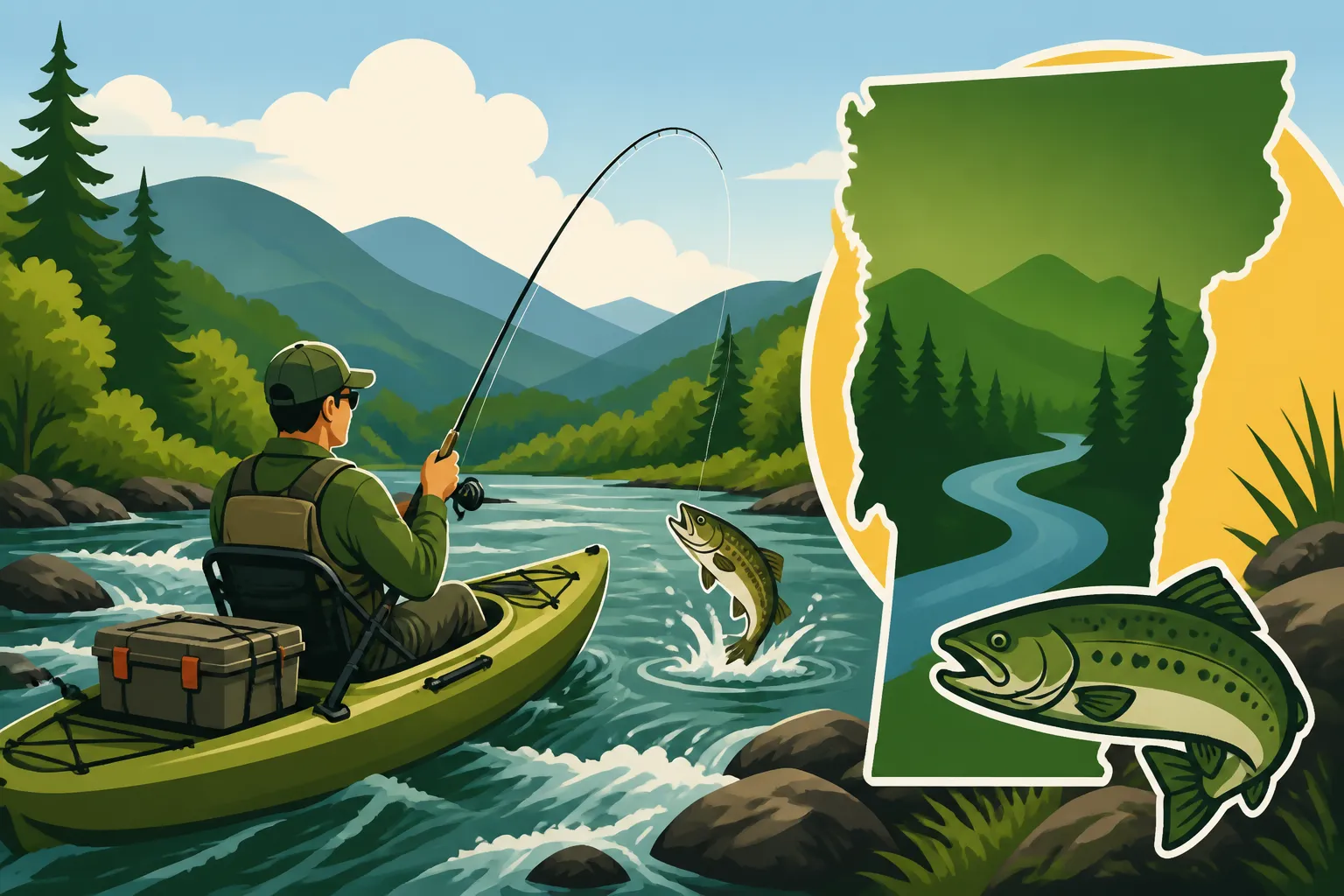
There’s nothing quite like the feeling of drifting down a Vermont river, rod in hand, anticipating that next strike from a feisty smallmouth bass or a wary wild trout. But let's be honest, trying to navigate those currents, eddies, and occasional rocky patches in a kayak not designed for river use can quickly turn a peaceful day into a frustrating struggle. This guide is all about helping you cut through the confusion and find the absolute best kayak to tackle Vermont's diverse river fishing opportunities, ensuring you spend more time catching fish and less time wrestling with your boat.
Why River Fishing in Vermont Demands a Specialized Kayak
Vermont’s rivers are a unique beast, aren't they? They're not like those slow, wide, meandering rivers you might find in other parts of the country. Here in the Green Mountain State, our rivers can be swift, rocky, shallow, and full of character – which is exactly why we love them for fishing! But that character demands a kayak that's up to the task, not just any old boat you'd paddle around a calm lake.
Navigating Dynamic Currents and Obstacles
Think about a typical Vermont river: you've got sections with quick, pushing current, then it might slow down into a deep pool, only to pick up speed again over a riffle. And let's not forget the endless parade of submerged rocks, fallen trees, and shallow gravel bars. A kayak designed for lake use, often longer and built for tracking straight, can become a real handful in these conditions. It's like trying to drive a limousine on a logging trail – technically possible, but definitely not ideal!
What you need is a kayak that can pivot quickly, glide over shallow spots without catching, and absorb a bump or two without complaining. River kayaks are engineered with these challenges in mind. Their hull designs often incorporate more rocker (upward curve at the bow and stern) to help them pivot over obstacles, and their materials are generally more robust to withstand impacts. Trying to cast accurately while constantly fighting the current and avoiding snags is a recipe for frustration. A specialized river kayak gives you the control and confidence to focus on your fishing, not just your paddling.
Accessing Remote, Unpressured Waters
One of the biggest advantages of river kayak fishing in Vermont is the ability to reach those untouched honey holes that shore anglers or bigger boats simply can't get to. Imagine slipping silently around a bend, paddling through a stretch of shallow rapids, and suddenly finding yourself in a deep, dark pool that's just begging for a fly or a lure. These are the spots where the big, smart fish often live, because they don't see a lot of pressure.
Whether you're after wild brook trout in a smaller tributary or trophy smallmouth bass in a larger river like the Otter Creek or the Lamoille River, a river kayak grants you unparalleled access. You can glide into tight pockets, navigate through narrow channels, and sneak up on fish in ways that a bigger boat just can't manage. This isn't just about catching more fish; it's about experiencing the wild beauty of Vermont's waterways in a truly intimate way. The peace and solitude you find in these remote stretches are truly priceless, making the right kayak an investment in both your fishing success and your overall well-being. For more on specific locations, check out Best Fishing Rivers in Vermont.
Key Features to Look For in a Vermont River Fishing Kayak
Alright, now that we're clear on why a specialized kayak is important, let's talk about what makes a kayak ideal for Vermont's rivers. It's all about balancing a few crucial design elements that will directly impact your experience on the water.
Stability vs. Maneuverability: Finding Your Balance
This is often the grand dilemma for river anglers. On one hand, you want a kayak stable enough to cast comfortably, fight a fish, and perhaps even stand up in for better sight fishing. On the other, you need a boat that can turn on a dime to avoid obstacles, navigate tight bends, and handle swift currents without becoming a handful.
Generally, shorter kayaks (under 12 feet) with a wider beam (width) will offer more initial stability and better maneuverability. They're quicker to turn and less likely to get pushed sideways by strong currents. However, they might not track as straight in open water, requiring more corrective paddle strokes. Longer kayaks (12 feet and up) with a narrower beam will track better and be more efficient for covering long distances, but they sacrifice some maneuverability and initial stability, especially in turbulent water. For Vermont rivers, many anglers find a sweet spot in the 10-12 foot range, offering a good compromise. If you're tackling smaller, more technical streams, lean towards the shorter, wider end. If you're floating longer stretches of wider rivers with gentler currents, you can consider something a bit longer.
Durable Construction for Rocky Encounters
Let's face it: in Vermont, rocks are just part of the river landscape. You're going to bump them, scrape them, and occasionally even get hung up on them. This is why the construction material and hull design of your kayak are paramount. The vast majority of quality river fishing kayaks are made from roto-molded polyethylene. This material is incredibly durable, impact-resistant, and can withstand a surprising amount of abuse before showing significant wear.
Look for a hull designed to shed water and deflect impacts. Some kayaks feature a "skid plate" on the stern, a reinforced area designed to take the brunt of scrapes and make dragging the boat over obstacles a bit less damaging. Thicker plastic in critical areas is also a plus. Avoid kayaks made from thermoformed plastic or composite materials for serious river use, as they are more prone to cracking or severe damage upon impact with rocks. You want a boat that you can confidently push off a submerged log without cringing, knowing it's built to last in tough conditions.
Optimal Length and Width for River Dynamics
As we touched on with stability and maneuverability, length and width are crucial for river performance.
-
Length: Shorter kayaks (8-11 feet) excel in tight, technical rivers with lots of turns and obstacles. They're easier to turn, often lighter for portaging, and less likely to get hung up on shallow spots. However, they can be slower and require more effort to paddle long distances. Longer kayaks (12-14 feet) offer better tracking and speed, which is great for covering more water on wider, less technical rivers. They also tend to carry more gear. For most Vermont river fishing, something in the 10-12 foot range is a fantastic all-around choice.
-
Width: A wider kayak (30-36+ inches) provides superior stability, which is excellent for casting, standing, and handling bumpy water. This extra width often comes at the cost of speed and makes the kayak a bit more cumbersome to paddle. Narrower kayaks (under 30 inches) are faster and more efficient to paddle but sacrifice some stability, which can be a real challenge if you plan to stand or fish in choppy conditions. For river fishing, leaning towards the wider side is often a smart move, ensuring you feel secure enough to focus on your fishing rather than constantly balancing.
Comfortable Seating for Long Days on the Water
Fishing rivers often involves long hours, sometimes slowly drifting, sometimes actively paddling, and almost always involving lots of casting and repositioning. A cheap, molded-in seat will quickly make you regret your decision. Look for a kayak with an adjustable, elevated seat, preferably one that resembles a small lawn chair.
These elevated seats offer several advantages:
- Comfort: They provide better back support and reduce pressure points, keeping you comfortable throughout the day.
- Visibility: Sitting higher off the water gives you a better vantage point to spot fish, identify structure, and navigate hazards.
- Easier Standing: An elevated seat makes the transition to a standing position much smoother and safer, if your kayak is stable enough for it.
- Dryer Ride: Sitting up off the scupper holes means you're less likely to be sitting in a puddle, especially in a sit-on-top kayak.
Many modern fishing kayaks feature highly adjustable frames seats that can even be moved forward or backward to trim the boat or removed entirely for shore use. Don't underestimate the value of a comfortable seat – it can truly make or break your river fishing experience.
Gear Storage and Accessibility for Anglers
River fishing requires gear – rods, tackle, a cooler for lunch and drinks, maybe a camera, and certainly a PFD. How you store and access that gear is critical.
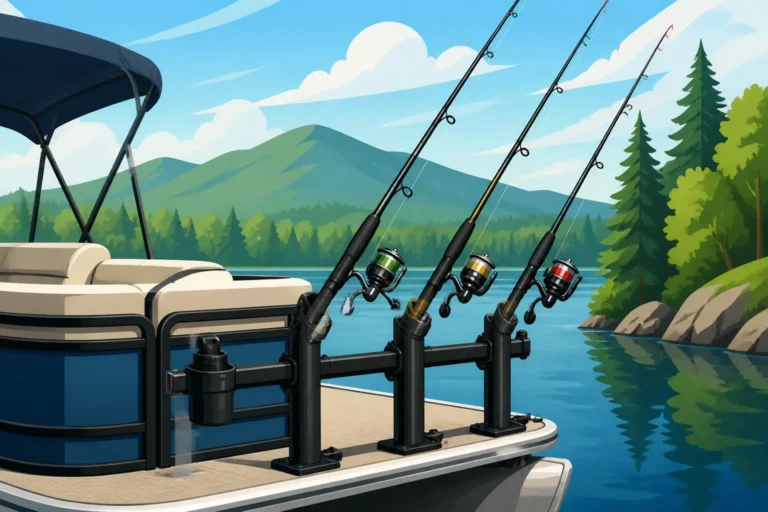
- Rod Holders: Most fishing kayaks come with flush-mount rod holders behind the seat. You'll likely want at least two, possibly more, or a dedicated rod storage system. Some kayaks also offer rail systems for adding aftermarket rod holders, like those from Ram Mounts or Scotty, which are incredibly versatile.
- Tackle Management: Open deck space, bungee systems, and dedicated tackle box storage areas are important. Many anglers use a milk crate or a specialized tackle crate in the stern tankwell to keep their gear organized and easily accessible.
- Dry Storage: While a sit-on-top kayak will drain water, you'll need dry storage for electronics, wallet, keys, and extra layers. Look for hatches with waterproof seals or plan to use high-quality dry bags, especially when buying accessories from a retailer like Amazon.
- Cooler Space: Even a small cooler for drinks and snacks is a must. Ensure there's a dedicated space in the tankwell or bow that can accommodate it securely.
The goal is to have everything you need within easy reach, so you're not fumbling around or rummaging through bags when you should be focused on fishing.
Types of Kayaks Best Suited for Vermont Rivers
When you walk into a Bass Pro Shops or browse online, you'll quickly realize there are many different types of kayaks. For river fishing in Vermont, the choice usually comes down to a sit-on-top, a sit-inside, or a hybrid design. Each has its merits and drawbacks depending on your personal preferences and the specific rivers you plan to tackle.
Sit-on-Top (SOT) Kayaks for Versatility and Safety
Sit-on-top kayaks are overwhelmingly popular for fishing, and for good reason. They are incredibly versatile and offer several advantages for river use:
- Stability: SOTs tend to be wider and offer excellent primary and secondary stability, making them ideal for casting, fighting fish, and even standing.
- Drainage: Scupper holes allow water to drain automatically from the deck, so you don't have to worry about bailing out water from waves, rain, or an accidental splash. This is a huge plus in river environments where you might encounter spray or even get swamped by a small wave.
- Ease of Re-entry: If you happen to tip over in a river (it happens!), re-entering an SOT kayak is much easier than an SI. You simply roll onto the boat. This is a significant safety factor, especially in cold Vermont waters or swift currents.
- Open Deck Space: The open deck provides plenty of room for gear, tackle, and a cooler, and makes accessing everything simple. You can easily strap down a tackle crate in the stern or bow.
- Comfortable Seating: Many SOT fishing kayaks come with those excellent elevated frame seats we discussed earlier.
The main downsides of SOTs are that they can be slower to paddle than SIs, and you're more exposed to the elements, meaning you'll get wetter and colder in inclement weather or cold water. However, for most general river fishing in Vermont, especially from spring through fall, a sit-on-top kayak is an excellent choice.
Sit-Inside (SI) Kayaks for Protection and Cold Weather
While less common for dedicated fishing, sit-inside kayaks do have their place, especially if you prioritize paddling efficiency, protection from the elements, or fish frequently in colder conditions.
- Paddling Efficiency: SIs are often narrower and have a more streamlined hull, making them faster and easier to paddle, especially over longer distances. If you plan on covering many miles on a wider, calmer river, this could be a benefit.
- Protection from Elements: Being inside the cockpit offers protection from splashes, wind, and cold. This is particularly valuable during early spring or late fall fishing in Vermont when water temperatures can be very low.
- Storage: While the deck isn't as open, SIs often have internal bulkheads and hatches, providing secure, dry storage within the hull.
The drawbacks for fishing are significant. Re-entry after a capsize is more challenging and often requires assistance or specific self-rescue techniques. The cockpit can feel cramped for casting, and gear accessibility isn't as straightforward. Standing is usually impossible. For these reasons, while a traditional touring or recreational SI kayak might work for very casual, calm river floats, a dedicated SOT fishing kayak generally offers a better experience for active angling.
Hybrid Kayaks and Crossover Boats
The kayak market is always evolving, and manufacturers are constantly trying to blend the best features of different designs. This has led to the development of hybrid kayaks and crossover boats that aim to offer a balance between river performance, stability, and fishing functionality.
These boats might feature a wider, more stable hull like an SOT, but with a slightly recessed cockpit area, offering a bit more protection than a fully open deck. Some could be described as "river canoes" – essentially a wide, stable, open kayak that paddles like a kayak but has the gear capacity of a small canoe. They might have a flatter hull for navigating shallows, combined with enough rocker to handle minor rapids.
Brands like Old Town, for instance, have some models that blur these lines, offering exceptional stability and open deck space without sacrificing too much maneuverability. These hybrids can be an excellent choice for anglers who fish a wide variety of Vermont rivers, from slow-moving sections to moderate whitewater, and want one boat to do it all reasonably well. They often represent a good middle ground for anglers who want the best of both worlds.
Here's a quick comparison of the kayak types for river fishing:
| Feature | Sit-on-Top (SOT) Kayak | Sit-Inside (SI) Kayak | Hybrid/Crossover Kayak |
|---|---|---|---|
| Stability | Excellent (often designed for standing) | Moderate to Good (depending on width) | Very Good (aims for SOT-like stability) |
| Maneuverability | Good (especially shorter models) | Excellent (often narrower for tracking) | Good to Very Good (designed for river dynamics) |
| Re-entry after Capsize | Very Easy | Difficult (requires specific techniques) | Easy (often closer to SOT design) |
| Protection from Elements | Low (exposed to spray, wind) | High (enclosed cockpit) | Moderate (some protection, more open than SI) |
| Gear Accessibility | Excellent (open deck, large tankwells) | Limited (cockpit can be cramped) | Excellent (open decks, large storage areas) |
| Paddling Efficiency | Moderate (can be slower) | High (faster, tracks well) | Moderate to High (a good balance) |
| Ideal for | General river fishing, standing, warm weather | Calm, wide rivers; cold weather; covering distance | Diverse river conditions, compromise between SOT & SI |
Essential Accessories for Your River Fishing Kayak Setup
A kayak is just the vessel; it's the accessories that truly turn it into a river fishing machine. Outfitting your boat properly isn't just about convenience; it's about safety, efficiency, and making the most of your time on the water.
Anchoring Systems for Holding Your Position
River currents are a constant force, and being able to hold your position, slow your drift, or anchor in a key fishing spot is absolutely crucial. You can't just drop a traditional anchor in a fast current and expect to stay put, and dragging one on the bottom can be problematic for the riverbed.
- Stake-Out Poles: These are long, sturdy poles (often fiberglass or aluminum) that you can push into soft river bottoms to hold your position. They are lightweight, silent, and perfect for shallower water. They're a fantastic choice for holding in an eddy or behind a submerged structure.
- Drag Chains/Drift Socks: For slowing your drift rather than fully stopping, a drag chain (a short length of heavy chain) or a drift sock (a parachute-like device) deployed off the stern can significantly reduce your speed, allowing for a more controlled presentation to fish.
- Small Anchor Kits: For calmer sections, deep pools, or when you absolutely need to hold solid, a small grapnel or folding anchor (typically 3-5 lbs) with a proper anchor trolley system can be effective. An anchor trolley allows you to deploy and retrieve your anchor from either the bow or stern of the kayak, making it much safer and easier to manage in current. Remember, anchor trolleys are essential for river anchoring to prevent your kayak from getting broadsided by the current. If you want to learn more, look into Best Kayak Anchor Trolley System.
Always consider the type of riverbed and current you'll be fishing when choosing your anchoring system.
Safety Gear You Can't Afford to Skip
Safety on the river should be your absolute top priority. Even on calm-looking stretches, conditions can change quickly, and the unexpected can happen.
- Personal Flotation Device (PFD): This isn't optional; it's mandatory, and critically, it must be worn and properly fitted, not just stowed in your boat. Look for a PFD designed for paddling, which typically has higher armholes and a shorter cut for comfort while seated. There are also specific fishing PFDs with extra pockets for gear. Life Jacket Requirements for Vermont Boaters can give you the specifics for Vermont.
- Whistle: A small, reliable whistle attached to your PFD is a simple but effective signaling device for alerting others to your presence or if you need assistance.
- Rescue Throw Bag: This is a bag containing a coil of floating rope, designed to be thrown to someone (or yourself) in the water. It’s an invaluable tool for self-rescue or assisting a fellow paddler, especially in moving water.
- First-Aid Kit: A small, waterproof first-aid kit with essentials for minor cuts, scrapes, and insect bites is a must-have.
- Knife/Line Cutter: A sharp, easily accessible knife or line cutter (often serrated) is crucial for cutting tangled lines, ropes, or even getting free if snagged on submerged debris.
- Communication Device: A fully charged cell phone in a waterproof case, or better yet, a marine band VHF radio, can be a lifesaver in an emergency, especially in remote areas where cell service might be spotty.
- Water and Snacks: Staying hydrated and fueled prevents fatigue, which can impair judgment and lead to unsafe situations.
Never compromise on safety gear. It's an investment in your well-being on the water.
Rod Holders and Tackle Management Systems
Optimizing your fishing setup within the kayak makes a huge difference in efficiency and enjoyment.
- Supplemental Rod Holders: While most fishing kayaks come with a couple of flush-mount rod holders, you'll likely want more. Rail-mounted or clamp-on rod holders (from brands like Scotty or YakAttack) offer flexibility to position your rods exactly where you need them for trolling, holding a spare rod, or getting them out of the way while paddling.
- Tackle Crates/Bags: As mentioned, a milk crate or a specialized tackle crate in the stern tankwell is a classic for a reason. It keeps your tackle boxes organized, secure, and easily accessible. Many anglers customize these with additional rod holders or tool attachments. You can find excellent tackle management solutions at stores like Bass Pro Shops.
- Dry Bags: Even with sealed hatches, a good quality dry bag or two is essential for anything that absolutely cannot get wet – your car keys, wallet, phone, extra clothes, first-aid kit, etc. These come in various sizes and can be easily stowed in hatches or secured to the deck. Learn more about protecting your valuables with Best Dry Bag for Kayak Fishing.
- Paddle Leash: A simple but critical item. Losing your paddle in a strong current can be a dangerous situation. A leash keeps your paddle attached to your boat, even if you accidentally drop it.
- Gear Tracks and Mounts: Many modern fishing kayaks come with integrated gear tracks (e.g., from YakAttack or Wilderness Systems). These allow you to easily attach and reconfigure a wide array of accessories, from fish finders and GPS units to camera mounts and extra rod holders, without drilling holes in your hull. This modularity is a huge plus for customizing your setup.
Thinking through your typical fishing trip and what gear you'll need will help you choose the right accessories to make your kayak truly your own.
Considerations for Different Vermont River Fishing Scenarios
Vermont's rivers aren't all the same. A small, brushy brook in the Northeast Kingdom demands a different approach than a wide, swift section of the Connecticut River. Understanding these nuances will help you fine-tune your kayak choice and fishing strategy.
Navigating Swift Currents and Whitewater Sections
If your idea of river fishing involves punching through Class I or II rapids, navigating boulder fields, or drifting through strong, consistent currents, your kayak needs to be built for it.
- Shorter Length, More Rocker: In these situations, a shorter kayak (8-10 feet) with significant rocker (the upward curve of the hull) is your friend. This design allows the boat to pivot quickly, ride over waves and obstacles rather than plowing into them, and generally be much more nimble. Longer kayaks will be harder to control and more prone to catching edges in fast water.
- High Maneuverability: You need a boat that responds instantly to paddle strokes. Look for a hull shape that prioritizes turnability over straight-line tracking.
- Exceptional Stability: While maneuverability is key, you still need enough stability to maintain your balance when the water gets bouncy. Wider SOTs are usually preferred here.
- Durable Construction: Every bump counts. The thick, rotomolded polyethylene is non-negotiable.
These types of kayaks are often found in the whitewater crossover or "river runner" fishing kayak categories. They prioritize safety and control in dynamic water. Remember to always scout rapids when possible and wear your PFD! You can also look for models from brands known for their whitewater heritage, as they often apply that expertise to their fishing kayaks.
Fly Fishing from a Kayak on Wider Rivers
Fly fishing from a kayak offers a unique perspective, allowing for stealthy approaches to rising fish and presentations that are difficult from the bank. However, it requires specific kayak characteristics.
- Exceptional Stability: Fly casting requires a stable platform. You'll be making long, sweeping motions, and any wobble in the boat can throw off your cast or, worse, put you in the water. Many fly anglers prefer kayaks stable enough to stand in, giving them a higher vantage point and a clearer casting arc.
- Open Deck Space: A clean, uncluttered deck is crucial to prevent fly line tangles. You don't want your precious fly line catching on a bungee, a cup holder, or a piece of gear when you're trying to make that perfect cast. Some kayaks feature "no-snag" deck designs specifically for fly fishing.
- Elevated Seating: Sitting higher off the water not only helps with casting but also allows you to see further into the water, spotting structure and fish more easily.
- Quiet Operation: Stealth is paramount in fly fishing. A quiet hull that doesn't slap the water and minimal noise from shifting gear will increase your chances.
Wider, stable sit-on-top kayaks, often with a flat deck area, are ideal for fly fishing. Brands like Hobie (with their pedal drives for hands-free propulsion) are popular for this, though traditional paddle kayaks can work beautifully too. Consider features like horizontal rod storage to keep your fly rods safe and out of the way when paddling or fighting a fish. For general fly fishing tips, delve into Fly Fishing for Trout in Vermont.
Fishing Small, Tight Streams and Backwater Areas
Vermont is dotted with countless smaller streams, tributaries, and secluded backwater ponds connected to larger rivers. These spots often hold unpressured fish but require a different type of kayak.
- Short and Lightweight: For these areas, portability is king. You'll likely be portaging your kayak around beaver dams, over fallen logs, or simply carrying it from your vehicle to the water. A shorter (under 10 feet), lightweight kayak is far easier to manage.
- Narrower Beam (Sometimes): While stability is generally good, a slightly narrower beam can help you squeeze through tighter channels and brush.
- Minimal Draft: You'll be navigating very shallow water. A kayak with a shallow draft and a hull that slides over obstacles easily is essential.
- Maneuverability: Tight turns and quick pivots are a daily occurrence in these streams.
- Minimal Gear: Pack light! The less gear you have, the easier it is to manage the boat in these confined spaces.
Some anglers even opt for inflatable kayaks or packrafts for extremely remote or challenging access points, as they are incredibly portable. However, inflatable options may not offer the durability for repeated rock encounters in Vermont's rocky streams. Solid, short, roto-molded kayaks are often the best balance of durability and portability for these intimate fishing experiences. Remember, for smaller streams, consider Wading Techniques for Vermont Trout Streams as an alternative or complementary approach.
Maintaining Your River Fishing Kayak for Longevity
You've invested time and money into finding the perfect river fishing kayak for Vermont. Now, let's make sure it lasts for countless seasons of adventure! Proper care and maintenance aren't just about aesthetics; they're about preserving the integrity of your boat and ensuring its continued performance and safety.
Post-Trip Cleaning and Inspection
Every time you bring your kayak off the water, especially after a river trip, it deserves a little attention.
- Rinse Thoroughly: Freshwater rivers can still leave behind mud, grit, and organic matter. Use a hose to thoroughly rinse the entire kayak – inside and out. Pay special attention to scupper holes, crevices, and any areas where sand or small rocks might accumulate. If you've been in a river that connects to Lake Champlain, rinsing also helps prevent the spread of invasive species.
- Remove All Gear: Take everything out of the kayak. This allows for a complete cleaning and prevents mildew or rust from forming on stored items. Let your PFD, tackle boxes, and dry bags air out separately.
- Inspect for Damage: This is crucial for river kayaks. Carefully examine the hull, especially the bottom and sides, for any deep gouges, cracks, or signs of stress. Check the integrity of rudder systems (if applicable), seat attachments, and any bolted-on accessories. Small scrapes are normal for a river kayak, but deep gouges might need patching or further attention to prevent future issues.
- Dry Completely: Before storing, ensure your kayak is completely dry. Standing water can lead to mildew, odors, and can even compromise the hull over time in freezing conditions. Tilt the kayak on its side or upside down to drain any residual water from the hull and storage compartments.
A few minutes of cleaning and inspection after each trip can save you a lot of headaches and expense down the road.
Storage Best Practices
How and where you store your kayak significantly impacts its lifespan. Protecting it from the elements and improper support is key.
- Protect from UV Rays: Sunlight, specifically UV rays, is the biggest enemy of polyethylene kayaks. Prolonged exposure can degrade the plastic, making it brittle, faded, and prone to cracking. Store your kayak indoors whenever possible. If outdoor storage is your only option, use a breathable kayak cover or tarp to shield it from direct sunlight. Avoid tightly wrapping it in non-breathable plastic, as this can trap moisture.
- Proper Support: Never store your kayak directly on the ground or on its hull for extended periods. This can cause the hull to deform or "oil can," leading to a permanently warped bottom that affects tracking and stability. Instead, use a proper kayak rack system that supports the hull evenly, either on its side, upside down, or on wide cradles. If using straps, ensure they are not overtightened, which can also cause deformation.
- Security: Kayaks are an investment, so consider securing yours to prevent theft, especially if stored outdoors. Cables, locks, and secure storage sheds are all good options.
- Temperature Considerations: While polyethylene is durable, extreme temperature fluctuations aren't ideal. If storing outdoors in freezing conditions, ensure the kayak is completely dry, as trapped water can freeze, expand, and potentially damage the hull or fittings.
By giving your river fishing kayak the care it deserves, you'll ensure it remains a reliable companion for many more seasons of exploring Vermont's incredible waterways. It’s a bit of extra effort, but just like taking care of your fishing rods or reels (speaking of which, check out Best Fishing Rods for Vermont Lakes for some great tips), it’s well worth it.
Disclaimer
This article is for general informational purposes only and does not constitute professional advice. Laws, prices and regulations vary by location and change over time. Consult a qualified professional for guidance on your specific situation.