Best Waders for Vermont Trout Streams
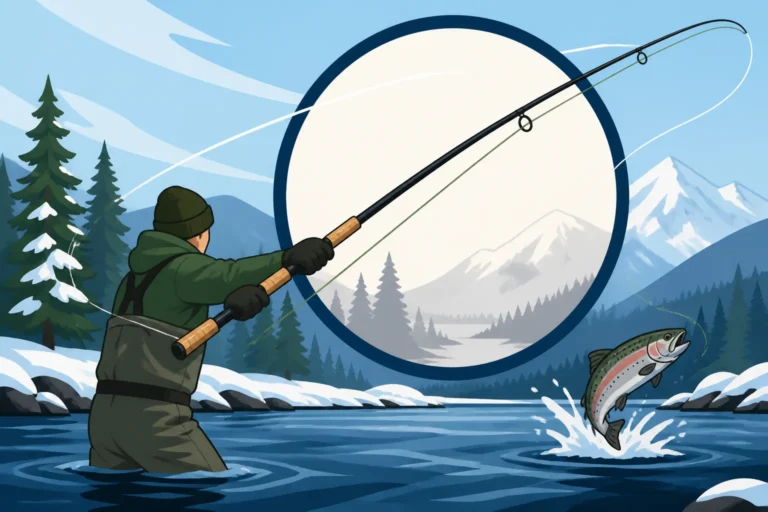
There's nothing quite like the feeling of stepping into a cold Vermont trout stream on a crisp morning, the mist rising, and the promise of a beautiful brook trout or rainbow trout shimmering in the air. But that magical experience can quickly turn miserable if you're not properly equipped, especially when it comes to keeping warm and dry. The biting cold of mountain runoff, the treacherous slippery rocks, and the inevitable splash from a spirited fish can all lead to discomfort and cut your fishing trip short. This comprehensive guide is here to walk you through everything you need to know about choosing the best waders for Vermont's unique and often challenging trout stream conditions, ensuring your days on the water are filled with enjoyment, not shivering.
Why Waders Are Non-Negotiable for Vermont Trout Anglers
Anyone who has spent time fishing Vermont's diverse waterways knows that the right gear isn't just a luxury; it's a necessity. For trout anglers, waders are at the top of that list, providing crucial protection and allowing access to prime fishing spots that would otherwise be unreachable.
The Chilly Reality of Vermont's Waters
Vermont's trout streams are fed by mountain springs, snowmelt, and often run through shaded, forested areas, meaning the water stays surprisingly cold, even on the warmest summer days. What might feel refreshing for a quick dip in July can become a significant hypothermia risk after an hour or two of standing in it, especially in the early spring or late fall. Even if full-blown hypothermia isn't a concern, simple discomfort can ruin a day on the water, distracting you from the delicate art of fly presentation or the subtle take of a native brook trout.
Proper waders act as a personal climate control system, insulating your lower body from the frigid water. They allow you to layer effectively underneath, trapping warmth and creating a barrier against the cold. Without them, you're constantly battling the chill, feeling every icy current seeping into your bones. This often leads to shorter fishing sessions, less focus, and a general reluctance to explore those enticing deeper runs or riffles where the trout might be holding. Trust me, I've tried to tough it out in just waterproof pants, and it’s a losing battle against the persistent cold of the White River or the Lamoille.
Navigating Diverse Stream Environments
Vermont's trout streams are a beautiful but rugged landscape. You'll encounter everything from smooth, gravelly bottoms to slick, moss-covered boulders, jagged slate shelves, and dense riverside vegetation. Waders don't just keep you dry; they also offer a vital layer of protection against the elements of these environments. Think about wading through a dense thicket of blackberry bushes to reach a secluded bend on the Battenkill River, or slipping on a submerged rock in the faster currents of the Winooski. Without durable waders, you risk scrapes, cuts, and even punctures from sharp sticks, thorns, or broken glass that might be hidden beneath the surface or along the banks.
Waders provide a resilient outer shell that guards against these hazards. Many modern waders feature reinforced knees and seat areas, specifically designed to withstand the abuse of kneeling on rocky banks to tie on a new fly or sliding down a slippery bank to access the water. This protection allows you to focus on your fishing, confidently moving through challenging terrain to get to those untouched pockets where trout love to hide. It's about more than just comfort; it's about safety and accessing the best possible fishing opportunities without hesitation.
Understanding Wader Types: Your First Big Decision
Before you even start looking at materials or features, you need to decide which basic style of wader is right for your Vermont fishing adventures. This choice largely depends on how you plan to fish, the conditions you'll encounter, and your personal preference for convenience versus customization.
Stockingfoot vs. Bootfoot Waders
This is often the first significant choice an angler faces, and each type has distinct advantages and disadvantages.
Stockingfoot Waders:
Stockingfoot waders are essentially waterproof pants that end in a neoprene "sock" rather than an integrated boot. These require you to purchase separate wading boots.
- Pros:
- Customization and Fit: This is their biggest selling point. You can choose wading boots that perfectly fit your foot size and preferred style, offering optimal ankle support, sole type (felt, rubber, studded), and overall comfort. This is crucial for long days of hiking and wading in Vermont's diverse streams. A well-fitting boot reduces fatigue and provides better grip.
- Versatility: One pair of stockingfoot waders can be used with different pairs of boots for different conditions. For example, you might have felt soles for slippery riverbeds and studded rubber for mixed terrain.
- Comfort: The separate boot system often provides a more natural walking and wading experience, as the boot flexes independently of the wader material.
- Drying and Hygiene: Stockingfoot waders and boots dry separately, which can sometimes be more efficient. It also allows for better cleaning and airing out of both components, reducing odors and prolonging life.
- Packability: Generally, stockingfoot waders can pack down a bit smaller than bootfoots, which is a consideration for longer hikes to remote fishing spots.
- Cons:
- Initial Cost: You're buying two separate items, which can make the initial investment higher.
- More to Carry: You have to transport and put on both the waders and the boots.
- Grit and Debris: Small pebbles, sand, and grit can sometimes work their way between the neoprene foot of the wader and the inside of the boot, leading to discomfort and potential wear on the wader. Good gravel guards help mitigate this, but it's still a possibility.
For the serious trout angler in Vermont, especially those who spend long hours hiking to their favorite spots or need specific sole traction for slippery conditions, stockingfoot waders paired with high-quality wading boots are often the preferred choice. They allow for a more personalized and comfortable experience.
Bootfoot Waders:
Bootfoot waders have the boots permanently attached and sealed to the wader material, creating a single, seamless unit.
- Pros:
- Convenience: Simply step in, pull them up, and you're ready to go. No separate lacing or boot management needed. This is a huge time-saver, especially in cold weather or when moving between multiple spots quickly.
- Warmth: Often lined or insulated, bootfoot waders excel in colder conditions. The integrated design also means fewer entry points for cold water, and the insulation can extend up the leg.
- No Grit: Since the boot is sealed, you never have to worry about sand, gravel, or mud working its way into your boots.
- Ideal for Specific Situations: Excellent for ice fishing access (though not for fishing on the ice itself, which has different gear needs), duck hunting, or still-water fishing where extensive hiking isn't required.
- Cons:
- Less Customizable Fit: You're stuck with the boot that comes with the wader. If the boot doesn't fit your foot perfectly, it can lead to discomfort, blisters, or poor ankle support.
- Bulkier and Heavier: The integrated boots make them less packable and heavier, which can be cumbersome for long walks to stream access points.
- Less Versatile Traction: You're limited to the sole type provided. If you fish a variety of terrains, you might find yourself wishing for different traction.
- Harder to Dry: The boots can be notoriously difficult to dry thoroughly, potentially leading to mildew and odors if not managed carefully.
Bootfoot waders are a fantastic option for anglers who prioritize quick deployment and warmth, especially for less strenuous fishing trips or colder weather outings in Vermont. For example, if you're primarily fishing from a canoe in a pond or accessing a wide, shallow river from your vehicle, the convenience is hard to beat.
Chest Waders, Waist Waders, and Hip Waders
Beyond the foot type, the height of your waders is another critical consideration, directly impacting your range of movement and how deep you can safely wade.
Chest Waders:
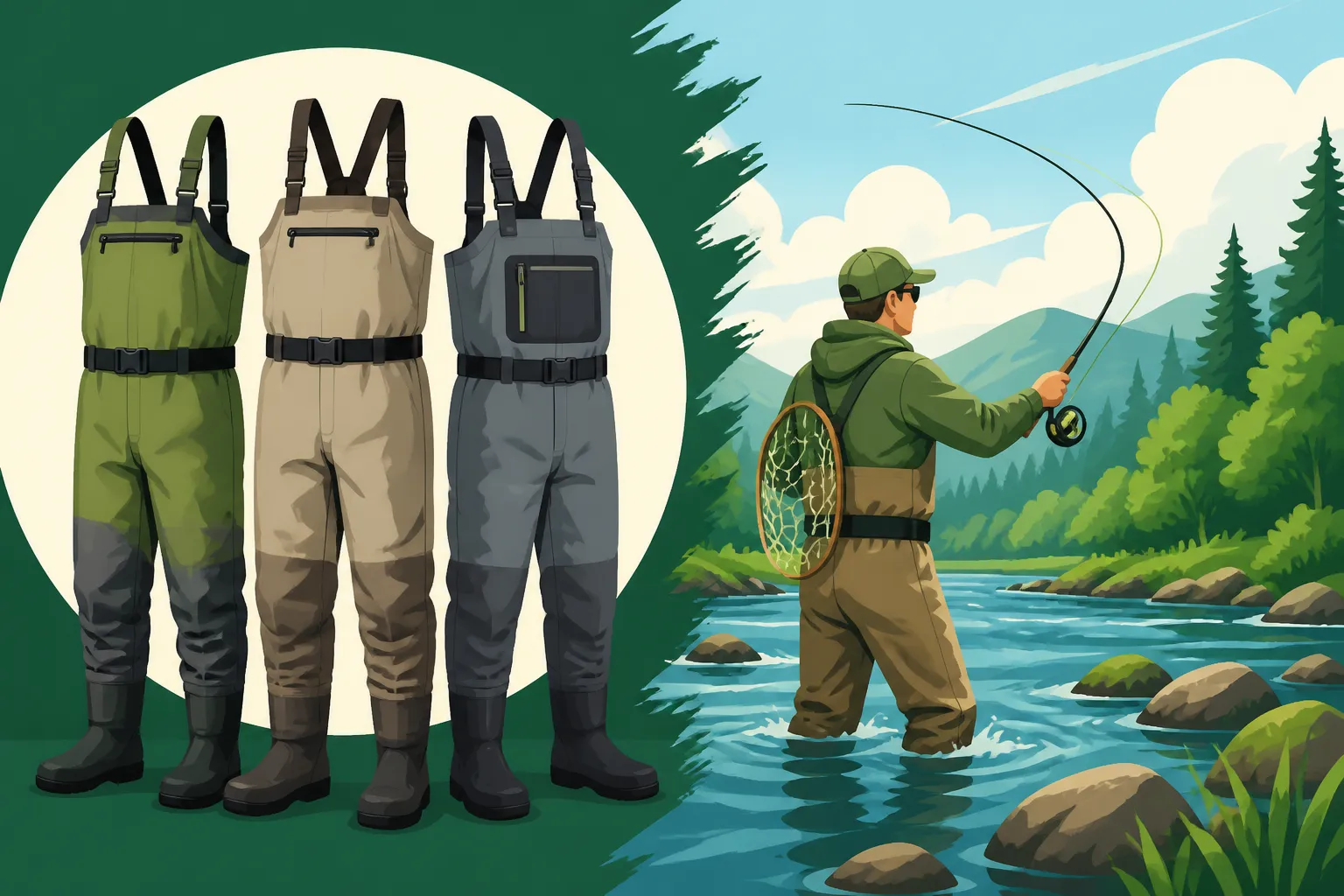
These are the most common and versatile choice for trout anglers, covering you from your feet all the way up to your chest, usually with adjustable suspenders over your shoulders.
- When to Choose: For most Vermont trout fishing scenarios, chest waders are the go-to. They offer maximum protection against cold water, splashes, and unexpected dips into deeper holes. If you're tackling larger rivers like the Connecticut or the deeper runs of the Otter Creek, or if you expect to cross streams with varying depths, chest waders provide the security you need. They are essential for early spring and late fall fishing when water temperatures are lowest.
- Advantages: Unparalleled versatility, allowing you to confidently wade into deeper sections to reach prime casting positions or avoid bankside obstacles. They provide excellent insulation for your core, especially when paired with proper layering.
- Considerations: Can feel a bit warmer and more restrictive than shorter waders in hot weather, but modern breathable fabrics have largely mitigated this. Ensure the fit allows for a full range of motion without binding.
Waist Waders:
These waders come up to your waist, much like a pair of waterproof pants, and are often held up by a wading belt.
- When to Choose: Waist waders are excellent for warmer summer fishing or in smaller, shallower streams where you know you won't be wading much deeper than your knees or thighs. They offer increased mobility and ventilation compared to chest waders, which can be a relief on hot days. If you're primarily fishing smaller brooks or streams where you'll be mostly bank fishing with occasional shallow crossings, these can be a comfortable option.
- Advantages: Lighter, less restrictive, and cooler in warm weather. Easier to put on and take off.
- Considerations: Limit your wading depth significantly. An unexpected stumble or deeper pocket of water can quickly lead to a wet outcome. They offer less thermal protection for your upper body.
Hip Waders (Wading Pants):
The simplest form of wader, these extend only to your hips, effectively turning your legs into waterproof tubes. They are usually held up by a belt or clips to your regular pants.
- When to Choose: Hip waders are the least common for dedicated trout fishing in Vermont, typically reserved for very warm weather, quick crossings of shallow streams, or situations where you're primarily bank fishing and just need to keep your feet and lower legs dry from dew or splash. Think very small, wadeable brooks in late summer.
- Advantages: Extremely lightweight, packable, and offer maximum freedom of movement.
- Considerations: Offer minimal protection against cold water and virtually no splash protection for your upper body. Not suitable for any significant wading depth or colder conditions.
For most Vermont trout anglers, investing in a good pair of chest waders will offer the most flexibility and protection across the seasons and varied stream conditions. However, a lighter pair of waist waders can be a fantastic secondary option for those hot summer days on smaller waters.
Key Materials and Their Performance in Vermont Conditions
The material of your waders is perhaps the most crucial factor determining their comfort, durability, and suitability for Vermont's varying weather and water temperatures. Gone are the days of heavy, inflexible rubber; today's options offer a range of performance characteristics.
Breathable Fabrics: Gore-Tex and Alternatives
When you're hiking upstream or casting vigorously, your body generates heat and sweat. If that moisture can't escape, it condenses inside your waders, making you feel clammy and cold, even if the waders themselves are waterproof. This is where breathable fabrics come into play, revolutionizing the comfort of modern waders.
- How They Work: Fabrics like Gore-Tex (a well-known, high-performance option) and various proprietary alternatives (e.g., those found in Simms GORE-TEX waders or Orvis Pro Waders) feature a membrane with billions of microscopic pores. These pores are too small for liquid water droplets to pass through, keeping external water out. However, they are large enough for water vapor (sweat) to escape from the inside, allowing your body to regulate temperature and stay dry.
- Benefits for Vermont Anglers:
- Year-Round Comfort: Breathable waders are incredibly versatile. In warmer months, they prevent overheating and that dreaded clammy feeling. In colder months, by preventing sweat buildup, they help your insulating layers work more effectively, keeping you warmer. There's nothing worse than getting chilled from your own sweat on a cool spring morning on the Battenkill.
- Reduced Chilling: Staying dry from the inside out is paramount for thermal regulation. Without breathability, even if your waders are waterproof, you'll still get cold due to evaporative cooling from your internal moisture.
- Lightweight and Flexible: Breathable materials are generally lighter and more flexible than traditional rubber or even neoprene, contributing to greater mobility and less fatigue over a long day of fishing.
- Durability: While lighter, high-quality breathable fabrics are engineered for durability, often featuring multiple layers (3-layer, 4-layer, 5-layer constructions) in critical areas for increased abrasion resistance.
When selecting breathable waders, pay attention to the "layers" advertised. More layers, particularly in high-wear areas like the knees and seat, generally indicate greater durability, though it can also add a bit to the weight and cost. For those planning to spend many days on Vermont's Best Trout Streams in Vermont, breathable waders are almost always the superior choice for comfort and performance.
Neoprene: Warmth and Durability for Colder Seasons
Before breathable fabrics became prevalent, neoprene was the gold standard for warmth in waders, and it still holds a vital place in certain situations. Neoprene is the same material used for wetsuits, known for its excellent insulating properties.
- When Neoprene Shines:
- Extreme Cold: If you're targeting those icy, early spring days on the White River, wading out to get a jump on Vermont Trout Opening Day Traditions, or perhaps accessing open water for shore fishing in late fall, neoprene's insulating power is unmatched. It traps a thin layer of water against your skin (or base layers) which your body heats, providing superb thermal retention.
- Durability and Puncture Resistance: Neoprene is generally thicker and more robust than breathable fabrics, offering good resistance to punctures and abrasions from sharp rocks or sticks. This can be a huge advantage when pushing through dense brush or scrambling over jagged terrain.
- Value for Cold-Specific Use: If your fishing is strictly limited to very cold weather, neoprene waders can be a more budget-friendly option for warmth compared to high-end breathable waders designed for similar conditions.
- Thickness Options: Neoprene waders come in different thicknesses, usually 3mm or 5mm. A 3mm wader is suitable for moderately cold conditions, while a 5mm wader provides maximum warmth for the coldest days.
- Cons to Consider:
- Lack of Breathability: This is neoprene's biggest drawback. It does not breathe, meaning any sweat you generate will condense inside, leading to a clammy, uncomfortable feeling. This makes them unsuitable for warm weather or strenuous activity.
- Bulk and Weight: Neoprene waders are significantly bulkier and heavier than breathable options, which can make long hikes or dynamic casting less comfortable.
- Limited Mobility: The thicker material can restrict movement, making walking and bending more challenging.
For specific cold-weather pursuits, like accessing early season ponds or targeting salmon right after ice-out, neoprene waders are a powerhouse of warmth. However, for general, multi-season trout fishing in Vermont, they are often too warm and restrictive.
Hybrid Designs and Specialty Reinforcements
Manufacturers understand that no single material is perfect for every scenario, and Vermont's varied fishing demands often benefit from specialized features. This has led to the development of hybrid wader designs and strategic reinforcements.
- Hybrid Waders: Some waders combine the best of both worlds, featuring breathable material in the upper body (for comfort and ventilation) and more durable, perhaps thicker, breathable fabric or even neoprene in the lower legs and seat (for warmth and abrasion resistance). These designs aim to provide targeted benefits where they are most needed.
- Reinforced Zones: Even within fully breathable waders, you'll often find additional layers or tougher fabric weaves in high-wear areas.
- Knees and Seat: These areas take a beating from kneeling on rocks, sitting on logs, or sliding down banks. Extra reinforcement here significantly extends the life of your waders. Look for multiple layers (e.g., 5-layer fabric) or specialized abrasion-resistant panels.
- Shins and Ankles: These areas are prone to scrapes and tears from submerged rocks and branches during wading. Reinforcement here helps protect against common punctures.
- Gravel Guards: These integrated features are crucial for stockingfoot waders. They are essentially elasticized cuffs that fit over your wading boots, preventing sand, gravel, and grit from entering your boots and abrading the neoprene stockingfoot. Without them, your waders would quickly develop holes. Many waders also include a small hook to attach the gravel guard securely to your boot laces.
- Integrated Gaiters: Similar to gravel guards, some waders incorporate a gaiter system, offering even more robust protection against debris and sometimes adding a bit of splash protection over your boots.
When you're comparing waders, especially online at stores like Bass Pro Shops or Amazon, always read the product descriptions carefully to understand the material composition and any reinforcement details. These subtle features can make a huge difference in the longevity and performance of your waders in the demanding environment of Vermont's trout streams.
Essential Features for Vermont Trout Waders
Beyond the basic type and material, a host of features contribute to the overall functionality, comfort, and longevity of your waders. These details, often overlooked, can significantly enhance your experience on the water.
Fit, Mobility, and Comfort
A wader that doesn't fit well is an uncomfortable wader, and an uncomfortable angler is an unhappy angler. Proper fit is paramount for both performance and safety.
- Sizing is Key: Waders are typically sized by men's shoe size (for bootfoot), chest circumference, and inseam. Don't just rely on your everyday clothing size. Manufacturers often provide detailed sizing charts; always consult these carefully. A wader that is too tight will restrict movement, putting undue stress on seams and leading to premature leaks. One that is too baggy will gather excess material, creating drag in the water and potential tripping hazards.
- Articulated Knees: Many modern waders feature articulated knees, which means the knee area is pre-shaped or gusseted to allow for natural bending without the fabric pulling tightly. This dramatically improves mobility when hiking, climbing over obstacles, or kneeling to release a fish. This feature is particularly beneficial when navigating rocky stream beds or steep banks common in Vermont's Green Mountains.
- Adjustable Suspenders: Most chest waders come with adjustable suspenders, often made of stretchy elastic, to ensure a comfortable fit over your shoulders. Look for suspenders with durable, easy-to-use buckles that won't slip. Some even offer reversible buckles for quick conversion to waist-high wear in warmer conditions.
- Wading Belt: A wading belt is not just for comfort; it's a critical safety feature. When cinched properly, it reduces the amount of water that can rush into your waders if you happen to fall or take a tumble in the stream, which can otherwise make it difficult to regain your footing and potentially be dangerous. It also helps to distribute the weight of the waders and any attached gear, improving overall comfort.
- Considering Body Shape: Anglers come in all shapes and sizes. Some brands offer "short/stout" or "tall/slim" options, or a wider range of chest and inseam combinations. Take your time to find a wader that truly conforms to your body for maximum comfort during those long days spent Fly Fishing for Trout in Vermont.
Storage and Convenience Features
While the primary job of waders is to keep you dry, modern designs often incorporate clever storage and convenience features that make your time on the water more efficient and enjoyable.
- Chest Pockets:
- Waterproof Pockets: These are invaluable for keeping essential items like your phone, car keys, wallet, or fishing license (like your Vermont Fishing License Guide for 2026) completely dry. Look for pockets with water-resistant zippers or roll-top closures.
- Fleece-Lined Handwarmer Pockets: On chilly mornings or when fishing in cold water, having a place to warm your hands can make a huge difference. These pockets often sit behind the main chest pockets and are a godsend when the air temp is low.
- Storage Pockets: General-purpose pockets, often with drain holes, are great for storing fly boxes, leader material, or other frequently accessed small items.
- D-rings and Attachment Points: Small loops or rings (D-rings) strategically placed on the waders allow you to attach tools like forceps, nippers, zingers, or even a small net, keeping them easily accessible without fumbling in your vest or pack.
- Internal Pockets: Zippered internal pockets are perfect for securing valuables that you don't need immediate access to but want to keep safe and dry, such as a backup tippet spool or a small camera.
- Accessory Options: Some waders feature external patches for attaching fly patches, allowing flies to dry or be easily organized. The thoughtful integration of these small details reflects a design that understands the needs of an angler spending a full day on the stream.
Durability and Seam Construction
The old adage "a wader is only as good as its seams" holds a lot of truth. Seams are traditionally the weakest point in any wader, where multiple pieces of fabric are joined, making them susceptible to leaks. High-quality construction in this area is paramount for longevity.
- Taped Seams: Nearly all waders use taped seams, where a waterproof tape is applied over the stitched seams on the inside to create a seal. The quality and application of this taping are critical.
- Sonic Welding/Ultrasonic Seams: Some premium waders utilize sonic welding (or ultrasonic welding), where fabric edges are fused together using high-frequency vibrations rather than stitching. This creates a very low-profile, strong, and highly waterproof bond, theoretically eliminating tiny needle holes that can lead to leaks.
- Reinforced Stitching: Even with taped or welded seams, the quality of the underlying stitching matters. Look for double or triple-stitched seams in high-stress areas.
- Quality Zippers and Hardware: If your waders feature a waterproof front zipper (for easy on/off or relief), ensure it's a high-quality, durable zipper, often from brands like TIZIP or YKK, designed to withstand immersion. Similarly, check the quality of buckles, D-rings, and other hardware; flimsy components can fail prematurely.
- Gusseted Crotch: A gusseted crotch design reduces stress on the crotch seam, a common area for leaks due to constant stretching and flexing.
- Repair Kits: Even the best waders are susceptible to punctures from stray hooks, sharp rocks, or thorns. Many waders come with a small repair kit, often including patches and Aquaseal glue. Knowing how to Replacing a lost Vermont fishing license is important, but knowing how to patch a wader might save your day on the stream.
| Feature Category | Description | Importance for Vermont Anglers |
|---|---|---|
| Fit | Sizing, articulated knees, adjustable suspenders | Essential for comfort, mobility, and preventing premature seam stress from tight spots. |
| Pockets | Waterproof chest, handwarmer, internal | Keeps essentials dry and secure; provides warmth for hands on chilly days. |
| Attachment | D-rings, tool tabs | Keeps tools like nippers, forceps, and nets easily accessible. |
| Durability | Seam construction (taped/welded), reinforcements | Prevents leaks, extends wader life against abrasion from rocks, brush, and general wear. |
| Gravel Guards | Integrated cuff to cover boots | Crucial for stockingfoot waders; prevents debris from entering boots and abrading neoprene feet. |
| Wading Belt | Adjustable waist strap | Safety feature to prevent water inundation during a fall; improves fit and comfort. |
Pairing Waders with Wading Boots and Accessories
Choosing the right waders is only half the battle, especially if you opt for stockingfoot models. The right wading boots and an effective layering system are equally critical for comfort, safety, and performance in Vermont's diverse trout streams.
Choosing the Right Wading Boots
For stockingfoot waders, your boots are your foundation, dictating your grip, stability, and comfort as you navigate slippery rocks and uneven stream beds.
- Sole Types for Vermont:
- Felt Soles: Historically, felt has been the king for traction on extremely slick, algae-covered rocks. They provide exceptional grip in these conditions, which are common in many Vermont rivers. However, felt can be prone to picking up invasive species (like rock snot) and drying slowly, requiring diligent cleaning. Some states have banned felt soles due to this. Check local regulations.
- Rubber Soles: Modern rubber wading soles have come a long way. They offer better traction on mud, snow, and dry land than felt, and are much easier to clean. They are generally more durable than felt. For rubber soles, look for aggressive tread patterns. On slick, wet rocks, they can be less grippy than felt, which leads us to the next option.
- Studded Rubber Soles: This is often the best compromise for Vermont's varied conditions. Rubber soles equipped with metal studs (carbide or steel) provide excellent traction across a wide range of surfaces – slick rocks, muddy banks, and even ice. The studs bite into surfaces that rubber alone can't grip. Many rubber-soled boots are designed to accept screw-in studs, allowing you to customize your traction as needed.
- Ankle Support and Stability: Wading in uneven, rocky streams can be tough on your ankles. Look for boots that provide good ankle support to prevent twists and sprains. A higher cuff and a sturdy lacing system contribute to better stability.
- Fit Considerations: Your wading boots need to be sized to accommodate the neoprene stockingfoot of your waders and any thick wading socks you'll be wearing. This usually means going up a full size or even a size and a half from your street shoe size. A snug fit is important to prevent blisters, but it shouldn't be so tight that it restricts circulation or causes discomfort.
- Durability and Drainage: Wading boots take a beating. Look for durable construction, reinforced toe and heel caps, and strong stitching. Good drainage is also important to prevent boots from retaining too much water weight, making them heavy and uncomfortable. For more in-depth advice, check out our guide on Best Wading Boots for Rocky Streams.
Layering for Optimal Performance
Even the best waders won't keep you warm if you're not layering correctly underneath. The goal is to trap warm air and manage moisture effectively.
- Base Layer (Next to Skin): This layer's primary job is to wick moisture (sweat) away from your skin, keeping you dry.
- Material: Merino wool (natural, excellent warmth-to-weight ratio, odor-resistant) or synthetic fabrics (polyester, polypropylene – fast-drying, durable).
- Avoid: Cotton. Cotton absorbs moisture and holds it against your skin, making you cold and clammy once it gets wet.
- Mid-Layer (Insulation): This layer provides the bulk of your warmth.
- Material: Fleece pants, synthetic insulated pants, or even thin wool pants. These materials trap air, providing insulation even if they get damp.
- Thickness: Adjust the thickness based on the expected water temperature and air temperature. For very cold water, you might wear thicker fleece or even two mid-layers.
- Avoiding Overdressing: While warmth is important, avoid excessive layering that makes your waders feel too tight or restricts movement. A well-fitting wader with appropriate layers underneath should feel comfortable without being bulky.
- Upper Body Layering: Don't forget your upper body, even with chest waders. A good moisture-wicking base layer, a fleece mid-layer, and a waterproof/breathable outer shell will complete your cold-weather fishing ensemble. This strategy helps you adapt to changing conditions on a typical Vermont fishing day, from a frosty morning to a warm afternoon.
Essential Wader Accessories
A few small accessories can greatly enhance your wader setup and overall fishing experience.
- Wading Belt: As mentioned, this is a safety item. Always wear it and cinch it snugly, as it can be a lifesaver if you fall in by minimizing water entry into your waders. It also helps support the waders, reducing strain on your shoulders.
- Wader Repair Kit: Inevitable leaks happen. A small kit with patches and a tube of Aquaseal or similar urethane adhesive is a must-have for quick field repairs or more thorough fixes at home. A tiny pinhole leak can ruin your day, so being prepared is key.
- Wader Hanger: Proper drying is crucial for extending the life of your waders and preventing mildew. A wide, robust wader hanger allows air to circulate inside the waders, speeding up the drying process. Hanging them upside down first, then right side up, ensures all parts dry thoroughly.
- Wading Socks: Besides the neoprene foot of stockingfoot waders, many anglers wear dedicated wading socks made of merino wool or synthetics. These provide extra cushioning, warmth, and moisture-wicking properties inside your wading boots.
- Wading Staff: For navigating fast currents, slippery rocks, or deep, unknown water, a collapsible wading staff provides crucial stability and safety. It acts as a third point of contact, reducing your risk of falling. This is especially important on more challenging rivers that feature prominently in a guide like Best Fly Fishing Rivers in Vermont.
By thoughtfully combining your waders with the right boots, layering, and essential accessories, you'll be well-prepared to tackle any trout stream Vermont throws your way, from the smallest mountain brooks to the wider stretches of its major rivers.
Maintenance and Care for Longevity
Investing in a good pair of waders is like investing in a reliable vehicle for your fishing adventures. Just like a car needs regular maintenance, your waders require proper care to ensure they last for many seasons and continue to keep you dry. Neglecting them is the quickest way to end up with leaky waders and a premature replacement.
Proper Drying and Storage Techniques
After a day on the water, the drying process is critical. Improper drying is a leading cause of mildew, unpleasant odors, and the degradation of waterproof membranes.
- Inside Out, Then Right Side Out: The inside of your waders often gets just as damp, if not more so, from sweat and condensation than the outside. Begin by turning your waders completely inside out. Hang them in a well-ventilated area, away from direct sunlight or intense heat sources (like radiators or campfires). Let them dry thoroughly for several hours, or even overnight. Once the inside is dry, flip them right side out and allow the exterior to dry. This two-step process ensures complete moisture removal.
- Air Circulation is Key: The more air that can circulate around and through your waders, the faster and more effectively they will dry. A dedicated wader hanger is ideal, as it allows the waders to hang open, promoting airflow. Avoid wadding them up or leaving them in a damp pile in your trunk or garage, as this is an express ticket to mildew city.
- Avoiding Direct Heat and Sunlight: While you want them to dry, excessive heat from direct sunlight or artificial heat sources can damage the waterproof membrane and the seams, leading to cracking and delamination over time. Hang them in a shaded, breezy spot outdoors or in a cool, dry indoor space.
- Storing in a Cool, Dry Place: Once completely dry, store your waders in a cool, dry area, ideally hanging them. Avoid compressing them tightly for extended periods, as this can put stress on the seams and fabric. If you must fold them, do so loosely. This careful storage helps prevent material fatigue and keeps them ready for your next outing.
Cleaning and Leak Detection
Even with careful use, waders will get dirty, and eventually, a leak is almost inevitable. Knowing how to clean them properly and detect those frustrating pinhole leaks is essential.
- Rinsing Off Mud and Debris: After each use, especially if you've been in muddy areas or thick vegetation, give your waders a good rinse with fresh water. Use a soft brush to gently remove any stubborn mud, algae, or grime. This prevents abrasives from grinding into the fabric and keeps zippers and seams clean.
- Mild Soap and Water for Heavier Cleaning: For more thorough cleaning or if there's a stubborn stain, use a mild, non-detergent soap (like a gentle laundry soap or even a specialized gear cleaner) and lukewarm water. Gently scrub the affected areas. Rinse thoroughly to ensure no soap residue remains, as this can impede the fabric's breathability.
- The Alcohol Spray/Dark Room Method for Finding Pinhole Leaks: This is the most common and effective method for finding those elusive small leaks:
- Turn your dry waders completely inside out.
- In a dimly lit or dark room, hold a flashlight or headlamp inside the waders, moving it slowly across all surfaces. The light should reveal any pinhole leaks as tiny bright spots.
- For very small or suspected leaks, lightly spray the outside of the inverted waders with rubbing alcohol. The alcohol will darken or leave a visible wet spot where it penetrates a leak, making it easier to pinpoint. Mark the leaks with a pencil or marker.
- Patching Techniques: Once a leak is found, clean the area thoroughly. For small punctures, a dab of Aquaseal or a similar urethane glue (often found at Bass Pro Shops or on Amazon) is usually sufficient. For larger tears, use a patch kit (often included with waders) which typically involves a piece of wader fabric and adhesive. Follow the instructions on the repair product carefully, allowing ample time for the adhesive to cure. Proper patching can save your waders and extend their life considerably.
Extending the Life of Your Investment
Your waders are an investment in your comfort and ability to enjoy Vermont Trout Season and Stocking Rules. A few common-sense practices can significantly extend their lifespan.
- Regular Inspection: Before and after each trip, quickly inspect your waders for any signs of wear, abrasion, or small punctures. Catching small issues early can prevent them from becoming major problems.
- Timely Repairs: Don't let a small leak fester. Repair it as soon as you find it. A minor pinhole can quickly turn into a larger tear if left unattended, especially with the stresses of wading.
- Avoiding Unnecessary Wear and Tear: Be mindful of how you're using your waders. Try to avoid kneeling directly on sharp rocks, dragging them over abrasive surfaces, or sitting on rough textures. If you need to sit, find a smoother surface or use a small pad.
- Understanding Warranty Coverage: Most reputable wader manufacturers offer warranties against defects in materials and workmanship. Familiarize yourself with your wader's warranty policy. While warranties typically don't cover normal wear and tear or accidental punctures, they can protect you against manufacturing flaws that cause premature leaks. Keeping your receipt and knowing the brand's policy can be invaluable.
- Footwear Care: For stockingfoot waders, routinely clean your wading boots to prevent abrasive grit from damaging the neoprene booties. Shake them out thoroughly after each trip. Also, check out our insights on Wading Techniques for Vermont Trout Streams to minimize impact on your waders and the stream bed.
By dedicating a little time to proper maintenance and care, your waders will continue to provide reliable service, keeping you dry and comfortable for countless memorable days pursuing trout in Vermont.
Budgeting for Your Vermont Waders
Just like buying a car, there's a range of prices when it comes to waders, and generally, you get what you pay for. Understanding the different price tiers can help you make an informed decision based on your fishing frequency, budget, and desired performance.
Entry-Level Options: Getting Started Without Breaking the Bank
For beginners, occasional anglers, or those on a tight budget, entry-level waders offer an accessible way to get on the water without a huge financial commitment.
- What to Expect: These waders typically feature simpler designs, often with 3-layer breathable fabric or even heavier-duty PVC/nylon materials (though these are less common for trout fishing due to breathability issues). They might have fewer pockets, less reinforcement, and basic suspender systems. Bootfoot options in this range can be quite popular for their all-in-one convenience.
- Good For: Occasional trips to local ponds or easily accessible streams, getting a feel for trout fishing, or as a backup pair. They're a good way to "test the waters" of wading without making a significant investment.
- Where to Find Value: You can often find decent entry-level options from brands at major sporting goods retailers like Bass Pro Shops or through online retailers like Amazon. Keep an eye out for sales, especially at the end of a fishing season.
- Considerations: While functional, entry-level waders may not offer the same level of comfort, breathability, or durability as more expensive models. Seams might be less robust, and the fit might be less refined. Expect to replace them more frequently if you become a regular angler. However, for targeting panfish in a local state park pond, they can be perfectly adequate. For instance, Vermont fishing license for state park ponds might not require heavy duty gear.
Mid-Range: Balancing Features and Value
This is often the sweet spot for the vast majority of dedicated Vermont trout anglers. Mid-range waders offer a significant jump in quality, features, and durability without reaching the premium price tags.
- What to Expect: You'll typically find multi-layer breathable fabrics (often 4-layer in critical areas), improved seam construction (perhaps with some sonic welding), better anatomical fit, and more thoughtful features like fleece-lined handwarmer pockets, waterproof chest pockets, and durable gravel guards. The suspenders and wading belts will generally be more comfortable and robust. Many popular brands offer excellent options in this price range.
- Good For: Anglers who fish regularly throughout the season, tackle a variety of Vermont's streams and rivers, and prioritize comfort and reasonable durability. If you're planning multi-day trips or spending several hours on the water each week, this is likely where you'll find the best balance of performance and value.
- Benefits: You get much better breathability, which is crucial for comfort in Vermont's fluctuating temperatures, and significantly improved durability that will withstand the rigors of rocky stream beds and bankside brush for several seasons with proper care. These waders are designed to handle scenarios like Spring Trout Fishing Techniques for Vermont Streams with ease.
- Brands to Look For: Many reputable fishing brands offer strong contenders in the mid-range category, providing reliable performance that meets the demands of a passionate angler. You'll often find these available both in specialized fly shops and online through larger retailers.
Premium Waders: Investing in Top-Tier Performance
For the hardcore angler who spends countless hours on the water, fishes in extreme conditions, or simply demands the absolute best in comfort, durability, and features, premium waders are the ultimate investment.
- What to Expect: These waders incorporate the latest advancements in fabric technology (like high-end Gore-Tex or similar proprietary membranes), often featuring 5-layer or even 6-layer construction in high-wear areas for unmatched durability. They will have cutting-edge seam construction (often extensive sonic welding), highly articulated fits for superior mobility, and every conceivable convenience feature. Expect top-tier waterproof zippers, highly adjustable and comfortable suspenders, and an overall level of craftsmanship that sets them apart.
- Good For: Professional guides, anglers who fish almost daily, those tackling very remote or challenging terrain, or anyone who simply wants the most comfortable and durable waders available. If you're wading the challenging currents of the Connecticut River or hiking deep into the Green Mountain National Forest for wild brook trout, these waders are built for that kind of abuse.
- Why They Cost More: The higher price reflects the advanced materials, intricate construction techniques, extensive R&D, and often a more robust warranty and customer service. They are designed to withstand years of heavy use in demanding environments.
- Considerations: While the initial cost is high, the longevity and superior performance can often make them a wise long-term investment for the dedicated angler. However, for someone who only fishes a few times a year, the added expense might not be justified.
Regardless of your budget, the most important thing is to choose waders that fit well, are appropriate for the conditions you'll face in Vermont, and that you'll be comfortable wearing all day long. A little research and thoughtful consideration will ensure your investment pays off in countless enjoyable hours on the water.
Disclaimer
This article is for general informational purposes only and does not constitute professional advice. Laws, prices and regulations vary by location and change over time. Consult a qualified professional for guidance on your specific situation.