What to do if you catch an invasive fish species in Vermont
There's nothing quite like the thrill of feeling a strong tug on your line, but sometimes, the fish on the other end isn't quite what you were hoping for. Encountering an unfamiliar or even outright invasive fish species in Vermont's beautiful waters can be confusing and a little alarming. This guide is here to walk you through exactly what to do when you catch an unwelcome guest, from identification and reporting to proper disposal, ensuring you're doing your part to protect our cherished aquatic ecosystems.
The Silent Threat: Why Invasive Fish Species are a Big Deal in Vermont
It might seem like just one fish, but an invasive species can wreak absolute havoc on a delicate ecosystem. Vermont's lakes, rivers, and streams are home to a vibrant community of native fish, insects, and plants that have evolved together over millennia. When a new, non-native species is introduced, especially one that outcompetes, preys on, or introduces disease to our native populations, the balance can be profoundly disturbed.
Understanding the Ecological Ripple Effect
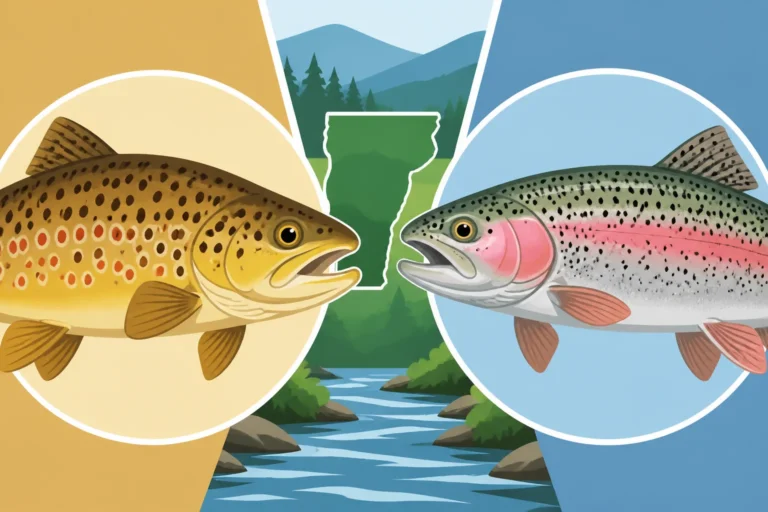
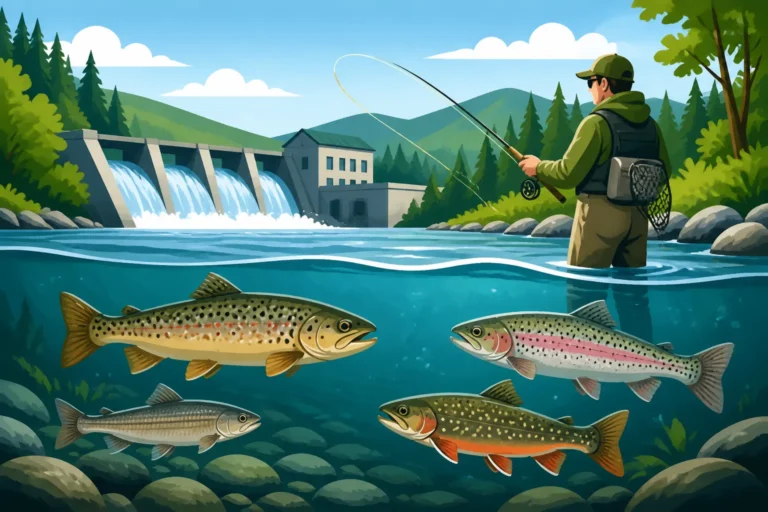
Imagine a thriving trout stream, abundant with native brook trout, rainbow trout, and brown trout, all part of a complex food web. If an aggressive, fast-reproducing invasive fish suddenly appears, it might start devouring the same insects and smaller fish that our native trout rely on, leading to food scarcity. Or, it might eat the trout's eggs, or even spread parasites that our native fish have no natural immunity to. Over time, this can lead to a drastic decline in native populations, altering the entire character of a fishing spot we've come to know and love. We see this concern regularly, which is why topics like Sea Lamprey Control on Lake Champlain are so vital to our fisheries.
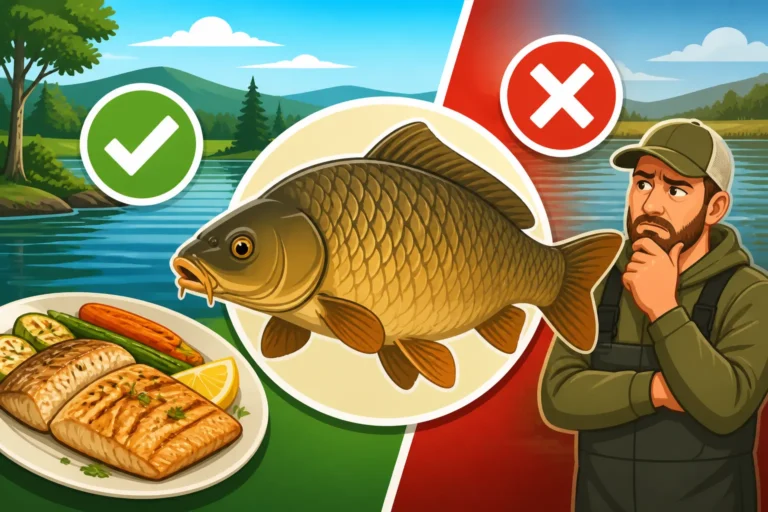
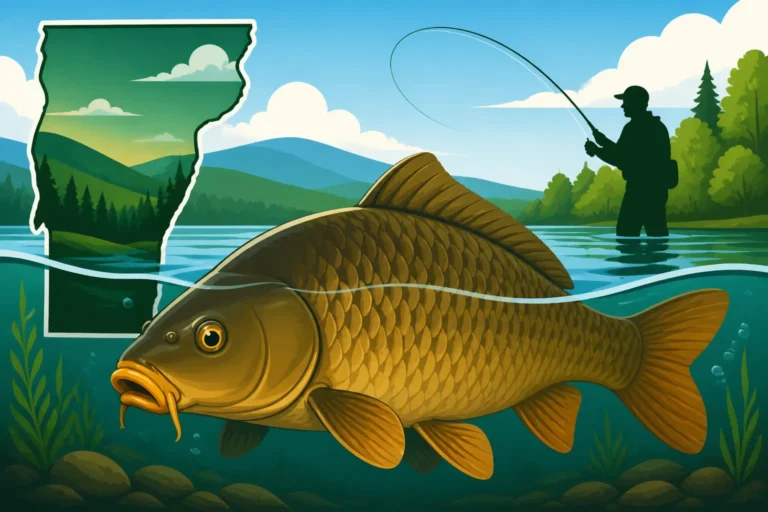
Beyond direct competition and predation, invasive species can also physically alter habitats. Some species, like common carp, are notorious for rooting around in the bottom of lakes and ponds, stirring up sediment. This makes the water cloudy, which can harm sight-feeding fish and smother aquatic vegetation that serves as food and shelter for countless other creatures. It's a domino effect, and sometimes a single invasive species can initiate a cascade of negative changes that are incredibly difficult, if not impossible, to reverse. Understanding these risks highlights why angler vigilance is so incredibly important for the future of Vermont fishing.
Identifying Potential Invaders: What to Look For
When it comes to identifying an invasive species, knowledge is your first and best line of defense. Not every non-native fish is considered invasive, but those that cause harm to the environment, economy, or human health are the ones we truly need to worry about. For instance, while certain species like rainbow trout are non-native but widely stocked and managed, others present a clear and present danger.
Some common traits of invasive fish species might include rapid reproduction, aggressive feeding habits, tolerance to a wide range of environmental conditions, and a lack of natural predators in their new environment. For example, Invasive Fish Species in Vermont Waters may exhibit distinctive markings or body shapes that set them apart from our local catches. Always keep an eye out for anything that looks unusual or doesn't match the common fish you're used to seeing in Vermont. It's helpful to have a good field guide on hand (you can find many excellent ones on Amazon) or familiarize yourself with identification resources from the Vermont Fish & Wildlife Department before you head out.
Your Immediate Action Plan: Catching an Invasive Fish
Okay, so you've reeled in something that just doesn't look right. Your heart might skip a beat, or you might feel a pang of frustration. This is a common reaction, but your next steps are critical. Knowing exactly what to do can make all the difference in preventing further spread.
Confirming Your Catch: Don't Guess, Know
Before you do anything else, try to get a positive identification. Snap a clear photo of the fish from several angles, especially showing any distinctive features, fins, or mouthparts. Measure its length if you can do so safely. These details will be invaluable for reporting later. Don't immediately assume it's invasive and take drastic action without a good faith effort to identify it. Many native species can sometimes look a little different depending on age, sex, or water conditions, and misidentification could lead to the unnecessary removal of a native fish.
If you're unsure, keep the fish contained and alive in a bucket of water if possible, while you quickly consult a field guide or a trusted online resource from the Vermont Fish & Wildlife Department. You can also reach out to experienced anglers or local tackle shops, but sometimes a quick photo to the proper authorities is best. Remember, the goal is to protect our waters, and that starts with accurate information.
The No-Release Mandate and Humane Handling
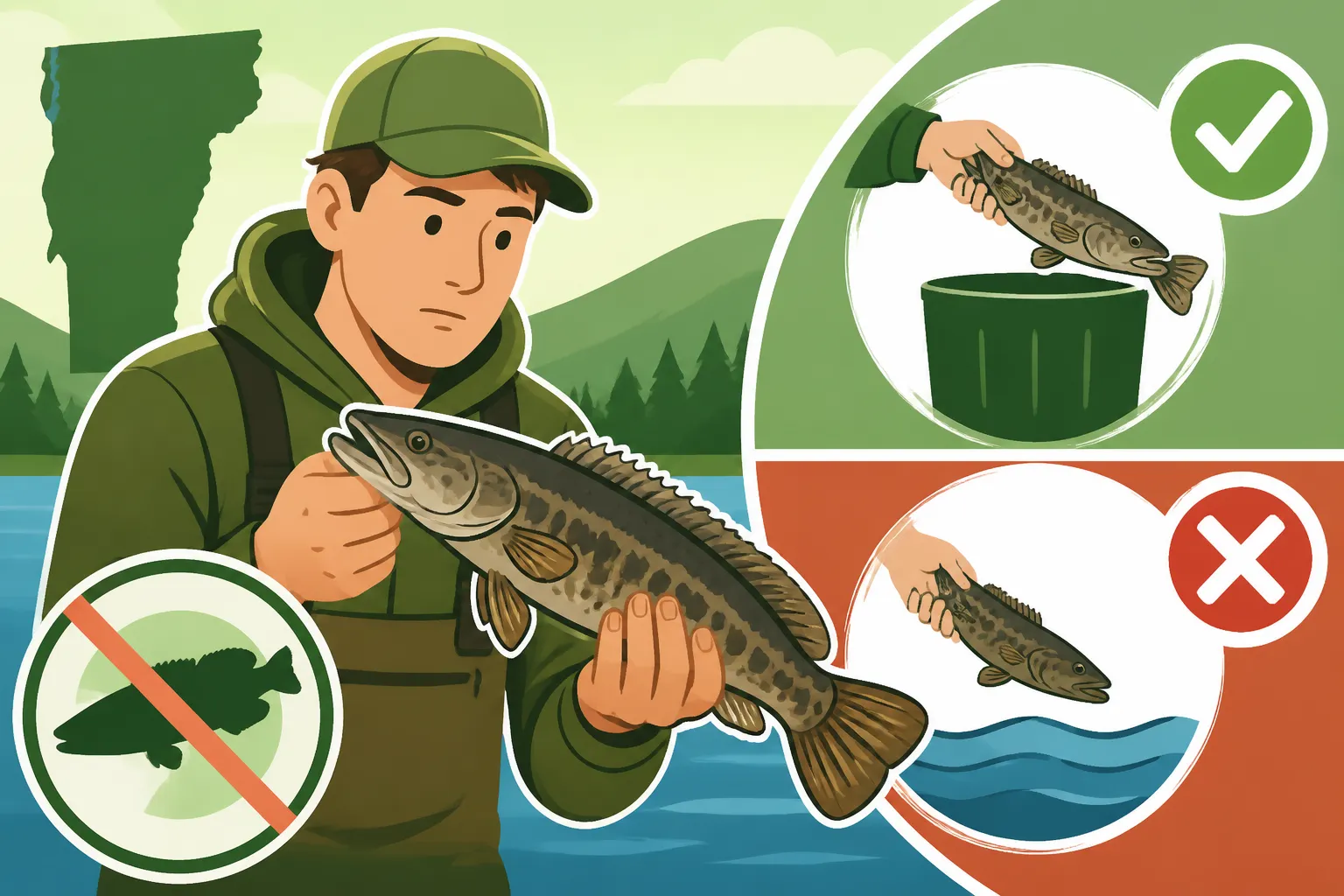
This is the most crucial rule for true aquatic invasive species: DO NOT RELEASE IT BACK INTO THE WATER. Releasing an invasive fish, even if it's just a single specimen, can undo years of conservation efforts and allow the species to establish a breeding population, intensifying its damaging effects.
Once you are reasonably certain you've caught an invasive fish, you need to dispatch it humanely. The quickest and most ethical way is often to use a swift, hard blow to the head with a blunt object, often called a "fish priest" (easily found on Amazon or at a local tackle shop). This ensures the fish dies quickly and minimizes suffering. Place it in a bag or a cooler, keeping it separate from any fish you intend to keep for consumption. This precaution helps prevent any potential disease transmission to other fish or your gear. Make sure your hands are clean and disinfected after handling to avoid any accidental spread.
Reporting and Responsible Disposal: Doing Your Part
Catching an invasive fish isn't just about dispatching it; it's about contributing to the bigger picture of conservation. Your report provides crucial data that helps Vermont Fish & Wildlife manage and control these threats.
Connecting with Vermont Fish & Wildlife: Making the Report
Reporting your catch is a vital step. The Vermont Fish & Wildlife Department is the primary agency responsible for managing aquatic invasive species. They need to know what you caught, where you caught it, and when. This information helps them monitor populations, track potential new infestations, and allocate resources for control efforts. You'll typically find an online reporting form or a dedicated phone number on their official website. When you report, be prepared to provide:
- Location: Be as specific as possible (e.g., "north shore of Lake Carmi, near the boat launch," or "Otter Creek, about 1 mile downstream from the Route 7 bridge"). GPS coordinates are even better if you have them.
- Date and Time: When did you catch it?
- Species: Your best identification, ideally with photos.
- Size: Length and approximate weight.
- Your Contact Information: So they can follow up if they need more details.
Don't hesitate to report, even if you think someone else might have already seen the same species. Every piece of data helps build a clearer picture of the problem. This is especially true for species like Are Zebra Mussels Affecting Lake Champlain's Fishery? where widespread monitoring is essential.
Safe Disposal: Beyond the Water's Edge
After reporting, the next step is responsible disposal. Under no circumstances should you ever return an invasive fish, dead or alive, to any body of water, nor should you use it as bait. This includes moving it to a different pond or stream. The risk of spreading eggs, larvae, or even disease is simply too high.
Here are the safest disposal methods:
- Bag and Trash: The simplest and most common method is to place the dispatched fish in a sealed plastic bag and dispose of it in a trash receptacle that will go to a landfill. This completely removes it from the aquatic environment.
- Burying: If you're on private land and it's permitted, you can bury the fish well away from any water source. Dig a deep hole to prevent scavengers from digging it up and potentially moving it closer to water.
- Freezing for Verification: In some cases, especially if it's a rare or unusual catch, the Fish & Wildlife Department might ask you to freeze the specimen so they can collect it for positive identification and study. Always check with them first before storing a fish for this purpose.
The key is to ensure the fish, and any potential eggs or larvae it might carry, are completely removed from the aquatic system and cannot re-enter.
Protecting Vermont's Waters: Preventing Further Spread
Catching an invasive fish is often a reactive measure. The best strategy is always proactive prevention. Every angler, boater, and outdoor enthusiast has a crucial role to play in stopping the spread of aquatic invasive species.
The "Clean, Drain, Dry" Golden Rule
This mantra is repeated often, and for good reason: it's incredibly effective. Aquatic invasive species, including tiny larvae, eggs, and plant fragments, can hitch a ride on boats, trailers, fishing gear, waders, and even in bait buckets. The "Clean, Drain, Dry" protocol effectively breaks this chain of transmission.
- Clean: Before leaving any water body, inspect your boat, trailer, waders, boots, and all fishing gear. Remove any visible mud, plants, or animals. Pay close attention to anchor lines, fishing nets, and the prop of your motor. You can use a stiff brush or a high-pressure sprayer. Specialized scrubbing brushes, often available on Amazon, can make this task easier. For your waders, which you might use in different trout streams, ensuring they're thoroughly cleaned is part of respecting the ecosystem; learn more about appropriate gear in Best Waders for Vermont Trout Streams.
- Drain: Drain all water from your boat, motor, livewell, baitwell, and bilge. Pull your drain plugs and leave them out during transport. This prevents carrying water that might contain microscopic invaders to another location. Even a seemingly small amount of water can harbor a dangerous threat. If you're using a kayak, ensure all compartments are emptied and dried. Learn about Best Boats for Vermont Lakes and Rivers and how to properly maintain them.
- Dry: Allow all equipment to dry completely, preferably for at least 48 hours, before using it in another body of water. Sunlight and air are excellent at killing off any remaining organisms. If drying completely isn't possible, a thorough rinse with hot, high-pressure water (140°F/60°C) can also be effective.
Following these steps every single time you move from one body of water to another is not just a recommendation; it's a critical responsibility for every angler.
Avoid the Bait Bucket Blunder
Using live bait can be highly effective, but it's also a common vector for spreading invasive species. Never, ever release unused live bait into any water body. This includes minnows, worms, or any other creature you might use. The fish you're using as bait could itself be an invasive species, or it could carry parasites and diseases that are harmful to native fish.
Instead, dispose of unused bait in the trash, or save it for your next trip if you can keep it alive and healthy in a contained system. Additionally, never transport live fish from one water body to another, even if you think they are native. What might seem like a harmless act of moving a few bluegill to a new pond can introduce diseases or upset the ecological balance, creating a new invasive problem. Always check the current Vermont Fishing Regulations Explained for specific rules regarding bait use and transport in different waters.
Native vs. Invasive Fish Handling at a Glance
To help you remember the key differences in how to handle a potential catch, here’s a quick summary:
| Feature/Action | Native Fish (Legal Size/Season) | Invasive Fish (Identified) |
|---|---|---|
| Release? | Yes, if not keeping | NO. Never release. |
| Identification | Generally known | Critical to confirm, take photos |
| Handling | Care for catch & release | Humanely dispatch immediately |
| Reporting | Not typically required | Mandatory to Vermont Fish & Wildlife |
| Disposal | Keep for consumption, or release | Bag & trash, or bury away from water. |
| Transport | Alive (within regs), or dead | Dead only, contained, for reporting or disposal |
| Gear Cleaning | Good practice always | Absolutely essential (Clean, Drain, Dry) |
Remember, your diligence as an angler is one of the most powerful tools we have to protect Vermont's precious aquatic resources. Thank you for doing your part!
Disclaimer
This article is for general informational purposes only and does not constitute professional advice. Laws, prices and regulations vary by location and change over time. Consult a qualified professional for guidance on your specific situation.