The biggest fish species in Vermont lakes
It’s easy to feel like the fish in Vermont are all just quaint little trout in babbling brooks, perfect for a peaceful afternoon. But let me tell you, there are some absolute giants lurking in our bigger lakes and deeper rivers, fish that will test your tackle, your patience, and your strength. If you’ve ever found yourself wondering what truly colossal species call Vermont home, and how big they can really get, you're in the right place. This guide is all about shining a spotlight on the biggest fish species you can encounter in Vermont's waters, moving beyond the everyday catches to the true leviathans of our freshwater world.
What Defines a "Big" Fish in Vermont?
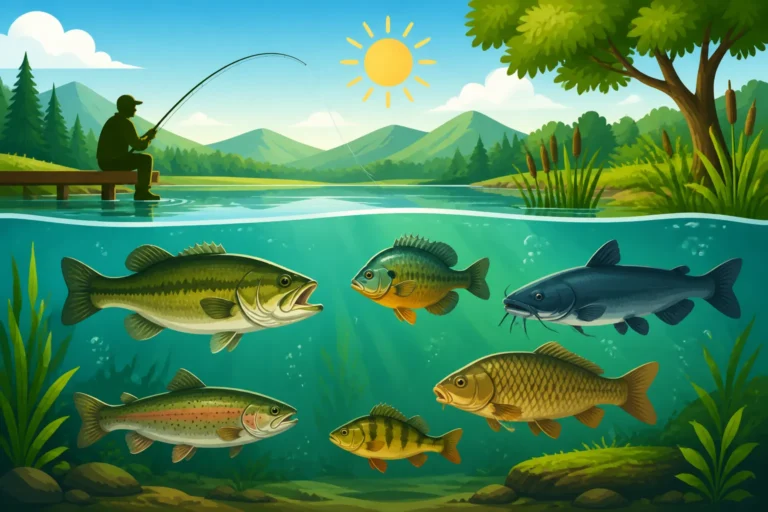
When we talk about "big" fish in Vermont, it's not always about breaking a state record, though those numbers are certainly impressive. For many anglers, "big" means a fish that puts a serious bend in their rod, a fish that makes their heart pound, or one that they'll remember for years to come. It’s about the trophy potential of a species, not just the average catch. Vermont's diverse aquatic environments, from the vast depths of Lake Champlain to the cold, clear mountain lakes and the winding, fertile rivers, support a surprising array of large fish species.
The size a fish can attain depends on several critical factors. First, there's the environment itself – a huge lake like Champlain offers vast amounts of space and diverse forage, allowing fish to grow larger and live longer. Second is the availability of food; an abundant supply of baitfish, insects, or even smaller fish provides the necessary fuel for sustained growth. Finally, the genetic potential of the species plays a huge role. Some fish are simply built to grow larger than others, evolving over millennia to dominate their aquatic ecosystems. Understanding these elements helps us appreciate why certain species consistently produce those jaw-dropping, brag-worthy catches we all dream about.
Beyond the State Record Book
While the official state records are thrilling to read about and provide a benchmark for maximum size, they don't tell the whole story for the everyday angler. For most of us, landing a fish that's significantly larger than the average for its species feels like a monumental achievement. A 25-inch walleye on Lake Champlain, for example, might not break a record, but it's an incredible fish that represents years of growth and cunning survival. Similarly, a brown trout pushing 20 inches from a Vermont river is a genuine trophy that many anglers spend a lifetime chasing.
The pursuit of these larger-than-average specimens often requires different tactics and gear than simply catching numbers of smaller fish. It means focusing on specific habitats, understanding seasonal movements, and often employing larger baits or lures. It's a shift from quantity to quality, a dedication to the challenge of outsmarting a truly mature, experienced fish. And let's be honest, there's nothing quite like the adrenaline rush when you realize you've hooked into something substantial, something that could be your personal best.
Factors Contributing to Trophy Size
Several factors work in concert to allow fish in Vermont to reach impressive sizes. One key element is the forage base. Large, healthy populations of baitfish like smelt, alewives, and perch provide a rich diet for predatory species. If you're looking for a Lake Champlain Fishing Guide, you'll quickly learn that the lake's rich ecosystem and diverse forage are why it produces such massive game fish. Cold, well-oxygenated water is another crucial factor, especially for species like lake trout and salmon, as it allows them to maintain high metabolic rates and thrive.
Age is also paramount. A fish needs time to grow, and in environments with abundant food and suitable habitat, they can live for many years, accumulating size and weight. This is why conservation practices, like catch-and-release for larger fish, are so important. Releasing a large, healthy breeding fish ensures that its genes continue in the population, potentially producing more trophy-sized offspring for future generations of anglers. It’s a way we can all contribute to sustaining the incredible fisheries Vermont has to offer.
Giants of the Deep: Lake Champlain's Heavyweights
When it comes to sheer size and the potential for truly massive fish, Lake Champlain stands head and shoulders above many other bodies of water in Vermont. Its immense size, depth, and diverse ecosystem make it a true treasure for anglers seeking big game fish. The lake is home to several species that regularly push the scales, providing opportunities for epic battles and lifelong memories.
Lake Trout: The Deepwater Monsters
If you're after a fish with serious weight and an undeniable fighting spirit, the Lake Trout is a prime target. These magnificent fish are true cold-water specialists, preferring the deep, oxygen-rich waters of Lake Champlain. They are slow-growing but can reach truly astounding sizes, embodying the very definition of a "giant" fish in Vermont. Imagine hooking into a fish that's been lurking in the depths for decades!
Lake trout primarily feed on other fish, with smelt and alewives being key components of their diet. This rich forage allows them to pack on significant weight. Anglers often target them by trolling deep with downriggers or vertical jigging over underwater structure. The fight of a big lake trout is legendary – they pull hard, make long runs, and often require heavy tackle to subdue. While most catches might be in the 5-10 pound range, fish in the teens are caught regularly, and the potential for specimens over 20 pounds is very real. For more details on these magnificent fish, check out Lake Trout Fishing in Vermont.
Walleye: Elusive Giants with a Delicious Reward
Walleye are another highly sought-after species in Lake Champlain, renowned for their delectable flesh and their elusive, cunning nature. While not quite as massive as lake trout, trophy walleye are undoubtedly among the biggest fish you can catch in Vermont, often boasting impressive length and girth. They prefer slightly shallower, often stained water compared to lake trout, and are masters of camouflage, making them a challenge to locate.
Lake Champlain walleye can grow to impressive sizes, with fish in the 8-12 pound range considered trophy-caliber. They feed primarily on baitfish like smelt, perch, and shiners. Anglers often target them by trolling crankbaits over deep flats, reefs, and along drop-offs, especially during low light conditions or at night. Vertical jigging also proves effective when they're schooling. The fight is typically a series of powerful head shakes and deep dives, a true test of an angler's skill. If you want to delve deeper into pursuing these tasty giants, read our Walleye Fishing on Lake Champlain guide.
Northern Pike: The Freshwater Barracuda
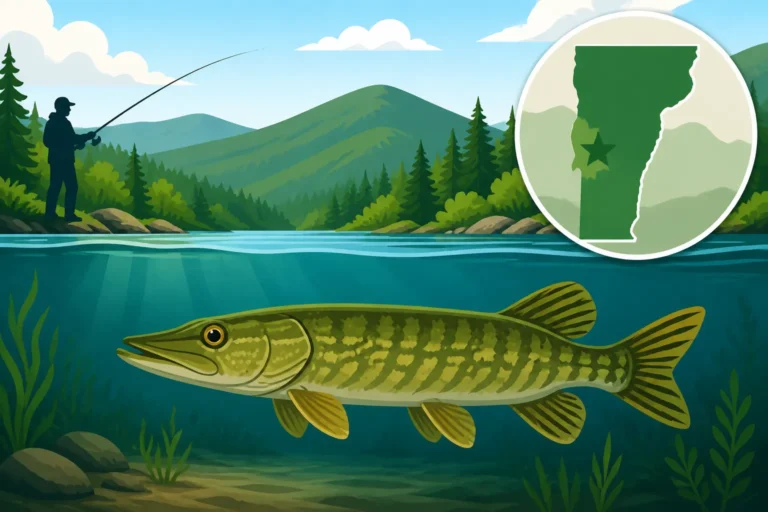
With their long, muscular bodies and formidable tooth-filled mouths, Northern Pike are unmistakable predators that patrol the shallower, weedier bays of Lake Champlain and other larger Vermont lakes. They are ambush predators, lying in wait to strike at unsuspecting baitfish or even smaller game fish. While often overlooked by anglers focused on trout or bass, a truly large northern pike can be one of the most exciting and imposing fish you’ll encounter.
Pike grow quickly and aggressively, and in a rich environment like Lake Champlain, they can easily exceed 30 inches, with some pushing past 40 inches and weighing over 15 pounds. Their fight is characterized by explosive runs and violent head shakes, often punctuated by aerial leaps. They are opportunistic feeders, taking a wide variety of lures and baits, from large spoons and spinnerbaits to live baitfish. When you hook into a big pike, you'll know it – they are pure power!
Muskellunge: The Apex Predator of Lake Memphremagog
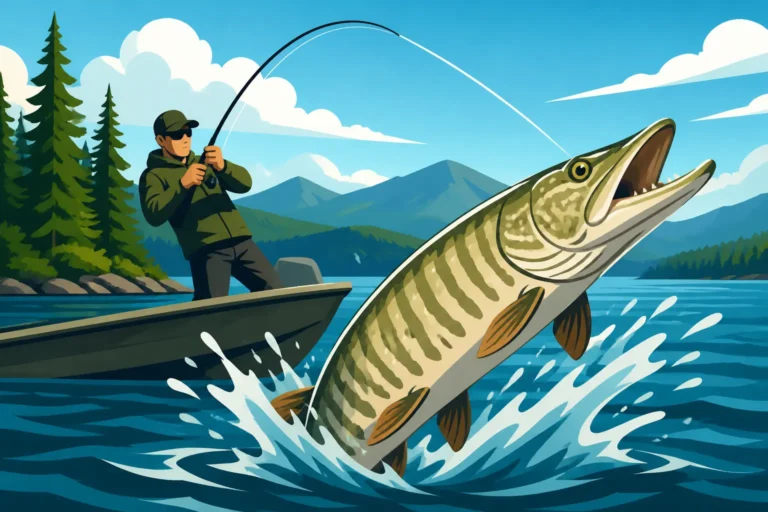
For anglers truly chasing a freshwater behemoth, the Muskellunge is the ultimate prize. These legendary fish are the undisputed apex predators of the few waters they inhabit in Vermont, most notably Lake Memphremagog. They are notoriously difficult to catch, earning them the nickname "the fish of 10,000 casts," but the reward for landing one is unparalleled. There is no other fish in Vermont that grows to such a colossal size.
Muskellunge can easily exceed 4 feet in length and weigh well over 30 pounds, representing the absolute pinnacle of big game fishing in Vermont. Their diet consists almost exclusively of other fish, often large ones. Anglers targeting muskies employ specialized heavy-duty gear, including stout rods, strong reels, and large, often custom-made, lures. The strike of a musky is violent, and the fight is a powerful, uncompromising battle that demands respect. If you're ready for the challenge of a lifetime, our guide to Muskellunge Fishing on Lake Memphremagog offers essential insights. You'll definitely want to seek out specialized baits and lures, which you can often find readily available on Amazon, ready for your next big adventure. Also, for detailed techniques on landing one of these giants, don't miss How to Catch Muskellunge on Lake Memphremagog.
River Monsters and Large Game Fish Beyond Champlain
While Lake Champlain gets a lot of the spotlight for its massive fish, Vermont's other large lakes and major river systems are also home to impressive species that grow to substantial sizes, offering thrilling opportunities for anglers seeking a real challenge. These waters provide unique habitats that allow certain fish to reach their full, colossal potential.
Landlocked Salmon: The Leaping Powerhouses
Imagine a fish that combines incredible strength with acrobatic leaps and stunning beauty – that's the Landlocked Salmon. While found in several of Vermont's deeper, colder lakes, Lake Willoughby and Lake Memphremagog are particularly known for producing trophy-sized specimens. These fish are essentially Atlantic Salmon that have adapted to a purely freshwater existence, retaining all the fight and elegance of their anadromous cousins.
Landlocked salmon are primarily piscivores, meaning they feed on other fish, with rainbow smelt being their absolute favorite. This abundant forage allows them to grow quite large, with fish in the 5-10 pound range being common trophy catches, and the potential for fish exceeding 12-15 pounds. They are often targeted by trolling with spoons, stickbaits, or baitfish imitations, particularly after ice-out and during cooler months. Their fight is spectacular, marked by blistering runs and breathtaking aerial displays that will leave you breathless. To learn more about these incredible sportfish, check out our Landlocked Salmon Fishing in Vermont article.
Brown Trout: Wily and Weighty River Dwellers
Often considered the most challenging of the trout species to catch, Brown Trout are also known for their incredible growth potential, especially in larger rivers and certain lakes. Unlike their brook trout cousins, browns are more tolerant of warmer water and can thrive in diverse environments, growing into true bruisers. These aren't your average stocked trout; wild, mature brown trout are highly intelligent and notoriously wary.
Vermont's larger river systems, like the Battenkill, the White River, and sections of the Connecticut River, are known for producing browns that can exceed 20 inches and weigh several pounds. They are opportunistic feeders, consuming insects, crayfish, and especially baitfish as they grow larger. Anglers pursuing trophy browns often employ larger streamers, spin-casting with stickbaits, or even using live bait. Landing a large brown trout from a river requires patience, stealth, and a keen understanding of their habits. For a deeper dive into their behavior, take a look at Brown Trout Habits in Vermont Streams.
Largemouth Bass: Pound-for-Pound Powerhouses
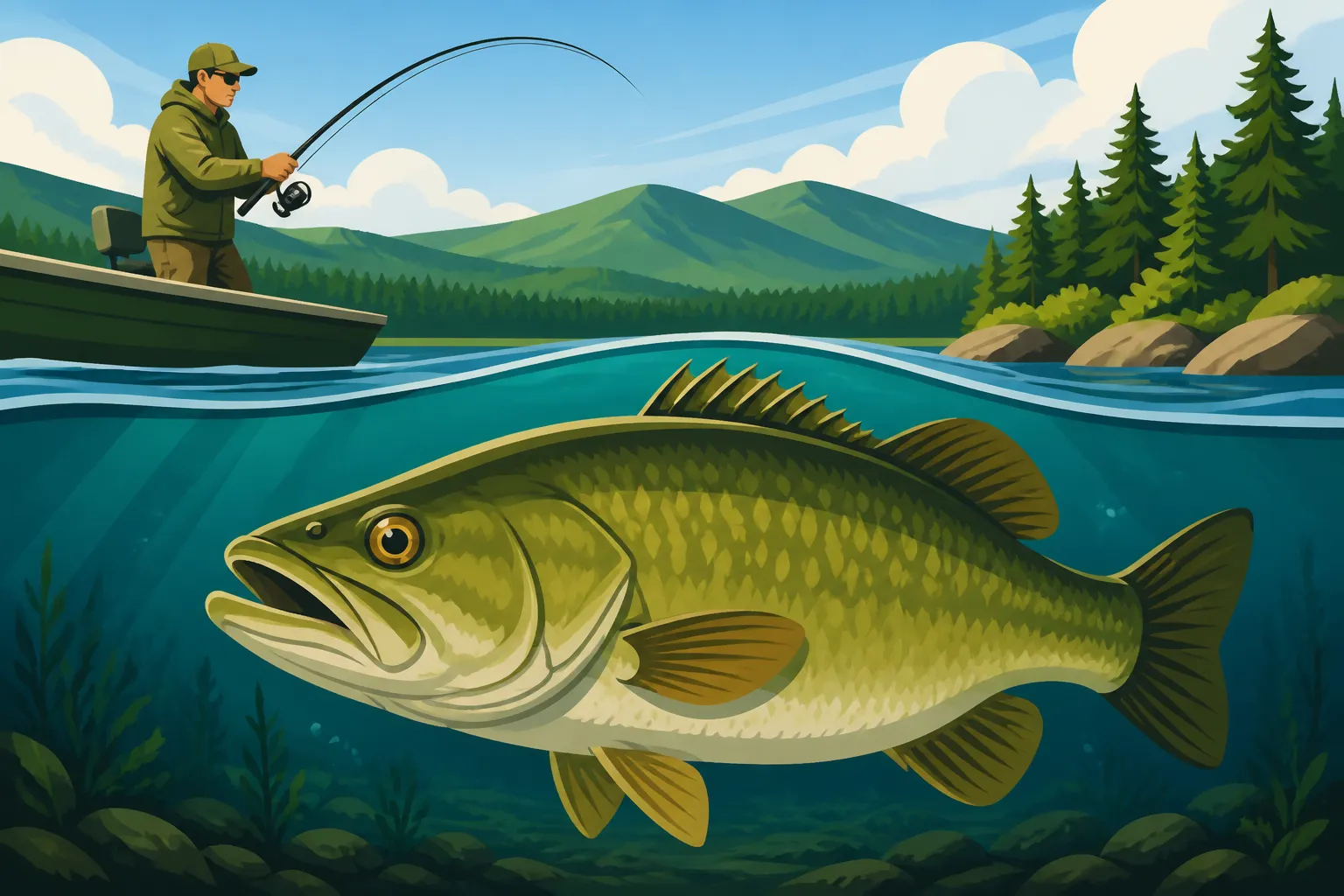
While perhaps not reaching the sheer lengths of a musky or pike, Largemouth Bass are pound-for-pound some of the strongest fighting fish in Vermont, and they certainly belong on any list of "big" fish. These warm-water specialists thrive in the weed-choked ponds and shallow bays of many Vermont lakes, where they dominate their habitat. A truly large largemouth offers an explosive strike and a thrilling battle right to the boat.
Vermont largemouth bass can grow to impressive sizes, with fish in the 4-6 pound range being considered excellent trophies, and the possibility of fish exceeding 7 pounds. They are aggressive predators, feeding on a wide variety of prey including baitfish, frogs, crayfish, and even small birds or rodents. Anglers target them using a diverse array of techniques, from topwater lures in the morning and evening to soft plastics flipped into dense cover. The thrill of a big largemouth blowing up on a topwater frog is an experience every angler should have. Our guide on Largemouth Bass Fishing in Vermont delves into where and how to find these feisty fighters.
Understanding Vermont's State Records and Trophy Potential
For many dedicated anglers, the ultimate goal is to catch a true "state record" fish – a feat that puts your name in the annals of Vermont's fishing history. However, even if a state record remains elusive, understanding the potential for trophy fish in different waters can guide your fishing adventures and help you prepare for that once-in-a-lifetime catch. Vermont's diverse waters hold incredible potential, and knowing where to look and what to expect can significantly increase your chances of hooking into a monster.
Exploring the State Record Book
Vermont's state record list showcases the absolute peak of each species' growth in our waters. These records aren't just numbers; they represent years, even decades, of perfect conditions, abundant food, and a little bit of luck coming together for one exceptional fish. Reviewing the record book can be incredibly inspiring, offering insights into which waters consistently produce the largest fish of each species. For instance, you'll see a strong representation from Lake Champlain for lake trout and walleye, and Lake Memphremagog for muskellunge. If you're curious about the exact weights and locations of these legendary catches, make sure to read Vermont State Fish Records by Species.
The table below provides a general overview of the potential for some of Vermont's biggest fish species:
| Species | Typical Large Size (inches) | State Record Potential (lbs) | Primary Habitat |
|---|---|---|---|
| Lake Trout | 25-35 | 20-30+ | Deep, cold lakes (Champlain, Willoughby) |
| Walleye | 20-28 | 10-15+ | Large lakes, slower rivers (Champlain) |
| Northern Pike | 30-40 | 15-25+ | Weedy lakes, slow river sections |
| Muskellunge | 45-55+ | 30-40+ | Lake Memphremagog |
| Landlocked Salmon | 20-30 | 10-15+ | Deep, clear lakes (Willoughby, Memphremagog) |
| Brown Trout | 18-25 | 8-12+ | Larger rivers, some lakes |
| Largemouth Bass | 18-22 | 5-7+ | Warm, weedy ponds and shallow bays |
Note: These are general ranges for typical large catches and potential state records. Actual sizes can vary widely.
The Thrill of a Personal Best
While chasing a state record is a lofty goal, most anglers find immense satisfaction in setting and breaking their own personal bests. Perhaps you’ve only ever caught 12-inch bass, so landing a 16-inch largemouth feels like catching a giant. Or maybe your biggest lake trout was 10 pounds, and you're now dreaming of one breaking the 15-pound mark. This continuous journey of improvement and discovery is what keeps us coming back to the water.
To achieve a personal best, it often involves strategic planning. This might mean dedicating trips to Best Fishing Lakes in Vermont known for specific large species, or honing specialized techniques. For instance, if you're targeting those massive Lake Memphremagog muskies, you'll need the right gear. Many anglers find durable, heavy-duty tackle, like robust casting rods and high-capacity reels, on platforms like Amazon. It's not just about the equipment; it's about matching your approach to the fish you're targeting and the environment they call home.
Gear Up for the Big Ones
Successfully battling a truly large fish requires more than just a lucky cast; it demands the right gear. For the biggest species like muskellunge, lake trout, and large northern pike, you’ll need heavy-action rods, robust reels with smooth drags, and strong, abrasion-resistant lines. For example, pursuing a giant walleye on Lake Champlain will necessitate different tackle than targeting a river trout. Think about heavier test line, strong leaders, and appropriately sized lures or baits that mimic the larger forage these fish prefer.
Don't skimp on terminal tackle either. Sharp, strong hooks are crucial to penetrating the tough mouths of big predators and holding firm during an intense fight. A quality landing net, especially a large one with rubberized mesh, is also essential for safely boating and releasing these substantial fish, which is particularly important for conservation. You can find a vast array of specialized fishing gear, from powerful casting reels to heavy-duty nets, on Amazon, making it easy to prepare for whatever monster you might encounter.
Conservation and Respect for Trophy Fish
Catching a truly big fish is an incredible accomplishment, but it also comes with a responsibility to the resource. Many of Vermont's largest fish are mature breeders, vital to the health of the population. Practicing proper catch-and-release techniques for these trophy specimens helps ensure that they can continue to spawn and contribute to the fishery for years to come. This means minimizing handling time, using wet hands when touching the fish, and supporting them horizontally during photos.
Releasing these giants safely is an act of respect and a commitment to the future of Vermont fishing. After all, the joy of knowing that another angler might someday experience the thrill of catching that same fish, even larger, is a reward in itself. Whether you’re exploring the Best Fishing Rivers in Vermont or plumbing the depths of Lake Champlain, remember to fish ethically and help preserve these incredible opportunities for everyone.
Disclaimer
This article is for general informational purposes only and does not constitute professional advice. Laws, prices and regulations vary by location and change over time. Consult a qualified professional for guidance on your specific situation.