When largemouth bass spawn in Vermont
It can be incredibly frustrating to hit the water hoping to find largemouth bass on their spawning beds, only to discover you're either too early or too late. Understanding the exact window when largemouth bass begin their annual reproductive ritual in Vermont is key to a successful and ethical fishing experience. This comprehensive guide aims to demystify the largemouth bass spawn, revealing the critical timing, environmental cues, and essential factors that dictate when these coveted fish are on their beds across Vermont's diverse waters.
Understanding the Largemouth Bass Spawning Cycle in Vermont
The largemouth bass spawn isn't a single event that happens on one specific day; it's a dynamic process influenced by a range of environmental factors, primarily water temperature and day length. For anglers, recognizing these underlying biological drives helps predict when and where to focus their efforts, ensuring they're on the water during the most active periods. It's a truly fascinating time of year, transforming bass behavior and making them both more visible and more vulnerable.
The Critical Temperature Triggers
The most crucial factor kickstarting the largemouth bass spawn in Vermont is water temperature. While specific numbers can vary slightly from one body of water to another, largemouth typically begin to move into their shallow spawning areas when water temperatures consistently reach the mid-to-high 50s Fahrenheit, with the actual spawning process often commencing as temperatures stabilize in the 60-68°F range. This temperature range is vital because it ensures the optimal conditions for egg development and the survival of the fragile fry.
Imagine a sunny spring day in early May on a shallow, sheltered cove in Lake Bomoseen. The main lake might still be hovering in the low 50s, but that tucked-away cove, absorbing solar radiation, could easily hit 60-62°F. This localized warming acts like a beacon for the pre-spawn bass, drawing them into these shallower areas where they'll stage before getting down to the serious business of reproduction. They're looking for that sweet spot where the water has enough warmth to support the entire cycle.
However, it's not just about hitting a certain temperature once. Sustained warm temperatures are key. A quick spike to 60°F followed by a cold snap can halt the process, pushing the bass back into deeper water until conditions stabilize. Think of it like a hesitant dancer: they're ready to start, but if the music suddenly stops, they'll wait for a consistent beat before really getting into the rhythm. This is why paying attention to forecasts and real-time water temperature readings is far more important than a fixed calendar date.
Nest Building and Male Bass Behavior
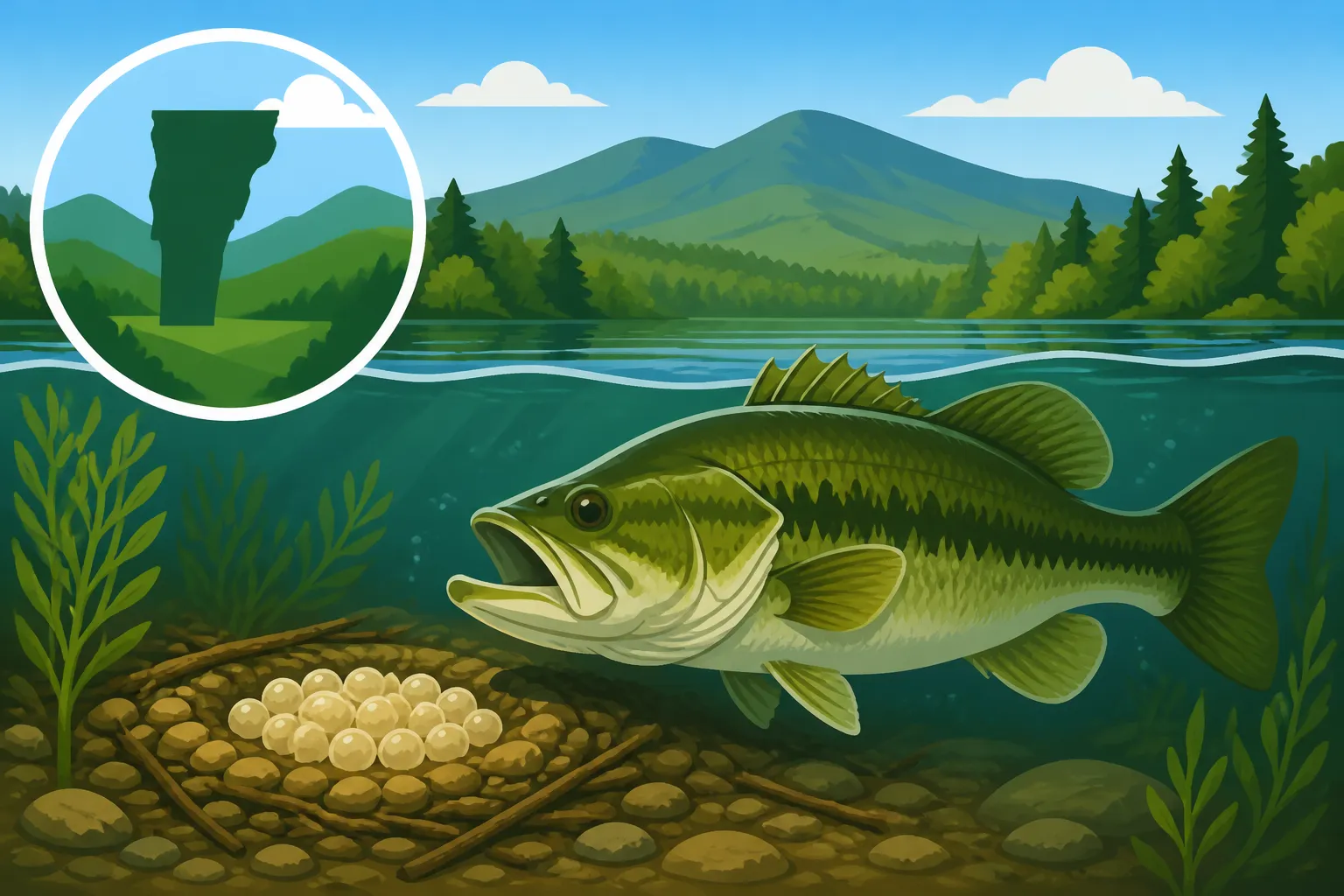
Once the water temperatures are consistently in that prime spawning window, the male largemouth bass takes on the monumental task of nest building. He'll scout out suitable locations in shallow, protected areas, often near submerged logs, weeds, or docks, where the bottom is firm enough for his efforts. Using his tail and fins, he'll fan out a circular depression, clearing away silt and debris to create a clean, hard surface for the eggs. These nests, often 1-3 feet in diameter, are typically found in water anywhere from 1 to 8 feet deep, depending on water clarity and available cover.
This nest-building process is incredibly demanding, and the male bass becomes intensely territorial and protective. He'll guard his chosen spot fiercely, chasing away anything he perceives as a threat—other fish, turtles, or even a curious angler's lure. It's fascinating to observe: a male bass, often a dark shadow, diligently fanning his nest, occasionally darting out to confront an intruder before returning to his post. This behavior is instinctual, driven by the imperative to ensure the survival of his future offspring.
The amount of effort a male bass puts into his nest is truly impressive. He'll spend days, sometimes weeks, preparing and defending it. This period of high activity and aggression makes him particularly vulnerable to anglers who choose to target bedding fish. However, this also highlights the critical role he plays in the ecosystem, ensuring that the next generation of largemouth bass gets the best possible start in life.
The Role of the Female Bass and Egg Deposition
While the male bass is the architect and guardian of the nest, the female's role, though brief, is equally crucial. Once the male has prepared a satisfactory bed and is ready, he'll attract a receptive female to the nest. She will then deposit her eggs, sometimes several thousand at a time, onto the fanned-out bottom. The male immediately fertilizes them. This interaction is usually swift, and once the eggs are laid and fertilized, the female typically leaves the nest area, her reproductive duty complete.
It's common for a single male to attract multiple females to his nest, resulting in several "waves" of eggs being deposited over time. This staggered approach helps ensure a higher success rate, as not all eggs hatch simultaneously, and environmental conditions can fluctuate. After the female departs, the male assumes full responsibility for the nest, diligently guarding the eggs from predators and fanning them to keep them clean and oxygenated. This protective vigil lasts until the eggs hatch and the fry are able to swim freely, usually a period of several days to a couple of weeks, depending on water temperature.
During this time, the male bass is exhausted and focused. He might not feed actively, but he will strike at anything that comes too close to his precious cargo, making him a compelling, albeit ethically challenging, target for anglers. Understanding this delicate balance helps us appreciate the full life cycle of these incredible fish.
Timing the Spawn: When to Expect It Across Vermont's Waters
Pinpointing the exact "when" for the largemouth bass spawn in Vermont isn't a simple calendar date. Instead, it's a dynamic window that shifts based on geographic location, water body size, depth, and the specific weather patterns of any given spring. Vermont's diverse geography, from its shallower southern ponds to the expansive, often deeper waters of Lake Champlain, means the spawn unfolds at different paces across the state.
Early Season Spawners: Southern Vermont and Shallow Ponds
Generally speaking, the earliest largemouth bass spawns in Vermont occur in the shallower, warmer waters of southern Vermont and in smaller, protected ponds across the state. These areas tend to absorb solar heat more quickly in the spring, reaching those critical mid-60s Fahrenheit temperatures sooner than larger, deeper lakes. Think about places like Lake Whitingham near Jacksonville or many of the smaller farm ponds scattered throughout Bennington and Windham counties.
In a mild spring, these waters could see bass moving onto nests as early as late April or very early May. The key here is "sustained warmth." If Vermont experiences an early heatwave, these shallow areas can warm up rapidly, prompting bass to initiate their spawning rituals ahead of the statewide average. Anglers looking to get an early jump on the spawn should focus their efforts on these types of water bodies, paying close attention to water temperatures in sheltered coves and flats. Best Largemouth Bass Ponds in Vermont can often be the first to "turn on."
These small, intimate waters provide excellent opportunities for observing the spawn firsthand. Without the vastness of larger lakes, it's easier to spot bass preparing beds or actively guarding them. This early window is often short-lived, as these waters can also warm up rapidly beyond the optimal range later in the season.
Peak Spawn: Mid-May to Early June in Most Lakes
For the majority of Vermont's mid-sized to larger lakes and reservoirs, the peak of the largemouth bass spawn typically occurs from mid-May through early June. This includes popular destinations like Lake Bomoseen, Lake Dunmore, Lake St. Catherine, and even the southern bays of Lake Champlain. These water bodies require a bit more time to warm up thoroughly but generally offer more stable temperatures once they hit the sweet spot.
During this period, you'll often find a significant portion of the adult bass population actively engaged in spawning. The sustained warm weather and longer daylight hours of late spring create ideal conditions for a widespread spawn. Anglers targeting bass during this peak often find fish concentrated in shallow bays, along weed lines, and around visible structure like docks and fallen trees. This is when How to Catch Largemouth Bass in Vermont often becomes a hot topic, as many fish are shallow and active.
It's important to remember that even within these larger lakes, there will be variations. A north-facing bay might warm slower than a south-facing one, or a particularly deep section might hold fish back slightly longer. Scouting these areas, either visually or with temperature gauges, is crucial to finding the active fish. The period leading up to this peak, known as pre-spawn, is also an incredibly productive time for anglers, as bass feed heavily to build energy reserves for the strenuous spawning process.
Later Spawners: Northern Lakes and Deeper Waters
As you move further north in Vermont, or focus on the deeper, colder sections of major lakes, the largemouth bass spawn tends to occur later in the season. Waters like the main lake basin of Lake Champlain, especially its deeper, more open sections, or even northern lakes like Lake Carmi or Lake Memphremagog, can see their peak spawn extend into mid-June, and sometimes even into early July in particularly cold springs. The sheer volume of water and the persistent chill in these larger systems mean they take longer to heat up.
Consider the northern reaches of Lake Champlain. While the shallow, protected bays around Missisquoi Bay or Mallets Bay might see earlier activity, the expansive, deeper sections will hold onto colder water longer. This means bass here will stage deeper and wait for those critical temperatures to become stable. Anglers should factor in geographical location and the thermal inertia of large water bodies when planning trips to these northern Vermont fishing spots. Lake Champlain Fishing Guide highlights the diversity of this massive fishery, and understanding its thermal patterns is key.
A cold, wet spring can also delay the spawn across the board, pushing back the general timeline by a week or two for all water types. Conversely, an unusually warm spring can accelerate it. The key is adaptation: always check local conditions rather than relying solely on past calendar dates.
Here's a quick overview of typical largemouth bass spawning windows in Vermont:
| Water Body Type | General Location | Typical Spawn Window | Key Influencing Factors |
|---|---|---|---|
| Shallow Ponds | Southern/Central Vermont, sheltered | Late April – Mid-May | Rapid solar warming, less thermal inertia |
| Mid-sized Lakes | Central/Southern Vermont (e.g., Bomoseen, Dunmore) | Mid-May – Early June | Consistent warm weather, stable temperatures |
| Large Lake Bays/Shallows | Lake Champlain (e.g., Missisquoi, Mallets Bays) | Mid-May – Early June | Protected from main lake cold, shallower depths |
| Large Lake Main Basins | Lake Champlain (main lake), Northern Vermont lakes | Late May – Mid-June | Large water volume, slower to warm, elevation |
| Cold Springs | Statewide | Delayed 1-2 weeks | Persistent cold fronts, high runoff from snowmelt |
Factors Influencing the Spawn's Exact Timing
The exact timing of the largemouth bass spawn is a delicate dance between biology and environment. While water temperature is the lead dancer, several other factors contribute to the rhythm and pace of this annual spectacle. Understanding these nuances can give anglers a significant edge in predicting the prime time for bass activity.
Water Temperature and Sunlight Penetration
We've talked about temperature being king, but let's dive a little deeper. It's not just the surface temperature that matters; it's the sustained warmth throughout the water column where bass will nest. Shallow areas with dark bottoms absorb more sunlight, warming faster. This is why you often find the first nests in northern coves or backwater sloughs that receive direct sunlight for much of the day and are sheltered from wind, which can cool surface waters.
The clarity of the water also plays a role. Clear water allows sunlight to penetrate deeper, potentially warming a larger portion of the shallow zone, but it also makes bass and their nests more visible to predators (and anglers). Stained or slightly turbid water, on the other hand, absorbs heat closer to the surface, but might offer more concealment for nesting bass. This interplay of light and heat is crucial for creating the ideal microclimates where bass feel secure enough to lay their eggs. Monitoring these factors, perhaps with a reliable thermometer from Amazon, can greatly enhance your ability to predict when and where the spawn will truly kick off.
Furthermore, a significant drop in water temperature, perhaps from a prolonged cold rain or a sudden cool snap, can cause bass to abandon their nests temporarily or delay spawning altogether. They will often retreat to slightly deeper water until conditions stabilize. This "staging" behavior means they're not far, but they're waiting for the conditions to be just right again.
Weather Patterns: Warm Springs vs. Cold Snaps
The overall character of Vermont's spring weather profoundly impacts the spawn. A consistently warm and sunny spring can significantly accelerate the process, pushing the spawn forward by a week or even more. Anglers will notice bass moving into shallow areas earlier, feeding aggressively, and beginning their nest-building sooner than average. This kind of spring creates a compressed, intense spawning period.
Conversely, a prolonged cold and wet spring, especially one marked by frequent cold snaps or heavy snowmelt that introduces chilly water into lakes and rivers, can delay the spawn considerably. Bass will be reluctant to commit to nesting if the water temperatures are unstable or too low. They might make forays into shallow water during brief warm spells but quickly retreat when the cold returns. This can lead to a more drawn-out, sporadic spawn, where bass spawn in smaller waves as conditions allow. Best time to fish before a cold front can be an excellent period to target pre-spawn bass, as they often feed aggressively knowing conditions might worsen.
Heavy rains and subsequent runoff can also raise water levels and cool temperatures, further disrupting the spawn. Bass prefer stable conditions for nesting, and fluctuating weather can throw their biological clock out of whack, requiring them to wait for a more consistent environment.
Water Levels and Habitat Availability
Stable water levels are another often-overlooked but critical factor for a successful largemouth bass spawn. Bass prefer to build their nests in areas with some form of cover – be it submerged wood, rocky outcrops, or emergent vegetation – to protect the eggs and fry from predators. Consistent water levels ensure that these prime nesting sites remain viable throughout the spawning period.
Imagine bass carefully building nests in a shallow bay, precisely tucked into the edge of a weed bed. If the water level suddenly drops significantly, those nests could be left high and dry, exposing the eggs to air and sun, effectively ruining the spawn. Conversely, a rapid rise in water levels can submerge ideal spawning habitat too deeply or inundate new areas with cold, potentially oxygen-poor water, disrupting existing nests or forcing bass to relocate.
This is why water management, especially on reservoirs or lakes with dams, can influence spawning success. Lakes with stable water levels during the critical mid-May to mid-June window generally experience a more robust and successful largemouth bass spawn. Looking for areas with dense, healthy vegetation or woody debris, especially in areas with consistent water depth, will put you on the right track for finding active spawning grounds.
Ethical Considerations and Fishing Strategies During the Spawn
Fishing during the largemouth bass spawn is a hot topic among anglers, and for good reason. While it can be an incredibly productive time to catch large, aggressive bass, it also raises significant ethical questions about the impact on the fish population. In Vermont, where bass fishing is so popular, it's essential to approach this period with a thoughtful and responsible mindset.
The Debate Around "Bed Fishing"
"Bed fishing" refers to the practice of targeting largemouth bass while they are actively on their nests, guarding eggs or fry. Male bass, driven by a powerful instinct to protect their offspring, will strike aggressively at anything they perceive as a threat to the nest, including lures. This makes them relatively easy to catch, especially since their location is often visible in clear, shallow water.
The ethical concern with bed fishing stems from the fact that removing the male bass from his nest, even for a short catch-and-release period, leaves the vulnerable eggs and fry exposed to predators like panfish, snapping turtles, and other opportunistic feeders. Studies have shown that even a few minutes away from the nest can result in significant egg or fry predation, impacting the overall reproductive success of the bass population. While Vermont's regulations permit fishing during the bass spawn (outside of specific catch-and-release seasons, like the Vermont Bass Catch-and-Release Season, Explained), many anglers choose to avoid directly targeting bedding fish out of a conservation ethic.
Ultimately, the decision to bed fish is a personal one, but understanding the potential biological consequences is crucial. If you do choose to target bass during this period, practicing immediate and careful catch-and-release is paramount, ensuring the fish is returned to its nest as quickly as possible. Minimizing stress and handling time can help improve the chances of the nest's survival.
Alternative Strategies for Pre and Post-Spawn
Rather than focusing on bass actively guarding nests, many anglers choose to target bass during the pre-spawn and post-spawn periods, which often offer equally exciting and arguably more ethical fishing. Pre-spawn bass are typically found staging in slightly deeper water adjacent to their eventual spawning grounds. They are aggressively feeding, bulking up on forage to prepare for the strenuous weeks ahead.
During this pre-spawn phase, bass are often schooled up and eager to strike a variety of baits. Moving baits like crankbaits, spinnerbaits, and swimbaits can be incredibly effective as bass are looking for substantial meals. Covering water around points, drop-offs, and early weed growth leading into shallow bays is a great strategy. Post-spawn bass, on the other hand, are often recuperating from the rigors of spawning. They might be a bit lethargic immediately after, but quickly become hungry again as they seek to replenish their energy stores.
These post-spawn bass often relate to deeper cover near their spawning areas, but will still make forays into shallow water to feed. Soft plastics, jigs, and slow-moving presentations can be very effective for these recovering fish. By focusing on these transitional periods, anglers can still enjoy fantastic bass fishing without directly impacting the critical spawning process.
Gear and Lures for Spawning Bass (Indirectly)
When fishing during the general spawning period in Vermont, whether you're targeting pre-spawn, post-spawn, or indirectly observing bedding fish, having the right gear is essential. Since bass are often in shallow, cover-rich environments, you'll want tackle that can handle potential snags and accurately place lures. A medium-heavy spinning or casting rod with 10-15 lb fluorocarbon or braided line is a versatile setup.
Lures that excel in shallow water with cover include various soft plastics like Texas-rigged worms or creature baits, which can be pitched into thick vegetation or around submerged wood. Jigs, especially those with brush guards, are also excellent for working through cover. Topwater lures can be incredibly exciting during the post-spawn period when bass are ambushing prey near the surface. You can find a vast selection of these versatile lures and essential tackle, like hooks and weights, on platforms like Amazon, making it easy to stock up for your next Vermont bass adventure.
While you're not directly targeting visible nests, observing the water for signs of bass activity is crucial. Look for swirling water, jumping baitfish, or even the tell-tale dark circles of fanned-out nests. Even if you choose not to cast directly at a bed, simply knowing where the bass are in their reproductive cycle helps you understand their overall patterns and find more active fish nearby. For more detailed information on regulations, check out Vermont Bass Minimum Length Limits.
Disclaimer
This article is for general informational purposes only and does not constitute professional advice. Laws, prices and regulations vary by location and change over time. Consult a qualified professional for guidance on your specific situation.