What water temperature lake trout prefer
There's nothing quite as frustrating as spending a beautiful day out on a Vermont lake, hoping to hook into a magnificent lake trout, only to come up empty-handed. Many anglers assume it's just bad luck or the wrong lure, but often, the key to success with these deep-dwelling giants lies in understanding one critical factor: water temperature. This comprehensive guide will unravel the mysteries of lake trout's thermal preferences, helping you pinpoint their locations and increase your chances of a memorable catch in Vermont's stunning waters.
The Ideal Thermal Window: Lake Trout's Preferred Water Temperatures
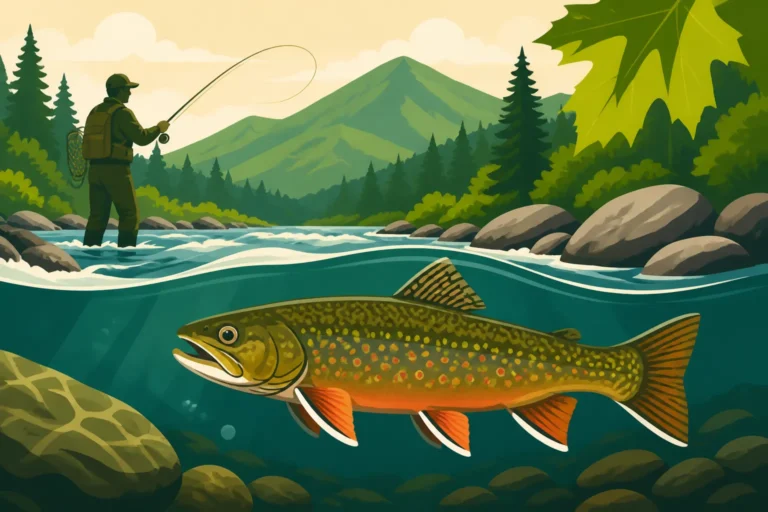
Lake trout, or "lakers" as many Vermonters affectionately call them, are cold-water fish through and through. They thrive in environments where the water stays consistently cool, which is why you'll typically find them in the deeper, colder lakes of Vermont. Knowing their preferred temperature range is like having a secret map to their hideouts, no matter the season.
The Sweet Spot for Survival and Activity
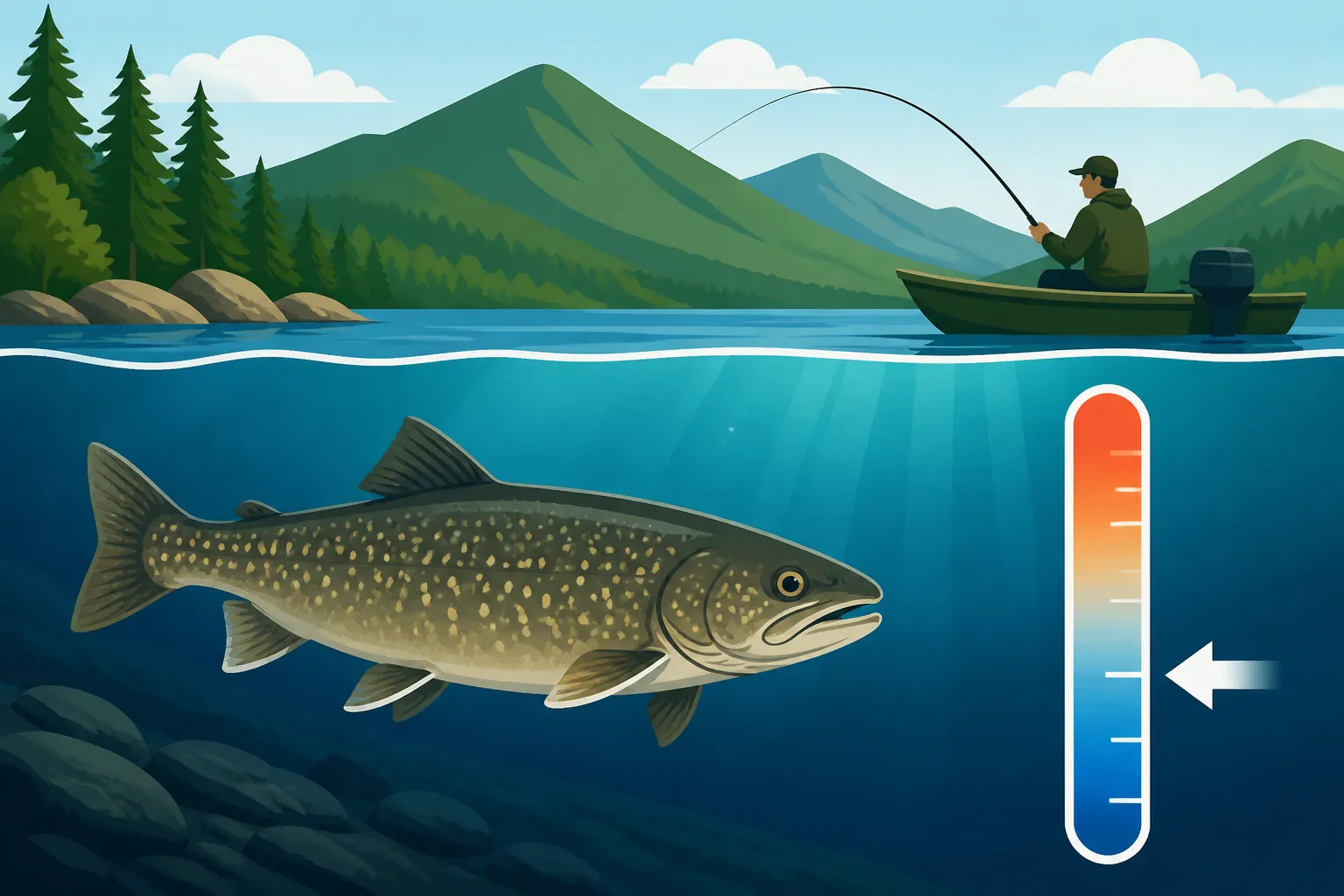
Generally speaking, lake trout prefer water temperatures ranging from about 40 to 55 degrees Fahrenheit (4 to 13 degrees Celsius). Within this range, they are most active, feeding, and growing. However, there's a particular "sweet spot" within that range where they feel most comfortable and are often most willing to strike. This optimum comfort zone is usually between 48 and 52 degrees Fahrenheit. Think of it like us choosing the perfect room temperature – not too hot, not too cold, just right for maximum energy and comfort.
When water temperatures creep above this ideal range, lake trout become stressed. They'll actively seek out deeper, cooler water, often becoming lethargic and less inclined to chase baits. Conversely, while they can tolerate colder water, their metabolism slows down, making them less active feeders. This is why targeting that specific band of water can be so incredibly productive, especially in our larger, deeper lakes like Lake Champlain or Lake Willoughby.
Tolerances and Stress Zones
While 48-52°F is their absolute preference, lake trout can tolerate a slightly wider range. They might venture into water as cold as the low 30s during winter or briefly into the high 50s during quick feeding forays in shallower areas in spring or fall. However, sustained exposure to temperatures outside their optimal window puts them under stress. For instance, if surface waters heat up significantly in summer, lake trout will retreat to the deepest parts of the lake where a thermal refuge exists.
Anglers often notice that a quick temperature change, even within their preferred range, can sometimes put fish off the bite. Stability is often as important as the exact temperature. A sudden cold snap in late spring, or a prolonged warm spell in early fall, can temporarily make lakers finicky. Understanding these tolerance levels and stress factors allows you to not only find the fish but also to anticipate their mood and adjust your presentation accordingly.
How Water Temperature Dictates Lake Trout Behavior and Location
Water temperature isn't just about comfort; it's a fundamental driver of nearly all lake trout behavior, from where they choose to hunt to their spawning rituals. Understanding this connection is paramount for any angler hoping to consistently catch these magnificent fish in Vermont.
Metabolic Rate and Feeding Activity
Like all cold-blooded creatures, a lake trout's metabolism is directly linked to the water temperature around it. In their preferred 48-52°F range, their metabolism is optimized, meaning they need to feed regularly to maintain their energy levels. This is when they are most aggressive and will readily chase down forage. As the water gets colder, their metabolism slows down, and they become less active. They'll still eat, but their movements will be slower, and they might prefer a slower, more subtle presentation.
Conversely, if the water warms up too much, their metabolism can actually become overactive, leading to stress. They'll burn energy faster than they can replenish it, which forces them to seek cooler, deeper water where they can conserve energy. This is why summer fishing for lake trout often means targeting very specific, deep thermal layers. Knowing this metabolic link helps you choose not only where to fish but also the speed and action of your lure. A fast retrieve might work wonders in their active zone, but a slow, deliberate jig or bait might be necessary in colder, or excessively warmer, stress-inducing conditions.
Migration and Habitat Selection
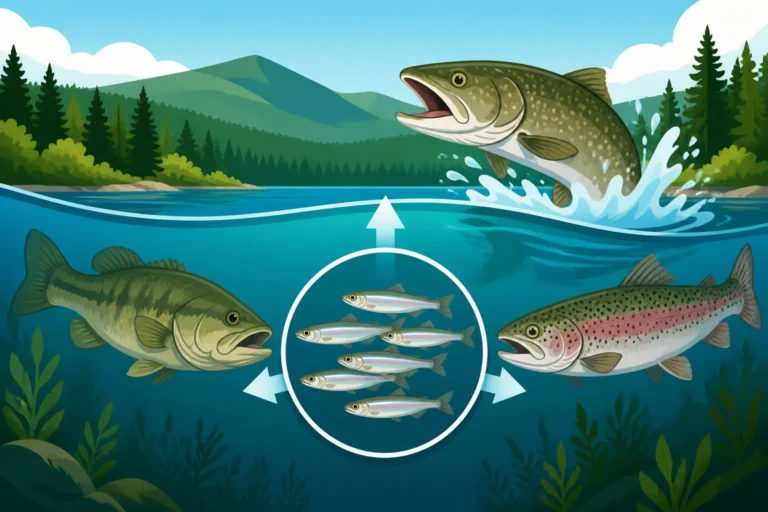
Lake trout are constantly on the move, not just randomly, but often in search of their preferred thermal environment. This means their depth and location in a lake will shift dramatically throughout the year. In early spring, after ice-out, they might be found relatively shallow, following schools of baitfish like smelt into areas that are still cool enough for them. As the sun warms the surface waters, they'll begin their descent, moving deeper and deeper into the thermocline.
The thermocline is a crucial concept here. It's the layer of water in a lake where the temperature changes most rapidly with depth. Above it, the water is warmer (the epilimnion); below it, the water is much colder (the hypolimnion). Lake trout will often position themselves right in or just below the thermocline, especially in summer. This allows them access to cooler water while still being close enough to ascend into slightly warmer water to feed if baitfish are present there. Understanding this vertical migration is key; a fish finder with temperature sensing capabilities can be an invaluable tool to locate these specific thermal layers. You can find many reliable fish finders on Amazon that can help you map out these critical temperature breaks.
Seasonal Dynamics: Following Lake Trout Through Vermont's Temperature Swings
Vermont's lakes undergo dramatic temperature changes throughout the year, from the icy grip of winter to the warm embrace of summer. Savvy lake trout anglers learn to anticipate these shifts and adjust their strategies accordingly. It's a game of hide-and-seek, and water temperature is the biggest clue.
Spring: The Post-Ice-Out Bonanza
When the ice finally melts off Vermont's deeper lakes, a window of opportunity opens for lake trout anglers. In early spring, the entire water column can be relatively cold and uniform in temperature, often within the lake trout's preferred range. This means these fish can be found in a wider variety of depths, sometimes surprisingly shallow, especially if there's a strong smelt run or other baitfish activity. You might find them cruising along rocky points or shallower humps.
As spring progresses and the sun gains strength, surface waters begin to warm. This signals the start of the lake trout's descent. They'll start to move away from the shoreline and into deeper waters, following that ideal temperature band. This is a fantastic time for trolling stickbaits or spoons at various depths until you hit that productive zone. Anglers often find success targeting structure adjacent to deep water, where lakers might stage before retreating fully to the depths. Vermont Trout Opening Day Traditions describes the excitement of early season fishing.
Summer: Deep Water Retreat
Summer is perhaps the most challenging time to find lake trout, but also one of the most rewarding if you know where to look. With surface temperatures soaring into the 70s or even 80s Fahrenheit, lake trout are forced to retreat to the deepest, coldest parts of the lake. They'll typically be found in or just below the thermocline, where the water stays consistently in their preferred 40-55°F range. This could mean depths of 50, 80, or even over 100 feet in lakes like Lake Champlain or Lake Willoughby.
During this period, targeting lake trout often involves specialized techniques like downrigging, leadcore line, or vertical jigging with heavy spoons and tubes. Your boat's sonar becomes your best friend, allowing you to identify baitfish schools and the structure they relate to in the depths. Remember, these fish are seeking thermal comfort, so focusing your efforts on areas with cool, oxygenated water is paramount. If you're wondering How deep lake trout go in summer, the answer is often "as deep as they need to for comfort."
Fall: The Migration Upwards
As autumn arrives and the air temperatures cool, the surface waters of Vermont's lakes begin to drop. This cooling trend eventually causes the lake to "turn over," a process where the warmer surface water cools, becomes denser, and sinks, while the deeper, nutrient-rich water rises. This mixing event re-oxygenates the deeper waters and can cause a temporary scattering of fish.
Once the lake settles, and the entire water column begins to cool, lake trout will once again spread out and often move shallower. They might be found actively feeding in 30-60 feet of water, chasing baitfish that are also moving up from the depths. This pre-spawn feeding frenzy can offer some of the best fishing of the year. Before the Lake Trout Spawning Season in Vermont begins, they are particularly active, gorging themselves to build up energy reserves. Trolling larger spoons and stickbaits at these mid-range depths can be incredibly effective.
Winter: Under the Ice
Vermont's long winter provides ample opportunity for ice fishing, and lake trout are a prime target for many hardwater anglers. Under the ice, the water temperature stabilizes. The coldest water (around 32°F) is at the very surface, just below the ice, while the deepest water can be slightly warmer, around 39°F (4°C), which is the temperature at which water is most dense. Lake trout will typically suspend in the mid-to-lower parts of the water column, often relating to structure like underwater humps, points, or sudden depth changes.
Their metabolism is slower in the colder water, so a slower, more deliberate presentation is usually best. Jigging spoons, swimbaits, or dead bait fished near the bottom or suspended off structure can be productive. While they aren't necessarily in their "sweet spot" temperature, the consistent cold allows them to remain active enough to feed. Ice fishing for these giants requires patience and the right gear. Check out guides like Ice Fishing in Vermont for more tips on hardwater lakers.
Here's a quick overview of how lake trout depths change with temperature:
| Season | Approximate Water Temperature Range | Typical Lake Trout Depth Range | Primary Behavioral Driver |
|---|---|---|---|
| Early Spring | 38-48°F | 10-40 feet | Following baitfish, post ice-out comfort |
| Late Spring | Surface warming, 45-55°F at depth | 30-70 feet | Thermocline forming, seeking cooler water |
| Summer | 40-55°F (at thermocline/hypolimnion) | 50-150+ feet | Thermal refuge, escaping warm surface |
| Fall | 45-55°F (post-turnover) | 20-80 feet | Pre-spawn feeding, lake turnover |
| Winter | 32-39°F | 40-100+ feet | Stable cold water, reduced metabolism |
Note: These are general ranges for typical Vermont lakes like Lake Champlain or Lake Willoughby. Smaller, shallower lakes may behave differently.
Equipping Yourself: Tools to Find the Right Temperature Zone
Knowing that lake trout prefer specific water temperatures is one thing; actually finding that elusive thermal layer is another. Fortunately, modern angling technology and a few basic tools can make this task much easier, turning guesswork into a more precise science.
Advanced Sonar and Fish Finders
Today's fish finders are incredibly sophisticated tools, far beyond just showing you the bottom. Many models feature advanced CHIRP sonar, side imaging, and down imaging, which can help you pinpoint not only fish but also subtle changes in the water column that might indicate temperature breaks or baitfish schools. Crucially, many higher-end units come with temperature probes built into the transducer, giving you real-time surface temperature readings. Some even offer more advanced temperature graphing features, showing you the thermocline as a distinct line on your screen.
When shopping for a new fish finder, especially if lake trout are a primary target, prioritize models with excellent depth penetration and temperature sensing capabilities. Brands like Humminbird, Lowrance, and Garmin offer a range of options, and you can easily compare features and reviews for various models on Amazon to find one that fits your needs and budget. A good fish finder is truly one of the Best Fish Finders for Vermont Lakes, especially when you're hunting deep-water species.
Electronic and Manual Water Thermometers
While a high-end fish finder with temperature capabilities is ideal, you don't necessarily need to break the bank to get temperature readings. Simple, weighted water thermometers can be dropped to various depths to get a profile of the water column. You can purchase these relatively inexpensive tools on Amazon, and they can be quite effective for mapping out temperature zones manually. Just drop the thermometer, let it sit for a few minutes at a given depth, reel it up quickly, and record the reading. Repeat at different depths, and you'll soon build a picture of where the cold water begins.
Electronic thermometers, often integrated into some fish finders or available as standalone units, can provide quicker, more accurate readings. Some even come with long cables designed specifically for profiling the water column. For those who enjoy a hands-on approach, a good manual thermometer is a valuable addition to any lake trout angler's tackle box.
Mapping and Contouring Software
Beyond just finding fish, understanding the underwater topography of Vermont's lakes is crucial for lake trout success. Navionics, Garmin, and other mapping companies offer detailed charts that show depth contours, underwater points, humps, and drop-offs. These features often concentrate baitfish, which in turn attract lake trout. By overlaying your understanding of water temperature with these detailed maps, you can predict where lake trout are likely to be staging.
Many modern fish finders and chartplotters allow you to create your own custom maps, marking hot spots and temperature breaks as you find them. This personal data becomes an invaluable resource for future trips. For example, if you know a certain deep hump holds fish in the 50-foot range during summer because that's where the 50-degree water sits, you can return to that spot with confidence, even if the fish aren't showing directly on your sonar. Combining all these elements—water temperature, baitfish presence, and underwater structure—is key to consistent success for Lake Champlain Lake Trout Fishing and other deep water opportunities.
Mastering the Deep: Techniques for the Preferred Zone
Once you've located that sweet spot of preferred water temperature, the next step is to present your lures effectively to entice a strike. This often means employing specific techniques designed to target fish holding at depth.
Trolling with Precision
Trolling is perhaps the most popular and effective method for covering water and finding lake trout at specific depths. To hit that precise temperature zone, you'll need gear that can get your lures down. This includes downriggers, which are essentially large reels with heavy weights that carry your fishing line (and lure) down to a predetermined depth. Many downriggers even have temperature probes built into the ball, giving you real-time temperature readings at the exact depth of your lure.
Leadcore line, another popular choice, has a weighted core that allows it to sink, with different colors indicating specific depths per yard deployed. This is excellent for trolling without the bulk of downriggers. Deep-diving crankbaits and heavy spoons are also staple trolling lures. Remember that Trolling Techniques for Vermont Lake Trout often require patience and constant monitoring of your depth and speed to stay in the zone.
Vertical Jigging for Suspended Lakers
When lake trout are suspended over deep water or hugging underwater structure, vertical jigging can be incredibly effective. Heavy metal spoons, tube jigs, and even large soft plastics rigged on jig heads can be dropped directly to the fish you see on your sonar. The key here is precision: drop your lure slightly above the fish, then jig it erratically to simulate a wounded baitfish.
This technique is especially potent when fishing through the ice, as you can drill your hole directly over known lake trout hangouts. For Best Techniques for Ice Fishing Lake Trout, a sensitive rod and reel are crucial to detect subtle bites in the cold water. Watch your sonar closely; sometimes a lake trout will rise to investigate your jig, and you'll need to adjust your presentation to provoke a strike.
Live Bait and Dead Bait Presentations
While lures are highly effective, sometimes nothing beats natural bait, especially for finicky lake trout. Live or dead smelt, minnows, or even cut bait can be presented on a simple dropper rig or fished under a float (if allowed and practical at depth). For deep water, a three-way swivel rig with a heavy sinker to get it down to the desired temperature zone is common.
Using live bait gives off natural scents and movements that can attract fish from a distance. Just be sure to check Vermont's regulations regarding the use of live bait, as rules can vary. When fishing with bait, a slow, patient approach is often best. Let the scent attract the fish, and be ready for a subtle take. This method can be particularly effective during the colder months when fish are less active and less inclined to chase fast-moving lures.
In essence, successful lake trout fishing in Vermont revolves around respecting their thermal preferences. By understanding where they want to be, equipping yourself with the right tools, and applying appropriate techniques, you can unlock the secrets to finding and catching these magnificent cold-water dwellers.
Disclaimer
This article is for general informational purposes only and does not constitute professional advice. Laws, prices and regulations vary by location and change over time. Consult a qualified professional for guidance on your specific situation.