Vermont state record smallmouth bass weight
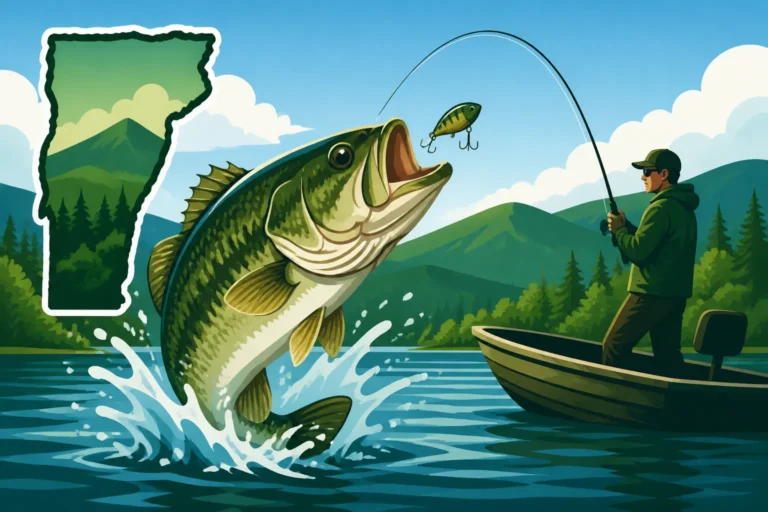
There’s something truly magical about the moment you feel that unmistakable tug on your line—the kind that makes your heart leap into your throat, and your mind immediately races with possibilities. For many Vermont anglers, the smallmouth bass is a prize, known for its fierce fight and acrobatic jumps. It's only natural to wonder about the absolute biggest smallmouth ever pulled from our waters, and perhaps, to dream of one day breaking that record yourself. This guide is dedicated to shedding light on the Vermont state record for smallmouth bass, delving into the story behind the legend, and offering insights into how you might pursue your own trophy smallmouth in the beautiful Green Mountain State.
The Vermont State Record for Smallmouth Bass: Unpacking the Legend
Every state has its fishing legends, and Vermont is no different. The state record smallmouth bass isn't just a number; it represents a monumental angling achievement, a testament to both the fish's impressive growth and the angler's skill and luck. This is the kind of fish that makes you pause, jaw agape, and wonder how something so powerful could come from our local waters.
The Official Record: Weight and Details
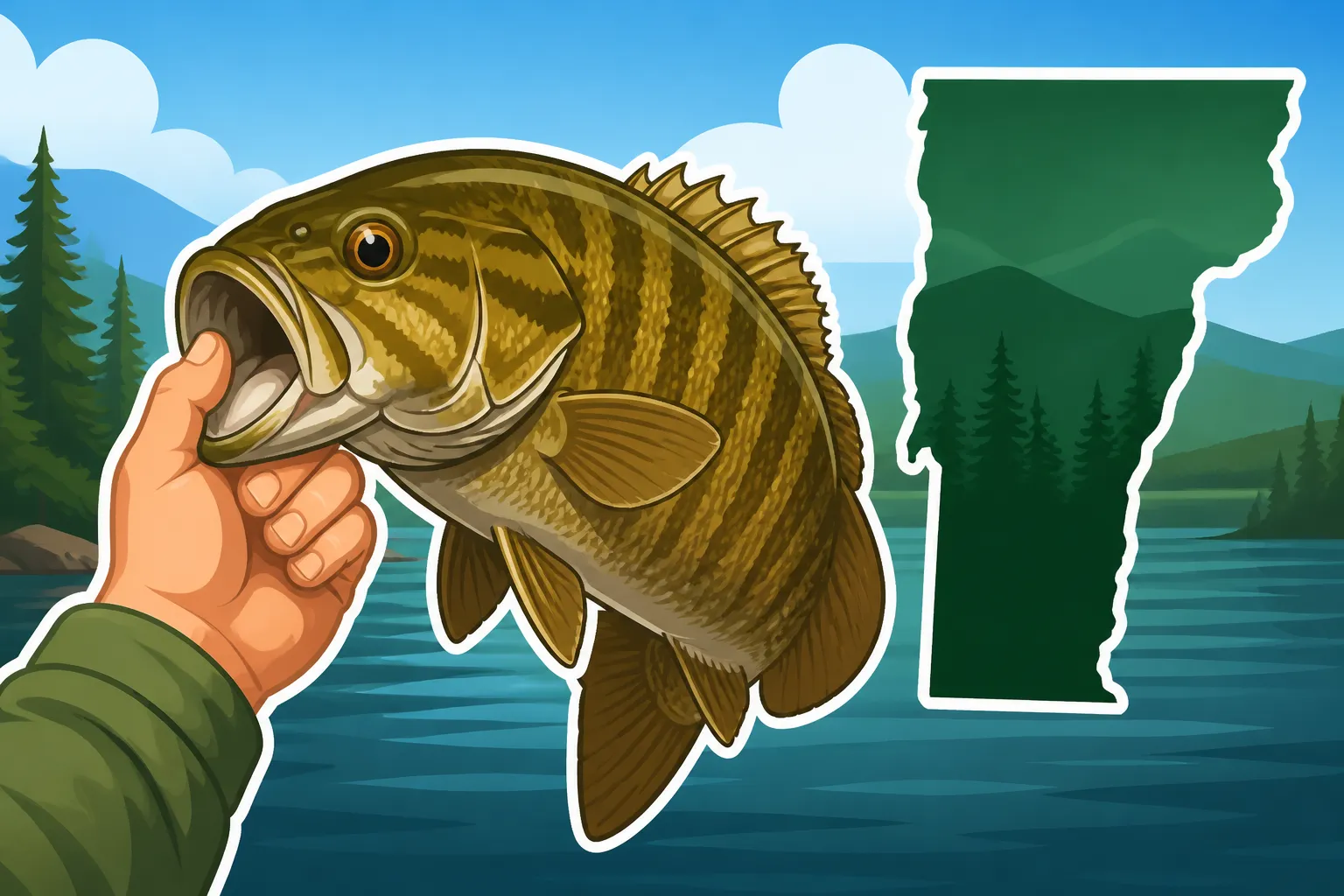
For years, the Vermont state record for smallmouth bass has been held by a truly exceptional fish. While specific dates can sometimes blur with time, the weight stands firm: 6 pounds, 8 ounces. Just imagine that! A smallmouth bass of that size is an absolute beast, possessing incredible girth and power. Most anglers are thrilled to catch a 2 or 3-pound smallmouth, so a fish more than double that weight is in a league of its own.
Think about the moment the angler, perhaps a seasoned veteran or a lucky newcomer, first laid eyes on that fish. The initial fight must have been legendary—runs, jumps, head shakes, all designed to throw the hook. Then the careful landing, the realization of its immense size, and the careful weigh-in on certified scales. It’s a moment that cements a place in angling history, a story that gets retold around campfires and bait shops for generations. This wasn't just a big fish; it was a perfect storm of genetics, environment, and skillful angling that led to a true leviathan. Such a fish underscores the incredible potential of Vermont's lakes and rivers.
Where Do Record-Breaking Smallmouth Live?
When we talk about a 6-pound, 8-ounce smallmouth bass, our minds immediately turn to where such a creature could have thrived. While the exact location of the record catch might be shrouded in a bit of mystery or kept close by the angler, general knowledge about smallmouth habitat points us in some pretty clear directions. Trophy smallmouth typically require large bodies of water with abundant forage, varied structure, and excellent water quality.
In Vermont, one name immediately jumps to mind: Lake Champlain. This massive lake, shared with New York, is renowned for its incredible smallmouth bass fishery. It boasts a diverse underwater landscape—rocky shoals, steep drop-offs, expansive flats, and plenty of baitfish like alewives and smelt to fuel rapid growth. Areas with deep, clear water and plenty of rock piles, ledges, and transition zones between different bottom types are often prime hunting grounds for big smallmouth. Anglers who spend time honing their skills on Lake Champlain Smallmouth Bass Fishing know that while a 6-pounder is rare, the potential for 4 and 5-pound fish is definitely there. But don't count out other large Vermont lakes. Places like Lake Memphremagog or even some of the deeper sections of the Connecticut River can also produce surprisingly large smallmouth, though perhaps not with the same consistency as Champlain. It's all about finding that perfect combination of depth, structure, and food that allows these fish to truly thrive.
The Elusive Nature of Trophy Smallmouth
Catching a smallmouth bass weighing over six pounds isn't just a matter of showing up and casting. These fish are incredibly elusive. Firstly, they need time to grow. A smallmouth of that size is likely many years old, having survived countless winters, evaded predators, and outsmarted countless anglers. Their growth is influenced by water temperature, food availability, and genetics. Only a small percentage of smallmouth bass will ever reach such an epic size.
Secondly, these older, larger fish are often smarter and more wary. They’ve seen it all. They're not as easily fooled by common presentations and often inhabit deeper, more complex structures where they feel safe and have easy access to ambush points. They become solitary hunters, masters of their domain. Anglers chasing these fish must be incredibly patient, observant, and willing to adapt their tactics constantly. It's a game of chess against a truly formidable opponent. Understanding the nuances of Smallmouth Bass Habits on Lake Champlain or other major bodies of water is paramount to even having a chance at these giants.
What It Takes to Catch a Trophy Smallmouth Bass in Vermont
So, you're dreaming of that personal best, maybe even a new state record? While luck plays a part, consistently catching large smallmouth bass is largely a matter of skill, knowledge, and preparation. It’s about understanding the fish, choosing the right tools, and having the mental fortitude to keep trying, even when the bites are few and far between.
Understanding Smallmouth Bass Habits
To target trophy smallmouth, you really need to get inside their heads (metaphorically speaking, of course!). These fish are creatures of habit, yet incredibly adaptable. Their movements and feeding patterns are heavily influenced by water temperature, light conditions, and the availability of their primary food sources. In spring, after the ice recedes, they'll often be found transitioning from deeper wintering grounds to shallower, warming areas to feed and eventually spawn. During this pre-spawn period, they can be incredibly aggressive. As summer progresses, they'll often retreat to deeper, cooler waters during the day, especially when the sun is high and bright, moving into shallower areas during low light conditions or cloudy days. Fall sees them packing on weight for winter, often becoming more active again as water temperatures cool.
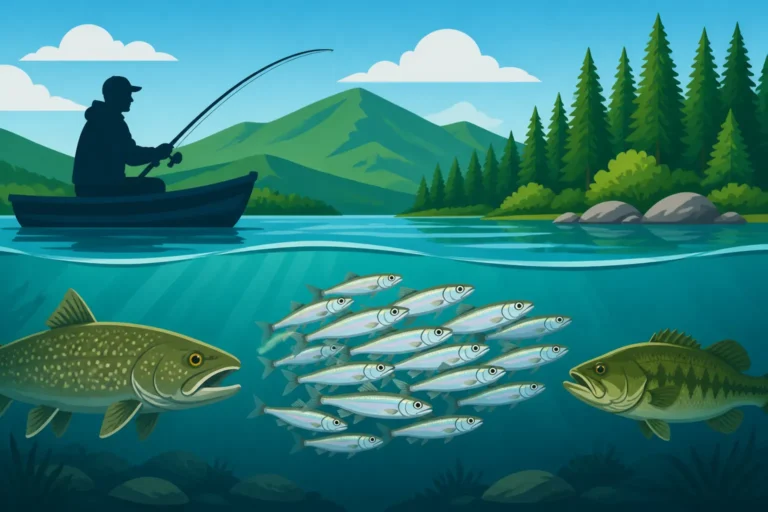
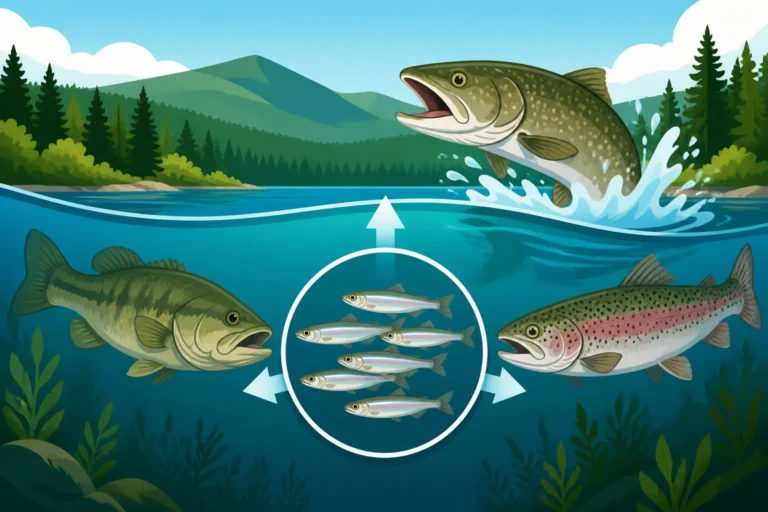
A large smallmouth needs a steady diet of high-protein forage to reach record-breaking size. This often means they’re keying in on baitfish like smelt, alewives, or shiners, as well as crayfish. Understanding where these prey species live and move is critical. For instance, if you know where baitfish schools congregate on a deep flat or along a rocky ledge, you're likely to find smallmouth nearby. Knowledge about Best water temperature for smallmouth bass fishing can also be a huge advantage, as these fish have optimal ranges where they are most active.
Essential Gear and Techniques for Big Smallmouth
You wouldn't bring a butter knife to a sword fight, and the same goes for targeting record-class smallmouth. While you don't need the absolute most expensive gear, you need reliable, stout equipment capable of handling powerful runs and headshakes.
For rods, think medium-heavy to heavy power spinning or baitcasting rods, typically 6'6" to 7'6" in length, offering the backbone needed to control a large fish and cast heavier lures. Paired with a smooth, durable reel spooled with 10-20 lb braided line (with a fluorocarbon leader for stealth), you'll have a formidable setup. When it comes to lures, big smallmouth often respond to larger presentations that mimic their primary food sources. Think deeper diving crankbaits, heavy jigs tipped with large soft plastics, tube baits, Ned rigs, or even large swimbaits. These fish are looking for a meal, not just a snack. Many anglers find high-quality gear for these specific needs on platforms like Amazon, where specialized baits and heavier tackle are readily available.
Techniques for catching big smallmouth often involve focusing on structure—rock piles, ledges, humps, and submerged timber. Deep water jigging, drop shotting, or slow-dragging Carolina rigs can be incredibly effective when fish are holding deep. During low light or active feeding periods, topwater lures can illicit explosive strikes. Remember, patience is your best friend. Make precise casts, work your lure thoroughly, and be ready for that unexpected heavy strike. Learning the various approaches covered in How to Catch Smallmouth Bass in Vermont Lakes can set you up for success.
Patience and Persistence: The Angler's Mindset
This isn't just a physical sport; it's a mental one. Chasing trophy smallmouth bass demands an incredible amount of patience and persistence. You might spend days, even weeks, on the water without even a sniff of a truly large fish. There will be frustrating days with no bites, days where you lose a good one, and days where the conditions just don't cooperate. It’s easy to get discouraged.
But the truly successful anglers are the ones who learn from every outing, regardless of the outcome. They analyze conditions, review their tactics, and adapt. They understand that every cast is a potential learning opportunity. They have the grit to wake up before dawn, brave the elements, and keep that hopeful cast going, knowing that the next bite could be the one. The journey of chasing a record-breaker is often more rewarding than the catch itself, filled with beautiful sunrises, challenging conditions, and the constant pursuit of knowledge. It's about enjoying the process, the camaraderie, and the pure joy of being out on the water in Vermont.
Beyond the Record: Vermont's Potential for Big Bass
While the state record is a thrilling benchmark, Vermont offers fantastic opportunities to catch truly impressive smallmouth bass even if they don't quite tip the scales into the record books. The health of our fisheries is paramount, and understanding both the potential and the responsibilities that come with it is crucial for every angler.
Key Vermont Waters for Large Smallmouth
Unsurprisingly, Lake Champlain remains the undisputed king when it comes to trophy smallmouth bass fishing in Vermont. Its vastness, diverse structure, and abundant forage create an ideal environment for smallmouth to grow to impressive sizes. Areas like the Inland Sea, the main lake basin, and various bays and points throughout the lake consistently produce quality fish. Many anglers consider it one of the premier Best Bass Fishing Lakes in Vermont in the entire Northeast.
However, don't overlook other significant bodies of water. Lake Memphremagog, on the northern border, is another deep, cold lake with excellent smallmouth potential, especially around its rocky ledges and points. Lake Memphremagog Smallmouth Bass Fishing offers insights into this unique fishery. Lake Bomoseen and Lake Dunmore are also known to hold solid populations of smallmouth, and while perhaps not producing as many giants as Champlain, they offer fantastic angling experiences. Even some of the larger rivers, such as the Winooski or parts of the Connecticut River, can surprise anglers with very respectable smallmouth, particularly in deeper pools and around current breaks. For those looking to explore, the Vermont Fish & Wildlife Department often provides stocking information and public access points that can reveal new hot spots.
Conservation and Sustainable Fishing Practices
With the pursuit of trophy fish comes a great responsibility for conservation. Catching a state record smallmouth is an amazing feat, but ensuring that these fisheries remain healthy for future generations is even more important. This means practicing catch and release, especially for larger, older fish that are vital to the breeding population. When you do catch a potential trophy, handle it with care. Use a net with rubberized mesh to protect its slime coat, minimize its time out of the water, and support its body horizontally when taking photos. Ensure it's fully revived before release.
Understanding and adhering to regulations, such as Vermont Bass Minimum Length Limits and Vermont Bass Catch-and-Release Season, Explained, is not just about legality; it's about protecting the resource. These rules are put in place to help manage fish populations sustainably. Many anglers are now proactively learning about proper fish handling techniques, often finding great resources and tools like specialized release tools or measuring boards on sites like Amazon, ensuring they can quickly and safely process a big fish before returning it to the water. Every angler plays a role in keeping Vermont's smallmouth bass fishing strong.
Documenting Your Potential Record
So, you've done it. You've hooked, fought, and landed what you believe might be a new state record smallmouth bass. What now? The moment of triumph can quickly turn into a frantic race against time to properly document your catch. Here's what you need to do:
- Don't delay: Fish lose weight over time, so acting quickly is crucial.
- Verify the species: Be absolutely certain it's a smallmouth bass. Knowing Largemouth Bass vs Smallmouth Bass Identification is key here, as mistakes can happen in the heat of the moment.
- Find a certified scale: You need a scale that has been certified as accurate by a legal entity, such as a grocery store, post office, or a local sporting goods store that has a certified scale.
- Get a witness: Have at least one, preferably two, impartial witnesses to confirm the weighing process.
- Take clear photos: Document the fish from multiple angles, especially with the scale showing the weight, and a ruler or measuring tape to show its length.
- Contact the Vermont Fish & Wildlife Department: They are the official arbiters of state records. They will have specific forms and procedures you'll need to follow, which often include requiring the fish to be examined by a biologist to confirm species and potentially age.
It's a process that ensures the integrity of the record book. The thrill of landing a huge smallmouth is immense, and properly documenting it means your accomplishment can be officially recognized and inspire other anglers for years to come. For those interested in the bigger picture of angling achievements, checking out Vermont State Fish Records by Species can provide a comprehensive look at the various trophy fish caught in Vermont.
| Metric | Average Vermont Smallmouth Bass (Adult) | Vermont State Record Smallmouth Bass |
|---|---|---|
| Weight | 1-3 pounds | 6 pounds, 8 ounces |
| Length | 12-18 inches | Likely 20+ inches |
| Typical Age | 3-7 years | Likely 10+ years |
| Rarity | Common | Extremely Rare |
| Angler Effort | Moderate | Very High |
| Key Habitat | Diverse structures, good forage | Abundant deep forage, complex cover |
Disclaimer
This article is for general informational purposes only and does not constitute professional advice. Laws, prices and regulations vary by location and change over time. Consult a qualified professional for guidance on your specific situation.