Bluegill Habits in Vermont Ponds
Ah, bluegill! These little sunfish are often an angler's first introduction to the joys of fishing, especially here in Vermont. But if you've ever spent a frustrating afternoon on a local pond, wondering why those seemingly abundant bluegill aren't biting, you know there's more to it than just tossing a worm in the water. This guide is here to unravel the mysteries of bluegill habits in Vermont ponds, helping you understand their seasonal movements, feeding patterns, and preferred hangouts so you can consistently find and catch these feisty, fun fish.
Understanding the Vermont Bluegill: More Than Just a Little Fish
Bluegill might be small, but they're incredibly fascinating, and understanding their basic biology and behavior is the first step to becoming a more successful angler. They're a staple in many Vermont ponds and lakes, providing endless entertainment and often a delicious meal.
Identification and Average Size in Vermont Ponds
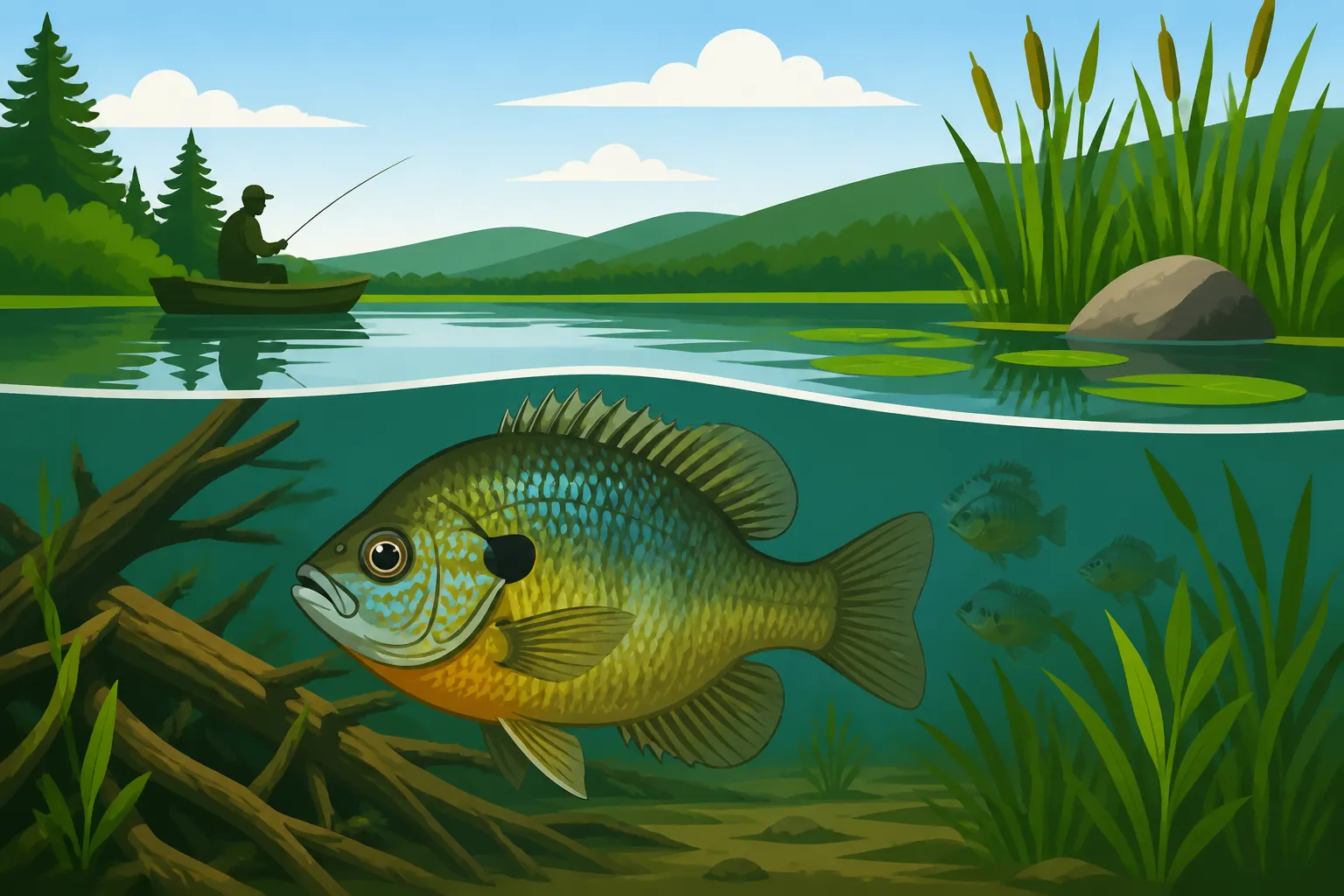
When you pull a bluegill from a Vermont pond, you'll immediately notice its distinctive features. They typically have a deep, slab-sided body, often adorned with olive-green to bluish-purple sides that transition to a yellow or orange belly, especially in males during spawning season. A key identifier is the dark blue-black "ear flap" on the gill cover, usually without any red or orange spot. You'll also see several dark vertical bars running down their sides, though these can fade or intensify depending on water clarity and the fish's mood.
While bluegill in Vermont don't typically grow to monstrous sizes, a "dinner plate" bluegill of 8 to 10 inches is a fantastic catch, offering a surprising fight for its stature. Most commonly, you'll encounter them in the 5-7 inch range. Their growth rate is heavily influenced by the pond's ecosystem, including food availability and population density. In crowded ponds with limited forage, you might find a plethora of smaller bluegill, sometimes called "stunted" populations, which is actually a sign of an unbalanced environment rather than individual fish issues.
Key Habitats: Where Bluegill Thrive in Vermont's Waters
Bluegill are creatures of comfort and structure. They gravitate towards areas that offer both food and protection from predators like bass, pike, and even ospreys. In Vermont's diverse ponds and smaller lakes, these prime habitats can include a variety of features. Look for dense beds of aquatic vegetation – lily pads, submerged grasses, cattails along the edges – as these provide excellent cover and are teeming with insects, their primary food source. Think of these weed lines as bluegill neighborhoods, offering shelter and dining options all in one spot.
Beyond vegetation, any kind of submerged structure is a magnet for bluegill. This includes fallen trees, brush piles, rock formations, old docks, boat lifts, and even man-made fish attractors. These features offer shade, ambush points for feeding, and a sense of security. The calmer, warmer waters of coves and protected bays, especially those with muddy or soft bottoms, are often prime real estate. They prefer these areas over wide-open, exposed expanses. Understanding this preference for structure is key to locating them, whether you're bank fishing or out in a small boat or kayak. Many of these areas are perfect for Kayak Fishing Techniques for Vermont Lakes.
What's on the Menu? The Bluegill Diet Through the Seasons
Bluegill are opportunistic feeders, and their diet changes subtly with the seasons and what's available in their specific pond. Generally, they are insectivores, meaning bugs make up the bulk of their meals. This includes aquatic insects like mayfly nymphs, caddisfly larvae, dragonfly nymphs, and various small crustaceans. They'll also readily slurp up terrestrial insects that fall into the water, such as ants, grasshoppers, and beetles. If you've ever seen a bluegill rise to a dry fly, you know how keen they are on surface insects!
As they grow, especially the larger "bull" bluegill, their diet can expand to include small minnows, tiny baitfish, and even the eggs of other fish species. This is why you'll sometimes catch a good-sized bluegill on a lure intended for bass. In winter, under the ice, their metabolism slows down, but they'll still feed on zooplankton, insect larvae, and very small minnows, often congregating in deeper, slightly warmer pockets where these food sources might be more concentrated. Understanding their diet helps you choose the most effective baits and lures, mimicking what they naturally consume.
Seasonal Secrets: When and Where Vermont Bluegill Gather
The behavior of bluegill in Vermont ponds isn't static; it shifts dramatically with the changing seasons. What works in spring might be entirely ineffective in the dog days of summer. Knowing these patterns will significantly improve your chances of success.
Spring Awakening: Post-Spawn Feasts and Shallow Water Action
Once the ice melts away from Vermont's ponds and the water temperatures begin to climb into the 50s and low 60s Fahrenheit, bluegill become incredibly active. This is often heralded by the Vermont Trout Opening Day Traditions in some waters, but bluegill have their own schedule. Early spring sees them recovering from the lean winter months and then preparing for their annual spawning ritual. They'll start to move from deeper wintering holes into shallower, sun-warmed areas, especially those with dark bottoms that absorb heat. These shallow zones are also where insect activity picks up first.
After the spawn, which we'll delve into shortly, bluegill enter a post-spawn recovery and feeding frenzy. They're hungry and actively looking for food to regain energy. You'll find them cruising the edges of weed beds, around submerged timber, and near any structure in water anywhere from 2 to 8 feet deep. They're often schooling up in these areas, making it possible to catch a good number once you locate them. Focus on warm, protected coves and sun-drenched flats. This is a fantastic time for bank anglers, as bluegill are often accessible from shore.
Summer's Heat: Deeper Retreats and Evening Bites
When Vermont summers hit their stride and water temperatures soar, bluegill habits change. While you can still find smaller, more aggressive bluegill in the shallows early and late in the day, the larger, more cautious fish tend to retreat. During the brightest, hottest parts of the day, they'll seek refuge in deeper, cooler water. This could mean suspending over submerged weed beds in 10-15 feet of water, hunkering down near the thermocline if the pond stratifies, or burying themselves deep within the densest cover.
Their activity often picks up significantly during the early morning hours, late evenings, and even into the night in some cases, especially for larger fish. During these times, they might move back into slightly shallower feeding flats. Fishing the edges of weed lines or deep structure with small jigs or worms can be very effective. Look for drop-offs, underwater humps, and the shady side of docks or overhanging trees. This period requires a bit more patience and adaptability, moving around to find those cooler, more comfortable zones where they are willing to feed.
Autumn Aggression: Packing on Pounds Before Winter
As the crisp air of autumn descends upon Vermont, and water temperatures begin to drop again, bluegill enter another prime feeding period. They sense the impending winter and instinctively start to pack on calories. Much like Best Techniques for Fall Walleye in larger lakes, bluegill become more aggressive in their feeding. They'll often move back into shallower areas that still hold warmth, often congregating in predictable patterns.
You'll find them around the remaining green weed beds, which are often the last to die off, as well as along rocky points and submerged humps. They're actively chasing down insects, small minnows, and anything else they can get their mouths around. This is a fantastic time for shore anglers and those using small boats or kayaks to target them, as they are often concentrated and very willing to bite. The bite can last well into late fall, right up until ice forms, offering some of the best fishing of the year.
Under the Ice: Schooling for Success in Winter
When Vermont's ponds freeze over, the bluegill don't disappear; they just change their address and demeanor. Ice Fishing in Vermont is a popular pastime, and bluegill are a prime target. Under the ice, their metabolism slows significantly, and they become less active, but they still need to feed to survive. They typically congregate in large schools, often suspending in deeper water pockets or holding tight to structure like sunken logs, rock piles, or the deep edges of weed beds that are still producing oxygen.
Locating these schools is the biggest challenge, but once you find them, the action can be fast and furious. They tend to prefer depths of 10-25 feet, but this can vary greatly depending on the specific pond. Pay close attention to your electronics if you have them, looking for concentrations of fish. Small jigs tipped with a grub or a wax worm are deadly effective. While the fight isn't as explosive as in open water, the sheer numbers you can catch make winter bluegill fishing a true delight. Many anglers swear by Jigging for Perch Through the Ice, and similar techniques work wonders for bluegill.
The Annual Cycle: Bluegill Spawning in Vermont
The bluegill's spawning ritual is a fascinating aspect of their life cycle and understanding it can significantly impact your angling success and your approach to conservation. It's a critical time for their populations, dictating the next generation of fish in our Vermont waters.
Nest Building: Finding the Beds in Shallow Water
Bluegill typically begin to spawn in late spring or early summer in Vermont, once water temperatures consistently reach the high 60s to low 70s Fahrenheit. This usually occurs from late May through July, depending on the specific pond and weather patterns. The males are the architects, fanning out circular nests in shallow, soft-bottomed areas, often in colonies. You might see several nests, each about a foot or two in diameter, clustered together in a "bluegill village." These beds are usually in 1-4 feet of water, often near protective cover like weed lines, docks, or overhanging trees.
The males vigorously guard these nests, fanning them clean of silt and aggressively chasing away intruders. Females will visit multiple nests to deposit eggs, and then the male fertilizes and continues to guard them until the fry hatch. This makes them incredibly visible and vulnerable. Spotting these dinner-plate sized depressions in the sandy or gravelly bottoms of shallow coves or flats is a clear sign you've found a bluegill hotspot. When the males are on their nests, they are highly territorial and will strike almost anything that enters their perceived zone, making them relatively easy to catch.
Angling Responsibly During the Spawn
While bluegill can be easy to catch during the spawn due to their protective instincts, responsible angling practices are crucial. Harvesting too many males from their nests can severely impact the reproductive success of the population, potentially leading to fewer and smaller bluegill in future years. Think about it: if all the nest-guarding males are removed, the eggs become easy prey for other fish or predators, and fewer young bluegill will survive.
Many anglers practice catch and release during this period, or limit their harvest to just a few for a meal. If you do keep fish, consider targeting larger males that might already have successfully spawned, or smaller, more numerous fish that don't play as critical a role in guarding the eggs. Being mindful of the bluegill's vulnerability during this vital time ensures that these fun fish continue to thrive in Vermont's ponds for generations to come. It’s part of a broader commitment to sustainable angling practices for bluegill.
Gearing Up and Getting Them on the Hook in Vermont Ponds
Getting set up for bluegill fishing doesn't require a huge investment, which is part of their charm. With just a few key pieces of gear and the right bait or lure, you'll be well on your way to a fun day on the water.
The Right Tools: Rods, Reels, and Line for Panfish
For bluegill, the phrase "less is more" often applies to your gear. You don't need heavy rods or large reels; in fact, lighter tackle makes the fight much more enjoyable. An ultralight spinning rod is the perfect choice, typically in the 4.5 to 6-foot range, paired with a small spinning reel. This setup allows for precise casts of lightweight baits and lures and makes even a 6-inch bluegill feel like a trophy. You can often find great deals on these smaller setups on platforms like Amazon, making it easy to get started without breaking the bank.
Spool your reel with light monofilament line, usually 2 to 4-pound test. Anything heavier will reduce casting distance for small baits and be more visible to these often-wary fish in clear Vermont waters. A small bobber (a slip bobber is fantastic for controlling depth) and a few split shot weights to get your bait down complete the basic setup. This simple approach is not only effective but also incredibly fun, allowing you to feel every head shake and dash. For more detailed advice, check out Best Ultralight Rod for Panfish.
Best Baits and Lures for Hungry Bluegill
Bluegill aren't typically picky eaters, which is another reason they're such a great target for beginners and experienced anglers alike. When it comes to natural baits, you can't go wrong with small pieces of worm (nightcrawlers or red wigglers), mealworms, or wax worms. These are readily available at bait shops, easy to handle, and consistently effective. Crickets are also a bluegill favorite, especially during summer months when they're plentiful. For artificials, tiny jigs are the name of the game. Micro-jigs, often 1/64 to 1/16 ounce, in colors like black, white, chartreuse, or pink, are incredibly productive. Tip these jigs with a small plastic grub, a Gulp! maggot, or even a tiny piece of real worm for added attraction. Stocking up on a variety of small jigs and soft plastics is a smart move, and sites like Amazon offer a huge selection.
Small spinners, like a tiny Rooster Tail or Mepps Aglia, in sizes 0 or 1, can also be very effective, especially when bluegill are actively chasing. Fly fishing for bluegill with small poppers, sponge spiders, or tiny nymphs can also be incredibly rewarding. The key is to keep everything small – bluegill have surprisingly small mouths, so a small hook (size 8 to 12) is crucial for good hookups. Experiment with colors and retrieves until you find what they're hitting on that particular day.
Strategic Scouting: Locating Bluegill Hotspots
The biggest challenge in bluegill fishing isn't usually getting them to bite, but finding where they're concentrated. This is where strategic scouting and "reading the water" come into play. Start by observing the pond from the shore. Look for visible signs of structure: lily pads, docks, fallen trees, brush piles, or even subtle changes in water color that might indicate a weed bed. If you have a small boat or kayak, this opens up more possibilities for exploring coves and deeper submerged features.
Use your polarized sunglasses to peer into the shallows, looking for those distinct bluegill beds during the spawn or schools of fish finning around structure. If you're using a fish finder (even a basic portable one), look for arches or blobs near the bottom or suspended over structure, especially in deeper water. Don't be afraid to move around. If you're not getting bites within 15-20 minutes, try a new spot. Bluegill often concentrate in specific areas, so finding one can lead to finding many. Pay attention to wind direction; sometimes bluegill will stack up on the downwind side of a point or cove where food is blown in. A good Fish Finder for Deep Lake Fishing can make a huge difference, even in smaller ponds.
Here's a quick comparison of common bluegill baits and lures:
| Bait/Lure Type | Best Season | Key Advantages | Tips for Use |
|---|---|---|---|
| Live Worms | All Seasons | Natural scent, universally appealing, easy to find | Use small pieces, fish under a bobber or on a small jig. |
| Wax Worms/Grubs | Winter (Ice Fishing) | Excellent for cold water, small, easy to hook | Tip tiny jigs, slow presentation, great for picky eaters. |
| Crickets | Summer, Early Fall | Great surface action, natural, irresistible to bluegill | Fish unweighted or with a small bobber, especially near cover. |
| Micro Jigs | All Seasons | Versatile, mimics insects, various colors, active presentation | Tip with plastics/bait, twitch slowly, jig vertically or retrieve steadily. |
| Small Spinners | Spring, Summer, Fall | Flash and vibration attract aggressive fish | Cast and retrieve steadily, vary speed, effective for active schools. |
| Poppers/Flies | Summer (Surface Bite) | Exciting topwater action, specific insect imitation | "Pop" and pause, target calm water, great for fly fishing enthusiasts. |
Protecting Our Panfish: Responsible Bluegill Angling in Vermont
Bluegill are more than just a fun catch; they play a crucial role in the delicate ecosystem of Vermont's ponds. Responsible angling practices ensure that these populations remain healthy and continue to provide enjoyment for future generations.
Bluegill's Vital Role in the Pond Ecosystem
As a primary forage fish, bluegill are a vital link in the food chain of many Vermont ponds. They consume vast quantities of insects, aquatic invertebrates, and zooplankton, helping to keep these populations in check and converting them into protein that larger predatory fish, like largemouth and smallmouth bass, northern pike, and even occasional lake trout or landlocked salmon (in larger bodies of water) depend on. Without healthy bluegill populations, these larger game fish would struggle to find enough food, impacting their growth and overall health.
Think of them as the unsung heroes of the pond, managing the insect populations and serving as the foundational food source for many of the more sought-after species. When bluegill populations become unbalanced, either too scarce or too abundant and stunted, it can signal deeper ecological issues within the pond. Therefore, respecting bluegill isn't just about ensuring good fishing for them; it's about maintaining the health of the entire aquatic community.
Catch and Release, or the Dinner Plate? Making Responsible Choices
One of the great debates among anglers for panfish like bluegill is whether to catch and release or to keep them for a meal. The good news is that bluegill populations are generally robust and can handle a reasonable amount of harvest, especially in ponds where they might be overpopulated and stunted. Keeping a meal of appropriately sized bluegill (6-8 inches are often considered ideal for eating) can actually be beneficial in some overcrowded ponds, helping to thin the population and allow the remaining fish to grow larger.
However, indiscriminate harvest, especially of large, spawning males, can have negative impacts. As discussed earlier, these larger males are crucial for successful reproduction. If you're catching a lot of bluegill and want to keep some, consider the "slot limit" mentality – keeping the mid-sized fish for dinner and releasing the very small ones (which haven't had a chance to grow) and the very largest ones (which are the prime breeders). This balanced approach helps ensure a sustainable fishery. Always be aware of any specific regulations for the pond you're fishing, including daily bag and possession limits, which you can find in the official Vermont Fishing Regulations Explained guide. Whether you choose to release or keep, handle the fish carefully, and always dispatch any kept fish humanely.
Disclaimer
This article is for general informational purposes only and does not constitute professional advice. Laws, prices and regulations vary by location and change over time. Consult a qualified professional for guidance on your specific situation.