Chain Pickerel Habits in Vermont Ponds
For many anglers in Vermont, there's a certain fish that often gets overlooked, sometimes even dismissed, despite its aggressive strikes and surprisingly feisty fight: the chain pickerel. These toothy critters can be a real challenge to land, known for their razor-sharp teeth and a knack for finding every piece of submerged cover. This guide aims to pull back the curtain on these fascinating freshwater predators, exploring their unique habits, preferred hangouts in Vermont's waters, and the best ways to outsmart them, ensuring you're ready for your next pickerel encounter, whether you're targeting them specifically or just happen upon one.
Understanding the Elusive Chain Pickerel in Vermont
The chain pickerel (Esox niger) is a true native of many of Vermont's lakes, ponds, and slower rivers. While it might not have the same "glamour" as a trophy trout or a monster smallmouth bass, the pickerel holds a special place in the hearts of anglers who appreciate a good fight and a readily available quarry, especially when other species might be less active. They are often the unsung heroes of a slow day on the water, providing consistent action and a thrilling strike.
Identifying a Chain Pickerel: More Than Just a Toothpaste Smile
When you hook into something that feels like a log coming alive, followed by a head shake that could snap your line, you might have a chain pickerel on your hands. But how do you tell them apart from their larger cousins, the northern pike or muskellunge? It's all in the details, and once you know what to look for, they're quite distinctive.
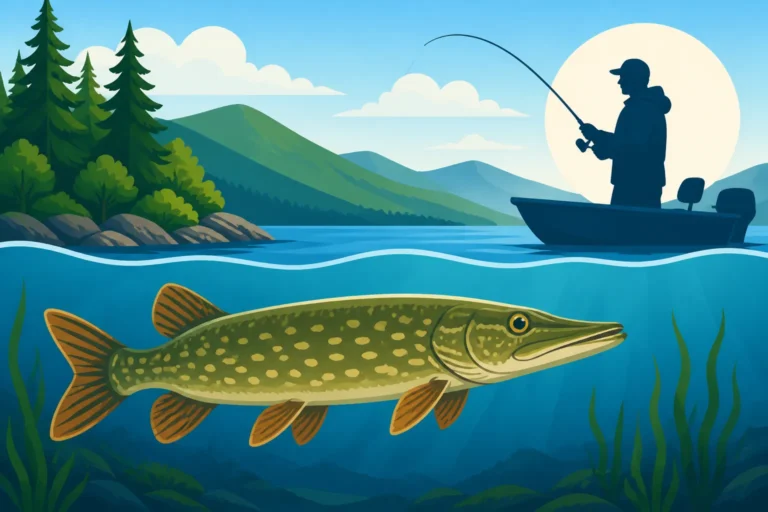
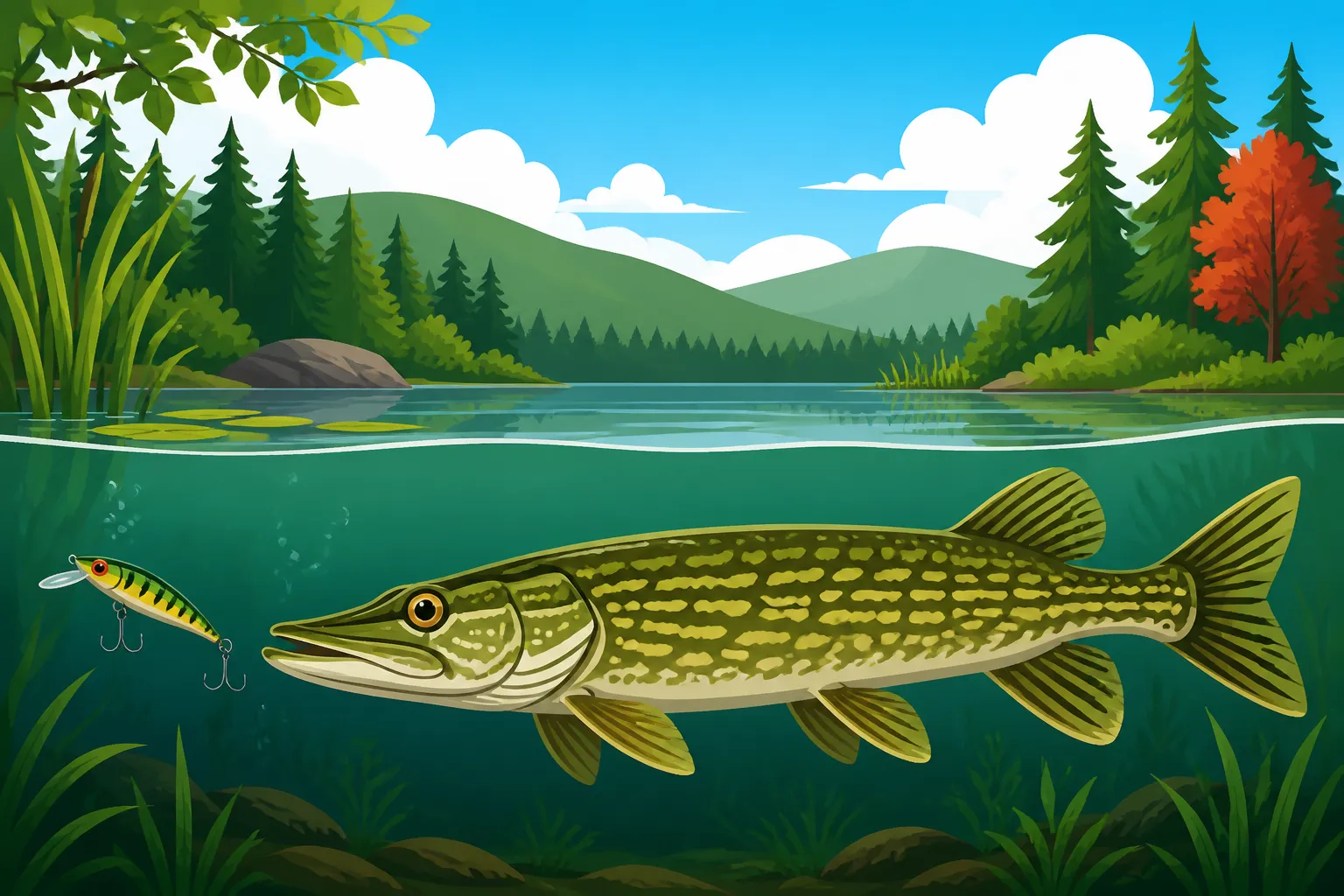
Chain pickerel get their name from the intricate, chain-like pattern of dark markings on their greenish-gold bodies. This isn't just a random smattering of spots; it truly looks like interwoven links, particularly along their flanks. Their entire cheek and gill cover are fully scaled, a key differentiator from northern pike, which have scales only on the upper half of their gill covers, and muskellunge, which typically have no scales on the lower half of either. They also possess a prominent dark bar or "teardrop" mark extending vertically downward from their eye, which is another telltale sign. Their long, duck-bill shaped snout is packed with rows of very sharp, needle-like teeth, perfectly adapted for grabbing and holding onto their prey. These teeth are no joke, and a pair of long-nosed pliers is an absolute must for safe unhooking.
Where Chain Pickerel Thrive: Ideal Vermont Habitats
Chain pickerel are masters of camouflage and ambush, and their preferred habitats in Vermont reflect this perfectly. They aren't generally found in fast-moving, crystal-clear mountain streams (that's trout territory!), but rather in waters that offer plenty of cover and still conditions. Think of them as the lurking shadows of the shallow end.
Their absolute favorite haunts are shallow, weedy ponds, coves, and the backwaters of larger lakes and slow-moving rivers. They love dense aquatic vegetation like lily pads, submerged grass beds, cattails, and brush piles. These areas provide perfect cover for them to lie in wait, blending seamlessly with their surroundings before ambushing unsuspecting prey. Look for them in depths ranging from just a few feet down to about 10-15 feet, especially where there's a distinct transition from open water to heavy cover. They also frequent beaver ponds, marshy areas, and oxbow lakes that are abundant in Vermont's landscape. If you're looking for specific spots, exploring some of the Best Fishing Lakes in Vermont or even some of the Best Fishing Rivers in Vermont can lead you to prime pickerel territory, particularly their calmer, weedy sections.
Behavior and Feeding Habits: What Makes Pickerel Tick
Understanding how chain pickerel behave is the first step to successfully catching them. They are creatures of habit, driven by instinct and a relentless predatory nature. Their feeding strategies are fascinating, and once you recognize their patterns, you'll start to see why they are such effective hunters.
Ambush Predators: The Patience Game
Chain pickerel are the epitome of ambush predators. Unlike some fish that actively chase down their prey over long distances, pickerel prefer to find a strategic hiding spot and wait. They will often position themselves at the edge of a weed line, near a submerged log, or tucked away under lily pads, patiently observing their surroundings. Their cryptic coloration allows them to disappear into the background, making them almost invisible to both prey and unwitting anglers.
When an unsuspecting baitfish, frog, or even a smaller panfish swims within striking distance, the pickerel explodes from its cover with incredible speed. It's a sudden, violent burst of energy, often covering short distances with remarkable acceleration. They typically grab their prey sideways, using those sharp teeth to hold on, and then, with a quick shake or turn, they reorient the meal to swallow it headfirst. This explosive strike is one of the most exciting parts of pickerel fishing, often sending a jolt up your arm.
What's on the Menu? Pickerel Diet
Given their ambush tactics, it's no surprise that chain pickerel are opportunistic eaters. They're not particularly picky, as long as it's alive and can fit in their mouth. Their diet primarily consists of smaller fish, including minnows, shiners, perch, sunfish, and even smaller members of their own species – yes, pickerel can be cannibalistic! This can be a clue to what you might find when using the Vermont Fish Stocking Search Tool, Explained if you are looking for forage fish.
Beyond fish, they'll readily consume frogs, salamanders, crayfish, and large aquatic insects. In some of the marshier Vermont ponds, they've even been known to strike at mice or small birds that accidentally fall into the water. This wide-ranging diet means that a variety of lures and baits can be effective. If you're wondering What chain pickerel eat in Vermont ponds, just remember they're looking for an easy, high-protein meal that wanders too close to their leafy lair. Their aggressive nature and broad palate make them a fun target for anglers of all skill levels.
Seasonal Movements and Activity Patterns
Just like most fish, chain pickerel adjust their behavior and location based on the changing seasons and water temperatures in Vermont. While they are known for being active year-round, understanding these seasonal shifts can significantly improve your chances of finding and catching them.
Spring Awakening: Post-Spawn Hunger
As Vermont's ice melts and the sun begins to warm the shallow waters, chain pickerel become incredibly active. Spring is a prime time for pickerel fishing. They typically spawn in early spring, often in shallow, heavily vegetated areas of ponds and slow-moving streams. After the rigors of spawning, they enter a period of intense feeding to recover their energy reserves.
During this time, you'll find them cruising the shallow weed flats and the edges of newly growing aquatic vegetation. The water is still relatively cool, and pickerel, being cold-blooded, appreciate the warmer temperatures found in these sun-drenched areas. They are usually aggressive and less wary, making them easier targets. Focus on bays and coves that receive a lot of sunlight, as these spots will warm up fastest and draw in both the pickerel and their prey. This period often coincides with the Vermont Trout Opening Day Traditions, so you might find yourself sharing the water, but targeting different species.
Summer Stagnation and Deep Water Retreats
Summer in Vermont brings warmer water temperatures, which can present a bit of a challenge for pickerel anglers. While pickerel are tolerant of warmer water than trout, they can become less active in the heat of midday, especially in shallow, stagnant ponds. They might seek refuge in slightly deeper water (10-15 feet) where the temperatures are more stable, or they'll burrow deeper into the densest weed beds and under heavy cover to find cooler, shadier spots.
Don't despair, though! Pickerel are still catchable in summer. The key is to fish during the cooler parts of the day – early morning and late evening – or to target areas with moving water or springs that offer a slight temperature drop. Look for shaded banks, deep pockets within weed beds, or where an inlet stream brings in cooler water. Their ambush tactics remain the same, but they might be less willing to chase a lure far from their hiding spot. You'll need to be precise with your casts, dropping your offerings right into their living room.
Fall Feast: Preparing for Winter
As autumn descends upon Vermont, bringing crisp air and falling leaves, the chain pickerel kick into high gear once again. This is another fantastic time to target them. The water temperatures begin to cool down, invigorating the pickerel and triggering a strong feeding response as they prepare for the lean months of winter.
They become incredibly active, aggressively chasing down baitfish that are also schooling up for the colder weather. You'll find them still around weed lines, but they might also move to rocky points, submerged humps, and drop-offs where baitfish are congregating. They are often more willing to pursue a lure or bait in open water during the fall, making it a great time for casting and trolling. The fall can offer some of the most consistent and exciting pickerel action of the year, a true "last hurrah" before the hardwater season begins.
Winter Persistence: Ice Fishing Opportunities
One of the most appealing aspects of chain pickerel in Vermont is their willingness to bite through the ice. While many fish species become lethargic and difficult to catch in winter, pickerel remain relatively active, making them a popular target for ice anglers. They are a staple of the Vermont Ice Fishing Season Dates and provide welcome action on a cold day.
Through the ice, pickerel can be found in similar locations as open water – shallow, weedy bays, around drop-offs, and near submerged structure. They'll often cruise these areas, actively searching for food. Tip-ups are a favored method, allowing anglers to cover a wider area with live bait. Jigging with small spoons or flashy jigs can also be very effective, especially when tipped with a minnow head or a small piece of bait. Ice fishing for pickerel is a true testament to their year-round tenacity and a great way to enjoy Vermont's outdoors even when the mercury drops. Make sure you have your Best Ice Fishing Gear for Vermont ready!
Unique Challenges and Rewards of Catching Pickerel
Fishing for chain pickerel isn't always glamorous, but it is almost always exciting. They offer a unique blend of challenges and rewards that keep anglers coming back for more, even if sometimes it means sacrificing a lure or two.
The Battle: Landing a Tooth-Filled Fighter
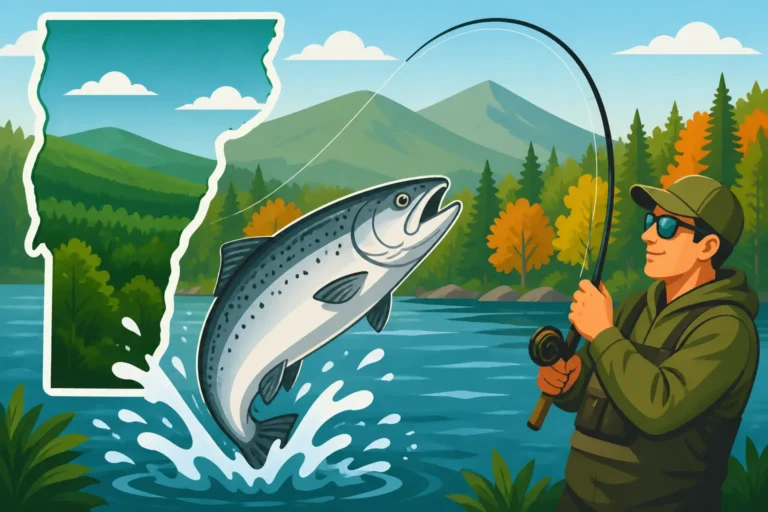
The first challenge with chain pickerel is the strike itself. They hit hard and fast, often leading to heart-stopping surprises. Once hooked, they put up a spirited fight, characterized by aggressive head shakes, sudden dives into cover, and sometimes even impressive leaps out of the water. They are excellent at using their body to dislodge hooks, and their sharp teeth are a constant threat to your line.
This leads to the second major challenge: landing and unhooking them safely. Those needle-sharp teeth can easily slice through mono or fluorocarbon line, leading to frustrating break-offs. Using a wire or heavy fluorocarbon leader is highly recommended to prevent bite-offs. Once in hand (or in your net), handling a pickerel requires extreme caution. Never put your fingers near their mouth! Long-nosed pliers or a jaw spreader are essential tools for safely removing hooks. Their slim, muscular bodies can be surprisingly slippery, so a good grip is important, or better yet, keep them in the water as much as possible for unhooking. This is where tools you can find easily on Amazon, like a good pair of long-handled pliers or a robust jaw spreader, really come in handy.
Managing the Population: Catch and Release vs. Harvest
Chain pickerel play an important ecological role as predators in Vermont's aquatic ecosystems, helping to control populations of smaller fish. For many anglers, pickerel are primarily a sport fish, and most are caught and released. If you practice catch and release, minimizing handling time and using appropriate tools (like those long pliers) are crucial for the fish's survival. Consider using single, barbless hooks to make unhooking even easier.
However, chain pickerel are also excellent eating! Their firm, white, flaky meat has a mild flavor, though they do have numerous small "Y" bones which can be a deterrent for some. With a bit of practice, you can learn to fillet around these bones, or simply cook them whole and pick the meat off. Harvesting pickerel, especially from waters where they are abundant, can actually benefit the ecosystem by reducing competition for forage fish and allowing other species to thrive. Always check the current Vermont Bag and Possession Limits by Species before deciding to keep any fish. Understanding these nuances makes you a more responsible angler and contributes to healthy fisheries.
Effective Fishing Techniques for Vermont Chain Pickerel
Ready to tackle these toothy torpedoes? Having the right techniques and gear makes all the difference. Chain pickerel aren't often shy, but a thoughtful approach will yield more consistent results. This isn't just about chucking a line out; it's about understanding their habits and presenting an irresistible offer.
Lures and Baits That Entice
Pickerel are aggressive and react well to flashy, erratic presentations that mimic their natural prey. When it comes to lures, a variety of options can be highly effective. Spinnerbaits are a perennial favorite, with their flashing blades and pulsating skirts, they create a lot of vibration and visual appeal. Bright colors like chartreuse, white, or firetiger are often excellent choices. Spoons, especially those with a wobbling action, are also killer, mimicking an injured baitfish. Silver, gold, or brass spoons, or those with red and white patterns, often draw strikes. Jerkbaits, retrieved with a stop-and-go action, can trigger aggressive strikes, especially in cooler water. Soft plastic swimbaits, rigged weedless, are great for probing heavy cover without snagging.
For live bait, shiners and minnows are absolute gold. Whether fished under a bobber, on a slip sinker rig, or even slow-trolled, a lively minnow is hard for a pickerel to resist. Frogs, whether live or artificial, are also fantastic choices, particularly in lily pad fields. Remember, pickerel are ambush predators, so your presentation often needs to spend some time in their strike zone. You can find a vast array of these effective lures and baits on Amazon, giving you plenty of options to stock your tackle box for your next Vermont pickerel adventure. This often overlaps with Best bait for chain pickerel in weed beds for focused tactics.
Targeting Structure and Cover
As we've discussed, chain pickerel are masters of concealment. This means successful pickerel fishing hinges on your ability to accurately target areas with heavy cover and structure. Don't just cast into open water; look for the "fishy" spots.
Focus your efforts around distinct weed lines, whether it's a dense bed of milfoil, coontail, or lily pads. Cast your lure parallel to the edge of the weeds or into pockets and openings within them. Submerged timber, fallen trees, and brush piles are also prime ambush points. Pickerel will often sit right on the edge of these structures, ready to dart out. Don't forget about docks, bridge pilings, and any other man-made cover, especially if they offer shade or a current break. When fishing these areas, make sure your retrieve is slow enough to give the pickerel time to react to your lure exploding from the cover, but fast enough to maintain the lure's action and draw attention. Utilizing a kayak can also give you access to some of these hard-to-reach, weedy areas, making it a great tool for targeting these fish, as discussed in Best Kayaks for Vermont Fishing. Sometimes the most overlooked spots are the most productive!
Pickerel fishing can be a blast, offering consistent action and a great way to hone your angling skills in Vermont's diverse waters. From their unique chain-like patterns to their ferocious strikes, these fish are truly a distinctive part of the state's fishing landscape. So next time you're planning a trip to a quiet Vermont pond, don't forget to pack some gear specifically for these toothy critters. You might just find a new favorite species to chase!
Disclaimer
This article is for general informational purposes only and does not constitute professional advice. Laws, prices and regulations vary by location and change over time. Consult a qualified professional for guidance on your specific situation.