Are There Blue Catfish in Vermont?
As a seasoned angler and lifestyle blogger here in Vermont, I often hear folks, especially those new to the area or visiting from out of state, ask about some of the more exotic fish species they might be used to catching elsewhere. One question that pops up surprisingly often is whether Vermont is home to the mighty blue catfish. It's a natural query, given their popularity, but the reality of Vermont's cold, clean waters paints a different picture, and we're going to clear up any confusion right now.
The Lowdown: Blue Catfish in Vermont Waters
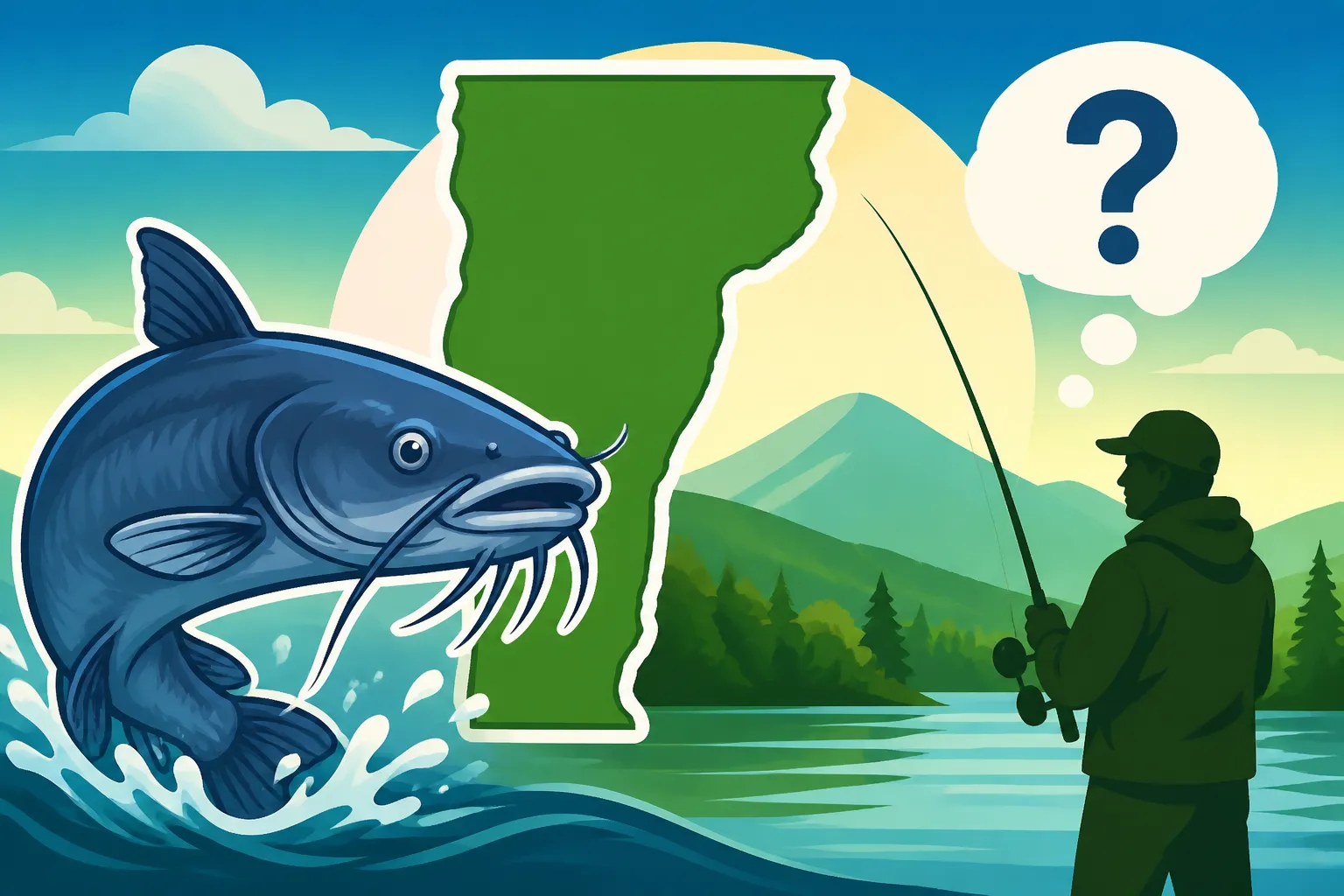
Let's get straight to the point: no, you will not find blue catfish swimming in Vermont's lakes and rivers. It's a common misconception, especially since the word "catfish" can conjure images of those massive, whiskered behemoths that lurk in the deep, warm waters of the southern United States. Blue catfish (scientific name Ictalurus furcatus) are impressive fish, known for their size and fighting power, but they are simply not part of Vermont's native or introduced fish populations.
These incredible fish thrive in large, warm-water rivers and reservoirs, particularly in the Mississippi River basin and its tributaries, extending into the Gulf Coast states. They prefer deep channels with moderate to swift currents and a diet heavy on other fish, mussels, and crustaceans. Vermont's aquatic ecosystems, with their predominantly cooler temperatures, rocky substrates, and often faster-flowing, oxygen-rich rivers, just aren't suited to the specific needs of blue catfish. While some well-meaning individuals might consider introducing non-native species, the Vermont Fish and Wildlife Department has strict regulations against such practices to protect our delicate native ecosystems. So, if you've got your heart set on catching a trophy blue cat, you'll need to plan a fishing trip a bit further south!
Native Catfish Species You'll Actually Find in Vermont
Even though blue catfish aren't on the menu, Vermont certainly has its share of interesting whiskered residents. When people in Vermont talk about "catfish," they are almost invariably referring to the brown bullhead. These feisty, bottom-dwelling fish are widely distributed throughout the state and provide a fantastic fishing experience, especially for families and beginner anglers.
Brown Bullheads: The True Vermont Catfish
Brown bullheads are a true staple of Vermont's warm-water fisheries. They aren't the monsters that blue catfish can be, typically ranging from 8 to 15 inches long and weighing a pound or two, but they make up for it with their abundance and willingness to bite. You'll find them in ponds, slow-moving rivers, and the shallower, warmer bays of larger lakes, often in areas with muddy or silty bottoms and plenty of submerged vegetation or cover. They're opportunistic eaters, scavenging for insects, worms, small fish, and plant matter.
Fishing for brown bullheads is a quintessential Vermont experience. It's often done with a simple bobber and hook, baited with worms, corn, or even pieces of hot dog. Many an evening has been spent around a campfire, catching bullheads as the sun sets. They might not be glamorous, but they offer consistent action and are quite tasty if prepared properly. Plus, they're part of what makes Vermont fishing so accessible and enjoyable for everyone. If you're looking for a relaxing day on the water with a good chance of a tug on your line, targeting brown bullheads is a solid bet. They're often overlooked in favor of trout or bass, but they offer a unique and satisfying angling challenge.
Other Bottom Dwellers and What They Mean for Anglers
While brown bullheads are the most common catfish relative, Vermont's waters are home to other interesting bottom-dwelling species that sometimes get mistaken for catfish or simply offer a similar angling experience for those who enjoy targeting fish from the lake or riverbed.
One notable species that shares some habitat preferences with bullheads, though it's not a catfish, is the Common Carp in Vermont Waters. While often viewed as a nuisance fish in some areas, carp can grow to impressive sizes in Vermont and offer a surprisingly powerful fight. They're incredibly wary and require a different set of tactics, often involving dough balls, corn, or specialized carp baits fished on the bottom. Another species, often lumped into the "panfish" category, are various types of sunfish and perch. While smaller, they are also bottom feeders and readily take small worms or jigs, providing constant action for kids and adults alike. For more on these smaller, but no less fun, targets, check out Panfish Fishing in Vermont. You might even find some useful gear ideas on Amazon for targeting these species, from simple bobber rigs to specialized carp setups.
Why Vermont's Waters Aren't Prime Blue Catfish Habitat
The absence of blue catfish in Vermont isn't just a matter of them not being introduced; it's fundamentally about the environment. Vermont's unique geography and climate create conditions that are simply unsuitable for a species like the blue catfish, which has very specific requirements for survival and reproduction.
Temperature and Water Characteristics
Blue catfish are warm-water fish. They thrive in water temperatures typically warmer than what most of Vermont's lakes and rivers offer for extended periods. Our state is renowned for its cold, clear, and highly oxygenated waters, especially in its mountain streams and deeper glacial lakes. While summer can bring warmer temperatures to shallow ponds and bays, the overall character of Vermont's aquatic systems is geared towards cold-water and cool-water species like trout, salmon, and smallmouth bass. You can learn more about the seasonal changes in our waters by exploring Vermont Fishing Seasons by Month.
Furthermore, blue catfish are often found in large, slow-moving river systems with extensive floodplains and a lot of organic matter, contributing to a rich, silty bottom. Many of Vermont's rivers, while beautiful and productive, are smaller, faster-flowing, and have more rocky or gravelly beds. Even our largest lake, Lake Champlain, despite its size, has a different ecological profile than the vast river systems where blue catfish dominate. The lake's cooler overall temperatures and its unique food web don't provide the ideal conditions for a thriving blue catfish population.
Lack of Stocking Efforts and Invasive Species Concerns
The Vermont Fish and Wildlife Department is very proactive in managing the state's fisheries, focusing on maintaining healthy populations of native species and carefully managing introduced species like brown trout and rainbow trout. There has never been an official program to stock blue catfish in Vermont, nor is there likely to be one. The potential ecological risks of introducing a non-native, large, predatory fish are simply too great.
Introducing a species that isn't native to an ecosystem can have devastating consequences. Non-native species can outcompete native fish for food and habitat, introduce diseases, and disrupt the delicate balance of the food web. The department is very vigilant about preventing the spread of invasive species, whether they are fish, plants, or invertebrates. Anglers themselves play a crucial role in this by cleaning their boats and gear thoroughly and never transferring live fish or bait between different bodies of water. Understanding Vermont's approach to aquatic life is key, and you can delve deeper into the overall framework by reading Vermont Fishing Regulations Explained. This commitment to conservation ensures that Vermont's unique and cherished fishing opportunities remain vibrant for generations to come.
What to Fish for if You Love Bottom Dwellers in Vermont
If you're drawn to the idea of fishing for large, powerful fish that live near the bottom, even without blue catfish, Vermont still offers some fantastic opportunities. There are several species that fit the bill and provide thrilling battles.
Target Large Walleye and Lake Trout
When it comes to large, deep-dwelling predators, walleye and lake trout are two species that offer incredible action and a challenge for anglers in Vermont. Walleye, particularly in Lake Champlain, can grow to impressive sizes and are often found near the bottom, especially during the day or in deeper parts of the lake. They're cunning, require specific techniques like jigging or trolling, and are highly prized for their delicious fillets. If you're keen on chasing these "eyes," exploring Walleye Fishing on Lake Champlain would be a great next step. Many successful walleye anglers rely on good fish finders to locate structure and schools of baitfish, which you can often find a wide selection of on Amazon to suit any budget.
Lake trout are another magnificent species found in Vermont's deepest, coldest lakes, like Lake Champlain and Lake Willoughby. These fish are true cold-water inhabitants and can reach substantial sizes, offering a powerful, sustained fight. They primarily feed on baitfish like rainbow smelt and generally hug the bottom in deeper waters, especially during the warmer months. Trolling with downriggers or deep jigging are common techniques. Targeting these species requires specialized gear and patience, but the reward of landing a trophy lake trout is unparalleled. Find out more about them in Lake Trout Fishing in Vermont.
Embrace Panfish and Brown Bullheads
For a more relaxed, yet still incredibly rewarding, bottom-fishing experience, don't overlook the abundance of panfish and brown bullheads. These fish are accessible to everyone, can be caught from shore or boat, and provide constant action, which is perfect for keeping kids engaged or just enjoying a peaceful day by the water.
Panfish species like yellow perch, black crappie, bluegill, and various sunfish are plentiful in most Vermont lakes and ponds. They often school near submerged structures, weed beds, or drop-offs, and readily take small worms, maggots, or tiny jigs. Fishing for them can be as simple as a cane pole and a bobber, or as sophisticated as ultralight spinning gear. For many, these are the fish that sparked a lifelong love affair with angling. You can often find a good selection of Best Tackle for Panfish on Amazon, from small hooks and bobbers to ultralight spinning combos. The joy of a panfish flurry, with constant bites and the vibrant colors of a freshly caught bluegill, is truly something special in Vermont.
| Catfish Species | Presence in Vermont | Typical Size Range (VT) | Preferred Habitat (VT) | Fishing Methods |
|---|---|---|---|---|
| Blue Catfish | Not Present | N/A | N/A | N/A |
| Brown Bullhead | Abundant | 8-15 inches | Warm, shallow, muddy/silty bottoms with vegetation | Bottom fishing with worms, corn; bobber fishing |
In conclusion, while blue catfish might not call the Green Mountain State home, Vermont offers a rich and diverse fishing landscape with plenty of exciting species to target, whether you're after a powerful lake trout from the depths or a stringer full of feisty brown bullheads. Our waters might be cooler, but the fishing action is always hot!
Disclaimer
This article is for general informational purposes only and does not constitute professional advice. Laws, prices and regulations vary by location and change over time. Consult a qualified professional for guidance on your specific situation.