Best kayak fishing technique for lake smallmouth
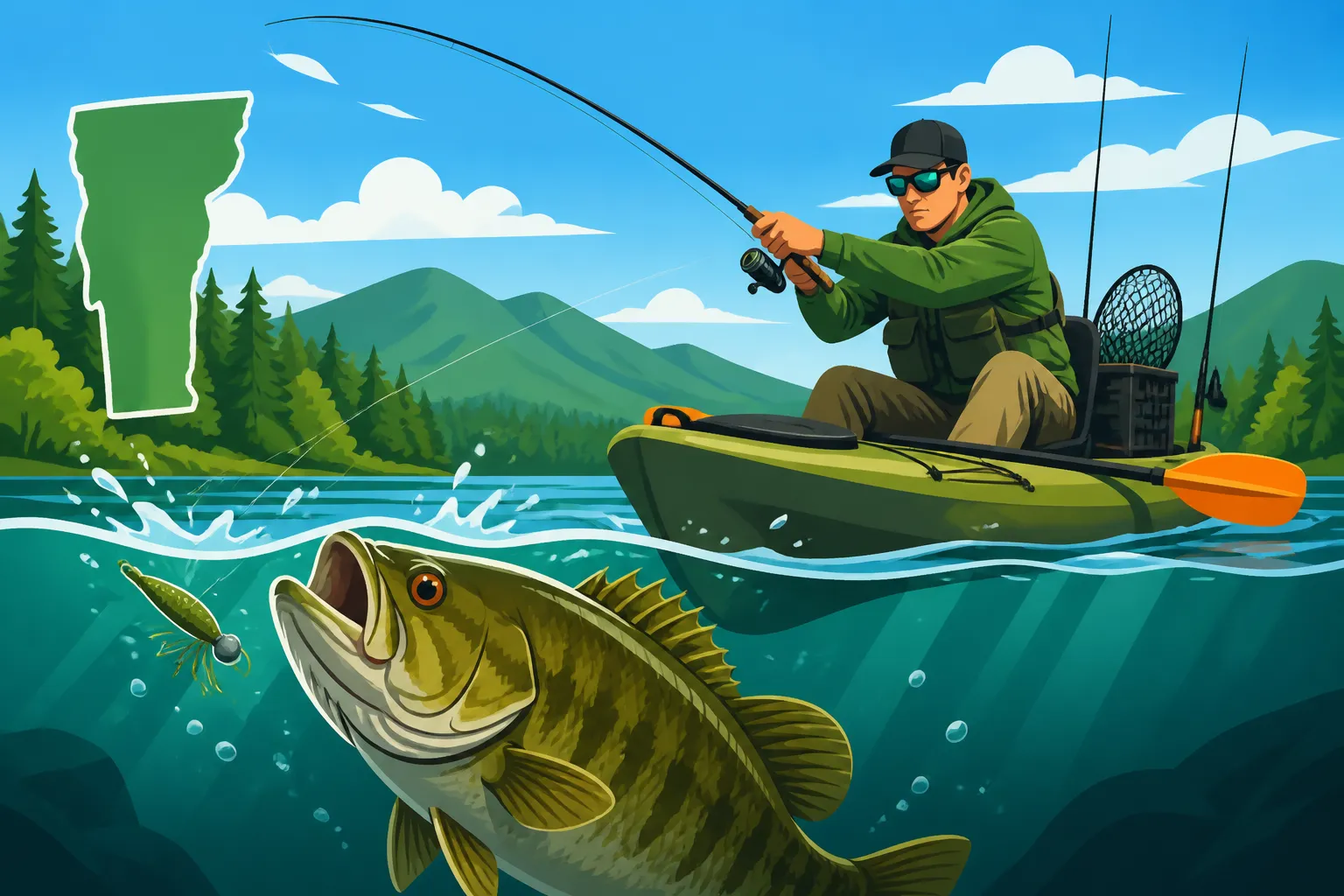
Many kayak anglers feel a bit intimidated when they first try to target smallmouth bass on Vermont’s larger lakes, imagining that the bigger boats have an insurmountable advantage. It’s a common frustration, feeling like you can’t cover enough water or get to the prime spots. But let me tell you, your kayak is a stealthy, precise tool that, with the right techniques, can absolutely outfish a lot of those big rigs for feisty bronzebacks. This guide is all about equipping you with the best kayak fishing techniques for lake smallmouth, helping you consistently hook into those hard-fighting fish across Vermont's beautiful waters.
Understanding Vermont Lake Smallmouth Bass Habits from a Kayak
Smallmouth bass are incredible fighters, but they're also quite particular about where they hang out and what they're willing to bite. From the vantage point of a kayak, understanding their habits becomes even more crucial because you might not have the same speed or storage capacity as a big bass boat. Your kayak's strengths are its stealth and precision, so knowing where smallmouth are and why they're there is your biggest advantage. It allows you to become a true predator, silently slipping into their domains.
Seasonal Movements and Prime Locations
Vermont's lakes offer a fascinating array of environments for smallmouth, from the vast, rocky shores of Lake Champlain to smaller, crystal-clear inland ponds. Their movements are largely dictated by water temperature and spawning cycles, and as a kayak angler, you're perfectly positioned to intercept them during these transitions. You can easily access spots that larger boats can't, giving you a distinct edge.
In spring, right after the ice melts, smallmouth will often be shallow, actively searching for warmer water. Think about sun-drenched rocky points, gravelly flats, and the mouths of inflowing streams or rivers. They're still a bit sluggish from winter but are starting to feed up to prepare for spawning. As the water warms towards the 50-60 degree Fahrenheit range, they'll move onto spawning beds. From your kayak, these visible, shallow areas become prime targets. Focus on clear, calm days when you can actually see the beds or male bass guarding them. This post-spawn period sees them disperse a bit, but they usually stay relatively shallow near structure as they recover from the rigors of spawning. Many anglers like to look for these early spring fish in places like the southern reaches of Lake Champlain, where water temperatures often rise faster than in the main lake. For specific regulations, understanding the broader Vermont bass season opening date for 2026 can be very helpful in planning your spring outings.
Come summer, smallmouth often transition to deeper, cooler water, especially during the oppressive heat of midday. They'll relate strongly to offshore structure like humps, rock piles, ledges, and deep points. Early mornings and late evenings, however, can see them push back up into shallower water to feed, chasing schools of baitfish. This is where your kayak's stealth truly shines; you can approach these shallow feeding zones without spooking them, often paddling right over fish that would scatter from a noisy outboard. The main challenge from a kayak is covering enough water efficiently to find these scattered deeper fish. However, for those looking for the best summer smallmouth spots on Lake Champlain, focusing on specific drop-offs and islands can be incredibly productive, often requiring a bit more strategic paddling or the use of a quiet trolling motor for coverage.
Fall is arguably one of the most fantastic times for kayak smallmouth fishing in Vermont. As water temperatures begin to drop from their summer highs, smallmouth will start to feed aggressively, putting on weight for the upcoming winter. They often return to shallower, rocky areas, points, and humps where baitfish congregate, creating intense feeding opportunities. This can be a period of intense feeding frenzies, and your kayak can quietly slip into areas where bigger boats might struggle to maneuver or create too much disturbance. They might hold a bit deeper than in spring but are still very accessible from a kayak along transitional zones and rock shelves.
Reading the Water: Structure and Cover from a Kayak
From a kayak, reading the water is paramount. You're low to the water, giving you a unique perspective, but also limiting your horizon. Smallmouth bass are almost always associated with some form of structure or cover. Understanding what to look for will save you countless hours of blind casting and greatly increase your efficiency.
Structure refers to changes in the lake bottom's topography—like rocky points, submerged humps, ledges, drop-offs, and old roadbeds. Smallmouth absolutely love rocks; they offer perfect ambush points, shelter from current or bright sun, and serve as excellent homes for crawfish and other baitfish. A good fish finder on your kayak, even a portable one, can be invaluable for identifying these subtle depth changes and rock formations that are otherwise invisible from the surface. Pay close attention to points that extend far out into deeper water, as these act as highways for bass moving between shallow and deep feeding grounds. The sharper the drop-off, or the more pronounced a change in bottom composition, the more likely smallmouth will hold along that edge, waiting for an easy meal.
Cover is anything that provides shelter or concealment on the structure—like large boulders, fallen logs, sparse weed beds, docks, or even submerged timber. While largemouth bass are often found in thick, matted weed beds, smallmouth typically prefer hard bottom and rock, using sparse weed lines or isolated clumps of vegetation more as ambush points rather than dense habitat. They'll often lurk just outside the main weed line, darting in to attack baitfish that stray too close. Docks, especially those extending into deeper water, can also be excellent cover, providing shade and overhead protection for cruising bass, particularly during the middle of the day. When fishing docks or laydowns from a kayak, precision casting is absolutely key. You can often get into tighter spaces than a traditional boat, allowing you to present your lure exactly where the fish are hiding, right up against the pilings or submerged branches.
Essential Kayak Fishing Gear for Lake Smallmouth in Vermont
Kayaking for smallmouth bass in Vermont isn't just about the technique; it's about having the right tools for the job. Your gear setup can significantly enhance your comfort, efficiency, and success rate, especially when you’re out on the water for extended periods in places like Lake Champlain. A good setup balances portability with functionality, specifically tailored for the agile and often minimalist nature of kayak fishing. You want reliable gear that performs when it counts, without being cumbersome in your limited space.
Rods, Reels, and Line Selection
Choosing the right rod, reel, and line setup is critical for effectively presenting lures and handling feisty smallmouth from the confines of a kayak. You're in close quarters, so your setup needs to be responsive and capable of absorbing the powerful runs and head shakes of these fish without overwhelming your small craft.
For rods, many kayak anglers prefer medium-light to medium power spinning rods, typically in the 6'6" to 7'6" range. The medium-light action is fantastic for finesse techniques like drop-shotting or Ned rigs, offering exceptional sensitivity to detect even the most subtle bites. A medium-power rod provides more backbone for handling larger fish, casting heavier lures like crankbaits, or fishing in windier conditions where a heavier lure helps cut through the gusts. A great versatile option for general smallmouth fishing would be a 7-foot medium-fast action rod, as it offers a superb blend of casting distance, hook-setting power, and sensitivity. You might even find some excellent options for the best rod length for Champlain smallmouth bass on popular retail platforms like Amazon, offering a wide array of brands and specifications suitable for this specific application. Remember, sturdy rod holders on your kayak are also essential for hands-free paddling and safely storing your rods while you're moving between spots.
When it comes to reels, a 2500 or 3000 series spinning reel is typically ideal for smallmouth bass from a kayak. These sizes strike a perfect balance between line capacity, smooth operation, and a comfortable weight for all-day casting and retrieving. Smooth drag is absolutely non-negotiable; smallmouth are known for their strong, sudden initial runs, and a sticky or inconsistent drag can lead to snapped lines and lost fish. Ensure your reel is well-maintained and provides consistent performance under pressure.
For line, a braided mainline with a fluorocarbon leader is a popular and highly effective choice. Braided line, in the 10-15 lb test range, offers incredible sensitivity, excellent casting distance, and virtually no stretch for solid hooksets, even at a distance. The fluorocarbon leader (typically 6-10 lb test, depending on water clarity and cover) is practically invisible underwater, which is crucial for wary smallmouth in Vermont's often clear lakes, and also provides good abrasion resistance against rocky bottoms. The leader length can vary, but generally, 3-6 feet is a good starting point. If you're looking for the best fluorocarbon leader for clear lake bass, you can explore various highly-rated brands available on Amazon, which often come with customer reviews that can help guide your choice.
Lure Selection: What Smallmouth Crave
Smallmouth bass are opportunistic predators, but they do have distinct preferences, and from a kayak, you can often present these lures with unmatched stealth and precision. Having a diverse selection of lures is key to adapting to different conditions, depths, and the ever-changing moods of the fish. You'll want a mix of finesse and aggressive options to cover all your bases.
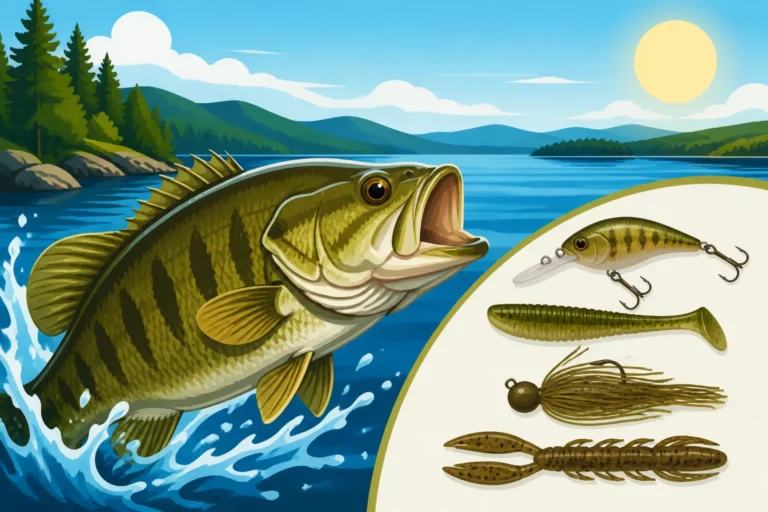
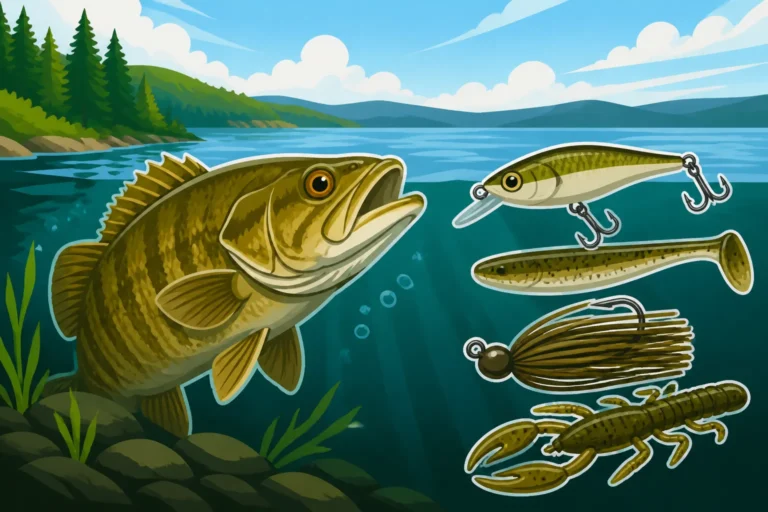
For finesse fishing, which is often highly effective for smallmouth, soft plastics reign supreme. Drop-shot rigs with small worms, minnow imitations, or creature baits are incredibly deadly, especially when fish are deep, lethargic, or heavily pressured. Ned rigs, with their mushroom-shaped heads and short, buoyant worms, are another fantastic finesse option, excelling in rocky areas and drawing bites from finicky bass. Tube jigs, a classic smallmouth killer, effectively imitate crawfish or gobies and can be fished by dragging, hopping, or jigging. Having a variety of natural colors, especially green pumpkin, brown, and watermelon, will cover most situations. You might be surprised at the selection of the best tube jig color for smallmouth bass available for quick delivery from Amazon, ready for your next outing.
When smallmouth are aggressive and actively feeding, moving baits truly come into their own. These are your search baits, designed to cover water and elicit reaction strikes.
- Crankbaits: Shallow-diving crankbaits work well on flats and points, while deeper-diving models can reach offshore humps and ledges. Colors mimicking local baitfish (perch, smelt) or crawfish are often highly productive. For those active feeders, figuring out the best crankbait retrieve for Champlain smallmouth can lead to explosive strikes. Vary your retrieve speed and incorporate pauses to find what triggers a bite.
- Jerkbaits: These are fantastic in cooler water (spring and fall) or when fish are suspended in the water column. Their erratic, darting action perfectly mimics an injured baitfish, often triggering violent reaction strikes from otherwise hesitant bass. Cast your jerkbait, reel it down, then impart a series of sharp jerks with your rod tip, followed by pauses. The length of the pause is crucial – sometimes a short twitch-twitch-pause works, other times a long, suspended pause (up to 10-15 seconds) is what triggers the bite. Knowing how to fish a jerkbait for early spring bass is a game-changer when smallmouth are still a bit sluggish but willing to hit a hard bait.
- Topwater Lures: Nothing beats the sheer excitement of a smallmouth blowing up on a topwater lure. Poppers, walk-the-dog baits (like a Zara Spook), and prop baits are all excellent choices, especially during low light conditions (dawn, dusk) or on overcast days when fish are shallow and looking up. The best topwater lure for dawn smallmouth fishing often depends on local forage, but a classic popper worked with a "pop-pop-pause" retrieve is always a good bet.
- Spinnerbaits and Chatterbaits: These can be highly effective for covering water quickly and drawing strikes in areas with scattered cover or when conditions are windy or cloudy. The vibration and flash are often irresistible to an active smallmouth, helping them find your lure in less-than-ideal visibility.
Always carry a small, waterproof tackle box or bag specifically designed for kayak fishing, ensuring it's well-organized and allows easy access to your most-used lures.
Top Kayak Fishing Techniques for Vermont Lake Smallmouth
Now that you've got your gear sorted and a basic understanding of smallmouth habits, let's dive into the actual fishing techniques that will make you a more successful kayak angler on Vermont's lakes. The beauty of kayak fishing is the ability to be stealthy and precise, allowing you to present lures in ways that larger boats sometimes can't, often getting into shallower, tighter spots or approaching fish without spooking them.
Finesse Presentations: Drop-Shotting and Ned Rigs
When conditions are tough – clear water, high sun, post-front weather, or heavily pressured fish – finesse techniques are your secret weapon. These methods focus on subtle movements and natural presentations, often drawing bites when more aggressive tactics fail. They demand patience but offer incredible rewards.
Drop-Shotting is arguably one of the most effective finesse techniques for smallmouth bass, especially when fishing deep structure or suspended fish. From a kayak, it allows you to precisely target specific depth zones with minimal effort from your paddle. The setup involves a hook tied directly to your main line (often with a Palomar knot), with a weight attached to the tag end, typically 6-18 inches below the hook. This keeps your bait suspended horizontally at a specific depth, just above the bottom, mimicking a baitfish or insect struggling near the lakebed. To fish it from your kayak, cast to your target structure (like a deep hump, rock pile, or submerged ledge) and let the weight sink to the bottom. Once it's down, subtly shake your rod tip, imparting action to the bait while the weight stays on the bottom. This minimal movement is often enough to entice a wary smallmouth. You can also slowly drag the rig along the bottom, feeling for any changes in contour. The beauty of the drop-shot is that you're always in contact with the bottom, but your bait isn't dragging in the muck, making it visible and enticing. It's especially potent when you've used your fish finder to mark fish holding tight to a specific depth contour.
The Ned Rig is another absolute smallmouth assassin, particularly deadly in rocky environments, which Vermont lakes are full of. This technique involves a short, buoyant soft plastic worm or stickbait (often 2-3 inches long) rigged on a mushroom-shaped jig head. The flat head allows the bait to stand straight up on the bottom, mimicking a small foraging creature like a crawfish, or a dying baitfish, making it irresistible to hungry bass. From your kayak, cast the Ned rig to rocky points, ledges, or flats. Let it sink, then impart very subtle movements by dragging it slowly along the bottom, pausing, or giving it tiny hops. The buoyant soft plastic will slowly fall back, enticing bites on the pause as it "breaths" in the water. It's a fantastic technique for when the bass are sluggish or the water is cold, as it presents a small, easy meal. The lightweight nature of most Ned rigs also means you'll often need a lighter spinning setup, perhaps a 6'6" medium-light rod, to get the optimal action and casting distance.
Aggressive Tactics: Crankbaits, Jerkbaits, and Topwater
While finesse techniques are great for tough bites, sometimes smallmouth want a reaction strike, and that's when you turn to more aggressive moving baits. These lures allow you to cover water more efficiently and capitalize on actively feeding fish, often triggering powerful strikes that you feel right through the kayak.
Crankbaits are workhorses for covering water and finding active smallmouth, especially on rocky flats, points, and along drop-offs. From a kayak, you'll want to focus on casting accuracy and understanding the diving depth of your chosen lure. Cast your crankbait out and retrieve it at a consistent speed, allowing it to "hunt" and deflect off any submerged rocks or structure. These deflections often trigger strikes as the lure suddenly changes direction. Experiment with different retrieve speeds until you find what the fish prefer on that particular day. If you're fishing shallow flats, a square bill crankbait that dives 2-5 feet is excellent. For deeper edges or humps, a crankbait designed to reach 10-15 feet might be more appropriate. Keep an eye on the Best water temperature for smallmouth bass fishing as this can dictate how active they are and how willing they are to chase a fast-moving crankbait.
Jerkbaits excel in cooler water conditions (early spring, late fall) or when smallmouth are suspended in the water column, not quite on the bottom. These lures have an erratic, darting action when twitched and paused, perfectly imitating an injured baitfish that's struggling to swim. Cast your jerkbait, reel down to get it to its target diving depth, then impart a series of sharp jerks with your rod tip, followed by pauses. The length of the pause is crucial – sometimes a short twitch-twitch-pause works, other times a long, suspended pause (up to 10-15 seconds) is what truly triggers the bite from a hesitant fish. Many of the Best Bass Fishing Techniques for Lake Champlain involve mastering the art of the jerkbait during these cooler months, where it's often the most productive lure. Your kayak's quiet approach allows you to work these baits thoroughly without spooking fish in clear water, giving them plenty of time to commit.
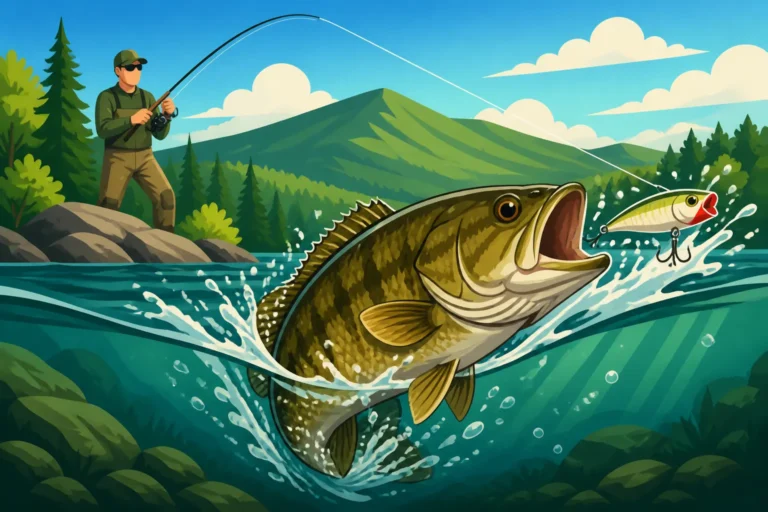
And then there's Topwater. The sheer adrenaline rush of a smallmouth exploding on a topwater lure is unmatched in freshwater fishing. This technique is best suited for low-light conditions (dawn, dusk), overcast days, or when fish are actively chasing bait near the surface, especially over shallow rocky flats or along weed lines. Poppers, walking baits (like a Zara Spook), and prop baits are all excellent choices. For poppers, a "pop-pop-pause" retrieve is commonly effective. For walking baits, a steady cadence that makes the lure "walk" side-to-side is often irresistible. The key is to be patient after a strike and let the fish tell you what they want. If you're wondering when the best time of day to fish Lake Champlain in summer is for topwater, it's almost always those first few hours after sunrise or last few before sunset.
Current and Wind Management for Kayak Anglers
One of the biggest challenges for kayak anglers, especially on larger Vermont lakes like Lake Champlain, is managing wind and current. But with a few tricks, you can turn these challenges into advantages, using the elements to your benefit instead of fighting them.
Wind can certainly be your friend or foe. A gentle breeze creating a "walleye chop" can actually improve fishing by breaking up the surface, making fish less wary and less able to spot your kayak. However, strong winds can make paddling, casting, and boat control incredibly difficult, quickly turning a fun outing into a tiring battle. If possible, always plan your trip to target areas that offer some protection from prevailing winds, such as sheltered coves or the lee side of islands. When fishing windy points, try to position your kayak so you're casting with or across the wind, allowing you to cast further and control your line better. A drift sock or small anchor can be invaluable for slowing your drift and maintaining a consistent boat position over productive structure. For covering longer drifts or holding your position in heavy wind, a Best Trolling Motor for a Fishing Kayak can be a true game-changer, allowing you to focus on fishing rather than constant paddling.
Current is less prevalent in most Vermont lakes, but it can definitely be a factor near river mouths, narrow channels, or on the mighty Connecticut River. Smallmouth often orient themselves into the current, waiting for baitfish to be washed to them. From your kayak, you can use the current to your advantage by making controlled drifts, presenting your lure naturally downstream to waiting fish. Just be mindful of your downstream speed and potential hazards. When fishing moving water, precision casting into eddies, current breaks, and behind submerged rocks is key, as these are prime ambush points for smallmouth. Your kayak's maneuverability allows you to work these subtle current breaks thoroughly.
Safety and Navigation Tips for Kayak Anglers on Vermont Lakes
While the focus is on catching smallmouth, your safety on the water should always be the top priority, especially when exploring Vermont's beautiful, but sometimes challenging, lake environments. Kayak fishing offers unparalleled access and stealth, but it also means you're more exposed to the elements and other hazards compared to fishing from a larger vessel. Being well-prepared ensures your focus stays on the fish, not on potential dangers.
Essential Safety Equipment and Practices
Never underestimate the unpredictable nature of Vermont weather or the sheer vastness and depth of some of its lakes. Being prepared is not just smart; it's often legally required and can truly save your life.
First and foremost, always wear a personal flotation device (PFD). Even if you're a strong swimmer, a PFD can save your life if you unexpectedly capsize or become incapacitated due to cold water shock or injury. There are many comfortable, fishing-specific PFDs available that won't hinder your casting or paddling. For example, the Best Life Jacket for Lake Kayak Fishing often features ample pockets for tackle and a high back to fit comfortably with your kayak seat. Beyond the PFD, a whistle or horn for signaling other boaters or rescuers, a paddle leash (so you don't lose your paddle if you drop it or capsize), and a headlamp or navigation lights if there's any chance you'll be out after dark are critical.
When planning your trip, check the weather forecast diligently. Vermont's lake weather can change rapidly, with calm mornings quickly turning into windy afternoons, especially on larger bodies of water like Lake Champlain. Avoid going out if strong winds or thunderstorms are predicted. If you do encounter adverse weather, seek shelter immediately. Always tell someone your float plan: where you're going, when you expect to return, and what your backup plan is. A fully charged waterproof cell phone (stored in a dry bag) is also essential for emergencies. If you're venturing far from shore on a large lake, a marine radio or personal locator beacon might be wise additions to your safety kit.
Consider taking a basic kayak self-rescue course. Knowing how to re-enter your kayak in deep water after capsizing can be a lifesaver, especially in the cold waters of spring or fall. Even if you don't take a formal course, practice it in safe, warm conditions so you're prepared and confident in your ability to handle an unexpected dunking.
Using Electronics and Kayak Positioning
Modern electronics can significantly enhance your kayak fishing experience, helping you locate fish and navigate safely across unfamiliar waters. However, knowing how to position your kayak to maximize these tools and your fishing success is an art form that comes with practice.
A fish finder is a game-changer for kayak anglers, moving beyond just showing blobs that might be fish. Modern units, even compact ones, can display precise depth, water temperature, bottom composition, and most importantly, subtle structure like drop-offs, humps, and submerged rock piles that are otherwise invisible. For example, a good Best Fish Finder for Deep Lake Fishing can reveal those subtle contours where smallmouth love to lurk. From your kayak, use your fish finder to identify these prime areas, mark waypoints, and understand the terrain beneath you. Many units also offer GPS mapping, which is invaluable for navigating large lakes and returning precisely to productive spots you've found. You can even find portable, battery-powered fish finders that easily attach to your kayak without permanent installation.
Kayak positioning is key to making the most of your casts and presentations. Once you've identified a promising piece of structure, consider the wind and current. Try to position your kayak upwind or upcurrent from your target, allowing you to drift slowly and silently over it while making controlled casts. This passive drift reduces the need for constant paddling, allowing you to focus intensely on fishing. Using a small anchor or a shallow-water anchor system (like a stake-out pole for shallower spots) can help you hold your position precisely over a productive area, letting you thoroughly work a spot without drifting away. Remember, the quiet nature of your kayak is one of your greatest assets; use it to your advantage by approaching spots stealthily and then holding steady to dissect them.
Furthermore, mastering the art of the paddle stroke for subtle movements will allow you to adjust your angle and distance without making noise or spooking fish. Whether you're targeting the Best smallmouth bass spots on Lake Champlain or a hidden gem of an inland pond, precise boat control means more effective lure presentations and ultimately, more fish in the net.
| Technique Category | Target Conditions | Best Lures / Baits | Key Actions from Kayak |
|---|---|---|---|
| Finesse | Clear water, high sun, slow bite, deep fish | Drop-shot worms, Ned rigs, tube jigs | Slow drag, subtle shakes, tiny hops, long pauses |
| Aggressive Moving Baits | Active fish, overcast, low light, covering water | Crankbaits, jerkbaits, spinnerbaits, chatterbaits | Steady retrieve with deflections, twitch-twitch-pause, ripping |
| Topwater | Low light, calm water, shallow active fish | Poppers, walk-the-dog baits, prop baits | Pop-pop-pause, steady walking cadence, erratic twitches |
| Vertical Jigging | Deep structure, schooling fish, cold water | Blade baits, heavy spoons, jigging swimbaits | Vertical drops, sharp snaps, controlled lifts and falls |
Disclaimer
This article is for general informational purposes only and does not constitute professional advice. Laws, prices and regulations vary by location and change over time. Consult a qualified professional for guidance on your specific situation.