Fishing after a heavy rain on Vermont rivers
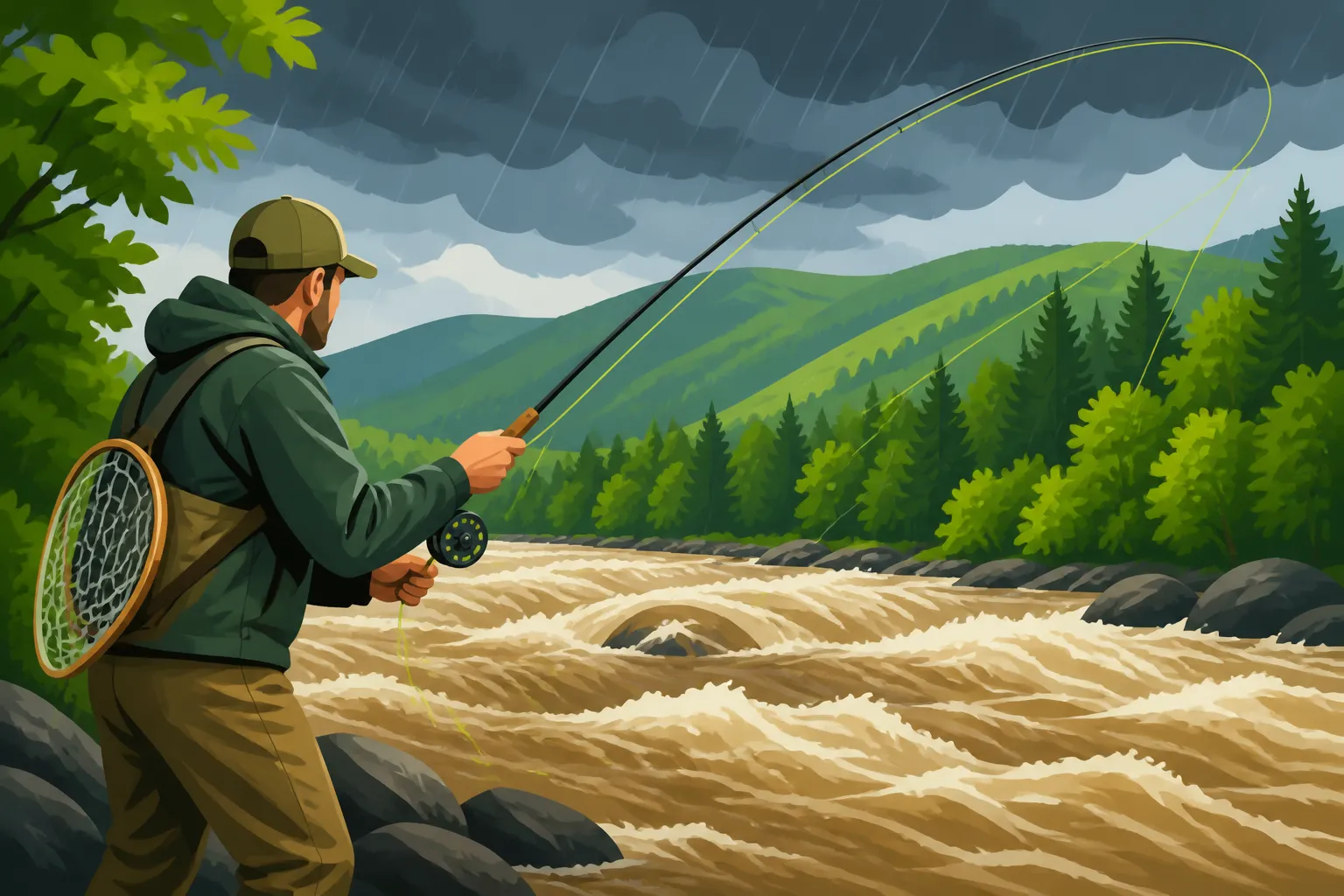
It's happened to all of us, hasn't it? You've got your fishing trip planned, your gear laid out, and then you wake up to the drumming sound of heavy rain on the roof. Your heart sinks a little, imagining your favorite Vermont river turning into a muddy torrent, and you wonder if your day on the water is completely shot. The good news is, a heavy rain doesn't always mean a cancelled trip – it just means you need to adjust your approach. This guide is all about navigating those post-rain river conditions in Vermont, helping you understand how fish react and what tactics you can use to still find success.
Understanding River Conditions After a Downpour
When a Vermont river gets hit with a significant amount of rain, it’s not just the water level that changes. A whole host of environmental factors shift, and understanding these is crucial for making informed decisions about where and how to fish. Ignoring these changes can lead to a frustrating, fishless day, or worse, a dangerous situation.
Water Clarity and Turbidity
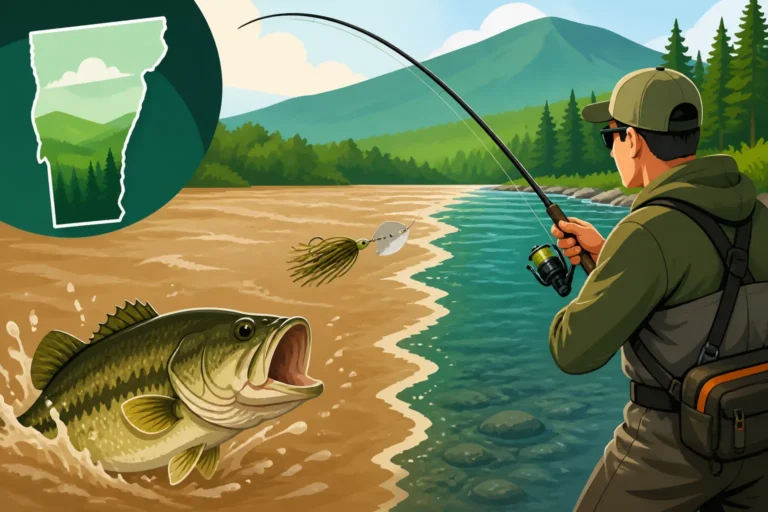
The most obvious change you'll notice after heavy rain is the water clarity. Rivers that were crystal clear just hours before can turn into a chocolate milk shake. This is due to increased runoff from the surrounding landscape, carrying sediment, dirt, and organic matter into the main channel. Turbidity, or the cloudiness of the water, significantly impacts fish behavior. Fish rely heavily on sight to hunt, and when visibility drops, their feeding patterns change dramatically.
In highly turbid water, fish often struggle to see your bait or lure. They might become less active, preferring to hold in areas where the current is slower and visibility is slightly better. On the flip side, this reduced visibility can also make fish less spooky. They might be more willing to strike at baits that create a strong vibration or offer a pungent scent, compensating for their impaired vision. As the river slowly clears, usually within 12-48 hours depending on the size of the river and the intensity of the rain, the water takes on a stained, tea-like appearance before returning to normal. This "stained" period can often be some of the best fishing, as visibility improves slightly but fish still feel secure under the darker water.
Increased Flow and Water Levels
Along with the change in clarity, heavy rain causes a rapid increase in water flow and depth. Small streams can become roaring torrents, and larger rivers can swell their banks, covering areas that are usually dry. This dramatic increase in current can dislodge fish from their usual feeding lies and force them into calmer waters. Fish are energy conservers by nature; they won't fight a powerful current if they don't have to.
You'll often find them tucked behind natural structures like large rocks, fallen trees, or along the inside bends of the river where the current is weakest. Floodwaters can also create new eddies and slack water pockets that weren't there before, offering temporary refuge for fish. However, this increased flow also washes a lot of terrestrial food sources, like worms, insects, and even small rodents, into the river. This influx of "free meals" can trigger a feeding frenzy among certain species once the initial shock of the high water subsides and they find a comfortable holding spot. Always check current river conditions before heading out; resources like the USGS Water Data site can provide real-time flow rates for many Vermont rivers.
Water Temperature Fluctuations
The impact of heavy rain on water temperature can be a bit more nuanced, depending on the season and the temperature of the rain itself. In the spring or fall, cold rain falling into an already cool river might not change the temperature much, or could even drop it slightly. However, in the summer, a strong thunderstorm with cooler rain can actually drop the river temperature, which can be beneficial for cold-water species like trout, especially if the river was getting too warm. Conversely, if it's a warm, humid rain, the river temperature might remain stable or even increase slightly, which could further stress trout in already marginal summer conditions.
Understanding how water temperature affects fish metabolism and activity is key. A sudden, significant temperature drop can put fish into a temporary state of shock, making them lethargic. A slight drop in warm summer waters, though, might invigorate them, making them more active and willing to feed. Pay attention to the air temperature and the water temperature before and after the rain. Using a simple fishing thermometer can give you invaluable insights into how fish might be reacting.
Targeting Fish Behavior in Post-Rain Conditions
Different fish species react to heavy rain and subsequent river changes in unique ways. What works for a feisty smallmouth bass might not be effective for a wary brown trout. Understanding these species-specific behaviors is vital for success.
Trout and Salmon in High, Murky Water
For trout and landlocked salmon, high, murky water can be a double-edged sword. Initially, the surge of water might send them seeking refuge in calmer pockets – think eddies behind boulders, the inside bends of rivers, or even small feeder creeks that aren't as swollen. They're trying to escape the main current and find cleaner water if possible. However, the increased flow also stirs up the riverbed, dislodging nymphs, aquatic worms, and other invertebrates, creating a buffet. Terrestrial insects and worms from flooded banks also get washed in.
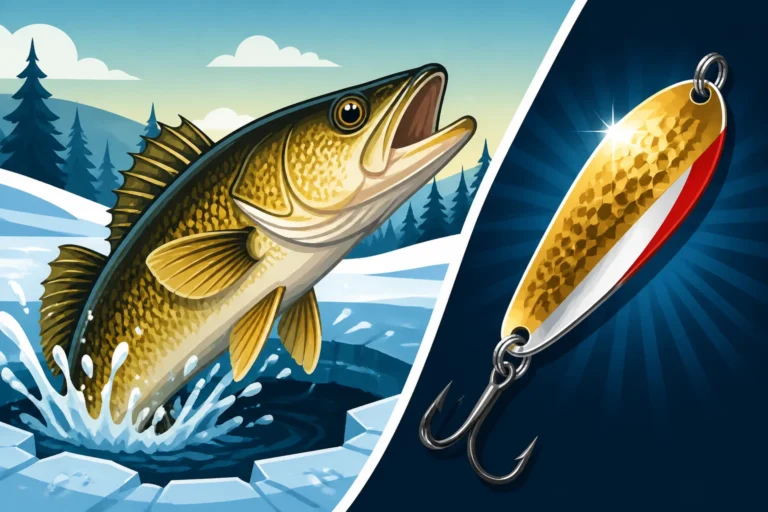
During the initial flood, trout and salmon might hunker down. As the water begins to drop and clear slightly (when it's still stained but not totally opaque), they often become very active feeders. This is your prime window. They'll be looking for larger, easily spotted food items. They tend to position themselves in seams where faster water brings food, but they can comfortably hold in slower currents just out of the main flow. Places where tributaries enter the main river can also be hotspots, as these often clear faster and bring in less turbid water, creating a clearer seam that fish will congregate in. Check out our guide on Spring Trout Fishing Techniques for Vermont Streams for more insights on high-water tactics.
Bass and Pike in Turbulent Rivers
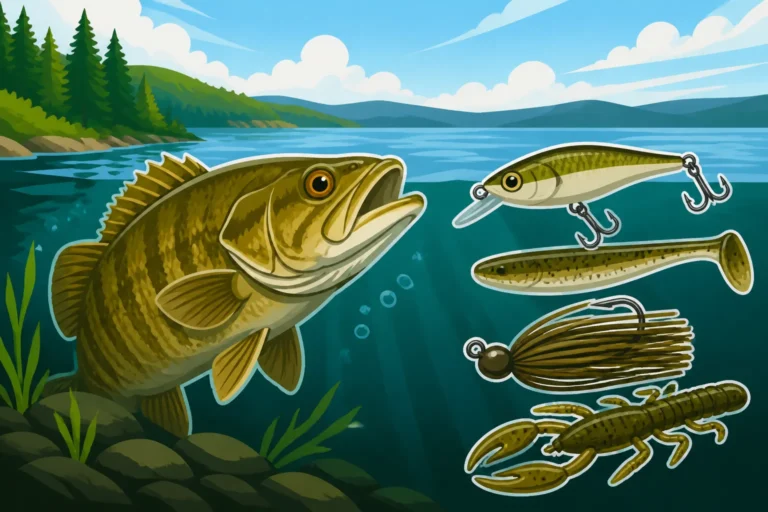
Warm-water species like smallmouth bass and northern pike often react differently to heavy rain than trout. While they also seek refuge from the strongest currents, they are generally more tolerant of turbid water. In fact, the reduced visibility can sometimes make them bolder, as they feel less exposed to predators. Bass might move closer to the banks, especially around flooded vegetation or submerged cover, where they can ambush prey washed in by the high water. Look for them in flooded backwaters, oxbows, and the slack water behind significant structure.
Northern pike, being ambush predators, will also use the new cover and stained water to their advantage. They might lurk in flooded grass or submerged brush, waiting for baitfish that are disoriented by the current or seeking cover themselves. The influx of terrestrial food sources can also excite them. On Lake Champlain, for example, a heavy rain on its tributaries like the Missisquoi River or Lamoille River can wash a bounty into the lake, drawing fish to the river mouths. For more details on targeting these species, you might find our article on How to Fish a River for Smallmouth Bass helpful, as many principles apply even in high water.
Best Techniques and Baits for Rainy River Fishing
Once you understand the changed conditions and fish behavior, it's time to adapt your tackle and presentation. The old reliable methods might not cut it, but with a few tweaks, you can turn a challenging day into a productive one.
Lure Selection for Stained Water
When the water is stained or murky, fish rely more on senses other than sight. This means you need lures that create vibration, offer a strong silhouette, or provide a pungent scent.
- Vibrating Lures: Spinnerbaits, chatterbaits, and lipless crankbaits are fantastic choices. Their blades and bodies create a lot of thump and flash, which fish can detect through their lateral lines even in low visibility. Bright colors like chartreuse, orange, or fire tiger often stand out better in stained water.
- Darker Profile Baits: Surprisingly, sometimes darker colors like black or dark blue can create a stronger silhouette against the lighter sky or muddy bottom, making them easier for fish to see. Large jigs with bulky trailers in black and blue combinations are excellent for bass.
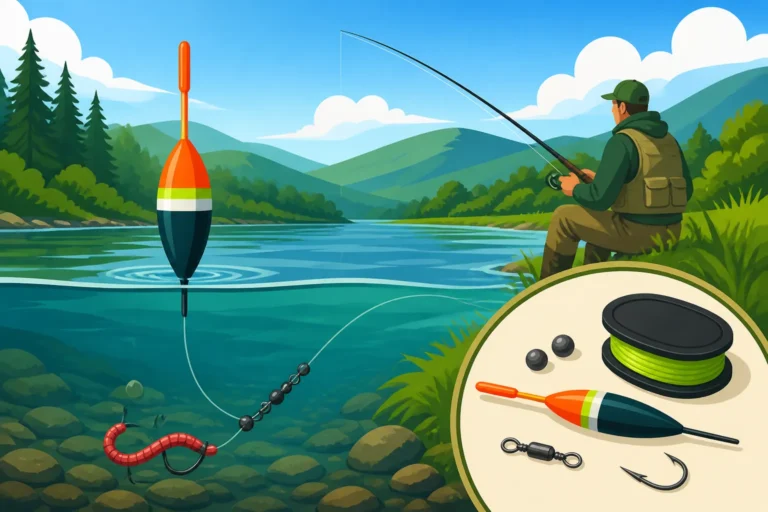
- Scented Baits: Soft plastics infused with scent, or adding scent attractants to your lures, can make a huge difference. PowerBait, Gulp!, or even live bait like worms and minnows (where legal and appropriate for the species) are highly effective when fish need to sniff out their meal.
- Heavier Tackle: With increased current, you'll often need heavier lures and weights to get your bait down to where the fish are holding without it being swept away. Don't be afraid to spool up with a slightly heavier line, either.
When choosing lures, consider what might have been washed into the river. If it's been raining heavily, worms are a natural food source. A dark colored jig or soft plastic worm fished slowly on the bottom can be deadly. You can find a great selection of these on Amazon, often with reviews from anglers who fish similar conditions.
Adjusting Your Presentation
The way you present your bait is just as important as the bait itself.
- Slow and Low: Fish are often holding tight to the bottom or structure to escape the current. Your presentation needs to get down to them and stay there. Slower retrieves, allowing jigs or soft plastics to bounce along the bottom, can be very effective.
- Targeting Slack Water and Eddies: Don't cast into the main, raging current. Instead, focus your efforts on the calmer seams, eddies, and backwaters. Cast upstream of these areas and let your bait drift naturally into them. Fish will be waiting in these ambush points.
- Closer to Structure: High water often means fish are pressed tight against banks, submerged trees, log jams, and large boulders. Make precise casts to these areas. Flipping and pitching jigs or soft plastics into heavy cover can yield great results for bass and pike.
- Wading Safely: If you're wading, exercise extreme caution. High flows can be deceptive, and the bottom can shift. Use a wading staff for stability and always fish with a buddy. Our article on Wading Techniques for Vermont Trout Streams offers important safety tips. If the current is too strong, bank fishing or boat fishing might be the only safe options.
Essential Gear for High-Water Fishing
Beyond your typical rod and reel, certain pieces of gear become indispensable when fishing after heavy rain.
- Waders and Rain Gear: High-quality waterproof waders are a must, both for staying dry and for safely navigating shallow, flooded areas. A reliable rain jacket and pants are also crucial to remain comfortable, especially if it's still drizzling or the weather is generally foul. Brands like Simms or Patagonia offer excellent options, but there are also more budget-friendly yet effective choices available on
Amazon. - Heavier Sinkers and Jig Heads: As mentioned, you’ll need extra weight to combat the current. Stock up on a variety of heavier split shot, bullet weights, and jig heads.
- Stronger Lines and Leaders: Increased flow means more resistance on your line, and if you hook a fish, it will use the current to its advantage. Consider upgrading your main line or leader to a slightly higher breaking strain to prevent break-offs. A fluorocarbon leader can still provide stealth in stained water while offering abrasion resistance against submerged debris.
- Polarized Sunglasses: Even in cloudy conditions or stained water, polarized sunglasses help reduce glare and can sometimes allow you to spot subtle changes in current or submerged structure that fish might be holding near.
- First Aid Kit and Safety Equipment: Always carry a basic first aid kit. If you're using a boat, ensure all required safety equipment, including life jackets, is on board and easily accessible. Refer to Vermont Boating Laws for Anglers for detailed requirements.
Here's a quick reference table for adjusting your strategy post-rain:
| River Condition | Fish Behavior | Recommended Lure/Bait Types | Presentation Style | Safety Considerations |
|---|---|---|---|---|
| High & Murky | Seeking slack water, relying on vibration/scent | Spinnerbaits, Chatterbaits, Lipless Crankbaits, Scented Worms/Jigs | Slow & low, target eddies/structure, precise casts | High current risk, don't wade, check water levels |
| High & Stained | Actively feeding near cover/seams | Jigs, Crankbaits, Soft Plastics, Live Bait (worms, minnows) | Work current seams, pitch to flooded cover, moderate retrieve | Watch for submerged debris, moderate wading possible with caution |
| Dropping & Clearing | Moving to traditional lies, more visual strikes | Streamers, Spoons, Spinners, Nymphs, Dry Flies (if hatches occur) | Varied retrieves, fan casting, focus on riffles/pools | Wading generally safer, but still be mindful of bottom |
Remember, consistency is key in these conditions. Keep your lure in the strike zone for as long as possible, and don't be afraid to experiment until you find what the fish are reacting to.
Safety First on Swollen Vermont Rivers
Fishing after a heavy rain can be incredibly productive, but it also comes with increased risks. Safety should always be your number one priority, especially when dealing with elevated water levels and strong currents. Vermont’s rivers can be unforgiving when swollen, so respecting their power is crucial.
Assessing Water Levels and Current Strength
Before you even leave your house, check local river gauges and weather reports. The Vermont Fish & Wildlife Department and the USGS offer real-time data on river levels and flow rates for many major waterways. If the river is at flood stage or showing significantly elevated flows, it might be best to postpone your trip or choose a safer, smaller body of water like a pond or lake.
Once you arrive at the river, take a moment to observe. Is the current visibly strong? Are large amounts of debris (branches, logs) being carried downstream? Are the banks eroded or unstable? If you have any doubts about the current's strength or your ability to safely navigate it, err on the side of caution. Even shallow water can sweep you off your feet if the current is strong enough.
Wading and Boating Precautions
Wading in high, fast water is extremely dangerous. The bottom can be unstable, obscured by murky water, and the current can easily overpower you. If you must wade, always use a sturdy wading staff for balance and to probe the bottom. Move slowly, shuffle your feet, and never wade alone. Consider wearing a personal flotation device (PFD), even if wading, as an extra safety measure. For deeper insights, revisit our section on Wading Techniques for Vermont Trout Streams which has critical advice for these scenarios.
If you’re fishing from a boat, be aware of increased debris, submerged obstacles, and strong currents that can pull your boat downstream or into hazardous areas. Always wear a PFD, regardless of your boating experience. If you’re fishing a large river that empties into Lake Champlain, be particularly vigilant at river mouths where the current can be extreme. Ensure your boat is properly registered and equipped according to Vermont Boating Laws for Anglers, and consider having a robust anchor system, which can be found on Amazon, to hold your position in stronger currents. Never overload your boat, and avoid venturing out in conditions beyond your comfort level or your boat's capabilities.
Recognizing and Avoiding Hazards
Heavy rain can create new hazards that weren't there before.
- Submerged Obstacles: Logs, rocks, and other debris that were once visible might now be hidden just below the surface in murky, high water. These can snag your line, damage your boat, or cause you to lose your footing if wading.
- Unstable Banks: Eroded banks can collapse unexpectedly, especially after saturation from heavy rain. Avoid standing too close to the edge of steep riverbanks.
- Changing River Bottom: The increased flow can scour and shift the riverbed, creating new drop-offs or making familiar crossing points suddenly unsafe.
- Cold Water Immersion: Even in summer, prolonged exposure to river water can lead to hypothermia, especially if you fall in. Dress in layers, avoid cotton, and always carry dry clothes in a waterproof bag.
Remember, the fish will always be there another day. Your safety, and the safety of anyone fishing with you, is paramount. There’s no fish worth risking your life for. Staying informed about Vermont Fishing Regulations Explained will also keep you within legal and safe practices for your chosen waters.
Disclaimer
Please remember that fishing regulations, conditions, and safety guidelines can change. Always consult the most current Vermont Fish & Wildlife Department regulations before heading out. Be aware of local conditions, exercise caution, and prioritize your safety above all else.