How deep to troll for lake trout on Lake Champlain
One of the biggest head-scratchers for any angler hitting the vast, beautiful waters of Lake Champlain is trying to figure out just where the fish are hiding. This is especially true when you're targeting those elusive lake trout. They're notorious for moving around, chasing bait, and seeking out that perfect blend of cold, oxygenated water. This guide is here to unravel the mystery of deep trolling for lake trout on Lake Champlain, helping you dial in your depths and put more of these magnificent fish in your boat.
Understanding Lake Trout Behavior and Habitat on Lake Champlain
Lake trout, or "lakers" as many of us affectionately call them, are a fascinating species with specific needs that dictate their whereabouts. They're cold-water fish, members of the char family, and their entire existence revolves around finding that sweet spot of chilly water, typically between 45 and 55 degrees Fahrenheit (7 to 13 degrees Celsius). Lake Champlain, with its impressive depths reaching over 400 feet in some areas, offers plenty of real estate for these fish to roam.
But it's not just about temperature; it's also about oxygen levels and, crucially, food. Lake trout are opportunistic predators, constantly on the hunt for baitfish like rainbow smelt and alewives, which are abundant in Lake Champlain. Their schooling behavior and movement patterns directly influence where you'll find lakers throughout the year. Understanding this fundamental behavior is your first step to consistently locating them.
Why Lake Trout Prefer Deeper Water
During much of the year, especially outside of the cooler spring and fall periods, lake trout retreat to deeper water for a few critical reasons. The most obvious is temperature. As surface waters warm up, the deeper sections of the lake remain consistently cold, providing a refuge for these temperature-sensitive fish. This thermal stratification creates distinct layers, with the cooler, denser water sinking below the warmer surface layers.
Another key factor is oxygen. Deeper waters, particularly those below the thermocline (the transitional layer between warm surface water and cold deep water), tend to hold more stable oxygen levels, which are vital for a lake trout's metabolism. While some species can tolerate warmer, lower-oxygen water, lakers simply thrive in the colder, more oxygen-rich environment that the deep offers. Finally, and perhaps most importantly, many of their primary forage species, like smelt, also prefer these deeper, cooler zones during warmer months. This creates a natural hunting ground for the lake trout, often congregating around underwater structures, ledges, and drop-offs where baitfish school.
Identifying Productive Lake Trout Structures
Lake Champlain is a massive body of water, and just "trolling deep" isn't enough. You need to identify where in the deep the fish are likely to be. Lake trout often relate to underwater structure. Think about rocky reefs, submerged humps, steep drop-offs, and channel edges. These features create currents and eddies, attract baitfish, and offer ambush points for predators.
Using your sonar (fish finder) is absolutely critical here. You're not just looking for fish; you're looking for the structure that holds fish. Pay attention to sudden changes in depth, the edges of underwater plateaus, and any areas where baitfish schools are visible. Sometimes, the lakers will suspend just off these structures, rather than sitting right on the bottom. In other instances, especially during certain seasons, they might be hugging the contours. Knowing How to fish deep structure for summer lake trout is a skill that comes with practice and a good understanding of Lake Champlain's underwater topography.
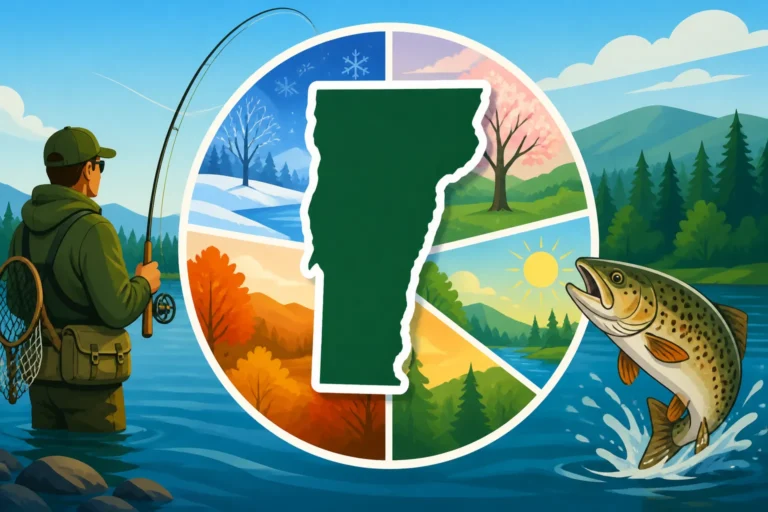
Seasonal Depth Adjustments for Lake Trout on Lake Champlain
The optimal trolling depth for lake trout on Lake Champlain isn't static; it shifts dramatically with the seasons. What works in May won't necessarily work in August. Being able to adapt your presentation to these seasonal changes is paramount to success.
Spring: Post-Ice Out to Early Summer
Once the ice leaves Lake Champlain, usually in late March or April, lake trout become much more accessible. The entire water column is relatively cold, allowing them to roam much shallower than they will later in the year. This is often when you'll find them actively chasing schools of smelt closer to the surface, sometimes even in water as shallow as 15-30 feet, especially near points, river mouths, and rocky shorelines where baitfish gather.
As spring progresses into early summer, and the surface waters begin to warm up, the lake trout will gradually start to descend. You might find them in the 40-70 foot range during May and early June, still relatively high in the water column compared to their mid-summer haunts. This transition period is exciting because you can often catch them using a wider variety of methods, including flat-lining some lures or using lighter weights to get down to those shallower depths. This is also a fantastic time to think about Vermont Trout Opening Day Traditions if you're keen on trout fishing in general.
Summer: The Deep Chill
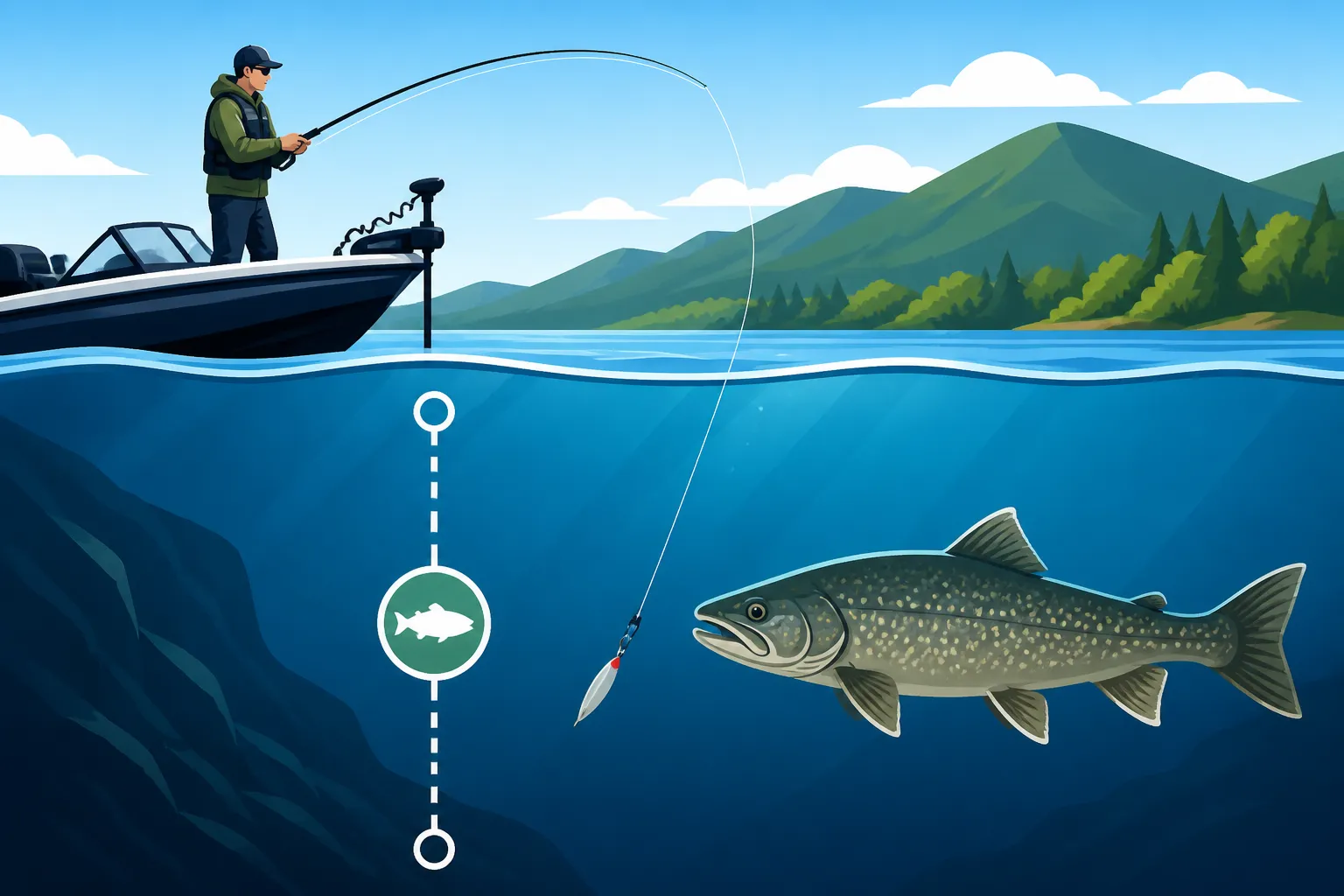
Summer on Lake Champlain is when lake trout truly become deep-water specialists. As the sun beats down and the surface water temperature climbs into the 70s, a distinct thermocline forms. Below this layer, the water remains consistently cold, oxygenated, and is where you'll find the lakers. During the peak of summer, from late June through August, expect to target lake trout in depths ranging from 80 feet all the way down to 150 feet, and sometimes even deeper in the lake's most profound basins.
The key to success in summer is finding that thermocline. Your fish finder is your best friend here, as it will often show a distinct line or band where the water temperature changes rapidly. Lake trout will typically be found at or just below this thermocline, or relating to deep structures in that cold water. Trolling speed also becomes a critical factor in summer, as sluggish fish in cold water might prefer slower presentations. Using downriggers is almost a necessity to consistently present lures at these precise depths. If you're wondering How deep lake trout go in summer, know that it's often dictated by the thermocline and the availability of their preferred forage.
Fall: Turnover and Pre-Spawn Activity
Fall is a dynamic season on Lake Champlain. As air temperatures drop, the surface waters cool, eventually leading to the "fall turnover." This is when the entire water column mixes, and the cold, deep water circulates with the cooling surface water. During and immediately after turnover, lake trout can be found at almost any depth, as they're no longer constrained by a strong thermocline. This period, typically from late September through October, can offer some fantastic fishing.
As the water continues to cool and settle, lake trout will begin to stage for their spawning activities, which often occur in late fall or early winter. They'll move onto rocky shoals, reefs, and points, which might be in depths ranging from 30 to 80 feet. They're often aggressive during this pre-spawn feeding frenzy, making it an excellent time for anglers. The cooler water temperatures also mean they're more active and willing to chase lures. Understanding the Lake Trout Spawning Season in Vermont can give you a major advantage in locating these fish.
Winter: Beneath the Ice and Beyond
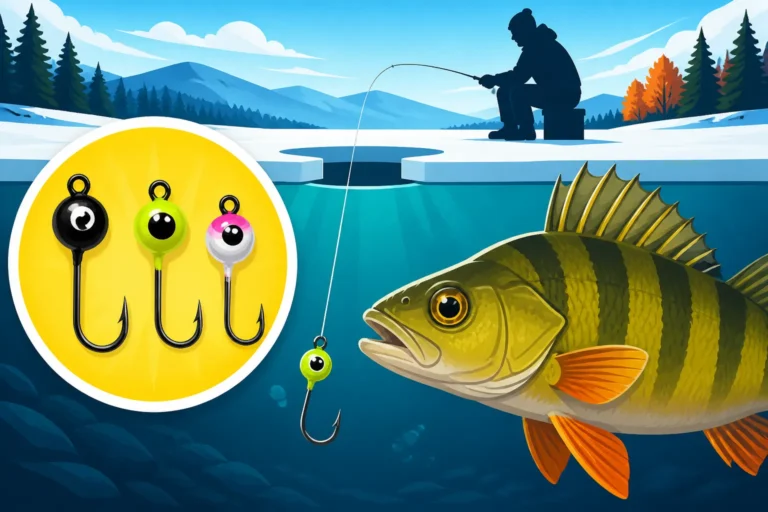
While ice fishing for lake trout is incredibly popular on Lake Champlain (and for good reason!), there are still opportunities for boat-based trolling in early and late winter if the lake remains open or before thick ice forms. When the lake is open, lakers will typically be found in deeper areas, but not necessarily at the extreme depths of summer. They might be in the 60-100 foot range, often relating to the same deep structures they frequented in the fall.
During winter, metabolism slows down, so a slower trolling speed is often more effective. Vertical jigging through the ice is a common and very effective method, where anglers target lake trout suspending over deep basins or near deep structure. Even if you're not on a boat, knowing their winter habits helps you understand their year-round movements.
Essential Gear and Techniques for Deep Trolling
Successfully trolling for lake trout on Lake Champlain requires specialized gear and a methodical approach. It's not just about tossing a line out; it's about precision.
The Power of Downriggers
When you're trying to hit depths of 80, 100, or even 150 feet consistently, conventional weights simply won't cut it without making your line look like a clothesline. This is where downriggers become indispensable. A downrigger uses a heavy cannonball weight (often 8-12 pounds) to carry your fishing line and lure down to a precise depth. Your line clips into a release mechanism, allowing the lure to swim freely a set distance behind the weight. Once a fish strikes, the line releases from the clip, and you fight the fish directly.
There are various types of downriggers, from manual hand-crank models to electric ones that retrieve the weight with the push of a button. Brands like Scotty and Cannon are very popular. You can find a wide selection of Best Downriggers for Walleye Trolling (which work perfectly for lake trout too) on Amazon, ranging from basic models to high-tech options with auto-depth features. Investing in good downriggers is a game-changer for deep-water trolling on Lake Champlain.
Sonar and GPS: Your Eyes Underwater
A high-quality fish finder with GPS is absolutely non-negotiable for deep-water lake trout fishing. Your sonar allows you to:
- Locate the thermocline: Crucial for summer fishing.
- Identify baitfish schools: Where there's bait, there are usually predators.
- Find underwater structure: Humps, drop-offs, and reefs are lake trout magnets.
- Mark fish: See individual fish or schools of lakers.
The GPS function is equally vital for navigation. You can mark productive fishing spots, follow specific depth contours, and create trolling paths. When you find a fish or a concentration of bait, you can mark it as a waypoint and return to it later. Brands like Humminbird and Lowrance offer excellent fish finders that are perfect for the deep waters of Lake Champlain.
Rods, Reels, and Line Choices for Deep Trolling
For deep trolling, you'll want specialized tackle that can handle the stress of heavy weights and large fish.
- Rods: Look for stout, medium-heavy to heavy action trolling rods, typically 7-9 feet in length. These rods have a soft tip to absorb the pressure from the downrigger release, but enough backbone to fight a big lake trout.
- Reels: Durable baitcasting reels or small conventional reels with a strong drag system and high line capacity are ideal. You'll want to spool them with at least 200-300 yards of line.
- Line: Many anglers use braided line (30-50 lb test) as their main line because it has virtually no stretch, providing excellent sensitivity and strong hook sets. A fluorocarbon leader (12-20 lb test, 10-20 feet long) is then tied to the end of the braid. Fluorocarbon is nearly invisible underwater, which can be critical for spooky lakers in clear water, and offers good abrasion resistance. Knowing the Best line for lake trout deep trolling can make a real difference in your success rate.
Lures and Baits for Lake Trout
Lake trout are not overly picky, but certain lures consistently produce. The goal is to imitate their primary forage: smelt and alewives.
- Spoons: Classic trolling spoons like Suttons, Mooselook Wobblers, and Northern King spoons are highly effective. Experiment with different sizes and colors, but silver, blue/silver, and chartreuse patterns are often winners.
- Stickbaits/Plugs: Long, slender stickbaits or shallow-diving plugs, often used in conjunction with a downrigger, can imitate baitfish perfectly. Brands like Rapala and Rebel offer many options.
- Flasher/Dodger Combos: Sometimes, adding a flasher or dodger ahead of your spoon or fly can attract more attention. These large, reflective blades create flash and erratic motion, drawing fish in from a distance.
- Live Bait: While less common for deep trolling, some anglers will rig up dead smelt or even large shiners behind a dodger for an irresistible presentation. You might even find some specialized How to rig smelt for landlocked salmon trolling techniques that cross over well for lake trout.
Practical Trolling Strategies and Tips
Beyond the gear, there are specific strategies that will help you be more effective on Lake Champlain.
Speed and Presentation
Trolling speed is a critical variable. For lake trout, a general range of 1.8 to 2.8 mph is a good starting point, but you'll need to experiment. Sometimes, a slightly faster speed will trigger a chase, while other times, a slower, more methodical presentation is required for lethargic fish. The speed will also affect the action of your lure; some spoons flutter best at slower speeds, while others require a bit more pace to get their desired wobble.
Pay close attention to your boat's speed over ground (SOG) using your GPS, as wind and current can significantly impact your true trolling speed, even if your engine RPMs are constant. A good rule of thumb is to vary your speed occasionally, making small S-turns with the boat. This causes your lures to speed up and slow down, often triggering strikes from following fish.
Reading Your Electronics Effectively
Your fish finder isn't just for showing you what's beneath the boat; it's a window into the underwater world. Learn to interpret its readings.
- Arches: These typically indicate individual fish. Larger, thicker arches often mean bigger fish.
- Clouds: These are usually schools of baitfish. When you see bait, you're in a good area.
- Bottom Contour: Watch how the bottom changes. Target areas with sudden changes, like ledges or humps, where lake trout might stage.
- Zoom Function: Use the zoom feature to get a more detailed view of specific depth ranges or bottom structure.
A properly tuned fish finder will show you a clear thermocline as a band or layer on the screen. This is a crucial indicator, especially during the summer months, for pinpointing the best depth to set your downriggers. Many modern units also feature side imaging or down imaging, which can give you an even clearer picture of structure and fish off to the sides or directly below. You can research the Best Fish Finders for Vermont Lakes to see what options are out there.
Mastering Your Trolling Pattern
The way you lay out your lines behind the boat can be as important as the depth. A typical setup for lake trout trolling with downriggers might involve two to four lines.
- Stagger Depths: Don't run all your lines at the exact same depth. Stagger them by 5-10 feet (e.g., one at 90 ft, one at 100 ft, one at 110 ft). This allows you to cover more of the water column and quickly determine the fish's preferred depth.
- Vary Distances: Run your lures at different distances behind the downrigger weights. Some days, fish prefer a lure closer to the cannonball, while other days, a longer lead is more effective.
- S-Turns: As mentioned earlier, making gentle S-turns with your boat will cause your outside lines to speed up and your inside lines to slow down. This change in speed can entice strikes.
- Watch for Structure: When approaching a known piece of structure, adjust your lines to ensure your lures are presented effectively. You might want a shallower line running over the top of a hump and deeper lines along its edges.
Always keep an eye on your rod tips for the subtle movements that indicate a strike or a lure running incorrectly. If you're consistently getting hits at a particular depth or on a specific lure, don't be afraid to duplicate that setup on other lines.
Best Times and Conditions
While lake trout can be caught throughout the day, early morning and late afternoon/evening often prove to be the most productive periods. Low light conditions tend to make these fish more active and willing to feed. Overcast days can also be excellent, as the reduced light penetration allows lake trout to stay shallower for longer.
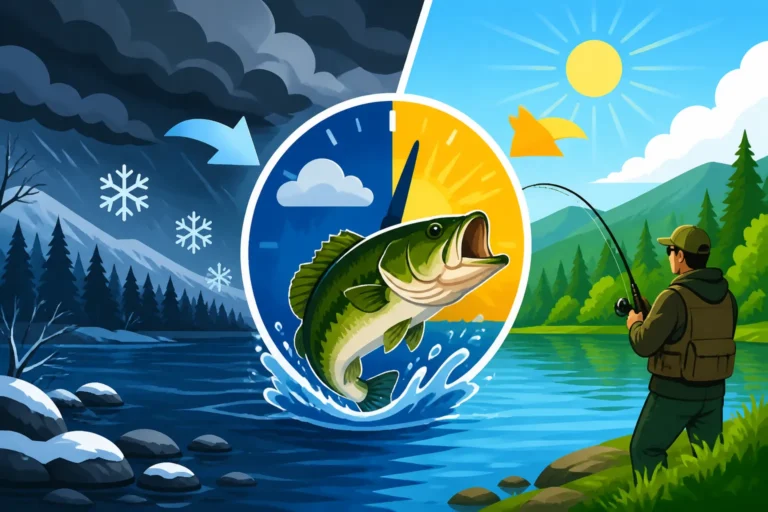
Weather fronts can also influence fishing. A stable, high-pressure system often means consistent fishing, while rapidly changing weather, especially strong cold fronts, can make lake trout lethargic and less willing to bite. However, sometimes the day before a major front can be fantastic. Pay attention to barometric pressure changes; understanding How barometric pressure affects Vermont bass fishing can also apply to other species like lake trout, as it influences their comfort and feeding patterns.
| Season | Typical Depth Range (feet) | Key Factors | Lure Type Focus |
|---|---|---|---|
| Spring (Post-ice out – June) | 20-70 | Cooler overall water column, chasing smelt, gradual descent as waters warm. | Spoons, shallow-diving plugs |
| Summer (July – August) | 80-150+ | Strong thermocline, seeking cold, oxygenated water; relating to deep structure. | Spoons, stickbaits, dodger/fly combos |
| Fall (September – October) | 30-100 (variable) | Turnover period, pre-spawn staging, actively feeding. | Spoons, stickbaits, larger plugs |
| Winter (Open Water) | 60-100 | Slower metabolism, relating to deep structures. | Spoons, vertical jigs (for ice fishing) |
Final Thoughts on Mastering Lake Champlain Lake Trout
Trolling for lake trout on Lake Champlain is a journey of continuous learning. Each trip presents new challenges and opportunities. By understanding the seasonal movements of these fish, investing in the right gear, and refining your techniques, you'll significantly increase your chances of success. It’s not just about catching fish; it’s about appreciating the magnificent expanse of Lake Champlain and the incredible creatures that inhabit its depths. For more comprehensive information, be sure to check out our Lake Champlain Fishing Guide.
Whether you're after a trophy laker or just looking to enjoy a day on the water, remember that patience and adaptability are your best friends. These fish are there, you just need to put in the time to learn their patterns. And if you’re ever curious about their size, we have a detailed guide on Lake Trout Average Size in Vermont Lakes.
Disclaimer
The information provided in this guide is for general informational purposes only and does not constitute professional advice. Fishing conditions, regulations, and fish behavior can vary widely. Always consult the latest Vermont Fish and Wildlife Department regulations before fishing. Exercise caution and good judgment when on the water.