Best Techniques for High Water Spring Conditions
Spring in Vermont is a beautiful time, but for anglers, it often comes with a significant challenge: high water conditions. Melting snow and spring rains can turn our favorite peaceful streams and rivers into raging torrents, making it incredibly tough to get a line in the water, let alone catch a fish. It's frustrating when you're itching to hit the water after a long winter, only to find your go-to spots blown out. This comprehensive guide will walk you through the best techniques and approaches to successfully fish Vermont's waters during these often-turbulent high water spring conditions, ensuring your early season trips are productive and safe.
Understanding High Water Conditions in Spring
Before you even think about casting a line, it's crucial to understand why the water behaves the way it does in spring and what that means for the fish. It's not just about more water; it's about a whole new environment.
The Nature of Spring Runoff
Vermont's spring runoff is a force of nature. It's primarily driven by a combination of melting snowpack—especially from the higher elevations of the Green Mountains—and the often-heavy rains that characterize April and May. This influx of water drastically increases stream and river flows, leading to higher water levels, faster currents, and often, reduced water clarity. These aren't isolated events; they can last for days or even weeks, transforming familiar fishing spots. It's not uncommon to see a river swell to three or four times its normal size, carrying debris like branches and leaves downstream. Understanding this cycle is the first step to adapting your fishing strategy.
Impact on Fish Behavior and Location
When the water rises and the current strengthens, fish don't just stay put. They're cold-blooded creatures, and while they're incredibly resilient, they're also opportunistic and efficient. Strong currents require more energy to fight, so fish will naturally seek out areas where they can expend less effort. This means they'll move out of the main current and into slower, more protected water. Think about it from their perspective: why would you battle a raging river when you can tuck into an eddy or behind a log? This behavioral shift is key to finding them. They're still there, but their preferred lies have changed dramatically.
Water Temperature and Clarity Dynamics
High water conditions in spring also bring significant changes in water temperature and clarity. Meltwater from snow is often frigid, which can drop overall water temperatures in rivers and streams, making fish more sluggish. However, spring rains, especially later in the season, can actually warm the water slightly. Clarity, on the other hand, almost universally decreases. The surging water picks up silt, dirt, and debris from the banks and riverbeds, turning clear mountain brooks into muddy chocolate milk. This reduced visibility means fish rely less on sight to feed and more on other senses, like scent and vibration. Your bait or lure needs to compensate for this.
Reading the Water: Where Fish Hide in High Flows
Successfully fishing high water isn't about brute force; it's about finesse and keen observation. You need to learn to "read" the water, identifying the subtle clues that tell you where fish are finding refuge.
Identifying Slack Water and Current Breaks
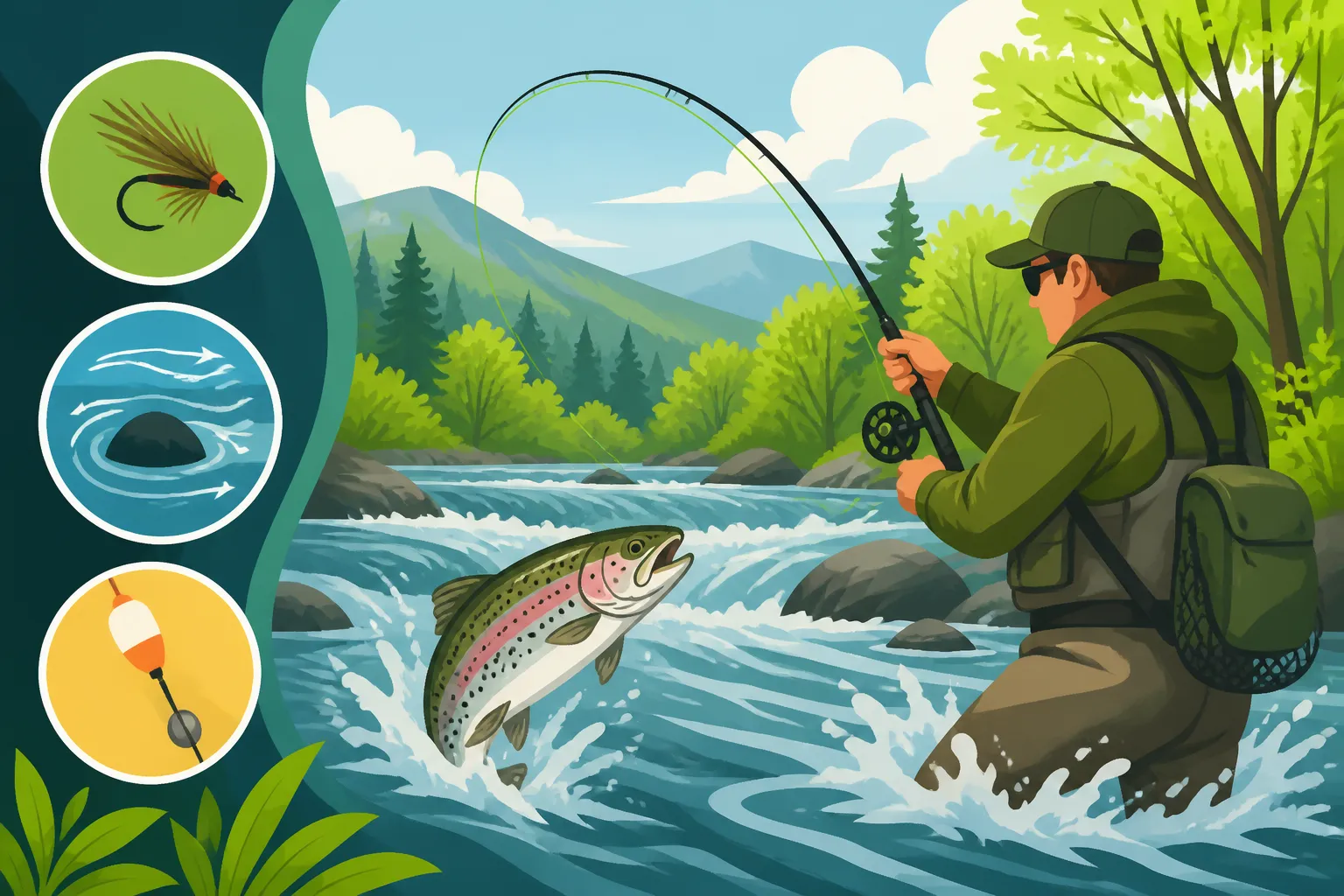
In a raging river, the fish aren't out in the main current. They're seeking shelter in what we call "slack water" or "current breaks." These are areas where the flow is significantly slower, providing a resting place. Look for the inside bends of rivers, where the water is naturally slower than the outside bend. Search for eddies, which are circular currents formed behind large obstacles like boulders, fallen trees, or even bridge abutments. These spots offer a perfect sanctuary where fish can rest, yet still dart out into the main current to ambush dislodged food. Even a small rock can create a valuable current break for a trout in a fast flow. Knowing how to identify these zones is paramount for effective fishing.
Targeting Submerged Structure
High water often covers a lot of shoreline features that are usually exposed, but these submerged structures become prime hiding spots for fish. Think about fallen trees, log jams, large boulders, and even underwater ledges or drop-offs. These structures provide both a physical barrier from the current and a visual ambush point. Bass, in particular, love to hide in the tangle of a submerged brush pile. Trout will tuck in tight behind large rocks or under cut banks. The challenge is often getting your lure or bait into these spots without getting hung up. It requires precise casting and sometimes a willingness to lose a few rigs, but the payoff can be significant. This is a situation where having a good understanding of the riverbed, perhaps from lower water levels, can give you a real advantage.
Focusing on Tributary Inflows and Eddies
Another golden opportunity during high water comes from tributary inflows. When a smaller stream or creek feeds into a larger, swollen river, it often brings in slightly warmer or clearer water, and sometimes, a fresh influx of food. Fish will congregate at these confluences, taking advantage of the varied conditions. Similarly, any substantial eddy, whether it's formed by a large rock, a deep pool, or a significant bend in the river, will be a fish magnet. These eddies trap food and provide a low-energy resting zone. Fishing the seams of these eddies, where the fast water meets the slow water, can be incredibly productive, as fish will sit on the edge, waiting for food to drift by. For instance, on the Winooski River, finding where smaller creeks meet the main stem can be a game-changer when the Winooski is running high.
Gear and Tackle Adjustments for Swollen Rivers
Your usual light tackle setup might not cut it when faced with powerful spring currents. Making strategic adjustments to your gear is crucial for getting your bait to the fish and successfully landing them.
Heavier Rods and Lines
When the current is strong, a lightweight rod and line can feel like you're trying to fish with dental floss in a hurricane. You'll want to step up your gear. For rivers, consider a medium to medium-heavy spinning or casting rod, typically in the 6'6" to 7'6" range. This added backbone will give you more leverage to cast heavier baits, fight strong currents, and subdue larger fish that might be hunkered down. Pair this with a slightly heavier line, perhaps 8-12 lb test monofilament or fluorocarbon, or even 15-20 lb braided line with a fluorocarbon leader. The heavier line will resist abrasion from debris and give you more breaking strength if you hook into a powerful fish in a challenging current. For those fly fishing, consider a 6 or 7-weight rod, a step up from typical trout setups, for better control and casting power.
Using More Weight to Get Down
One of the biggest frustrations in high water is not being able to get your bait or lure to the strike zone. The current will sweep lighter offerings away instantly. This is where heavier weights come into play. Don't be shy about adding more split shot, a heavier bullet weight, or even a specialized "bottom bouncer" rig if you're targeting deeper areas. The goal is to get your presentation down to where the fish are holding—often tight to the bottom or behind structure—and keep it there. Experiment with different weights until you feel your bait occasionally ticking the bottom without getting immediately dragged downstream. This might mean using weights you wouldn't normally consider, but it's essential for success.
Selecting the Right Net and Wading Gear
Safety and success also depend on the right accessories. A sturdy, larger landing net is indispensable in high water. When you hook a fish in a fast current, it will use that current to its advantage. A bigger net, especially one with a longer handle, gives you the reach and capacity to scoop a fish that might be trying to bolt downstream or use the current to pull free. You certainly don't want to lose a hard-earned fish at the net! For your personal safety, high-quality wading gear is non-negotiable. Look for durable Best Waders for Vermont Trout Streams that provide good insulation if the water is cold, and critically, sturdy wading boots with felt or studded rubber soles for maximum grip on slippery riverbeds. A Wading Techniques for Vermont Trout Streams article can provide more details, but the general rule is to always test your footing before taking a step. You might also consider a wading staff for added balance and stability, which can be a lifesaver when navigating strong currents. You can find excellent options for both nets and wading gear on platforms like Amazon, ensuring you're well-equipped for the conditions.
Effective Baits and Lures for High Water Fishing
With visibility reduced and fish hunkering down, your choice of bait or lure needs to grab their attention and present a meal they can't refuse.
Larger, Brighter Lures for Visibility
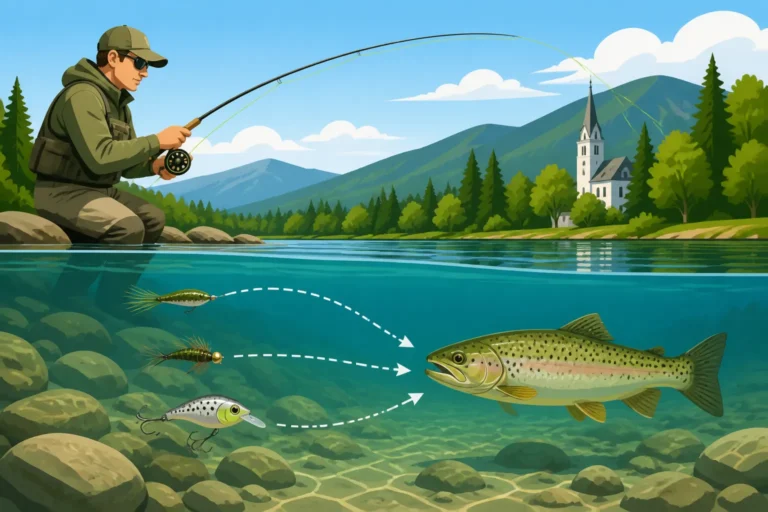
In murky, high water, subtlety often goes out the window. Fish need something highly visible that stands out against the turbid backdrop. This is the time to reach for larger and brighter lures. Think about brightly colored spinners with oversized blades, chunky crankbaits in firetiger or chartreuse patterns, or even larger spoons that flash aggressively. The increased size creates a bigger profile and more vibration in the water, which fish can detect even when they can't see well. The bright colors provide a visual cue that cuts through the murk. For Best Techniques for Early Spring Trout specifically, larger inline spinners or spoons can be particularly effective when fished in those current breaks we talked about.
Natural Baits in Fast Current
Sometimes, the most natural presentation is the best, especially when fish are relying on their sense of smell. Live bait can be incredibly effective in high water conditions. Worms, such as nightcrawlers or garden worms, are fantastic. The natural scent trail they put out is a huge draw, and their wiggling action mimics food dislodged by the current. Minnows, if legal and available, can also be excellent, especially for larger predatory fish like trout and bass. Present these baits on a weighted rig that allows them to tumble naturally along the bottom or drift slowly through eddies. This presentation mimics a struggling, easy meal for a fish trying to conserve energy.
Scented Baits and Soft Plastics
Given the reduced visibility, anything that adds scent to your offering can significantly increase your chances. Scented soft plastics, like Gulp! worms or scented tubes, are a powerful option. They come pre-impregnated with fish attractants that release a potent smell, drawing fish in even if they can't see the bait clearly. Additionally, you can add scent directly to your lures or baits using commercial fish attractants. A few drops or a smear of a strong-smelling gel can turn a mediocre presentation into a fish magnet. When fishing for trout, especially during Spring Trout Fishing Techniques for Vermont Streams when the water is high and off-color, scented PowerBait or similar dough baits can be surprisingly effective, particularly in slower pools and eddies. Remember, fish in high water are often looking for an easy, high-calorie meal, and a smelly offering can fit the bill perfectly.
| Lure/Bait Type | High Water Effectiveness | Best Use Cases | Key Characteristics |
|---|---|---|---|
| Inline Spinners | High | Trout, Smallmouth Bass in current breaks and eddy seams. | Larger blades, bright colors (chartreuse, orange). Creates strong vibration and flash. |
| Crankbaits | High | Bass, Walleye in murky lake inlets, slower river pools. | Aggressive wobbling action, rattles, bright/contrasting colors (firetiger, hot orange). |
| Spoons | Medium-High | Trout, Salmon, Pike in deeper, slower pools or large eddies. | Larger sizes, reflective finishes, good casting weight. |
| Worms (Live) | Very High | All species, especially trout, bass. Fished on bottom rigs in current breaks. | Natural scent, wiggling action. Irresistible to hungry fish. |
| Minnows (Live) | High | Larger predatory fish like Trout, Salmon, Bass. Rigged to drift or fished under a float in slower water. | Live action, natural scent, larger meal. |
| Scented Soft Plastics | High | Bass (tubes, creature baits), Trout (PowerBait, Gulp! worms). Fished slowly on weighted rigs. | Strong scent trail, versatile shapes, mimic natural prey. |
| Jigs (Heavier) | Medium-High | Bass, Walleye around submerged structure. Vertical jigging in deeper holes. | Heavy heads to get down quickly, bright or dark skirts/trailers for contrast. |
Safety First: Navigating Spring Runoff
Fishing in high water conditions isn't just about catching fish; it's crucially about staying safe. The sheer power of swollen rivers can be incredibly dangerous, even for experienced anglers. Always prioritize your well-being.
Wading Safety and Equipment
Wading in high, fast water is inherently risky. Never wade alone, and always let someone know where you're going and when you expect to return. Before stepping into the water, assess the current and depth. If the water is above your knees and moving quickly, it's often best to find a different, safer spot or consider bank fishing. A sturdy wading staff is your best friend in these conditions; it provides a third point of contact and helps you gauge depth and stability. Always wear a wading belt to prevent your waders from filling with water if you fall, which can quickly become life-threatening. Proper footwear, like studded wading boots, is essential for traction on slippery rocks. If you're new to the area, check out resources like the Vermont Fish Stocking Search Tool, Explained or local fishing reports to understand typical water flows and conditions. And remember, no fish is worth risking your life over.
Boating Considerations in High Water
For those who prefer fishing from a boat, high water brings a different set of challenges and dangers. Strong currents can quickly overwhelm smaller boats or make navigation extremely difficult. Debris, such as logs and branches, can become underwater hazards or even ram your vessel. Always wear a U.S. Coast Guard-approved life jacket; it's not an option, it's a necessity, as outlined in Vermont Boating Laws for Anglers. If you're considering using a kayak, be extra cautious. While Best Kayaks for Vermont Fishing are versatile, high water conditions might make them too unstable or prone to being swept away. Before launching, check local river gauges and forecasts. If the river is at flood stage or showing significant increases, it's often best to stay off the water entirely. Even large lakes can become treacherous with strong winds and increased currents from inflowing rivers.
Monitoring Weather and Water Levels
The key to safe and successful high water fishing is constant vigilance. Always check the weather forecast before heading out, paying close attention to any predicted heavy rainfall or rapid temperature changes that could impact snowmelt. More importantly, monitor real-time water levels and flows for the rivers and streams you plan to fish. Resources like the USGS water data website provide up-to-the-minute information on stream gauges across Vermont. Understanding patterns, like how quickly a river rises after rain or how long it takes to drop, is invaluable. If the water is rising rapidly, conditions are likely to worsen, and it's best to call it a day. The Vermont Fishing Regulations Explained guide is another crucial resource, as certain regulations might change or be enforced differently during specific seasonal conditions, including closures or advisories for certain water bodies. Your safety is always the priority.
Understanding Seasonal Patterns and Species Responses
While high water can be challenging, it also presents unique opportunities as different species respond in their own ways to the spring freshet. Knowing these patterns helps you target the right fish at the right time.
Trout and Salmon Behavior in Spring Runoff
Spring runoff is prime time for trout and landlocked salmon, but you need to understand their unique behaviors. Early spring, when water temperatures are still cold but rising, often triggers a feeding frenzy. Rainbow trout begin their spawning migrations, making them more active and predictable in certain river sections. Brown trout, while not always spawning this early, become aggressive predators, especially in off-color water where they can ambush prey. Landlocked salmon in larger lakes like Lake Champlain or Lake Willoughby will cruise closer to shore and congregate near tributary mouths, drawn by the inflowing water and the potential for smelt runs.
For stream trout, as discussed in Vermont Trout Season and Stocking Rules, the elevated flows distribute fish more widely and can bring them out of their typical holding lies. They'll seek those current breaks, but they'll also be actively feeding on dislodged insects, worms, and baitfish. Targeting these species often involves using larger, more visible offerings like streamers, nymphs, or even live worms to cut through the murky water and appeal to their aggressive instincts. Don't be afraid to experiment with different depths and retrieves until you find what triggers a strike.
Bass and Pike in Rising Waters
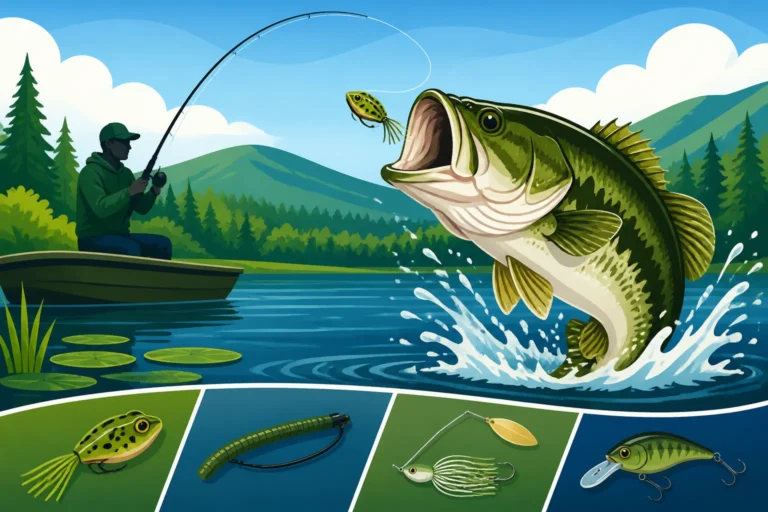
While trout often get the spotlight in spring, other species like smallmouth bass and northern pike also become very active during high water, especially as temperatures creep up. Smallmouth bass, in particular, can thrive in these conditions, moving into flooded shorelines and slack water areas to hunt for crayfish and baitfish that have been displaced. They become less selective and more opportunistic. Learning How to Fish a River for Smallmouth Bass in these conditions means focusing on flooded cover and the edges of strong currents.
Northern pike, found in many of Vermont's Best Fishing Lakes in Vermont and larger rivers, are ambush predators that love structure. High water creates new areas of flooded vegetation and woody debris, providing perfect hiding spots for pike. They will lurk in these areas, waiting for an unsuspecting baitfish or panfish to drift by. Large spinnerbaits, spoons, or even big live baits can be incredibly effective for pike when fished slowly through these newly created cover zones. They are often less affected by turbidity than visual feeders and will readily strike a bait that presents a strong vibration or a large profile.
Targeting Panfish in Backwaters
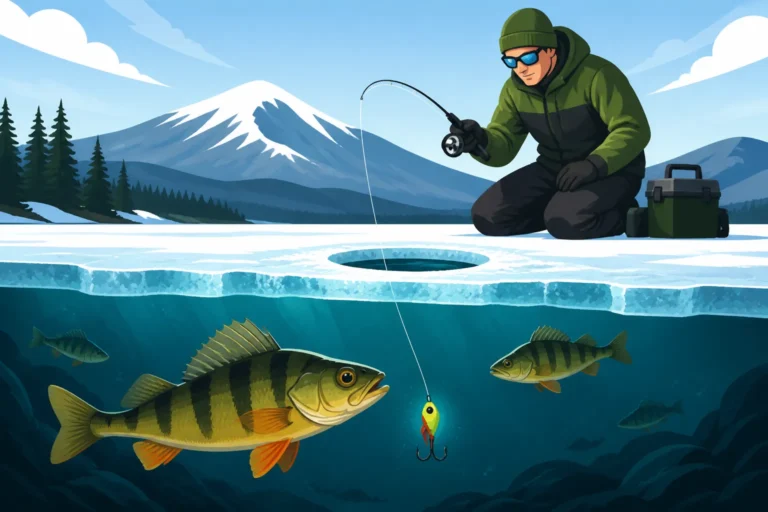
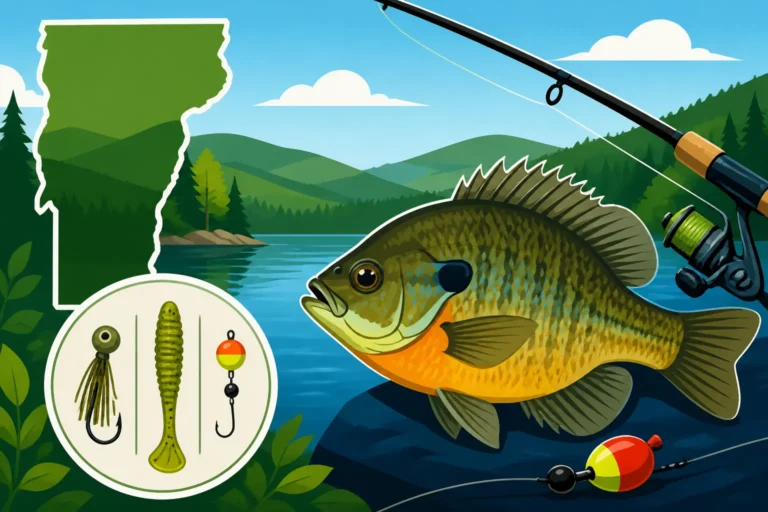
Don't overlook panfish during high water. While larger game fish might be the primary target, species like yellow perch, bluegill, and black crappie can offer fantastic action, especially for beginners or those looking for a relaxing day. These fish will often move into flooded backwaters, slow eddies, and shallow bays that are protected from the main current. These areas warm up faster and provide abundant food sources.
Using small jigs, worms, or even tiny spinners under a bobber can be incredibly effective. The key is to find those protected, often calmer pockets of water adjacent to the main flow. Many of Vermont's state park ponds or smaller, shallower lakes can also be great options during spring high water, as they might not experience the same drastic current increases as larger rivers. Keep an eye on your local Vermont Fish Stocking Search Tool, Explained for panfish, as freshly stocked fish can provide reliable action. A quick trip to Amazon can equip you with a variety of small hooks, bobbers, and ultralight jigs perfect for a panfish outing.
Disclaimer
Fishing conditions can change rapidly and unexpectedly. Always exercise caution, prioritize safety, and adhere to all current Vermont Fish & Wildlife Department regulations. This guide provides general information and techniques; individual success may vary based on specific conditions, angler skill, and local knowledge. Consult official sources for the most up-to-date rules and safety advisories.