Best Techniques for Fall Walleye
As the vibrant greens of summer give way to the spectacular reds, oranges, and yellows of autumn in Vermont, many anglers start thinking about putting their gear away for the season. But for those in the know, fall represents one of the most exciting, and often most rewarding, times to target walleye. The truth is, chasing walleye in autumn can be tricky; the fish are transitioning, water temperatures are dropping, and their behavior shifts dramatically from their summer patterns. This guide will walk you through the essential strategies and techniques to successfully track down and catch these elusive, delicious fish when the leaves are ablaze and the air grows crisp.
Understanding Fall Walleye Behavior in Vermont
Fall is a period of intense change, not just for the landscape but for the fish beneath the surface. Walleye, like many species, are keenly aware of the shortening days and cooling water, triggering instincts that drive them to feed aggressively in preparation for the long, lean winter months. Missing this crucial period means missing some of the best fishing action of the year.
Seasonal Migration Patterns
As summer progresses into fall, the thermocline (that distinct layer of temperature change in the water) begins to break down. This allows walleye to move more freely throughout the water column. Often, the first major cold snaps of September and October send walleye from their deeper, cooler summer sanctuaries towards shallower, often food-rich areas. They're not just looking for comfort anymore; they're looking for bait. This migration isn't always a simple move from deep to shallow; it can be a complex journey across varying depths, following the movements of schools of baitfish like smelt or alewives. For instance, on a massive body of water like Lake Champlain, walleye might move from main lake basins to shallower bays or the edges of river channels where baitfish are congregating before winter. Understanding these large-scale shifts is the first step to successful fall angling.
Pre-Winter Feeding Frenzy
The driving force behind fall walleye movements is the "feed bag." As water temperatures drop, walleye's metabolism is still relatively high, but they instinctively know that food will become scarcer as winter tightens its grip. This period, often from mid-September through November, sees them actively hunting and gorging on baitfish. They become much less finicky and more willing to strike at a variety of presentations, making it an excellent time to target trophy-sized fish. Instead of passively waiting for an easy meal, fall walleye are often on the prowl, making longer excursions to ambush prey. This aggressive feeding behavior means that covering water and offering substantial meals can lead to impressive catches, unlike the more lethargic bites you might encounter in the dead of summer or winter.
Impact of Water Temperature
Water temperature is the absolute king when it comes to predicting fall walleye behavior. Early fall (late September to early October) often sees temperatures in the 50s and low 60s Fahrenheit. During this time, walleye might still be found around deeper structure, but they'll be willing to push shallower during low light or overcast conditions. As temperatures continue to plummet into the 40s (late October, November), walleye will often move to even shallower flats, rocky points, and weed lines that are still holding baitfish, especially during stable weather patterns. However, severe cold fronts can push them back into deeper, more stable water quickly. A drop of even a few degrees can send them scurrying, so keeping a close eye on the water temperature on your fish finder, perhaps one you picked up from Amazon, is absolutely critical. Understanding how to interpret these temperature changes allows you to adjust your depth and presentation strategies in real-time.
Top Fall Walleye Fishing Techniques
Once you understand why walleye are behaving the way they are, the next step is to select the right techniques to intercept them. Fall walleye fishing often demands covering a lot of water and adapting to where the baitfish, and consequently the walleye, are holding.
Trolling with Crankbaits and Stickbaits
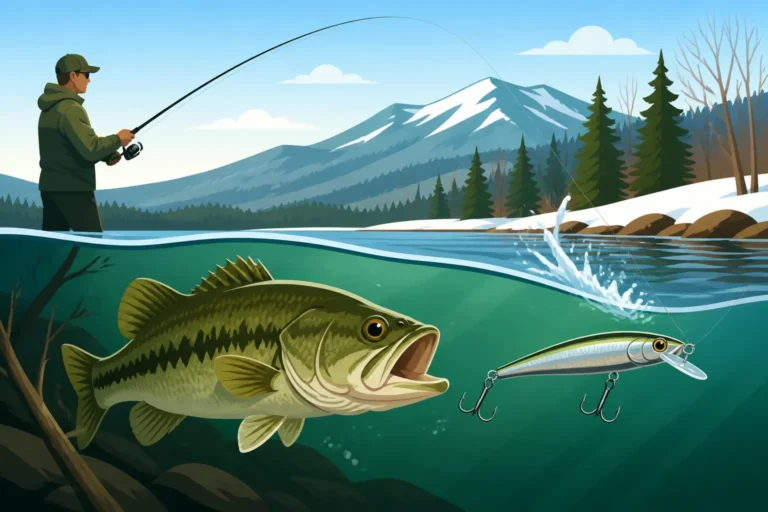
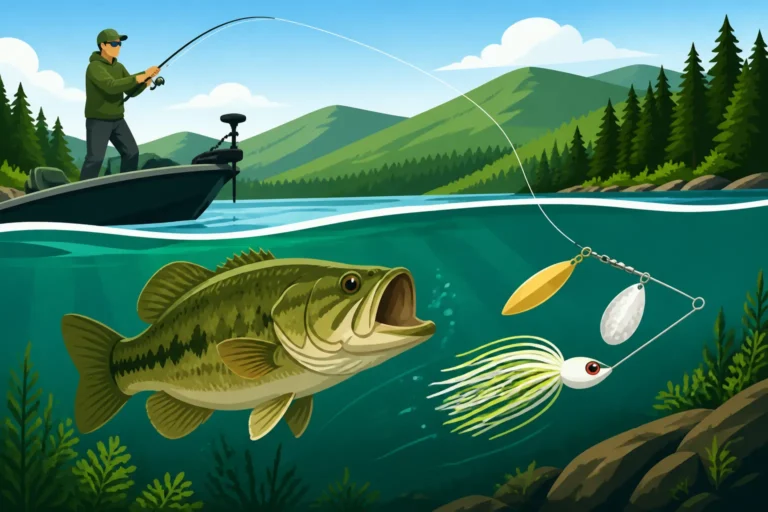
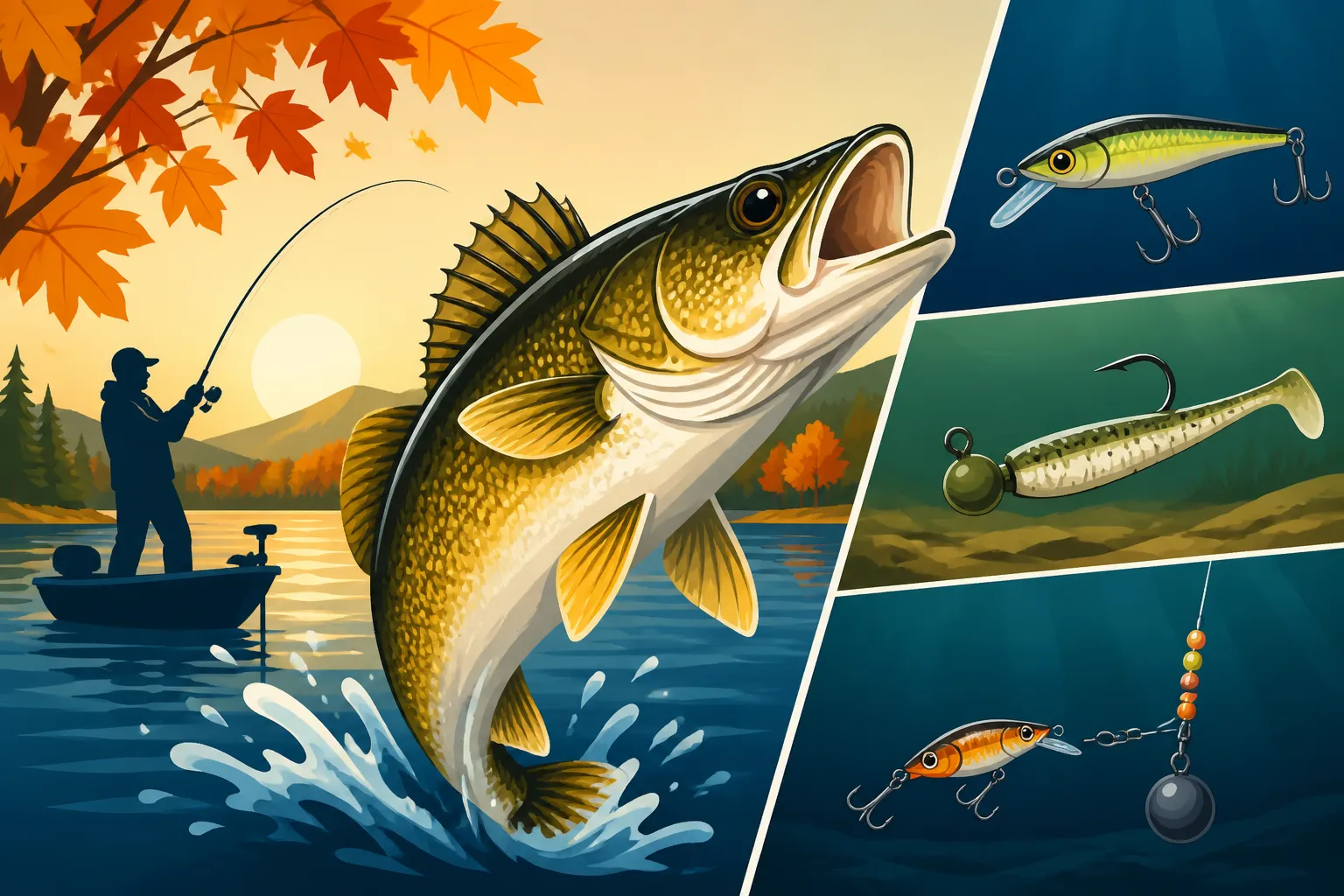
Trolling is arguably one of the most effective ways to locate and catch fall walleye, especially on larger lakes like Lake Champlain. This technique allows you to cover vast areas efficiently, searching for scattered fish or schools of actively feeding walleye. As the water cools, walleye often prefer larger, more substantial meals, making deeper diving crankbaits and stickbaits incredibly effective.
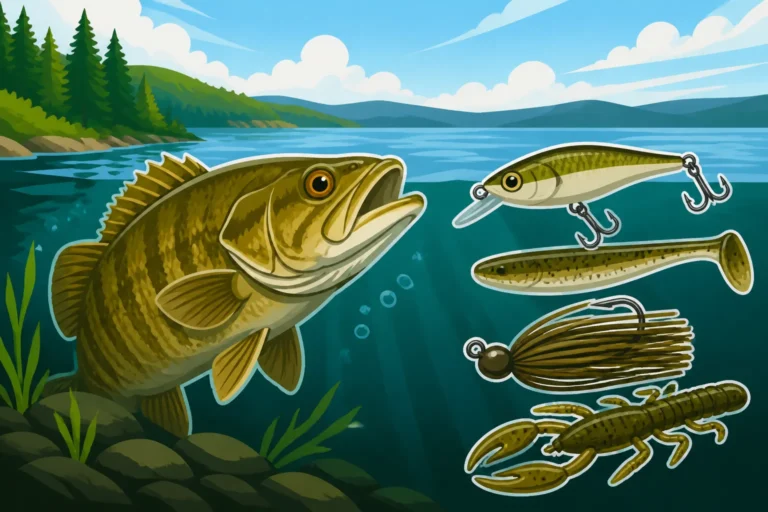
When the water is still relatively warm in early fall, walleye might be found a bit deeper, so long-lining crankbaits that dive to 15-25 feet or using planer boards to spread out your presentation can be deadly. As the water cools further, don't be afraid to experiment with shallower presentations, sometimes as shallow as 8-12 feet, particularly in low light conditions or over shallow reefs and points. Colors like firetiger, perch patterns, chrome/blue, and purpledescent often produce well. Remember to vary your trolling speed; sometimes a slow, almost agonizingly slow presentation is key, while other times a slightly faster pace triggers reaction strikes. Utilizing the right gear, like specialized trolling rods, can make a huge difference in detecting subtle bites. You can learn more about specific baits and trolling depths in our guide on the Best Lures for Walleye Trolling on Lake Champlain.
Jigging Deep Structure
When walleye are concentrated on specific deep structures, jigging becomes a powerful tool. This technique allows for precise bait presentation in situations where trolling might be less efficient, such as over sharp drops, rock piles, or sunken humps. As fall progresses and walleye start to hold deeper, they often relate tightly to these contour changes where baitfish also seek refuge.
Using heavy jigs (1/2 oz to 1 oz, or even heavier in current) tipped with a minnow, a grub, or a soft plastic paddletail can be incredibly effective. The key is to present the jig vertically, keeping it directly below your boat and maintaining bottom contact. Pay close attention to your fish finder to identify these structures and mark individual fish or bait schools. A lift-and-drop retrieve, often with a slight pause on the bottom, can entice strikes from even finicky walleye. This method requires a good sense of feel, as fall walleye bites can be subtle – sometimes feeling like just a slight pressure or a mushy weight on your line. For specific tips on using electronics to your advantage, check out our piece on Best Fish Finders for Vermont Lakes.
Vertical Jigging and Blade Baits
A variation of deep jigging, vertical jigging with blade baits or spoons, comes into its own during the colder parts of fall. Blade baits like the Heddon Sonar or the Cicada, and jigging spoons like the Johnson Silver Minnow, create a lot of vibration and flash, mimicking a dying baitfish, which can be irresistible to walleye. These lures are particularly effective when walleye are suspended over deeper flats or schooled tightly on structure, often found on places like Lake Willoughby.
The technique involves dropping the bait to the desired depth, then aggressively lifting the rod tip a foot or two, letting the bait flutter back down on a semi-slack line. Most strikes occur on the fall. The vibrations from the retrieve call fish in, and the erratic fall triggers their predatory instincts. This method is incredibly active and can lead to fast action when you locate a school. It's also fantastic for covering the water column quickly when you're unsure of the exact depth where fish are holding.
Casting Shoreline Breaks at Dusk
While trolling and deep jigging are often associated with fall walleye, don't overlook the shallow water bite, especially during low light conditions. As the sun begins to set, walleye will often move from deeper holding areas to shallower shoreline breaks, rocky points, and even weed edges to feed. This is particularly true in early to mid-fall when water temperatures haven't dipped too low.
Casting shallow-running crankbaits, stickbaits, or even suspending jerkbaits towards these areas during the last hour of daylight and into twilight can be incredibly productive. Focus on areas where there's a quick transition from shallow to deep water, or where current sweeps baitfish past a rocky point. The "golden hour" and beyond can be magical for a shallow walleye bite. This is a technique often discussed in our guide on Night Fishing for Walleye on Lake Champlain, highlighting how productive these low-light periods can be.
Essential Gear for Fall Walleye Anglers
Fall fishing in Vermont means dealing with colder air, potentially colder water, and sometimes unpredictable weather. Having the right gear isn't just about comfort; it's about safety and effectiveness.
Rod and Reel Selection
For fall walleye, versatility is key. Medium-heavy to heavy power spinning or baitcasting rods, typically in the 6'6" to 7'6" range, are ideal. The longer rods provide better casting distance for covering water and more leverage for fighting larger fish. A fast to extra-fast action tip allows for sensitive bite detection when jigging and ample backbone to set the hook firmly.
Pair these rods with robust reels. For spinning setups, a 2500-3000 series reel with a smooth drag system is perfect. For baitcasting, a reel with a good gear ratio (6.0:1 to 7.0:1) for quick line retrieve and a strong drag is essential. These setups provide the power needed to manage heavy lures and battle strong walleye in the often choppy conditions of fall. You can find many reliable options on Amazon, often with reviews from other anglers that help you choose.
Line and Leader Choices
Your choice of fishing line can significantly impact your success. Many experienced fall walleye anglers opt for braided line as their main line (10-20 lb test) due to its incredible sensitivity and lack of stretch. This allows you to feel even the most subtle bites, especially when jigging deep.
However, walleye can be line-shy, especially in clearer fall waters. Therefore, it's crucial to add a fluorocarbon leader (8-15 lb test) ranging from 3 to 6 feet in length. Fluorocarbon is nearly invisible underwater, extremely abrasion-resistant (great for rocky bottom fishing), and provides a bit of stretch to absorb sudden shocks. Connect your braid to your fluorocarbon leader using a strong knot like the FG knot or an Albright knot. This combination gives you the best of both worlds: sensitivity and stealth.
Electronics for Fall Walleye
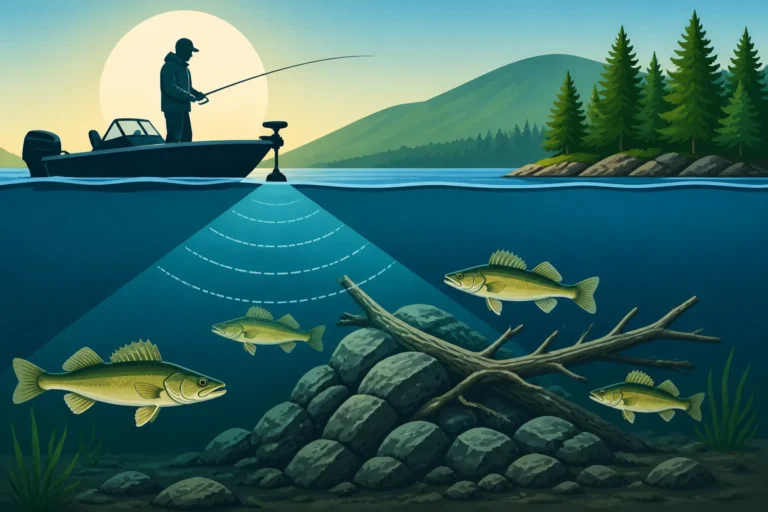
Modern marine electronics are practically mandatory for consistent fall walleye success. A high-quality fish finder with GPS and mapping capabilities will be your best friend. Look for models with clear, high-resolution screens and CHIRP sonar, down imaging, and side imaging capabilities.
Fish Finder Features for Fall Walleye:
| Feature | Benefit for Fall Walleye Fishing |
|---|---|
| CHIRP Sonar | Provides clearer target separation, helping identify individual walleye vs. baitfish schools. |
| Down Imaging | Offers photographic-like views of structure directly below the boat, revealing rock piles, logs. |
| Side Imaging | Scans wide areas on either side of the boat, excellent for locating offshore humps and schools. |
| GPS & Mapping | Pinpoint exact spots, mark waypoints for productive structure, and navigate safely. |
| Water Temp. | Critical for tracking walleye movements and activity levels as fall progresses. |
These tools allow you to identify subtle contour changes, locate schools of baitfish, mark individual walleye, and navigate safely in potentially foggy or low-light conditions. Learning to interpret what your fish finder is showing you is a skill that will exponentially increase your fall walleye catch rates. Many top-tier units are available, with brands like Humminbird, Lowrance, and Garmin offering excellent choices that you can research on Amazon.
Locating Walleye Hotspots in Autumn
Knowing the techniques is one thing, but knowing where to apply them is just as important. Fall walleye don't just appear anywhere; they follow predictable patterns tied to bait and structure.
Lake Champlain Specific Strategies
Lake Champlain stands out as Vermont's premier walleye fishery, and fall is a fantastic time to explore its vast potential. Walleye on Champlain often relate to specific types of structure during autumn. Look for transitional areas: where shallower flats drop off into deeper channels, or where rocky points extend into the main lake basin. The mouths of tributaries like the Winooski River or the Lamoille River can also be magnets for walleye, especially if baitfish are moving in or out.
Focus your efforts on areas with good forage bases. If you can locate schools of baitfish, you'll likely find walleye nearby. Good starting points include the extensive flats near the Sandbar Causeway, the deeper edges of the Missisquoi Bay, and the numerous reefs and humps scattered throughout the broad lake. Early fall sees good action on the main lake points, while later in the season, certain bays and river mouths can hold immense numbers of fish as they stage for winter. Understanding the specific nuances of fishing Lake Champlain is critical, and our guide to Lake Champlain Walleye Fishing offers even more granular detail.
River Mouths and Tributaries
As fall progresses, many baitfish species, particularly smelt, will begin to stage near the mouths of rivers and tributaries in anticipation of their winter spawning runs or simply seeking warmer, more stable water. This concentration of forage creates a natural ambush point for walleye.
Target these areas by trolling crankbaits just outside the mouth of the river, or by casting jigs and stickbaits into the current eddies and seams. The distinct current breaks formed by a river entering a larger lake often concentrate both baitfish and predatory walleye. Don't be afraid to venture a little way up the river itself, especially during a warm spell, as walleye will follow bait into these areas. These spots can be particularly productive during low-light hours or after a significant rain event that stirs up the water and disorients baitfish.
Deep Water Humps and Points
While some walleye will push shallow in the fall, many will still relate to deeper structures, especially as the season wears on and water temperatures continue to drop. Submerged humps, rocky points that extend far out into the lake, and deep offshore reefs are classic fall walleye holding areas.
These structures provide excellent ambush points for walleye feeding on schools of baitfish moving along the bottom or suspended nearby. Use your fish finder's side imaging and down imaging to meticulously scan these areas, looking for variations in depth, rock piles, or even individual fish. Once located, vertical jigging with spoons or blade baits, or slow trolling deep diving crankbaits directly over and around these structures, can yield fantastic results. Walleye found in these deeper spots are often larger, more mature fish looking for substantial meals.
Adapting to Vermont's Fall Conditions
Vermont's fall weather can be stunningly beautiful but also notoriously fickle. Being prepared for rapidly changing conditions is part of the game when chasing walleye in autumn.
Cold Fronts and Changing Weather
Cold fronts are a reality of fall fishing. While a stable period of cooling weather can turn walleye on, a sharp, sudden cold front often shuts them down for a day or two. When a cold front hits, walleye tend to become lethargic and move deeper, or hug tighter to cover.
During these challenging times, slow down your presentation considerably. Finesse techniques, smaller baits, and slower retrieves become paramount. Instead of aggressive trolling, try vertical jigging with a minnow-tipped jig, or slowly dragging a bottom bouncer with a worm harness. Don't let a cold front deter you, but be prepared to adjust your tactics. Sometimes, the bite might be compressed into a very short window, perhaps just an hour at dusk or dawn. For more on how fish react to different conditions, check out our guide on Vermont Fishing Seasons by Month.
Fishing During Peak Fall Foliage
While the vibrant fall foliage is a breathtaking backdrop for fishing, it also coincides with significant changes in water temperature and fish behavior. The peak of foliage usually means the water has cooled considerably, prompting walleye to enter their aggressive feeding phase. This isn't just a pretty picture; it's a prime indicator of when to hit the water.
Focus on the mid to late fall foliage period, typically late September through October in most parts of Vermont. This is when the most consistent action often occurs. The crisp air and often clear skies can make for spectacular days on the water. However, the clear water that often accompanies stable fall weather can make walleye more wary, so attention to line visibility (fluorocarbon leaders!) and natural bait presentations becomes even more important.
Early Morning vs. Late Evening Approaches
The transition periods of dawn and dusk are almost universally productive for walleye, and fall is no exception. Walleye are highly sensitive to light, and the low light of morning and evening gives them a distinct advantage over their prey.
In the early morning, as the sun barely cracks the horizon, walleye will often be actively feeding in shallower water, having moved up overnight. This is a great time for casting stickbaits or shallow crankbaits to rocky points or weed edges. As the sun rises, they'll typically retreat to deeper cover or drop-offs. Conversely, late evening sees a similar pattern. As the light fades, walleye will again push shallow to feed. The bite can be particularly intense right as darkness falls, sometimes continuing well into the night. Plan your trips to maximize these low-light windows, as they often yield the largest and most active fish. For those willing to brave the chill, Night Fishing for Walleye on Lake Champlain can be incredibly rewarding.
Safety Considerations for Fall Walleye Fishing
Fall fishing in Vermont is undeniably rewarding, but it also carries inherent risks due to colder temperatures and shorter daylight hours. Prioritizing safety is paramount for an enjoyable and successful outing.
Cold Water Boating Safety
Once water temperatures drop below 60 degrees Fahrenheit, cold water immersion becomes a serious concern. If you unexpectedly go overboard, hypothermia can set in quickly. Always wear a Coast Guard-approved life jacket, even if you're an experienced swimmer. Modern inflatable life jackets are comfortable and don't impede casting or movement.
It's also crucial to ensure your boat is in top condition. Check all safety gear, including flares, a whistle, a first-aid kit, and a functional bilge pump. Inform someone of your float plan – where you're going and when you expect to return. Consider carrying a spare change of clothes in a waterproof dry bag. Even a momentary lapse can turn a great day into a dangerous situation, so take every precaution. You can find essential boating safety gear, including high-quality life jackets, on Amazon.
Dressing for Success
Layering is the name of the game for fall fishing in Vermont. The air temperature can fluctuate wildly throughout the day, and wind chill on the water can make it feel much colder than the forecast suggests. Start with a moisture-wicking base layer to draw sweat away from your skin. Add an insulating middle layer, such as fleece or wool, and top it with a waterproof and windproof outer shell.
Don't forget warm socks, a hat, and insulated gloves. Extremities lose heat quickly. A good pair of insulated waterproof boots will keep your feet dry and warm, even if you encounter spray or shallow water. Being comfortably warm allows you to focus on fishing rather than shivering, improving your concentration and enjoyment.
Navigation in Shorter Daylight
As fall progresses, the days get noticeably shorter, and early morning or late evening fishing often means operating in low light or complete darkness. This makes navigation more challenging and significantly increases the risk of accidents.
Ensure your boat's navigation lights are in perfect working order. Carry a reliable spotlight or headlamp, and always have updated charts or GPS maps on your fish finder. Pay close attention to channel markers, submerged hazards, and your surroundings. If visibility is poor due to fog or rain, consider cutting your trip short. It's better to miss a few bites than to risk a collision or grounding. Planning your routes in advance and staying alert will help you navigate safely during these shorter days.
Disclaimer
Fishing regulations, seasons, and licensing requirements can change. Always consult the official Vermont Fish and Wildlife Department website or their latest regulations guide before heading out on the water. The information provided in this guide is for general informational purposes only and should not be considered a substitute for official regulations or professional advice. Be safe, ethical, and responsible whenever you're enjoying Vermont's beautiful waters.