Cold Front Fishing Tactics for Vermont Bass
Oh, the dreaded cold front! There's almost nothing more frustrating for a Vermont bass angler than waking up to a beautiful, crisp morning after a strong cold front has blown through. You had visions of aggressive smallmouth smashing topwaters or largemouth inhaling jigs, only to find the fish have suddenly developed a severe case of lockjaw. This guide is all about unraveling the mysteries of why bass get so finicky after a cold front and, more importantly, equipping you with the tactics to tempt those reluctant fish back into biting.
Understanding the Cold Front Effect on Vermont Bass
A cold front isn't just a change in temperature; it's a complete environmental reset that sends shockwaves through the underwater world, especially for sensitive species like bass. These changes influence everything from their comfort level to their feeding patterns, often making them much harder to locate and convince to strike.
Barometric Pressure Drop and Fish Behavior
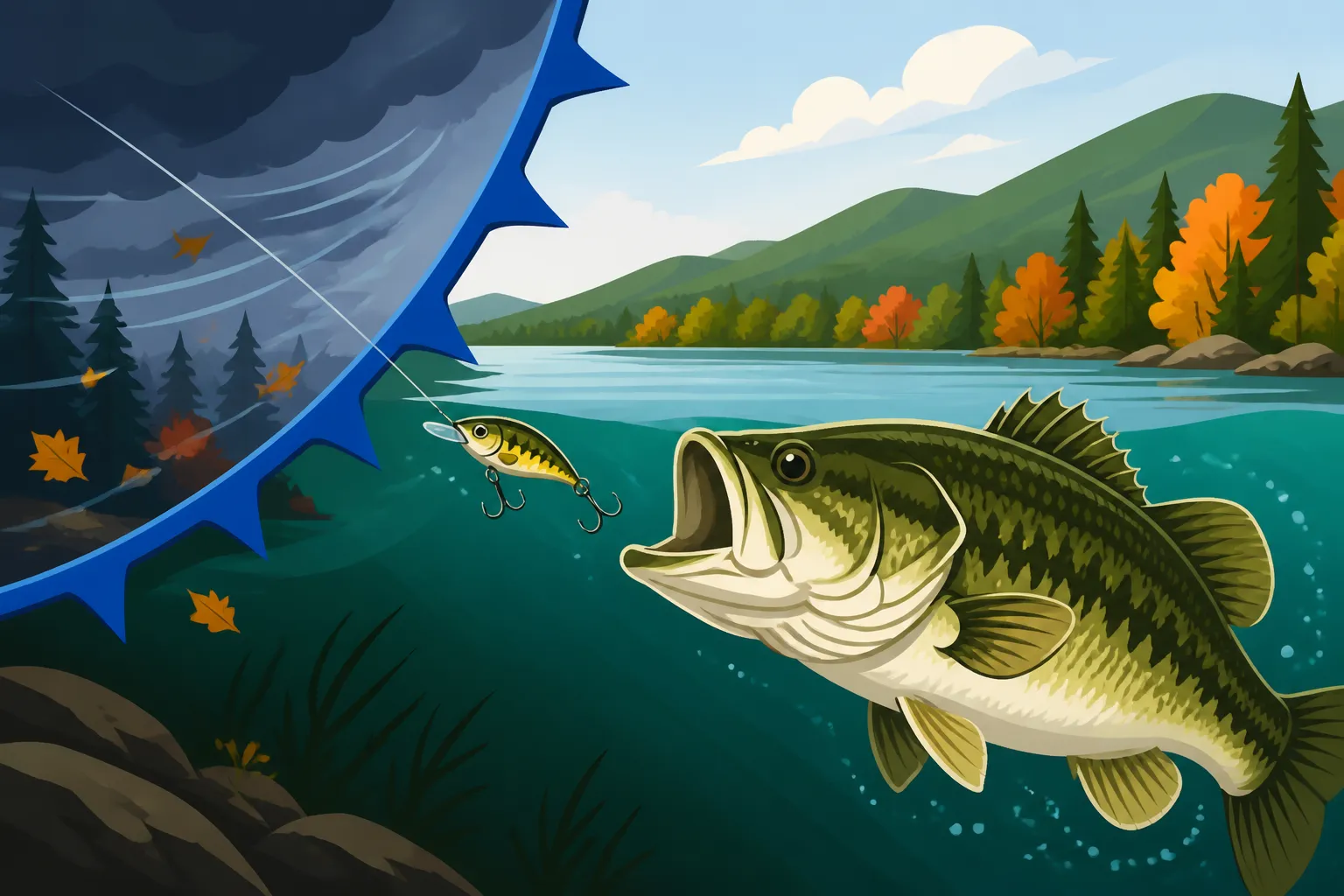
Perhaps the most significant, yet invisible, impact of a cold front is the sudden change in barometric pressure. Before a front, the pressure often drops steadily, which can actually trigger an aggressive feeding binge in bass. Fish sense this drop, and it often correlates with stormy weather, signaling an opportunistic feeding window before conditions get tough. Think of it as a last-minute buffet before the restaurant closes. However, once the cold front passes, the barometric pressure rises sharply and then stabilizes at a higher level. This high-pressure system can make bass feel uncomfortable, almost like they're experiencing an internal pressure squeeze. They often become lethargic, retreat to deeper water, and their metabolism slows down, making them less inclined to chase a meal. You'll notice they're less active, moving slower, and often holding tight to cover, conserving energy. It's a huge shift from the pre-front frenzy.
Water Temperature Swings and Bass Metabolism
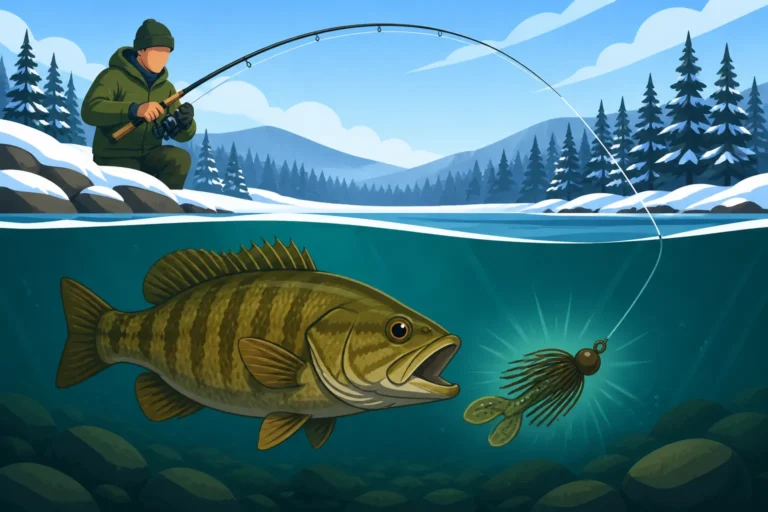
Beyond barometric pressure, the actual temperature drop in the air has a direct, albeit slightly delayed, impact on water temperature. Shallow water, particularly in smaller Vermont ponds and lakes, will cool down much faster than deeper sections. Bass are cold-blooded creatures, meaning their body temperature mirrors their surroundings. A significant drop in water temperature, especially a rapid one, can dramatically slow down their metabolism. When their metabolism is sluggish, they don't need to eat as much, and they certainly won't exert much energy chasing down a fast-moving bait. This is why you often hear anglers talk about bass "shutting down." They're not just being picky; their internal systems are literally telling them to conserve energy. This effect is especially pronounced in the spring and fall when temperature fluctuations can be more extreme.
Baitfish Movement and Predator Response
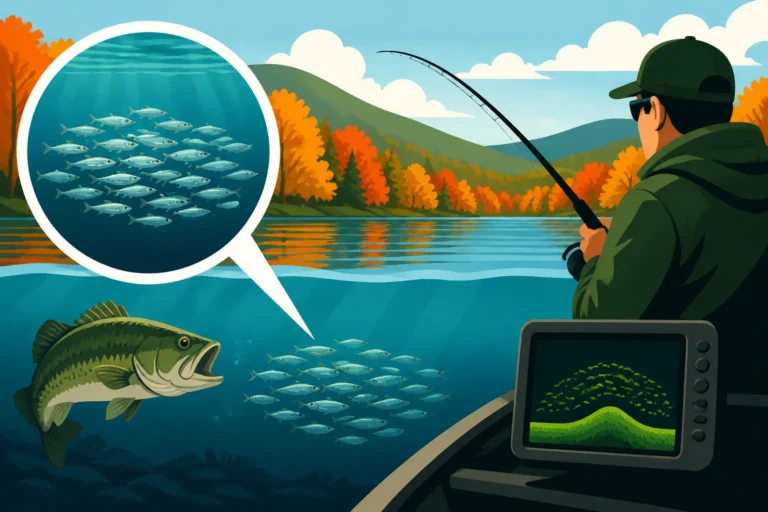
Cold fronts don't just affect bass; they also impact their primary food sources – the baitfish. As water temperatures drop and pressure changes, baitfish often seek out more stable, deeper water or thicker cover. This dispersal or retreat of baitfish means that bass no longer have easy access to abundant schools of food in shallow, aggressive hunting grounds. If the baitfish aren't actively schooling or moving, the bass won't be actively pursuing them either. They might follow the baitfish to deeper zones or simply hold tight to structures, waiting for an easy meal to come to them rather than expending energy on a hunt. Understanding this dynamic is crucial. If you're fishing areas that were teeming with baitfish before the front, they might now be barren, and your efforts in those spots will likely be fruitless. You need to think about where those baitfish have gone and if the bass are likely to follow.
Adjusting Your Approach: Lure and Presentation Changes
When bass are in this post-cold front funk, your usual tactics often won't cut it. They're not looking for a chase; they're looking for an easy, irresistible meal presented right in front of their faces. This means slowing everything down and often downsizing your offerings.
Slowing Down Your Retrieve and Presentation
This is probably the golden rule of cold front bass fishing. Forget burning spinnerbaits or aggressively ripping lipless crankbaits. Bass after a cold front are lethargic and want something that looks like an easy target. Imagine a person who's feeling a bit under the weather; they're not going to sprint after a sandwich, but they might gladly pick one up if it's placed gently nearby.
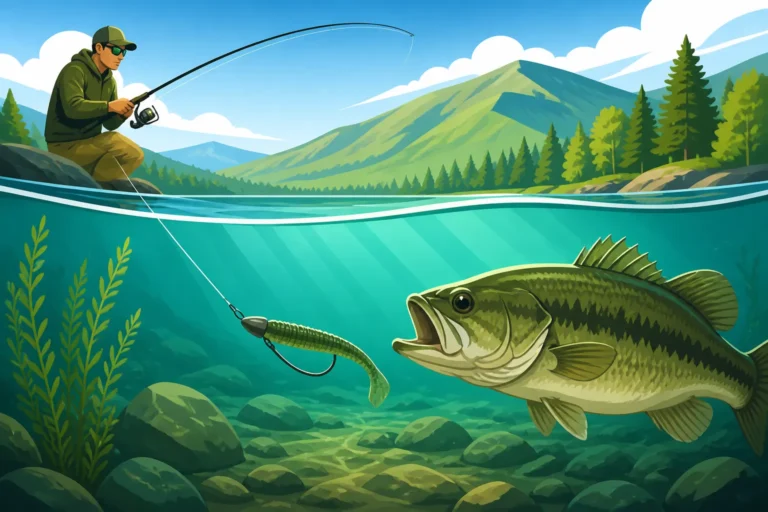
For example, if you're fishing a jig, let it sit on the bottom for extended periods, perhaps 10-20 seconds, before giving it a subtle twitch. The same goes for Texas-rigged worms or Senkos; cast them out, let them sink naturally, and then impart minimal twitches or drags. You're not trying to trigger a reaction strike based on speed, but rather appealing to their instincts for an effortless meal. Sometimes, the slightest vibration or movement is enough to entice a hesitant bite, but it's often after the bait has been paused for what feels like an eternity. This is when a highly sensitive rod, perhaps one you picked up on Amazon, really shines, allowing you to detect those almost imperceptible takes. For more insights on fishing specific areas, check out our guide on how to fish a spinnerbait for Vermont lake bass.
Downsizing Lures and Using Finesse Tactics
Big, flashy baits that worked yesterday might be ignored today. When bass are sluggish, they're often less willing to commit to a large meal. Instead, they might be more inclined to nibble at something smaller and less threatening. This is where finesse tactics truly shine.
Think about dropping from a ½-ounce jig to a ¼-ounce or even a ⅛-ounce model. Instead of a 6-inch plastic worm, try a 4-inch stick bait or a small creature bait. Ned rigs, for instance, are absolute killers in these conditions. Their small profile and subtle action are perfect for convincing pressured or lethargic bass to bite. Drop shots with small worms or minnow imitations are another excellent choice, allowing you to suspend a bait right in the fish's face. The key is to offer something that appears vulnerable and requires minimal energy expenditure from the bass. Smaller baits also often have a more natural, slower fall rate, which can be critical when bass are watching every detail.
Utilizing Live Bait or Scented Lures
Sometimes, even the most perfectly presented artificial lure isn't enough. When bass are truly shut down, live bait can be the ultimate equalizer. A lively shiner or a plump nightcrawler struggling on a hook is often too tempting for even the most finicky bass to ignore. The natural scent, movement, and taste are hard to replicate with plastic.
If live bait isn't an option or you prefer artificials, heavily scented lures can make a huge difference. Brands like Berkley PowerBait or Strike King Rage series offer plastics infused with powerful attractants. These scents can draw in bass that might not otherwise detect your lure, or they can encourage a bass to hold onto the bait longer, giving you more time to feel the bite and set the hook. Even a subtle scent trail can sometimes be enough to pique the interest of a sluggish fish that's otherwise ignoring everything else. Don't underestimate the power of a strong scent when fish are hesitant.
Finding Reluctant Bass: Key Locations After a Front
The fish haven't vanished, they've just moved. After a cold front, bass will almost always abandon their shallow, aggressive hunting grounds for more stable, comfortable environments. Knowing where to look for them is half the battle.
Deeper Water and Transition Zones
As we discussed, shallow water cools faster and is more exposed to rapid barometric shifts. Bass will seek the stability of deeper water. This doesn't necessarily mean the deepest part of the lake, but rather areas where they can quickly retreat from the impact of the front. Look for drops-offs, humps, and ledges that offer access to deeper water but still have some structure for cover.
Think about the transition zones: where a shallow flat suddenly drops into a 15 or 20-foot basin. Bass might be holding right on that breakline, just a few feet deeper than you'd normally find them. In Lake Champlain, for instance, targeting these deeper points and humps on the main lake might be more productive than hitting the shallow bays. Our guide on how deep walleye go in summer on Lake Champlain also provides some insights into deeper water dynamics that can apply to bass.
Dense Cover and Heavy Structure
When bass feel exposed and uncomfortable, their instinct is to hide. After a cold front, they'll often bury themselves in the thickest cover available. This could mean dense submerged weed beds, fallen timber, brush piles, rock piles, or even dock pilings. The cover provides them with a sense of security and often acts as a thermal buffer, offering slightly more stable water temperatures.
If you're fishing a lake known for its submerged timber, like parts of Lake Bomoseen, focus your efforts on picking apart those laydowns with slow, precise presentations. Work every branch and crevice. If it's rock piles, try pitching a jig or a tube bait right into the heart of the rocks and letting it sit. They're not actively hunting, so you need to bring the meal to their doorstep.
North-Facing Banks and Sheltered Areas
This is a subtle but often overlooked tip. After a cold front, particularly on sunny days, the sun angle can play a role. North-facing banks, which receive less direct sunlight throughout the day, might actually hold warmer water for longer, or at least experience less dramatic temperature swings. Additionally, any sheltered pockets or coves that are protected from the prevailing wind (which often comes from the north or northwest after a cold front) will have more stable, potentially slightly warmer water.
Wind-blown banks that were productive pre-front might now be too cold and exposed. Instead, look for those quiet, sunny little pockets on the lee side of islands or points, or those north-facing stretches that might retain a degree or two more warmth. Every degree can make a difference to a sluggish bass. Consider exploring various Best Shore Fishing Spots in Vermont to find such sheltered banks accessible without a boat.
| Cold Front Parameter | Pre-Front Bass Behavior | Post-Front Bass Behavior | Recommended Tactic |
|---|---|---|---|
| Barometric Pressure | Falling; active feeding | Rising; lethargic, uncomfortable | Slow retrieve, deep water |
| Water Temperature | Stable; active metabolism | Dropping; slow metabolism | Finesse, smaller baits |
| Baitfish Movement | Active, schooling | Dispersed, seeking cover | Target dense cover |
| Location | Shallow flats, points | Deep drops, heavy cover | Vertical presentations |
| Lure Speed | Fast, reaction baits | Slow, subtle action | Extended pauses, soft plastics |
Gear Considerations for Cold Front Bass Fishing
When bass get tough, your gear needs to be up to the challenge of detecting those subtle bites and handling sensitive presentations. This isn't the time for heavy, clunky setups.
Sensitive Rods and Reels
A highly sensitive rod is paramount for cold front fishing. You're often dealing with incredibly light bites that feel more like a "mush" or a slight weight rather than a definitive "thump." A fast-action rod made of high-modulus graphite will transmit these subtle takes much better than a slower, heavier rod. Look for rods in the medium-light to medium power range, typically between 6'6" and 7'6" for spinning gear, which is perfect for finesse techniques.
Pair this with a smooth, lightweight spinning reel that has a good drag system. A smooth drag is essential when you hook into a quality bass on light line, as it will prevent break-offs. Brands like Shimano, Daiwa, or even some of the more affordable options you can find on Amazon, offer excellent sensitive rods and reels that won't break the bank. Having the right tool to feel those ghost bites is crucial to success.
Choosing the Right Line: Fluorocarbon and Braided Options
Your choice of fishing line is just as critical as your rod and reel. For finesse tactics in clear Vermont waters, fluorocarbon line is often the top choice. It's nearly invisible underwater, which is a huge advantage when bass are spooky. Fluorocarbon also has low stretch, providing excellent sensitivity, allowing you to feel those faint bites. Common sizes for cold front bass range from 6 to 10-pound test.
Alternatively, many anglers prefer a braided mainline with a fluorocarbon leader. Braid offers unparalleled sensitivity and casting distance. The zero-stretch characteristic of braid means you'll feel everything that happens at the end of your line. A 10-15 pound test braid with a 6-10 pound fluorocarbon leader (attached with a strong knot like an FG knot) gives you the best of both worlds: extreme sensitivity and low visibility at the business end. This setup is particularly effective when fishing a drop shot rig or Ned rig in deeper water. Learn more about the advantages of Best Fluorocarbon Line for Clear Lake Water.
Essential Terminal Tackle for Finesse Presentations
Your terminal tackle needs to match your finesse approach. Forget thick-gauge hooks and heavy weights. You'll want to downsize everything.
- Hooks: Invest in good quality, sharp finesse hooks. For Texas rigs or wacky rigs, offset worm hooks in sizes 1/0 or 2/0 are common. For drop shots, a straight shank or wide gap hook in size 1 or 1/0 is perfect. Always opt for hooks with a fine wire gauge to ensure good hook penetration on light bites.
- Weights: Tungsten weights are a game-changer for cold front fishing. Tungsten is much denser than lead, meaning a smaller weight can achieve the same sink rate. This gives your presentation a more compact profile and, more importantly, provides significantly better sensitivity. You'll feel every rock, stick, and subtle bite. Stock up on tungsten bullet weights for Texas rigs (1/8 oz to 3/16 oz) and tungsten drop shot weights (1/8 oz to 1/4 oz). You can easily find a good selection of these on Amazon or at your local tackle shop.
- Swivels and Snap-Swivels: While less crucial for pure finesse, if you're incorporating small crankbaits or spybaits, quality swivels can prevent line twist. For direct line-to-lure connections on soft plastics, avoid them to maintain the most natural presentation.
Patience and Persistence: The Mental Game
Fishing after a cold front is as much about mental fortitude as it is about technique. It can be incredibly frustrating to fish for hours without a bite, but giving up is the surest way to catch nothing.
The Importance of Slower Fishing and Extended Pauses
I've said it before, but it bears repeating: slow down. And then slow down some more. You might feel like you're fishing too slowly, but often, you're not. Think about casting a jig and letting it sit on the bottom for what feels like an eternity. Ten, twenty, even thirty seconds. That's not wasted time; that's prime time for a sluggish bass to finally commit.
Every retrieve should be methodical. Instead of a quick hop and retrieve, try a gentle lift, a long pause, and then a slow drag. Pay attention to how the bait falls. When using a Senko wacky-rigged, the slow, seductive shimmy on the fall is often when the fish hit it. For more specialized techniques, consider reading about How to fish a jerkbait for early spring bass, as jerking and pausing is a key principle there. Your patience will be rewarded. It takes a lot of discipline, but those subtle ticks and taps after a long pause are some of the most satisfying bites you'll ever get.
Covering Water Strategically vs. Finesse-Picking
While slowing down your presentation is key, you still need to cover water to find the fish. The challenge is balancing these two aspects. You can't just cast blindly and wait. Instead, focus on covering water strategically. Instead of making twenty casts to the same open bank, make five highly focused, slow casts to a piece of cover, then move to the next promising spot.
This means being deliberate with your casts, targeting every isolated log, rock pile, or weed edge. If you get a bite, even a tentative one, thoroughly dissect that area. Bass often school up after a cold front, so where there's one, there are likely more. Don't be afraid to circle back to areas that seemed unproductive earlier in the day. Sometimes, a slight shift in the sun angle or a subtle warming trend can reactivate a spot. Our guide to Best Bass Fishing Techniques for Lake Champlain covers more on strategic water coverage.
Learning to Read the Conditions and Adapt
The most successful cold front anglers are those who constantly observe and adapt. Pay attention to everything: the wind direction, the sun, cloud cover, water clarity, and how the baitfish are behaving. Did the wind shift, creating a new calm spot? Is the sun warming a particular rock face? Are you seeing any signs of baitfish?
If one lure isn't working, don't keep throwing it for hours. Change your lure, change your color, change your weight, or change your presentation. Experiment with different depths. Sometimes, going just a few feet deeper or shallower can make all the difference. Keep a mental log of what isn't working, which helps narrow down what might work. This constant experimentation, even when frustrating, is how you unlock the puzzle of cold front bass. Understanding How barometric pressure affects Vermont bass fishing can give you a significant edge in these conditions. And remembering that the Best time of year to fish in Vermont can also dictate how severe these cold front effects will be.
Disclaimer
Fishing involves inherent risks. Always prioritize safety on the water. Be aware of local regulations, weather conditions, and wear appropriate safety gear, including personal flotation devices. Fishing conditions and regulations can change, so always consult the latest Vermont Fish and Wildlife Department guidelines before heading out.