How to Catch Muskellunge on Lake Memphremagog
The call of Lake Memphremagog’s legendary muskellunge is strong, but the reality of pursuing these apex predators can be incredibly frustrating. They’re known as the “fish of 10,000 casts” for a reason, and if you’ve spent countless hours without a strike, you know the feeling. This comprehensive guide is dedicated to equipping you with the knowledge, techniques, and sheer grit needed to improve your odds and finally bring one of these magnificent fish to your net on Vermont’s northern jewel.
Understanding Lake Memphremagog's Muskellunge Fishery
Lake Memphremagog, straddling the U.S.-Canadian border, is a truly unique fishery. It's vast, deep, and offers a complex environment where muskellunge thrive, but also where they can prove incredibly elusive. Understanding this specific ecosystem is the first step toward cracking the code of its resident toothy giants.
The Elusive Nature of Memphremagog Muskies
Muskellunge on Lake Memphremagog aren't your average catch; they're the stuff of legend. These fish are relatively scarce compared to other species, making every encounter a special event. Their numbers are naturally lower than, say, bass or panfish, which contributes to their "elusive" reputation. Many anglers go years without seeing one, let alone hooking one, which can be disheartening. This scarcity, however, is precisely what makes catching a Memphremagog muskie such a coveted achievement, transforming a simple fishing trip into a true hunt.
The lake itself adds to the challenge. With over 27,000 acres, long, deep sections, and intricate underwater structure, finding these solitary predators requires patience, persistence, and a deep understanding of their habits. The fish don't gather in massive schools; instead, they often hold individually or in very small groups in specific ambush points. Their historical presence in Lake Memphremagog is long-standing, with local lore and records speaking of truly massive fish caught decades ago, fueling the desire to land a new state record.
Key Forage and Habitat on the Lake
Muskellunge are apex predators, and their diet on Lake Memphremagog largely consists of the largest, most abundant baitfish available. This typically includes yellow perch, whitefish, suckers, and even smaller northern pike or landlocked salmon. Understanding their preferred prey helps you "match the hatch," so to speak, selecting lures that mimic these food sources in size, shape, and action. If you want to dive deeper into what makes these predators tick, a good resource for understanding their behavior is the article on Muskellunge Habits on Lake Memphremagog.
Their habitat preferences shift with the seasons, but generally, muskies are drawn to areas offering a combination of ambush points, cover, and proximity to baitfish. On Lake Memphremagog, this means targeting extensive weed beds, sharp drop-offs, rocky points, and submerged humps. During warmer months, they might relate to the thermocline in deeper water, while in cooler seasons, they'll often push shallower, following their prey into bays and along shorelines. Pay close attention to current breaks, transitions between different types of structure, and any isolated cover that stands out from its surroundings.
Essential Gear for Memphremagog Muskellunge
Pursuing muskellunge is not a delicate affair. These are powerful, often massive fish that demand heavy-duty, reliable gear. Trying to tackle a Memphremagog muskie with inadequate equipment is a recipe for broken lines, bent hooks, and lost fish, leading to even more frustration than their elusiveness already provides. Investing in the right tools is non-negotiable for success and, crucially, for the fish's well-being.
Rods, Reels, and Line Built for Battle
When it comes to muskellunge, "heavy" is the operative word. You'll want long, heavy-power casting rods, typically ranging from 8 to 10 feet. The extra length aids in casting large, heavy lures, absorbing lunges, and executing proper figure-eights at the boat. Look for rods with a fast action to handle the violent strikes and maintain control during the fight. Brands like St. Croix, Shimano, and Abu Garcia offer excellent muskie-specific rods designed for this kind of abuse. For a deeper look into the ideal setup, you might find the article on Best rod setup for muskellunge trolling particularly insightful.
Pair these rods with robust, low-profile baitcasting reels with a high gear ratio (6.0:1 or higher) for quickly taking up slack and a strong drag system. Line capacity is also key, as these fish can make powerful runs. When considering your reel options, you can find a solid selection on Amazon, often with helpful reviews from other muskie anglers. Spool your reel with heavy-duty braided line, typically 80 to 120-pound test. Braid offers superior sensitivity, minimal stretch, and incredible strength, which is essential for setting hooks into a muskie's bony mouth. Finally, a heavy fluorocarbon or wire leader (150-250 lb test, 12-18 inches long) is absolutely vital to prevent bite-offs from their razor-sharp teeth. To understand the specifics, check out our guide on Best Line Weight for Muskellunge Fishing and Best leader for muskellunge on Lake Memphremagog.
The Right Lures and Baits for Aggressive Predators
Muskellunge lures are a world unto themselves – big, often expensive, and designed to trigger aggression. You'll need a variety to cover different depths, conditions, and retrieve styles. Bucktails are a classic choice, excellent for covering water quickly and often triggering reaction strikes. Large inline bucktails, with their pulsating skirts and flashing blades, are particularly effective. Jerkbaits, which can be retrieved with erratic snaps and pauses, are phenomenal for eliciting strikes from reluctant fish, especially when worked over weed edges or rocky structure. Glide baits, often called "walk-the-dog" lures, offer a subtle, sweeping action that can be irresistible.
Soft plastics, such as large swimbaits or grub-tailed lures, also have their place, especially when fish are less aggressive or holding deeper. Topwater lures can provide some of the most exhilarating strikes in muskie fishing, particularly during low light conditions or over shallow weed beds. Don't be afraid to experiment with different colors and sizes; sometimes a subtle change can make all the difference. Many of these specialized muskie lures are available through retailers like Amazon, offering a convenient way to build your arsenal.
| Lure Type | Primary Action | Ideal Conditions/Use | Retrieval Style |
|---|---|---|---|
| Bucktails | Flash, vibration, constant movement | Covering water, fast retrieves, triggering reaction strikes | Steady crank, slight pumps, varied speed |
| Jerkbaits | Erratic, darting, suspending | Over structure, cooler water, targeting neutral fish | Rod snaps/twitches, pause, retrieve slack |
| Glide Baits | Slow, sweeping, side-to-side sashay | Subtle presentation, targeting follows, clear water | Smooth sweeps of the rod, reel up slack |
| Crankbaits | Deep diving, wobbling, vibrating | Deep water, trolling, targeting thermocline | Steady retrieve, varied speed, bumping bottom |
| Topwater | Gurgling, spitting, walking | Low light, shallow water, exciting surface strikes | Erratic pops, steady walk-the-dog, slow retrieves |
| Soft Plastics | Natural swimming motion, jigging | Deeper water, slow presentations, vertical jigging, trailers | Slow retrieve, jigging motion, controlled fall |
Critical Accessories for Handling and Safety
Muskellunge possess sharp teeth, powerful bodies, and a surprising amount of fight even boatside. Proper handling gear is not just for your safety; it's absolutely crucial for the fish's survival, especially since most muskie fishing is catch-and-release. A high-quality, large muskie net is your most important tool for landing these fish safely. Look for a net with a deep, rubberized mesh to protect the fish's slime coat and fins. For more on this, check out our guide on Best Landing Net for Muskellunge.
You'll also need long-nosed pliers, bolt cutters (for quickly cutting hooks in emergencies), a jaw spreader, and heavy-duty, cut-resistant gloves. The jaw spreader allows you to safely access hooks without getting your fingers near their teeth, while the pliers help you remove hooks cleanly. Never handle a muskie by the gills or eyes. Support its belly, keep it in the water as much as possible, and work quickly to minimize stress. Carrying a reliable first-aid kit is also a smart move, as accidents with hooks and sharp teeth can happen quickly.
Prime Seasons and Conditions for Muskellunge
Muskellunge activity on Lake Memphremagog isn't constant; it ebbs and flows with the changing seasons and water temperatures. Understanding these seasonal patterns is paramount to planning your trips and maximizing your chances of encountering one of these magnificent fish. Anglers who consistently catch muskies are those who understand how fish behavior changes throughout the year and adapt their tactics accordingly.
Spring into Action: Pre-Spawn and Early Season Tactics
As the ice finally recedes from Lake Memphremagog, ushering in spring, the muskie start to stir. This early season, typically from late May through early June (depending on water temperatures and specific regulations), can be a fantastic time to target these fish. During the pre-spawn period, muskies are often found in shallower bays and protected areas that warm up faster. They're looking for areas with emerging weed growth or submerged wood, using these spots to stage before spawning.
Your tactics should focus on these shallower areas, often less than 15 feet deep. Large inline spinners, lipless crankbaits, and medium-diving crankbaits can be highly effective. Muskies might be slightly sluggish in cooler water, so a slower retrieve with occasional pauses can trigger strikes. The key is to be present when the water temperatures are just right, often between 50-60°F. Remember to check the Vermont Fishing Regulations Explained carefully for specific opening dates and any special rules that might apply to muskie season on Memphremagog.
Summer Heat: Deep Water and Weed Edge Strategies
When the dog days of summer arrive and Lake Memphremagog's waters warm up, muskie behavior shifts dramatically. Many fish will move to deeper, cooler water, often suspending over deep structure or relating to the thermocline. However, you’ll also find fish holding tight to the outside edges of extensive weed beds, where they can ambush baitfish. These deep weed lines offer excellent cover and cooler water directly adjacent to food sources.
Trolling becomes an incredibly effective strategy during summer, allowing you to cover vast amounts of water and present lures at precise depths. Large deep-diving crankbaits, magnum bucktails, and heavy swimbaits can all be trolled effectively. When casting, focus on those deep weed edges, rocky points that extend into deeper water, and submerged humps. Work your lures just above or through the tops of the weeds to trigger strikes. Early mornings and late evenings, or even night fishing, can be particularly productive as water temperatures are cooler and baitfish activity often peaks.
Fall Feast: Targeting Trophy Fish Before Winter
Autumn is widely considered the prime time for trophy muskellunge fishing on Lake Memphremagog. As water temperatures drop, fish enter a feeding frenzy, packing on reserves for the long winter ahead. This is when they become incredibly aggressive, often chasing down large meals. They'll follow baitfish schools into shallower bays and along structure before eventually retreating to deeper, more stable thermal zones.
Giant bucktails, large jerkbaits, and oversized soft plastics become the baits of choice. Slower, more deliberate retrieves can be effective, but don't shy away from aggressive presentations either. Pay close attention to prominent points, deep weed lines, and structural elements like rock piles or submerged islands. Cold fronts can make fishing challenging, causing muskies to become temporarily lethargic, but pre-front conditions can be explosive. Patience during a cold front can sometimes pay off with a massive fish that eventually decides to feed. Many anglers dedicate their entire season to this fall window, knowing it offers the best chance at a true giant.
Top Spots and Structure on Lake Memphremagog
Lake Memphremagog is a vast and diverse body of water, offering a multitude of environments for muskellunge. Simply going out and casting randomly is a surefire way to replicate the "fish of 10,000 casts" experience. To increase your odds, you need to understand where muskies prefer to hold and how to identify those high-probability areas. This means looking beyond the surface and understanding the underwater topography. For a broader overview of this incredible water body, consider reading our comprehensive Lake Memphremagog Fishing Guide.
Identifying Productive Bays and Points
Certain bays and points on Lake Memphremagog consistently produce muskies due to their unique characteristics. Bays with extensive weed beds, particularly those with access to deeper water, are prime ambush zones. Look for weed lines that drop off sharply into deeper water or bays with isolated clumps of thick weeds. These provide excellent cover for muskies to hide and surprise unsuspecting baitfish. Good examples of such areas might include the shallower portions of the lake around Newport, Vermont, or areas with rocky transition zones leading into deeper water.
Points that extend far out into the lake, especially those with submerged rock piles or abrupt depth changes, are also excellent muskie magnets. These act as natural funnels for baitfish, concentrating them and making them easy targets for a waiting muskie. Pay attention to how the current or wind pushes baitfish around these points, as muskies will often position themselves on the downwind or down-current side. Don't be afraid to slow down and meticulously work these areas, making multiple casts from different angles.
Understanding Submerged Structure and Weed Beds
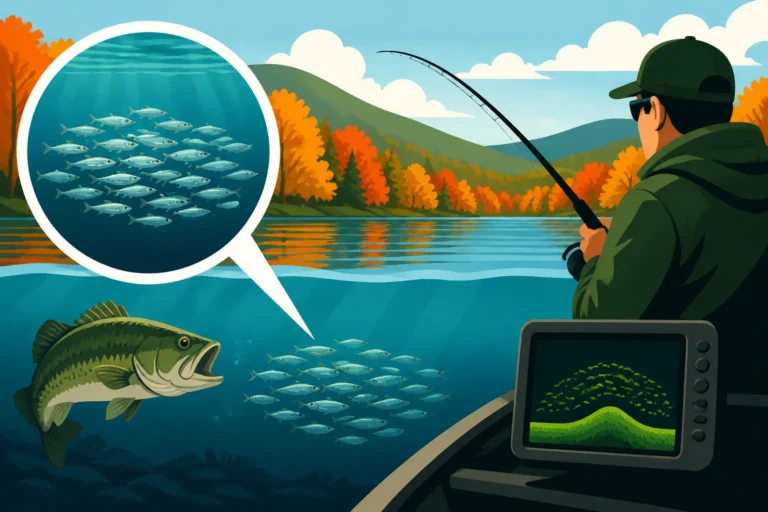
Muskies are structure-oriented fish, and Lake Memphremagog offers plenty of it. Beyond the visible shorelines, the lake holds a wealth of submerged humps, rock reefs, and deep weed lines that are crucial for finding these fish. Modern electronics, including side imaging and down imaging, are invaluable for locating these hidden treasures. Spend time idling over promising areas, mapping out contours and identifying transitions. A good fish finder can literally show you the "highway" that baitfish use and where muskies might be lying in wait.
Deep weed beds, especially those with varying heights or pockets within them, provide critical cover and foraging opportunities. Muskies will often sit on the outside edge of these beds, facing open water, or patrol the lanes within them. Rocky humps and reefs in open water, often rising from significant depths, are also key holding areas, particularly during summer and fall. These isolated structures often hold schools of baitfish, attracting muskies like a magnet. Learning to read your electronics and interpret bottom contours is as important as your casting technique.
Canadian Side Considerations
Given that Lake Memphremagog spans the international border, angling on the Canadian side presents additional considerations. While many of the prime muskie spots might be found on either side, it's absolutely crucial to be aware of and abide by all Canadian fishing regulations and licensing requirements if you plan to cross the border. Ignoring these rules can lead to serious legal consequences.
Typically, you'll need a separate Quebec fishing license to fish in Canadian waters, and their possession limits, season dates, and even specific gear restrictions might differ from Vermont's. It's always best to consult the current regulations for Quebec's Ministère des Forêts, de la Faune et des Parcs before venturing north. Additionally, be mindful of navigation rules and border crossings. While on the water, you're generally permitted to cross the imaginary border line, but if you intend to touch shore or moor your boat on the Canadian side, you must report to Canadian Customs first. Always carry your passport and all necessary documentation when fishing on international waters.
Effective Techniques for Lake Memphremagog Muskies
Muskellunge fishing isn't just about showing up with big lures; it's about employing specific techniques that appeal to their predatory instincts and cover the water effectively. These fish are notorious for following lures without striking, so mastering your presentation and having a few tricks up your sleeve can make all the difference between a frustrating follow and a heart-stopping strike.
Trolling for Covering Water
Trolling is an indispensable technique for muskellunge fishing on Lake Memphremagog, especially on such a large body of water. It allows you to cover vast areas efficiently, systematically explore different depths, and present lures to fish that might not be accessible via casting. This method is particularly effective in summer and fall when muskies might be scattered or holding deeper. When you want to find more information on how to efficiently cover wide expanses of water, you might want to look into the article on Best trolling pattern for muskellunge on Lake Memphremagog.
The key to successful muskie trolling lies in varying your speeds, depths, and lure presentations. Experiment with speeds between 3 to 7 mph, often faster than you might troll for other species, as muskies respond well to aggressive retrieves. Use planer boards to spread your lines and cover a wider swath, and consider downriggers or lead core line to reach specific depths. Large deep-diving crankbaits, magnum bucktails, and hefty jerkbaits are all excellent trolling lures. Pay attention to your electronics, looking for baitfish schools or changes in bottom contour, and adjust your lures to run through those zones.
Casting and Presenting Lures
Casting for muskies is a more active, hands-on approach that allows for precise lure placement and varied retrieves. This technique shines when targeting specific structure like weed edges, rocky points, or isolated cover. The sheer size and weight of muskie lures can make casting exhausting, but the reward of a violent strike on the retrieve is unparalleled.
When casting, focus on executing long, accurate throws that put your lure in the strike zone for as long as possible. Once the lure hits the water, immediately begin your retrieve, focusing on varying your speed, twitching the rod, and incorporating pauses. The goal is to make your lure look like a distressed or fleeing baitfish, triggering the muskie's predatory response. Experiment with bucktails on fast, steady retrieves, jerkbaits with erratic snaps and pauses, and glide baits with smooth, sweeping motions. Always be ready for a strike, as they can happen at any point during the retrieve, right up to the boat.
The Importance of the Figure-Eight
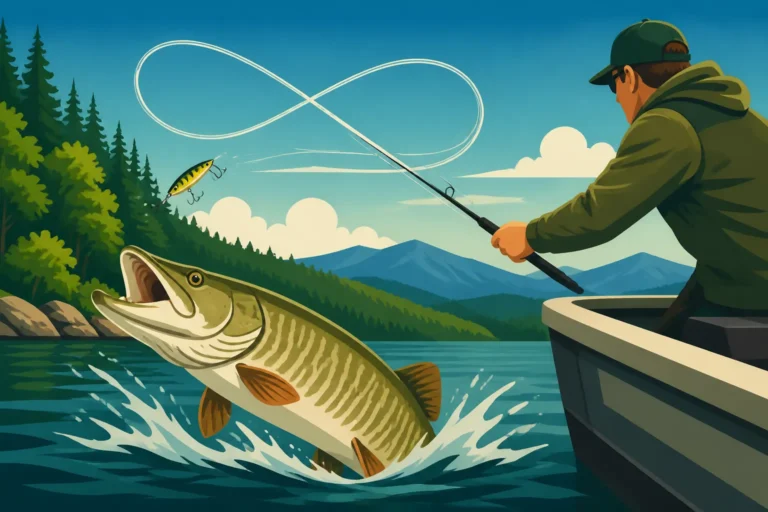
This is arguably the single most important technique in muskie fishing, turning countless follows into actual strikes. Many muskies will track your lure all the way to the boat, inspecting it before deciding whether to commit. If you simply lift your lure out of the water, that fish is gone. However, by executing a figure-eight, you keep the lure in the water and maintain the illusion of a struggling baitfish, often triggering a strike right at the boat. The article on How to Catch Muskellunge on a Figure-Eight Boatside provides even more in-depth guidance on this essential move.
As your lure approaches the boat, instead of lifting it, smoothly sweep your rod tip into a large figure-eight pattern directly alongside the boat. Make the turns wide and fluid, keeping the lure moving, changing speeds, and occasionally dipping the rod tip to make the lure dive slightly. Keep your eyes on the lure, watching for any sign of a follow. Many strikes occur on the tight turns or when you change speed or direction within the figure-eight. This technique requires constant focus and practice, but it's often the difference between success and a missed opportunity.
Reading the Water and Adapting Your Approach
Muskies aren't robots; their behavior is influenced by a myriad of environmental factors. The most successful muskie anglers are not just skilled casters or trollers, but also keen observers who can "read the water" and adapt their strategies to changing conditions. Ignoring these subtle cues means you're leaving a lot to chance, a luxury you can't afford when chasing the fish of 10,000 casts.
Interpreting Weather and Water Conditions
Weather plays a significant role in muskie activity. Stable weather patterns, especially warm and overcast days with a light chop, often coincide with active feeding periods. Conversely, sudden cold fronts, extreme heat, or high-pressure systems can shut down the bite, making fish lethargic and less willing to chase. Paying attention to barometric pressure changes can give you an edge; muskies often become active during periods of falling pressure, just before a storm rolls in.
Water conditions like clarity, temperature, and current also influence where and how muskies feed. In clear water, fish might be more wary, requiring longer casts and more subtle presentations. In stained or choppy water, they might be more aggressive, keying in on vibration and flash. Monitoring water temperature is especially important, as muskie activity levels are directly linked to it. For instance, in spring, they'll seek out warmer water, while in summer, they'll gravitate towards cooler sections.
Adjusting Lure Presentation and Speed
Once you've interpreted the conditions, the next step is to adapt your lure presentation and retrieval speed. There's no single "best" retrieve; it constantly changes. On days when fish are aggressive, a fast, erratic retrieve with plenty of pauses can trigger explosive strikes. When fish are neutral or sluggish, a slower, more deliberate retrieve with longer pauses or a consistent troll at a lower speed might be more effective.
Don't be afraid to experiment with different lure colors, sizes, and types. If bucktails aren't producing, switch to a jerkbait or a glide bait. If fish are following but not committing, try downsizing your lure or changing its color. Sometimes, a subtle change from a natural color to a brighter, more aggressive pattern can trigger a strike. The goal is to find the "trigger" for that day – what makes a muskie decide to eat. It often requires dozens of different presentations until you find the right one.
Mastering Boat Control and Electronics
Modern boat control and electronics are powerful allies in the pursuit of Lake Memphremagog muskies. GPS mapping allows you to mark productive spots, identify subtle contours, and navigate efficiently, especially on a large body of water. Sonar, particularly side imaging and down imaging, is indispensable for locating submerged structure, deep weed lines, and even baitfish schools that indicate muskie presence.
Mastering your boat's trolling motor, especially those with GPS-enabled features like "spot lock," can keep you perfectly positioned over structure or along a weed edge, even in windy conditions. This frees you up to focus on casting and retrieving, rather than constantly adjusting your position. When trolling, using your electronics to monitor depth, water temperature, and lure placement is crucial for staying in the strike zone. Think of your boat and electronics as extensions of your fishing gear, helping you dissect the lake and present your lures with precision.
Safety and Responsible Muskellunge Angling
Catching a muskellunge is a thrilling experience, but it comes with significant responsibilities. These are not only powerful fish that demand respect for your own safety, but they are also a valuable, long-lived, and often fragile resource. Practicing responsible angling ensures both your well-being and the continued health of Lake Memphremagog's muskie population for generations to come.
Best Practices for Catch and Release
Muskellunge are almost universally a catch-and-release species, meaning their survival after release is paramount. Improper handling can cause serious injury or delayed mortality. Always handle a muskie with wet hands or gloves to protect its delicate slime coat, which acts as a barrier against disease. Keep the fish in the water as much as possible; prolonged air exposure causes stress and can damage their gills and internal organs.
Use your large, rubberized landing net to secure the fish quickly. Once in the net, remove hooks swiftly using long-nosed pliers or hook removers, and a jaw spreader if necessary. If a hook is deeply embedded or difficult to remove, cut the hook with bolt cutters rather than tearing tissue. Take a quick photo, then release the fish gently, supporting its body until it swims away under its own power. Sometimes, it may require a few minutes of "reviving" by holding it upright and moving it gently back and forth to force water over its gills.
Vermont Regulations Specific to Muskellunge
Understanding and adhering to Vermont's fishing regulations is not just good practice; it's the law. The Vermont Fish & Wildlife Department sets specific rules for muskellunge, which can include minimum length limits, daily creel limits (often one or none), and season dates. These regulations are designed to protect the muskie population, especially given their slow growth rate and relatively low numbers. For comprehensive details, always consult the current Vermont Fishing Regulations Explained before you head out.
On Lake Memphremagog, specifically, there are regulations regarding Vermont Muskellunge Regulations on Lake Memphremagog that you must be aware of, as they may differ slightly from general state rules due to the lake's unique nature and border status. These regulations can change annually, so never assume that last year's rules still apply. It's your responsibility as an angler to be informed. Carrying a copy of the current regulations, either printed or digitally, is a smart habit. Violating these regulations can result in hefty fines and penalties, not to mention impacting the resource itself.
Boating Safety on a Large Border Lake
Lake Memphremagog is a substantial body of water, and its size, coupled with unpredictable weather, demands a strong emphasis on boating safety. High winds can whip up quickly, creating dangerous waves, especially on its long, open stretches. Always check the marine weather forecast before heading out, and be prepared to cut your trip short if conditions deteriorate. Make sure your boat is in good working order, with all required safety equipment on board. Our guide on Vermont Boating Laws for Anglers offers additional details on legal requirements.
Wearing a life jacket is not just a legal requirement for certain ages and conditions but a wise choice for all anglers, especially when dealing with large, thrashing fish or adverse weather. Make sure everyone on board, including yourself, understands how to properly wear and use their personal flotation devices. If you're on the Canadian side, be aware of any specific Canadian boating laws. Always inform someone of your float plan, including where you're going and when you expect to return. Being prepared and cautious ensures that your muskie hunt is not only thrilling but also safe.
Disclaimer
Please note that fishing regulations, license requirements, and access points can change. While we strive to provide the most accurate and up-to-date information, it is always your responsibility to consult the official Vermont Fish & Wildlife Department website or a local authorized agent for the latest rules and guidelines before planning your trip. We are not responsible for any inaccuracies or outdated information.