Best fishing spots along the Long Trail corridor
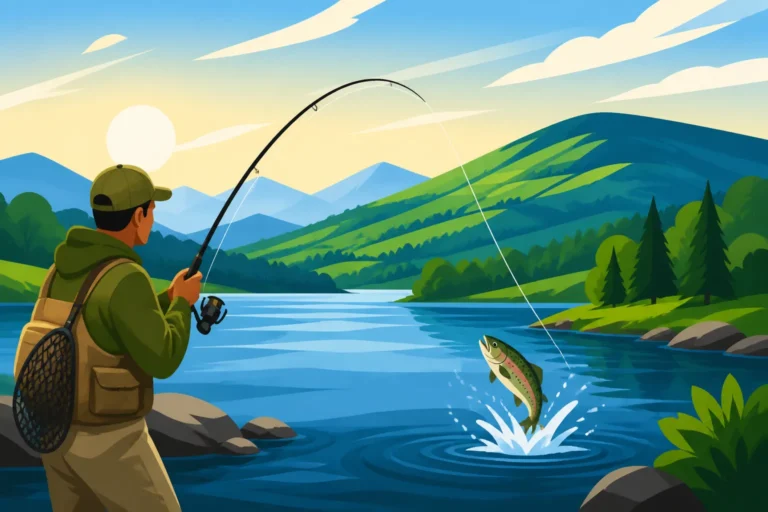
For those of us who love the rugged beauty of Vermont's Long Trail, the idea of adding a fishing rod to our pack often feels like a luxurious dream, or perhaps an impossible logistical nightmare. Navigating remote stretches, figuring out which obscure streams hold fish, and knowing if that pristine mountain pond is even accessible for angling can be incredibly frustrating. This guide is here to untangle those complexities, offering practical advice and pinpointing some of the best fishing spots along the Long Trail corridor, ensuring your next hike can also be a memorable fishing adventure.
Understanding the Long Trail Corridor's Unique Fishing Landscape
The Long Trail, stretching over 270 miles from Massachusetts to Canada, carves its path through the heart of the Green Mountains, traversing some of Vermont's most wild and scenic terrain. This unique journey brings hikers — and often, intrepid anglers — into close proximity with a diverse array of waterbodies, each with its own character and fishing potential. Understanding this landscape is the first step to a successful "hike and fish" experience.
The Challenge of Access and Terrain
One of the biggest hurdles when planning to fish along the Long Trail is, quite simply, access. While the trail might cross or parallel many streams and ponds, not all of them offer easy or legal fishing opportunities. Many sections of the trail are deep in wilderness areas, requiring significant hiking to reach. You won't find paved parking lots and perfectly manicured fishing access points every few miles. Instead, you'll often be bushwhacking through dense forest to get to a promising bend in a stream or the shoreline of a remote pond.
The terrain itself is rugged, featuring steep ascents and descents, rocky paths, and often muddy conditions. This means that lightweight, packable gear is not just a convenience, but a necessity. Hauling a bulky tackle box or a full-sized fly rod simply isn't feasible for most multi-day treks. Furthermore, being mindful of your footing while scouting for fishable water is paramount – a slip could mean a ruined trip or worse. The remoteness also means you'll be largely self-sufficient, so emergency preparedness is essential.
Types of Waterbodies You'll Encounter
The Long Trail corridor is a mosaic of different aquatic environments, each holding different fish species and requiring distinct approaches.
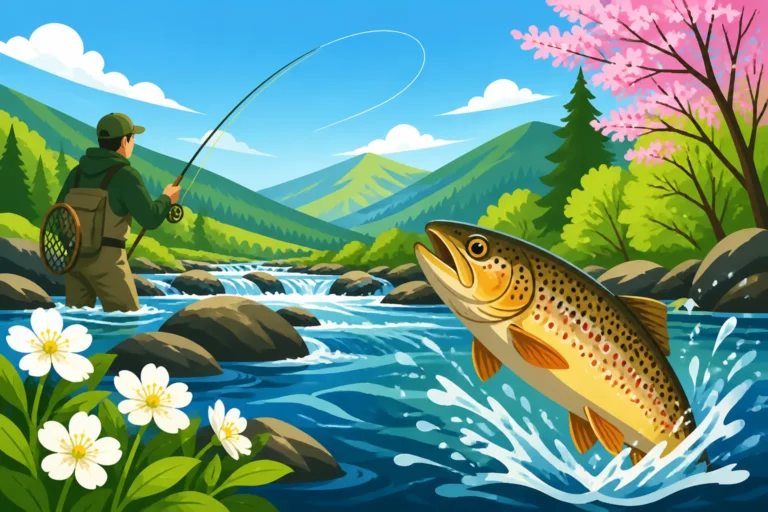
- Headwater Streams and Brooks: These are often small, cold, and incredibly clear, typically harboring native brook trout. Many are tiny ribbons of water that might not even appear on standard maps, but a keen eye can spot deep pools or undercut banks that offer refuge for these elusive fish. These high-elevation streams are prime for stealthy fly fishing or ultra-light spinning gear.
- Mountain Ponds: Tucked away in glacial depressions, these remote ponds often require a significant hike to reach. They can hold brook trout, sometimes splake (a brook trout/lake trout hybrid), or even wild populations of rainbow trout. Fishing these ponds often feels like stepping back in time, with unspoiled natural beauty and fish that rarely see anglers. Some of these waters are part of the Vermont Trout Season and Stocking Rules program, but many are wild.
- Mid-Sized Rivers and Larger Streams: As the trail descends from higher elevations, it occasionally crosses or follows larger rivers like the Winooski, Lamoille, or White River. These sections can offer more diverse fishing opportunities, including brown trout, rainbow trout, and even smallmouth bass in warmer stretches. Access might be easier where the Long Trail intersects with roads, allowing for day trips.
- Beaver Ponds and Wetlands: Don't overlook these often-unassuming spots. While sometimes challenging to fish due to dense vegetation, beaver ponds can create surprisingly deep pockets of water that hold brook trout, pickerel, or even panfish. These areas are ecological hotspots, and fishing them requires a careful, respectful approach to minimize disturbance.
Top Fishing Hotspots Along the Long Trail
While much of the Long Trail experience is about discovery, there are certainly areas known to offer excellent angling opportunities for those willing to venture off the beaten path a bit. Remember, specific "hotspots" can change with conditions, but these general areas consistently offer good prospects.
Northern Sections: Streams and Remote Ponds
The northern part of the Long Trail, winding through the higher peaks, is a fantastic area for those seeking solitude and native brook trout.
- Sterling Pond (Smugglers' Notch): This iconic pond, accessible via a moderate hike from the Smugglers' Notch State Park parking area, is a well-known spot. It's nestled high in the mountains and provides opportunities for brook trout and sometimes rainbow trout. Its clear, cool waters are perfect for fly fishing or light spinning gear. While popular with hikers, many don't bring fishing gear, offering a unique experience. For regulations, it's always wise to consult the Reading the Vermont Fishing Regulations Guide for specific pond rules.
- Headwaters of the Lamoille River: As the Long Trail traverses near Mount Mansfield and Sterling Mountain, it crosses numerous small feeder streams that eventually contribute to the Lamoille River. These high-gradient brooks are textbook brook trout water. Look for plunge pools, beaver dams, and log jams. Small dry flies, nymphs, or tiny spinners often entice these feisty fish. Access here is strictly trailside, demanding a keen eye and stealthy approach. You won't find crowded fishing spots here.
- Grout Pond (Southern Boundary of Green Mountain National Forest): While technically a short drive off the immediate Long Trail corridor as it nears the southern end, Grout Pond is easily accessible from Long Trail access points in the Manchester/Stratton area. It's a picturesque pond known for brook trout and often stocked with rainbow trout. The surrounding area also has smaller streams that feed into it, offering further exploration. If you're planning a trip, consider using a service like FishingBooker to find local guides who might know these specific, off-the-beaten-path gems if you prefer guided experiences.
Central Sections: Rivers and Larger Water Crossings
The central part of the Long Trail often dips into lower elevations, crossing larger drainage systems that offer different types of fishing, sometimes for larger fish.
- Winooski River Tributaries: The Long Trail makes its way through areas that feed into the Winooski River watershed. While the main stem of the Winooski might be a bit too far off-trail in many spots, its upper tributaries and smaller branches that the trail crosses can hold wild brook trout and, in some cases, brown trout. These streams often have more varied structure, from faster riffles to deeper pools, requiring a versatile approach. Understanding Vermont Fishing Regulations Explained is critical in these areas, as rules can vary by river section.
- White River Headwaters: Similar to the Winooski, the headwaters and smaller branches of the White River system are often encountered as the trail meanders south of Camel's Hump and the Mad River Valley. These are quintessential trout streams, known for good populations of both wild brook and brown trout. Fly fishing with small attractor patterns or weighted nymphs can be very effective in these clear, cool waters. These areas embody the "catch and release" ethos, especially for the more sensitive wild populations.
- Lakes and Ponds Near Appalachian Gap: While not directly on the Long Trail, the region around Appalachian Gap (Route 17) and Lincoln Gap (Route 17 and Lincoln Gap Road) has numerous small streams and ponds that are very close to Long Trail access points. These can be prime for short excursions. Always check local maps and regulations, as some private lands are intermingled with public access. A quick look on FishingBooker can help you scout potential local knowledge for these areas too.
Southern Sections: Headwaters and Brook Trout Havens
The southern portion of the Long Trail is generally less rugged than the northern peaks, but still offers plenty of remote fishing, particularly for brook trout.
- West River Headwaters and Tributaries: As the Long Trail winds through the southern Green Mountains, it crosses countless feeder streams that form the headwaters of the West River. This region, particularly within the Green Mountain National Forest, is renowned for its wild brook trout. The streams here are often small, brushy, and require patient, accurate casting. Many of these streams are part of the Vermont Wild Trout Waters Regulations, which often have special rules to protect these fragile populations.
- Glastenbury Wilderness Area: This remote wilderness area, traversed by the Long Trail in southern Vermont, is a true wildland experience. Numerous unnamed brooks and small ponds exist within its boundaries. Fishing here is for the adventurous and self-sufficient. Expect wild brook trout, untouched beauty, and absolute solitude. Navigation can be challenging, so a good map and compass (or GPS) are indispensable. Remember, "leave no trace" is more than just a motto here; it's a way of life.
- Small Ponds and Brooks Near Stratton Mountain: In the vicinity of Stratton, the Long Trail passes by several smaller ponds and marshy areas that can hold fish. While less famous than Sterling Pond, these can offer pleasant surprises, particularly for panfish or smaller trout. The key is exploration and being prepared to find your own secret spot. Local outfitters or even a search on FishingBooker could reveal more precise locations and conditions.
Essential Gear and Tactics for Trailside Angling
Packing smart is paramount when combining hiking the Long Trail with fishing. Every ounce counts, and versatility is key.
Pack Light, Fish Smart
Forget your heavy tackle box and multiple rod setups. The goal is minimalist efficiency.
- Rod and Reel: A pack rod (4-5 pieces) is ideal. A 3-weight or 4-weight fly rod, or an ultra-light spinning rod, will handle most of the trout and small bass you encounter. Pair it with a lightweight reel and appropriate line (e.g., 4-6 lb test mono or fluorocarbon for spinning, floating line for fly fishing). Brands like Tenkara (a Japanese style of fly fishing with a telescoping rod and no reel) are also gaining popularity for their extreme portability and effectiveness on small streams.
- Tackle Selection:
- Flies: A small fly box with a variety of dry flies (e.g., Adams, Elk Hair Caddis, stimulators in sizes 12-18), nymphs (e.g., Prince Nymph, Pheasant Tail, Hare's Ear in sizes 12-18), and perhaps a few small streamers or Woolly Buggers.
- Lures: For spinning gear, small inline spinners (e.g., Mepps, Panther Martin in sizes 0-2), tiny spoons (e.g., Little Cleo), or small soft plastic grubs on jig heads (1/32 to 1/8 oz).
- Bait (where legal): If you prefer bait and it's permitted, a small container of worms is often irresistible to trout.
- Essentials: Small forceps or hemostats for hook removal, clippers, a small measuring tape, a compact landing net (preferably rubber mesh for fish safety), and a small, collapsible water bottle for fish revival. Don't forget your Vermont Fishing License Guide for 2026! You’ll need it.
- Safety: A small first-aid kit, insect repellent (especially for black flies and mosquitoes in spring/early summer), and a headlamp are crucial.
Techniques for Mountain Streams and Ponds
Fishing in the Long Trail corridor demands specific techniques adapted to the often-tight, brushy, and clear water conditions.
- Stealth is Key: Fish in these remote waters are often wild and easily spooked. Approach stream banks and pond edges cautiously, moving slowly and staying low. Wear muted colors.
- Accuracy Over Distance: In small streams, short, accurate casts are far more important than long ones. Focus on getting your lure or fly into prime holding water – under overhanging branches, behind boulders, or in deep pockets. Often, a simple roll cast or bow-and-arrow cast is all you need.
- Reading the Water: Learn to identify where fish might hold. Look for current breaks, deeper pools, seams where fast and slow water meet, and any overhead cover. Undercut banks are particularly good.
- Pond Strategies: For remote ponds, casting from shore is usually the only option. Fan-cast to cover different depths and structures. Allow flies or lures to sink to different levels before retrieving. Early morning and late evening are often the most productive times. If you’re really serious about these remote ponds, check out the information on Vermont Trophy Trout Program Waters for waters that might have bigger fish.
Regulations and Conservation Considerations
Fishing responsibly along the Long Trail is not just about following the rules; it's about preserving the pristine environment for future generations of anglers and hikers.
Navigating Vermont's Fishing Regulations
Vermont has specific rules to protect its diverse fisheries, and these rules are especially important in the sensitive ecosystems along the Long Trail.
- License Requirements: Absolutely ensure you have a valid Vermont fishing license. You can easily obtain one online or from a local vendor. Don't risk a fine or losing the opportunity to fish! Information on How and Where to Buy a Vermont Fishing License is readily available.
- Species-Specific Rules: Pay close attention to bag limits, minimum lengths, and seasons for different species, particularly for brook trout. Many high-elevation brook trout waters have special regulations or are designated "catch and release" only.
- Special Regulation Waters: Some waters, especially those designated for wild trout, might have specific gear restrictions (e.g., artificial lures and flies only). Always consult the Vermont Fish & Wildlife Department's official fishing guide, or check their online resources. These details are often covered in the Vermont Fishing Season Dates and Closures.
- Reciprocity: If you're near the border with another state, like the Connecticut River, be aware of any reciprocal agreements, though these are less likely deep in the Green Mountains. For boundary waters, like Lake Champlain, there are specific Vermont fishing license reciprocity on Lake Champlain with New York rules.
- Understanding the Rules: Take the time to genuinely understand the rules for the specific area you plan to fish. A quick check on a resource like FishingBooker can sometimes offer insights into local regulations, as guides often stay very current.
Leave No Trace Principles for Anglers
Hiking and fishing the Long Trail means embracing the "Leave No Trace" ethos fully.
- Pack It In, Pack It Out: This is non-negotiable. All trash, including fishing line, bait containers, and food wrappers, must leave with you. Consider bringing a small trash bag specifically for this purpose.
- Respect Wildlife and Habitat: Avoid disturbing spawning beds, delicate aquatic vegetation, or wildlife you encounter. Give animals space.
- Minimize Impact: Stay on established trails. If you must venture off-trail to access a fishing spot, do so carefully to avoid trampling vegetation. Fish from durable surfaces like rocks or exposed soil.
- Care for Your Catch: If you plan to harvest fish, know and adhere to all limits. If releasing, do so quickly and gently to maximize survival. Keep the fish in the water as much as possible. Wet your hands before handling fish to protect their protective slime layer.
- Respect Other Users: The Long Trail is shared by many. Be courteous to hikers, give way on the trail, and keep noise levels down.
Planning Your "Fish & Hike" Adventure
Preparing properly is key to a successful and enjoyable trip.
| Section of Long Trail | Representative Fishing Spots (near or crossed by) | Primary Species | Recommended Gear | Key Considerations |
|---|---|---|---|---|
| Northern | Sterling Pond, Lamoille River Headwaters | Brook Trout, Rainbow Trout | 3-4 wt Fly Rod / Ultralight Spin, Small Dry Flies, Nymphs, Spinners | Remote access, high elevation, fragile habitats |
| Central | Winooski River Tributaries, White River Headwaters | Brook Trout, Brown Trout | 3-5 wt Fly Rod / Ultralight Spin, Nymphs, Streamers, Spinners, Small Crankbaits | More varied water types, potential for larger trout |
| Southern | West River Headwaters, Glastenbury Wilderness Brooks | Brook Trout | 2-4 wt Fly Rod / Ultralight Spin, Small Dry Flies, Nymphs, Worms (if legal) | Very remote, wild native trout, solitude |
Remember, conditions change rapidly in the mountains. Always check the weather forecast before heading out. Inform someone of your itinerary and expected return time. Embrace the challenge and the rewards of combining two incredible outdoor pursuits. You might even find some Best Fly Fishing Rivers in Vermont on your journey!
Disclaimer
The information provided in this guide is for general informational purposes only and is subject to change. Always consult the official Vermont Fish & Wildlife Department regulations before fishing, as rules and conditions can vary and be updated frequently. Safety in the backcountry is paramount; always be prepared for changing weather and potential hazards.