Best trout ponds accessible by short hike
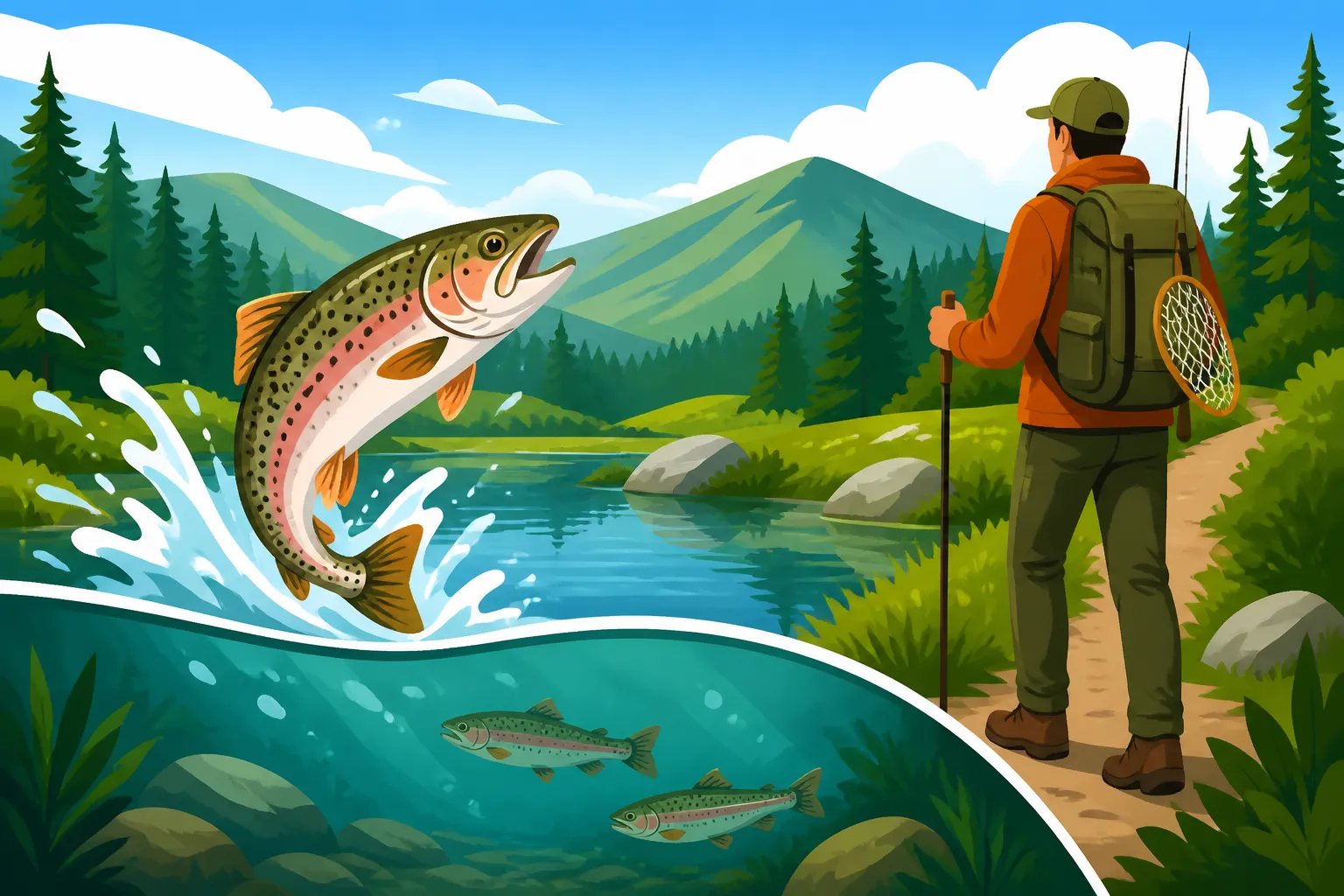
There’s something truly magical about earning your fish, isn't there? For many anglers, the thought of escaping the crowds and casting a line into a secluded, pristine pond, where the only sounds are nature's symphony, is the ultimate dream. Finding these tranquil Vermont trout ponds, especially those accessible via just a short, enjoyable hike, can feel like discovering a hidden treasure. This guide is here to help you unlock some of those special spots, sharing tips and locations to make your next adventure a memorable one.
The Undeniable Allure of Vermont's Hike-In Trout Ponds
For many of us, the joy of fishing isn't just about the catch; it's about the entire experience. And in Vermont, that often means combining our love for angling with a good old-fashioned walk in the woods. Hike-in trout ponds offer a unique blend of solitude, natural beauty, and the thrilling possibility of connecting with some truly wild fish.
Escaping the Crowds for Seclusion and Wild Trout
Imagine this: no jet skis buzzing, no crowded shorelines, just you, your rod, and the shimmering surface of a mountain pond. This is the promise of Vermont's hike-in trout ponds. Unlike many easily accessible lakes or larger rivers that see constant angler pressure, these smaller, often higher-elevation waters offer a level of peace and quiet that's increasingly rare. The fish here, especially the native brook trout, tend to be warier, wilder, and incredibly rewarding to catch, making that short trek all the more worthwhile. It's a chance to truly disconnect from the daily grind and reconnect with the simple pleasure of fishing.
There's a distinct satisfaction that comes from reaching a hidden pond after a pleasant walk. The air feels cleaner, the water looks clearer, and every cast feels imbued with a sense of adventure. You might find yourself observing wildlife, listening to the rustling leaves, or simply enjoying the profound stillness. These moments aren't just about fishing; they're about experiencing Vermont's natural splendor in its purest form, far from the paved roads and busy boat launches. The sense of accomplishment when you finally wet a line in these undisturbed waters is palpable.
Understanding Vermont's Unique Pond Ecosystems
What makes these particular ponds so good for trout, especially those accessible by short hikes? Often, it comes down to a few key factors: elevation, water source, and surrounding habitat. Many of these hike-in ponds are spring-fed or fed by cold mountain streams, ensuring consistent cold water temperatures that trout absolutely thrive in, even during the warmer summer months. This consistent cold water is crucial for the survival and health of trout, particularly the delicate brook trout.
These ecosystems are typically rich in insect life – think caddisflies, mayflies, and stoneflies – which form the primary diet of trout. They also often contain smaller baitfish or amphibians, offering a diverse food source that supports healthy, active fish populations. The surrounding forests provide shade, filtering the water and creating a natural, stable environment. When you're fishing these spots, you're not just fishing a pond; you're engaging with a finely balanced natural system that supports vibrant aquatic life. Understanding these dynamics can even help you predict where the fish might be holding and what they might be feeding on.
Prime Vermont Trout Ponds for Accessible Hikes
Vermont is dotted with countless ponds, but finding those truly special ones that offer great trout fishing without requiring an all-day expedition is the trick. We've scoped out a few spots that fit the bill, offering beautiful scenery and solid angling opportunities after a relatively short walk. Always check the specific regulations for each pond before you go, as some may have special rules regarding bait, tackle, or catch limits. You can find detailed information in the Vermont Fishing Regulations Explained.
Southern Vermont's Secluded Gems
Southern Vermont, particularly within the vast Green Mountain National Forest (GMNF), holds several fantastic hike-in pond options. These areas are well-maintained, and the trails, while sometimes rugged, are generally well-marked and offer a manageable walk for most anglers.
One outstanding example is Lilly Lake, located near Peru, Vermont, within the GMNF. The hike to Lilly Lake is roughly a mile, making it very accessible for a half-day or full-day trip. This picturesque pond is known for its resident brook trout, many of which are wild, reproducing fish. The clear, cold waters and surrounding forest create an idyllic setting. Anglers often find success here with small spinners, worms, or dry flies during hatches. The serene atmosphere is perfect for those looking for a quiet escape. Just remember that the short hike in means you'll want to pack efficiently, bringing only what you truly need for the fishing and the trail.
Another excellent choice in this region is Little Rock Pond, accessible via a 1.5-mile hike off the Long Trail, near Wallingford and Mt. Tabor. This larger pond is often stocked with brook trout and occasionally other species, offering a fantastic opportunity for a diverse catch. The trail is scenic, winding through dense forest, and provides a good balance of exercise and reward. Little Rock Pond is a popular overnight spot for hikers on the Long Trail, but during the day, anglers can often find their own quiet cove. The blend of stocked fish and potential holdover trout provides a great chance for action, especially in the spring or fall.
Central Vermont's Scenic Waters
Moving north into Central Vermont, the landscape continues to offer enticing hike-in fishing opportunities, though some might require a slightly more vigorous "short" hike due to elevation changes. These spots still provide that sought-after seclusion and rewarding fishing.
Sterling Pond, located near Stowe/Smugglers' Notch, is an iconic Vermont hike. While often described as a moderate hike due to elevation gain, the main trail from the Sterling Pond Trailhead is about 1.3 miles, making it a solid choice for those wanting to earn their cast. This beautiful high-elevation pond is regularly stocked with brook trout, ensuring good fishing prospects. The views from the surrounding trails are spectacular, offering panoramic vistas of the Green Mountains. Fishing here often involves small lures or flies, mimicking the natural insect life. Due to its popularity with hikers, visiting on a weekday or during off-peak hours can enhance the sense of solitude.
It’s worth noting that many state parks, while having larger lakes, often have smaller, less-known ponds within their boundaries or nearby that require a short walk. For instance, while Lake Elmore in Elmore State Park is quite accessible, exploring the surrounding natural areas or asking park rangers about smaller, lesser-known ponds nearby could lead to a fantastic discovery. Sometimes the "gems" aren't officially named on maps as fishing destinations but hold thriving populations of wild trout. If you're new to the area or want expert guidance, you might consider checking out local fishing guides. Platforms like FishingBooker can help you find experienced guides who know these hike-in spots and can lead you to the best trout ponds accessible by short hike, even some of the truly off-the-beaten-path ones.
Northeast Kingdom's Accessible Wilds
The Northeast Kingdom (NEK) is famed for its rugged beauty and remote feel, and while many of its waters are truly wild and require significant effort, there are still options for shorter hikes to rewarding trout ponds. These often embody the quintessential Vermont wilderness experience.
While specific short-hike ponds can be harder to pinpoint in the more remote NEK without local knowledge, many smaller, unnamed ponds within Wildlife Management Areas (WMAs) often offer walk-in access that feels like a short hike. These are typically less managed and can hold entirely wild brook trout. You'll need to consult detailed topographical maps and WMA guides from the Vermont Fish & Wildlife Department to explore these truly wild options. The reward here isn't just the fish, but the unparalleled sense of discovery and self-reliance. This is where you might find "trophy brook trout" that have grown large in their secluded habitat, making it a pilgrimage for seasoned anglers.
For those looking for a slightly more structured approach in the NEK, even larger lakes like Maidstone Lake, while not hike-in ponds, have specific coves or inlets that might be reached by a short trail, offering a pond-like experience with great trout fishing. These can be good starting points for exploring the region's diverse fishing opportunities. And if you're looking to branch out to larger, more accessible waters with a guide, a quick search on FishingBooker can connect you with charter captains specializing in Lake Memphremagog muskellunge or trophy lake trout on the bigger, more well-known waters.
| Pond Name | Location (Near Town) | Approximate Hike Length | Primary Species | Key Features |
|---|---|---|---|---|
| Lilly Lake | Peru, VT (GMNF) | ~1 mile | Brook Trout (Wild) | Secluded, pristine, ideal for fly fishing. |
| Little Rock Pond | Wallingford/Mt. Tabor, VT | ~1.5 miles | Brook Trout (Stocked) | Scenic, part of Long Trail, good camping spots. |
| Sterling Pond | Stowe/Smugglers' Notch, VT | ~1.3 miles | Brook Trout (Stocked) | High elevation, stunning views, popular hike. |
Essential Gear and Techniques for Your Pond Adventure
Successful fishing in hike-in trout ponds is as much about smart packing as it is about angling skill. Since you're carrying everything in, keeping it light and versatile is key.
Packing Light for the Trail and Water
When planning your trip to these accessible trout ponds, remember every ounce counts, even on a short hike. A small backpack should suffice for your gear. You'll want to bring a lightweight rod and reel combo – a 5-6 foot ultralight spinning rod or a 3-5 weight fly rod is perfect. Don't forget a small selection of tackle in a compact box. Include a few lures, some worms or powerbait, and a small assortment of flies if you're a fly angler. A bottle of water, a snack, bug spray, a small first-aid kit, and a lightweight rain jacket (Vermont weather can change quickly!) are also crucial. For those who prefer to wade, a pair of lightweight wading boots and breathable waders might be useful, especially on cooler days. Remember to consult the Vermont Boating Laws for Anglers if you're considering a float tube or kayak, though most short-hike ponds are bank-fishing or small personal craft only.
Consider a small, collapsible landing net with rubberized mesh for easy catch and release, especially important for handling wild trout gently. Beyond fishing gear, comfortable hiking shoes are a must. You don't need heavy hiking boots for a short, well-maintained trail, but good traction and support will make the walk much more enjoyable. A pair of polarized sunglasses will help you spot fish in the clear water and protect your eyes from glare and hooks.
Effective Techniques for Pond Trout
Fishing these ponds often requires a subtle approach. For spin anglers, small inline spinners (like Mepps or Panther Martin) in silver, gold, or black, or tiny spoons are highly effective. Try casting parallel to the shore, letting your lure sink a bit, and retrieving it slowly. Worms or PowerBait, fished under a small bobber or on the bottom with minimal weight, can also be deadly, especially for recently stocked fish. For fly anglers, matching the hatch with small dry flies (like caddis, midges, or ant patterns) can be incredibly productive, particularly in the spring and early summer. When there's no visible hatch, small nymphs or woolly buggers can be fished effectively near structure or along drop-offs.
A key technique for many of these ponds is a stealthy approach. Trout in clear, shallow waters can be easily spooked by sudden movements or loud noises. Approach the water slowly, stay low, and make long casts to avoid alarming the fish. Pay attention to any structure, like submerged logs, rocks, or weed lines, as these often hold fish. The Spring Trout Fishing Techniques for Vermont Streams guide, while stream-focused, offers many transferable insights into trout behavior that apply to ponds as well. Don't be afraid to experiment with different retrieves and depths until you find what the fish are responding to.
Respecting the Resource: Catch and Release and Leave No Trace
Many of Vermont's hike-in trout ponds contain sensitive populations, especially wild brook trout. Practicing responsible catch and release is paramount to preserving these fisheries for future generations. Handle fish gently with wet hands, minimize their time out of the water, and use barbless hooks to make unhooking easier. If you plan to keep fish, be sure to understand the Vermont Trout Limit and Possession Rules for the specific body of water you're fishing.
Beyond fish handling, always adhere to "Leave No Trace" principles. Pack out everything you pack in, including all trash and fishing line. Stay on marked trails to prevent erosion, and avoid disturbing wildlife or damaging vegetation. These remote areas are treasures; it's up to us to keep them that way. Your thoughtful actions ensure that the pristine experience of fishing these special places remains for everyone.
Planning Your Vermont Trout Pond Adventure
A successful trip to a hike-in trout pond involves a bit of planning, from understanding regulations to ensuring your safety.
When to Go: Seasons, Weather, and Best Times
The best time to fish Vermont's trout ponds accessible by short hike generally aligns with the open trout season, typically from April through October. Spring (April-May) is often fantastic, especially right after ice-out, as trout become more active and feed aggressively. Early season often provides excellent opportunities to catch recently stocked fish, as well as those holdover trout that have survived the winter. Fall (September-October) can also be magical, with cooler temperatures, vibrant foliage, and active fish preparing for winter. Summertime fishing can be productive in these cold, spring-fed ponds, particularly during early mornings or late evenings when water temperatures are at their coolest. High-elevation ponds tend to stay cooler longer.
Always check the local weather forecast before you head out. Vermont weather can be unpredictable, with sunny mornings quickly turning into rainy afternoons or sudden temperature drops. Dressing in layers is always a good strategy. Overcast days can often be excellent for trout fishing, as the diffused light makes fish less wary. Avoid extremely hot, sunny afternoons if possible, as trout can become lethargic and harder to catch, and the stress of being caught can be harder on them in warmer water.
Navigating Regulations and Access Points
Before you embark on your adventure, obtaining a valid Vermont fishing license is non-negotiable. You can learn all about the process in the Vermont Fishing License Guide for 2026. Additionally, thoroughly review the current Vermont Fishing Regulations Explained. Specific ponds, especially those managed for wild trout or trophy potential, often have unique rules regarding tackle, bait, or catch limits. These can vary significantly even between nearby ponds, so reading the small print is crucial. Many of these ponds are located within state parks or national forests, which may have their own access rules or parking fees. Always check the official websites or contact the relevant forest service or park office beforehand.
Some of these remote areas might not have cell service, so having a physical map or downloaded map on your phone is highly recommended. Information about trailhead locations, parking, and specific pond regulations is often available through the Vermont Fish & Wildlife Department's website or visitor centers in the Green Mountain National Forest. Don't assume that because a pond is hike-in, it's exempt from standard licensing requirements; it's a common misconception that can lead to a Fishing Without a License in Vermont: Penalties.
Safety First: Trail and Water Precautions
Even a short hike carries inherent risks, especially in natural settings. Inform someone of your plans, including your destination and estimated return time. Carry a fully charged phone (even if service is spotty, it can still call 911 in an emergency), a compass or GPS device, and enough water and snacks. Be aware of local wildlife, including bears and moose, and know how to react in an encounter. Hiking trails can be uneven, slippery, or rocky, so wearing appropriate footwear is essential.
When fishing, especially from shore, be mindful of your footing. Rocks can be slick, and banks can be unstable. If you're wading, a Best Wading Staff for Fast Current can provide extra stability, even in seemingly calm pond waters. Should you choose to use a float tube or kayak on any of these ponds (where permitted), ensure you wear a personal flotation device (PFD) at all times and understand the Life Jacket Requirements for Vermont Boaters. Being prepared allows you to fully enjoy the peace and solitude these incredible Vermont trout ponds have to offer.
Disclaimer
The information provided in this guide is for general informational purposes only and does not constitute legal advice. Fishing regulations, access policies, and environmental conditions can change frequently. Always consult the official Vermont Fish & Wildlife Department website and local authorities for the most current regulations and safety information before planning any fishing trip. Adhere to all posted signs and respect private property.