Best trophy trout waters in Vermont
It's a familiar feeling, isn't it? You spend hours on the water, casting and reeling, hoping for that one truly memorable fish – the kind that makes your heart pound and your camera flash. While Vermont offers fantastic trout fishing across the board, consistently landing a trophy-sized trout, one that truly pushes the tape measure, can feel like chasing a ghost. This comprehensive guide is designed to cut through the guesswork, revealing the best waters in Vermont where you have a genuine shot at hooking into the trout of a lifetime.
Understanding Vermont's Trophy Trout Program and Beyond
Before we dive into specific locations, let's clarify what "trophy trout" truly means in the Green Mountain State. It’s not just about a fish that feels big; there's an official program, and then there are those legendary wild waters. Understanding both aspects will significantly improve your odds of success.
What Defines a "Trophy" Trout in Vermont?
When the Vermont Fish & Wildlife Department (VTF&W) talks about "Trophy Trout Program Waters," they're generally referring to specific lakes and ponds where they stock larger-than-average brook, brown, and rainbow trout. These fish are typically hatchery-reared to a size where they offer an immediate, exciting challenge. We're often talking about trout in the 15-inch plus range, with some growing significantly larger in these nutrient-rich environments. The idea is to provide opportunities for anglers to catch quality fish without necessarily needing extensive backcountry knowledge. It’s a fantastic program that brings excitement to many easily accessible waters. However, when anglers use the term "trophy trout" in general conversation, it can also refer to exceptionally large, wild fish found in certain rivers and lakes that have never seen a hatchery truck. These wild trophies, particularly brown trout in select rivers or landlocked salmon in deep lakes, are often harder to come by but are cherished prizes due to their pristine condition and challenging nature. They might not be part of the official "Trophy Trout Program," but they are trophies nonetheless.
How the Vermont Fish & Wildlife Department Identifies Waters
The VTF&W meticulously selects specific lakes and ponds for its official Trophy Trout Program. These waters are chosen based on several factors, including their ability to sustain larger fish, public access, and overall angler demand. They aim to distribute these opportunities across the state, making trophy fishing accessible to more people. The department regularly monitors these waters, assessing growth rates, angler success, and overall habitat quality to ensure the program remains effective. You can often find detailed information about which specific waters are part of the program, along with stocking schedules and species planted, directly through the VTF&W website. This is an invaluable resource for planning your trips, as knowing when and where these larger fish are released can give you a significant advantage. This stocking effort ensures a consistent opportunity, though it's important to remember that these fish are still wild animals once released and adapt quickly to their new surroundings. For detailed information on specific stocking events, you might find the Vermont Fish Stocking Search Tool, Explained to be incredibly useful.
Expectations for Anglers: Not Every Cast is a Giant
While these waters offer the best chance at a trophy, it’s crucial to set realistic expectations. Fishing for large trout, whether stocked or wild, is still fishing. It requires skill, patience, and often a bit of luck. You might not catch a trophy on every outing, or even every other. These larger fish are typically wiser, more wary, and more challenging to fool. They've survived longer by being more cautious, making them a true test of an angler's abilities. Embrace the challenge, enjoy the beautiful surroundings, and appreciate every fish you catch, regardless of size. The pursuit itself, the learning, and the time spent outdoors are often as rewarding as the catch. Consider hiring a local guide, especially if you're new to these waters, as their expertise can significantly shorten your learning curve and increase your chances. Reputable guides often list their services on platforms like FishingBooker, providing invaluable local knowledge and insights into the current conditions and best tactics.
Top Lakes and Ponds for Trophy Trout
Vermont's deeper, colder lakes and some select ponds are prime real estate for growing large trout, particularly lake trout, brown trout, and landlocked salmon. These waters offer abundant forage and the necessary habitat for fish to reach impressive sizes.
Lake Willoughby: Deep Waters, Big Fish
Lake Willoughby, nestled in Vermont's Northeast Kingdom, is renowned for its incredible depth and crystal-clear, frigid waters. This unique environment creates a perfect habitat for large landlocked salmon and lake trout. It's often compared to a Norwegian fjord with its steep, mountainous shores plunging into depths exceeding 300 feet. This depth keeps the water oxygenated and cool even in the height of summer, which is crucial for cold-water species. Anglers targeting trophy fish here often employ trolling techniques, running downriggers at considerable depths to present spoons, stickbaits, or baitfish imitations to cruising salmon and lake trout. The average size of fish here is impressive, with landlocked salmon often exceeding 20 inches and lake trout pushing well into the double digits in terms of weight. Patience is a virtue when fishing Willoughby, as these fish are often spread out, but the reward of a powerful, chrome-bright salmon or a chunky laker is well worth the effort. For those venturing out on this magnificent body of water, our Lake Willoughby Fishing Guide offers a wealth of additional information.
Lake Memphremagog: A Border Water Gem
Lake Memphremagog, shared with Quebec, Canada, is another colossal body of water offering phenomenal trophy trout opportunities. While perhaps more famous for its formidable muskellunge, "The Magog" also holds significant populations of large lake trout and landlocked salmon. Its vastness, deep basins, and diverse forage base contribute to the growth of truly gargantuan trout species. Similar to Willoughby, trolling is the predominant method for targeting these deep-water predators. Anglers often find success working contour lines, structure, and baitfish schools with a variety of presentations. The lake's sheer size means there’s always a new section to explore, and its character changes dramatically from the shallower southern end near Newport, Vermont, to its deeper northern reaches. Catching a lake trout in the 15-20 pound class is a very real possibility here, and the landlocked salmon are equally robust. Navigating this international water does come with its own set of considerations, so always be mindful of regulations on both sides of the border. To optimize your strategy, check out our dedicated Lake Memphremagog Fishing Guide for specific techniques and hotspots.
Other Notable Lakes and Ponds
Beyond these titans, several other lakes and ponds across Vermont are regularly stocked with trophy-sized trout or naturally hold substantial fish.
- Lake Dunmore: Located in Addison County, Lake Dunmore is a popular spot that receives stockings of large brown and rainbow trout. It’s more accessible than some of the larger, deeper lakes and offers great opportunities for boat anglers. Its varied structure, including rocky points, weed lines, and drop-offs, provides excellent habitat for these fish to settle in and grow even larger after stocking. It’s a fantastic option for those seeking a more traditional lake fishing experience with the chance of a significant catch.
- Harriman Reservoir (Whitingham Reservoir): Down in Southern Vermont, the Harriman Reservoir is a huge, sprawling body of water known for its challenging fishing but equally rewarding potential for large brown trout and rainbows. Its vastness and numerous coves can make locating fish tricky, but persistent anglers who learn its contours and baitfish movements often connect with impressive specimens. It's a great place to escape the crowds and immerse yourself in a more rugged fishing adventure.
- Echo Lake (Charleston): This smaller, deep lake in the Northeast Kingdom, not far from Lake Willoughby, is another gem for landlocked salmon and lake trout. It offers similar conditions to Willoughby but on a more intimate scale, making it a favorite for those who prefer less expansive waters. Its deep, clear waters support a healthy forage base, allowing these trout to thrive and reach trophy sizes.
- Fairfield Pond (St. Albans): This relatively shallow pond is part of the VTF&W's Trophy Trout Program and is regularly stocked with large brook trout. While not as deep as the major lakes, its abundant food sources allow these brookies to quickly put on weight, offering exciting fishing for a species often associated with smaller stream sizes. It's a great spot for a different kind of trophy trout experience, focusing on Vermont's native state fish.
Each of these waters presents unique challenges and rewards, but all offer a legitimate chance at a trophy trout. Your approach, whether it's trolling deep or casting from shore, will need to be adapted to the specific characteristics of the chosen lake or pond.
Premier Rivers and Streams for Trophy Trout
While lakes hold their share of giants, there's a special allure to catching a trophy trout from a flowing river or stream. These fish, especially wild brown trout, are often incredibly strong and intelligent, making them an ultimate challenge for many anglers.
The Battenkill River: Legendary Waters for Wild Brown Trout
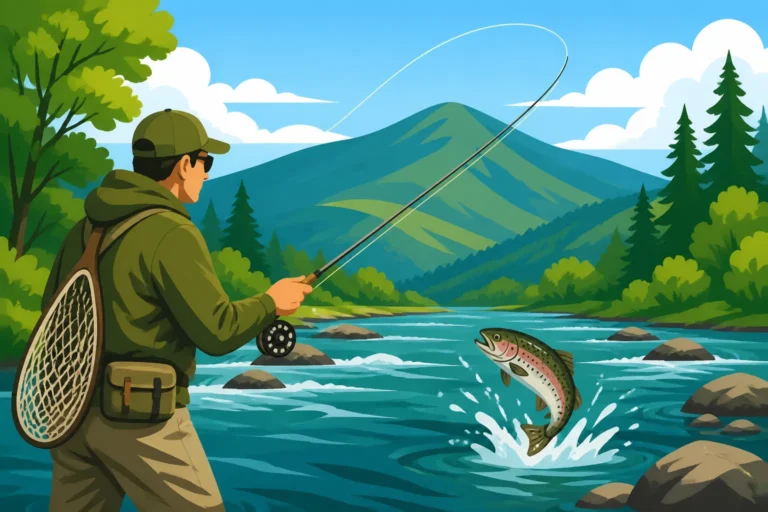
The Battenkill River, flowing through southwestern Vermont, is a name whispered with reverence among fly anglers across the country. It is, without a doubt, one of Vermont's premier destinations for wild brown trout. What makes the Battenkill truly special isn't just the sheer number of fish, but the remarkable size and wildness of its brown trout population. These fish are completely stream-bred, possessing a keen instinct for survival and an incredible fighting spirit. Catching a Battenkill brown trout over 18 inches, let alone 20+, is considered a true trophy accomplishment. The river itself is challenging, with clear, often low-nutrient waters that demand precise casting, delicate presentations, and a thorough understanding of trout behavior. Fly fishing is the dominant method here, with anglers often targeting specific pools, runs, and undercut banks where these wary giants hold. The Battenkill River Trout Fishing experience is unique, requiring patience and skill, but the reward of landing a magnificent, wild brown trout from these historic waters is unparalleled. Many sections are designated "catch-and-release, artificial lures only," further promoting the growth of larger, healthier fish.
Selected Sections of the Winooski and White Rivers
Beyond the Battenkill, other significant river systems in Vermont also hold impressive trout, particularly brown and rainbow trout, both wild and stocked.
- Winooski River: While known for its smallmouth bass and walleye, specific sections of the Winooski River and its tributaries, particularly in the upper and middle reaches, can offer excellent opportunities for larger trout. After stockings, some of the larger hatchery trout find their way into deeper pools and runs, adapting to the river environment and growing significantly. Furthermore, some tributaries and headwaters of the Winooski hold populations of wild brown and brook trout that can reach respectable sizes if conditions are right. Fishing around natural structure like logjams, large boulders, and deeper bends can often yield surprising results. Access points can be found along its considerable length, making it a versatile river for exploration. You can explore more about this waterway through the Winooski River Fishing Spots guide.
- White River: The White River system, particularly its main stem and larger tributaries, is another excellent choice for trophy trout. It boasts healthy populations of wild brown and brook trout, supplemented by strategic stockings of brown and rainbow trout by the VTF&W. The White River is often more forgiving than the Battenkill, with more varied flows and structure, making it a great option for both fly and spin anglers. Targeting deeper pools, confluence areas, and sections with good cover can produce some impressive catches. The river benefits from excellent aquatic insect hatches, supporting a robust food chain that allows trout to grow large and healthy. For a deeper dive into this fishery, consider reading the White River Fishing Guide.
Remember that river conditions, such as water levels and clarity, can drastically affect fishing success. Always check current conditions before heading out, and be prepared to adjust your tactics accordingly.
Lesser-Known Tributaries and "Wild Trout" Waters
Vermont is crisscrossed with countless smaller tributaries and high-elevation streams. Many of these lesser-known waters, especially those with good cold-water flows and limited pressure, harbor populations of truly wild brook, brown, and sometimes rainbow trout. While these might not be "trophy" in terms of sheer size like a 20-pound lake trout, catching a wild, vividly colored 12-14 inch brook trout from a secluded mountain stream is a trophy in its own right—a testament to pristine habitat and a rewarding angling experience.
Finding these spots often requires some exploration, a willingness to hike, and a good topographical map. Look for streams that maintain cold temperatures year-round, have good cover (like undercut banks, fallen trees, and boulders), and are away from heavy development. These wild trout are often less wary than their larger, more pressured counterparts in mainstem rivers, but their habitats can be challenging to access. Techniques like stealthy approaches, delicate presentations with light tackle, and matching the hatch (or imitating smaller insects and baitfish) are key. The rewards are not just the fish, but the serene beauty and solitude of Vermont's wild places. Keep an eye out for specific "catch and release" or "fly fishing only" sections, as these often protect prime habitat for larger wild fish. Our guide on Vermont Catch and Release Fly Fishing Only Waters provides valuable insights into such locations.
Strategies for Targeting Trophy Trout in Vermont
Catching trophy trout isn't just about showing up at the right water; it's about employing the right strategies, having the right gear, and understanding the nuances of these larger, smarter fish.
Gear and Tackle Considerations for Larger Fish
When pursuing trophy trout, whether it's a massive lake trout in Lake Champlain or a hefty brown trout in the Battenkill, your gear choices become paramount. You're not just looking for a rod that can cast, but one that can fight.
- Rods & Reels: For lake trout and landlocked salmon in deep lakes like Willoughby or Memphremagog, you’ll want a medium-heavy action rod, often 7 to 8 feet long, capable of handling heavier lures and resisting the powerful runs of large fish. Paired with a sturdy spinning reel (size 3000-4000) or a conventional trolling reel, spooled with 15-20 lb braided line and a fluorocarbon leader, you’ll have the backbone needed. For river browns and rainbows, especially on larger rivers, a medium-action spinning rod (6.5-7.5 feet) with a 2500-sized reel and 6-8 lb fluorocarbon or monofilament line is ideal. Fly anglers targeting trophy river trout will often opt for 5-7 weight rods, which offer enough power to cast larger streamers and subdue powerful fish without over-stressing lighter tackle. For specific recommendations, our Best Gear for Vermont Trout Fishing can guide you further.
- Line: Fluorocarbon leader is almost a must in Vermont’s clear waters for its low visibility and abrasion resistance. Main line can be braided for sensitivity and strength, or monofilament for its forgiving stretch, depending on your preferred technique.
- Lures & Baits: Trophy trout often key in on larger forage. In lakes, think large spoons, stickbaits, or even live bait like smelt or suckers if regulations allow. For rivers, large streamers imitating baitfish, crayfish, or sculpins are highly effective, as are larger nymphs and even dry flies during specific hatches. Spin anglers will find success with larger inline spinners, small jerkbaits, and soft plastics rigged to imitate baitfish.
- Nets & Release Tools: Always carry a large, rubberized landing net to minimize harm to the fish, especially if you plan to practice catch and release. Long-nosed pliers or hemostats are essential for quickly and safely removing hooks. If you're serious about trophy hunting, consider specialized nets like those used for muskellunge or pike for handling truly massive lake trout or salmon.
Best Times and Conditions to Hunt for Giants
Timing and conditions are everything when it comes to trophy trout. These fish are often more active during certain periods and under specific environmental cues.
- Early Spring (Ice-Out to June): This is arguably the best time for trophy lake and river trout. As the ice recedes, lake trout and landlocked salmon often feed aggressively in shallower waters before retreating to the depths. River trout are also extremely active, spurred by increasing water temperatures and emerging insect hatches. High, slightly stained water in early spring can make trout less wary. Pay attention to water temperatures; the "sweet spot" varies by species, but generally, 40-55°F is prime. The Vermont Trout Opening Day Traditions are a testament to the excitement of this season.
- Late Fall (October-November): As water temperatures cool down, lake trout and landlocked salmon become more active again, often moving shallower to feed. Brown trout in rivers become particularly aggressive as they prepare for spawning, making them more susceptible to larger lures and flies. This is a prime time for targeting truly massive brown trout in rivers like the Battenkill.
- Overcast Days & Low Light: Trophy trout, especially in clear waters, tend to be more active and less wary during overcast days or low-light conditions (dawn, dusk). The reduced light penetration makes them feel safer to move into shallower feeding areas.
- Post-Rain Events (Rivers): A good rain can raise river levels and add a touch of turbidity, providing cover for larger trout and dislodging food sources. However, avoid fishing during flood stage or when water is excessively muddy. The prime window is often as the water begins to drop and clear slightly.
- Cooler Water Temperatures: All trout species prefer cold water. During summer, this means targeting deeper sections of lakes, headwaters of streams, or fishing during the coolest parts of the day. Avoid fishing trout when water temperatures exceed 68°F, as the stress can be lethal, even with catch-and-release practices. For more seasonal insights, consult our Vermont Fishing Season Dates and Closures guide.
Patience, Persistence, and Presentation
Ultimately, landing a trophy trout often comes down to these three virtues.
- Patience: These fish don't jump on every line. There will be long stretches without a bite. Embrace the wait, trust your chosen spot, and remain focused. The moment a trophy hits, you'll forget all about the hours of waiting.
- Persistence: Don't give up on a spot too quickly if you believe big fish are there. Try different angles, depths, and presentations. Move around, but methodically. Keep learning the water, observing baitfish, and noting changes in current or structure. Local knowledge is critical; consider a guided trip with someone found on FishingBooker to learn the nuances of a specific trophy water.
- Presentation: This is where skill truly shines. Whether you're carefully drifting a nymph for a wary brown trout, trolling a spoon at a precise depth for a lake trout, or casting a streamer into an undercut bank, the way you present your offering matters immensely. Keep your line subtle, your movements natural, and imitate the forage as closely as possible. Often, it's the smallest detail in your retrieve or drift that makes the difference between an ordinary fish and a true trophy.
| Water Body | Primary Trophy Species | Key Characteristics for Trophy Fishing | Typical Methods |
|---|---|---|---|
| Lake Willoughby | Landlocked Salmon, Lake Trout | Deep, cold, clear glacial lake; abundant smelt forage | Deep trolling with downriggers |
| Lake Memphremagog | Lake Trout, Landlocked Salmon | Vast, deep border lake; diverse structure & forage | Deep trolling, jigging |
| Battenkill River | Wild Brown Trout | Legendary clear, challenging river; special regulations | Fly fishing (dry, nymph, streamer) |
| Winooski River (select areas) | Brown Trout, Rainbow Trout | Varied flows, good structure; some wild, some stocked | Spin fishing (lures, bait), fly fishing |
| White River | Brown Trout, Rainbow Trout, Brook Trout | Healthier flows, diverse habitat; good insect hatches | Spin fishing (lures, bait), fly fishing |
| Lake Dunmore | Brown Trout, Rainbow Trout | Accessible lake, regularly stocked with larger fish | Trolling, casting lures, bait fishing |
| Harriman Reservoir | Brown Trout, Rainbow Trout | Large, sprawling reservoir; good for solitude & big fish | Trolling, casting, deep jigging |
| Fairfield Pond | Brook Trout | Shallow, productive pond in official Trophy Trout Program | Fly fishing, light spin fishing |
Catching a trophy trout in Vermont is an experience that will stay with you forever. It requires dedication, but the journey itself, exploring Vermont's stunning waters, is a reward in its own right. Tight lines!
Disclaimer
The information provided in this guide is for general informational purposes only and does not constitute legal advice. Fishing regulations, season dates, and license requirements in Vermont are subject to change. Always consult the official Vermont Fish & Wildlife Department regulations guide before planning any fishing trip. Adherence to all local, state, and federal laws is the sole responsibility of the angler.