Best year-round trout fishing in Vermont
Many anglers dream of chasing trout through all four seasons, but in a state like Vermont, where winters are long and regulations can shift, it often feels like a pipe dream. The truth is, while the classic open trout season dictates much of our fishing, there are fantastic opportunities to pursue these beautiful fish year-round if you know where to look and what rules to follow. This guide is here to break down the complexities and reveal the best strategies for finding trout in Vermont, no matter the month.
Understanding Vermont's Trout Seasons and Regulations
Vermont's approach to trout fishing seasons can feel a bit like a jigsaw puzzle if you're only looking at the broad strokes. While many rivers and streams have a traditional opening day and closing date, there are crucial exceptions and special regulations that unlock year-round opportunities for the dedicated angler. It's all about knowing the nuances and appreciating the variety of Vermont's waterways.
The Basics of Trout Season
For most of Vermont's rivers and streams, the general trout season typically kicks off on the second Saturday in April and runs through the last day of October. This is your classic "trout opener," when folks eagerly hit their favorite spots to cast for freshly stocked rainbow and brown trout, alongside wild brookies in smaller, colder streams. During this period, you’ll find anglers enjoying the rush of spring runoff, the warmth of summer, and the vibrant colors of fall, all while adhering to the standard Vermont Trout Limit and Possession Rules.
However, it's not a one-size-fits-all scenario. Different species might have slightly varied regulations, and it's essential to always consult the official Vermont Fishing Regulations Explained for the most up-to-date information. For instance, while you might be chasing brook trout in a mountain stream, the regulations for lake trout in a deep, cold lake like Lake Champlain can be entirely different. These general season dates apply widely to stocked waters and many wild trout fisheries, but they are just one piece of the larger year-round puzzle. Anglers who only fish during these months are missing out on some incredible, and often less crowded, opportunities.
Special Regulation Waters for Extended Opportunities
This is where the year-round dream really comes alive! Vermont understands the passion many anglers have for trout and has designated certain waters as "Special Regulation Waters." These specific sections of rivers or entire ponds often have unique rules, such as catch-and-release only, fly-fishing only, or extended seasons that allow fishing well beyond the traditional October 31st cutoff, and sometimes even all year.
These waters are often managed to protect wild trout populations, encourage sustainable fishing practices, and provide a higher quality angling experience. For example, some sections of the Battenkill River, a renowned wild brown trout fishery, are designated for catch-and-release, fly-fishing only, and can be fished year-round. This means that even in the dead of winter, if conditions allow and the river isn't completely iced over, you could be casting a weighted nymph for a hardy brown trout. Similarly, the Vermont Catch and Release Fly Fishing Only Waters offer excellent prospects throughout the year, contingent on safe access. It's a fantastic way to extend your season, but it comes with the responsibility of knowing and strictly adhering to these localized rules, which are typically posted at access points and detailed in the annual regulations guide. The goal here is conservation and quality, ensuring these special places remain vibrant for generations of anglers.
Navigating Ice Fishing for Trout
When the traditional open water season closes, a whole new world of trout fishing opens up: ice fishing. While many associate ice fishing primarily with species like perch, pike, and walleye, some of Vermont's deeper, colder lakes offer fantastic opportunities for lake trout and landlocked salmon through the ice. These hard-fighting fish are a thrilling target when you're bundled up on a frozen lake, drilling holes and dropping jigs or dead bait.
For species like lake trout and salmon, the ice fishing season usually runs from mid-January through mid-March, though exact dates can vary by water body and are heavily dependent on safe ice conditions. Key lakes like Lake Champlain, Lake Willoughby, and Seymour Lake are prime destinations for this winter pursuit. Anglers will often use heavier ice fishing gear, sonar to locate fish and structure, and a good understanding of deep-water tactics. Safety is paramount, of course, and checking ice thickness regularly is non-negotiable. While these fish aren't "stream trout," they offer a truly exciting year-round option for trout enthusiasts, allowing you to stay active even when most rivers are locked up or closed. It's a completely different experience, offering solitude and the unique challenge of battling powerful fish in extreme conditions, as detailed in the Vermont Ice Fishing Season Dates guide.
Prime Locations for Year-Round Trout Fishing
Finding the perfect spot for year-round trout fishing in Vermont requires moving beyond the obvious and looking for waters that offer stability, cold temperatures, and specific regulations that extend the season. While every angler has their secret spots, some areas are consistently reliable for chasing trout throughout the calendar.
Designated Catch-and-Release Waters
These are truly the gems for the devoted year-round trout angler. Vermont's Fish and Wildlife Department has wisely set aside specific sections of certain rivers as catch-and-release areas, often with fly-fishing only restrictions. These regulations not only preserve wild trout populations but also create fisheries that can be enjoyed outside the conventional season.
The Battenkill River is arguably Vermont's most famous year-round C&R destination. Its storied waters, particularly the sections near Arlington, are renowned for their wild brown trout populations. Here, you can fish with flies throughout the winter months, provided the water isn't locked up with ice or dangerously high from thaws. The challenge is real, as winter trout can be finicky, but the reward of a wild Battenkill brown on a cold day is unmatched. Similarly, portions of the Lamoille River and other smaller tributaries might offer extended or year-round C&R opportunities, though these are usually less publicized and require closer study of the regulations. These waters typically have stable temperatures due to spring feeds or consistent flows, making them more resilient to seasonal extremes. For detailed information on specific access points and what to expect, guides on the Battenkill River Trout Fishing are incredibly helpful.
Deep Coldwater Lakes Offering Lake Trout and Salmon
When river temperatures soar in summer or freeze solid in winter, Vermont's deep, coldwater lakes become the sanctuaries for trout and salmon. These bodies of water naturally stratify, maintaining frigid temperatures in their depths that are perfect for cold-loving species like lake trout and landlocked salmon, making them prime year-round fisheries.
Lake Champlain, the largest lake in New England, is a fantastic example. While often known for its bass and walleye, its vast, deep expanses hold healthy populations of lake trout. These powerful fish can be targeted almost any time the lake is fishable, from spring through the hardwater season. During warmer months, they retreat to the thermocline, requiring deep trolling or vertical jigging. In winter, they are a primary target for ice anglers. Similarly, the stunningly clear waters of Lake Willoughby are a bucket-list destination for landlocked salmon and lake trout. Willoughby’s incredible depth keeps its waters consistently cold, allowing for active fishing even in the dog days of summer. Trolling with downriggers is a popular method here, chasing salmon that feed on smelt in the deep. Understanding the behavior of these species, which often move vertically through the water column with changes in season and temperature, is key to success on these lakes. Consult resources like the Lake Champlain Fishing Guide and the Lake Willoughby Fishing Guide for more specific strategies and hotspots.
Tailwaters and Large Rivers with Consistent Flows
Another overlooked resource for year-round trout fishing potential lies in tailwaters – the sections of rivers immediately downstream from dams – and larger river systems that maintain more stable flows and temperatures. These environments are often less susceptible to the extreme temperature fluctuations that affect smaller, shallower streams.
The Connecticut River, which forms Vermont’s eastern border, is an excellent example. While much of it is a warmwater fishery, its extensive length and the presence of dams mean there are sections, particularly downstream from certain coldwater releases, that can hold trout year-round. These areas often benefit from consistent, cool water discharges, providing a reliable habitat for trout even when other streams are too warm or too low. Anglers might find success here targeting brown and rainbow trout using a variety of techniques, from fly fishing to spinning. Large rivers, simply by virtue of their volume, also tend to buffer against rapid temperature changes, making them more resilient during hot spells or sudden cold snaps. Access can be a factor, so utilizing designated public access points along the Connecticut River Fishing Access in Vermont is crucial. These locations often require specific strategies due to their size and current, but they offer rewarding and consistent year-round fishing opportunities.
| Water Type | Primary Target Species | Best Seasons | Common Techniques | Special Regulations |
|---|---|---|---|---|
| Catch-and-Release Rivers | Brown, Rainbow, Brook Trout | Year-Round (Open Water) | Fly Fishing (Nymphing, Streamers) | Catch & Release, Fly Fishing Only |
| Deep Coldwater Lakes | Lake Trout, Landlocked Salmon | Year-Round (Open & Ice) | Trolling (Downriggers), Jigging | Species/Length Limits |
| Large Rivers/Tailwaters | Brown, Rainbow Trout | Year-Round (Open Water) | Fly Fishing, Spin Fishing (Lures, Bait) | General Regulations often apply, check local rules |
Essential Techniques and Gear for Year-Round Success
Trout fishing in Vermont isn't just about finding the fish; it's about adapting your approach to the ever-changing conditions that the Green Mountain State throws at you. What works like a charm in spring might be useless in winter. Being versatile with your techniques and thoughtful about your gear is what truly unlocks year-round success.
Adapting to Seasonal Changes: From Spring Runoff to Winter Ice
Each season presents its own unique set of challenges and opportunities for the trout angler. Understanding these shifts and knowing how to adapt is paramount.
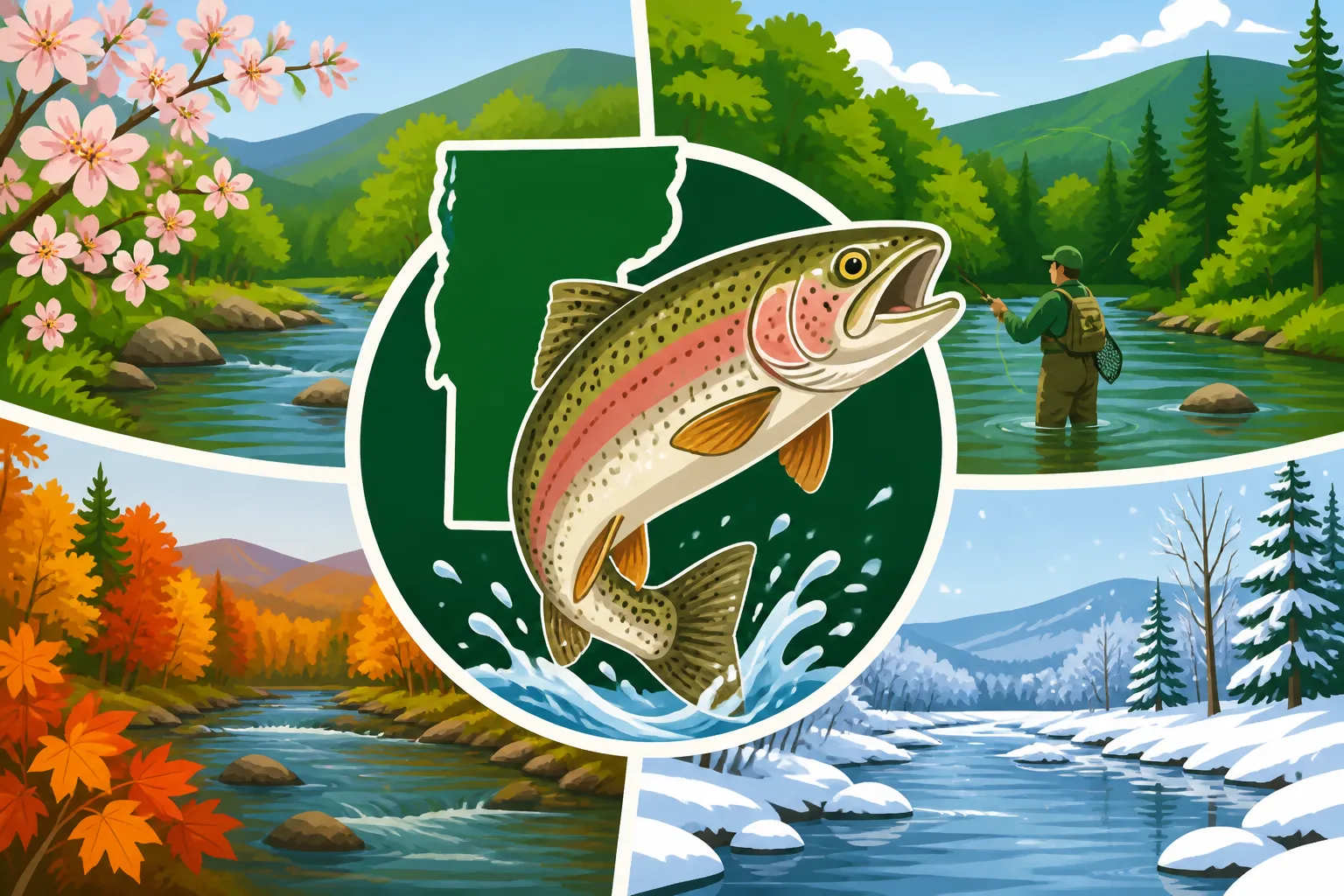
- Spring: When the snow melts and the rivers swell, spring runoff brings high, often murky water. Trout are generally less picky as they come out of their winter lethargy and gorge on available food. This is often a time for larger, more visible flies and lures. Think big nymphs and streamers on the fly rod, or robust spinners and spoons on spinning gear. The fish are often tucked into slower seams, eddies, and behind structure to escape the main current. This is also when many Vermont Trout Season and Stocking Rules first kick in, often with freshly stocked fish that are eager to bite.
- Summer: As waters warm and levels drop, trout become warier and more active in cooler periods of the day – early mornings, late evenings, or even after dark. Focusing on cooler, oxygenated water like spring-fed sections, deep pools, or higher elevation streams is key. Light lines, smaller flies (dry flies, emergers, tiny nymphs), and subtle presentations are often required. For lake trout and salmon in deeper lakes, this means moving to the thermocline.
- Fall: Many consider fall the "second spring" for trout. As water temperatures cool down, trout become incredibly active, feeding aggressively to build up reserves for winter and, for some species like brown trout, to prepare for spawning. Streamers, large nymphs, and even dry flies during sporadic hatches can all be effective. It’s a fantastic time for trophy-sized fish in rivers and lakes alike.
- Winter: For open-water fishing, winter means cold, clear, and often low water. Trout are lethargic and metabolism slows, so slow, deliberate presentations are vital. Small, heavily weighted nymphs fished deep and slowly, or tiny jigs tipped with bait, can entice bites. Patience is the greatest virtue. For ice fishing, it's about jigging aggressively to draw attention, then holding still, or setting up dead sticks with bait. The key is to fish during warmer parts of the day, even a few degrees can make a difference.
Fly Fishing Strategies for All Seasons
Fly fishing offers a wonderfully nuanced way to pursue trout year-round, especially in Vermont's special regulation waters. The versatility of flies and techniques allows anglers to mimic various food sources and behaviors.
- Nymphing: This is your bread and butter for year-round success. Trout feed predominantly sub-surface, so imitating aquatic insect larvae and pupae with nymphs is effective in almost all conditions. In spring, use larger, darker nymphs to imitate stoneflies. In summer, switch to smaller, lighter patterns for mayflies and caddis. In fall and winter, keep them small, realistic, and fish them slowly and deeply. European nymphing techniques have gained popularity for their efficiency in getting flies down quickly and detecting subtle bites, making them excellent for cold, clear water.
- Streamers: Imitating baitfish, sculpins, and leeches, streamers are incredibly effective for targeting larger, predatory trout, especially brown trout and lake trout. They are particularly deadly in higher, off-color water during spring and fall, and can provoke aggressive strikes. Stripping streamers through deep pools, along cut banks, or even swinging them across currents can yield impressive results. For more specific patterns, check out the Fly Patterns for Vermont Trout Streams guide.
- Dry Flies: While more seasonal, don't write off dry flies entirely for year-round use. Spring and summer see prolific hatches of caddis, mayflies, and stoneflies, offering thrilling topwater action. Even on milder winter days, tiny midges can hatch, bringing trout to the surface in slower pools. Always carry a selection of seasonal dry flies, but be realistic about when they'll be most effective.
Spin Fishing and Bait Fishing for Year-Round Trout
For those who prefer conventional tackle, spin fishing and bait fishing remain incredibly effective methods for trout throughout the year, especially in waters without fly-fishing-only restrictions.
- Spinners and Spoons: These artificial lures are fantastic for covering water and triggering aggressive strikes. In spring and fall, when trout are active, larger, brightly colored spinners and spoons can be highly effective. During summer, downsize your lures and target deeper pools or shaded areas. In winter, if the water is open, slow retrieves with small, flashy spoons or jigs can tempt lethargic fish. Brands like Mepps and Panther Martin are perennial favorites for their classic appeal and consistent performance.
- Bait Fishing: While often restricted in special regulation areas, bait can be a go-to for many anglers in general regulation waters. Live bait like worms, minnows (where legal), or artificial baits such as PowerBait or Berkley Gulp! can be irresistible to trout, especially newly stocked fish. For ice fishing, dead bait such as smelt or shiners, often fished on a tip-up or jigging rod, is a top choice for lake trout and salmon. Rigging your bait naturally, often with minimal weight, is key to success, allowing it to drift or sit enticingly in the current or water column. For the right gear, consider exploring options found in guides like the Best Gear for Vermont Trout Fishing to ensure you're well-equipped for any method.
Planning Your Year-Round Vermont Trout Adventure
Embarking on a year-round trout fishing quest in Vermont is an incredibly rewarding endeavor, but it requires careful planning and a deep respect for the environment. A successful trip hinges on being prepared, informed, and ethical.
Checking Current Regulations and Water Conditions
This cannot be stressed enough: always, always check the current regulations before heading out. Vermont's fishing rules, especially for trout, can be complex and are subject to annual changes and specific local designations. A section of river that was open year-round last season might have new restrictions this year, or a particular lake might have a temporary closure or modified bag limit.
The Vermont Fish & Wildlife Department (VFWD) website is your single most important resource. They publish a comprehensive digital and print guide annually, detailing all general and special regulations, including specific dates for different species and water bodies. Local bait and tackle shops are also invaluable hubs of real-time information. Shop owners and their regulars are often intimately familiar with local water conditions – temperature, clarity, flow rates – which can drastically affect fishing success. A quick phone call or visit can save you a wasted trip. Online resources and fishing forums can also provide insights, but always cross-reference with official VFWD sources to ensure accuracy. Being a responsible angler means being an informed angler, and understanding the nuances covered in documents like the Reading the Vermont Fishing Regulations Guide is crucial for a smooth and legal outing.
Hiring a Local Guide or Charter for Expert Insight
For those looking to maximize their chances, especially when exploring new waters or challenging seasonal conditions, hiring a local guide or charter service can be an absolute game-changer. Vermont is home to many passionate and knowledgeable fishing guides who have spent years, if not decades, learning the intricate details of local trout fisheries.
A guide brings invaluable local knowledge: they know where the fish are holding in different seasons, what flies or lures are currently working best, and how to navigate the trickiest sections of rivers or lakes. They can teach you specific techniques for winter nymphing, deep-water trolling for lake trout, or identifying subtle hatches on a spring creek. This can significantly shorten your learning curve and increase your enjoyment, turning a potentially frustrating day into a memorable one. For booking guides, platforms like FishingBooker connect anglers with local experts across Vermont. You can browse various options, read reviews, and find a guide specializing in trout fishing – whether it's fly fishing the Battenkill, or ice fishing for lake trout on Lake Champlain. They often provide all the necessary gear, which is a huge bonus, particularly for specialized activities like ice fishing or deep-water trolling. Investing in a guided trip, especially for a specific species or season you're unfamiliar with, is often the quickest path to success and a deeper understanding of Vermont's diverse trout opportunities.
Respecting the Resource and Practicing Ethical Angling
Year-round trout fishing, particularly in catch-and-release and special regulation waters, comes with a profound responsibility to protect the very resource you enjoy. Ethical angling practices are essential for ensuring these fisheries remain vibrant for future generations.
- Catch and Release Best Practices: If you're fishing C&R waters, ensure you handle fish with extreme care. Minimize their time out of water, use wet hands when handling, and avoid squeezing or putting fingers in their gills. Use debarbed hooks to facilitate easy removal. If a fish is exhausted, revive it gently in the water, facing it into a slow current until it swims away under its own power. This is particularly important for wild trout, which are the backbone of many year-round fisheries.
- Leave No Trace: Always pack out everything you pack in, and perhaps even more. This includes discarded fishing line, bait containers, and any other trash. Vermont's natural beauty is a huge part of the fishing experience, and keeping it pristine is everyone's responsibility.
- Know Your Limits: Even in waters where harvest is allowed, consider practicing selective harvest, especially for larger, older fish which are vital for reproduction. Keep only what you will eat, and consider releasing the largest fish to ensure genetic diversity and continued trophy potential. By being thoughtful and respectful, we contribute to the long-term health of Vermont's trout populations, allowing everyone to enjoy the incredible experience of year-round trout fishing.
Disclaimer
The information provided in this guide is for general informational purposes only and is subject to change. Anglers are solely responsible for understanding and complying with all current Vermont Fish & Wildlife Department regulations before engaging in any fishing activities. Always prioritize safety, especially when on or near the water.